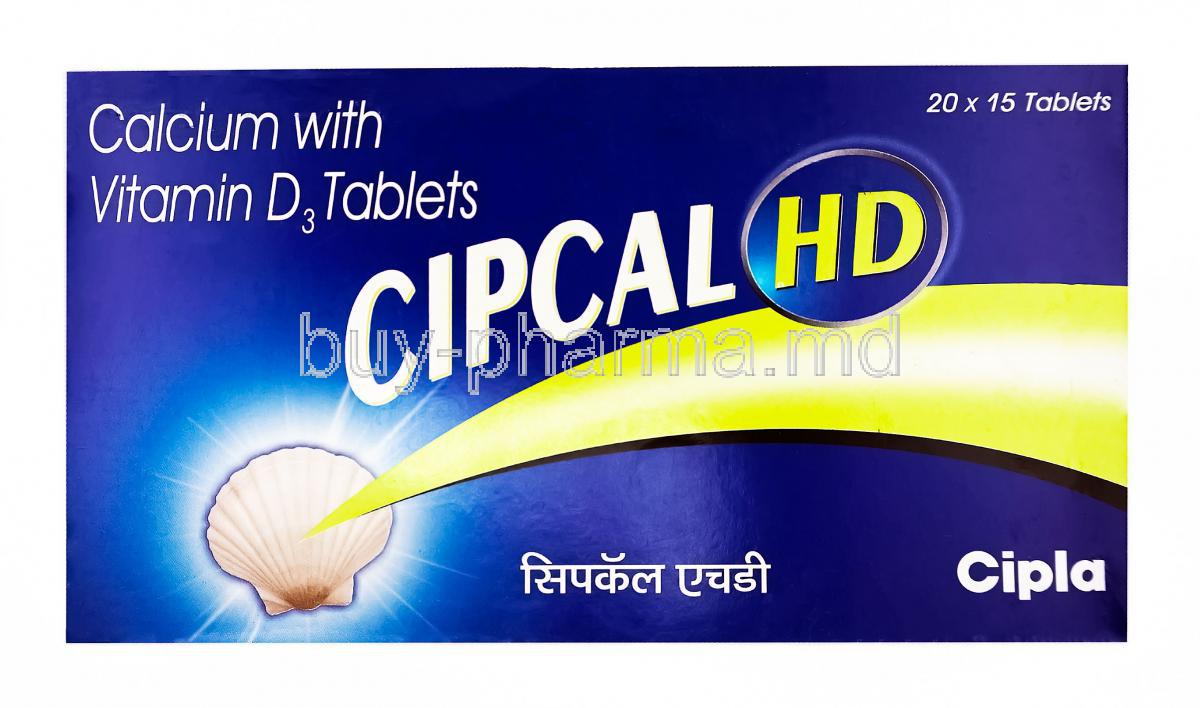

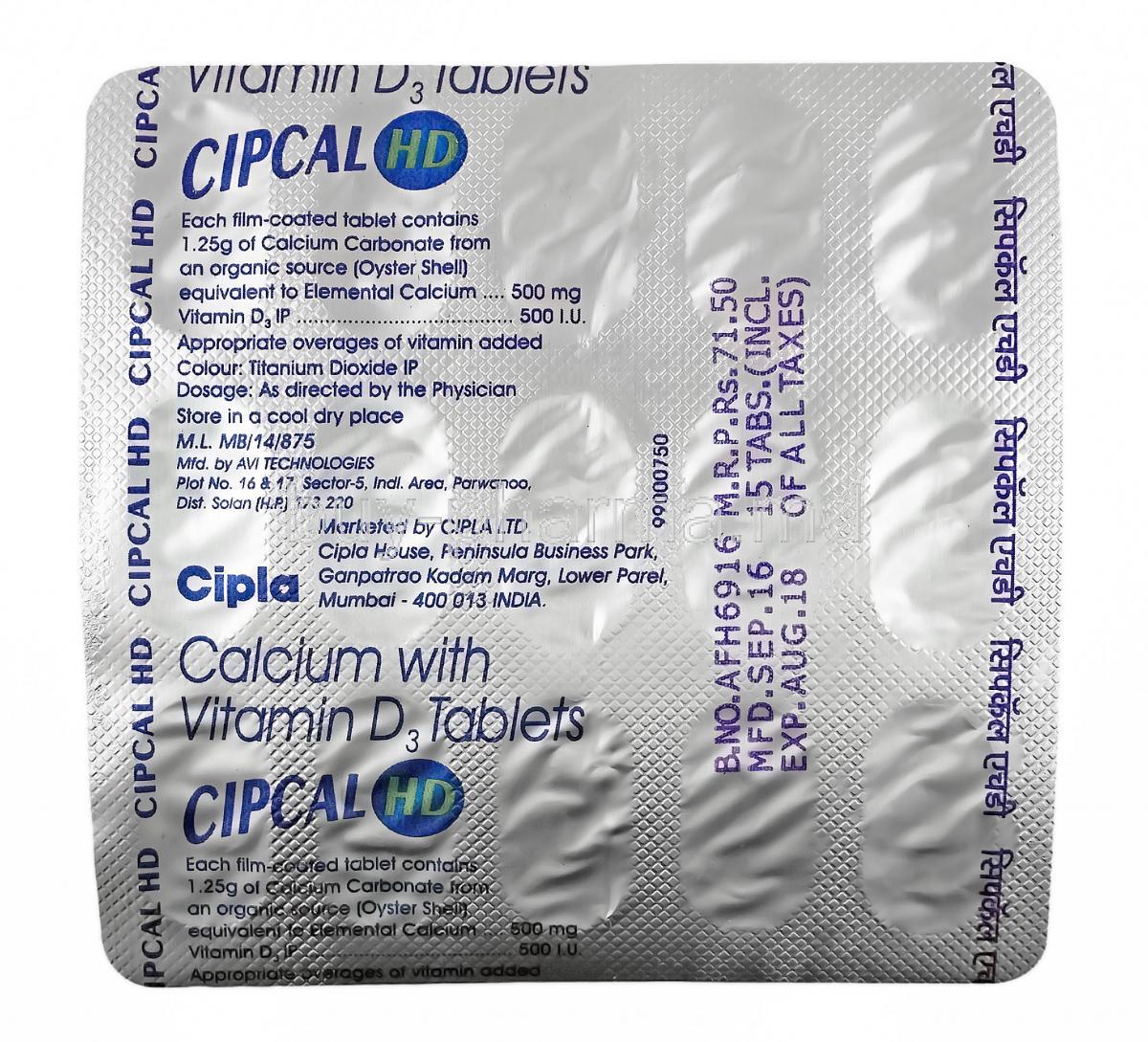
Cipcal HD, Elemental Calcium/ Vitamin D3
- 1. Introduction to Cipcal HD (Elemental Calcium / Vitamin D3)
- 2. Composition and Formulation Details
- 3. Mechanism of Action (How Cipcal HD Works)
- 4. Primary Uses of Cipcal HD
- 4.1 Treatment and Prevention of Calcium Deficiency
- 4.2 Tablet for Osteoporosis (Postmenopausal, Senile, Secondary)
- 4.3 Calcium supplement for weak bones: Osteopenia and Bone DensityÂ
- 4.4 Rickets and Osteomalacia Treatment
- 4.5 Hypocalcemia Due to Dietary Deficiency or Medical Conditions
- 4.6 Supplement for Fracture Healing and Bone Recovery
- 4.7 Supplementation in Chronic Kidney Disease (CKD) with Calcium Deficiency
- 5. Expanded and Off-Label Uses of Calcium and Vitamin D3
- 5.1 Adjunct Therapy in Hypoparathyroidism
- 5.2 Prevention of Falls in Elderly Patients (Muscle Strength Support)
- 5.3Â Calcium supplement for pregnant women
- 5.4 Use in Premenstrual Syndrome (PMS) Symptom Relief
- 5.5 Role in Cardiovascular Health and Blood Pressure Regulation
- 5.6 Immune System Modulation and Infection Resistance
- 5.7 Potential Role in Mood Disorders and Depression
- 5.8 Support in Athletes for Bone Strength and Performance
- 6. Dosage and Administration Guidelines
- 7. Administration in Special Populations
- 8. Common Side Effects of Cipcal HD
- 9. Serious and Rare Side Effects
- 10. Drug Interactions and Nutrient Interactions
- 10.1 Interaction with Bisphosphonates and Reduced Absorption
- 10.2 Interaction with Antibiotics (Tetracyclines, Fluoroquinolones)
- 10.3 Effects on Thyroid Medications (Levothyroxine Absorption)
- 10.4 Interaction with Diuretics (Thiazides and Loop Diuretics)
- 10.5 Food Interactions (Oxalates, Phytates, and Dairy Products)
- 11. Warnings and Safety Considerations
- 12. Contraindications
- 13. Careful Administration (Use with Caution)
- 14. Important Precautions Before and During Use
- 15. Overdosage and Toxicity Management
- 16. Storage and Stability Guidelines
- 17. Handling and Usage Precautions
1. Introduction to Cipcal HD (Elemental Calcium / Vitamin D3)
1.1 Overview of Calcium and Vitamin D3 Supplementation
Calcium and Vitamin D3 supplementation remains a cornerstone of preventive and therapeutic medicine. These nutrients are indispensable for skeletal integrity, neuromuscular coordination, and metabolic equilibrium. Modern dietary habits, often deficient in essential micronutrients, necessitate structured supplementation strategies.
- Supports bone density and strength
- Enhances muscle contraction and nerve signaling
- Prevents long-term degenerative bone disorders
1.2 What is Cipcal HD and Its Therapeutic Role
Cipcal HD is a high-dose formulation combining elemental calcium with cholecalciferol (Vitamin D3). It is designed to correct deficiencies, maintain physiological calcium balance, and provide adjunctive support in various clinical conditions affecting bone metabolism.
1.3 Importance of CalciumâVitamin D3 Combination in Clinical Practice
The co-administration of calcium and Vitamin D3 ensures optimal absorption and utilization. Without Vitamin D3, calcium absorption in the intestine remains suboptimal, leading to systemic insufficiency despite adequate intake.
1.4 Indications for Nutritional Supplementation in Modern Lifestyles
Sedentary lifestyles, reduced sun exposure, and dietary insufficiencies contribute significantly to widespread micronutrient deficiencies. Supplementation becomes essential in:
- Urban populations with limited sunlight exposure
- Individuals with restricted diets
- Patients with chronic illnesses affecting absorption
2. Composition and Formulation Details
2.1 Active Ingredients: Elemental Calcium and Cholecalciferol (Vitamin D3)
Cipcal HD contains a therapeutically significant dose of elemental calcium combined with Vitamin D3, facilitating enhanced intestinal absorption and systemic bioavailability.


2.2 Strength and Dosage Variants (High-Dose Formulations)
High-dose formulations are tailored for individuals with moderate to severe deficiencies. These preparations ensure rapid replenishment of depleted stores while maintaining safety margins.
2.3 Excipients and Additives in Cipcal HD
Inactive components such as binders, stabilizers, and disintegrants contribute to the tablet's structural integrity and dissolution profile. These excipients are selected for optimal tolerability.
2.4 Available Dosage Forms (Tablets, Chewables, etc.)
Cipcal HD is commonly available in tablet form, though chewable and dispersible variants may exist to enhance patient compliance, particularly in elderly or pediatric populations.
3. Mechanism of Action (How Cipcal HD Works)
3.1 Role of Calcium in Bone Mineralization and Neuromuscular Function
Calcium plays a pivotal role in hydroxyapatite formation, the structural matrix of bones. Additionally, it is crucial for:
- Muscle contraction
- Nerve impulse transmission
- Blood coagulation pathways
3.2 Vitamin D3 and Its Effect on Calcium Absorption
Vitamin D3 enhances intestinal absorption of calcium by upregulating calcium-binding proteins. This ensures efficient assimilation even when dietary intake is marginal.
3.3 Regulation of Serum Calcium and Phosphate Levels
The calcium-Vitamin D3 axis maintains homeostasis through intricate hormonal regulation involving parathyroid hormone and calcitonin.
3.4 Synergistic Action in Bone Remodeling and Skeletal Health
Together, calcium and Vitamin D3 facilitate continuous bone remodeling, ensuring structural resilience and preventing microarchitectural deterioration.
4. Primary Uses of Cipcal HD
4.1 Treatment and Prevention of Calcium Deficiency
4.2 Tablet for Osteoporosis (Postmenopausal, Senile, Secondary)

4.3 Calcium supplement for weak bones: Osteopenia and Bone Density

4.4 Rickets and Osteomalacia Treatment

4.5 Hypocalcemia Due to Dietary Deficiency or Medical Conditions
4.6 Supplement for Fracture Healing and Bone Recovery

4.7 Supplementation in Chronic Kidney Disease (CKD) with Calcium Deficiency
5. Expanded and Off-Label Uses of Calcium and Vitamin D3
5.1 Adjunct Therapy in Hypoparathyroidism
Cipcal HD supports calcium homeostasis in patients with reduced parathyroid hormone activity.
5.2 Prevention of Falls in Elderly Patients (Muscle Strength Support)
Improved neuromuscular function contributes to enhanced balance and reduced fall risk.
5.3 Calcium supplement for pregnant women
Adequate calcium intake is critical for fetal skeletal formation and maternal bone preservation.

5.4 Use in Premenstrual Syndrome (PMS) Symptom Relief
Emerging evidence suggests calcium supplementation may alleviate certain PMS symptoms.
5.5 Role in Cardiovascular Health and Blood Pressure Regulation
Calcium may influence vascular tone and contribute to blood pressure modulation.
5.6 Immune System Modulation and Infection Resistance
Vitamin D3 plays a role in immune regulation, potentially enhancing resistance to infections.
5.7 Potential Role in Mood Disorders and Depression
5.8 Support in Athletes for Bone Strength and Performance
Athletes benefit from optimized bone density and reduced risk of stress fractures.

6. Dosage and Administration Guidelines
6.1 Recommended Daily Dosage for Adults
Dosage varies based on deficiency severity and clinical indication. Standard regimens typically involve once-daily administration.
6.2 Dosage Adjustments Based on Age and Clinical Condition
Individualized dosing is essential, particularly in elderly patients or those with renal impairment.
6.3 Administration Timing (With Meals vs Empty Stomach)
Calcium supplements are generally better absorbed when taken with meals, enhancing bioavailability.
6.4 Duration of Therapy for Chronic Conditions
Long-term supplementation may be required in chronic conditions, with periodic reassessment of serum levels.
6.5 Missed Dose and Compliance Considerations
Consistency is crucial. Missed doses should be taken as soon as remembered unless close to the next scheduled dose.
7. Administration in Special Populations
7.1 Administration to Elderly Patients (Dose Optimization and Fall Prevention)
Elderly individuals often require tailored dosing strategies to balance efficacy and safety while minimizing fall risk.

7.2 Use in Pregnant Women (Safety and Benefits for Fetal Development)
Supplementation supports fetal skeletal growth and prevents maternal depletion of calcium reserves.
7.3 Use in Nursing Mothers (Transfer into Breast Milk and Safety)
Calcium and Vitamin D3 are excreted in breast milk, contributing to neonatal nutritional requirements.

7.4 Pediatric Use (Children and Adolescents Growth Support)
Adequate intake is essential for proper growth, bone development, and peak bone mass attainment.
8. Common Side Effects of Cipcal HD
8.1 Gastrointestinal Disturbances (Constipation, Bloating, Nausea)
Mild gastrointestinal discomfort may occur, particularly at higher doses.

8.2 Mild Hypercalcemia Symptoms
Symptoms may include fatigue, weakness, or mild confusion in rare cases.
8.3 Metallic Taste or Digestive Discomfort
Some individuals report altered taste perception or transient digestive disturbances.
9. Serious and Rare Side Effects
9.1 Hypercalcemia and Hypercalciuria
9.2 Kidney Stone Formation (Nephrolithiasis)

9.3 Cardiovascular Risks with Excess Calcium Intake
Excessive calcium may contribute to vascular calcification under certain conditions.
9.4 Vitamin D Toxicity (Hypervitaminosis D)
High levels of Vitamin D can result in severe hypercalcemia and systemic complications.
10. Drug Interactions and Nutrient Interactions
10.1 Interaction with Bisphosphonates and Reduced Absorption
Calcium may interfere with the absorption of bisphosphonates, necessitating staggered administration.
10.2 Interaction with Antibiotics (Tetracyclines, Fluoroquinolones)
Chelation with calcium reduces antibiotic efficacy; spacing doses is recommended.
10.3 Effects on Thyroid Medications (Levothyroxine Absorption)
Concurrent administration can impair thyroid hormone absorption.
10.4 Interaction with Diuretics (Thiazides and Loop Diuretics)
Thiazides may increase calcium retention, while loop diuretics may enhance excretion.
10.5 Food Interactions (Oxalates, Phytates, and Dairy Products)
Certain foods may inhibit calcium absorption, reducing therapeutic efficacy.
11. Warnings and Safety Considerations
11.1 Risk of Hypercalcemia with Overuse
Excessive intake of calcium and Vitamin D3 can precipitate hypercalcemia, a condition characterized by elevated serum calcium levels. This imbalance may disrupt multiple physiological systems. Early symptoms are often subtle, yet progressive accumulation can lead to significant clinical complications.
- Loss of appetite and nausea
- Polyuria and dehydration
- Confusion or cognitive impairment

11.2 Monitoring Serum Calcium and Vitamin D Levels
Routine biochemical monitoring is indispensable during prolonged therapy. Periodic assessment ensures therapeutic efficacy while mitigating the risk of toxicity. Clinicians often evaluate serum calcium, phosphate, and 25-hydroxyvitamin D levels.
Such vigilance allows for timely dose adjustments. It also prevents insidious complications that may otherwise remain undetected.
11.3 Caution in Patients with Renal Impairment
11.4 Risk of Vascular Calcification in Long-Term Use
Chronic excessive calcium intake has been associated with ectopic calcification, particularly within vascular tissues. This phenomenon may contribute to arterial stiffness and cardiovascular morbidity.
- Potential impact on coronary arteries
- Acceleration of atherosclerotic processes
- Importance of balanced supplementation
11.5 Avoidance of Excessive Supplementation
Concurrent use of multiple calcium-containing products should be approached cautiously. Overlapping supplementation can inadvertently lead to supra-therapeutic intake. A comprehensive review of all dietary and supplemental sources is essential.
12. Contraindications
12.1 Known Hypersensitivity to Calcium or Vitamin D3
Individuals with documented hypersensitivity reactions to calcium salts or Vitamin D3 should avoid use. Allergic manifestations, though uncommon, may include dermatologic or systemic responses.
12.2 Hypercalcemia and Hypervitaminosis D
Pre-existing elevated calcium or Vitamin D levels constitute absolute contraindications. Supplementation in such scenarios may exacerbate metabolic disturbances and lead to severe toxicity.
12.3 Severe Renal Impairment or Kidney Stones
Patients with advanced renal disease or a history of nephrolithiasis are at heightened risk of complications. Calcium supplementation may promote stone formation or worsen renal burden.
12.4 Sarcoidosis and Other Granulomatous Diseases
Granulomatous disorders can enhance endogenous Vitamin D activation, leading to hypercalcemia. In such conditions, supplementation should be avoided or undertaken with extreme caution.
13. Careful Administration (Use with Caution)
13.1 Patients with Mild to Moderate Renal Dysfunction
Even mild renal impairment necessitates judicious use. Dose titration and periodic monitoring are critical to prevent accumulation and toxicity.
13.2 Individuals with Cardiovascular Disorders
Patients with cardiovascular disease should be monitored carefully, as excessive calcium intake may influence vascular calcification and cardiac function.
13.3 Patients on Long-Term Immobilization
Immobilized individuals may experience increased bone resorption, leading to elevated serum calcium levels. Supplementation must be carefully balanced to avoid exacerbating hypercalcemia.
13.4 Patients Receiving High-Dose Vitamin Supplements
Concurrent use of high-dose multivitamins or Vitamin D preparations increases the risk of cumulative toxicity. A thorough assessment of total intake is necessary.
14. Important Precautions Before and During Use
14.1 Baseline Assessment of Calcium and Vitamin D Levels
Before initiating therapy, baseline laboratory evaluation provides critical insights into existing deficiencies or excesses. This facilitates personalized treatment planning.
14.2 Avoiding Concurrent High Calcium Intake from Diet
Dietary sources of calcium, including dairy products and fortified foods, should be considered. Excessive combined intake may exceed recommended thresholds.
- Milk and dairy products
- Fortified cereals and beverages
- Calcium-rich leafy greens
14.3 Hydration to Reduce Kidney Stone Risk
Adequate hydration plays a pivotal role in preventing calcium stone formation. Increased fluid intake aids in diluting urinary calcium concentration.
14.4 Periodic Monitoring During Long-Term Therapy
Long-term users require ongoing evaluation to ensure continued safety. Monitoring intervals may vary based on patient risk factors and clinical status.
15. Overdosage and Toxicity Management
15.1 Symptoms of Calcium and Vitamin D Overdose
Overdose manifestations can range from mild gastrointestinal discomfort to severe systemic toxicity. Early recognition is essential for prompt intervention.
- Persistent nausea and vomiting
- Excessive thirst and urination
- Fatigue and muscle weakness
15.2 Clinical Manifestations of Severe Hypercalcemia
Severe hypercalcemia may present with neuropsychiatric disturbances, cardiac arrhythmias, and renal dysfunction. These manifestations require urgent medical attention.
15.3 Immediate Management and Medical Interventions
Management includes discontinuation of supplementation, aggressive hydration, and pharmacologic interventions when necessary. In severe cases, hospitalization may be required.
15.4 Long-Term Complications of Chronic Overdose
Chronic toxicity may lead to irreversible organ damage, including nephrocalcinosis and vascular calcification. Prevention remains the most effective strategy.
16. Storage and Stability Guidelines
16.1 Recommended Storage Conditions (Temperature, Humidity)
Cipcal HD should be stored in a cool, dry environment, away from excessive heat and humidity. Proper storage preserves the stability and efficacy of the formulation.
16.2 Shelf Life and Expiry Considerations
Adherence to labeled expiry dates is essential. Degraded products may exhibit reduced potency or altered safety profiles.
16.3 Safe Storage Away from Children
To prevent accidental ingestion, the product should be kept out of reach of children. Secure storage practices are strongly recommended.
17. Handling and Usage Precautions
17.1 Proper Tablet Handling and Hygiene
Tablets should be handled with clean, dry hands to maintain hygiene and prevent contamination. Direct contact with moisture should be avoided.
17.2 Avoiding Contamination and Moisture Exposure
Exposure to moisture can compromise tablet integrity. Containers should remain tightly sealed when not in use.
17.3 Packaging Integrity and Safety Checks
Before use, packaging should be inspected for damage or tampering. Any compromised product should not be consumed.
Cipcal HD, Elemental Calcium/ Vitamin D3 FAQ
- What is Cipcal HD used for?
- What is the best time to take Cipcal?
- What are the benefits of Cipcal?
- Can Cipcal HD improve muscle function?
- Is Cipcal the same as calcium?
- What vitamin should not be taken together with calcium?
- Does Cipcal help with bone density?
- Is Cipcal available over the counter?
- Can Cipcal HD be taken with other medications?
- Can we take cipcal with water?
- What are the benefits of Cipcal HD?
- How to take Cipcal HD tablet?
- Can Cipcal HD help with joint pain?
- Can Cipcal HD prevent osteoporosis?
- What is Cipcal HD used for?
- How does Cipcal HD work in the body?
- Can Cipcal HD help with osteoporosis?
- How should Cipcal HD be taken for best results?
- How long does it take for Cipcal HD to show effects?
- Can Cipcal HD be taken daily for long-term use?
- What are the common side effects of Cipcal HD?
- Is Cipcal HD safe during pregnancy and breastfeeding?
- Can Cipcal HD cause kidney stones?
- Can Cipcal HD be taken with other medications?
- What happens if I miss a dose of Cipcal HD?
- Can I take Cipcal HD with milk or dairy products?
- Who should not take Cipcal HD?
- Does Cipcal HD help with muscle cramps or weakness?
- Is Cipcal HD suitable for elderly individuals?
What is Cipcal HD used for?
Cipcal HD Tablet is a medication used to treat deficiencies in vitamin D and calcium. It's osteoporosis or other bone-related disorders. This tablet is also given to special groups of people, like the elderly, pregnant women, and breastfeeding mothers, who need extra vitamin D and calcium.
What is the best time to take Cipcal?
Take it in the morning, with your breakfast, or follow the advice of your healthcare provider.
What are the benefits of Cipcal?
- Promotes bone and joint health
- Helps build muscle
- Lowers risk of osteoporosis
Can Cipcal HD improve muscle function?
Yes
Is Cipcal the same as calcium?
It's a combination of Calcium and Vitamin D3.
What vitamin should not be taken together with calcium?
Iron
Does Cipcal help with bone density?
Yes
Is Cipcal available over the counter?
Yes
Can Cipcal HD be taken with other medications?
Yes
Can we take cipcal with water?
Yes
What are the benefits of Cipcal HD?
- Improves bone health
- Lowers risk of osteoporosis
How to take Cipcal HD tablet?
After meals
Can Cipcal HD help with joint pain?
Yes
Can Cipcal HD prevent osteoporosis?
Yes
What is Cipcal HD used for?
- Calcium deficiency
- Lower risk of osteoporosis
- Increase bone and joint health
How does Cipcal HD work in the body?
This supplement brings together calcium and Vitamin D3, which works to improve how well your body takes in calcium. This helps keep your bones, muscles, and nerves healthy and working properly.
Can Cipcal HD help with osteoporosis?
Yes
How should Cipcal HD be taken for best results?
Once a day
How long does it take for Cipcal HD to show effects?
Benefits such as improved calcium levels may be seen within a few weeks, but noticeable improvements in bone health usually require consistent use over several months.
Can Cipcal HD be taken daily for long-term use?
Yes
What are the common side effects of Cipcal HD?
- Constipation
- Bloating
- Nausea
- Stomachache
Is Cipcal HD safe during pregnancy and breastfeeding?
Yes
Can Cipcal HD cause kidney stones?
Yes
Can Cipcal HD be taken with other medications?
It may interact with certain drugs such as antibiotics, thyroid medications, and diuretics. It is important to space doses and consult a healthcare provider.
What happens if I miss a dose of Cipcal HD?
Take the next dose
Can I take Cipcal HD with milk or dairy products?
Yes
Who should not take Cipcal HD?
- Patient with hypercalcemia
- Severe kidney disease
- Vitamind D toxicity
Does Cipcal HD help with muscle cramps or weakness?
Yes, correcting calcium deficiency may help reduce muscle cramps and improve neuromuscular function.
Is Cipcal HD suitable for elderly individuals?
Yes
Popular Products


Similar Product