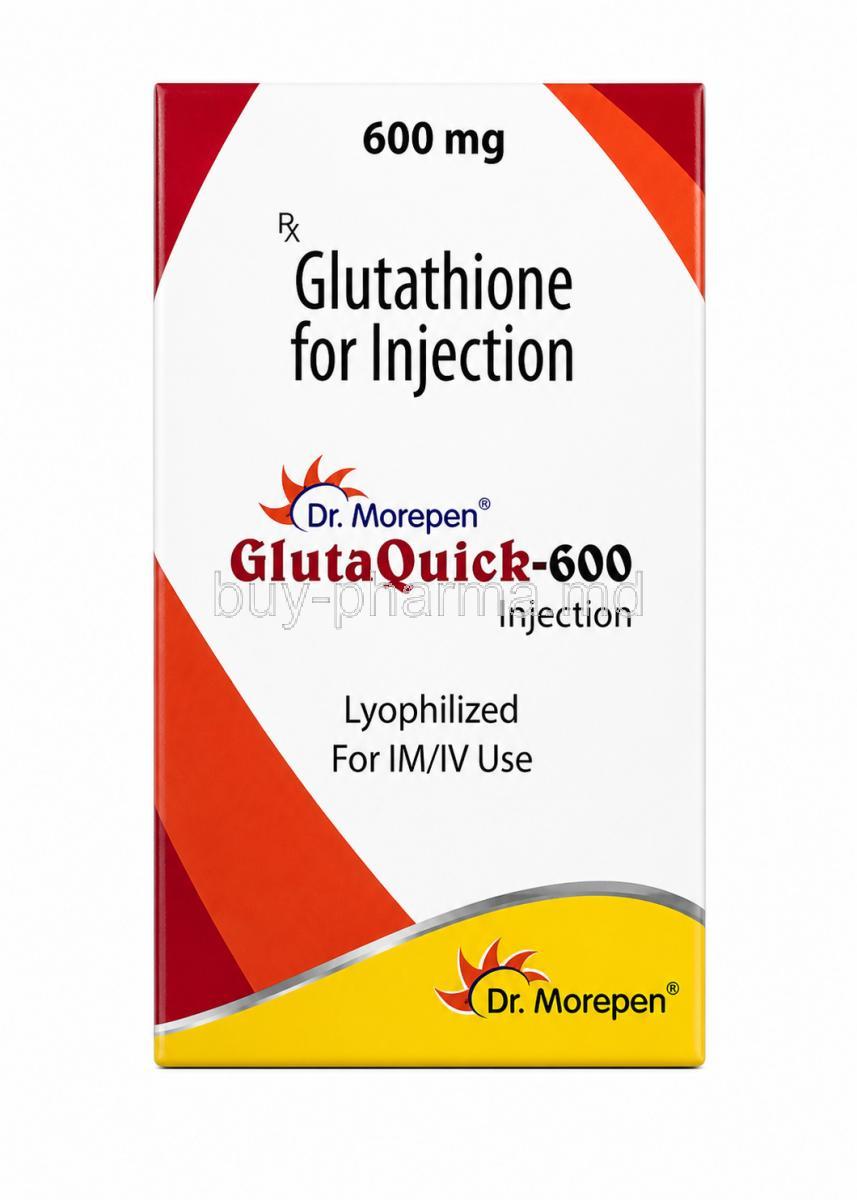
1. Introduction to Glutathione Injection
Glutathione is widely recognized as one of the most vital endogenous antioxidants produced within the human body. Present in nearly every cell, it plays a pivotal role in preserving cellular integrity, neutralizing harmful oxidants, and sustaining metabolic equilibrium. When endogenous synthesis is insufficient or rapidly depleted, supplementation through injectable formulations becomes clinically relevant.
Glutathione injections deliver reduced glutathione directly into systemic circulation, bypassing gastrointestinal degradation and first-pass metabolism. This method ensures higher bioavailability and a more predictable pharmacological effect compared with other routes of administration.
- Oral glutathione: limited absorption and enzymatic breakdown
- Topical glutathione: localized cosmetic effects
- Injectable glutathione: rapid systemic antioxidant action
Globally, glutathione injection is utilized in medical, wellness, and cosmetic contexts. Regulatory acceptance varies by region, with formal approval in certain therapeutic settings and off-label use prevalent in others under clinical supervision.
2. Composition and Pharmaceutical Profile
The core component of glutathione injection is reduced glutathione (GSH), a tripeptide composed of glutamic acid, cysteine, and glycine. This unique molecular configuration endows glutathione with potent electron-donating capacity, enabling effective redox modulation.
Injectable formulations typically contain pharmaceutical-grade excipients such as sterile water for injection, buffering agents, and stabilizers designed to preserve molecular integrity. These additives are carefully selected to maintain isotonicity and prevent oxidative degradation.
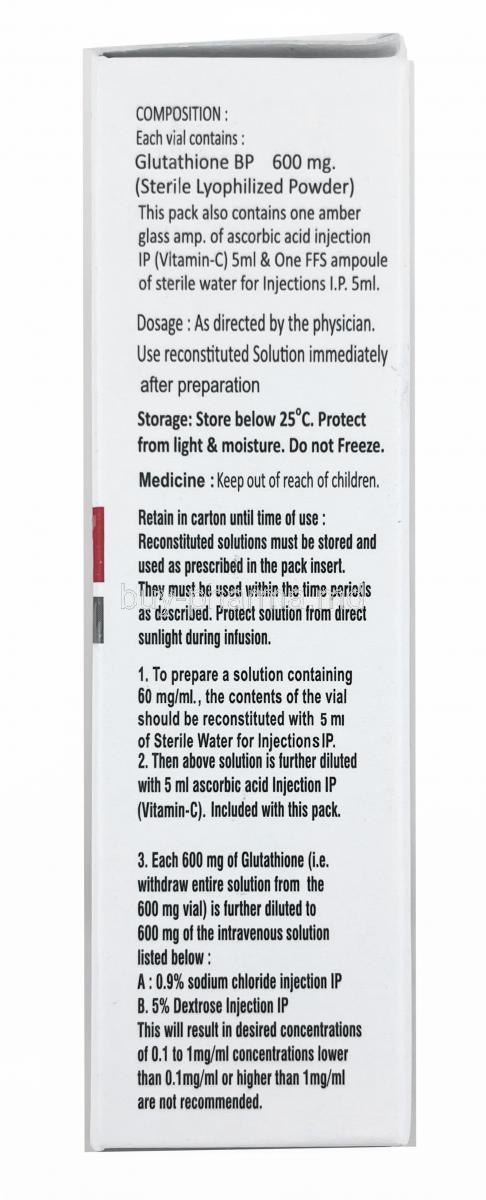
- Common vial strengths: 600 mg, 1,200 mg, 1,500 mg
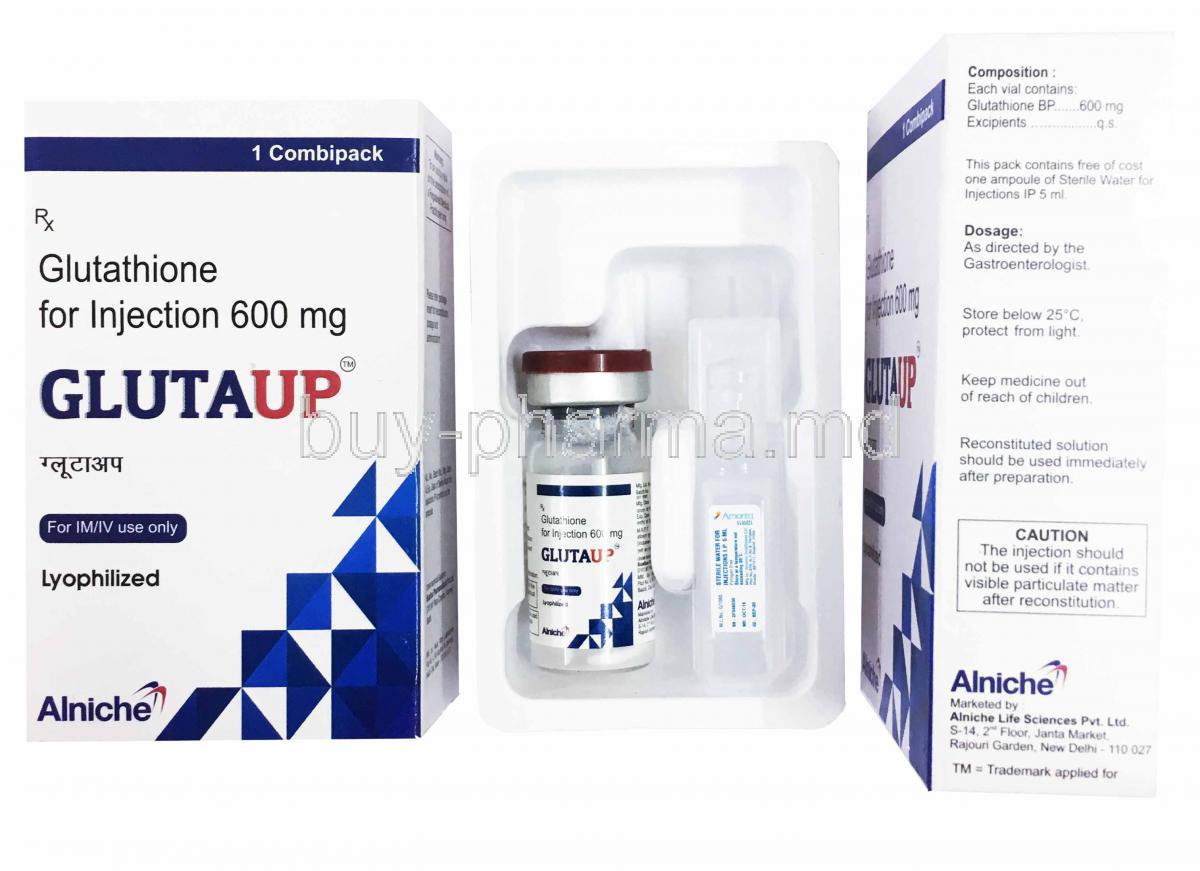
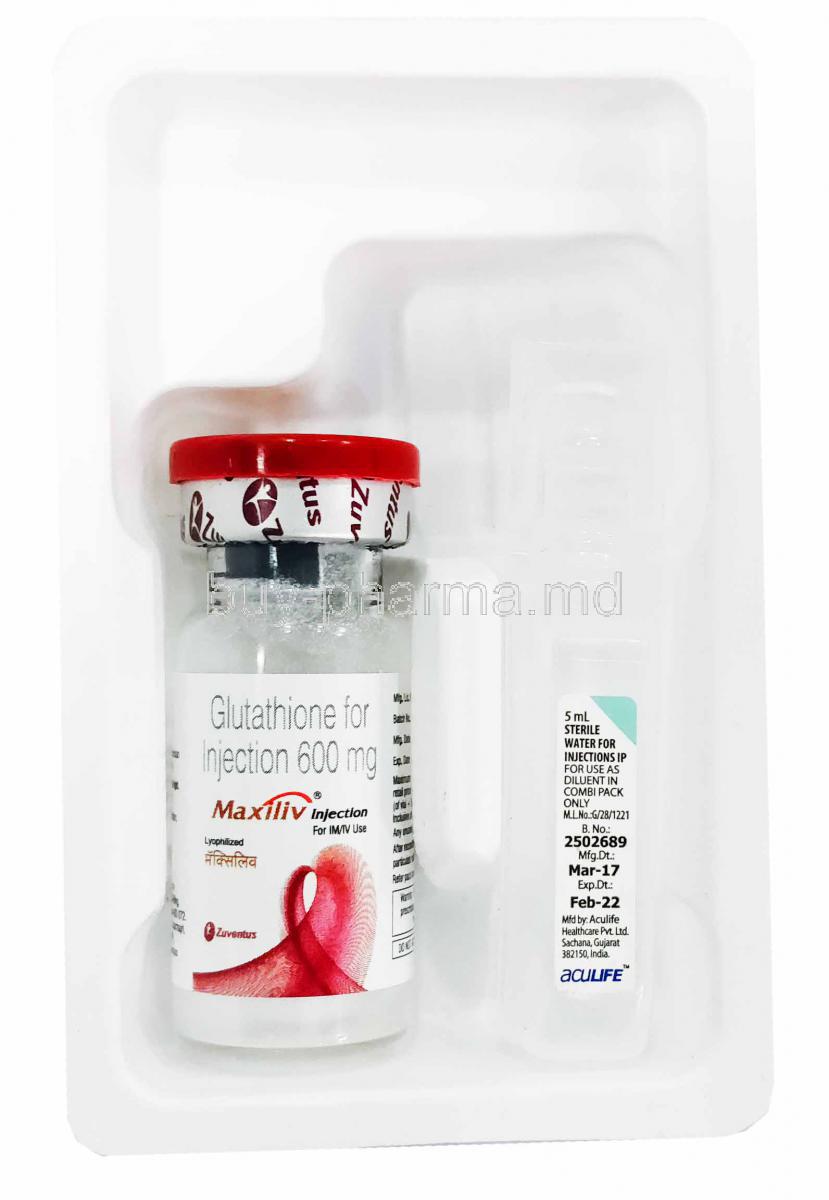
- Lyophilized powder requiring reconstitution
- Single-use sterile glass vials
Pharmaceutical-grade products undergo stringent quality control, whereas compounded preparations may vary in purity, stability, and excipient composition. This distinction has clinical significance for safety and therapeutic consistency.
3. How Glutathione Injection Works (Mechanism of Action)
Glutathione injection exerts its effects primarily by maintaining cellular redox balance. It acts as a master antioxidant, cycling between reduced and oxidized states to neutralize free radicals and reactive intermediates.
Through Phase II detoxification pathways, glutathione conjugates with xenobiotics, heavy metals, and metabolic byproducts, facilitating their excretion. This conjugation process is essential for hepatic detoxification and systemic clearance of toxins.
- Scavenges reactive oxygen species (ROS)
- Protects mitochondrial membranes
- Preserves ATP synthesis and cellular vitality
Beyond antioxidation, glutathione modulates immune responses and suppresses excessive inflammatory signaling, contributing to tissue protection and homeostatic regulation.
4. Approved Uses and Therapeutic Indications
Clinically, glutathione injection is employed in conditions characterized by heightened oxidative stress. These include chronic inflammatory states and disorders associated with cellular damage.
In hepatology, it is frequently used as adjunctive therapy in liver dysfunction, including chronic liver disease and non-alcoholic fatty liver disease, where oxidative injury plays a central role.
- Supportive care during chemotherapy
- Reduction of treatment-induced toxicity
- Adjunct use in select neurodegenerative conditions
Its cytoprotective properties make it valuable in metabolic disorders where mitochondrial impairment and oxidative burden are prominent.
5. Expanded Off-Label Uses of Glutathione Injection
Off-label utilization of glutathione injection has expanded considerably, particularly within dermatology and preventive medicine. One of the most publicized applications is skin lightening, attributed to melanin synthesis modulation.
In aesthetic medicine, glutathione is also incorporated into anti-aging protocols aimed at improving skin clarity, elasticity, and overall dermal resilience.
- Adjunctive therapy in Parkinson’s disease
- Supportive management of chronic fatigue syndrome
- Immune support in compromised individuals
- Cardiovascular risk mitigation through oxidative stress reduction
Additional investigational uses include respiratory disorders linked to oxidative injury and neurodevelopmental conditions such as autism spectrum disorders, though supporting evidence remains limited and evolving.
6. Dosage and Administration
Dosage regimens for glutathione injection vary depending on indication, patient profile, and therapeutic objective. Medical dosing typically adheres to conservative, evidence-informed ranges.
Cosmetic and wellness protocols often employ higher or more frequent dosing, classified as off-label and requiring individualized assessment.
- Routes: intravenous (IV), intramuscular (IM)
- Administration frequency: weekly to biweekly
- Duration: short-term cycles or maintenance protocols
Infusion rate must be controlled to minimize adverse reactions. Dilution in compatible solutions and personalized dosing strategies are essential to optimize safety and efficacy.
7. Administration in Special Populations
7.1 Administration to Elderly Patients
In older adults, age-related physiological changes may influence glutathione metabolism and clearance. Reduced renal or hepatic function warrants cautious dosing and closer monitoring.
Dose adjustments may be necessary, accompanied by periodic evaluation of clinical response and tolerability.
7.2 Administration to Pregnant Women and Nursing Mothers
Clinical data regarding glutathione injection during pregnancy and lactation remain limited. A thorough risk–benefit assessment is essential before considering use.
Routine administration during pregnancy is generally discouraged unless potential benefits clearly outweigh theoretical risks. For nursing mothers, consideration must be given to unknown effects on breast milk composition.
7.3 Administration to Children
Pediatric use requires heightened caution. Dosing must be weight-adjusted, and administration should be restricted to clearly justified clinical scenarios.
Continuous monitoring is recommended to detect unexpected reactions or metabolic disturbances.
8. Side Effects and Adverse Reactions
8.1 Common Side Effects
Most adverse effects associated with glutathione injection are mild and transient. These typically resolve without intervention.
- Localized pain or irritation at injection site
- Mild gastrointestinal discomfort
- Headache or lightheadedness
- Temporary skin rash
8.2 Less Common and Serious Side Effects
Although infrequent, more serious reactions have been reported. Hypersensitivity responses may manifest as urticaria, bronchospasm, or respiratory discomfort, particularly in predisposed individuals.
Rapid intravenous infusion can precipitate hypotension, while electrolyte disturbances may occur with inappropriate dosing or prolonged use. Clinical supervision remains essential to mitigate these risks.
9. Drug Interactions
Glutathione injection participates in multiple biochemical pathways and may influence the pharmacodynamics or pharmacokinetics of concomitantly administered medications. Careful consideration of potential interactions is therefore essential in clinical practice.
When used alongside chemotherapy agents, glutathione may exert cytoprotective effects that reduce treatment-related toxicity. However, theoretical concerns exist regarding interference with oxidative mechanisms intended to damage malignant cells.
- Potential attenuation of chemotherapy-induced oxidative stress
- Supportive use to reduce neurotoxicity and hepatotoxicity
Glutathione also interacts with hepatic detoxification systems. By enhancing Phase II conjugation, it may alter the metabolism and clearance of drugs processed through the liver.
- Possible changes in plasma levels of hepatically metabolized drugs
- Need for monitoring when used with narrow therapeutic index agents
Concomitant administration with antioxidants and vitamin supplements is generally well tolerated, though excessive antioxidant load may blunt physiological redox signaling. Caution is advised with immunosuppressive therapies, as glutathione’s immunomodulatory effects could theoretically influence therapeutic outcomes.
10. Warnings and Safety Information
One of the primary safety concerns surrounding glutathione injection is its widespread cosmetic use without adequate medical oversight. Inappropriate administration solely for aesthetic enhancement may expose individuals to unnecessary risk.
Unregulated or substandard formulations pose additional hazards, including contamination, inaccurate dosing, and compromised stability. These risks are amplified when products are sourced outside regulated pharmaceutical supply chains.
- Potential masking of underlying hepatic or systemic disease
- Delayed diagnosis due to symptom suppression
Medical supervision is essential to ensure appropriate patient selection, correct dosing, and timely identification of adverse reactions. Administration should never be considered routine or risk-free.
11. Contraindications
Glutathione injection is contraindicated in individuals with known hypersensitivity to glutathione or any component of the formulation. A history of severe allergic reactions to injectable antioxidants warrants extreme caution or complete avoidance.
Patients with asthma represent a relative contraindication group, as bronchospasm has been reported in susceptible individuals following parenteral administration.
- Confirmed glutathione allergy
- Severe prior anaphylactic reactions
- Asthma with a history of injectable drug sensitivity
12. Careful Administration and Important Precautions
Prior to administration, a thorough patient assessment should be conducted. This includes reviewing medical history, current medications, and prior reactions to injectable therapies.
Continuous monitoring during and after injection is recommended to detect early signs of intolerance or hypersensitivity.
- Avoid rapid intravenous infusion
- Observe vital signs during administration
- Ensure availability of emergency response measures
Glutathione injection should only be administered by trained healthcare professionals familiar with sterile technique and infusion protocols.
13. Overdosage
Data on glutathione overdose are limited; however, excessive dosing may result in exaggerated pharmacological effects. These can include gastrointestinal distress, headache, hypotension, or electrolyte imbalance.
Management of overdose is primarily supportive. Vital signs should be monitored, and symptomatic treatment provided as needed.
- No specific antidote is available
- Supportive care remains the mainstay of management
Strict adherence to recommended dosing guidelines is essential to minimize the risk of toxicity and unintended physiological disruption.
14. Storage and Stability
Proper storage is critical to maintaining the stability and efficacy of glutathione injection. Products should be stored under recommended temperature conditions and protected from excessive light exposure.
- Store according to manufacturer specifications
- Avoid exposure to heat and direct sunlight
Shelf life varies by formulation and packaging. Once reconstituted, glutathione solutions should be used promptly or stored for a limited period as specified by the manufacturer.
Unused or expired products must be disposed of in accordance with medical waste regulations.
15. Handling and Preparation Precautions
Strict aseptic technique is mandatory during preparation and administration to prevent microbial contamination.
Reconstitution should be performed using approved diluents, following exact dilution ratios to ensure accurate dosing.
- Verify compatibility with infusion solutions
- Avoid mixing with incompatible medications
Sharps, vials, and residual materials must be disposed of safely, adhering to institutional and regulatory guidelines for medical waste.
16. Patient Counseling and Clinical Monitoring
Effective patient counseling is essential to set realistic expectations regarding therapeutic and cosmetic outcomes. Glutathione injection is not a universal remedy and should not be perceived as a substitute for comprehensive medical care.
Patients should be informed about the importance of evidence-based use and the limitations of current clinical data, particularly for off-label applications.
- Monitor treatment response over time
- Report adverse effects promptly
Clear distinction should be made between medical indications and cosmetic use to support informed decision-making.
17. Summary and Clinical Perspective
Glutathione injection offers meaningful benefits in select clinical contexts, particularly where oxidative stress and detoxification pathways are implicated. Its antioxidant and cytoprotective properties are well established, yet not without limitations.
Responsible medical use, guided by clinical judgment and patient-specific considerations, is paramount. Overreliance or indiscriminate application may undermine safety and therapeutic value.
Ongoing research continues to explore novel indications and refine dosing strategies. Future clinical directions will likely focus on standardized protocols, improved formulation quality, and clearer delineation between evidence-supported and investigational uses.
 Verified Purchase
Excellent Service
I was skeptical about ordering at first and now I am a regular customer and have referred them to others. Great prices and the qualities are amazing! I've ordered Beplex Forte and Glutathione!! I live in USA and the shipping is a lengthy wait, but, they are upfront about that. I have received everything in good condition! I would continue to recommend buy-pharma.md!
Verified Purchase
Effect and usage
 Verified Purchase
Glutathione Injection 600mg Vial
always is a placer order for this company,i strongly recomend
Customers also bought
Popular Products
Similar Product