1. Introduction to Cipzen (Serratiopeptidase)
1.1 What is Cipzen?
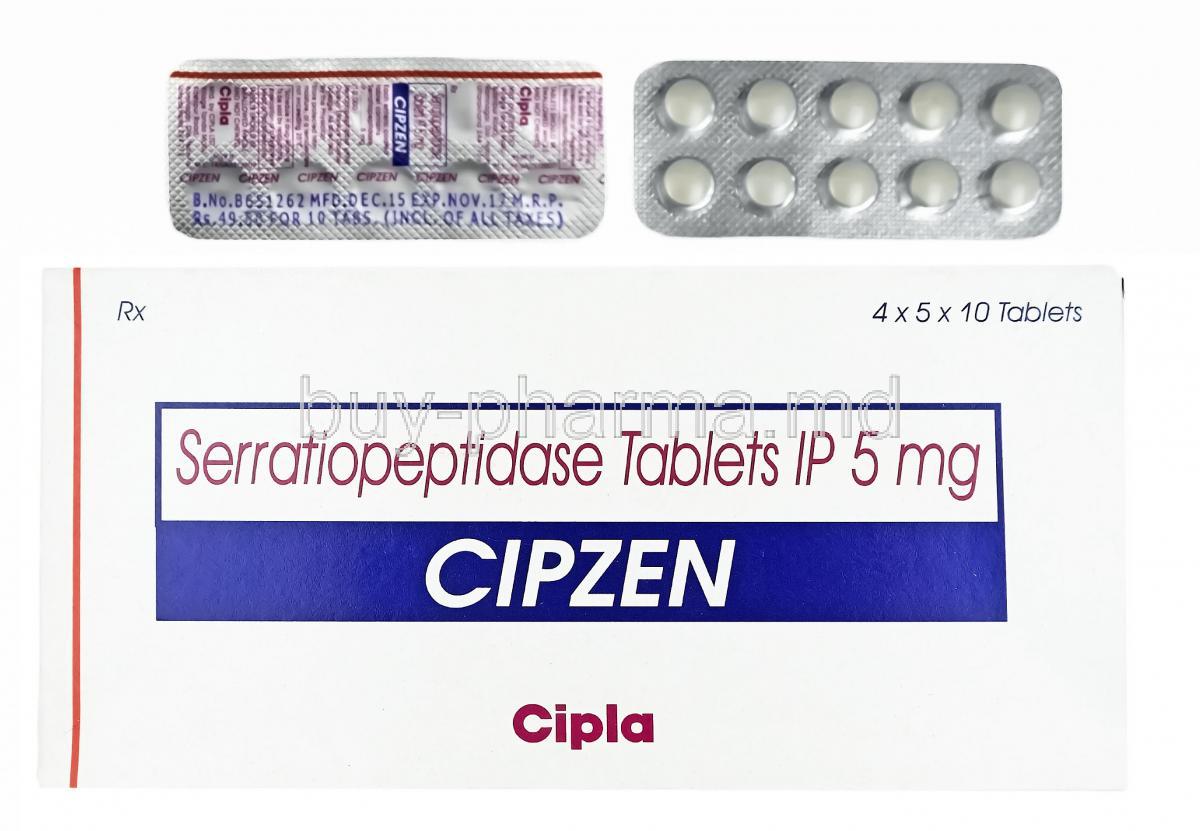
Cipzen is a pharmaceutical preparation containing serratiopeptidase, a proteolytic enzyme widely utilized for its anti-inflammatory and anti-edematous properties. It is commonly prescribed in clinical settings where tissue swelling, pain, and inflammatory cascades require modulation. Unlike conventional analgesics, it does not merely mask symptoms—it targets underlying biochemical processes.
1.2 Overview of Serratiopeptidase as a Proteolytic Enzyme
Serratiopeptidase is a serine protease derived from the bacterium Serratia marcescens. Its enzymatic activity facilitates the degradation of non-living tissue, fibrin deposits, and inflammatory mediators. This selective proteolysis contributes to enhanced tissue repair and reduced inflammatory burden.
- Breaks down proteinaceous debris
- Facilitates drainage of inflammatory exudates
- Improves microcirculation
1.3 Therapeutic Classification and Clinical Applications
Cipzen is categorized as an anti-inflammatory enzyme preparation. It is frequently used as an adjunct therapy in:
- Postoperative recovery protocols
- Musculoskeletal injuries
- Respiratory tract disorders with mucus accumulation
1.4 Historical Background and Development
The therapeutic application of serratiopeptidase traces back to its discovery in the mid-20th century. Initially investigated for its role in silkworm metamorphosis, the enzyme later gained prominence in human medicine for its fibrinolytic and anti-inflammatory capabilities.
2. Composition and Formulation
2.1 Active Ingredient: Serratiopeptidase – Structure and Properties
The active moiety, serratiopeptidase, is a metalloprotease characterized by its ability to hydrolyze peptide bonds in proteins. Its molecular structure enables selective targeting of necrotic tissue while sparing viable cells.
2.2 Available Strengths and Dosage Forms (Tablets, Enteric-Coated Forms)
Cipzen is commonly available in tablet form, often enteric-coated to prevent degradation in the acidic gastric environment. This ensures optimal bioavailability upon reaching the intestine.
2.3 Excipients and Pharmaceutical Additives
Formulations may include stabilizers, binders, and disintegrants that enhance tablet integrity and dissolution kinetics. These inert components support consistent therapeutic delivery.
2.4 Enteric Coating and Its Role in Drug Stability
The enteric coating protects the enzyme from gastric acid denaturation. It ensures targeted release in the alkaline milieu of the small intestine, thereby preserving enzymatic activity and maximizing efficacy.
3. Mechanism of Action (How Cipzen Works)
3.1 Proteolytic Activity and Breakdown of Inflammatory Mediators
Serratiopeptidase hydrolyzes inflammatory proteins such as bradykinin and histamine-related compounds. This enzymatic degradation attenuates the inflammatory cascade at a molecular level.
3.2 Reduction of Edema and Tissue Swelling
By breaking down exudates and improving lymphatic drainage, Cipzen reduces localized swelling. This leads to noticeable relief in conditions characterized by fluid accumulation.
3.3 Fibrinolytic Effects and Clearance of Dead Tissue
The enzyme exhibits fibrinolytic properties, dissolving fibrin clots and necrotic debris. This promotes tissue remodeling and accelerates healing.
3.4 Modulation of Pain Through Anti-Inflammatory Pathways
Pain reduction is achieved indirectly through inflammation control. As tissue pressure and biochemical irritants diminish, nociceptive signaling is alleviated.
3.5 Role in Enhancing Antibiotic Penetration
Serratiopeptidase may enhance antibiotic efficacy by disrupting biofilms and improving drug diffusion into infected tissues. This synergistic effect is clinically valuable.
4. Approved Uses of Cipzen (Serratiopeptidase)
4.1 Treatment of Post-Surgical Inflammation and Swelling
Cipzen is widely used after surgical procedures to reduce edema, facilitate wound healing, and improve patient comfort.
4.2 Management of Trauma-Related Edema and Pain
It is effective in managing swelling associated with blunt trauma, contusions, and soft tissue injuries.
4.3 Use in Orthopedic Conditions (Sprains, Ligament Injuries)
Orthopedic applications include the treatment of ligament sprains, tendon injuries, and joint inflammation.
4.4 Respiratory Conditions (Sinusitis, Bronchitis, Mucus Clearance)
Cipzen aids in reducing mucus viscosity, facilitating expectoration, and improving airway patency in respiratory disorders.
4.5 Dental Indications (Post-Extraction Swelling, Gum Inflammation)
Dental practitioners often prescribe it to manage postoperative swelling and periodontal inflammation.
5. Expanded and Off-Label Uses
5.1 Chronic Sinusitis and Nasal Congestion Relief
The enzyme’s mucolytic and anti-inflammatory properties make it useful in chronic sinus congestion.
5.2 Atherosclerosis and Plaque Reduction (Investigational Use)
Preliminary studies suggest a potential role in breaking down atherosclerotic plaques, though evidence remains limited.
5.3 Fibrocystic Breast Disease and Breast Pain Management
Its anti-inflammatory effects may alleviate breast tenderness associated with fibrocystic changes.
5.4 Carpal Tunnel Syndrome and Nerve Compression Disorders
By reducing localized swelling, Cipzen may relieve nerve compression symptoms.
5.5 Chronic Inflammatory Disorders (Rheumatoid Arthritis Adjunct)
It may serve as an adjunct in chronic inflammatory conditions to enhance symptom control.
5.6 Postoperative Recovery in Cosmetic and Plastic Surgery
Used to minimize swelling and bruising after aesthetic procedures, promoting faster recovery.
5.7 Biofilm Disruption in Chronic Infections (Emerging Research)
Emerging evidence suggests its role in disrupting microbial biofilms, enhancing antimicrobial therapy.
6. Dosage and Administration Guidelines
6.1 Standard Adult Dosage Recommendations
Typical dosing involves administration of serratiopeptidase in divided doses, as prescribed by a healthcare professional.
6.2 Dosage Adjustments Based on Clinical Condition
Dosage may vary depending on severity, indication, and patient-specific factors.
6.3 Timing of Administration (Before or After Meals)
Often recommended on an empty stomach to maximize systemic absorption.
6.4 Duration of Therapy and Treatment Cycles
Short-term use is common; prolonged therapy requires medical supervision.
6.5 Missed Dose and Compliance Considerations
If a dose is missed, it should be taken promptly unless close to the next scheduled dose. Doubling doses is discouraged.
7. Side Effects of Cipzen
7.1 Overview of Adverse Reactions
Cipzen is generally well-tolerated, though adverse effects may occur in susceptible individuals.
7.2 Gastrointestinal Disturbances (Nausea, Diarrhea)
Digestive discomfort is among the most frequently reported issues.
7.3 Dermatological Reactions (Rash, Hypersensitivity)
Skin reactions may occur, particularly in patients with hypersensitivity.
7.4 Respiratory Symptoms (Rare Cases of Pneumonitis)
Rare pulmonary complications have been documented and warrant immediate medical attention.
7.5 Laboratory Abnormalities and Clinical Monitoring
Periodic monitoring may be advised in long-term use to detect subtle biochemical changes.
8. Common Side Effects
8.1 Mild Gastrointestinal Discomfort
Symptoms such as bloating or mild abdominal discomfort may occur.
8.2 Loss of Appetite
Some individuals report transient anorexia during therapy.
8.3 Mild Skin Reactions
Localized itching or redness may develop but is usually self-limiting.
8.4 Temporary Changes in Stool Consistency
Alterations in bowel habits may be observed but typically resolve without intervention.
9. Drug Interactions and Product Interactions
9.1 Interaction with Anticoagulants and Antiplatelet Agents
Concurrent use may potentiate bleeding risk due to enhanced fibrinolytic activity.
9.2 Synergistic Effects with Antibiotics
May improve antibiotic penetration into infected tissues, enhancing therapeutic outcomes.
9.3 Interaction with NSAIDs and Anti-Inflammatory Drugs
Combined use may amplify anti-inflammatory effects but requires caution.
9.4 Herbal Supplements and Enzyme-Based Therapies
Co-administration with herbal enzymes or supplements may lead to additive effects.
9.5 Alcohol and Lifestyle Considerations
Alcohol consumption may exacerbate gastrointestinal irritation and should be moderated.
10. Contraindications
10.1 Hypersensitivity to Serratiopeptidase or Formulation Components
Use is contraindicated in individuals with known hypersensitivity to the active ingredient or excipients.
10.2 Patients with Bleeding Disorders
Patients with coagulopathies should avoid use due to increased bleeding risk.
10.3 Severe Hepatic or Renal Impairment
Caution is advised, and use may be contraindicated in severe organ dysfunction.
10.4 Active Peptic Ulcer Disease
Patients with active ulcers may experience exacerbation of symptoms.
11. Warnings and Safety Considerations
11.1 Risk of Increased Bleeding and Hemorrhage
Serratiopeptidase exhibits fibrinolytic activity, which may predispose certain individuals to bleeding complications. This pharmacodynamic effect, while beneficial in resolving inflammatory exudates, can inadvertently impair hemostasis.
- Increased tendency for bruising
- Prolonged bleeding time
- Risk of internal hemorrhage in susceptible patients
Clinical vigilance is essential, particularly in individuals with underlying coagulopathies or concurrent anticoagulant therapy.
11.2 Use in Patients Undergoing Surgery
Patients scheduled for surgical interventions should exercise caution when using Cipzen. The enzyme’s anticoagulant-like effects may interfere with perioperative hemostasis.
Temporary discontinuation prior to surgery is often recommended. Coordination with healthcare providers ensures optimal timing and risk mitigation.
11.3 Potential for Allergic Reactions and Anaphylaxis
Although uncommon, hypersensitivity reactions may occur. These reactions can range from mild dermatological manifestations to severe anaphylactic responses.
- Skin rash or urticaria
- Pruritus and erythema
- Rare cases of systemic anaphylaxis
Immediate discontinuation and medical intervention are warranted if allergic symptoms arise.
11.4 Monitoring for Respiratory Complications
Rare pulmonary adverse effects, including eosinophilic pneumonitis, have been reported. Patients presenting with unexplained cough, dyspnea, or fever require prompt evaluation.
Early detection minimizes progression and ensures appropriate therapeutic adjustments.
11.5 Long-Term Use Safety Concerns
Extended use of serratiopeptidase has not been extensively studied in large-scale trials. Therefore, prolonged administration should be approached with prudence.
- Potential cumulative effects on coagulation pathways
- Unknown impact on systemic proteolytic balance
- Need for periodic clinical reassessment
12. Careful Administration (Use with Caution)
12.1 Patients with Coagulation Disorders
Individuals with inherent bleeding disorders require meticulous evaluation prior to initiating therapy. The enzyme’s fibrinolytic activity may exacerbate existing hemostatic instability.
12.2 Individuals on Blood-Thinning Medications
Concurrent use with anticoagulants or antiplatelet agents may potentiate bleeding risk. This interaction is clinically significant and necessitates careful dose consideration and monitoring.
12.3 Patients with Gastrointestinal Disorders
Patients with a history of gastrointestinal pathology, such as ulcers or inflammatory bowel conditions, may experience exacerbation of symptoms. Monitoring for abdominal discomfort or bleeding is advised.
12.4 Immunocompromised Individuals
In patients with compromised immune function, the systemic effects of enzymatic therapy require cautious evaluation. Altered healing dynamics and susceptibility to infections should be considered.
12.5 Patients with Chronic Respiratory Diseases
While beneficial in mucus clearance, use in chronic respiratory conditions should be monitored to avoid paradoxical irritation or hypersensitivity reactions.
13. Important Precautions Before and During Use
13.1 Importance of Medical Supervision
Therapy should be undertaken under the guidance of a qualified healthcare professional. Individualized assessment ensures safe and effective use.
13.2 Monitoring Signs of Bleeding or Unusual Bruising
Patients should remain vigilant for early indicators of bleeding complications. These may include:
- Unexplained bruises
- Bleeding gums
- Dark or tarry stools
13.3 Adherence to Prescribed Dosage
Strict adherence to prescribed dosing regimens is essential. Deviations may compromise therapeutic outcomes or increase adverse effects.
13.4 Avoiding Self-Medication for Chronic Conditions
Self-directed use in chronic inflammatory disorders is discouraged. Professional oversight ensures appropriate indication and duration of therapy.
13.5 Awareness of Early Signs of Adverse Reactions
Prompt recognition of adverse effects allows timely intervention. Patients should be educated on recognizing symptoms that necessitate discontinuation.
14. Administration in Special Populations
14.1 Administration to Elderly Patients
14.1.1 Dose Considerations and Monitoring
Elderly patients may exhibit altered pharmacodynamics due to age-related physiological changes. Dose adjustments and careful monitoring are often required.
14.1.2 Risk of Polypharmacy Interactions
Polypharmacy is prevalent in geriatric populations. The potential for drug interactions increases, necessitating comprehensive medication review.
14.2 Administration to Pregnant Women and Nursing Mothers
14.2.1 Safety Data and Risk Assessment
Limited clinical data are available regarding the use of serratiopeptidase during pregnancy. Risk-benefit evaluation is essential prior to initiation.
14.2.2 Recommendations for Use During Pregnancy
Use during pregnancy should generally be avoided unless clearly indicated and prescribed by a healthcare provider.
14.2.3 Considerations During Lactation
The excretion of serratiopeptidase in breast milk remains uncertain. Caution is advised when administering to nursing mothers.
14.3 Administration to Children
14.3.1 Pediatric Safety and Efficacy
Safety and efficacy data in pediatric populations are limited. Clinical use should be guided by a healthcare professional.
14.3.2 Age-Appropriate Dosing Guidelines
Dosing in children must be tailored to age, weight, and clinical indication. Empirical dosing without guidance is not recommended.
14.3.3 Monitoring and Clinical Supervision
Close monitoring ensures early detection of adverse reactions and appropriate therapeutic response.
15. Overdosage and Emergency Management
15.1 Symptoms of Overdose
Overdosage may manifest as exaggerated pharmacological effects, particularly related to bleeding tendencies and gastrointestinal disturbances.
15.2 Immediate Medical Management Strategies
Immediate cessation of the drug and prompt medical evaluation are critical. Supportive interventions should be initiated as needed.
15.3 Supportive Care and Monitoring
Management focuses on symptomatic relief and stabilization. Monitoring of vital parameters and coagulation profiles may be required.
15.4 Prevention of Accidental Overdose
Preventive strategies include:
- Adhering to prescribed doses
- Proper storage away from children
- Clear labeling and patient education
16. Storage and Stability
16.1 Recommended Storage Conditions
Cipzen should be stored at controlled room temperature, away from direct sunlight and excessive heat.
16.2 Protection from Moisture and Heat
Exposure to moisture may compromise tablet integrity and enzymatic activity. Airtight packaging is recommended.
16.3 Shelf Life and Expiry Considerations
Use within the indicated expiry date ensures optimal efficacy and safety. Expired products should not be consumed.
16.4 Safe Disposal Practices
Unused or expired medication should be disposed of in accordance with local pharmaceutical waste regulations.
17. Handling Precautions
17.1 Proper Handling of Tablets and Packaging
Tablets should be handled with clean, dry hands to prevent contamination and degradation.
17.2 Avoiding Contamination and Moisture Exposure
Blister packs should remain intact until use. Avoid transferring tablets to unprotected containers.
17.3 Patient Education on Safe Use
Patients should be instructed on correct administration techniques and storage practices to maintain drug integrity.
17.4 Transportation and Storage During Travel
During travel, medication should be kept in original packaging and protected from environmental extremes to preserve stability.
Popular Products