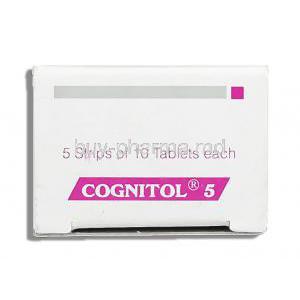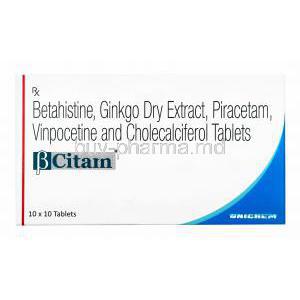
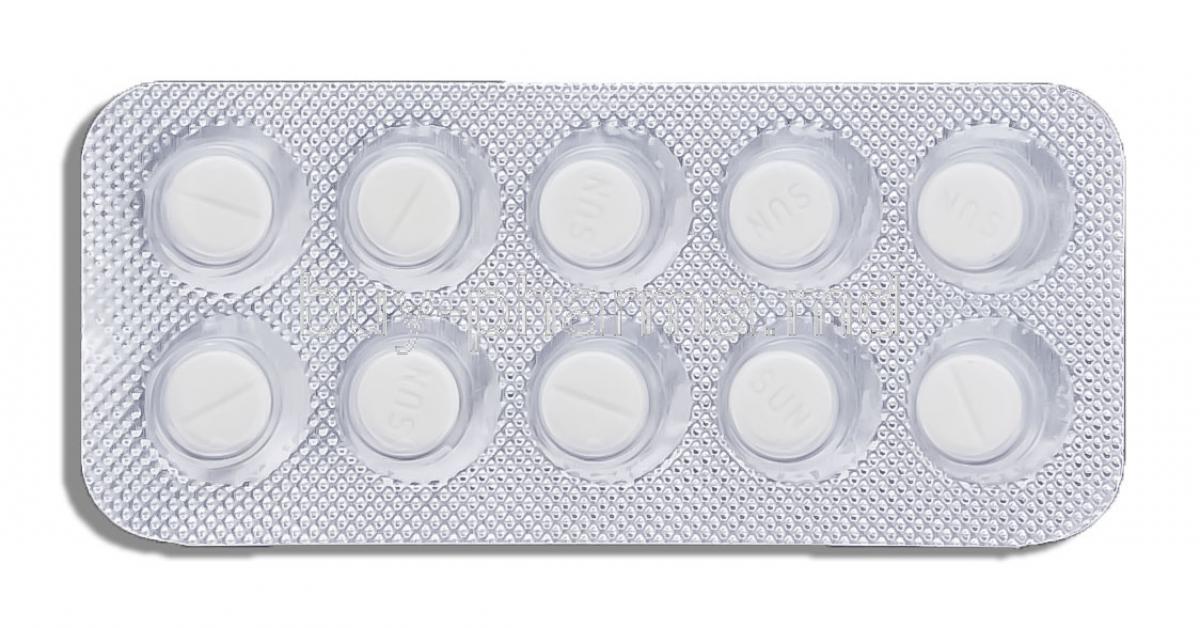
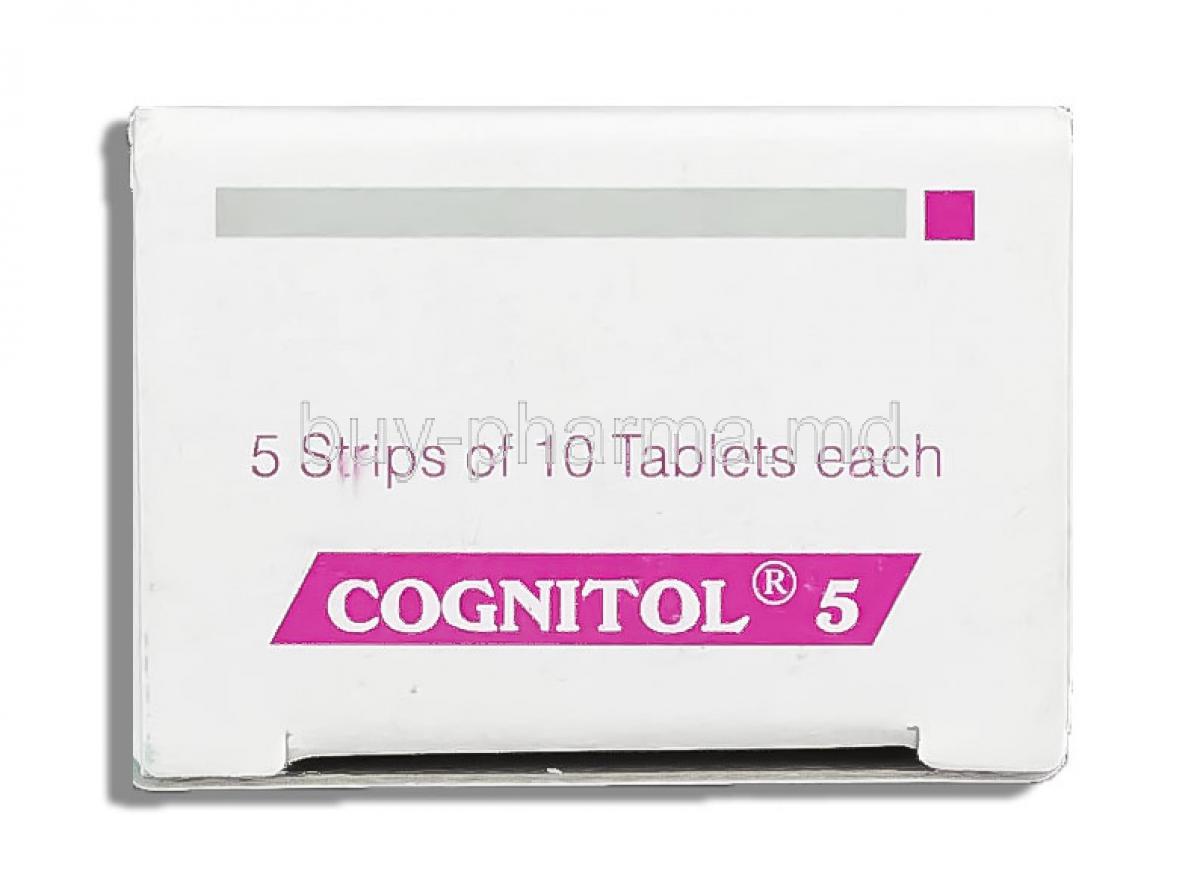
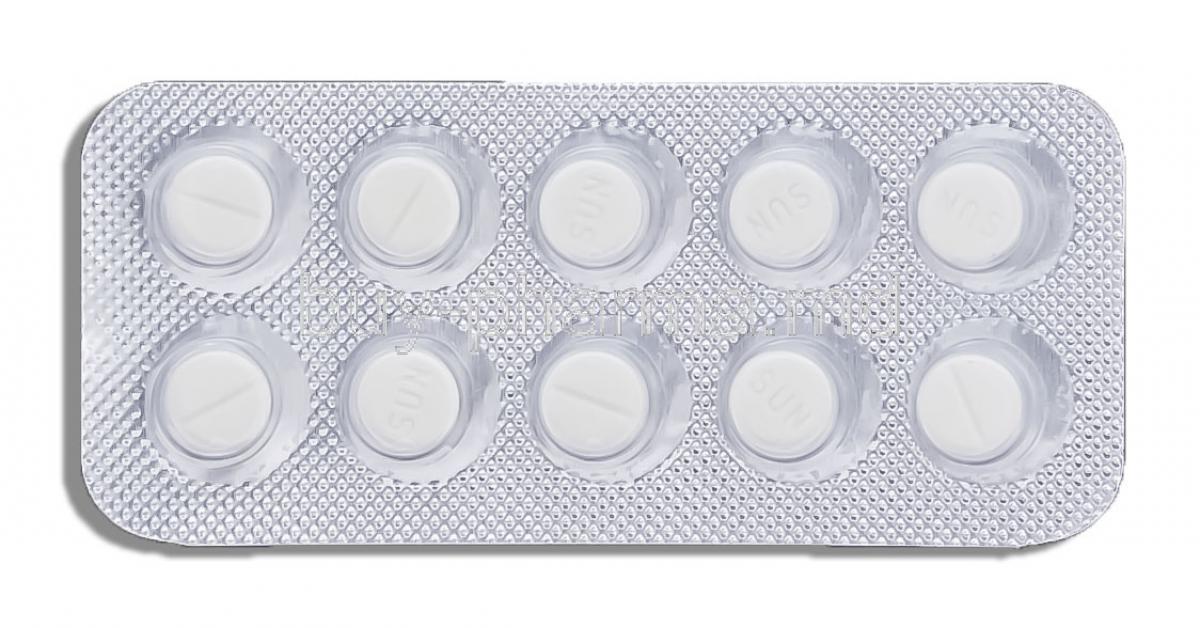
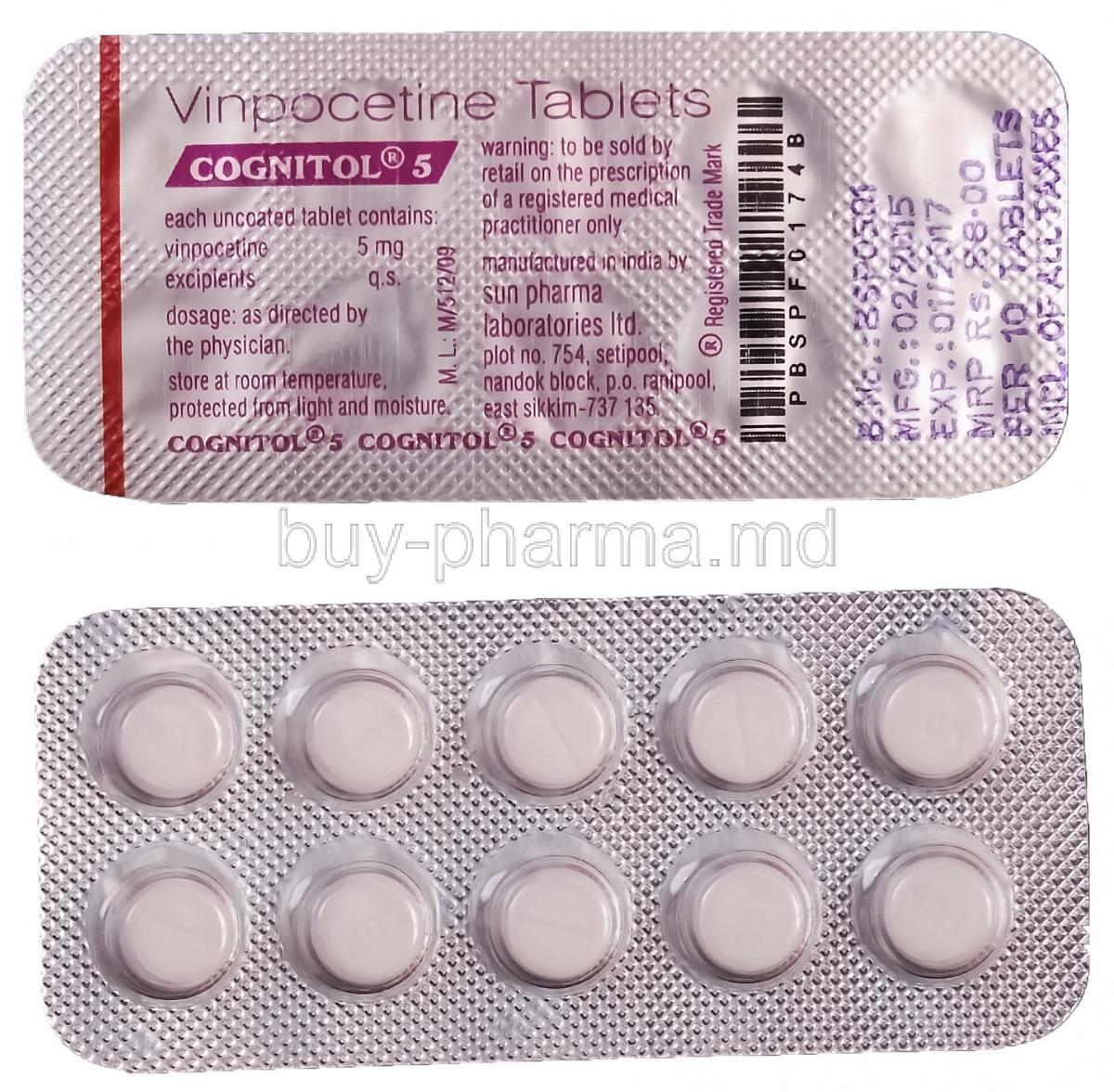
1. Introduction to Cognitol (Vinpocetine)
1.1 Overview of Cognitol and Vinpocetine
Cognitol, formulated with vinpocetine as its active constituent, is widely recognized for its supportive effects on cognitive vitality and cerebral circulation. It is frequently utilized to enhance mental sharpness, sustain memory performance, and stabilize neurological function. Its unique pharmacodynamic profile allows it to act on the vasculature of the brain, promoting blood flow and supporting optimal cognitive processes.
1.2 History and Development of Vinpocetine
Vinpocetine originates from the alkaloid vincamine, derived from the periwinkle plant Vinca minor. Developed in the late 1960s and 1970s, vinpocetine quickly gained traction in Europe and parts of Asia as a cerebroactive compound. Over decades, it has been extensively researched for its neuroprotective, vasodilatory, and metabolic effects on brain tissue.
1.3 Regulatory Status in Different Countries
The regulatory classification of vinpocetine varies globally. Some regions categorize it as a prescription medication due to its vasoactive properties, while others classify it as a dietary supplement. In certain countries, its sale is restricted pending further clinical evaluation. These differences reflect regional interpretations of its safety, efficacy, and therapeutic potential.
1.4 General Therapeutic Role and Global Usage Trends
Vinpocetine is embraced by many healthcare practitioners for its supportive role in cognitive health, particularly in populations experiencing age-related decline. Globally, its use intersects both the medical and wellness sectors, with growing interest in its applications for neuroprotection and cognitive performance enhancement.
2. Composition and Formulation
2.1 Active Ingredient: Vinpocetine
The primary active ingredient in Cognitol is vinpocetine, a synthetic derivative of vincamine. It exhibits potent cerebrovascular and neuroprotective activity, contributing to enhanced cerebral metabolism and circulation.
2.2 Available Strengths and Dosage Forms
Cognitol is typically available in oral tablet or capsule form, most commonly in strengths ranging from 5 mg to 10 mg. These dosage options allow flexible adjustment according to clinical needs and patient response.
2.3 Inactive Ingredients and Excipients
In addition to vinpocetine, the formulation may contain excipients such as microcrystalline cellulose, lactose, magnesium stearate, and starch-based stabilizers. These components support tablet structure, absorption, and stability.
2.4 Pharmacological Class and Chemical Characteristics
Vinpocetine belongs to the class of vasodilatory nootropics and exhibits lipophilic characteristics that facilitate its penetration into brain tissue. It interacts with ion channels, neurotransmitter systems, and enzymatic pathways related to cerebral function.
3. Mechanism of Action (How Vinpocetine Works)
3.1 Enhancement of Cerebral Blood Flow
Vinpocetine exerts selective vasodilation on cerebral vessels, improving oxygen and nutrient delivery to brain tissue without significantly altering systemic blood pressure. This targeted effect supports neuronal vitality and metabolic equilibrium.
3.2 Neuroprotective Properties and Antioxidant Activity
Its neuroprotective capabilities stem from its ability to mitigate oxidative stress and protect neurons from hypoxic injury. By scavenging free radicals, vinpocetine helps maintain cellular integrity and synaptic communication.
3.3 Modulation of Neurotransmitter Pathways
Vinpocetine modulates several neurotransmitter systems, including acetylcholine and noradrenaline. This regulatory action enhances cognitive performance, particularly memory retention and executive function.
3.4 Effects on Neuronal Metabolism and Mitochondrial Function
The compound supports mitochondrial efficiency, increasing ATP production and stabilizing neuronal energy balance. This metabolic optimization plays a central role in sustaining cognitive clarity and alertness.
3.5 Impact on Phosphodiesterase Inhibition and Cyclic GMP Pathways
Through selective inhibition of phosphodiesterase type-1 (PDE-1), vinpocetine elevates intracellular cyclic GMP levels, contributing to vasodilation, anti-inflammatory activity, and enhanced neural signaling.
4. Approved Uses of Cognitol (Vinpocetine)
4.1 Treatment of Cognitive Impairment
Clinicians often prescribe Cognitol for individuals experiencing cognitive decline, helping maintain clarity, processing speed, and memory stability.
4.2 Management of Age-Related Memory Decline
As aging affects neuronal function, vinpocetine serves as a supportive agent to counteract age-associated deficits in concentration and mental agility.
4.3 Supportive Therapy for Cerebrovascular Disorders
Cognitol is utilized in conjunction with other therapies to improve cerebral circulation in patients with chronic cerebrovascular insufficiency.
4.4 Use in Chronic Vascular Ischemia
By enhancing regional blood flow, vinpocetine assists in mitigating symptoms associated with long-standing vascular ischemia.
4.5 Use in Post-Stroke Cognitive Recovery
Its vasodilatory and neuroprotective actions may help facilitate cognitive rehabilitation in individuals recovering from ischemic stroke.
5. Off-Label Uses and Emerging Applications
5.1 Cognitive Enhancement and Nootropic Supplementation
Many individuals utilize vinpocetine off-label as a nootropic to improve focus, mental performance, and learning capacity.
5.2 Support for Concentration, Alertness, and Mental Clarity
Its influence on neurotransmitter activity makes it attractive for those seeking sharper cognitive function during demanding mental activities.
5.3 Adjunct Therapy for Tinnitus
Some studies suggest vinpocetine may support auditory blood flow, offering potential benefits for tinnitus management.
5.4 Use in Visual Function Enhancement (Ophthalmologic Support)
By improving microcirculation, vinpocetine may support ocular health and visual acuity in select populations.
5.5 Potential Benefits in Mood Stabilization and Anxiety Management
Emerging research explores its impact on mood pathways, indicating possible benefits for emotional balance.
5.6 Neuroprotection in Degenerative Neurological Conditions
Cognitol is being studied for its potential role in neurodegenerative disorders, where its protective mechanisms may slow cognitive decline.
5.7 Investigation in Inflammatory Modulation and Oxidative Stress Reduction
Its anti-inflammatory effects and antioxidant capabilities highlight its potential in broader chronic disease contexts.
6. Dosage and Administration Guidelines
6.1 Standard Adult Dosing Recommendations
Typical dosing ranges from 5 mg to 20 mg per day, depending on therapeutic goals.
6.2 Dosing for Cognitive Impairment and Cerebrovascular Support
Higher doses may be employed under clinical supervision to maximize cerebral blood flow and cognitive function.
6.3 Titration Schedules and Duration of Therapy
Gradual titration ensures tolerance and allows practitioners to monitor therapeutic response over time.
6.4 Missed Dose Instructions
If a dose is missed, patients are advised to take it promptly unless it is near the time of the next dose.
6.5 Administration Techniques and Food Considerations
Cognitol may be taken with or without food, although taking it with meals can minimize gastrointestinal discomfort.
6.6 Maximum Recommended Daily Limits
Doses exceeding 30 mg daily are generally discouraged without explicit medical supervision.
7. Safety Profile and Side Effects
7.1 Overview of Safety Considerations
Vinpocetine is generally well-tolerated, although sensitivity may vary by individual and dosage.
7.2 Common Side Effects
- Headache
- Dizziness
- Flushing
- Gastrointestinal discomfort
- Sleep disturbances
7.3 Less Common but Significant Adverse Reactions
Some individuals may experience palpitations, hypotension, allergic reactions, or mood fluctuations, necessitating clinical evaluation.
7.4 Long-Term Use Considerations and Safety Studies
Current studies indicate favorable safety over extended use; however, long-term data continues to be evaluated in clinical settings.
8. Warnings and Contraindications
8.1 Absolute Contraindications
The following conditions preclude the use of vinpocetine:
- Hypersensitivity to vinpocetine
- Pregnancy and lactation
- Severe cardiac arrhythmias
8.2 Relative Contraindications
- Low blood pressure
- Bleeding disorders
- Recent stroke in unstable condition
8.3 Patients with Seizure Disorders
Individuals with seizure history should use vinpocetine cautiously, as it may influence neuronal excitability in rare cases.
9. Important Precautions and Careful Administration
9.1 Monitoring Blood Pressure and Cardiovascular Status
Regular monitoring helps identify hypotensive responses and ensures cardiovascular stability.
9.2 Risk of Increased Bleeding Tendency
Vinpocetine may affect platelet aggregation; caution is essential in patients at risk of bleeding.
9.3 Caution in Patients with Hepatic Impairment
Reduced hepatic function may alter vinpocetine metabolism, requiring dose adjustments.
9.4 Special Considerations for Renal Impairment
Although primarily metabolized by the liver, renal impairment may influence tolerability and warrants cautious use.
9.5 Avoiding Concurrent Use with Blood Thinners
Concurrent use with anticoagulants may potentiate bleeding risk and should be medically supervised.
9.6 Precautions Related to Cognitive-Enhancing Supplements
Combining vinpocetine with other nootropics may amplify neurological effects.
9.7 Alcohol Interaction Risk
Alcohol can enhance dizziness or hypotension, and caution is advised when combining both substances.
10. Drug and Food Interactions
10.1 Interactions with Anticoagulants and Antiplatelet Drugs
Such combinations can heighten bleeding risk and require careful medical oversight.
10.2 Interaction with Antihypertensive Medications
Co-administration may produce additive hypotensive effects.
10.3 Interactions with CNS Stimulants or Nootropics
Stacking vinpocetine with stimulants or other cognitive enhancers may intensify neurological stimulation.
10.4 Potential Interaction with Herbal Supplements (e.g., Ginkgo biloba)
Herbal extracts that impact blood flow or platelet function can interact synergistically or adversely with vinpocetine.
10.5 Food Interactions and Absorption Impact
Food generally does not impair vinpocetine absorption, though high-fat meals may modestly influence pharmacokinetics.
11. Administration in Special Populations
11.1 Administration to Elderly Patients
Elderly individuals often exhibit heightened physiological sensitivity, particularly in relation to cardiovascular fluctuations. Vinpocetine may potentiate vasodilation, making older adults more susceptible to episodes of hypotension.
Adjusted dosing is frequently recommended to ensure the therapeutic benefits are delivered without precipitating adverse hemodynamic responses. Initiating treatment with the lowest feasible dose, followed by cautious titration, helps accommodate age-related changes in metabolism and organ function.
- Sensitivity to hypotension, especially in frail or polypharmacy patients
- Consideration for reduced hepatic and renal clearance
- Gradual dose escalation to minimize adverse outcomes
11.2 Use During Pregnancy
Pregnancy introduces unique physiological demands, and vinpocetine is generally avoided due to concerns regarding fetal toxicity. Preclinical data suggest risks of impaired fetal development, necessitating stringent caution.
Regulatory agencies in many regions impose significant restrictions on its use during pregnancy. These limitations reflect the absence of robust clinical data and the potential for placental transfer.
- Potential fetal toxicity concerns based on animal studies
- Lack of controlled human data to confirm safety
- Regulatory restrictions prohibiting or discouraging use
11.3 Administration to Nursing Mothers
The excretion of vinpocetine into breast milk remains a critical consideration. Even small concentrations may pose risks to neonates due to their immature metabolic pathways.
Healthcare practitioners typically recommend avoiding vinpocetine during breastfeeding unless the benefits clearly outweigh the risks. Neonatal sensitivity necessitates heightened vigilance.
- Possible transfer into breast milk
- Potential for neurological or gastrointestinal effects in infants
- Consideration of alternative therapies during lactation
11.4 Administration to Children and Adolescents
Vinpocetine administration in pediatric populations is generally discouraged due to the absence of sufficient clinical evidence. Safety profiles have not been conclusively established in children or adolescents.
Uncertainties surrounding neurodevelopmental impact further support cautious or avoidant use. Pediatric dosing guidelines are not standardized, reflecting the limited data available.
- Lack of clinical evidence confirming safety or efficacy
- Potential developmental and neurological uncertainties
- Use only under specialist supervision, if at all
12. Overdose Management
12.1 Signs and Symptoms of Vinpocetine Overdose
Overdose may present with a range of symptoms, from mild discomfort to significant physiological distress. Common manifestations include severe headache, marked hypotension, tachycardia, or pronounced dizziness.
In extreme cases, gastrointestinal disturbances or cardiac irregularities may emerge, requiring prompt assessment.
12.2 Emergency Response and Initial Management
Immediate medical intervention is crucial. Stabilization of airway, breathing, and circulation forms the cornerstone of initial management.
Rapid evaluation allows for timely correction of hemodynamic instability and prevention of further complications.
12.3 Supportive Treatment Measures
- Administration of intravenous fluids to address hypotension
- Cardiac monitoring to detect arrhythmias
- Symptomatic treatment for nausea, vomiting, or neurological disturbances
- Observation for rebound effects as the drug is metabolized
12.4 Potential Long-Term Complications
Although severe long-term complications are uncommon, prolonged hypotension or cardiac instability may lead to extended recovery periods. In rare cases, persistent neurological symptoms may require follow-up assessment.
13. Storage and Stability Requirements
13.1 Recommended Storage Temperature
Vinpocetine should be stored at controlled room temperatures, typically between 20°C and 25°C (68°F to 77°F). Temperature stability ensures the compound retains its potency and structural integrity.
13.2 Protection From Light and Moisture
Exposure to direct sunlight or excessive humidity can degrade the formulation. Storing the medication in a dry, shaded environment—preferably in its original packaging—helps maintain optimal stability.
13.3 Safe Handling and Disposal Practices
Unused or expired tablets should be disposed of according to local pharmaceutical guidelines. Avoid discarding medication in household waste or wastewater systems to prevent environmental contamination.
13.4 Shelf Life and Expiry Precautions
Ensuring use within the stated expiry date preserves therapeutic effectiveness. Medications beyond their expiration may exhibit diminished potency or unpredictable pharmacological behavior.
14. Handling Precautions
14.1 Safe Handling in Home Settings
Patients should keep the medication out of the reach of children and store it securely. Tablets should be handled with dry, clean hands to prevent contamination.
14.2 Handling by Healthcare Professionals
Clinicians or caregivers administering vinpocetine should verify the correct dosage and inspect tablets for discoloration or damage before use.
14.3 Avoiding Contamination and Degradation
Exposure to moisture, oils, or heat can compromise tablet stability. Avoid transferring tablets into non-airtight containers.
14.4 Precautions During Splitting or Crushing Tablets
Splitting or crushing tablets may alter dosing accuracy or affect drug release. Such manipulation should only be performed when medically advised and with appropriate tools.
15. Patient Education and Counseling Points
15.1 Expected Onset of Effects
Therapeutic effects may develop gradually, often becoming noticeable after several days or weeks of consistent use. Patients should not expect immediate cognitive changes.
15.2 Importance of Adherence
Maintaining regular dosing enhances clinical outcomes. Skipping doses or abrupt discontinuation may diminish therapeutic benefits.
15.3 Signs Requiring Medical Attention
- Persistent dizziness or fainting episodes
- Sudden changes in heart rhythm
- Allergic reactions such as swelling, rash, or breathing difficulty
- Unusual neurological symptoms
15.4 Lifestyle and Cognitive Health Recommendations
Optimal results often arise when vinpocetine is combined with health-promoting habits. Patients may benefit from:
- Regular physical activity to enhance cerebral circulation
- A nutrient-rich diet supporting brain health
- Adequate hydration and sleep
- Cognitive training, mental exercises, or memory activities
These complementary measures reinforce the therapeutic role of vinpocetine and support long-term cognitive resilience.
Similar Product