1. Introduction to Collashot Forte (Collagen Peptide / Glucosamine)
1.1 Overview of Collashot Forte and Its Therapeutic Category
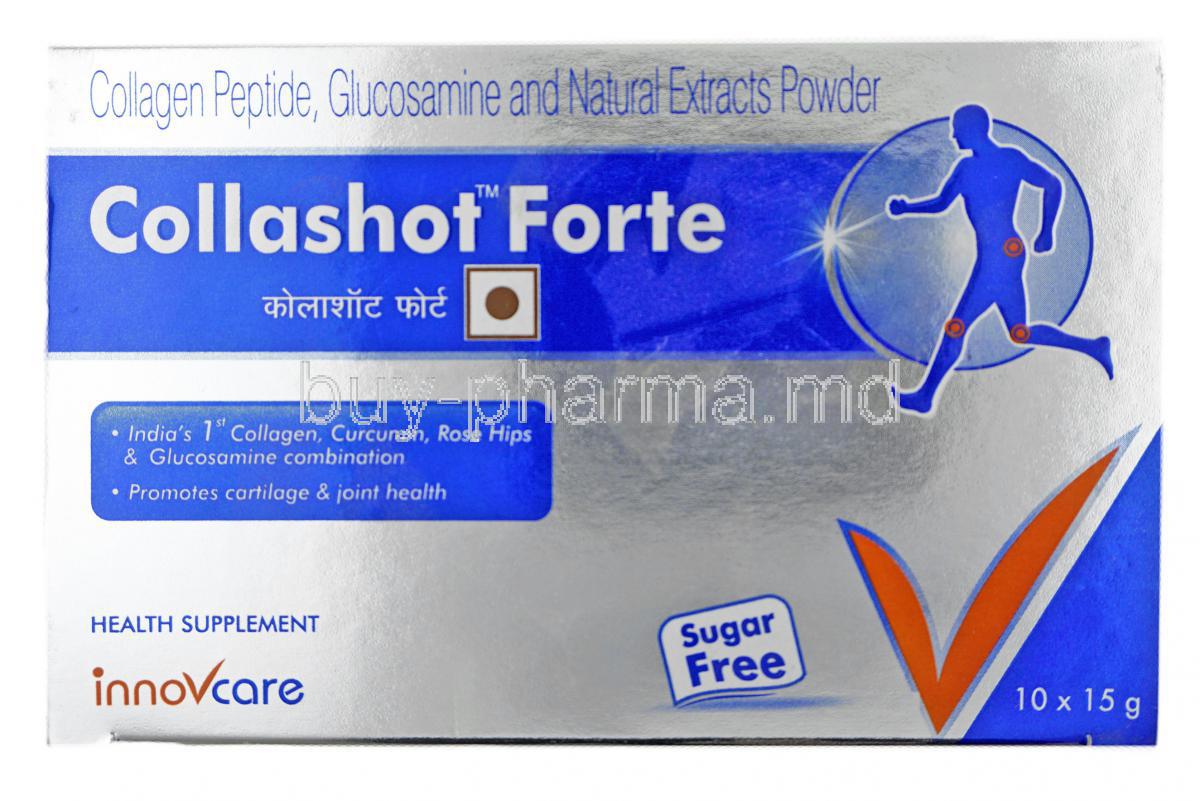
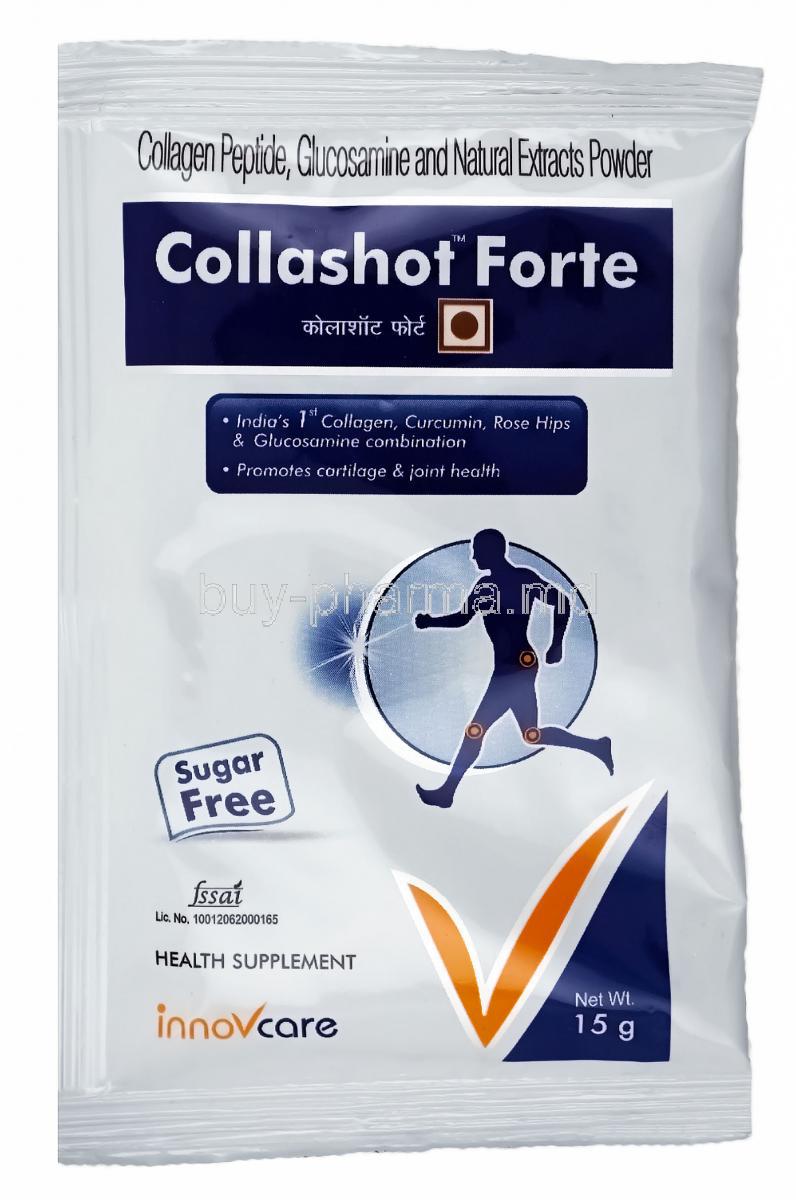
Collashot Forte is a nutraceutical formulation designed to support joint integrity, cartilage regeneration, and connective tissue resilience. The product combines collagen peptides with glucosamine, two biologically significant compounds known for their role in musculoskeletal health. Together, these components provide structural support for cartilage while assisting in the maintenance of healthy joints.
Collashot Forte is frequently categorized within the following therapeutic groups:
- Joint health supplements
- Cartilage-support formulations
- Musculoskeletal nutraceutical products
- Anti-degenerative joint support agents
1.2 Importance of Joint Health and Connective Tissue Support
Joints represent complex biomechanical structures that enable movement, flexibility, and load-bearing functionality. Cartilage, ligaments, tendons, and synovial fluid work synergistically to facilitate smooth articulation between bones. When these tissues deteriorate, mobility declines and discomfort may develop.
Maintaining connective tissue integrity is therefore essential. Healthy joints allow individuals to perform daily activities without restriction. Adequate support of cartilage and collagen networks contributes to structural durability and mechanical stability within the skeletal framework.
1.3 Role of Nutraceuticals in Musculoskeletal and Cartilage Care
Nutraceutical compounds are increasingly recognized for their supportive role in maintaining joint health. Unlike traditional pharmaceutical agents, nutraceuticals aim to provide nutritional reinforcement that assists physiological repair mechanisms.
- Support synthesis of cartilage components
- Reduce oxidative damage in joint tissues
- Improve structural resilience of connective tissues
- Promote metabolic processes within cartilage cells
Collagen peptides and glucosamine are among the most widely studied nutraceutical ingredients used to support musculoskeletal health.
1.4 Increasing Demand for Collagen and Glucosamine Supplements
Global awareness of joint health has significantly increased in recent years. Aging populations, sedentary lifestyles, and sports-related joint stress have contributed to rising demand for structural support supplements.
Collagen and glucosamine formulations are frequently utilized by individuals seeking:
- Improved joint flexibility
- Reduced stiffness
- Enhanced connective tissue recovery
- Preventive support against degenerative joint changes
1.5 Key Benefits of Combining Collagen Peptides with Glucosamine
The combination of collagen peptides and glucosamine creates a synergistic formulation. Each compound contributes distinct biological actions that collectively enhance connective tissue health.
- Collagen peptides provide structural protein for cartilage and connective tissues
- Glucosamine supports synthesis of glycosaminoglycans and proteoglycans
- The combination improves cartilage resilience
- Joint lubrication and flexibility may be enhanced
2. Composition and Active Ingredients
2.1 Collagen Peptides: Structure, Source, and Biological Function
Collagen peptides are hydrolyzed forms of collagen protein derived from animal connective tissues. Through enzymatic hydrolysis, collagen is broken into smaller peptide fragments that demonstrate superior absorption and bioavailability.
These peptides provide essential amino acids such as glycine, proline, and hydroxyproline. These amino acids are integral components of cartilage, ligaments, tendons, and skin matrix structures.
2.2 Glucosamine: Chemical Nature and Therapeutic Role
Glucosamine is a naturally occurring amino sugar found within cartilage tissue. It serves as a precursor for the biosynthesis of glycosaminoglycans and proteoglycans, both of which are essential components of the extracellular matrix of cartilage.
Supplementation with glucosamine may help maintain cartilage structure and support joint cushioning.
2.3 Synergistic Mechanism Between Collagen Peptides and Glucosamine
When administered together, collagen peptides and glucosamine provide complementary mechanisms that support joint architecture. Collagen peptides provide structural building blocks, while glucosamine stimulates the production of cartilage matrix molecules.
This synergy may enhance cartilage repair processes and strengthen connective tissue frameworks.
2.4 Additional Excipients and Stabilizing Ingredients
In addition to the primary active ingredients, Collashot Forte formulations may contain supportive excipients that stabilize the product and maintain its integrity during storage.
- Flavoring agents
- Stabilizers
- Preservatives
- Solubilizing compounds
2.5 Nutritional Profile and Bioavailability of the Formulation
The hydrolyzed structure of collagen peptides improves gastrointestinal absorption. Smaller peptide fragments are more readily transported across intestinal membranes, allowing efficient delivery of amino acids to connective tissues.
Glucosamine is similarly absorbed through the gastrointestinal tract and subsequently distributed to cartilage tissue where it participates in matrix synthesis.
3. Mechanism of Action: How Collashot Forte Works
3.1 Role of Collagen Peptides in Cartilage Regeneration
Collagen peptides provide amino acid substrates required for cartilage repair. Chondrocytes utilize these amino acids to synthesize new collagen fibers that reinforce the cartilage framework.
3.2 Glucosamine and Its Effect on Glycosaminoglycan Synthesis
Glucosamine supports the biosynthesis of glycosaminoglycans, which are critical molecules responsible for cartilage elasticity and hydration. These molecules contribute to shock absorption within joints.
3.3 Stimulation of Cartilage Matrix Production
Both collagen peptides and glucosamine contribute to the maintenance of extracellular cartilage matrix. This matrix provides structural support and enables cartilage to withstand compressive forces.
3.4 Reduction of Joint Inflammation and Oxidative Stress
Chronic joint degeneration often involves inflammatory processes and oxidative damage. Nutritional support from collagen peptides may assist in reducing oxidative stress within joint tissues, helping maintain structural stability.
3.5 Improvement of Joint Lubrication and Synovial Fluid Function
Healthy synovial fluid acts as a lubricant that allows bones to glide smoothly within joints. Nutritional support for cartilage and connective tissues indirectly contributes to maintaining the viscosity and function of synovial fluid.
3.6 Support of Ligaments, Tendons, and Connective Tissue Integrity
Ligaments and tendons contain large amounts of collagen fibers. Collagen peptide supplementation provides structural amino acids that may strengthen these tissues and support their tensile capacity.
4. Medical Uses of Collashot Forte
4.1 Management of Osteoarthritis and Degenerative Joint Disease
Collashot Forte is frequently utilized to support individuals experiencing osteoarthritis or degenerative joint changes. The formulation assists in maintaining cartilage integrity and reducing joint stiffness associated with wear and tear.
4.2 Relief of Chronic Joint Pain and Stiffness
Joint discomfort often arises from cartilage deterioration or repetitive mechanical stress. Nutritional support from collagen peptides and glucosamine may help alleviate stiffness and enhance mobility.
4.3 Support for Cartilage Repair and Maintenance
Cartilage possesses limited regenerative capacity. Providing structural nutrients such as collagen peptides may help support natural repair processes and maintain cartilage resilience.
4.4 Treatment Support for Age-Related Joint Degeneration
Aging naturally reduces collagen synthesis and cartilage elasticity. Supplementation with collagen peptides and glucosamine may assist in maintaining joint flexibility in aging individuals.
4.5 Adjunctive Therapy in Rheumatoid Arthritis Management
Although primarily used for osteoarthritis support, some individuals with inflammatory joint conditions may use collagen and glucosamine supplements as complementary therapy alongside medical treatment.
4.6 Support for Athletes with Joint Stress and Overuse Injuries
Athletes frequently subject their joints to repetitive mechanical loads. Collashot Forte may provide structural support that assists in maintaining cartilage durability during periods of intense physical activity.
5. Expanded Therapeutic and Nutritional Benefits
5.1 Improvement of Joint Mobility and Flexibility
Joint flexibility is essential for fluid movement and physical performance. Regular supplementation with collagen peptides and glucosamine may help maintain joint mobility and range of motion.
5.2 Support for Bone Density and Skeletal Strength
Although collagen peptides primarily support connective tissue, collagen also forms a substantial portion of bone matrix. Adequate collagen availability contributes to skeletal resilience.
5.3 Maintenance of Healthy Connective Tissue and Tendons
Tendons and ligaments rely heavily on collagen fibers for tensile strength. Supplementation may help maintain structural integrity within these connective tissues.
5.4 Contribution to Skin Elasticity and Structural Integrity
Collagen is a fundamental structural protein within the dermis. Adequate collagen peptide intake may contribute to improved skin elasticity and dermal firmness.
5.5 Role in Post-Injury Recovery and Rehabilitation
During rehabilitation from musculoskeletal injury, collagen supplementation may assist in restoring connective tissue integrity and supporting recovery processes.
6. Off-Label and Emerging Uses
6.1 Support for Sports Injury Recovery
Athletes recovering from ligament strain or tendon injuries sometimes use collagen supplementation as part of nutritional recovery strategies.
6.2 Potential Role in Osteopenia and Bone Weakness
Emerging research suggests that collagen peptides may contribute to bone matrix formation and support skeletal health in individuals with reduced bone density.
6.3 Use in Anti-Aging and Skin Health Programs
Collagen supplementation has gained popularity in dermatological wellness programs focused on maintaining skin elasticity and structural integrity.
6.4 Support for Ligament and Tendon Healing
Ligament and tendon tissues rely heavily on collagen fiber architecture. Providing additional collagen peptides may assist in maintaining tissue resilience.
6.5 Adjunctive Therapy for Joint Disorders in Active Individuals
Individuals engaged in physically demanding activities often seek joint-support supplements to maintain cartilage durability and joint performance.
6.6 Preventive Use in Individuals at Risk of Early Joint Degeneration
Preventive supplementation is sometimes considered by individuals with family history of degenerative joint disease or those exposed to repetitive joint stress.
7. Dosage and Administration Guidelines
7.1 Standard Recommended Dosage for Adults
The recommended dosage of Collashot Forte typically depends on the specific formulation and concentration of active ingredients. Healthcare providers may advise dosage based on individual nutritional needs.
7.2 Administration with Meals for Optimal Absorption
Taking collagen and glucosamine supplements with meals may improve gastrointestinal tolerance and facilitate consistent absorption.
7.3 Duration of Therapy for Joint Health Support
Joint-support supplements often require continuous use over several weeks or months to achieve optimal results due to the slow metabolic turnover of cartilage tissues.
7.4 Dosage Adjustments Based on Clinical Response
Some individuals may experience improved joint comfort after extended supplementation. Healthcare professionals may adjust dosage based on response and tolerance.
7.5 Instructions for Oral Liquid or Sachet Formulations (if applicable)
Liquid or sachet formulations should be consumed according to product instructions. Proper mixing and accurate measurement help ensure consistent intake.
7.6 Importance of Consistent Daily Use
Regular daily intake is important for maintaining stable nutrient availability. Intermittent or irregular supplementation may reduce potential benefits.
8. Side Effects of Collashot Forte
8.1 Overview of Possible Adverse Effects
Collashot Forte is generally well tolerated when used according to recommended guidelines. However, some individuals may experience mild adverse reactions.
8.2 Gastrointestinal Disturbances Associated with Glucosamine
Some users may report digestive discomfort including bloating or mild abdominal irritation, particularly during early supplementation stages.
8.3 Allergic Reactions Related to Marine-Derived Collagen Sources
Collagen peptides derived from marine sources may trigger allergic reactions in sensitive individuals, especially those with seafood allergies.
8.4 Mild Dermatological Reactions
Rare dermatological reactions such as itching or mild rash may occur in susceptible individuals.
8.5 Rare Systemic Reactions and Hypersensitivity
Although uncommon, systemic hypersensitivity reactions may occur. Medical attention should be sought if severe allergic symptoms develop.
9. Common Side Effects
9.1 Nausea and Mild Digestive Discomfort
Some individuals may experience mild nausea, particularly when supplements are taken on an empty stomach.
9.2 Bloating and Abdominal Distension
Digestive bloating may occur temporarily as the body adapts to glucosamine supplementation.
9.3 Mild Diarrhea or Constipation
Minor changes in bowel habits may occur but are generally transient.
9.4 Temporary Headache
Headache has occasionally been reported, although it is relatively uncommon.
9.5 Mild Skin Irritation or Rash
Hypersensitivity reactions affecting the skin are rare but possible in individuals sensitive to specific ingredients.
10. Drug and Supplement Interactions
10.1 Interaction with Anticoagulant Medications
Glucosamine may interact with anticoagulant medications, potentially influencing coagulation pathways. Individuals taking blood thinners should seek medical advice before supplementation.
10.2 Interaction with Antiplatelet Agents
Concurrent use with antiplatelet agents may theoretically increase bleeding risk and should be monitored carefully.
10.3 Potential Effects on Blood Glucose Levels
Glucosamine has been investigated for potential effects on glucose metabolism. Individuals with diabetes should monitor blood glucose levels during supplementation.
10.4 Interaction with Other Joint Supplements (Chondroitin, MSM)
Collashot Forte is sometimes used alongside other joint-support supplements such as chondroitin sulfate or methylsulfonylmethane (MSM). Combined supplementation should be evaluated carefully to avoid excessive intake.
10.5 Considerations When Used with Anti-inflammatory Medications
When used alongside nonsteroidal anti-inflammatory medications, collagen and glucosamine supplements may serve as supportive therapy. However, medical supervision is recommended for individuals receiving ongoing pharmacological treatment.
11. Warnings and Safety Considerations
11.1 Risk of Allergic Reactions in Shellfish-Sensitive Individuals
Glucosamine is frequently derived from shellfish sources such as shrimp, crab, or lobster shells. Individuals with shellfish allergies must exercise caution when considering supplementation with glucosamine-containing products. Hypersensitivity reactions may occur in susceptible individuals, although purified glucosamine extracts typically contain minimal allergenic proteins.
Potential allergic manifestations may include:
- Skin rashes or urticaria
- Pruritus or localized swelling
- Respiratory discomfort
- Rare systemic allergic reactions
Individuals with known shellfish allergies should carefully review product ingredients and seek medical guidance prior to use.
11.2 Use in Patients with Diabetes or Glucose Intolerance
Glucosamine is structurally related to glucose and participates in metabolic pathways involving carbohydrate metabolism. While current evidence suggests that moderate supplementation may not significantly affect glycemic control in most individuals, patients with diabetes or impaired glucose tolerance should remain vigilant.
Monitoring of blood glucose levels is advisable during supplementation, particularly during the initial stages of use. Healthcare professionals may recommend periodic assessment to ensure stable metabolic control.
11.3 Monitoring in Patients with Bleeding Disorders
Some studies suggest that glucosamine supplementation may influence platelet aggregation or interact with anticoagulant medications. Patients with underlying bleeding disorders or those receiving anticoagulant therapy should exercise caution.
- Patients taking warfarin or similar medications should consult their physician
- Unexpected bruising or prolonged bleeding should be evaluated promptly
- Clinical monitoring may be recommended during supplementation
11.4 Risk of Excessive Supplementation
Excessive intake of nutritional supplements may disrupt physiological balance. Although collagen peptides and glucosamine are generally well tolerated, excessive consumption may result in gastrointestinal discomfort or metabolic disturbances.
Responsible supplementation involves adherence to recommended dosage guidelines and avoidance of multiple products containing similar ingredients simultaneously.
11.5 Importance of Medical Supervision for Long-Term Use
Long-term supplementation for joint support is common. However, prolonged use should ideally occur under medical supervision to ensure appropriate dosage and clinical monitoring.
Regular assessment may include:
- Evaluation of joint mobility and pain levels
- Monitoring for potential adverse reactions
- Review of concurrent medications or supplements
12. Contraindications
12.1 Known Hypersensitivity to Collagen Peptides
Individuals with a known allergy or hypersensitivity to collagen-derived products should avoid using collagen peptide supplements. Allergic reactions, though rare, may occur when the immune system recognizes certain protein fragments as foreign antigens.
12.2 Allergy to Glucosamine or Shellfish-Derived Products
Since glucosamine is frequently produced from shellfish exoskeletons, individuals with documented shellfish allergies should avoid such products unless a verified non-shellfish source is used.
Alternative formulations derived from fermentation processes may sometimes be available.
12.3 History of Severe Allergic Reactions to Similar Supplements
Individuals who have experienced severe allergic reactions to dietary supplements containing glucosamine, collagen, or related compounds should refrain from using similar formulations without medical consultation.
12.4 Use in Patients with Certain Metabolic Disorders Without Medical Advice
Patients with metabolic disorders affecting protein metabolism, carbohydrate processing, or connective tissue disorders should consult healthcare professionals before initiating supplementation.
13. Careful Administration and Clinical Monitoring
13.1 Monitoring in Patients with Chronic Joint Disorders
Individuals with chronic musculoskeletal conditions such as osteoarthritis may use collagen and glucosamine supplements as supportive therapy. Monitoring clinical response is important to determine whether supplementation contributes to improved joint function.
13.2 Use in Patients with Gastrointestinal Sensitivity
Some individuals may experience mild gastrointestinal discomfort when initiating supplementation. Patients with sensitive digestive systems should consider taking supplements with meals to improve tolerance.
13.3 Monitoring Blood Glucose in Diabetic Patients
Although glucosamine does not consistently elevate blood glucose levels, individuals with diabetes should periodically monitor their glycemic control during supplementation.
- Regular blood glucose testing
- Consultation with healthcare providers
- Adjustments to treatment plans if necessary
13.4 Assessing Long-Term Use for Nutritional Balance
Prolonged supplementation should be evaluated periodically to ensure nutritional balance. Excessive intake of protein-derived supplements may affect dietary equilibrium if used without moderation.
13.5 Monitoring Response in Patients with Severe Osteoarthritis
In individuals with advanced joint degeneration, the response to nutritional supplementation may vary. Healthcare professionals may evaluate symptom improvement, mobility, and functional capacity over time.
14. Important Precautions During Treatment
14.1 Avoiding Excessive Dosage Beyond Recommended Limits
Following recommended dosage instructions is essential to minimize the risk of adverse reactions. High doses of supplements may increase the likelihood of gastrointestinal discomfort and other unwanted effects.
14.2 Importance of Balanced Diet and Exercise for Joint Health
Supplementation alone cannot replace the benefits of a balanced lifestyle. Joint health is influenced by multiple factors including nutrition, physical activity, and body weight management.
- Regular low-impact exercise
- A nutrient-rich diet
- Weight management
- Adequate hydration
14.3 Monitoring for Allergic Symptoms After First Use
Individuals using collagen or glucosamine supplements for the first time should observe for signs of allergic reaction during the initial stages of supplementation.
14.4 Avoiding Combination with Unverified Joint Supplements
The simultaneous use of multiple joint-support supplements without medical guidance may lead to excessive intake of certain nutrients. Verification of product composition helps prevent duplication of active ingredients.
14.5 Ensuring Product Quality and Authenticity
Selecting high-quality products from reputable manufacturers is essential to ensure purity, safety, and accurate ingredient labeling. Proper manufacturing standards help maintain product stability and efficacy.
15. Administration to Elderly Patients
15.1 Age-Related Degenerative Joint Changes
Aging is associated with progressive degeneration of cartilage and connective tissues. Reduced collagen synthesis and decreased joint lubrication contribute to stiffness and diminished mobility.
15.2 Benefits of Collagen Supplementation in Older Adults
Collagen peptides may provide structural amino acids that support connective tissue maintenance in older individuals. Supplementation may assist in maintaining joint flexibility and structural resilience.
15.3 Monitoring for Gastrointestinal Sensitivity in Elderly Individuals
Older adults may experience increased gastrointestinal sensitivity to supplements. Initiating supplementation at moderate doses and taking products with meals may improve tolerance.
15.4 Long-Term Support for Mobility and Quality of Life
Maintaining joint health is essential for preserving independence and quality of life in aging populations. Nutritional support may contribute to continued mobility and physical activity.
16. Administration to Pregnant Women and Nursing Mothers
16.1 Safety Considerations During Pregnancy
Scientific evidence regarding the safety of glucosamine and collagen supplementation during pregnancy remains limited. Pregnant individuals should consult healthcare professionals before initiating supplementation.
16.2 Potential Nutritional Benefits and Limitations
Collagen peptides provide amino acids that contribute to connective tissue structure. However, supplementation during pregnancy should be carefully evaluated to ensure safety and appropriateness.
16.3 Consultation with Healthcare Providers Before Use
Medical consultation helps determine whether supplementation is appropriate based on individual health status, dietary intake, and prenatal care considerations.
16.4 Considerations During Breastfeeding
Although collagen peptides are generally considered nutritionally safe, nursing mothers should seek medical advice before using supplements to ensure compatibility with breastfeeding.
17. Administration to Children and Adolescents
17.1 Limited Clinical Data in Pediatric Populations
Clinical studies evaluating glucosamine and collagen supplementation in children are limited. As a result, routine use in pediatric populations is not widely established.
17.2 Situations Where Supplementation May Be Considered
In certain circumstances involving musculoskeletal conditions, healthcare professionals may consider nutritional support as part of a broader treatment plan.
17.3 Importance of Pediatric Medical Supervision
Supplement use in children should always occur under medical supervision to ensure appropriate dosing and safety.
17.4 Safe Dosage Considerations for Younger Individuals
Age, body weight, and developmental stage must be considered when determining appropriate supplementation strategies for adolescents.
18. Overdosage and Excess Intake
18.1 Symptoms of Excessive Collagen or Glucosamine Intake
Excess intake of collagen peptides or glucosamine may lead to digestive discomfort or metabolic disturbances. Symptoms may include nausea, bloating, and gastrointestinal irritation.
18.2 Gastrointestinal Effects of High Dosage
Large quantities of protein-derived supplements may place stress on digestive processes. Gradual dosing and adherence to recommended guidelines help minimize these effects.
18.3 Management of Accidental Overconsumption
If accidental overconsumption occurs, individuals should discontinue supplementation and seek medical advice if symptoms develop.
18.4 Importance of Following Recommended Dosage Guidelines
Adhering to dosage recommendations ensures safe supplementation and reduces the likelihood of adverse effects.
19. Storage and Stability Information
19.1 Recommended Storage Conditions for Collashot Forte
Proper storage conditions help maintain product stability and prevent degradation of active ingredients. Supplements should typically be stored in a cool, dry environment away from direct sunlight.
19.2 Protecting the Product from Moisture and Heat
Exposure to moisture and excessive heat may compromise product integrity. Packaging should remain tightly sealed when not in use.
19.3 Shelf Life and Expiry Considerations
Consumers should always check the expiration date printed on the packaging before use. Expired supplements may lose potency or stability.
19.4 Proper Storage After Opening the Package
Once opened, containers should be securely closed and stored according to manufacturer recommendations to preserve product quality.
20. Handling and Product Safety Precautions
20.1 Keeping the Product Out of Reach of Children
Dietary supplements should always be stored safely to prevent accidental ingestion by children. Child-resistant packaging may provide additional safety.
20.2 Avoiding Contamination During Handling
Proper hygiene should be maintained when handling supplements. Clean hands and utensils help prevent contamination of the product.
20.3 Checking Packaging Integrity Before Use
Consumers should inspect product packaging for signs of damage or tampering before consumption. Compromised packaging may indicate contamination or product deterioration.
20.4 Safe Disposal of Expired or Unused Product
Expired or unused supplements should be disposed of responsibly according to local waste disposal guidelines. This helps prevent accidental use and environmental contamination.
Collashot Forte, Collagen Peptide/ Glucosamine FAQ
Customers also bought


Popular Products



Similar Product