1. Introduction to Crixan Granules (Clarithromycin)
Crixan Granules contain clarithromycin, a semi-synthetic macrolide antibiotic widely used for the treatment of a broad range of bacterial infections. Macrolides are recognized for their efficacy, favorable tissue penetration, and activity against both typical and atypical pathogens. Clarithromycin is particularly valued for its enhanced stability and improved pharmacokinetic profile compared with earlier agents in the same class.
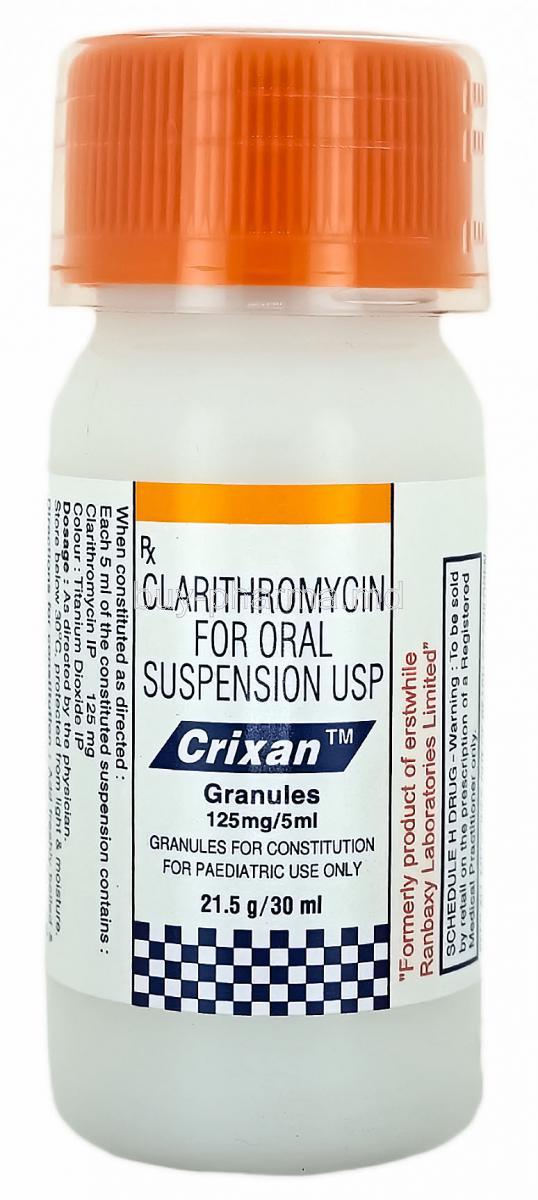
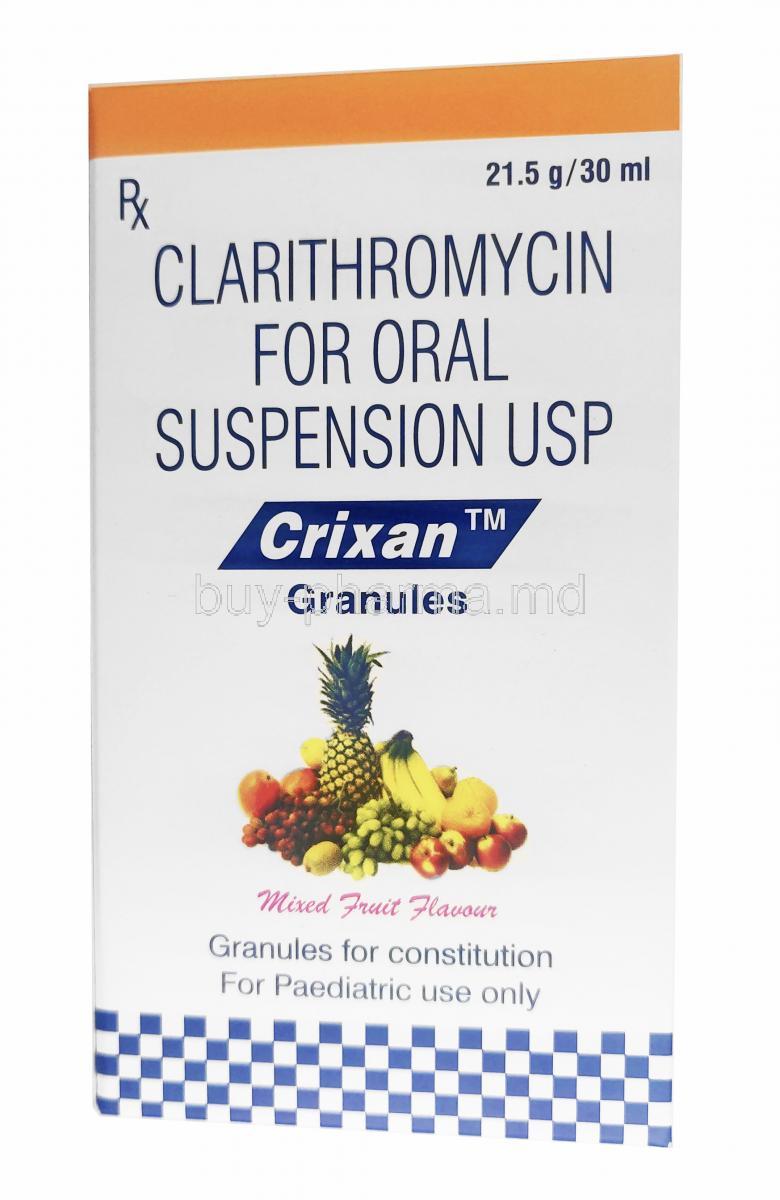
Crixan Granules are formulated as an oral granule preparation designed for suspension prior to administration. This dosage form facilitates ease of swallowing and precise dose adjustment. It is especially advantageous for pediatric patients, elderly individuals, and those who experience difficulty ingesting solid oral dosage forms.
- Belongs to the macrolide antibacterial class
- Effective against respiratory, skin, and soft tissue pathogens
- Demonstrates activity against atypical and intracellular organisms
Completion of the full course of therapy is essential. Premature discontinuation may lead to incomplete eradication of pathogens and contribute to antimicrobial resistance. Granule formulations are preferred when flexible dosing, improved compliance, or swallowing difficulties are clinical concerns.
2. Composition and Pharmaceutical Information
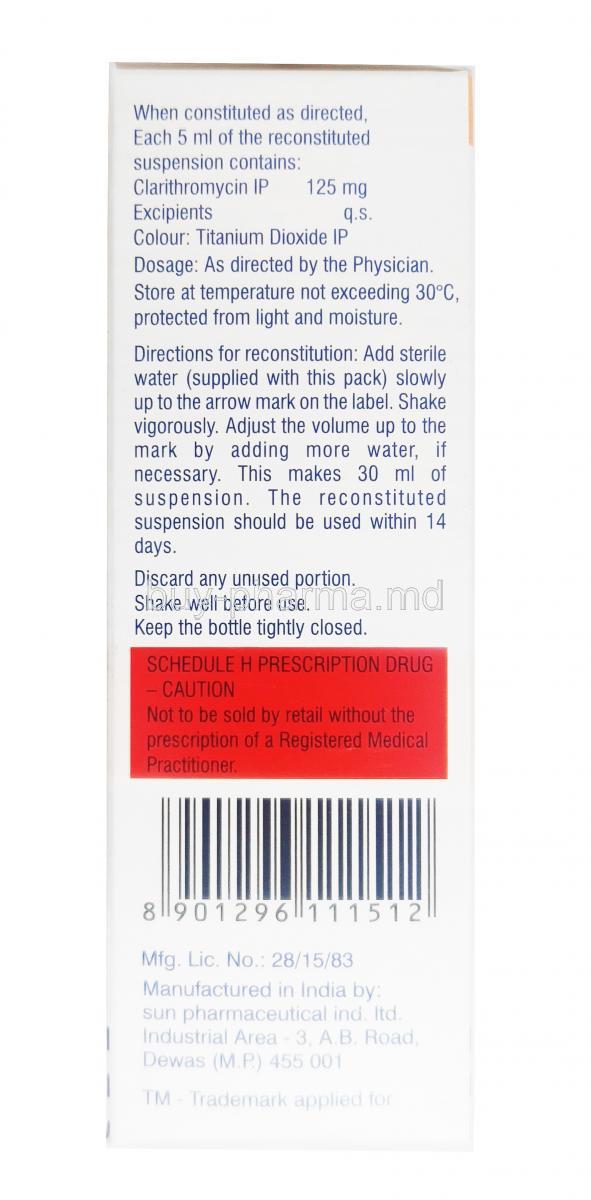
The primary active component of Crixan Granules is clarithromycin, available in specific strengths per sachet or measured quantity of granules. The formulation is engineered to ensure stability, palatability, and consistent drug delivery following reconstitution.
- Active ingredient: Clarithromycin (strength varies by presentation)
- Pharmaceutical excipients for stabilization and taste optimization
- Flavoring agents for improved patient acceptance
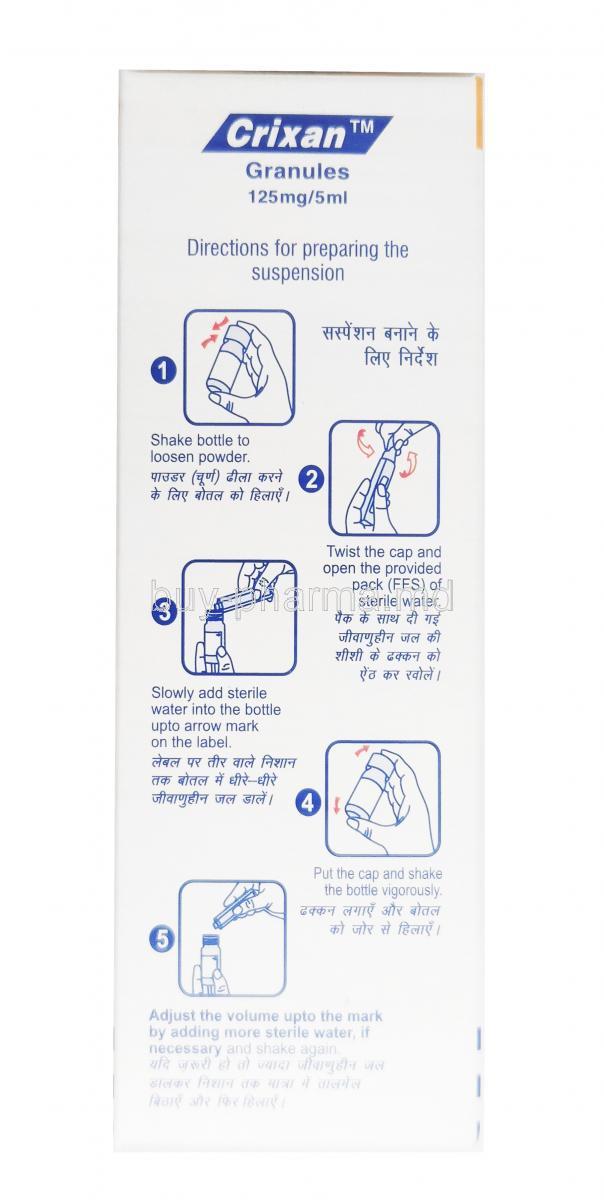
The granules are typically reconstituted with a specified volume of water to produce an oral suspension. Accurate preparation ensures uniform dosing and therapeutic reliability. Taste-masking technology minimizes bitterness, making the formulation particularly suitable for pediatric use.
Crixan Granules may be supplied in multiple pack sizes to accommodate short-term or extended treatment courses. The availability of flexible dosage formats supports individualized therapy.
3. Mechanism of Action: How Crixan Granules Work
Clarithromycin exerts its antibacterial effect by binding to the 50S ribosomal subunit of susceptible bacteria. This interaction inhibits translocation during protein synthesis, thereby preventing essential cellular processes required for bacterial growth and replication.
At standard concentrations, clarithromycin acts primarily as a bacteriostatic agent. At higher concentrations or in highly susceptible organisms, it may exhibit bactericidal activity.
- Active against Gram-positive organisms such as Streptococcus and Staphylococcus species
- Effective against certain Gram-negative pathogens
- Potent activity against atypical organisms including Mycoplasma, Chlamydia, and Legionella
Clarithromycin also penetrates intracellular compartments, enabling eradication of pathogens residing within host cells. Additionally, it demonstrates anti-inflammatory properties by modulating cytokine production and reducing bacterial toxin-related tissue damage.
4. Approved Medical Uses of Crixan Granules
4.1 Respiratory Tract Infections
Crixan Granules are commonly prescribed for infections affecting the upper and lower respiratory tract. These conditions often result from susceptible bacterial pathogens and require prompt antimicrobial therapy.
- Acute bacterial sinusitis
- Pharyngitis and tonsillitis
- Acute otitis media
- Acute bronchitis and exacerbations of chronic bronchitis
- Community-acquired pneumonia
4.2 Skin and Soft Tissue Infections
The broad antibacterial spectrum of clarithromycin allows effective management of superficial and moderately severe skin infections.
- Cellulitis
- Impetigo
- Folliculitis
- Infected wounds and localized abscesses
4.3 Other Bacterial Infections
Clarithromycin is also effective in treating infections caused by atypical and less common respiratory pathogens.
- Mycoplasma and Chlamydia respiratory infections
- Legionella pneumonia
- Pertussis (whooping cough)
5. Off-Label Uses of Clarithromycin
Beyond its approved indications, clarithromycin is utilized in several specialized clinical settings based on its antimicrobial and immunomodulatory properties.
- Helicobacter pylori eradication as part of combination therapy
- Treatment and prophylaxis of Mycobacterium avium complex (MAC)
- Chronic sinusitis and refractory respiratory infections
- Alternative systemic therapy for acne vulgaris
- Management of rosacea and inflammatory skin disorders
- Alternative regimen in selected cases of Lyme disease
- Combination therapy for toxoplasmosis
- Anti-inflammatory use in chronic airway diseases such as bronchiectasis
- Prokinetic support in certain gastrointestinal motility disorders via motilin receptor stimulation
6. Dosage and Administration Guidelines
6.1 Standard Adult Dosage
Adult dosing typically ranges between 250 mg and 500 mg administered twice daily, depending on infection severity and clinical response. Treatment duration generally spans 7 to 14 days, although shorter or longer courses may be required based on the condition.
6.2 Pediatric Dosage
Pediatric dosing is calculated based on body weight. The total daily dose is divided into two administrations. Care should be taken not to exceed recommended maximum daily limits.
6.3 Preparation and Administration of Granules
- Add the prescribed amount of water to the granules
- Shake thoroughly to ensure uniform suspension
- Measure each dose accurately using a calibrated device
The suspension may be taken with or without food. Consistent administration timing helps maintain stable drug concentrations.
6.4 Duration of Treatment
Treatment duration varies according to infection type and severity. Completion of the full prescribed course is critical to prevent relapse and resistance development.
7. Common Side Effects of Crixan Granules
Most adverse effects associated with clarithromycin are mild and transient. Gastrointestinal symptoms are the most frequently reported.
- Nausea, vomiting, or diarrhea
- Abdominal discomfort or indigestion
- Altered taste sensation, often metallic or bitter
- Headache and mild dizziness
8. Less Common and Serious Side Effects
Although uncommon, certain adverse reactions require prompt medical attention.
- Elevation of liver enzymes or signs of hepatotoxicity
- QT interval prolongation and risk of cardiac arrhythmias
- Severe hypersensitivity reactions including anaphylaxis
- Pseudomembranous colitis associated with Clostridioides difficile
- Reversible hearing impairment with prolonged or high-dose therapy
9. Drug Interactions and Food Interactions
9.1 Major Drug–Drug Interactions
Clarithromycin is a potent inhibitor of the CYP3A4 enzyme system, which may increase plasma concentrations of co-administered medications.
- Statins, calcium channel blockers, and benzodiazepines
- Enhanced anticoagulant effect with warfarin
- Increased levels of theophylline and carbamazepine
- Contraindicated with drugs that prolong the QT interval
9.2 Interaction with Other Antibiotics or Antifungals
Combined therapy may be required for specific infections, such as Helicobacter pylori eradication. Clinical monitoring is recommended to avoid additive toxicity or pharmacokinetic interactions.
9.3 Food and Lifestyle Considerations
Food does not significantly impair the absorption of clarithromycin, allowing flexible administration. However, excessive alcohol intake should be avoided, as it may exacerbate gastrointestinal irritation and increase hepatic burden.
10. Warnings and Safety Information
Appropriate use of Crixan Granules is essential to ensure therapeutic success while minimizing potential risks. Improper or unnecessary use of antibiotics contributes to the global emergence of antimicrobial resistance, a growing public health concern. The medication should be prescribed only for confirmed or strongly suspected bacterial infections.
- Avoid use for non-bacterial conditions
- Complete the full treatment course even if symptoms improve early
- Do not reuse leftover medication without medical advice
Clarithromycin has been associated with cardiac electrophysiological effects. Patients with a history of arrhythmias, structural heart disease, or concurrent use of QT-prolonging agents require careful evaluation before therapy.
Hepatic metabolism plays a significant role in clarithromycin clearance. Patients with pre-existing liver disease should be monitored for:
- Elevated liver enzymes
- Signs of cholestasis or hepatitis
- Unexplained fatigue, jaundice, or dark urine
Severe hypersensitivity reactions, including anaphylaxis, Stevens–Johnson syndrome, and toxic epidermal necrolysis, have been reported. Immediate discontinuation is required if severe cutaneous or systemic allergic manifestations occur.
During prolonged therapy, periodic clinical and laboratory monitoring may be necessary. This may include hepatic function tests, renal parameters, and assessment for superinfection or microbial overgrowth.
11. Contraindications
Crixan Granules should not be used in patients with conditions where the risk of adverse outcomes outweighs potential therapeutic benefit.
- Known hypersensitivity to clarithromycin, erythromycin, or other macrolide antibiotics
- History of cholestatic jaundice or hepatic dysfunction associated with prior clarithromycin use
- Concomitant use with drugs highly dependent on CYP3A4 metabolism when increased levels may cause serious toxicity
- Patients with congenital long QT syndrome or documented QT prolongation
- Severe hepatic impairment combined with significant renal dysfunction, where drug accumulation may occur
Careful medication review is essential prior to initiation to avoid potentially life-threatening interactions.
12. Careful Administration (Use with Caution)
Certain patient populations require cautious use and close clinical supervision during treatment with clarithromycin.
- Patients with moderate hepatic impairment
- Individuals with reduced renal function requiring dose adjustment
- Patients with electrolyte abnormalities such as hypokalemia or hypomagnesemia
- Those with underlying cardiovascular disease
A history of antibiotic-associated colitis should be considered, as macrolides may precipitate Clostridioides difficile infection. Persistent diarrhea during or after therapy warrants prompt evaluation.
Long-term administration requires periodic reassessment to detect:
- Hepatic or renal dysfunction
- Hematologic abnormalities
- Emergence of resistant organisms
13. Important Precautions for Safe Use
Crixan Granules are ineffective against viral illnesses such as influenza or the common cold. Misuse not only fails to provide clinical benefit but also accelerates antimicrobial resistance.
- Administer doses at evenly spaced intervals
- Do not skip or double doses
- Follow the prescribed duration precisely
Prolonged antibiotic exposure may lead to superinfection with non-susceptible organisms, including fungi. New symptoms such as oral thrush, persistent fever, or worsening infection should be evaluated.
Therapy should be discontinued immediately if severe adverse reactions occur, including:
- Severe skin reactions
- Significant hepatic dysfunction
- Cardiac symptoms such as palpitations or syncope
Caregivers and parents should be counseled on accurate dose measurement, proper storage, and recognition of early warning signs that require medical attention.
14. Administration in Special Populations
14.1 Administration to Elderly Patients
Elderly patients may exhibit altered pharmacokinetics due to age-related physiological changes. Particular attention should be given to renal function and potential drug interactions.
- Higher susceptibility to QT interval prolongation
- Increased likelihood of polypharmacy interactions
- Renal function assessment prior to dose adjustment
14.2 Administration to Pregnant Women
Clarithromycin should be used during pregnancy only when the anticipated therapeutic benefit justifies the potential risk to the fetus. Alternative antibiotics with established safety profiles may be considered when appropriate.
- Use only under medical supervision
- Avoid unnecessary exposure during early pregnancy
14.3 Administration to Nursing Mothers
Clarithromycin is excreted into breast milk in small amounts. While generally considered compatible with breastfeeding, infants should be monitored for possible adverse effects.
- Diarrhea or gastrointestinal disturbance
- Signs of fungal overgrowth such as oral candidiasis
14.4 Administration to Children
Crixan Granules are particularly suitable for pediatric patients due to flexible dosing and improved palatability. Safety and efficacy have been established in children for approved indications.
- Weight-based dosing ensures accurate therapy
- Granule formulation enhances adherence
- Careful measurement is essential for dosing precision
15. Overdosage and Emergency Management
Acute overdose of clarithromycin may produce gastrointestinal and systemic symptoms. Clinical manifestations vary depending on the amount ingested and patient-specific factors.
- Nausea, vomiting, and abdominal pain
- Altered mental status or confusion
- Potential cardiac rhythm disturbances
Management is primarily supportive. Early medical intervention is recommended, particularly in cases involving large quantities.
- Gastric decontamination may be considered shortly after ingestion
- Monitoring of vital signs and cardiac rhythm
- Assessment of hepatic and renal function
Hemodialysis is generally ineffective due to the drug’s pharmacokinetic properties.
16. Storage Conditions and Shelf Life
Proper storage preserves the stability and therapeutic efficacy of Crixan Granules. Environmental factors such as heat, moisture, and light may degrade the active ingredient.
- Store at room temperature as recommended by the manufacturer
- Protect from excessive humidity and direct sunlight
After reconstitution, the suspension should be used within the specified period and stored according to label instructions. Any remaining product beyond the recommended duration should be discarded.
Keep the medication out of reach of children to prevent accidental ingestion.
17. Handling Precautions
Accurate preparation and hygienic handling are essential to ensure dosing accuracy and prevent contamination.
- Measure water carefully during reconstitution
- Shake well before each dose to ensure uniform distribution
- Use a calibrated measuring device for administration
Maintain proper hygiene during preparation. Avoid touching the suspension opening or measuring equipment with unclean hands.
- Close the container tightly after each use
- Avoid introducing foreign materials into the bottle
- Discard unused or expired medication according to local regulations
Careful handling safeguards both therapeutic integrity and patient safety.
Customers also bought



Popular Products
Similar Product