1. Introduction to Daclatasvir Dihydrochloride
Overview of Daclatasvir Dihydrochloride
Daclatasvir Dihydrochloride is a potent, orally administered antiviral agent developed for the management of chronic hepatitis C virus (HCV) infection. It belongs to a new generation of direct-acting antivirals designed to precisely target viral replication pathways. Unlike earlier interferon-based regimens, this agent offers a targeted, well-tolerated approach with high virologic response rates.
Drug Classification and Therapeutic Category
This medication is classified as a direct-acting antiviral (DAA), specifically an NS5A inhibitor. It is not used as monotherapy. Instead, it forms the backbone of combination regimens that suppress viral replication at multiple stages of the HCV life cycle.
Historical Development and Clinical Relevance
Daclatasvir emerged during a paradigm shift in hepatitis C treatment. Earlier therapies were prolonged, poorly tolerated, and inconsistently effective. The introduction of NS5A inhibitors marked a turning point, enabling shorter treatment durations and higher cure rates across diverse patient populations.
Role in Modern Antiviral Therapy
In contemporary clinical practice, Daclatasvir Dihydrochloride is valued for its:
- Broad genotype coverage
- High barrier to treatment failure when combined appropriately
- Applicability in complex clinical scenarios
2. Composition and Pharmaceutical Profile
Active Ingredient: Daclatasvir Dihydrochloride
The sole active component is daclatasvir in its dihydrochloride salt form, enhancing stability and oral bioavailability. This form allows for consistent systemic exposure following oral administration.
Chemical Structure and Molecular Characteristics
Daclatasvir is a small-molecule compound with a complex heterocyclic structure. Its lipophilicity facilitates intracellular penetration, a critical feature for inhibiting viral replication complexes located within hepatocytes.
Available Dosage Forms and Strengths
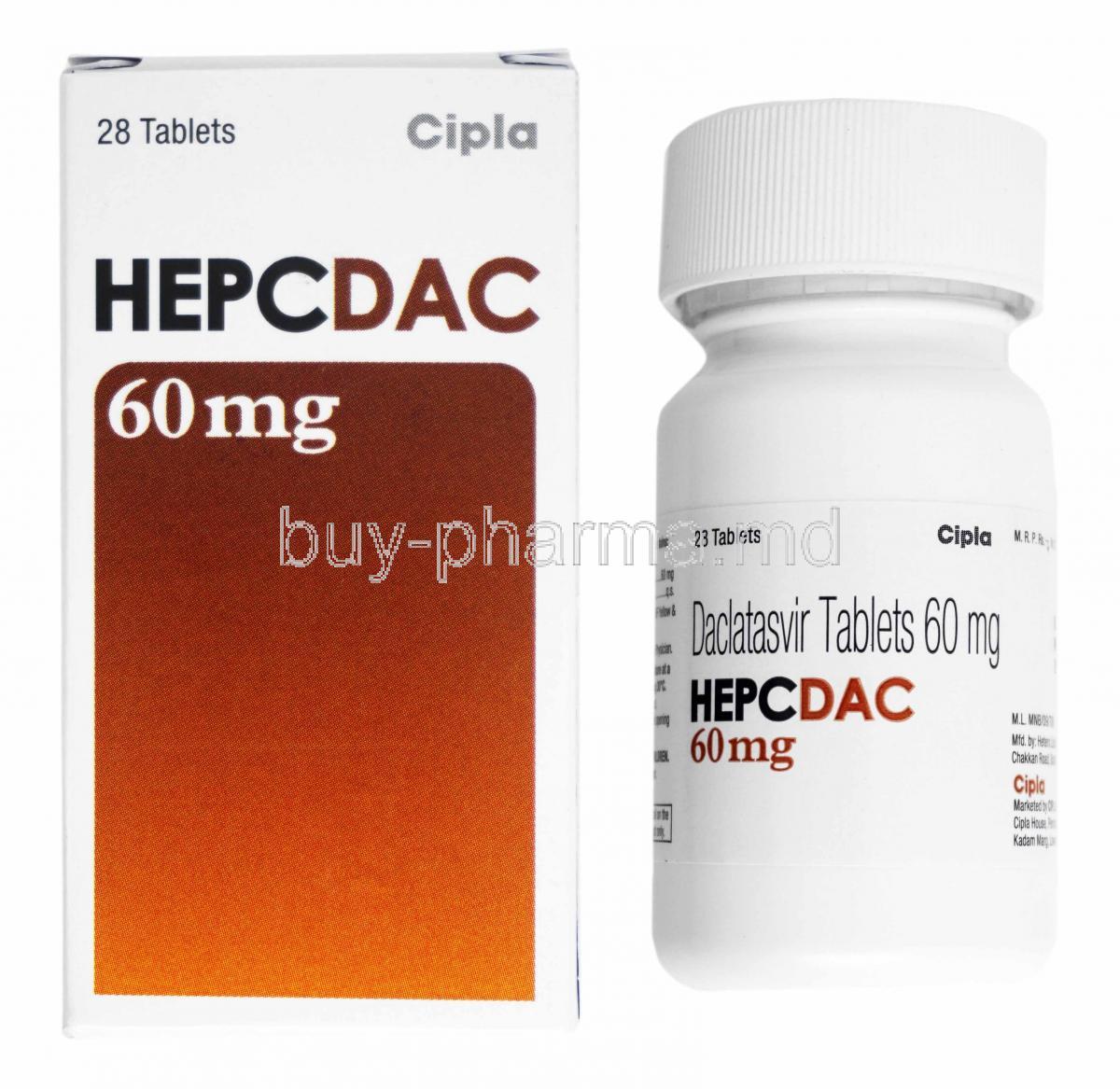
The medication is typically supplied as film-coated oral tablets in standardized strengths. These fixed-dose presentations simplify dosing and support adherence.
Excipients and Formulation Considerations
Inactive ingredients are selected to ensure tablet integrity, stability, and predictable dissolution. These excipients do not contribute to antiviral activity but are essential for consistent drug delivery.
3. How Daclatasvir Dihydrochloride Works (Mechanism of Action)
NS5A Protein Inhibition Explained
Daclatasvir targets the nonstructural protein 5A (NS5A), a multifunctional viral protein essential for replication and assembly. Inhibition of NS5A disrupts the formation of replication complexes at an early stage.
Impact on Viral RNA Replication and Assembly
By interfering with NS5A, the drug suppresses:
- Replication of viral RNA
- Assembly of new virions
- Release of infectious particles
This dual effect contributes to rapid viral load reduction.
Pharmacodynamic Properties
The antiviral effect is concentration-dependent and sustained throughout the dosing interval. This allows for once-daily administration without significant fluctuations in therapeutic activity.
Resistance Profile and Genetic Barrier
While resistance-associated substitutions can emerge, the clinical impact is minimized when Daclatasvir is used in optimized combination regimens. Adherence remains a critical determinant of long-term efficacy.
4. Approved Medical Uses of Daclatasvir Dihydrochloride
Treatment of Chronic Hepatitis C Virus (HCV) Infection
The primary indication is the treatment of chronic HCV infection. Therapy aims to achieve sustained virologic response, which is considered a functional cure.
Use Across Different HCV Genotypes (Genotype 1–6)
Daclatasvir demonstrates antiviral activity across all major HCV genotypes. This pan-genotypic potential allows for flexible use in regions with diverse genotype prevalence.
Combination Therapy With Other Direct-Acting Antivirals
It is commonly co-administered with agents such as sofosbuvir, with or without additional antivirals, depending on genotype and disease severity.
Role in Patients With Compensated Liver Disease
In patients with compensated cirrhosis, Daclatasvir-based regimens provide effective viral suppression while maintaining an acceptable safety profile.
5. Expanded and Off-Label Uses
Use in Decompensated Liver Cirrhosis (Specialist-Guided)
In advanced liver disease, treatment decisions are individualized. Daclatasvir may be used under strict specialist supervision as part of carefully tailored regimens.
Post-Liver Transplant HCV Management
Recurrent HCV infection following liver transplantation can be managed using Daclatasvir-containing therapies, reducing graft-related complications.
Use in Patients With HIV/HCV Coinfection
Coinfected patients benefit from Daclatasvir’s compatibility with selected antiretroviral therapies, allowing simultaneous management of both infections.
Investigational or Region-Specific Off-Label Protocols
In certain regions, Daclatasvir has been incorporated into locally developed protocols addressing unique epidemiological or economic considerations.
6. Dosage and Administration Guidelines
Standard Adult Dosing Recommendations
The usual adult dose is administered once daily as part of combination therapy. Exact dosing depends on the overall regimen.
Dose Adjustments Based on Co-Administered Antivirals
Concomitant use of enzyme inducers or inhibitors may necessitate dose modification to maintain therapeutic drug levels.
Duration of Therapy by Genotype and Clinical Condition
Treatment duration typically ranges from 12 to 24 weeks, depending on genotype, prior treatment history, and liver status.
Administration With or Without Food
Daclatasvir can be taken with or without meals, offering flexibility and improving patient adherence.
Missed Dose Instructions
If a dose is missed, it should be taken as soon as remembered unless the next dose is imminent. Double dosing is discouraged.
7. Administration in Special Populations
7.1 Administration to Elderly Patients
Age-related physiological changes may alter drug handling. However, routine dose adjustment is generally unnecessary, provided renal and hepatic function are monitored.
7.2 Administration to Pregnant Women and Nursing Mothers
Use during pregnancy requires careful risk-benefit assessment, particularly in regimens containing ribavirin. Breastfeeding safety data remain limited.
7.3 Administration to Children and Adolescents
Pediatric use is restricted to specific age groups and formulations where approved. Evidence in younger populations is still evolving.
8. Side Effects of Daclatasvir Dihydrochloride
Overview of Adverse Reactions
Daclatasvir is generally well tolerated. Most adverse effects are mild and transient, often related to combination partners rather than the drug itself.
Frequency and Severity Classification
Side effects are typically categorized as common, uncommon, or rare, based on clinical trial and post-marketing data.
Factors Influencing Side Effect Risk
Comorbid conditions, polypharmacy, and hepatic impairment may increase susceptibility to adverse reactions.
8.1 Common Side Effects
- Fatigue
- Headache
- Nausea
- Insomnia
- Mild gastrointestinal disturbances
8.2 Less Common and Serious Side Effects
Serious adverse events are infrequent but clinically significant:
- Bradycardia when combined with specific antivirals
- Elevation of liver enzymes
- Hypersensitivity reactions
9. Drug Interactions
Interaction With CYP3A4 Inhibitors and Inducers
Daclatasvir is metabolized via the CYP3A4 pathway. Strong inducers can reduce efficacy, while inhibitors may increase exposure.
Contraindicated Combinations
Potent enzyme inducers are contraindicated due to the risk of subtherapeutic drug levels and treatment failure.
Interaction With Antiretroviral Medications
Careful regimen selection is required in HIV/HCV coinfection to avoid pharmacokinetic conflicts.
Herbal Supplements and Over-the-Counter Drugs
Herbal products, particularly those affecting hepatic enzymes, may alter drug levels and should be disclosed prior to therapy.
Clinical Management of Interactions
Effective interaction management relies on medication reconciliation, dose adjustments, and ongoing clinical monitoring.
10. Warnings and Safety Information
Risk of Hepatitis B Virus Reactivation
Treatment with direct-acting antivirals, including daclatasvir-containing regimens, has been associated with reactivation of latent hepatitis B virus (HBV). This phenomenon may occur during therapy or after completion and can lead to serious hepatic complications. Patients with current or prior HBV infection require careful evaluation and ongoing surveillance.
- Reactivation may be asymptomatic or clinically severe
- Risk exists regardless of baseline liver enzyme levels
- Prompt recognition is critical to prevent liver failure
Cardiac Risks With Specific Drug Combinations
Clinically significant bradycardia has been reported when daclatasvir is used in combination with certain antiviral agents, particularly in regimens that include other agents affecting cardiac conduction. These effects may be abrupt and, in rare cases, life-threatening.
- Risk increases with pre-existing cardiac disease
- Concomitant use of rate-limiting medications may exacerbate effects
- Close cardiac monitoring may be warranted in high-risk individuals
Use in Patients With Advanced Liver Disease
In individuals with advanced hepatic impairment, pharmacokinetic alterations can occur, leading to unpredictable drug exposure. While daclatasvir may still be utilized, its administration must be carefully individualized and supported by frequent clinical assessment.
Importance of Specialist Supervision
Due to the complexity of antiviral regimens and the potential for serious interactions or complications, therapy should be initiated and managed by clinicians experienced in viral hepatitis treatment. Specialist oversight ensures optimized outcomes and mitigates avoidable risks.
11. Contraindications
Known Hypersensitivity to Daclatasvir or Excipients
Daclatasvir is contraindicated in patients with a documented hypersensitivity to the active substance or any formulation component. Allergic reactions may range from mild cutaneous manifestations to severe systemic responses.
Concomitant Use With Strong CYP3A4 Inducers
Co-administration with potent CYP3A4 inducers is contraindicated due to the risk of significantly reduced plasma concentrations and subsequent therapeutic failure.
- Marked reduction in antiviral efficacy
- Increased risk of viral persistence and resistance
Specific Contraindicated Combination Therapies
Certain drug combinations are contraindicated because of overlapping toxicities or profound pharmacokinetic interactions. These combinations should be strictly avoided unless compelling clinical justification exists.
12. Careful Administration and Monitoring
Baseline Assessments Before Initiation
Prior to starting therapy, a comprehensive clinical evaluation is essential. Baseline assessments provide a reference point for safety monitoring and therapeutic response.
- Assessment of liver function and disease stage
- Review of concomitant medications
- Evaluation of prior antiviral treatment history
Liver Function Monitoring During Therapy
Periodic monitoring of hepatic enzymes and bilirubin levels is recommended throughout treatment. Sudden changes may indicate drug-induced liver injury or viral reactivation.
Viral Load Monitoring
Quantitative measurement of viral RNA allows clinicians to assess treatment efficacy and confirm sustained virologic response. Declining viral load is a key indicator of therapeutic success.
Adherence Importance for Resistance Prevention
Strict adherence to the prescribed regimen is critical. Suboptimal dosing or missed doses may promote the emergence of resistance-associated variants, compromising future treatment options.
13. Important Precautions Before and During Treatment
Screening for Hepatitis B Coinfection
All patients should be screened for HBV infection before initiating therapy. Identification of coinfection enables timely preventive or therapeutic intervention.
Counseling on Adherence and Treatment Duration
Patients should receive clear guidance regarding dosing schedules and treatment length. Understanding the rationale for uninterrupted therapy enhances compliance and outcomes.
Avoidance of Unapproved Drug Combinations
Unverified or unapproved drug combinations may compromise efficacy or increase toxicity. Any changes to concomitant medications should be carefully reviewed.
Patient Education Considerations
Education plays a central role in treatment success. Patients should be informed about expected benefits, potential adverse effects, and the importance of follow-up evaluations.
14. Overdose Information
Symptoms of Overdose
Data on overdose are limited. Potential manifestations may include exacerbation of known adverse effects such as fatigue, headache, or gastrointestinal discomfort.
Lack of Specific Antidote
No specific antidote for daclatasvir overdose is available. Management relies on supportive care and clinical observation.
Supportive and Symptomatic Management
Treatment should focus on maintaining vital functions, correcting electrolyte imbalances, and addressing symptoms as they arise.
Emergency Care Recommendations
In suspected overdose, prompt medical evaluation is advised. Continuous monitoring may be required depending on the clinical presentation.
15. Storage and Stability
Recommended Storage Temperature
The medication should be stored at controlled room temperature to maintain chemical stability and therapeutic integrity.
Protection From Moisture and Light
Exposure to excessive moisture or direct light may degrade the formulation. Original packaging provides optimal protection.
Shelf Life Considerations
Products should not be used beyond the stated expiration date, as potency and safety cannot be assured thereafter.
Safe Storage Away From Children
To prevent accidental ingestion, the medication must be kept out of reach of children and unauthorized individuals.
16. Handling Precautions
Proper Handling of Tablets
Tablets should be handled with clean, dry hands and swallowed whole. Crushing or splitting is generally discouraged unless explicitly directed.
Guidance for Caregivers and Healthcare Providers
Individuals assisting with medication administration should follow standard hygiene practices and avoid unnecessary contact with tablets.
Disposal of Unused or Expired Medication
Unused or expired products should be disposed of according to local pharmaceutical waste regulations to minimize environmental exposure.
Infection Control Considerations in Clinical Settings
Standard infection control procedures should be observed when handling medications in healthcare environments, ensuring patient and staff safety.
Popular Products



Similar Product