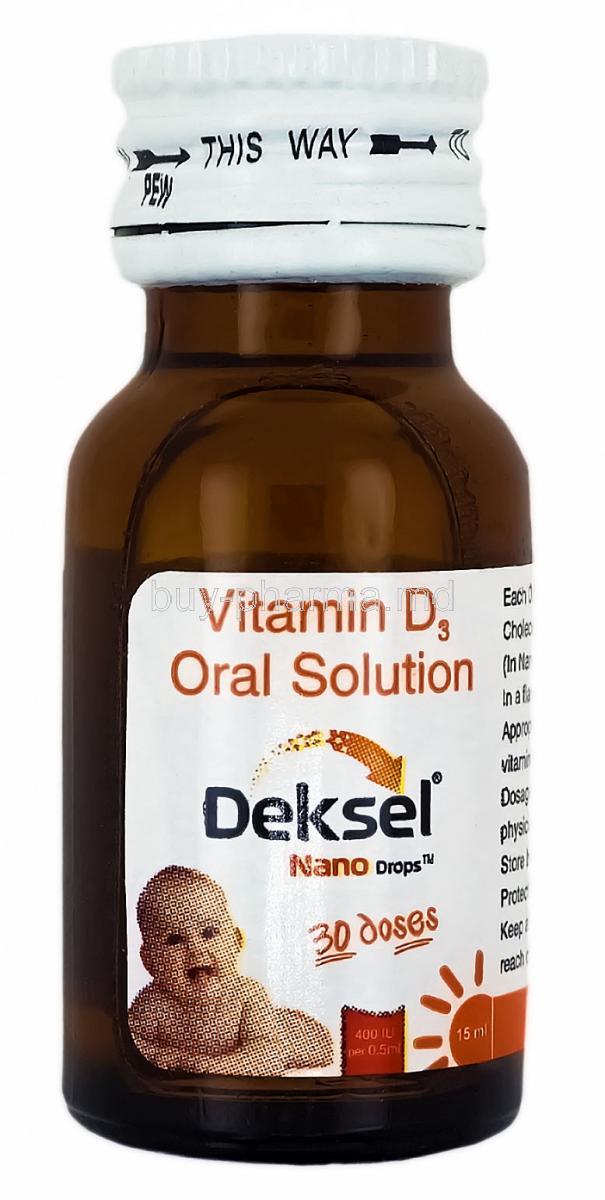
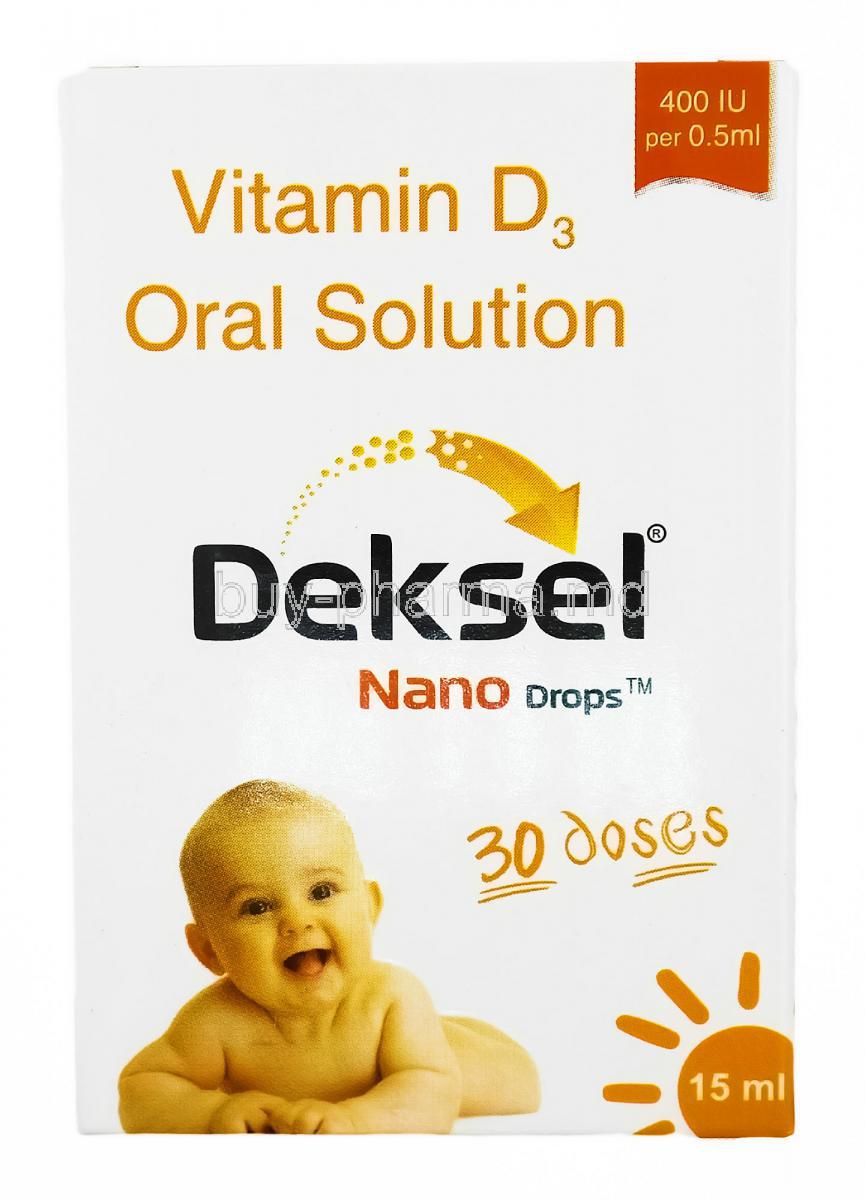
1. Introduction to Deksel Nano Drop (Cholecalciferol)
Deksel Nano Drop is an oral vitamin D3 preparation designed to improve the prevention and treatment of vitamin D deficiency. It utilizes advanced nano-emulsion technology to enhance absorption and ensure efficient delivery, even in individuals with compromised intestinal uptake.
Overview of Vitamin D3 (Cholecalciferol)
Cholecalciferol is a fat-soluble vitamin essential for calcium metabolism, skeletal health, and multiple physiological processes. It is synthesized in the skin through sunlight exposure and obtained from dietary sources or supplementation. Modern lifestyles, however, frequently lead to inadequate levels.
Nano-Formulation Technology and Enhanced Bioavailability
The nano-emulsified formulation disperses vitamin D3 into microscopic particles, improving intestinal absorption and systemic availability. This technology offers advantages such as:
- Faster absorption compared with conventional oil-based preparations
- Improved efficacy in malabsorption conditions
- Consistent dosing with minimal variability
Therapeutic Classification and Clinical Role
Deksel Nano Drop belongs to the class of vitamin D analogues and supplements. Clinically, it is used to correct deficiency, support bone mineralization, and assist in maintaining calcium balance.
Importance of Vitamin D in Modern Health Management
Vitamin D deficiency is increasingly prevalent due to indoor living, sunscreen use, and dietary insufficiency. Adequate supplementation contributes to skeletal integrity, immune resilience, and neuromuscular stability.
2. Composition and Formulation Details
Active Ingredient: Cholecalciferol (Vitamin D3)
Each dose contains cholecalciferol, the biologically relevant form of vitamin D that is efficiently converted to its active metabolite within the body.
Nano-Emulsion Delivery System and Absorption Advantages
The nano-emulsion matrix allows uniform dispersion in aqueous environments, facilitating enhanced intestinal uptake and improved systemic distribution.
Concentration per Drop and Dosing Flexibility
The drop formulation enables precise titration of dose according to clinical requirements. This is particularly useful in pediatric, geriatric, or long-term maintenance therapy.
Excipients and Formulation Characteristics
The formulation is designed for stability and palatability. It typically contains inert excipients that support solubility and shelf life without compromising safety.
Alcohol-Free and Preservative Considerations
- Suitable for sensitive populations
- Appropriate for long-term use
- Well tolerated in children and elderly patients
3. How Deksel Nano Drop Works (Mechanism of Action)
Conversion to Active Calcitriol
After absorption, cholecalciferol undergoes hepatic conversion to 25-hydroxyvitamin D and subsequent renal activation to calcitriol, the hormonally active form.
Regulation of Calcium and Phosphate Homeostasis
Calcitriol enhances intestinal absorption of calcium and phosphate, essential minerals for bone formation and cellular function.
Bone Mineralization and Skeletal Integrity
Vitamin D promotes proper deposition of calcium in bone matrix, preventing demineralization, fragility, and structural deformities.
Parathyroid Hormone Regulation
Adequate vitamin D suppresses excessive parathyroid hormone secretion, thereby reducing bone resorption and maintaining metabolic equilibrium.
Immunomodulatory and Anti-Inflammatory Effects
- Supports innate immune defenses
- Modulates inflammatory pathways
- Enhances resistance to infections
Neuromuscular Function
Vitamin D contributes to muscle strength, coordination, and balance, thereby reducing the risk of falls, particularly in older adults.
4. Approved Medical Uses of Deksel Nano Drop
4.1 Treatment and Prevention of Vitamin D Deficiency
Indicated for individuals with inadequate sunlight exposure, poor dietary intake, or increased physiological demand. High-risk groups include:
- Elderly individuals
- Indoor workers or institutionalized patients
- People with darker skin pigmentation
4.2 Bone Health and Metabolic Bone Disorders
- Osteoporosis (postmenopausal and age-related)
- Osteopenia
- Rickets in pediatric patients
- Osteomalacia in adults
4.3 Calcium Metabolism Disorders
Deksel Nano Drop is used as supportive therapy in hypocalcemia associated with vitamin D deficiency and is often combined with calcium supplementation.
5. Expanded and Off-Label Uses of Cholecalciferol
5.1 Endocrine and Metabolic Support
- Management of secondary hyperparathyroidism in chronic kidney disease
- Adjunctive support in insulin resistance and metabolic syndrome
5.2 Immune and Infectious Disease Support
Vitamin D plays a modulatory role in immune responses and may be used as an adjunct in respiratory infections or autoimmune conditions.
5.3 Musculoskeletal and Neurological Health
- Reduction of fall risk in elderly patients
- Support for muscle weakness and myopathy
- Adjunctive therapy in chronic musculoskeletal pain
5.4 Cardiovascular and General Wellness
Emerging evidence suggests potential benefits in cardiovascular health, fatigue reduction, and overall functional well-being.
6. Dosage and Administration Guidelines
- Follow recommended daily intake based on age and clinical status
- Higher doses may be prescribed for deficiency correction
- Maintenance dosing helps sustain optimal serum levels
Administration Technique
The dropper should be used carefully to ensure accurate dosing. The preparation may be taken directly or mixed with a small amount of liquid.
Administration with Food
Although absorption is efficient due to nano-technology, taking the supplement with meals may further enhance bioavailability.
Duration and Monitoring
Long-term therapy requires periodic monitoring of serum vitamin D and calcium levels.
7. Administration in Special Populations
7.1 Children and Infants
- Age-specific dosing is required
- Essential for prevention of rickets
- Careful supervision is recommended
7.2 Elderly Patients
Older adults have increased risk of deficiency and fractures. Supplementation supports bone density and reduces fall-related complications.
7.3 Pregnancy
Adequate vitamin D supports fetal skeletal development. Excessive intake should be avoided to prevent toxicity.
7.4 Breastfeeding
Maternal supplementation enhances vitamin D content in breast milk and is considered safe when used within recommended limits.
8. Common Side Effects of Deksel Nano Drop
Most individuals tolerate the product well. Mild effects may include:
- Gastrointestinal discomfort
- Nausea or constipation
- Dry mouth or altered taste
- Headache or mild fatigue
9. Serious and Rare Side Effects
Excessive intake may result in hypercalcemia, characterized by:
- Frequent urination and excessive thirst
- Muscle weakness and confusion
- Kidney stone formation (hypercalciuria)
- Soft tissue or vascular calcification with prolonged toxicity
Hypersensitivity reactions are rare but require immediate medical attention.
10. Drug and Nutrient Interactions
- Concurrent calcium supplementation may increase risk of hypercalcemia
- Thiazide diuretics reduce calcium excretion
- Corticosteroids may impair vitamin D metabolism
- Anticonvulsants accelerate hepatic degradation of vitamin D
- Cholestyramine and fat absorption inhibitors reduce absorption
- Magnesium or phosphate-containing products may alter mineral balance
Clinical monitoring is recommended when Deksel Nano Drop is used alongside interacting medications.
11. Warnings and Safety Information
Risk of Vitamin D Toxicity with High Doses
Although vitamin D is essential for physiological balance, excessive intake can lead to toxicity. Hypervitaminosis D results from prolonged use of high doses and may cause abnormal calcium accumulation in the blood and tissues. This condition is potentially serious and requires prompt medical attention.
Monitoring Serum Calcium and Vitamin D Levels
Regular laboratory evaluation is recommended during long-term or high-dose therapy. Monitoring should include:
- Serum 25-hydroxyvitamin D levels
- Serum calcium concentration
- Urinary calcium excretion when indicated
Periodic assessment helps ensure therapeutic efficacy while minimizing the risk of toxicity.
Use with Caution in Renal Impairment
Patients with compromised renal function may have altered vitamin D metabolism and impaired calcium regulation. Careful dose adjustment and clinical supervision are required to prevent complications such as hypercalcemia or soft tissue calcification.
Risk in Patients with Granulomatous Diseases
Conditions such as sarcoidosis or tuberculosis may increase endogenous conversion of vitamin D to its active form, thereby elevating calcium levels. Supplementation in these patients should be approached cautiously and guided by laboratory monitoring.
Avoid Unsupervised High-Dose Therapy
Self-administration of high doses without medical oversight is discouraged. Excessive supplementation, especially when combined with other vitamin D products, increases the likelihood of adverse metabolic effects.
12. Contraindications
Hypercalcemia or Hypercalciuria
Deksel Nano Drop should not be used in individuals with elevated serum or urinary calcium levels, as further supplementation may exacerbate metabolic imbalance.
Vitamin D Toxicity (Hypervitaminosis D)
Patients with existing vitamin D excess should avoid additional supplementation until laboratory values normalize.
Severe Renal Impairment with Abnormal Calcium Metabolism
In advanced renal disease, disturbances in mineral metabolism may contraindicate routine vitamin D supplementation unless specifically prescribed under specialist supervision.
Hypersensitivity to Cholecalciferol or Formulation Components
Individuals with known allergic reactions to vitamin D preparations or excipients should discontinue use and seek alternative therapy.
13. Careful Administration and Important Precautions
Individualized Dosing Based on Laboratory Values
Vitamin D requirements vary considerably. Dosage should be tailored according to baseline deficiency, clinical condition, and response to treatment.
Regular Monitoring During Long-Term Therapy
Chronic supplementation necessitates periodic laboratory evaluation to maintain levels within the optimal physiological range and to prevent accumulation.
Caution in Patients with Kidney Stones
Vitamin D may increase calcium absorption, potentially contributing to nephrolithiasis in susceptible individuals. Careful monitoring of urinary calcium is advisable.
Avoid Duplication with Other Vitamin D Products
- Check multivitamins and fortified supplements
- Avoid cumulative dosing from multiple sources
- Calculate total daily intake carefully
Patient Education on Total Daily Intake
Patients should be informed about recommended limits and encouraged to disclose all supplements to healthcare providers. Awareness prevents inadvertent overconsumption.
14. Overdose and Toxicity Management
Symptoms of Vitamin D Overdose
Early manifestations may be subtle but progressively worsen with continued excess intake. Common symptoms include:
- Nausea and vomiting
- Loss of appetite
- Excessive thirst and frequent urination
- Weakness and fatigue
Clinical Features of Severe Hypercalcemia
Advanced toxicity may result in neurological disturbances, cardiac arrhythmias, dehydration, and renal dysfunction.
Immediate Management and Medical Intervention
Prompt discontinuation of vitamin D and calcium sources is essential. Medical management may include laboratory evaluation, intravenous fluids, and pharmacologic therapy when indicated.
Hydration and Discontinuation Strategies
Aggressive hydration enhances renal calcium excretion and supports metabolic recovery.
Long-Term Complications of Chronic Overdose
- Nephrocalcinosis and kidney impairment
- Vascular and soft tissue calcification
- Persistent metabolic disturbances
15. Storage and Stability Requirements
Recommended Storage Conditions
Store Deksel Nano Drop at room temperature, preferably below 25°C, in a dry environment.
Protection from Light and Moisture
Exposure to heat, humidity, or direct sunlight may degrade the active ingredient and reduce potency.
Shelf Life After Opening
Follow the manufacturer’s guidance regarding usage duration after opening. Ensure the cap is tightly closed to maintain stability.
Safe Storage Practices
- Keep out of reach of children
- Avoid storing in bathrooms or humid areas
- Do not freeze unless specified
16. Handling Precautions and Patient Guidance
Proper Dropper Use and Hygiene
The dropper should be handled carefully to ensure accurate dosing and to maintain product sterility.
Avoid Contamination of the Dropper Tip
Do not allow the dropper to come into contact with the mouth, hands, or external surfaces.
Accurate Measurement Techniques
- Hold the bottle vertically
- Count drops carefully
- Administer directly or mix with a small amount of liquid
Disposal of Expired or Unused Product
Expired preparations should be discarded according to local pharmaceutical disposal recommendations.
Counseling for Long-Term Use
Patients should adhere strictly to prescribed doses and attend scheduled follow-up appointments for ongoing evaluation.
17. Monitoring and Follow-Up During Therapy
Serum 25(OH)D Level Monitoring
Assessment of vitamin D status helps determine therapeutic response and guides dose adjustments.
Calcium and Renal Function Tests
Monitoring serum calcium, creatinine, and urinary calcium is recommended in high-risk patients or during prolonged therapy.
Frequency of Clinical Reassessment
Follow-up intervals depend on baseline deficiency, treatment intensity, and patient risk factors. Regular reassessment ensures safety and optimal outcomes.
Dose Adjustment Based on Response
Supplementation should be titrated according to laboratory results and clinical improvement, maintaining levels within the desired therapeutic range.
Popular Products



Similar Product