
1. Introduction to Dengue Test Kits (Ag/Ab)
Dengue fever is a mosquito-borne viral illness that continues to exert a substantial global health burden, particularly across tropical and subtropical regions. Millions of infections occur annually, ranging from self-limiting febrile illness to severe, life-threatening complications such as dengue hemorrhagic fever and dengue shock syndrome.
Early and accurate diagnosis is pivotal. Prompt identification allows for appropriate clinical monitoring, supportive care, and risk stratification, thereby reducing morbidity and preventing avoidable complications. In this context, dengue test kits have emerged as indispensable diagnostic adjuncts.
Rapid diagnostic test kits play a critical role in modern dengue management. They enable swift, on-site detection without the need for complex laboratory infrastructure. Unlike conventional laboratory-based assays, which often require skilled personnel and extended turnaround times, rapid tests provide actionable results within minutes, facilitating timely clinical decisions.
- Laboratory-based tests: high analytical precision, longer processing time
- Rapid test kits: speed, accessibility, point-of-care convenience
2. What Is a Dengue Ag/Ab Test Kit?
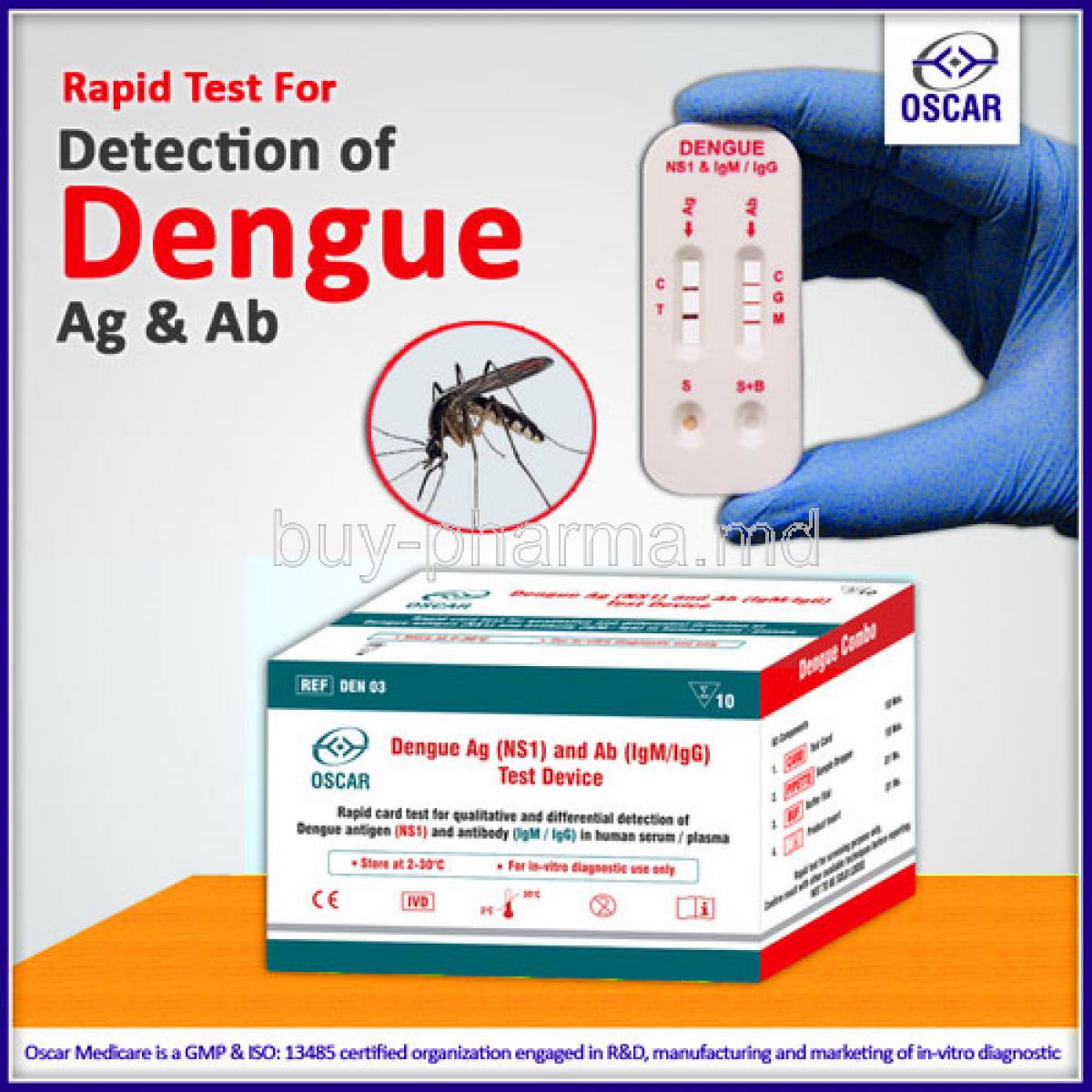
A Dengue Ag/Ab test kit is a qualitative diagnostic device designed to detect specific dengue viral components or host immune responses. It targets either viral antigens or antibodies produced in response to infection, offering insight into the stage of disease.
These kits are available in several formats, each serving a distinct diagnostic purpose:
- NS1 Antigen (Ag) test – detects viral protein during early acute infection
- Dengue IgM antibody test – indicates recent or ongoing infection
- Dengue IgG antibody test – reflects past exposure or secondary infection
- Combined Ag/IgM/IgG rapid tests – simultaneous detection for comprehensive assessment
Many Dengue Ag/Ab test kits are engineered for point-of-care use, and select formats are suitable for supervised self-testing. Their portability and ease of use make them valuable in both clinical and non-clinical environments.
3. How Dengue Test Kits Work
Dengue test kits operate on the principle of immunochromatographic assay technology. This method leverages antigen–antibody interactions to produce visually interpretable results.
For NS1 antigen detection, the test identifies a non-structural viral protein that circulates in the bloodstream during the early phase of infection. In contrast, IgM and IgG antibody detection relies on capturing host-generated immunoglobulins that appear as the immune response evolves.
As the sample migrates along the test membrane, binding reactions occur at predefined zones. The appearance of colored lines signifies the presence of target analytes.
- Control line: confirms test validity
- Test line(s): indicate antigen or antibody detection
Diagnostic window periods differ. NS1 antigen is typically detectable within the first few days of symptom onset, while IgM and IgG antibodies emerge later, underscoring the complementary nature of combined testing.
4. Uses of Dengue Test Kit (Ag/Ab)
Dengue Ag/Ab test kits serve multiple diagnostic and clinical purposes. Their primary application is the early detection of acute dengue infection, enabling clinicians to initiate appropriate monitoring protocols.
They are also used to confirm recent dengue exposure and to identify past infections, particularly in endemic areas where repeat exposure is common.
- Screening during outbreaks and epidemics
- Routine use in clinics and hospitals
- Deployment in field surveillance and community health programs
- Assessment in emergency and travel medicine settings
The versatility of these kits supports their widespread adoption across diverse healthcare contexts.
5. Off-Label and Extended Uses
Beyond standard diagnostic indications, Dengue Ag/Ab test kits are frequently employed in extended and off-label scenarios. In epidemiological surveillance, they assist in tracking infection trends and outbreak dynamics.
In resource-limited settings, these kits often function as preliminary screening tools where laboratory access is constrained. They may also be utilized during co-infection assessments involving other febrile illnesses with overlapping clinical presentations.
- Triage support prior to confirmatory testing
- Public health monitoring and research studies
- Population-level seroprevalence surveys
6. Dosage and Administration
Dengue test kits require a small biological sample for analysis. Acceptable sample types typically include whole blood, serum, or plasma.
Only a minimal volume is needed, usually a few microliters, applied using the provided dropper or capillary device. The general administration process involves:
- Sample collection under hygienic conditions
- Application of sample to the test cassette
- Addition of buffer reagent
- Timed incubation before result reading
Results are interpreted within a defined time window, often between 15 and 20 minutes. In very early or late stages of infection, repeat testing may be recommended to improve diagnostic accuracy.
7. Composition of Dengue Test Kit
A standard Dengue Ag/Ab test kit is composed of several integrated components designed for accurate and user-friendly testing.
- Test cassette or test strip with reaction membrane
- Sample collection tools such as droppers or lancets
- Buffer or reagent solution to facilitate sample migration
- Built-in control indicators
- Instruction leaflet and regulatory labeling
Each component plays a critical role in ensuring test reliability and result integrity.
8. Storage and Stability
Proper storage is essential to maintain the functional stability of dengue test kits. Most kits are designed to be stored at controlled room temperature within a specified range.
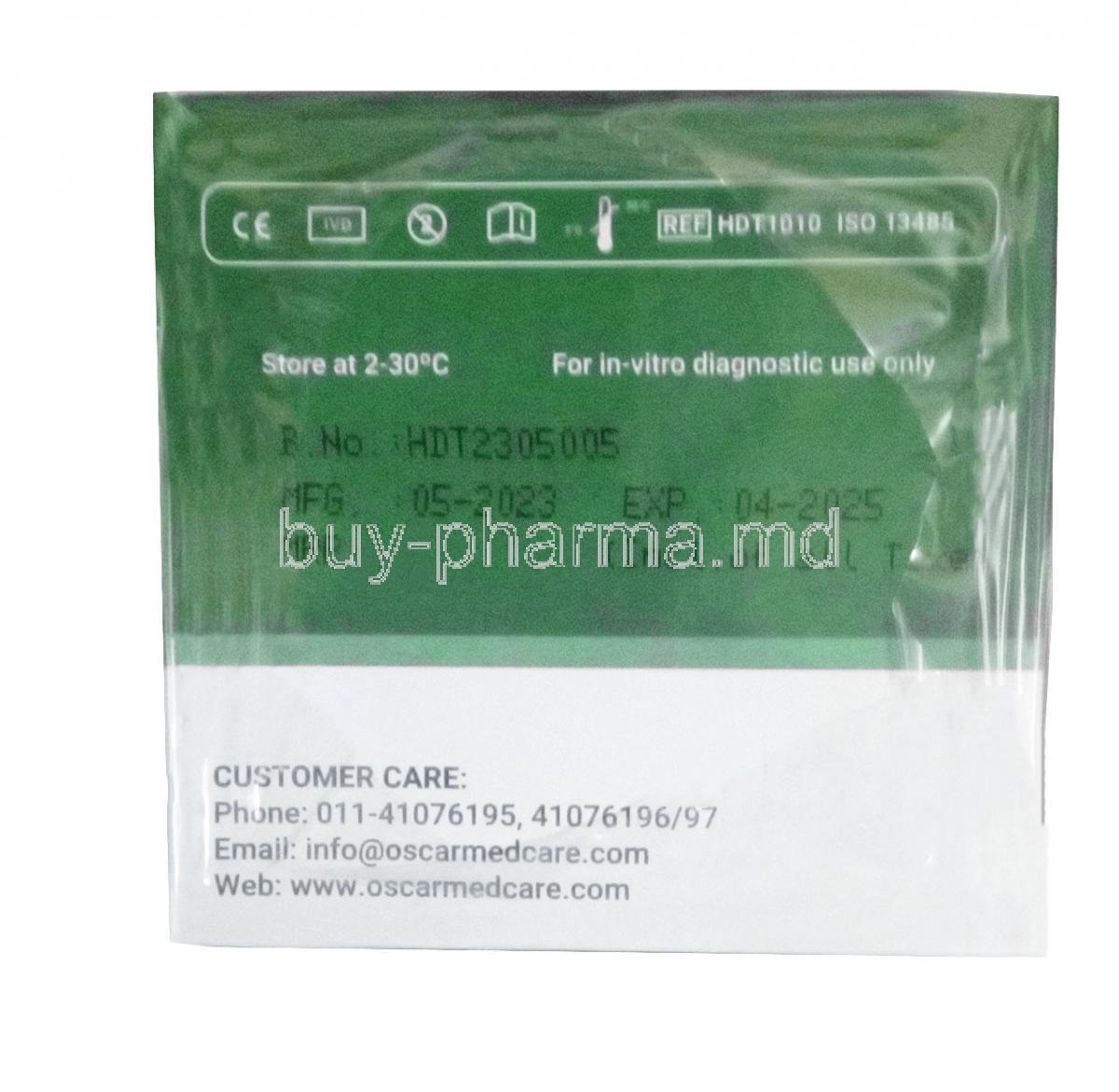
Shelf-life is determined by manufacturer validation and is clearly indicated on the packaging. Kits should remain sealed until use, as premature exposure can compromise performance.
- Avoid excessive heat and humidity
- Protect from direct light exposure
- Adhere to transport and cold-chain recommendations where applicable
9. Interpretation of Test Results
Test outcomes are categorized as positive, negative, or invalid based on the presence or absence of visible lines.
An Ag-positive result suggests active viral replication, whereas IgM positivity indicates recent infection. IgG positivity is typically associated with past exposure or secondary infection. Combined result patterns provide deeper clinical insight.
It is important to recognize that these are qualitative tests. False-positive or false-negative results may occur, and confirmatory laboratory testing is advised when clinical suspicion persists.
10. Side Effects and Safety Profile
Dengue Ag/Ab test kits are generally safe and well tolerated. As non-therapeutic diagnostic tools, they do not exert systemic effects.
Potential risks are limited to those associated with blood sample collection, which are typically minor and transient.
- Mild discomfort at the finger-prick site
- Minimal bleeding or localized irritation
When used according to instructions, these kits present a favorable safety profile suitable for widespread diagnostic use.
11. Common Side Effects
Dengue Ag/Ab test kits are generally well tolerated, as they are diagnostic tools rather than therapeutic interventions. Reported side effects are typically localized and transient, arising primarily from the blood sampling process.
- Mild pain or brief discomfort at the finger-prick site, usually resolving within minutes
- Temporary redness or superficial bruising caused by capillary puncture
- Minor bleeding at the sample collection site, which subsides with gentle pressure
These effects are self-limiting and do not indicate systemic adverse reactions.
12. Warnings and Safety Information
Dengue test kits are intended as adjunctive diagnostic aids and should not be used as the sole basis for clinical decision-making. Results must be interpreted within the broader clinical context.
False-positive or false-negative outcomes may occur due to biological variability, timing of testing, or cross-reactivity. Diagnostic sensitivity may be reduced during very early infection before antigen levels peak, or in later stages when antibodies decline.
- Do not rely exclusively on rapid test results for definitive diagnosis
- Correlate findings with clinical symptoms and patient history
- Seek confirmatory laboratory testing when uncertainty persists
13. Contraindications
There are specific circumstances under which the use of a Dengue Ag/Ab test kit is contraindicated, as these conditions may compromise result accuracy.
- Use on compromised, hemolyzed, or contaminated samples
- Use of kits beyond the stated expiration date
- Use of test components that have been improperly stored or physically damaged
- Application by individuals lacking adequate training in blood sample handling
Adhering to these contraindications is essential to preserve diagnostic validity.
14. Important Precautions Before and During Use
Strict compliance with the instructions for use is fundamental to obtaining reliable results. Even minor procedural deviations can alter test performance.
- Avoid cross-contamination between samples and reagents
- Wear appropriate personal protective equipment when handling blood
- Ensure proper disposal of used lancets, cassettes, and consumables
All materials should be treated as potentially biohazardous and managed accordingly.
15. Careful Administration Considerations
Careful administration enhances both accuracy and reproducibility. Timing is particularly critical, as reading results too early or too late may lead to misinterpretation.
- Observe the recommended time window for result interpretation
- Avoid excessive or insufficient sample volume application
- Maintain hygienic conditions throughout the testing process
- Perform testing in an environment free from excessive heat, dust, or humidity
Environmental stability supports consistent assay performance.
16. Administration to Elderly Patients
Dengue Ag/Ab test kits are suitable for use in older adults. However, certain physiological considerations warrant attention.
Fragile skin and reduced peripheral circulation may affect sample collection, necessitating gentle technique. Additionally, prior dengue exposure is more common in elderly populations, which may complicate antibody interpretation.
- Use minimal pressure during finger-prick sampling
- Interpret IgG results cautiously in endemic regions
17. Administration to Pregnant Women and Nursing Mothers
Diagnostic testing with Dengue Ag/Ab kits is considered safe during pregnancy, as the procedure does not involve systemic exposure to pharmacologically active substances.
Early detection of dengue infection is particularly important in pregnancy due to the potential for maternal and fetal complications. No known risks are associated with kit use during breastfeeding.
- No systemic absorption or fetal exposure
- Breastfeeding may continue without interruption
18. Administration to Children
Dengue test kits may be used in pediatric populations, including infants and young children, when clinically indicated.
Sample collection requires additional care to minimize distress and ensure adequate specimen quality.
- Use age-appropriate lancets and techniques
- Minimize discomfort during finger-prick sampling
- Ensure caregiver supervision throughout the process
Clear communication and reassurance can improve cooperation and test success.
19. Drug, Vaccine, and Disease Interactions
Certain biological factors may influence test accuracy. Cross-reactivity with other flavivirus infections, such as Zika or West Nile virus, can affect antibody-based results.
Prior dengue vaccination may alter IgG or IgM detection patterns. Immune status, including immunosuppression, can also modulate antibody responses.
- Potential cross-reactivity with related viral infections
- Altered results following vaccination
- Confounding effects of concurrent febrile illnesses
20. Overdosage and Misuse
While not associated with systemic toxicity, improper use of dengue test kits can compromise result integrity.
- Excessive sample application may flood the test membrane
- Repeated unnecessary testing may lead to inconsistent findings
- Invalid or inconclusive results require repeat testing with a new kit
Adherence to recommended procedures minimizes misuse-related issues.
21. Handling and Disposal Precautions
All components used during dengue testing should be handled with caution due to potential biohazard exposure.
- Handle blood samples and sharps with appropriate care
- Dispose of used materials according to biomedical waste regulations
- Prevent accidental exposure or environmental contamination
Responsible disposal practices protect both users and the surrounding environment.