Introduction
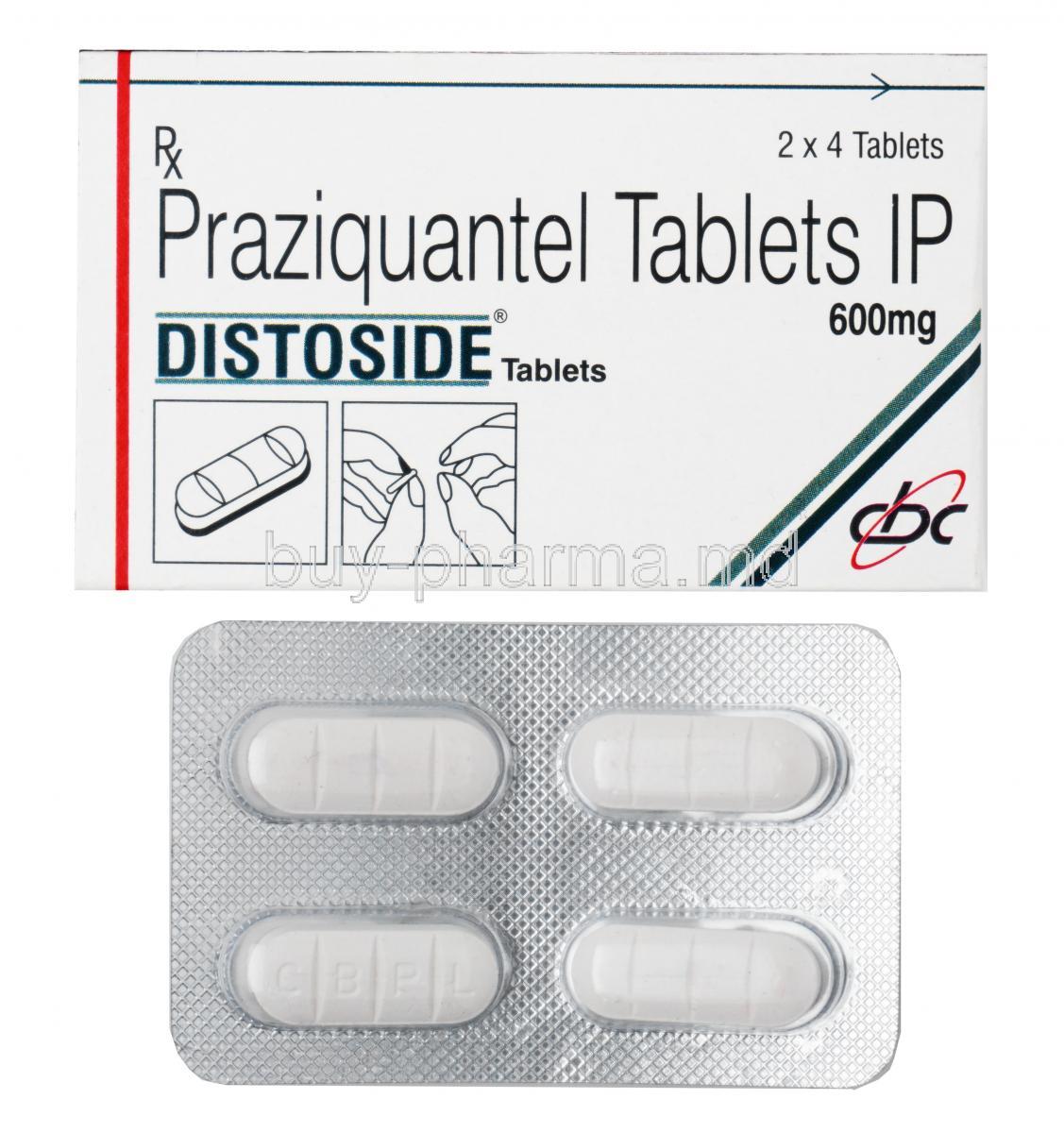
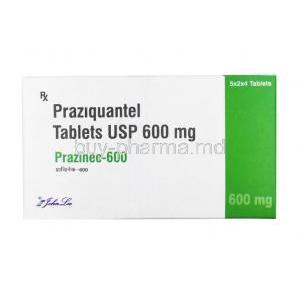
Distoside, known by its active ingredient Praziquantel, is a broad-spectrum anthelmintic medication widely used in both human and veterinary medicine. Classified as an antiparasitic agent, it is recognized globally for its ability to eliminate trematode and cestode infections effectively.
Historically developed in the 1970s, Praziquantel marked a breakthrough in parasitic disease management. It quickly gained recognition from the World Health Organization (WHO) and various national health authorities, including the U.S. FDA, as an essential medicine for controlling endemic parasitic infections such as schistosomiasis. Its affordability and efficacy have made it a cornerstone treatment in tropical and subtropical regions where parasitic diseases are highly prevalent.
Today, Distoside continues to be a critical therapeutic tool in global health programs, especially in the eradication campaigns targeting neglected tropical diseases (NTDs).
Composition and Formulation
The active constituent of Distoside is Praziquantel, a pyrazinoisoquinoline derivative belonging to the anthelmintic pharmacological class. Its molecular formula, C19H24N2O2, gives it potent antiparasitic activity against a wide range of helminths.
Distoside is available in multiple pharmaceutical forms, including:
- Film-coated tablets for human use
- Oral suspension for pediatric and veterinary applications
- Veterinary formulations for livestock and companion animals
Inactive components may include lactose, starch, magnesium stearate, and cellulose, which aid stability and absorption. Both branded and generic equivalents exist globally, ensuring accessibility and cost-effectiveness across healthcare systems.
Mechanism of Action (How Distoside Works)
Praziquantel’s pharmacodynamic effect is centered on altering calcium ion permeability within parasitic cell membranes. This process induces a massive influx of calcium ions, resulting in spastic paralysis of the parasite's musculature.
The drug also disrupts the parasite’s tegument (outer surface), exposing it to the host’s immune system for rapid destruction. This dual mechanism leads to dislodgement, death, and elimination of the worms.
- Effective against both trematodes (flukes) and cestodes (tapeworms)
- Selective action on parasitic cells with minimal effect on host tissues
Through these mechanisms, Distoside delivers fast-acting and comprehensive parasite clearance.
Therapeutic Uses
4.1 Primary Indications
Distoside is indicated for a wide spectrum of parasitic infections, including:
- Schistosomiasis caused by S. haematobium, S. mansoni, and S. japonicum
- Liver fluke infections such as Clonorchis sinensis and Opisthorchis viverrini
- Intestinal flukes like Fasciolopsis buski
- Tapeworm infestations including Taenia saginata, T. solium, and Diphyllobothrium latum
- Cysticercosis (larval T. solium)—used adjunctively under medical supervision
4.2 Veterinary and Zoonotic Applications
Distoside is widely utilized in veterinary medicine for the control of tapeworm infections in dogs and cats, notably those caused by Dipylidium caninum and Echinococcus species. It is also combined with other antiparasitic agents, such as pyrantel or febantel, in multi-spectrum deworming products for enhanced efficacy.
Off-Label and Emerging Uses
Beyond its approved indications, Distoside has shown therapeutic potential in several off-label contexts:
- Neurocysticercosis — used with corticosteroids to reduce inflammatory response during parasite death.
- Hydatid disease (Echinococcosis) — employed as adjunct therapy alongside albendazole.
- Paragonimiasis — effective in treating lung fluke infections.
- Emerging studies suggest benefits in mixed helminthic infections and potential synergy with albendazole for enhanced parasite clearance.
Dosage and Administration
6.1 Adult Dosage
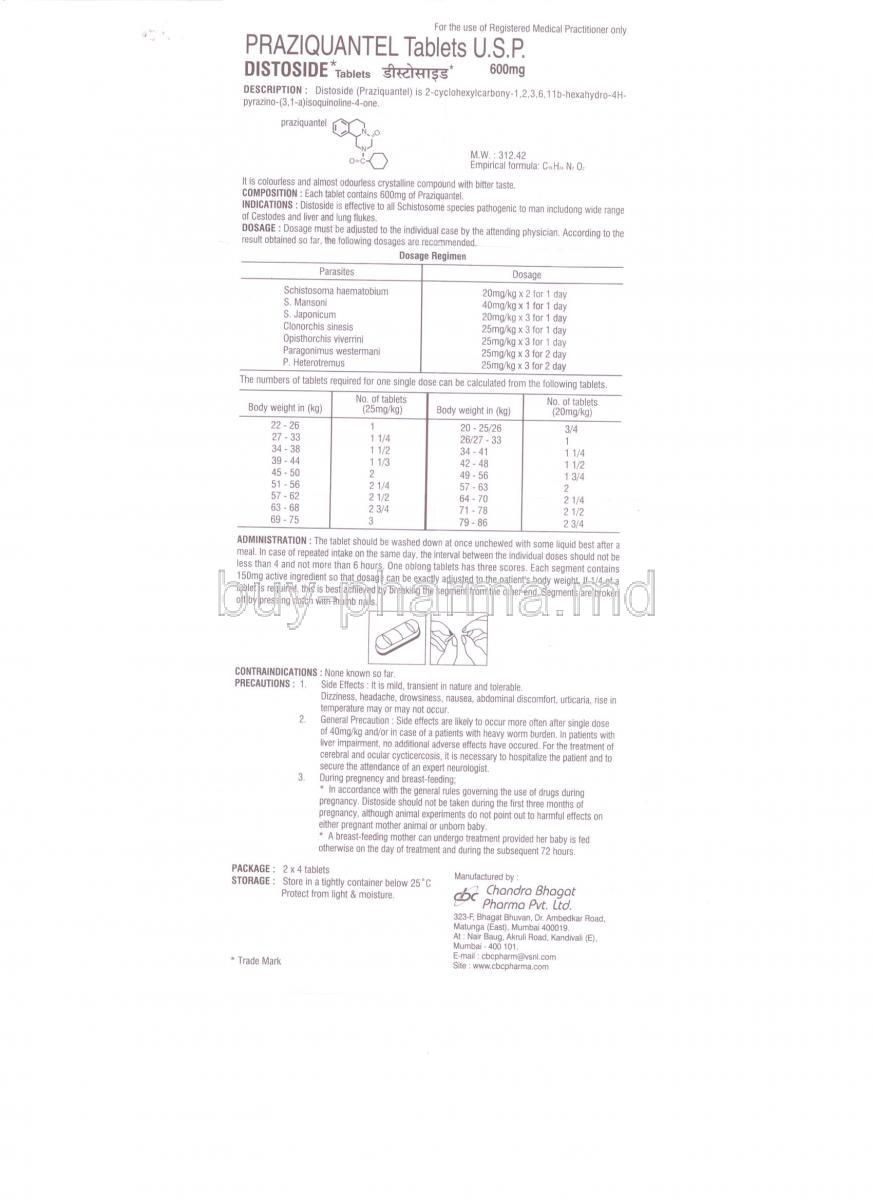
The standard adult dose varies according to the infection type, typically ranging from 20 to 40 mg/kg administered in divided doses over a single day. Tablets may be divided or crushed to accommodate weight-based dosing precision.
6.2 Pediatric Dosage
Children receive a reduced, weight-adjusted dose under medical supervision. Distoside is generally safe for pediatric use, with dosage regimens designed to minimize gastrointestinal discomfort.
6.3 Route and Timing of Administration
Distoside is administered orally with water after meals to enhance absorption. Adherence to the dosing schedule is vital for therapeutic success. Fatty meals may further increase bioavailability.
6.4 Special Treatment Protocols
In severe infestations, repeated dosing after several weeks may be recommended. Combination regimens with other antiparasitic drugs can be applied in mixed infections or resistant cases.
Side Effects
7.1 Common Side Effects
- Dizziness and mild headache
- Nausea or transient abdominal discomfort
- Fatigue and malaise
- Low-grade fever
7.2 Less Common and Serious Adverse Reactions
- Allergic skin manifestations such as rash or urticaria
- Neurological symptoms including seizures (rare, mainly in neurocysticercosis)
- Elevated liver enzymes indicating transient hepatic stress
7.3 Post-Treatment Reactions
Some patients experience a Jarisch–Herxheimer-like reaction due to the release of antigens from dying parasites. This reaction is typically self-limiting but may cause short-term fever, chills, and discomfort.
Drug Interactions
Praziquantel is metabolized primarily via the CYP3A4 enzyme pathway. Drugs that induce or inhibit this pathway can significantly alter its plasma concentration:
- Phenytoin and carbamazepine reduce efficacy by increasing drug metabolism.
- Rifampin greatly decreases bioavailability; concurrent use should be avoided.
- Cimetidine and certain corticosteroids may elevate plasma levels.
Clinicians should evaluate all concurrent medications to avoid reduced therapeutic outcomes or heightened toxicity.
Warnings and Important Precautions
- Central nervous system involvement: In patients with neurocysticercosis, rapid parasite death may provoke inflammation or seizures; adjunct corticosteroid therapy is recommended.
- Hepatic impairment: Reduced metabolism may lead to higher systemic exposure; dose adjustments are necessary in severe liver dysfunction.
- Driving and operating machinery: Drowsiness and dizziness can temporarily impair coordination; patients should exercise caution.
- Concurrent enzyme-inducing therapy: Drugs such as rifampin may cause treatment failure; alternative regimens should be considered.
Distoside remains one of the safest and most effective antiparasitic agents available, provided its administration follows proper medical guidance and monitoring.
Contraindications
Distoside (Praziquantel) should not be administered in individuals with a known hypersensitivity to praziquantel or any of its excipients. Allergic reactions may manifest as skin eruptions, respiratory difficulty, or systemic anaphylaxis, requiring immediate medical intervention.
Patients diagnosed with ocular cysticercosis must avoid the use of Distoside, as destruction of cysts within the eye may provoke severe inflammation and irreversible visual damage. The risk of inflammatory sequelae outweighs the potential therapeutic benefit in such cases.
The use of praziquantel during the first trimester of pregnancy should be avoided unless the potential benefit to the mother clearly exceeds the potential risk to the fetus. Animal studies have shown no consistent teratogenic effect; however, precautionary avoidance is generally advised during early fetal development.
Distoside is also contraindicated in cases of severe hepatic dysfunction or in patients with active central nervous system lesions, where altered metabolism or inflammatory responses could aggravate neurological conditions.
Careful Administration
Caution is advised in patients with pre-existing medical conditions that may alter drug metabolism or increase the risk of adverse reactions:
- Epilepsy or seizure disorders: Parasite death within neural tissue can precipitate seizure activity; concurrent administration of corticosteroids or antiepileptic therapy may be necessary.
- Hepatic disease or biliary obstruction: Reduced hepatic clearance can prolong drug exposure, necessitating dosage adjustment and periodic monitoring of liver enzymes.
- High parasite burden or systemic inflammation: Rapid parasite destruction may trigger systemic inflammatory responses; treatment in controlled hospital environments is recommended for these cases.
- Hospital monitoring: Vital signs, hepatic function, and neurological status should be observed throughout the treatment course, particularly in severe parasitic infections.
Special Population Considerations
Administration to Elderly Patients
Elderly individuals may exhibit slower hepatic metabolism and reduced plasma clearance of praziquantel, leading to prolonged systemic exposure. This population is at higher risk for dizziness, hypotension, and hepatic intolerance. Regular assessment of hepatic enzymes and renal output is advisable to ensure safe administration.
Administration to Pregnant Women and Nursing Mothers
Comprehensive teratogenicity studies have shown minimal risk at therapeutic doses, and the World Health Organization permits the use of praziquantel during the second and third trimesters when benefits outweigh risks. Nevertheless, first-trimester exposure should be avoided when possible.
Praziquantel is excreted in small amounts into breast milk. Nursing should ideally be withheld for 24 hours following administration to minimize infant exposure. Mothers should be counseled on the potential for transient irritability or gastrointestinal upset in breastfed infants.
Administration to Children
Safety and efficacy have been established in children aged four years and older. For those below this age, clinical data remain limited, and administration should only occur under specialist supervision. To improve compliance, crushed tablets can be mixed with sweetened syrup or juice to mask the bitter taste of praziquantel.
Overdosage and Management
Symptoms of overdose may include drowsiness, nausea, vomiting, abdominal pain, tremors, and confusion. Severe cases can result in transient disturbances of coordination or consciousness.
- Immediate management: Induction of emesis or gastric lavage should be considered if ingestion is recent.
- Symptomatic treatment: Supportive care includes intravenous fluids, electrolyte correction, and monitoring of vital functions.
- No specific antidote: Treatment remains supportive, focusing on the stabilization of hepatic and neurological functions.
- Monitoring: Continuous observation of liver enzymes, CNS function, and renal output is advised until full recovery.
Storage and Handling Precautions
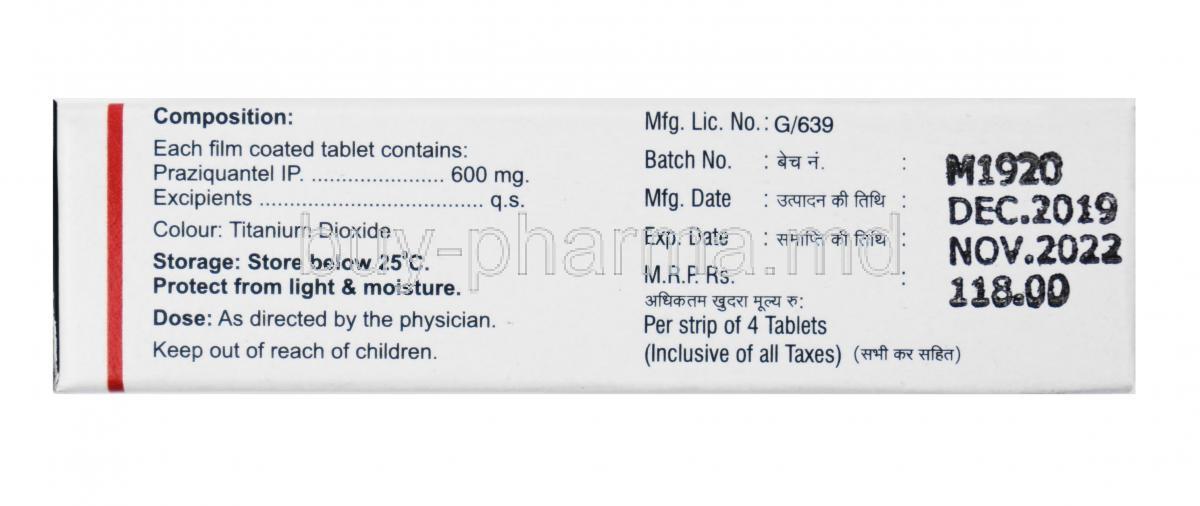
Distoside should be stored at an optimal temperature between 15°C and 30°C in a cool, dry place protected from direct sunlight and humidity. Excessive moisture may degrade tablet integrity and reduce potency.
- Shelf life: Typically 3–5 years under standard storage conditions; always check expiration date prior to use.
- Packaging: Blister packs or HDPE bottles ensure stability against environmental factors.
- Disposal: Expired or unused tablets should be disposed of according to local pharmaceutical waste regulations to prevent environmental contamination.
- Veterinary and hospital storage: Keep securely stored and separated from other drug classes to avoid cross-contamination or accidental administration errors.
Clinical Pharmacology and Pharmacokinetics
Following oral administration, praziquantel is rapidly absorbed through the gastrointestinal tract, achieving peak plasma concentrations within one to three hours. The bioavailability is enhanced when taken with food, particularly fatty meals.
The compound exhibits wide systemic distribution, including penetration into the central nervous system and cerebrospinal fluid, enabling its efficacy against neurotropic parasites. Approximately 80% of the drug binds to plasma proteins.
Praziquantel undergoes extensive first-pass hepatic metabolism through the CYP3A4 enzyme system, producing hydroxylated metabolites that are pharmacologically inactive. The elimination half-life averages between 1 and 2.5 hours, and excretion occurs primarily via the kidneys as metabolites, with minor biliary elimination.
Patient Counseling Information
- Proper administration: Tablets should be swallowed whole with water after meals. Crushing is permitted only for pediatric use under supervision.
- Hygiene and reinfection prevention: Emphasize handwashing, safe sanitation, and avoidance of contaminated water sources to prevent reinfection.
- Expected side effects: Mild dizziness, nausea, or fatigue are temporary and self-resolving. Patients should seek immediate care if severe allergic or neurological symptoms develop.
- Drug and alcohol avoidance: Alcohol and enzyme-inducing medications such as rifampin or phenytoin can reduce efficacy or increase adverse reactions; avoid concurrent use.
Patients should be reassured that transient discomfort following treatment often signifies effective parasite clearance, and adherence to dosage is critical for complete therapeutic success.
Customers also bought

Popular Products
Similar Product