
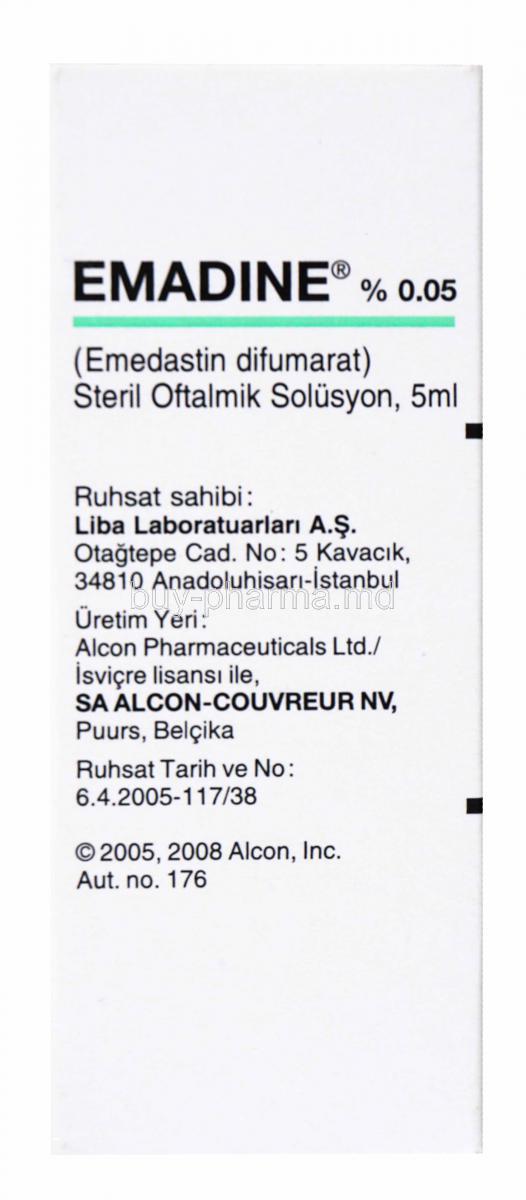
1. Introduction to Emadine (Emedastine) Eyedrops
1.1 Overview of Emadine Ophthalmic Solution
Emadine is an ophthalmic medication designed to relieve allergic symptoms affecting the eyes. It is commonly prescribed for individuals experiencing discomfort caused by allergens such as pollen, dust, animal dander, and environmental irritants. The formulation is delivered as sterile eye drops, allowing direct application to the ocular surface where allergic reactions occur.
Patients often experience symptoms such as:
- Intense itching of the eyes
- Redness and irritation
- Watery discharge
- Sensitivity to environmental allergens
Through localized administration, the medication acts rapidly on the conjunctiva, reducing allergic inflammation and restoring ocular comfort.
1.2 Active Ingredient: Emedastine Difumarate
The therapeutic component of Emadine is emedastine difumarate, a potent antihistamine specifically developed for ophthalmic use. This compound targets histamine receptors involved in allergic reactions. By selectively inhibiting these receptors, emedastine helps suppress allergic responses occurring on the surface of the eye.
Key characteristics of emedastine include:
- High affinity for histamine H1 receptors
- Minimal systemic absorption when used topically
- Rapid onset of ocular symptom relief
1.3 Drug Classification: Ophthalmic Antihistamine
Emadine belongs to a class of medications known as ophthalmic antihistamines. These drugs are designed specifically to treat allergic eye conditions by blocking histamine activity in ocular tissues. Histamine is a chemical mediator released by immune cells during allergic reactions, triggering itching, redness, and swelling.
Antihistamine eye drops like Emadine differ from systemic allergy medications because they deliver targeted therapy directly to the affected tissue. This localized treatment helps minimize systemic exposure while maximizing relief at the site of inflammation.
1.4 Therapeutic Role in Allergic Eye Conditions
Allergic conjunctivitis is one of the most common ocular conditions worldwide. Exposure to allergens causes mast cells in the conjunctiva to release histamine and other inflammatory mediators. The resulting cascade leads to irritation and inflammation of the eye.
Emadine plays a therapeutic role by interrupting this inflammatory cascade. By blocking histamine receptors, it reduces the physiological processes responsible for allergy symptoms. Patients frequently notice decreased itching and improved ocular comfort shortly after administration.
1.5 Importance of Antihistamine Eye Drops in Ocular Allergy Management
Antihistamine eye drops are a cornerstone of modern allergy management. They provide fast, targeted relief while avoiding many side effects associated with oral medications. In clinical practice, ophthalmic antihistamines are often preferred for patients whose symptoms are primarily localized to the eyes.
Benefits of topical antihistamine therapy include:
- Direct action on ocular tissues
- Rapid symptom relief
- Lower systemic drug exposure
- Improved patient comfort during allergy seasons
2. Composition and Pharmaceutical Formulation
2.1 Active Ingredient: Emedastine Difumarate Concentration
Emadine ophthalmic solution contains emedastine difumarate at a concentration formulated specifically for ocular use. The dosage strength is calibrated to provide effective antihistamine activity while maintaining excellent tolerability on the sensitive ocular surface.
Because the medication is administered directly into the eye, the concentration must balance therapeutic potency with ocular safety. Pharmaceutical formulation ensures that each drop delivers a consistent dose.
2.2 Inactive Ingredients and Preservatives
In addition to the active ingredient, Emadine contains several inactive components that support stability and sterility. These excipients serve essential pharmaceutical roles without exerting direct pharmacological activity.
Common formulation components may include:
- Buffering agents to maintain physiological pH
- Preservatives to prevent microbial contamination
- Purified water as the primary solvent
- Stabilizers to maintain chemical integrity
2.3 Sterile Ophthalmic Solution Characteristics
Ophthalmic medications must meet strict sterility standards. Emadine is manufactured under controlled pharmaceutical conditions to ensure the absence of microbial contaminants. The solution is designed to be clear, isotonic, and compatible with the delicate tissues of the eye.
Sterility is critical. Even minor contamination can lead to ocular infections or complications.
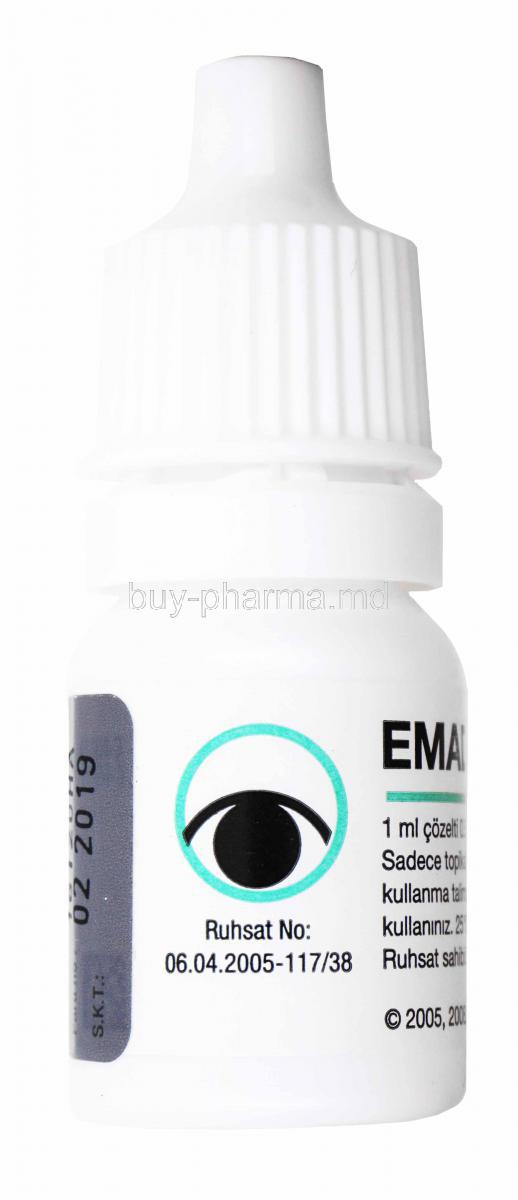
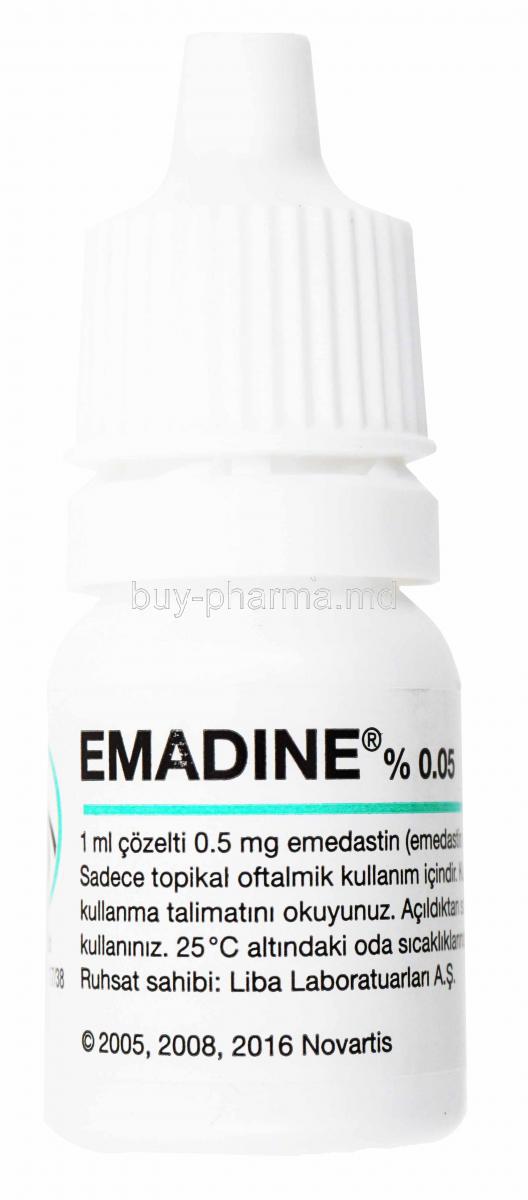
2.4 Packaging, Bottle Design, and Dropper Mechanism
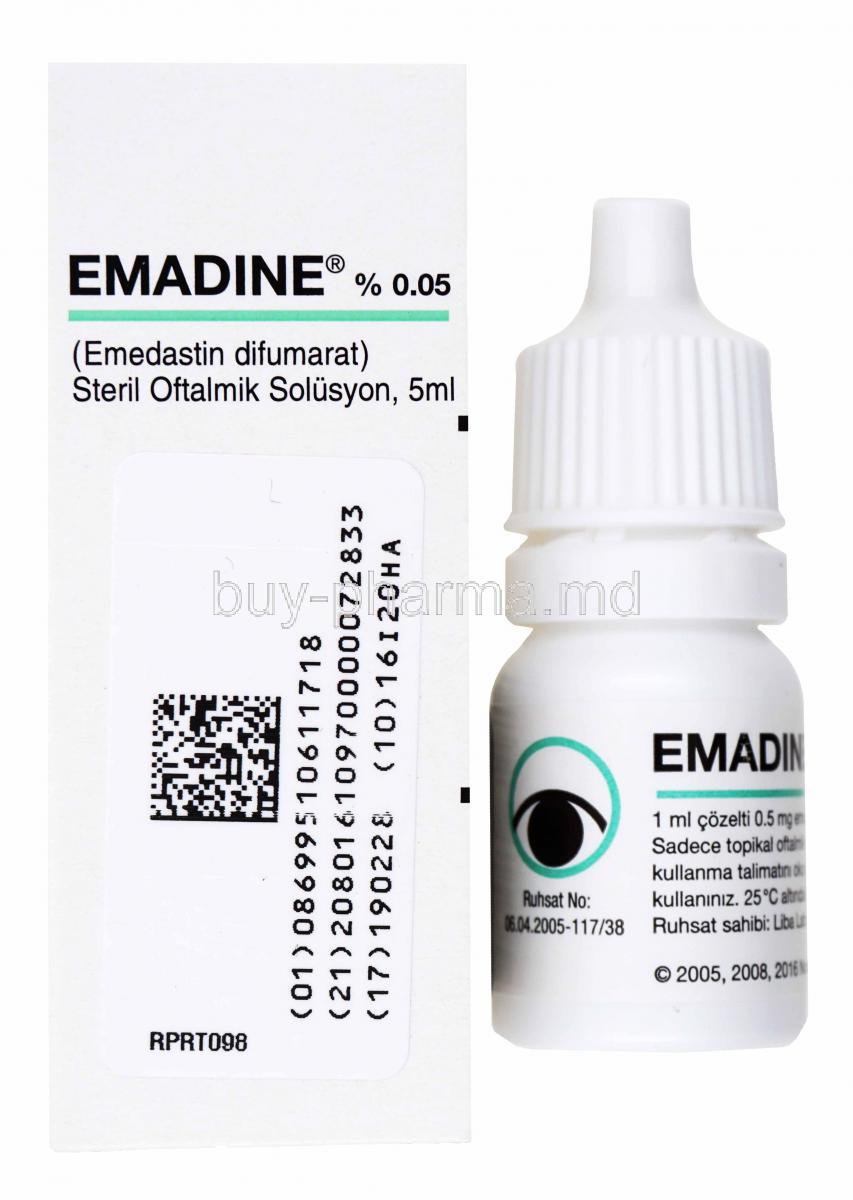
The medication is typically packaged in a small plastic bottle equipped with a precision dropper tip. This design allows accurate administration while minimizing waste. The dropper also reduces the risk of contamination by preventing direct contact between the bottle contents and external surfaces.
Key features of ophthalmic packaging include:
- Controlled drop size
- Tamper-evident sealing
- Light-resistant packaging
- Easy-to-use squeeze bottle
2.5 Stability and Formulation Considerations
Pharmaceutical stability ensures that the medication maintains potency throughout its shelf life. Emadine formulations are carefully buffered and stabilized to prevent degradation of the active compound. Environmental factors such as temperature, light exposure, and contamination can influence drug stability, making proper storage essential.
3. How Emadine (Emedastine Eyedrops) Works
3.1 Mechanism of Action as a Selective H1 Histamine Receptor Antagonist
Emedastine acts as a selective antagonist of the histamine H1 receptor. Histamine released during allergic reactions binds to these receptors on ocular tissues, producing itching, vasodilation, and inflammation. By occupying the receptor sites, emedastine prevents histamine from triggering these responses.
3.2 Role in Blocking Histamine-Induced Ocular Allergic Reactions
The medication disrupts the allergic signaling pathway at a crucial stage. Without receptor activation, histamine cannot initiate the inflammatory cascade responsible for ocular discomfort. This interruption significantly reduces symptoms associated with allergic conjunctivitis.
3.3 Reduction of Itching, Redness, and Conjunctival Inflammation
Histamine-mediated inflammation leads to dilation of conjunctival blood vessels and stimulation of sensory nerve endings. Patients experience itching and redness as a result. Emadine diminishes these responses by preventing histamine interaction with ocular tissues.
3.4 Pharmacodynamic Properties in Ocular Tissues
Topical administration allows emedastine to act directly on conjunctival receptors with minimal systemic distribution. The drug exhibits strong receptor affinity and sustained antihistamine activity within ocular tissues. These pharmacodynamic properties contribute to its effectiveness in treating allergic eye conditions.
3.5 Onset and Duration of Antiallergic Effects
Many patients notice symptomatic improvement shortly after instillation. The antihistamine action begins rapidly as the medication diffuses across the conjunctival surface. Relief may persist for several hours, allowing twice-daily dosing in many treatment regimens.
4. Medical Uses of Emadine Eyedrops
4.1 Primary Indication: Treatment of Allergic Conjunctivitis
The primary medical use of Emadine is the treatment of allergic conjunctivitis. This condition occurs when allergens trigger immune responses within the conjunctival membrane, leading to itching, redness, and irritation.
4.2 Relief of Ocular Itching Associated with Seasonal Allergies
Seasonal allergic conjunctivitis frequently occurs during pollen seasons. Emadine helps alleviate ocular itching caused by exposure to airborne allergens such as grass pollen, ragweed, and tree pollens.
4.3 Management of Perennial Allergic Conjunctivitis
Unlike seasonal allergies, perennial allergic conjunctivitis occurs throughout the year due to constant exposure to indoor allergens such as dust mites, pet dander, and mold spores. Emadine can provide consistent symptom control for affected individuals.
4.4 Reduction of Eye Redness and Irritation Due to Allergic Triggers
Allergic reactions cause dilation of conjunctival blood vessels, producing noticeable redness and irritation. By blocking histamine receptors, Emadine reduces vascular inflammation and restores ocular clarity.
4.5 Use in Patients with Environmental Allergy-Related Eye Symptoms
Individuals exposed to environmental irritants—such as pollution, smoke, or airborne allergens—may develop ocular hypersensitivity. Antihistamine eye drops can reduce these symptoms and improve visual comfort during daily activities.
5. Off-Label and Expanded Clinical Uses of Emedastine Eyedrops
5.1 Symptomatic Relief in Mild Non-Infectious Conjunctival Irritation
In certain cases, clinicians may recommend antihistamine eye drops to relieve non-infectious conjunctival irritation. This includes mild inflammatory reactions that resemble allergic responses but are not caused by infection.
5.2 Adjunct Therapy for Chronic Ocular Allergy Management
Patients with persistent allergic eye disease may require combination therapy. In such situations, Emadine may be used alongside other treatments to improve symptom control and reduce inflammatory episodes.
5.3 Supportive Treatment for Contact Lens-Related Allergic Symptoms
Contact lens wearers occasionally experience allergic irritation related to lens materials or cleaning solutions. Antihistamine eye drops may help reduce itching and discomfort associated with these reactions.
5.4 Use in Atopic Keratoconjunctivitis Under Specialist Supervision
Atopic keratoconjunctivitis is a severe allergic condition affecting the ocular surface. In specialized care settings, antihistamine therapy may contribute to symptom management as part of a comprehensive treatment plan.
5.5 Potential Use in Ocular Surface Hypersensitivity Disorders
Some ocular surface disorders involve exaggerated immune responses to environmental stimuli. Antihistamine therapy may offer symptomatic relief in carefully selected cases when prescribed by an eye care specialist.
6. Dosage and Administration Guidelines
6.1 Recommended Dosage for Allergic Conjunctivitis
The usual recommended dose for adults and children is one drop instilled into the affected eye or eyes, typically administered twice daily. Treatment duration may vary depending on the severity and persistence of symptoms.
6.2 Standard Dosing Frequency and Treatment Duration
Consistent dosing is essential for maintaining therapeutic effectiveness. Patients are generally advised to follow the prescribed schedule and continue treatment during periods of allergen exposure.
6.3 Step-by-Step Instructions for Proper Eye Drop Administration
- Wash hands thoroughly before use
- Tilt the head backward
- Pull down the lower eyelid to form a small pocket
- Instill one drop into the conjunctival sac
- Close the eye gently for several seconds
6.4 Techniques to Avoid Contamination of the Dropper Tip
Maintaining sterility is essential when using ophthalmic medications. The dropper tip should never touch the eye, eyelid, fingers, or any surface. Contamination may introduce bacteria into the bottle, increasing the risk of infection.
6.5 Guidelines for Use with Contact Lenses
Patients who wear contact lenses should remove them prior to applying the medication. Lenses can typically be reinserted after a brief waiting period, allowing the solution to be absorbed fully by the ocular tissues.
7. Administration in Special Populations
7.1 Administration to Elderly Patients
Older adults generally tolerate ophthalmic antihistamines well. However, physiological changes associated with aging may influence drug sensitivity, making clinical monitoring advisable.
7.2 Administration to Pregnant Women
Use during pregnancy requires careful consideration. Healthcare professionals typically evaluate potential benefits against possible risks before recommending treatment.
7.3 Administration to Nursing Mothers
Although systemic absorption is minimal, caution is recommended when administering ophthalmic medications to breastfeeding mothers. Consultation with a healthcare professional is advisable.
7.4 Administration to Children
Pediatric use depends on age and clinical evaluation. When prescribed appropriately, antihistamine eye drops may help relieve allergic eye symptoms in children under medical supervision.
8. Common Side Effects of Emadine Eyedrops
8.1 Mild Eye Burning or Stinging Sensation
Some individuals may experience a brief burning or stinging sensation immediately after instillation. This reaction is usually temporary and subsides quickly.
8.2 Temporary Blurred Vision After Instillation
Short-lived visual blurring may occur after applying eye drops. Patients are advised to wait until vision clears before engaging in activities that require visual precision.
8.3 Mild Eye Redness or Irritation
Occasional irritation or redness may develop during treatment. These symptoms are generally mild and transient.
8.4 Headache or Mild Systemic Symptoms
Although rare, some individuals report mild headaches or systemic discomfort following ophthalmic antihistamine use.
9. Less Common and Serious Side Effects
9.1 Hypersensitivity Reactions
Rare allergic reactions to the medication itself may occur. Symptoms could include swelling, itching, or severe irritation.
9.2 Severe Ocular Irritation or Inflammation
Persistent inflammation or worsening symptoms should prompt medical evaluation.
9.3 Persistent Eye Pain or Vision Disturbances
Severe pain or vision changes are uncommon but require prompt attention from an eye care professional.
9.4 Swelling of Eyelids or Conjunctiva
Edema of ocular tissues may occur in rare hypersensitivity cases.
10. Drug and Product Interactions
10.1 Interaction with Other Ophthalmic Medications
When multiple ophthalmic products are used concurrently, spacing administrations is recommended to prevent dilution and ensure proper absorption.
10.2 Use with Artificial Tears and Lubricating Eye Drops
Artificial tears can be used alongside antihistamine drops to enhance comfort, particularly in patients with dry eye symptoms.
10.3 Interaction with Systemic Antihistamines
Although systemic exposure is minimal, combining topical and oral antihistamines may amplify antihistaminic effects.
10.4 Recommended Time Interval Between Multiple Eye Medications
A waiting period of several minutes between different ophthalmic medications is generally recommended. This ensures each medication is properly absorbed without dilution.
11. Warnings and Safety Considerations
11.1 Risk of Hypersensitivity to Emedastine or Formulation Components
Although Emadine (emedastine ophthalmic solution) is generally well tolerated, hypersensitivity reactions may occur in certain individuals. Allergic responses may develop against the active ingredient or any excipient contained within the formulation. These reactions can manifest locally in the eye or, in rare cases, produce systemic symptoms.
Possible signs of hypersensitivity include:
- Intense itching or burning beyond normal post-instillation irritation
- Conjunctival swelling or eyelid edema
- Sudden redness or persistent ocular discomfort
- Skin rash around the eyes
If hypersensitivity is suspected, treatment should be discontinued immediately and medical evaluation should be sought. Prompt recognition prevents escalation of inflammatory reactions within the delicate ocular tissues.
11.2 Avoiding Use in Active Eye Infections
Emadine is designed to treat allergic eye conditions, not infectious disorders. Using antihistamine eye drops in the presence of bacterial, viral, or fungal ocular infections may delay appropriate treatment and potentially worsen the condition.
Symptoms suggesting infection include:
- Thick yellow or green discharge
- Severe eye pain
- Marked sensitivity to light
- Vision impairment accompanied by redness
Patients experiencing these symptoms should seek professional ophthalmologic assessment before using any antihistamine eye medication.
11.3 Temporary Visual Disturbances After Application
Immediately following instillation, some individuals may experience brief visual disturbances. These effects are usually transient and result from the physical presence of liquid on the ocular surface.
Common temporary effects include:
- Blurred vision
- Mild ocular discomfort
- A transient sensation of film over the eye
Vision typically returns to normal within a few minutes. Activities requiring clear visual acuity, such as driving or operating machinery, should be postponed until vision stabilizes.
11.4 Use in Patients with Severe Ocular Surface Disease
Individuals with advanced ocular surface disorders—such as severe dry eye disease, keratitis, or corneal epithelial defects—require cautious evaluation before using antihistamine eye drops. These conditions alter the ocular microenvironment and may increase sensitivity to topical medications.
Clinical supervision is advisable in such situations. Ophthalmologists may adjust treatment regimens or recommend adjunct therapies to preserve ocular surface integrity while managing allergic symptoms.
12. Contraindications
12.1 Known Hypersensitivity to Emedastine or Any Ingredient
The primary contraindication for Emadine is a documented hypersensitivity to emedastine or any of the formulation components. Exposure in such individuals may provoke significant allergic reactions.
Patients with known allergies should carefully review ingredient lists and consult healthcare professionals before initiating treatment.
12.2 Previous Allergic Reaction to Ophthalmic Antihistamines
Individuals who have previously experienced allergic reactions to ophthalmic antihistamines should exercise caution. Cross-sensitivity between antihistamine compounds is uncommon but possible. Physicians may recommend alternative therapeutic options if a history of intolerance exists.
12.3 Situations Where Use Should Be Avoided
Certain clinical circumstances warrant avoidance of antihistamine eye drops. These situations may include:
- Severe untreated ocular infections
- Recent ocular surgery without medical approval
- Known intolerance to preservatives in ophthalmic solutions
- Unexplained visual disturbances requiring medical diagnosis
Professional evaluation ensures that appropriate therapy is selected based on the underlying condition.
13. Careful Administration and Important Precautions
13.1 Proper Hygiene During Eye Drop Administration
Maintaining hygienic practices during eye drop administration is essential for preventing contamination and infection. The eye is particularly vulnerable to microbial invasion, making cleanliness a crucial component of safe medication use.
Recommended hygiene measures include:
- Thorough hand washing before and after application
- Avoiding contact between the dropper tip and the eye
- Keeping the bottle tightly sealed when not in use
13.2 Avoiding Contamination of the Bottle Tip
Contamination of the dropper tip may introduce bacteria or fungi into the ophthalmic solution. Even microscopic contamination can lead to ocular infections if the solution is subsequently applied to the eye.
To minimize contamination risk:
- Never touch the dropper tip with fingers
- Avoid contact with eyelashes, eyelids, or skin
- Store the bottle in a clean environment
13.3 Monitoring Symptoms During Long-Term Use
Patients using antihistamine eye drops for extended periods should periodically evaluate symptom progression. Persistent or worsening symptoms may indicate an alternative diagnosis such as infection, chronic inflammatory disease, or environmental irritation.
Medical consultation may be necessary if:
- Symptoms persist beyond the expected treatment period
- Vision changes occur
- Eye pain or discharge develops
13.4 Discontinuation if Severe Irritation Occurs
While mild irritation may occur temporarily, severe or persistent irritation is not typical. In such cases, treatment should be discontinued and professional evaluation sought. Continued use under these circumstances could aggravate ocular tissues.
13.5 Precautions for Contact Lens Wearers
Contact lens users should remove lenses before instilling Emadine eye drops. Certain preservatives present in ophthalmic formulations may adhere to soft lenses and cause irritation.
General precautions include:
- Remove contact lenses prior to application
- Wait several minutes before reinserting lenses
- Consult an eye care professional if irritation occurs during lens wear
14. Overdose and Accidental Exposure
14.1 Risk of Excessive Instillation of Eye Drops
Accidental overuse of ophthalmic drops may occur if multiple doses are administered within a short time frame. Fortunately, the risk of severe toxicity from topical ocular antihistamines is extremely low due to minimal systemic absorption.
Excess solution typically drains through the nasolacrimal duct or is expelled from the ocular surface.
14.2 Symptoms of Accidental Oral Ingestion
In rare circumstances, especially involving children, the contents of an ophthalmic bottle may be swallowed. While significant toxicity is unlikely, ingestion may produce mild symptoms such as:
- Nausea
- Drowsiness
- Mild gastrointestinal discomfort
14.3 Recommended Management and Medical Care
If accidental ingestion or significant overexposure occurs, medical advice should be sought. Healthcare professionals may recommend observation, supportive care, or consultation with poison control centers depending on the quantity involved.
15. Storage and Shelf Life
15.1 Recommended Storage Temperature and Conditions
Proper storage ensures that ophthalmic medications maintain their chemical stability and sterility. Emadine should typically be stored at controlled room temperature away from excessive heat or freezing conditions.
Maintaining appropriate storage conditions preserves the pharmacological integrity of the active ingredient.
15.2 Protection from Heat, Light, and Contamination
Environmental factors such as direct sunlight, elevated temperatures, and moisture can degrade pharmaceutical compounds. Storing the medication in a cool, dry location helps prevent deterioration.
Patients should also:
- Keep the bottle tightly closed
- Avoid storing in humid environments
- Prevent exposure to direct sunlight
15.3 Shelf Life Before and After Opening the Bottle
Ophthalmic solutions have a defined shelf life established through pharmaceutical stability testing. After opening the bottle, sterility may gradually decline due to repeated exposure to air and environmental microorganisms.
Patients are typically advised to discard the product within a specified period after opening to maintain safety and effectiveness.
15.4 Proper Disposal of Expired Ophthalmic Products
Expired medications should not be used. Chemical degradation may reduce effectiveness or increase the risk of irritation. Safe disposal practices help prevent accidental exposure and environmental contamination.
Recommended disposal practices include:
- Discarding expired bottles according to local guidelines
- Avoiding flushing medications down drains unless instructed
- Consulting pharmacies regarding medication disposal programs
16. Handling Precautions and Patient Safety Guidance
16.1 Safe Handling of Ophthalmic Solutions
Careful handling of eye medications protects both the patient and the integrity of the drug. Ophthalmic preparations are sterile pharmaceutical products designed for delicate ocular tissues.
Patients should handle bottles gently and avoid exposing the dropper tip to unclean surfaces.
16.2 Avoiding Bottle Sharing Between Individuals
Sharing eye drop bottles between individuals is strongly discouraged. Microorganisms present on one person's ocular surface can easily contaminate the bottle and transmit infection to another user.
Each bottle should be reserved for a single patient.
16.3 Maintaining Sterility of Eye Drop Containers
Maintaining sterility is fundamental to ophthalmic safety. Even minor contamination can lead to conjunctival infection or corneal inflammation. Careful storage and proper handling help preserve sterility throughout the product’s usable life.
16.4 Patient Education for Proper Use and Storage
Patient education plays a crucial role in ensuring effective and safe treatment. Clear instructions regarding administration technique, storage conditions, and potential side effects help optimize therapeutic outcomes.
Educational guidance often includes:
- Understanding the correct dosing schedule
- Recognizing warning signs requiring medical attention
- Maintaining proper hygiene during administration
- Storing medications safely away from children
Well-informed patients are more likely to adhere to treatment protocols and achieve optimal symptom relief.

Emadine, Emedastine Eyedrops FAQ
Popular Products
Similar Product