
1. Introduction to Etrobax (Etoricoxib)
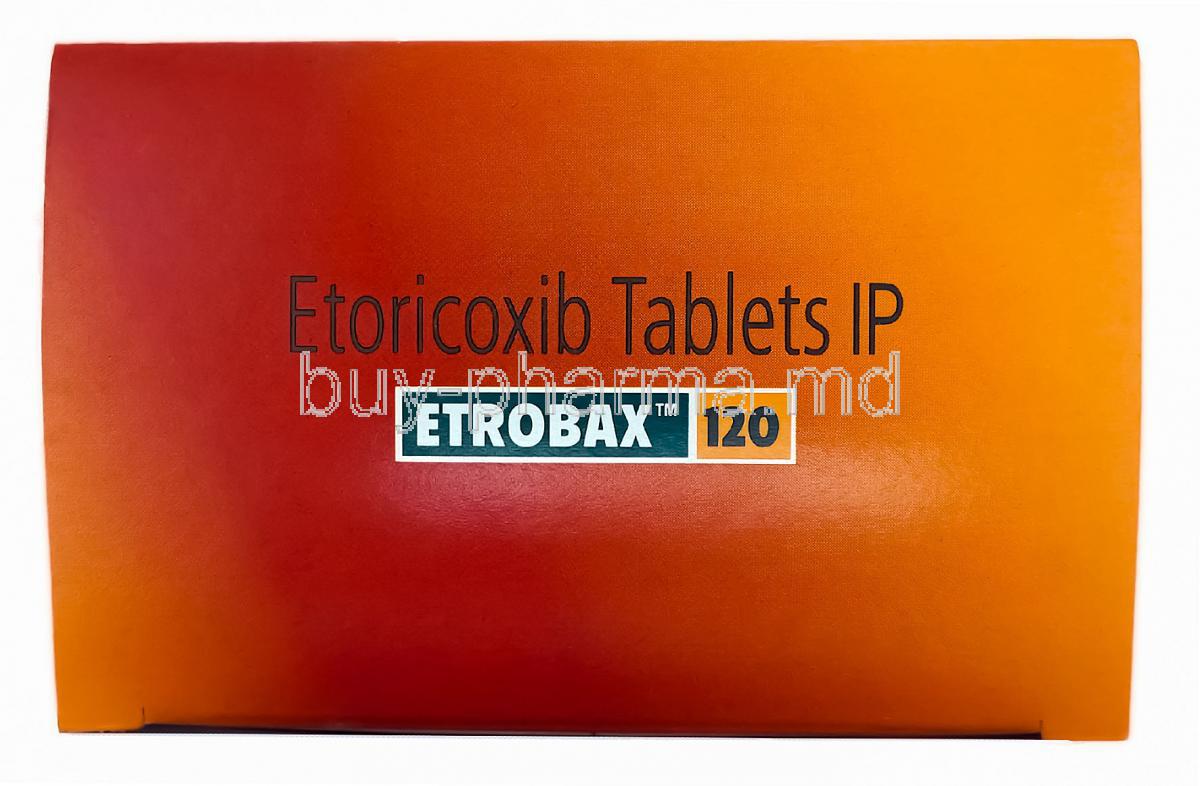
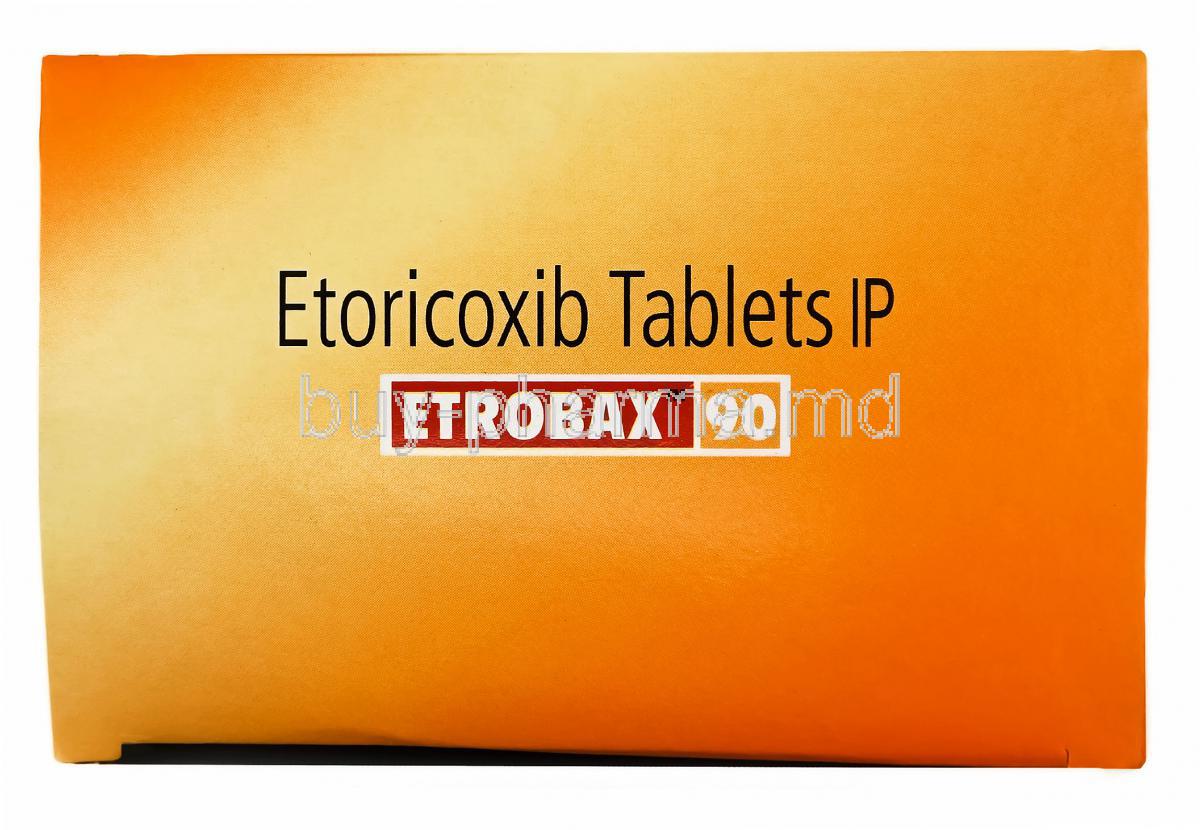
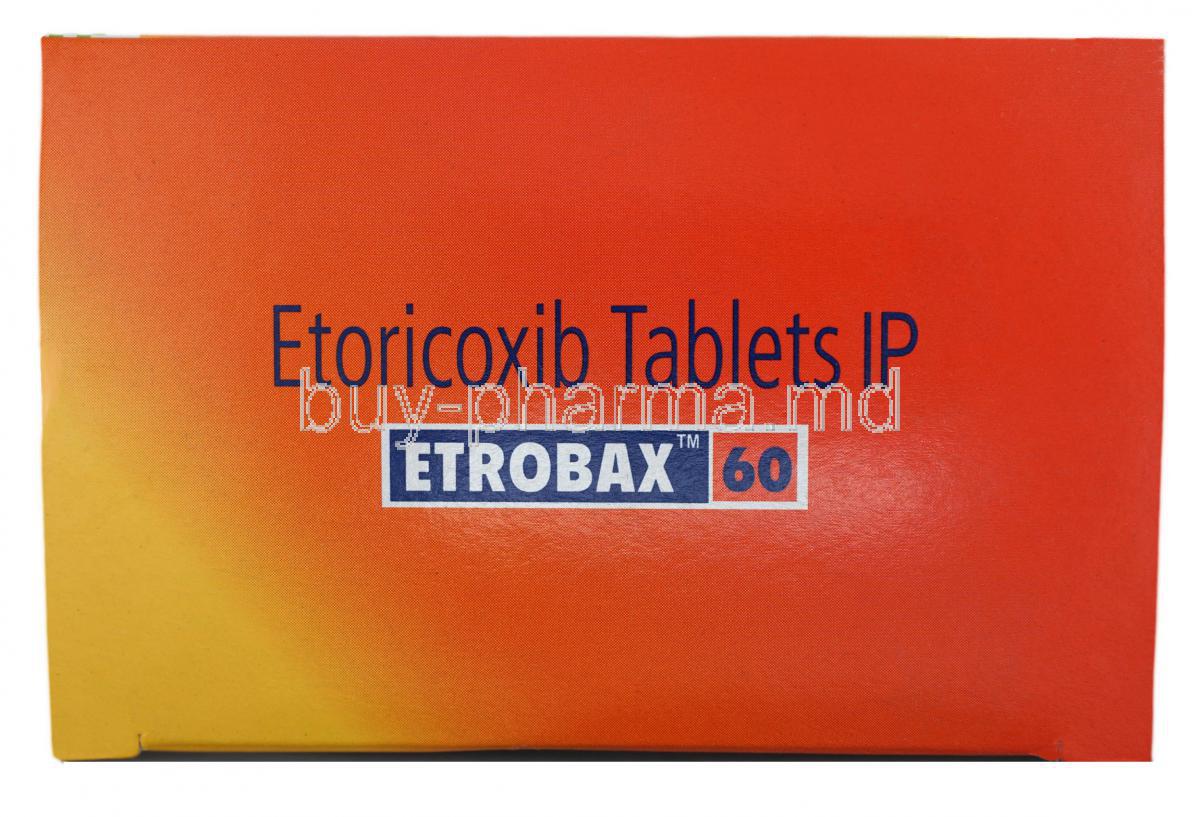
Etrobax is a branded form of etoricoxib, a member of the coxib family and a selective COX-2 inhibitor. It is categorized as a nonsteroidal anti-inflammatory drug (NSAID), designed to mitigate pain and inflammation while preferentially sparing COX-1 activity in many tissues.
This selectivity is clinically relevant. Many patients seek analgesia without the pronounced gastric irritancy sometimes associated with non-selective NSAIDs. That said, “reduced gastrointestinal risk” is not “no risk.” Individual factors still govern tolerability.
- Therapeutic focus: anti-inflammatory pain states (acute and chronic)
- Clinical role: symptom control, not disease cure
- Availability: brand and generic etoricoxib in multiple strengths (market-dependent)
- Prescription status: typically prescription-only; used when benefits outweigh risks
Etrobax is commonly positioned for inflammatory arthropathies and acute flares, particularly when once-daily dosing and COX-2 selectivity are considered advantageous.
2. Composition and Formulation
The active ingredient in Etrobax is etoricoxib. It is typically supplied as an oral tablet, formulated for systemic absorption and sustained clinical coverage across the dosing interval.
Active Ingredient: Etoricoxib
Etoricoxib provides anti-inflammatory and analgesic effects by modulating prostaglandin pathways (details in the mechanism section). The pharmacologic activity stems from the active compound rather than adjunct components.
Available Strengths
Commercial strengths often include 30 mg, 60 mg, 90 mg, and 120 mg tablets. Not all strengths are available in every region, and selection is typically tied to the indication and symptom intensity.
- Lower strengths are commonly aligned with chronic conditions requiring conservative dosing.
- Higher strengths may be reserved for short-duration, high-intensity inflammatory pain (e.g., acute flares), depending on local guidance.
Tablet Characteristics and Oral Dosage Form
Tablets are manufactured for oral use, often film-coated for improved palatability and stability. The formulation is generally intended for once-daily administration, offering pragmatic adherence benefits.
Excipients and Inactive Components
Inactive ingredients may include binders, disintegrants, fillers, lubricants, and coating agents. These excipients support:
- tablet integrity and uniformity
- disintegration and dissolution profiles
- handling stability during distribution
Patients with known excipient sensitivities should review the product leaflet for formulation specifics.
Packaging Types and Shelf-Life Considerations
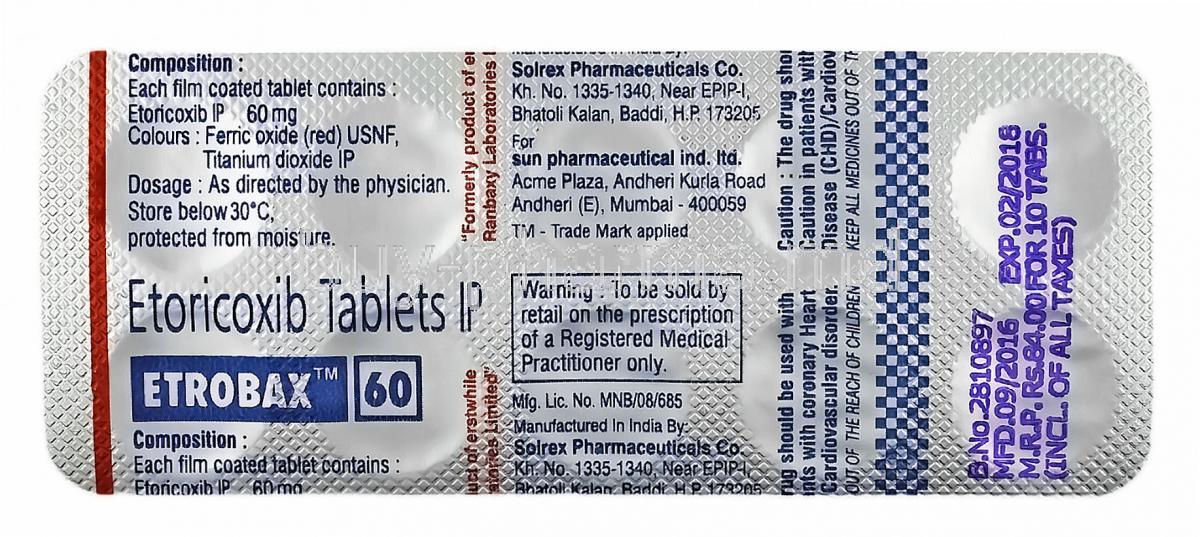
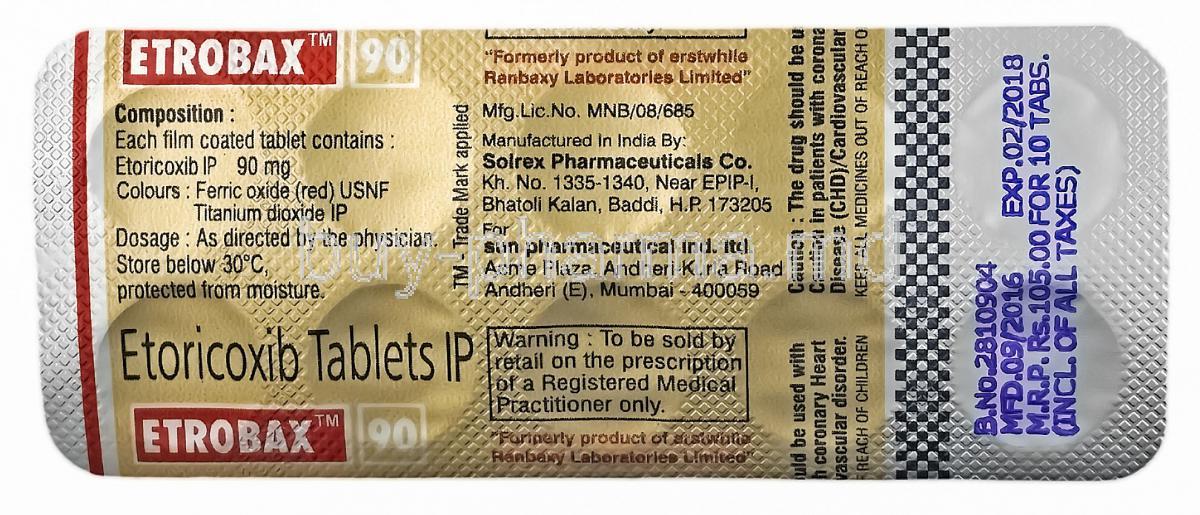
Etrobax is commonly packaged in blister strips or bottles, depending on manufacturer and region. Shelf-life is influenced by storage conditions, humidity exposure, and packaging integrity.
- Use products within the stated expiry date.
- Do not use tablets that show discoloration, crumbling, or moisture damage.
3. Mechanism of Action: How Etrobax Works
Etoricoxib acts primarily through selective inhibition of cyclooxygenase-2 (COX-2), an inducible enzyme upregulated in inflammatory states. By dampening COX-2 activity, etoricoxib reduces production of prostaglandins—lipid mediators that amplify pain perception and inflammatory cascades.
Selective Inhibition of Cyclooxygenase-2 (COX-2)
COX-2 is frequently expressed at higher levels in inflamed tissues. Inhibiting COX-2 can attenuate localized inflammation and pain, supporting symptomatic relief in conditions such as arthritis and acute flares.
Reduction of Prostaglandin Synthesis
Prostaglandins contribute to:
- peripheral sensitization (pain at the tissue level)
- edema formation and inflammatory hyperemia
- fever modulation via hypothalamic pathways
Reducing prostaglandin synthesis can therefore improve pain and stiffness, and may reduce inflammatory swelling.
Anti-inflammatory, Analgesic, and Antipyretic Effects
The pharmacodynamic profile includes anti-inflammatory and analgesic activity; antipyretic effects can occur as a downstream consequence of prostaglandin inhibition. Clinical response varies—some patients experience swift relief, others more incremental improvement.
Comparison with Non-selective NSAIDs (COX-1 vs COX-2 Activity)
Traditional NSAIDs inhibit both COX-1 and COX-2. COX-1 is associated with physiological functions such as gastric mucosal protection and platelet activity. COX-2 selectivity is intended to preserve some COX-1–mediated protective effects, though:
- gastrointestinal complications can still occur
- cardiovascular risk is a key consideration in COX-2 inhibition
Impact on Pain Signaling, Inflammation, and Joint Function
By reducing inflammatory mediator generation, etoricoxib can lessen pain, improve morning stiffness, and enhance functional capacity. In degenerative disease, symptom control can translate into better mobility, sleep quality, and day-to-day performance.
4. Approved Medical Uses of Etrobax (Etoricoxib)
Etoricoxib is used for a range of inflammatory pain syndromes. Indications vary by country and regulatory authority; clinical use should align with local prescribing information.
4.1 Osteoarthritis Pain Management
In osteoarthritis, Etrobax is used for symptomatic relief of joint pain and stiffness. While osteoarthritis is multifactorial and not purely inflammatory, flare periods often involve inflammatory mediators that amplify pain.
- Symptom relief: reduced pain during movement and at rest
- Functionality: improved ambulation, stair climbing, and daily tasks
When combined with non-pharmacologic measures (exercise therapy, weight optimization, physiotherapy), outcomes can be more durable.
4.2 Rheumatoid Arthritis
Rheumatoid arthritis involves immune-mediated synovitis and progressive joint damage. Etrobax may help reduce pain and inflammatory symptoms, but it is not a disease-modifying therapy.
- decreased swelling and tenderness
- reduced stiffness, particularly in the morning
- enhanced tolerance of movement and rehabilitation
4.3 Ankylosing Spondylitis
Ankylosing spondylitis commonly causes inflammatory back pain, stiffness, and impaired spinal mobility. Etrobax can provide meaningful symptom reduction, improving functional endpoints such as posture, sleep, and activity tolerance.
- Relief of spinal pain: especially in inflammatory flares
- Improved function: better range of motion and daily activity capacity
4.4 Acute Gouty Arthritis
Acute gout attacks can be abrupt, intensely painful, and distinctly inflammatory. Etrobax may be used for rapid symptom control when prescribed appropriately.
- reduction of joint pain intensity
- attenuation of swelling and erythema
- improved ability to mobilize the affected joint
Management typically includes addressing the underlying urate burden separately, when indicated.
4.5 Acute Musculoskeletal Pain
For sprains, strains, and soft tissue injuries, etoricoxib may reduce inflammatory discomfort and restore function. Early mobility, when safe, is often beneficial.
- lower pain scores during movement
- reduced inflammation-related discomfort
- support for return-to-activity planning
4.6 Acute Postoperative Dental Pain
Etrobax may be used short-term after dental procedures to manage inflammatory pain. The objective is targeted analgesia with a limited treatment window.
- short-duration use to control procedure-related pain
- avoidance of unnecessary prolonged exposure
4.7 Primary Dysmenorrhea (Menstrual Pain)
Primary dysmenorrhea is often mediated by prostaglandin-driven uterine contractions. By suppressing prostaglandin synthesis, etoricoxib can reduce cramping intensity and associated pelvic pain.
- reduced uterine spasm-related pain
- improved comfort and daily functioning
5. Off-Label Uses of Etoricoxib
Off-label use refers to prescribing outside officially approved indications. Such use may occur when clinical rationale exists and safer or better-studied alternatives are unsuitable. Decisions should be individualized.
5.1 Chronic Low Back Pain
Etoricoxib is sometimes used for chronic low back pain, particularly when inflammatory features are suspected. Benefit is generally symptomatic and should be paired with posture retraining, conditioning, and targeted physiotherapy.
5.2 Neuropathic Pain Adjunct Therapy
Neuropathic pain is not primarily prostaglandin-driven, yet some patients have mixed pain phenotypes. In select cases, etoricoxib may be used as an adjunct to address inflammatory overlap.
- adjunct role rather than primary therapy
- careful monitoring for overall analgesic burden
5.3 Cancer-Related Pain (Supportive Care)
In supportive oncology settings, etoricoxib may be considered to reduce inflammatory pain components. Use requires vigilant assessment of bleeding risk, renal function, and overall medication complexity.
5.4 Migraine and Severe Headache (Adjunct Use)
Some headache states have inflammatory contributions or respond to NSAID therapy. Etoricoxib may be used adjunctively in selected patients, but individualized risk assessment remains essential.
5.5 Temporomandibular Joint (TMJ) Disorders
TMJ disorders can involve local inflammation, muscle tension, and joint irritation. Etrobax may help reduce pain during acute inflammatory episodes while conservative measures are implemented.
- jaw pain relief in inflammatory flares
- support for bite-rest strategies and physiotherapy
5.6 Post-Traumatic Pain and Inflammation
After minor injuries or orthopedic interventions, etoricoxib may be used to reduce inflammation-driven pain. Overuse should be avoided, particularly in higher-risk individuals.
5.7 Inflammatory Soft Tissue Conditions
Conditions such as bursitis, tendinitis, and synovitis may respond to anti-inflammatory therapy. Etrobax may reduce pain and facilitate participation in rehabilitation programs.
6. Dosage and Administration Guidelines
Dosing should follow local prescribing information and individualized clinical evaluation. Etoricoxib is often used once daily; the selected dose depends on indication, severity, and risk profile.
6.1 General Dosing Principles
- Use the lowest effective dose for the shortest feasible duration.
- Reassess periodically, especially in chronic use.
- Consider cardiovascular, renal, and gastrointestinal risk factors before initiation.
6.2 Condition-Specific Dosage Recommendations
Typical dosing patterns (to be aligned with local guidance) may include:
- Osteoarthritis: generally lower daily doses for ongoing symptom control
- Rheumatoid arthritis / ankylosing spondylitis: moderate daily dosing based on symptom burden
- Acute gout: short-term higher dosing may be used in acute flares
- Acute pain / dental pain: short-duration regimens tailored to procedural pain intensity
Chronic high-dose use is typically avoided due to safety considerations, particularly cardiovascular risk.
6.3 Administration Instructions
Etoricoxib tablets are taken orally and may be taken with or without food. Food can influence onset for some people; tolerability considerations often dictate timing.
- With food: may reduce dyspeptic discomfort in sensitive individuals
- Without food: may provide a faster perceived onset in some cases
Adherence matters. Missed doses should not be doubled; dosing should resume as directed by a clinician.
6.4 Duration of Therapy
Etrobax may be used short-term (acute pain, gout flares, postoperative dental pain) or longer-term (chronic arthritic conditions). Duration should be periodically re-evaluated, especially when symptoms fluctuate.
- Short-term: limit exposure while achieving symptom control
- Long-term: schedule monitoring and reassess ongoing necessity
7. Common Side Effects of Etrobax
Many side effects are dose-related and patient-specific. Some are transient and mild; others warrant clinical review, particularly if persistent.
- Headache
- Dizziness
- Gastrointestinal discomfort (nausea, dyspepsia)
- Edema or fluid retention
- Hypertension or elevated blood pressure
- Fatigue
New or worsening swelling, unexpected weight gain, or sustained blood pressure elevation should be evaluated promptly.
8. Less Common and Serious Side Effects
Although less frequent, serious adverse effects can occur and may be clinically consequential. Risk increases with higher doses, prolonged use, and pre-existing comorbidities.
- Cardiovascular events: increased risk of myocardial infarction or stroke in susceptible individuals
- Severe hypertension: significant blood pressure elevation requiring intervention
- Renal impairment: reduced kidney function or acute kidney injury, especially with dehydration or diuretics
- Hepatic effects: elevated liver enzymes or hepatotoxicity signals
- Gastrointestinal bleeding/ulceration: rare but possible, particularly in high-risk patients
- Hypersensitivity: rash, urticaria, or angioedema; seek urgent care for facial swelling or breathing difficulty
9. Drug Interactions and Food Interactions
Drug interactions can alter etoricoxib exposure, increase toxicity risk, or reduce therapeutic predictability. A comprehensive medication review is prudent, especially in patients with polypharmacy.
9.1 Drug–Drug Interactions
- Anticoagulants (e.g., warfarin): potential changes in bleeding risk; monitoring may be needed
- ACE inhibitors and ARBs: combined use may reduce renal perfusion in susceptible patients
- Diuretics: higher risk of renal effects, especially during dehydration or acute illness
- Other NSAIDs or corticosteroids: additive gastrointestinal and renal risk; avoid redundant NSAID stacking
- Lithium: possible elevation in lithium levels; toxicity risk requires vigilance
- Methotrexate: potential for increased methotrexate exposure in some scenarios
- Cyclosporine and tacrolimus: increased nephrotoxicity risk; monitoring is important
9.2 Alcohol and Lifestyle Considerations
Alcohol can amplify gastrointestinal irritation and may complicate hepatic risk in some patients. Lifestyle factors also modulate cardiovascular outcomes, an essential consideration with COX-2 inhibition.
- Alcohol: may increase gastrointestinal or liver-related complications
- Blood pressure monitoring: advisable, especially early in therapy and during dose changes
- Hydration: maintain adequate fluid intake, particularly during illness or heat exposure
Any unusual bruising, black stools, persistent abdominal pain, chest discomfort, or sudden neurologic symptoms should be treated as urgent warning signs and assessed immediately.
10. Warnings and Safety Information
Etoricoxib, the active component of Etrobax, requires judicious use due to its systemic pharmacologic effects. While effective for pain and inflammation, certain safety considerations must be carefully evaluated, particularly in patients requiring long-term therapy or higher doses.
Cardiovascular Risk with Long-Term or High-Dose Use
Selective COX-2 inhibition may influence vascular homeostasis. Prolonged exposure or elevated dosing can increase the risk of adverse cardiovascular outcomes, especially in patients with pre-existing risk factors.
- Use the lowest effective dose for the shortest duration
- Assess baseline cardiovascular risk before initiation
- Re-evaluate therapy periodically during chronic use
Risk of Thrombotic Events
Etoricoxib may increase the likelihood of thrombotic complications such as myocardial infarction or ischemic stroke. The risk may emerge early and can escalate with duration of therapy.
- Exercise caution in patients with a history of thromboembolic disease
- Monitor for symptoms such as chest pain, sudden weakness, or speech difficulty
Fluid Retention and Heart Failure Risk
Fluid retention may occur due to renal prostaglandin suppression, potentially exacerbating hypertension or precipitating heart failure in vulnerable individuals.
- Monitor for peripheral edema or rapid weight gain
- Use cautiously in patients with a history of heart failure or fluid overload
Gastrointestinal Safety Considerations
Although COX-2 selectivity may reduce gastric irritation compared with non-selective NSAIDs, gastrointestinal complications remain possible.
- Risk factors include advanced age, prior ulcer disease, and concurrent corticosteroid or anticoagulant use
- Evaluate unexplained abdominal pain, melena, or hematemesis promptly
Hepatic and Renal Monitoring Recommendations
Etoricoxib may affect hepatic enzymes and renal perfusion. Periodic laboratory monitoring is advisable during extended treatment.
- Assess liver function in patients with pre-existing hepatic conditions
- Monitor renal parameters in high-risk populations, including the elderly and those on diuretics
11. Contraindications
Etrobax should not be used in patients with conditions where the potential risks outweigh therapeutic benefit. Absolute contraindications include the following:
- Known hypersensitivity to etoricoxib, other NSAIDs, or any formulation component
- Active peptic ulcer disease or gastrointestinal bleeding
- Severe hepatic impairment
- Severe renal dysfunction or progressive kidney disease
- Established ischemic heart disease, peripheral arterial disease, or cerebrovascular disease
- Uncontrolled hypertension
- Use for pain management following coronary artery bypass graft (CABG) surgery
Use in these settings may significantly increase the risk of serious or life-threatening complications.
12. Careful Administration and Important Precautions
Clinical prudence is essential when prescribing etoricoxib to patients with underlying medical vulnerabilities. Individualized risk stratification should guide therapy.
- Cardiovascular risk factors: diabetes, smoking, dyslipidemia, or hypertension require careful evaluation
- Blood pressure monitoring: periodic assessment is recommended during treatment
- Mild to moderate hepatic impairment: dose adjustment and monitoring may be necessary
- Renal risk: dehydration, diuretic use, or advanced age increase susceptibility to renal dysfunction
Long-term therapy should be undertaken only after a thorough risk–benefit analysis, with regular reassessment of ongoing necessity.
13. Administration in Special Populations
13.1 Use in Elderly Patients
Elderly individuals may exhibit heightened pharmacodynamic sensitivity. Age-related physiological decline increases susceptibility to adverse reactions.
- Consider lower initial dosing where appropriate
- Monitor renal function, blood pressure, and signs of fluid retention
- Assess for polypharmacy-related interaction risks
13.2 Use During Pregnancy
Etoricoxib should not be used during the third trimester due to the risk of premature closure of the fetal ductus arteriosus and other complications.
- Avoid use in late pregnancy
- Use in early pregnancy only if clearly necessary and under medical supervision
- Evaluate alternative therapies whenever possible
13.3 Use During Breastfeeding
Data regarding excretion into breast milk are limited. Clinical judgment should guide decision-making.
- Consider potential infant exposure
- Weigh maternal benefit against potential risk
13.4 Pediatric Use
Etoricoxib is generally not recommended for routine use in children. Safety and efficacy data in pediatric populations remain limited.
- Use only when specifically indicated and supervised by a specialist
- Observe age-related dosing restrictions where applicable
14. Overdose and Emergency Management
Excessive ingestion of etoricoxib may lead to systemic toxicity. Early recognition and medical intervention are essential.
- Common symptoms: nausea, vomiting, abdominal discomfort, dizziness
- Possible complications: hypertension, renal impairment, or hepatic dysfunction
Management is primarily supportive and symptomatic.
- Immediate medical evaluation is required
- Monitor vital signs and organ function
- Provide fluid support and clinical observation as needed
15. Storage Conditions and Shelf-Life
Proper storage preserves the stability and therapeutic integrity of Etrobax tablets.
- Store at controlled room temperature as specified by the manufacturer
- Protect from excessive heat, moisture, and direct sunlight
- Keep tablets in the original packaging until use
Expired or damaged medication should not be used, as potency and safety cannot be assured.
16. Handling and Disposal Precautions
Responsible handling helps prevent misuse, accidental ingestion, and environmental contamination.
- Handle tablets with clean, dry hands
- Do not share prescription medication with others
- Keep out of reach of children and pets
Unused or expired tablets should be disposed of according to local pharmaceutical disposal guidelines. Avoid flushing medications unless specifically instructed.
17. Patient Counseling and Safety Tips
Effective therapy depends not only on pharmacology but also on informed patient behavior. Clear counseling improves safety and treatment outcomes.
- Take the medication exactly as prescribed; do not exceed the recommended dose
- Avoid concurrent use of other NSAIDs unless directed by a healthcare provider
- Monitor blood pressure regularly during treatment
Patients should be educated to recognize warning signs requiring prompt medical attention:
- Chest pain, shortness of breath, or sudden weakness
- Severe abdominal pain, black stools, or vomiting blood
- Swelling of the face, lips, or throat
Lifestyle measures can complement pharmacologic therapy and reduce long-term risk:
- Maintain a healthy weight and balanced diet
- Engage in regular physical activity appropriate to the condition
- Limit alcohol intake and avoid smoking
- Adopt cardiovascular risk reduction strategies
Ongoing communication with healthcare providers ensures optimal safety, efficacy, and individualized care.


Popular Products


Similar Product