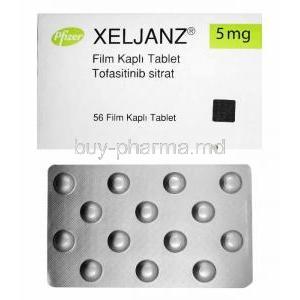
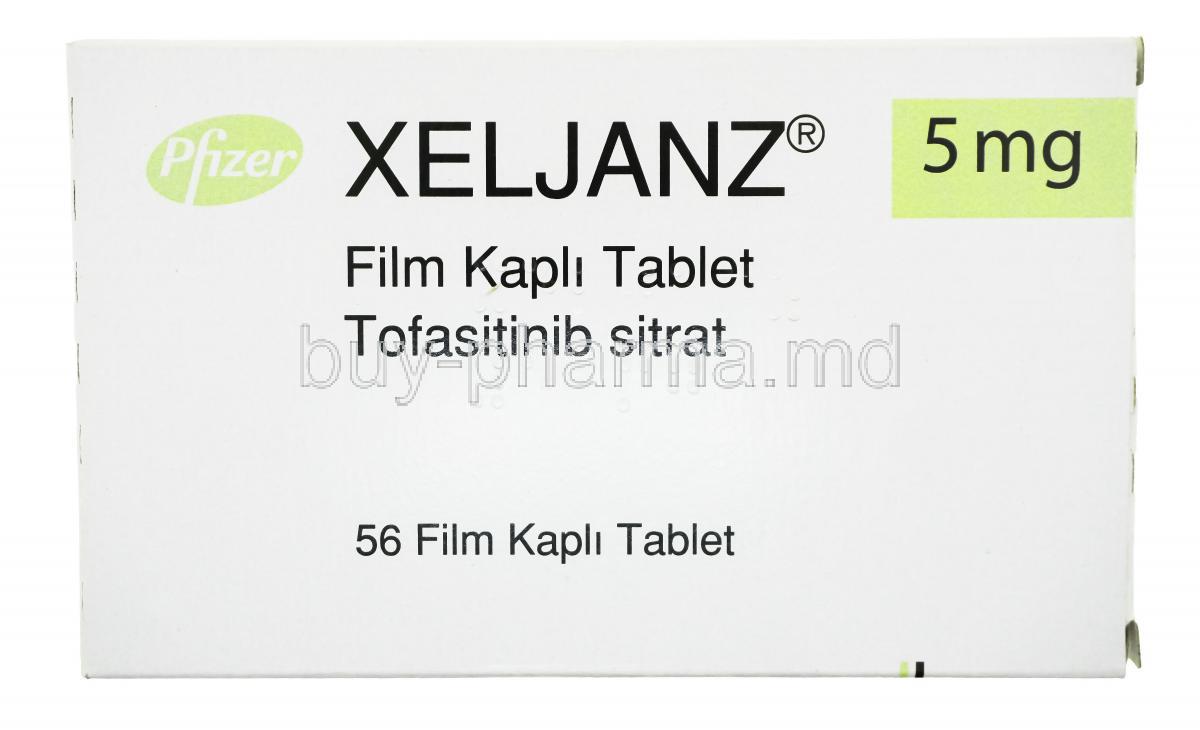
1. Introduction to Xeljanz (Tofacitinib)
Xeljanz, containing the active molecule tofacitinib, is an orally administered immunomodulatory agent designed to target aberrant immune signaling. Unlike conventional therapies that broadly suppress immune activity, this medication offers a more nuanced intervention by selectively interrupting intracellular pathways responsible for chronic inflammation.
Developed through advanced molecular pharmacology research, Xeljanz received regulatory approvals across multiple regions for autoimmune and inflammatory disorders after demonstrating robust efficacy in controlled clinical trials. Its introduction marked a pivotal shift away from injectable biologics toward convenient oral targeted therapies.
- Belongs to the class of targeted synthetic disease-modifying antirheumatic drugs (tsDMARDs)
- Bridges the gap between traditional DMARDs and biologic agents
- Offers systemic disease control with oral dosing convenience
2. Composition and Pharmaceutical Profile
The pharmacologically active component of Xeljanz is tofacitinib citrate, a small-molecule inhibitor engineered for high bioavailability and predictable systemic exposure. The formulation is designed to maintain consistent plasma concentrations while minimizing metabolic variability.
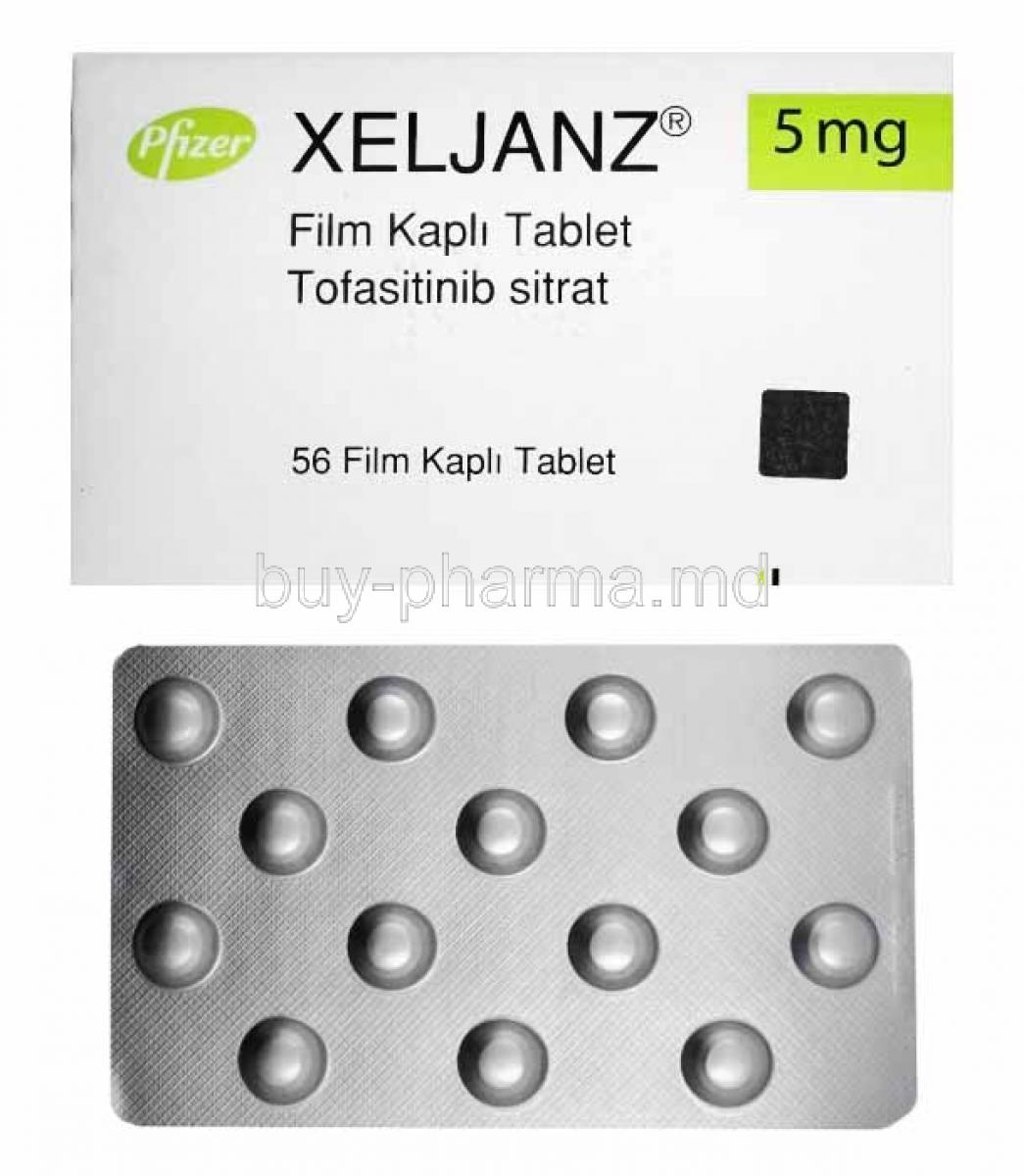
Xeljanz is available in multiple oral dosage forms to accommodate diverse therapeutic needs:
- Immediate-release tablets for twice-daily administration
- Extended-release tablets formulated for once-daily dosing
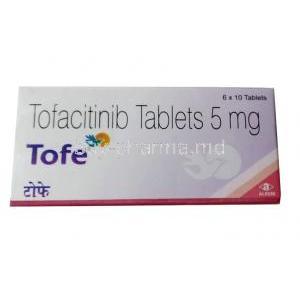
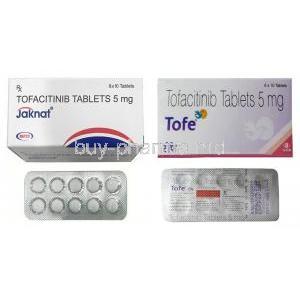
Inactive excipients contribute to tablet stability, dissolution kinetics, and gastrointestinal tolerability. While Xeljanz is the branded formulation, approved generic versions of tofacitinib may be available in certain markets, subject to regulatory standards and bioequivalence requirements.
3. How Xeljanz Works (Mechanism of Action)
Immune-mediated diseases are often driven by dysregulated cytokine signaling. Central to this process are Janus kinase (JAK) enzymes, which relay extracellular inflammatory signals directly to the cell nucleus. Xeljanz exerts its therapeutic effect by selectively inhibiting JAK1 and JAK3.
This targeted inhibition disrupts the signaling cascade of multiple pro-inflammatory cytokines, including:
- Interleukin-2 (IL-2)
- Interleukin-6 (IL-6)
- Interleukin-7 (IL-7)
- Interleukin-15 (IL-15)
- Type I and II interferons
The downstream result is a calibrated immunosuppressive effect that attenuates inflammation, reduces immune cell activation, and mitigates tissue damage without complete immune ablation.
4. Approved Uses of Xeljanz
Xeljanz is approved for several chronic inflammatory conditions where immune dysregulation plays a central pathogenic role. These indications typically involve patients who have shown an inadequate response or intolerance to conventional therapies.
- Rheumatoid arthritis: For moderate to severe disease activity, particularly after insufficient response to methotrexate
- Psoriatic arthritis: To reduce joint inflammation, pain, and progression of structural damage
- Ulcerative colitis: For moderate to severe disease to induce and maintain clinical remission
Depending on the indication and patient profile, Xeljanz may be prescribed as monotherapy or in combination with non-biologic DMARDs.
5. Off-Label and Investigational Uses
Beyond its approved indications, tofacitinib has garnered scientific interest for its potential role in other immune-mediated conditions. These applications are based on emerging clinical evidence and mechanistic plausibility.
- Ankylosing spondylitis and axial spondyloarthritis
- Alopecia areata characterized by autoimmune hair loss
- Vitiligo involving immune-mediated melanocyte destruction
- Systemic lupus erythematosus under investigational protocols
Additional inflammatory and dermatologic disorders continue to be explored in ongoing studies, expanding the therapeutic horizon of JAK inhibition.
6. Dosage and Administration
Dosing regimens for Xeljanz are tailored to the specific indication, disease severity, and patient-specific risk factors. Immediate-release formulations are generally administered twice daily, while extended-release tablets are designed for once-daily use.
Clinical considerations include:
- Renal impairment requiring dose reduction in moderate to severe cases
- Hepatic impairment necessitating cautious dosing or avoidance in severe dysfunction
- Administration with or without food, as food has minimal impact on absorption
If a dose is missed, it should be taken as soon as remembered unless it is close to the next scheduled dose. Double dosing is discouraged.
7. Administration in Special Populations
7.1 Administration to Elderly Patients
Elderly individuals may exhibit heightened susceptibility to adverse events, including serious infections and cardiovascular complications. Dose selection should be conservative, accompanied by vigilant laboratory and clinical monitoring.
7.2 Administration to Pregnant Women and Nursing Mothers
Available data suggest potential risks associated with fetal exposure. Tofacitinib crosses the placenta in animal studies, raising concerns about teratogenicity. Breastfeeding is generally not recommended during therapy due to the potential for drug excretion into breast milk.
7.3 Administration to Children and Adolescents
Pediatric use is subject to regional regulatory approvals. Where permitted, dosing is often weight-based, with close observation of growth parameters, immune function, and infection risk throughout treatment.
8. Side Effects of Xeljanz
Xeljanz is associated with a spectrum of adverse effects ranging from mild, transient symptoms to serious long-term complications. The likelihood and severity of these effects vary based on dose, duration of therapy, and individual patient risk factors.
Adverse events may be categorized as early-onset reactions or cumulative effects emerging with prolonged exposure.
9. Common Side Effects
The most frequently reported side effects are generally manageable and often resolve with continued therapy or supportive care.
- Upper respiratory tract infections
- Headache and gastrointestinal discomfort
- Nasopharyngitis
- Transient elevations in liver enzymes
- Alterations in lipid parameters, including cholesterol levels
Regular monitoring allows for early detection and mitigation of these effects, supporting long-term treatment continuity.
10. Serious Adverse Reactions and Safety Concerns
Xeljanz is associated with clinically significant safety risks that necessitate careful patient selection and vigilant monitoring. While effective, its immunomodulatory activity may predispose certain individuals to severe complications.
Serious Infections
Suppression of immune signaling can increase susceptibility to infections, some of which may be life-threatening.
- Reactivation of latent tuberculosis
- Opportunistic infections including fungal, viral, and atypical bacterial pathogens
- Invasive infections with disseminated presentations
Malignancy Risk
Long-term immune modulation has been associated with an increased incidence of certain cancers.
- Lymphoproliferative disorders, including lymphoma
- Non-melanoma skin cancers requiring periodic dermatologic evaluation
Cardiovascular Events and Thromboembolism
Elevated rates of major adverse cardiovascular events and venous thromboembolism have been observed in high-risk populations, particularly with higher doses.
Gastrointestinal Perforation
Rare cases of gastrointestinal perforation have been reported, especially in patients with underlying diverticular disease or concomitant NSAID use.
Hematologic Abnormalities
Alterations in blood cell counts may occur, including anemia, neutropenia, and lymphopenia, necessitating routine hematologic surveillance.
11. Drug Interactions
Xeljanz is metabolized primarily via hepatic cytochrome pathways, making it susceptible to pharmacokinetic interactions.
CYP3A4 Inhibitors and Inducers
- Strong CYP3A4 inhibitors may increase systemic exposure
- CYP3A4 inducers can reduce therapeutic efficacy
Concomitant Immunosuppressive Therapies
Concurrent use with biologic DMARDs or potent immunosuppressants increases the risk of infections and is generally discouraged.
Antifungals, Antibiotics, and Antivirals
Certain agents may necessitate dose adjustments due to metabolic interference.
Vaccination Considerations
Live vaccines should be avoided during treatment due to impaired immune response and infection risk.
12. Warnings and Boxed Safety Alerts
Regulatory agencies have mandated boxed warnings highlighting critical safety concerns associated with tofacitinib.
- Increased risk of serious infections and infection-related mortality
- Higher incidence of major adverse cardiovascular events
- Documented cases of deep vein thrombosis and pulmonary embolism
- Elevated cancer risk with prolonged use
13. Contraindications
Xeljanz is contraindicated in clinical scenarios where risks outweigh potential benefits.
- Known hypersensitivity to tofacitinib or excipients
- Presence of active, serious infections
- Severe hepatic impairment
- Concurrent therapy with potent immunosuppressive agents
14. Careful Administration and Monitoring
Structured monitoring protocols are essential to ensure safe and effective therapy.
- Baseline screening for tuberculosis and viral hepatitis
- Complete blood count and lipid profile assessment prior to initiation
- Periodic laboratory monitoring during treatment
- Continuous surveillance for signs of infection
15. Important Precautions Before and During Treatment
Individualized risk assessment is a cornerstone of safe therapy.
- Selection of appropriate candidates based on comorbidities
- Cardiovascular and thrombotic risk stratification
- Patient education regarding early infection symptoms
- Ongoing long-term safety evaluation
16. Overdosage and Emergency Management
Experience with acute overdose is limited, but vigilance is required.
- Potential symptoms include immunosuppression-related complications
- Management focuses on supportive care and close monitoring
- No specific antidote is available
- Hemodialysis is unlikely to significantly enhance drug clearance
17. Storage and Stability
Proper storage preserves drug integrity and therapeutic effectiveness.
- Store at controlled room temperature
- Protect from excessive moisture and direct light
- Observe labeled expiration dates
- Dispose of unused medication in accordance with local regulations
18. Handling Precautions
Appropriate handling minimizes exposure risks and maintains dosage accuracy.
- Healthcare providers should follow standard handling protocols
- Patients should swallow tablets whole unless otherwise directed
- Avoid crushing or splitting extended-release formulations
- Ensure secure storage during travel
19. Patient Counseling and Practical Considerations
Effective treatment relies on informed and engaged patients.
- Emphasize adherence and realistic expectations
- Discuss lifestyle considerations, including infection avoidance
- Advise prompt medical consultation for concerning symptoms
- Reinforce the necessity of regular follow-up and laboratory testing
Xeljanz, Tofacitinib FAQ
Popular Products
Similar Product