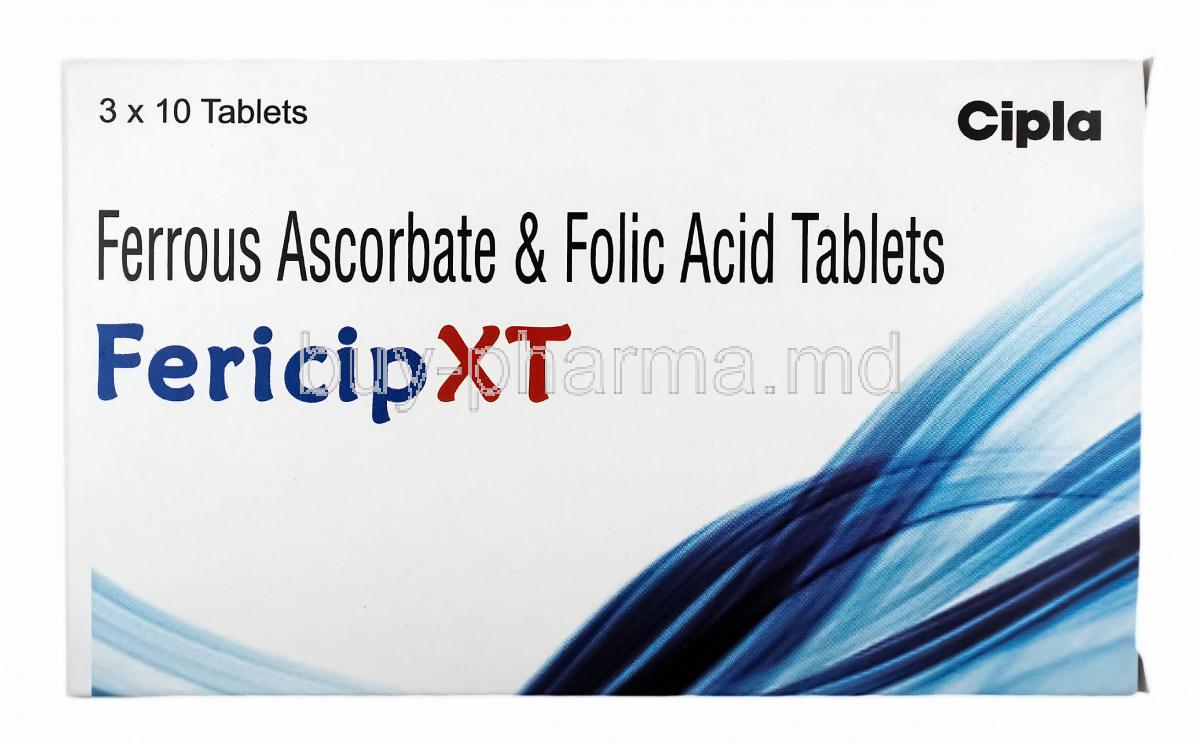
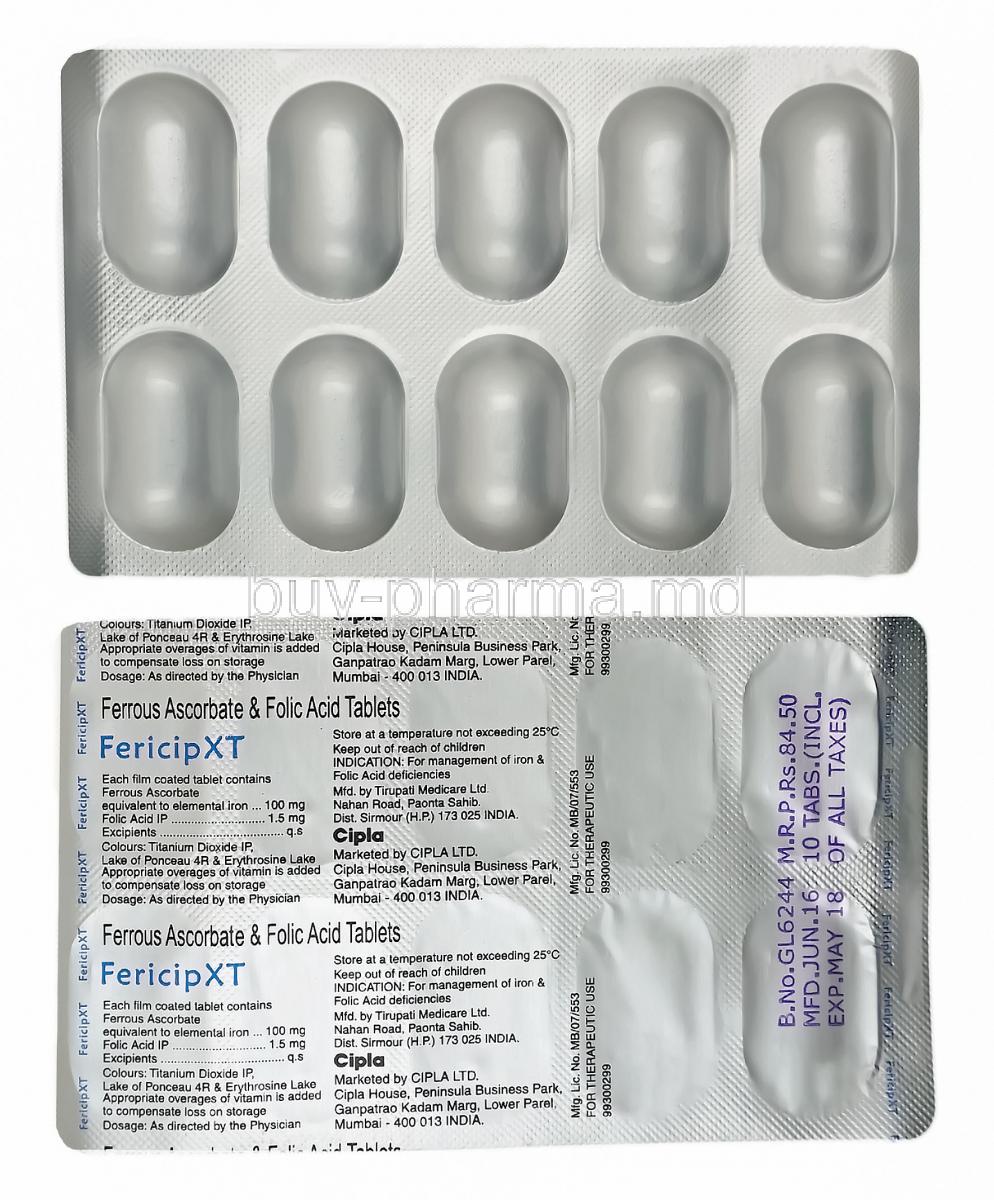
1. Introduction to Fericip XT (Ferrous Ascorbate / Folic Acid)
1.1 Overview of Iron and Folate Supplementation
Fericip XT is a hematinic formulation designed to replenish essential micronutrients required for optimal erythropoiesis. Iron and folate are indispensable. They work in tandem to sustain cellular vitality and hematological equilibrium.
Supplementation becomes crucial when dietary intake is insufficient or physiological demand escalates, such as during pregnancy or chronic illness.
- Restores depleted iron reserves
- Supports DNA synthesis via folate
- Enhances overall metabolic resilience
1.2 Therapeutic Classification and Clinical Role
Classified as an iron and vitamin supplement, Fericip XT is primarily utilized in the management of anemia. Its clinical utility extends beyond correction. It also aids in prevention and recovery.
1.3 Importance in Hematological Health and Red Blood Cell Formation
Red blood cell production is a complex, tightly regulated process. Iron facilitates hemoglobin synthesis, while folic acid governs nucleic acid production. A deficiency in either leads to compromised oxygen delivery and systemic fatigue.
2. Fericip XT Composition
2.1 Active Ingredients: Ferrous Ascorbate and Folic Acid
Ferrous ascorbate provides bioavailable iron. Folic acid complements this by supporting cellular replication. Together, they form a potent therapeutic dyad.
2.2 Role of Vitamin C (Ascorbate) in Enhancing Iron Absorption
Ascorbate facilitates the reduction of ferric iron to its ferrous form, thereby enhancing intestinal absorption. This biochemical modulation significantly improves efficacy.
2.3 Excipients and Available Dosage Forms (Tablets, Capsules, Syrups)
Fericip XT is available in multiple formulations to suit patient preferences and compliance needs:
- Tablets for standard dosing
- Capsules for ease of swallowing
- Syrups for pediatric or geriatric use
2.4 Strength Variations and Packaging Information
Different strengths allow tailored therapy. Packaging is typically designed to preserve stability and prevent degradation from moisture or light exposure.
3. Mechanism of Action: How Fericip XT Works
3.1 Iron Metabolism and Hemoglobin Synthesis
Iron is integral to hemoglobin formation. Once absorbed, it is incorporated into erythroid precursors within the bone marrow, facilitating oxygen transport.
3.2 Role of Folic Acid in DNA Synthesis and Cell Division
Folic acid acts as a coenzyme in nucleotide synthesis. It ensures proper maturation of red blood cells, preventing megaloblastic changes.
3.3 Synergistic Effect of Ferrous Ascorbate and Folic Acid
The combination produces a synergistic effect. Iron replenishes hemoglobin, while folate ensures cellular proliferation proceeds without aberration.
3.4 Improvement of Oxygen Transport and Prevention of Anemia
By restoring hemoglobin levels, oxygen delivery to tissues improves. This alleviates fatigue, dizziness, and cognitive sluggishness.
4. Uses of Fericip XT
4.1 Treatment of Iron Deficiency Anemia
Fericip XT is primarily indicated for iron deficiency anemia. It addresses both the root cause and symptomatic manifestations.
4.2 Prevention of Iron and Folic Acid Deficiency
Prophylactic use is common in at-risk populations. It ensures micronutrient sufficiency before deficiency manifests clinically.
4.3 Use in Pregnancy-Related Anemia
Pregnancy increases iron demand significantly. Supplementation supports fetal development and prevents maternal anemia.
4.4 Management of Nutritional Anemia
Inadequate dietary intake can precipitate anemia. Fericip XT serves as an effective corrective measure.
4.5 Post-surgical and Post-hemorrhagic Recovery Support
Blood loss necessitates rapid replenishment of iron stores. This formulation accelerates recovery.
4.6 Support in Chronic Illness-Induced Anemia
Chronic diseases often impair hematopoiesis. Supplementation provides essential substrates for recovery.
5. Expanded Uses and Off-Label Applications
5.1 Adjunct Therapy in Chronic Kidney Disease (CKD)-Related Anemia
Used alongside erythropoiesis-stimulating agents, Fericip XT enhances treatment outcomes in CKD.
5.2 Use in Anemia Associated with Malabsorption Syndromes
Conditions like celiac disease impair nutrient absorption. Supplementation compensates for this deficit.
5.3 Support in Pediatric Growth and Development Deficiencies
Growing children require adequate iron and folate for proper development and cognitive function.
5.4 Use in Menstrual Blood Loss (Menorrhagia) Management
Excessive menstrual bleeding can deplete iron stores. Fericip XT aids in replenishment.
5.5 Role in Hair Loss Associated with Iron Deficiency
Iron deficiency is linked to telogen effluvium. Correction may support hair regrowth.
5.6 Nutritional Support in Vegetarians and High-Risk Populations
Dietary patterns lacking heme iron increase deficiency risk. Supplementation is often beneficial.
6. Dosage and Administration Guidelines
6.1 Recommended Adult Dosage and Frequency
Dosage varies depending on severity. Typically administered once or twice daily under medical supervision.
6.2 Pediatric Dosage Considerations
Dosing in children is weight-based. Careful monitoring is essential to avoid toxicity.
6.3 Administration During Pregnancy and Lactation
Often prescribed routinely during pregnancy. Lactating mothers may also benefit.
6.4 Best Time to Take for Optimal Absorption
Iron is best absorbed on an empty stomach. However, gastrointestinal intolerance may necessitate intake with food.
6.5 Duration of Therapy Based on Severity of Deficiency
Treatment may extend for several months. Even after normalization, continuation may be advised to replenish stores.
6.6 Missed Dose and Compliance Strategies
Missed doses should be taken promptly unless close to the next scheduled dose. Consistency is paramount.
7. Fericip XT Side Effects
7.1 Gastrointestinal Disturbances (Nausea, Constipation, Diarrhea)
Gastrointestinal discomfort is the most frequently reported adverse effect. It is generally mild and transient.
7.2 Metallic Taste and Oral Discomfort
Some individuals may experience a metallic aftertaste. This is benign but can affect compliance.
7.3 Dark Stools and Their Clinical Significance
Darkened stools are a common, harmless consequence of iron therapy. It should not be mistaken for gastrointestinal bleeding.
7.4 Mild Allergic Reactions
Occasional hypersensitivity reactions may occur. Symptoms include rash or itching.
8. Serious and Rare Side Effects
8.1 Iron Overload and Toxicity Risks
Excessive iron accumulation can be deleterious. Monitoring is essential, particularly in long-term use.
8.2 Severe Hypersensitivity Reactions
Though rare, anaphylactic reactions require immediate medical attention.
8.3 Gastrointestinal Irritation and Ulceration
High doses may cause mucosal irritation. Symptoms include abdominal pain and vomiting.
8.4 Neurological Symptoms in Excess Folic Acid Intake
Excess folic acid may mask underlying deficiencies, leading to neurological complications if unaddressed.
9. Drug Interactions and Food Interactions
9.1 Interaction with Antacids and Proton Pump Inhibitors
These agents reduce gastric acidity, impairing iron absorption.
9.2 Reduced Absorption with Calcium, Dairy, and Tea/Coffee
Certain खाद components inhibit iron uptake. Timing of administration is crucial.
- Avoid simultaneous intake with milk or calcium supplements
- Limit tea and coffee around dosing time
9.3 Interaction with Antibiotics (Tetracyclines, Fluoroquinolones)
Iron may chelate with certain antibiotics, reducing their efficacy. Separation of doses is recommended.
9.4 Interaction with Thyroid Medications (Levothyroxine)
Concurrent administration can impair thyroid hormone absorption. A dosing gap is essential.
9.5 Impact of Vitamin C on Iron Bioavailability
Vitamin C enhances iron absorption, making this formulation particularly effective.
10. Warnings and Safety Considerations
10.1 Risk of Iron Overdose, Especially in Children
Iron overdose can be fatal in children. Strict adherence to prescribed doses is mandatory.
10.2 Monitoring Hemoglobin and Ferritin Levels
Regular laboratory monitoring ensures therapeutic efficacy and prevents toxicity.
10.3 Use in Patients with Pre-existing Medical Conditions
Caution is advised in individuals with hepatic or renal impairment.
10.4 Potential Masking of Vitamin B12 Deficiency
Folic acid supplementation may obscure hematological signs of vitamin B12 deficiency, delaying diagnosis.
11. Contraindications
11.1 Patients with Iron Overload Disorders (Hemochromatosis, Hemosiderosis)
Fericip XT is contraindicated in individuals with iron overload syndromes. These conditions are characterized by excessive iron deposition in vital organs, leading to progressive tissue damage. Additional iron intake can exacerbate toxicity.
- Risk of hepatic fibrosis and cirrhosis
- Cardiac complications due to iron deposition
- Endocrine dysfunction in advanced cases
11.2 Hypersensitivity to Iron or Folic Acid
Patients with known hypersensitivity to any component should avoid this formulation. Allergic manifestations may range from mild cutaneous eruptions to severe systemic reactions.
11.3 Certain Types of Anemia Not Caused by Iron Deficiency
Not all anemias benefit from iron supplementation. Conditions such as hemolytic anemia or anemia of chronic disease may not respond and could worsen with unnecessary iron administration.
11.4 Chronic Liver Disease with Iron Accumulation
In patients with hepatic dysfunction associated with iron accumulation, supplementation may intensify hepatic burden. Careful evaluation is essential before initiation.
12. Careful Administration and Clinical Monitoring
12.1 Use in Patients with Gastrointestinal Disorders
Iron supplements may irritate the gastrointestinal mucosa. Patients with peptic ulcer disease or inflammatory bowel conditions require cautious administration.
- Start with lower doses if necessary
- Administer with food to reduce irritation
12.2 Monitoring in Renal and Hepatic Impairment
Renal and hepatic functions influence iron metabolism. Impaired organ function necessitates vigilant monitoring to avoid accumulation or adverse effects.
12.3 Dose Adjustments in Long-Term Therapy
Chronic supplementation requires periodic reassessment. Dosage should be tailored according to laboratory parameters and clinical response.
12.4 Laboratory Monitoring During Treatment
Routine evaluation ensures both efficacy and safety. Important parameters include:
- Hemoglobin and hematocrit levels
- Serum ferritin and transferrin saturation
- Vitamin levels where indicated
13. Important Precautions Before and During Use
13.1 Avoiding Self-Medication Without Diagnosis
Unsupervised use may lead to inappropriate therapy. Accurate diagnosis of anemia type is essential before initiating supplementation.
13.2 Adherence to Prescribed Dosage
Strict adherence ensures optimal therapeutic outcomes. Deviations may reduce efficacy or increase the risk of toxicity.
13.3 Avoiding Concurrent Intake with Absorption Inhibitors
Certain substances impair iron absorption. These include calcium-rich foods, tea, and antacids. Spacing administration enhances bioavailability.
13.4 Recognizing Early Signs of Adverse Effects
Prompt identification of adverse reactions facilitates timely intervention. Symptoms such as persistent nausea, abdominal discomfort, or rash should not be ignored.
13.5 Importance of Balanced Diet Alongside Supplementation
Supplementation is not a substitute for proper nutrition. A diet rich in iron, folate, and supportive nutrients augments therapeutic efficacy.
14. Administration in Special Populations
14.1 Administration to Elderly Patients
Elderly individuals often exhibit increased sensitivity to pharmacological agents. Gastrointestinal tolerance may be reduced.
- Monitor for constipation and abdominal discomfort
- Adjust dosing based on tolerability
Polypharmacy is common in this population. Drug interactions must be carefully evaluated to prevent reduced efficacy or adverse outcomes.
14.2 Administration to Pregnant Women and Nursing Mothers
Fericip XT plays a pivotal role in prenatal care. It supports maternal health and fetal development.
- Prevents neural tube defects through folic acid supplementation
- Addresses increased iron demand during pregnancy
The safety profile is generally favorable when used as recommended. However, dosing should always align with clinical guidance.
14.3 Administration to Children
In pediatric populations, dosing must be meticulously calculated based on age and body weight. Overdosage poses a significant risk.
- Use child-appropriate formulations when available
- Ensure caregiver supervision during administration
15. Overdosage and Toxicity Management
15.1 Symptoms of Acute Iron Toxicity
Acute iron poisoning is a medical emergency. Early symptoms may include:
- Severe abdominal pain
- Vomiting and diarrhea
- Metabolic acidosis and shock in severe cases
15.2 Emergency Management and Chelation Therapy
Immediate medical intervention is critical. Chelating agents such as deferoxamine may be administered to bind excess iron and facilitate excretion.
15.3 Long-Term Consequences of Chronic Overdose
Chronic iron overload can lead to cumulative organ damage. Liver, heart, and endocrine systems are particularly vulnerable.
15.4 When to Seek Immediate Medical Attention
Urgent care is required if symptoms of toxicity appear or if accidental ingestion occurs, especially in children. Delayed treatment can be life-threatening.
16. Storage and Stability Guidelines
16.1 Recommended Storage Temperature and Conditions
Store the medication at controlled room temperature. Avoid exposure to extreme heat or humidity.
16.2 Protection from Moisture and Light
Packaging is designed to shield the formulation from environmental degradation. Keep the product in its original container.
16.3 Shelf Life and Expiry Considerations
Adherence to expiry dates ensures safety and potency. Expired products may exhibit reduced efficacy or altered stability.
16.4 Safe Storage Away from Children
Accidental ingestion poses significant risk. Store securely out of reach and sight of children at all times.
17. Handling Precautions and Patient Guidance
17.1 Proper Handling of Tablets and Syrups
Handle tablets with clean, dry hands. For liquid formulations, use calibrated measuring devices to ensure dosing accuracy.
17.2 Avoiding Contamination and Improper Storage
Exposure to contaminants can compromise product integrity. Ensure caps are tightly closed after use.
17.3 Disposal of Unused or Expired Medication
Dispose of unused medication responsibly. Follow local guidelines for pharmaceutical waste to minimize environmental impact.
17.4 Patient Counseling Tips for Optimal Results
Effective therapy requires informed patients. Key counseling points include:
- Maintain consistent dosing schedules
- Avoid interactions with food and other medications
- Report unusual symptoms promptly
Adherence, awareness, and proper handling collectively ensure maximal therapeutic benefit.
Fericip XT, Ferrous Ascorbate/ Folic Acid FAQ
- What is Fericip XT used for?
- Can we take Fericip XT twice a day?
- How long should I take Ferium XT?
- Is fericip xt helpful for iron deficiency?
- When to take fericip xt?
- What should I avoid while taking Ferium XT?
- Does Ferium XT increase hemoglobin?
- What are the side effects of Fericip XT?
- Can Fericip XT be taken with food?
- How does Fericip XT work?
- Is Ferium XT safe for everyone?
- What are the side effects of Fericip XT tablet?
- When to take Ferium XT tablet morning or night?
- How to take fericip xt?
- What are the benefits of Ferium XT tablet?
- Is Fericip XT safe for everyone?
- Does Ferium XT cause constipation?
- What is ferrous ascorbate and folic acid used for?
- Can I take ferrous ascorbate and folic acid together?
- Can I take ferrous ascorbate daily?
- What are the side effects of ferrous ascorbate?
- Can I take iron and folic acid daily?
- Is ferrous ascorbate the same as iron?
- Who should not take ferrous ascorbate?
What is Fericip XT used for?
Fericip XT Tablet is used to manage iron-deficiency anaemia. It replenishes iron levels in the body, improving red blood cell production and managing symptoms like fatigue, weakness, and dizziness.
Can we take Fericip XT twice a day?
No
How long should I take Ferium XT?
As prescribed by your doctor
Is fericip xt helpful for iron deficiency?
Yes
When to take fericip xt?
After meals
What should I avoid while taking Ferium XT?
Alcohol
Does Ferium XT increase hemoglobin?
Yes
What are the side effects of Fericip XT?
- Constipation
- Appetite loss
- Diarrhea
Can Fericip XT be taken with food?
Yes
How does Fericip XT work?
Fericip XT Tablet works by replenishing the body's iron and folic acid levels. Iron is a vital component of haemoglobin in red blood cells, which carries oxygen from the lungs to all parts of the body.
Is Ferium XT safe for everyone?
Yes
What are the side effects of Fericip XT tablet?
- Vomiting
- Nausea
- Stomachache
When to take Ferium XT tablet morning or night?
Morning
How to take fericip xt?
One hour before meals
What are the benefits of Ferium XT tablet?
Ferium XT is a treatment for iron and folic acid deficiency, which can cause a range of symptoms including anaemia, weakness, and fatigue. People with this deficiency may also experience difficulty breathing, headaches, and irritability. Additionally, they may have trouble concentrating. By taking Ferium XT, individuals can help prevent or alleviate these symptoms, leading to improved overall health and wellbeing.
Is Fericip XT safe for everyone?
No
Does Ferium XT cause constipation?
Yes
What is ferrous ascorbate and folic acid used for?
Ferrous ascorbate and folic acid are a combination nutritional supplement used primarily to treat and prevent iron deficiency anemia and folate deficiency. It increases red blood cell production, boosts iron levels to combat fatigue and weakness, and is essential during pregnancy to prevent birth defects.
Can I take ferrous ascorbate and folic acid together?
Yes
Can I take ferrous ascorbate daily?
Yes
What are the side effects of ferrous ascorbate?
- Constipation
- Stomachache
- Diarrhea
Can I take iron and folic acid daily?
Yes
Is ferrous ascorbate the same as iron?
No
Who should not take ferrous ascorbate?
Allergy to Iron
Popular Products
Similar Product