1. Introduction
1.1 Overview of Flucort (Fluocinolone Acetonide Cream)
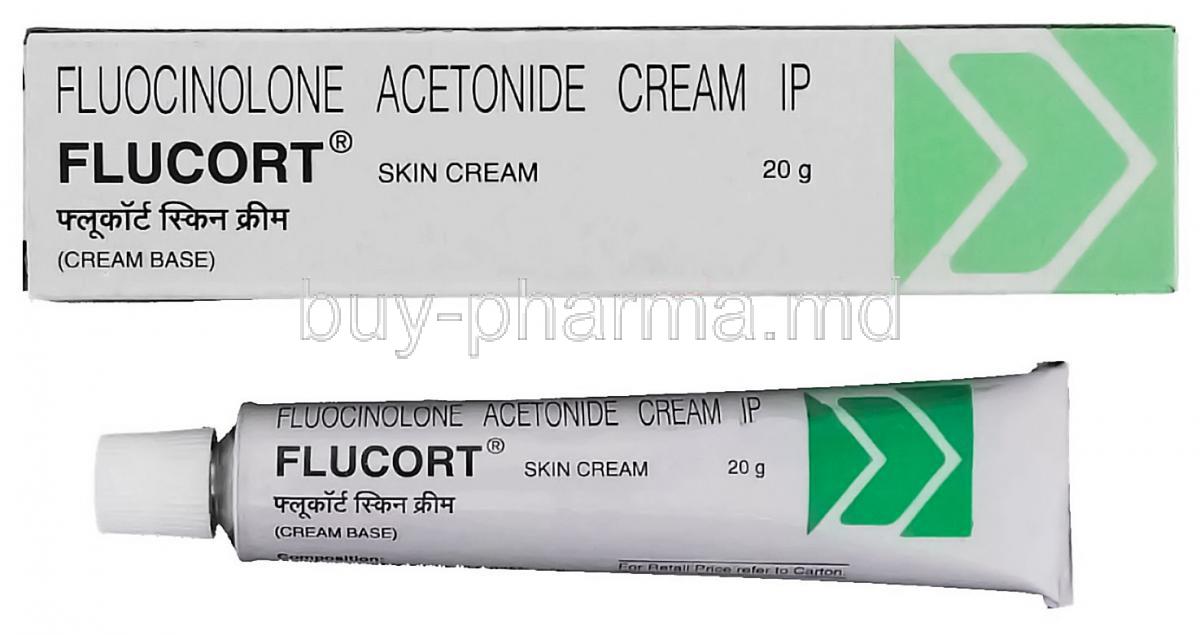
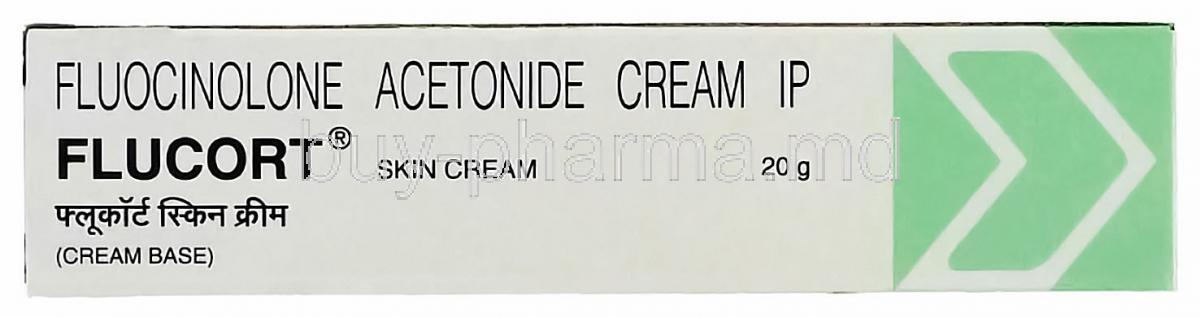
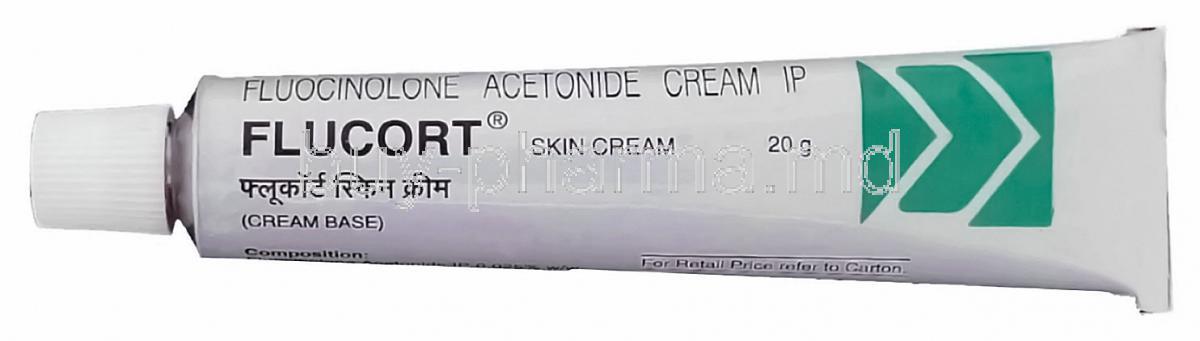
Flucort, formulated with fluocinolone acetonide, is a dermatological preparation designed to alleviate inflammatory and pruritic skin disorders. This topical corticosteroid offers targeted relief and is frequently chosen for conditions that produce persistent redness, swelling, or irritation. It delivers therapeutic benefits through localized action, minimizing systemic absorption.
1.2 Classification as a Topical Corticosteroid
Fluocinolone acetonide belongs to the class of synthetic topical corticosteroids. These agents exert anti-inflammatory, antipruritic, and vasoconstrictive properties. The medication is categorized within the mild-to-moderate potency range, making it suitable for recurrent dermatoses.
1.3 Therapeutic Role in Dermatology
This cream plays a vital role in dermatologic therapy by interrupting inflammatory cascades. It modulates cellular activity within the epidermis and dermis, providing relief from flare-ups and chronic irritation. Flucort is often integrated into treatment regimens for both short-term and maintenance therapy.
1.4 Benefits of Localized Anti-Inflammatory Action
The principal benefit lies in its ability to deliver potent anti-inflammatory effects directly to affected skin surfaces. This minimizes systemic exposure while enhancing dermal penetration.
- Rapid reduction of erythema
- Suppression of pruritic impulses
- Improved comfort in chronic dermatoses
2. Composition
2.1 Active Ingredient: Fluocinolone Acetonide Concentration and Potency
Flucort contains fluocinolone acetonide in concentrations typically ranging from 0.01% to 0.025%. This potency level allows effective symptom control while maintaining a favorable safety margin.
2.2 Inactive Ingredients and Excipients
The formulation may include stabilizers, emollients, emulsifying agents, and moisturizers. These excipients support optimal consistency and skin absorption.
- Mineral oils
- Preservatives
- Humectants
2.3 Formulation Types (Cream, Ointment, Solution, Oil)
Flucort is available in various dermatologic vehicles:
- Cream: Suitable for moist or exudative lesions
- Ointment: Ideal for dry, scaly plaques
- Solution: Beneficial for hairy areas
- Oil: Often used for scalp disorders and otic indications
2.4 Pharmacological Classification and Potency Category
Fluocinolone acetonide is classified as a low-to-moderate potency corticosteroid. It is designed to mitigate inflammation with reduced risk of skin thinning compared to higher-potency agents.
3. Uses
3.1 Primary Approved Dermatological Indications
The cream is approved for treating diverse inflammatory skin disorders, including eczema and dermatitis. It provides prompt symptom alleviation during flare-ups.
3.2 Treatment of Inflammatory Skin Disorders
Flucort targets inflammation at its source. Its corticosteroid action calms immune-mediated reactions that cause redness and discomfort.
3.3 Management of Chronic and Acute Dermatoses
Whether managing long-standing conditions or sudden exacerbations, the cream helps restore skin stability. Short treatment cycles are commonly used to prevent recurrence.
3.4 Role in Reducing Skin Redness, Swelling, and Itching
Its vasoconstrictive and anti-inflammatory effects dramatically reduce visible irritation. Patients often experience relief within a short duration.
4. Expanded Medical Uses
4.1 Atopic Dermatitis and Eczema Management
Flucort is frequently employed to treat chronic eczema and atopic dermatitis. It diminishes excessive immune responses and soothes inflamed patches.
4.2 Psoriasis Flare Control
During acute psoriasis flares, the cream can decrease plaque inflammation and discomfort. It is typically used in combination with other therapies.
4.3 Contact Dermatitis (Allergic and Irritant)
The medication is useful for reactions induced by allergens or irritants, calming erythema and discomfort.
4.4 Seborrheic Dermatitis and Scalp Inflammation
Fluocinolone oil formulations are widely used on the scalp to mitigate scaling, itching, and redness.
4.5 Lichen Simplex Chronicus and Neurodermatitis
It aids in breaking the itch–scratch cycle, restoring skin integrity and reducing hyperkeratosis.
4.6 Pruritic Skin Conditions
The cream effectively reduces pruritus of various origins, offering soothing relief.
5. Off-Label Uses
5.1 Hyperpigmentation Disorders (e.g., Melasma) in Combination Creams
Fluocinolone is a key component in certain triple-combination creams used to manage melasma. It reduces inflammation while adjunct ingredients target pigmentation.
5.2 Insect Bite Reactions
Its rapid anti-inflammatory action makes it useful for localized swelling and itching caused by insect bites.
5.3 Keloid and Hypertrophic Scar Prevention Adjunct
When used strategically, it may help soften scar tissue and minimize excessive collagen deposition.
5.4 Ear Eczema and Otic Inflammation
Specialized otic formulations support treatment of eczema and inflammation within the external ear canal.
5.5 Oral Mucosal Conditions with Specialized Formulations
Certain fluocinolone preparations designed for intra-oral use may aid in treating ulcerative lesions.
6. How It Works (Mechanism of Action)
6.1 Anti-Inflammatory Mechanisms
Fluocinolone acetonide inhibits phospholipase A2 and reduces synthesis of inflammatory prostaglandins and leukotrienes.
6.2 Immunosuppressive Effects on Cytokines and Inflammatory Mediators
It downregulates cytokine release, reducing excessive immune activity in the skin.
6.3 Vasoconstrictive Activity and Symptom Relief
By constricting dermal blood vessels, the cream helps alleviate swelling and erythema.
6.4 Reduction of Local Immune Response in Affected Skin Layers
Localized immunosuppression decreases overactive inflammatory pathways and stabilizes skin function.
7. Dosage and Administration
7.1 Standard Application Frequency and Amount
The cream is generally applied in a thin layer one to three times daily, depending on severity. Uniform distribution enhances absorption.
7.2 Duration of Therapy for Acute vs. Chronic Conditions
- Acute flares: Short, focused treatment cycles
- Chronic disorders: Intermittent or pulse therapy
7.3 Instructions for Proper Topical Application
Cleanse and dry the affected area before applying the medication. Gentle massaging promotes effective penetration.
7.4 Application on Sensitive Areas (Face, Groin, Axilla)
Use sparingly in these regions due to enhanced absorption and risk of thinning.
7.5 Maximum Daily Limits and Tapering Guidelines
Avoid exceeding prescribed amounts. Gradual tapering prevents rebound dermatitis.
7.6 Avoiding Occlusive Dressings Unless Prescribed
Occlusion greatly increases systemic absorption and should be used only under supervision.
8. Important Precautions
8.1 Avoiding Prolonged or Excessive Use
Extended application may lead to local or systemic corticosteroid effects.
8.2 Risk of Skin Atrophy with Long-Term Application
Prolonged use can cause thinning, striae, and fragility of the skin.
8.3 Avoiding Use on Open Wounds or Infections
Applying the cream on infected or broken skin may worsen the condition.
8.4 Monitoring for Worsening Symptoms or Irritation
Users should discontinue application if irritation intensifies.
8.5 Avoiding Abrupt Discontinuation After Extended Use
A gradual reduction in frequency helps prevent rebound inflammation.
9. Side Effects
9.1 Overview of Possible Dermatologic Reactions
Side effects may include irritation, dryness, or delayed skin healing. Most reactions remain mild and transient.
9.2 Expected Short-Term Irritation Responses
Temporary stinging or mild burning may occur upon application.
9.3 Risk with High-Potency or Long-Term Corticosteroid Use
Higher-potency steroids pose greater risks of atrophy, telangiectasia, and systemic absorption. Flucort’s relatively milder strength reduces but does not eliminate these risks.
10. Common Side Effects
10.1 Skin Dryness and Peeling
Dryness may develop during treatment due to reduced sebum production.
10.2 Burning, Stinging, or Itching at Application Site
These sensations are typically short-lived and diminish with continued use.
10.3 Redness or Irritation
Occasionally, the cream may cause localized redness.
10.4 Folliculitis or Acne-Like Eruptions
Blocked follicles may result in acneiform eruptions during therapy.
10.5 Mild Changes in Skin Pigmentation
Hypopigmentation or hyperpigmentation can occur but generally resolves after discontinuation.
11. Serious and Less Common Side Effects
11.1 Skin Thinning and Telangiectasia
Prolonged exposure to topical corticosteroids such as fluocinolone acetonide may result in notable thinning of the skin. This atrophic change can make the dermal surface more fragile, prone to tearing, and slower to heal. Additionally, telangiectasia—tiny, visible blood vessels—may emerge as the dermis becomes increasingly delicate.
- Higher risk on the face and intertriginous regions
- Often associated with long-term or high-frequency use
11.2 Striae Formation
Striae, or stretch mark–like dermal streaks, may appear with chronic corticosteroid use. These linear dermal scars typically manifest in areas where the skin is thin or under tension. Once formed, they may be difficult to reverse and require professional dermatologic intervention.
11.3 Hypopigmentation or Hyperpigmentation
Alterations in pigmentation can occur, leading to lighter or darker patches of skin. These changes result from corticosteroid effects on melanocyte activity.
- Hypopigmentation is more common, especially in darker skin types
- Changes may gradually resolve after discontinuation
11.4 Secondary Skin Infections
Reduced local immunity may increase susceptibility to bacterial, fungal, or viral infections. Secondary infections may present as worsening redness, pustules, or unusual discharge. Prompt evaluation is recommended if infection is suspected.
11.5 Systemic Corticosteroid Absorption Risks (Rare)
Although rare, excessive or prolonged application may lead to systemic absorption sufficient to affect hormonal pathways. Potential effects include adrenal suppression, fatigue, and metabolic imbalance. These reactions are more likely with occlusive dressings or application over large surface areas.
12. Interaction
12.1 Drug-Drug Interactions with Topical Agents
Fluocinolone may interact with other topical medications applied to the same site. These interactions can alter absorption, reduce efficacy, or heighten irritation.
12.2 Interaction with Cosmetics and Skin Care Products
Cosmetic products containing alcohol, exfoliants, or strong fragrances may intensify irritation. Spacing application by several minutes can reduce the risk of adverse reactions.
12.3 Use with Antifungals or Antibiotics
Combination therapy may be necessary for mixed infections. However, improper concurrent use may mask infection progression. Medical supervision is essential to ensure balanced therapeutic outcomes.
12.4 Potentiation of Corticosteroid Effects with Occlusion
Occlusive dressings significantly increase corticosteroid penetration. While beneficial in select cases, this can also intensify unwanted adverse effects.
12.5 Interaction Considerations for Combination Therapy
Fluocinolone is sometimes used in multi-agent regimens, such as for pigmentation disorders. Each added component may modify risk profiles, necessitating careful monitoring.
13. Warning
13.1 Avoiding Use in Untreated Skin Infections
Applying corticosteroids to infected areas may exacerbate microbial growth. Treatment should be deferred until appropriate antimicrobial therapy is initiated.
13.2 Risks of Using Potent Steroids Without Medical Supervision
Unsanctioned use of strong corticosteroids can lead to irreversible skin changes and systemic complications. Supervision ensures proper duration and potency selection.
13.3 Caution in Facial and Intertriginous Areas
These regions absorb medication more readily, increasing adverse event risk. Short courses and minimal quantities are advised.
13.4 Risk of Hormonal Axis Suppression in Excessive Use
Excessive absorption may suppress adrenal gland function. This can manifest as fatigue, weakness, or metabolic dysregulation.
13.5 Contraindication in Viral Skin Diseases (Herpes, Varicella)
Corticosteroids may worsen viral skin infections by impairing immune response. Avoid use unless directed by a specialist.
14. Contraindication
14.1 Known Hypersensitivity to Fluocinolone or Corticosteroids
Individuals with documented allergies to corticosteroids should not use the product. Hypersensitivity may present as rash, swelling, or worsening irritation.
14.2 Active Untreated Bacterial, Viral, or Fungal Infections
Applying corticosteroids to active infections may permit proliferation and worsen symptoms.
14.3 Rosacea and Acne Vulgaris
Corticosteroids may aggravate rosacea flares or induce steroid acne. These conditions respond poorly to steroid therapy.
14.4 Skin Ulcers or Broken Skin
Open wounds allow greater systemic absorption, increasing risk of complications. Healing may also be compromised.
14.5 Use in Certain Ocular Conditions (for Peri-Ocular Application)
Application near the eyes may elevate intraocular pressure or worsen infections. Specialized ophthalmic guidance is required.
15. Careful Administration
15.1 Use on Thin or Sensitive Skin Areas
Areas such as the eyelids, groin, and neck are particularly vulnerable. Minimal application is recommended to prevent atrophy.
15.2 Patients with Diabetes (Risk of Impaired Wound Healing)
Corticosteroids may delay healing or influence glucose regulation. Diabetic individuals should use topical steroids cautiously.
15.3 Long-Term Corticosteroid Therapy Monitoring
Extended treatment may require periodic evaluation to assess skin integrity and hormonal balance.
15.4 Use with Caution in Patients with Reduced Skin Integrity
Conditions such as eczema, burns, or prior steroid damage may heighten risk. Conservative use minimizes complications.
16. Administration to Elderly
16.1 Increased Susceptibility to Skin Thinning
Aging skin possesses reduced elasticity and barrier function. Corticosteroids may accelerate dermal fragility in older adults.
16.2 Adjusted Treatment Duration and Potency Considerations
Lower potency formulations and shorter courses are generally recommended.
16.3 Monitoring for Adverse Dermatologic Reactions
Regular assessments help detect early signs of irritation, bruising, or atrophy.
17. Administration to Pregnant Women and Nursing Mothers
17.1 Risk-Benefit Assessment During Pregnancy
Fluocinolone should be used only when clearly necessary. Evaluation of maternal and fetal considerations is essential.
17.2 Avoiding Application on Large Surface Areas
Wider application increases systemic absorption, which may pose developmental risks.
17.3 Systemic Absorption Considerations
Minimizing dose and duration limits the possibility of corticosteroid entering systemic circulation.
17.4 Safety During Breastfeeding and Avoidance Near Breast Area
Avoid applying near the nipples to prevent accidental infant exposure.
18. Administration to Children
18.1 Increased Absorption Risk in Pediatric Patients
Children have thinner skin and larger body-surface-to-weight ratios. This heightens systemic absorption risk.
18.2 Limiting Use to Lowest Potency and Shortest Duration
Short treatment courses and low-potency formulations safeguard pediatric health.
18.3 Avoiding Use in Diaper Areas Due to Occlusive Conditions
Diapers act as occlusive dressings, increasing absorption and risk of side effects.
18.4 Monitoring for Signs of Adrenal Suppression
Watch for fatigue, poor weight gain, or unusual lethargy—early indicators of hormonal imbalance.
19. Overdosage
19.1 Signs of Excessive Topical Corticosteroid Absorption
Symptoms may include swelling, weight gain, or elevated blood pressure. These manifestations reflect systemic corticosteroid effects.
19.2 Local Dermatologic Overuse Reactions
Overuse may cause worsening irritation, burning, or marked thinning of the skin.
19.3 Systemic Corticosteroid Toxicity Potential
Rarely, prolonged excessive application may lead to adrenal suppression or Cushing-like symptoms.
19.4 Steps to Take in Accidental Overuse
- Discontinue the medication immediately
- Wash the area with mild cleanser
- Consult a healthcare professional for evaluation
20. Storage
20.1 Recommended Storage Temperature
Store at controlled room temperature, generally between 20°C and 25°C (68°F–77°F). Avoid freezing the product.
20.2 Protecting Product from Direct Sunlight and Heat
Heat exposure may degrade active ingredients and reduce efficacy.
20.3 Shelf Life and Expiration Guidance
Do not use beyond the printed expiration date. Chemical stability decreases after this period.
20.4 Safe Storage Away from Children
Keep out of reach to prevent accidental ingestion or misuse.
21. Handling Precautions
21.1 Preventing Contamination of the Tube
Avoid touching the tube’s opening directly to the skin. This preserves product sterility.
21.2 Proper Handwashing Before and After Application
Clean hands ensure safe application and prevent unintended transfer of medication.
21.3 Avoiding Contact with Eyes, Mouth, or Mucous Membranes
These areas absorb corticosteroids rapidly and may develop irritation or adverse reactions.
21.4 Disposal Considerations for Expired or Unused Medication
Dispose of expired products according to local pharmaceutical waste guidelines. Do not discard in household drains or regular trash when avoidable.
Flucort, Fluocinolone Acetonide Cream FAQ
- What is flucort used for?
- How often should I apply Flucort cream?
- Can Flucort cream cause skin thinning?
- Does flucort cream treat fungal infections?
- How quickly does flucort cream work?
- How to apply flucort?
- What is fluocinolone acetonide cream used for?
- Is fluocinolone a strong steroid?
- What should I avoid when using fluocinolone?
- How long can I use fluocinolone?
- Is fluocinolone an antibiotic?
- Is fluocinolone acetonide strong?
What is flucort used for?
Flucort Skin Cream is effective in treating skin conditions with inflammation and itching such as eczema, psoriasis, and dermatitis. It works by reducing the actions of chemicals in the body that cause inflammation of the skin.
How often should I apply Flucort cream?
In general, apply an appropriate amount directly to the affected area one to several times a day, or spread the cream on sterilized gauze and apply it to the affected area. It may be adjusted based on symptoms. Strictly follow the instructions.
Can Flucort cream cause skin thinning?
Yes
Does flucort cream treat fungal infections?
Flucort-C Cream is used to treat and control certain fungal skin infections such as ringworm and athlete's foot (infection between toes).
How quickly does flucort cream work?
4-5 days
How to apply flucort?
Clean and dry the affected area of the skin. Then, apply a thin layer of the medicine to the affected area and gently rub it in.
What is fluocinolone acetonide cream used for?
Fluocinolone topical is used to treat the itching, redness, dryness, crusting, scaling, inflammation, and discomfort of various skin conditions, including psoriasis (a skin disease in which red, scaly patches form on some areas of the body and eczema (a skin disease that causes the skin to be dry and itchy
Is fluocinolone a strong steroid?
Fluocinolone is a low-to-medium potency topical steroid;
What should I avoid when using fluocinolone?
Avoid using topical fluocinolone oil on your face, groin, or armpits unless your health care provider instructed you to do so.
How long can I use fluocinolone?
No longer than 2 weeks
Is fluocinolone an antibiotic?
No
Is fluocinolone acetonide strong?
No
Customers also bought
Popular Products
Similar Product