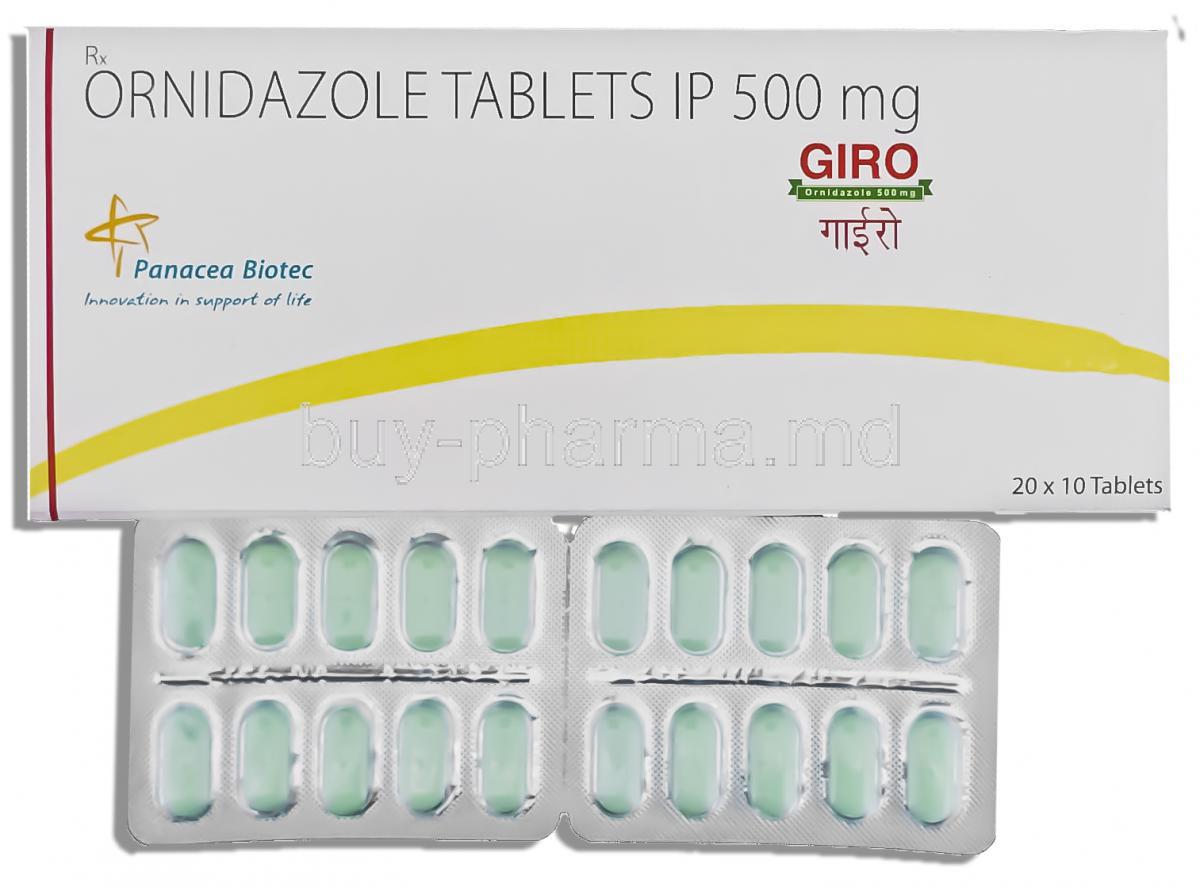
Introduction to Giro (Ornidazole)
Giro (Ornidazole) is a potent antimicrobial agent belonging to the nitroimidazole class of drugs, primarily used to combat anaerobic bacterial and protozoal infections. It demonstrates remarkable efficacy in treating infections where oxygen-independent organisms thrive, making it an essential therapy in modern medicine.
Developed as an advancement over older nitroimidazoles like metronidazole, Ornidazole exhibits longer duration of action, superior tissue penetration, and better gastrointestinal tolerability. Since its introduction in the 1970s, it has become a cornerstone in the treatment of parasitic diseases such as amoebiasis and giardiasis.
Approved globally under various brand names including Giro, Dazolic, Ornidyl, and Tiberal, this medication continues to be widely prescribed across Asia, Europe, and South America for its broad antimicrobial spectrum and clinical reliability.
Composition and Formulation
The active ingredient in Giro is Ornidazole, a synthetic nitroimidazole derivative characterized by its lipophilic nature, allowing excellent tissue diffusion and penetration into abscesses and the central nervous system. Its molecular formula is C7H10ClN3O3, and its chemical structure contains a nitro group that is critical to its antimicrobial mechanism.
- Dosage Forms: Tablets (250 mg, 500 mg, 1000 mg), intravenous infusions, and oral suspensions.
- Excipients: Lactose monohydrate, microcrystalline cellulose, starch, and magnesium stearate.
- Bioavailability: Approximately 90% after oral administration, with a plasma half-life of 12–15 hours ensuring prolonged efficacy.
Mechanism of Action: How Ornidazole Works
Once absorbed, Ornidazole undergoes nitro group reduction within anaerobic cells, producing reactive nitro radicals that interact with microbial DNA. These radicals cause strand breakage and inhibition of nucleic acid synthesis, leading to irreversible cell death.
Its activity extends to a wide range of anaerobic bacteria and protozoa, including Entamoeba histolytica, Giardia lamblia, and Trichomonas vaginalis. Furthermore, Ornidazole’s extended half-life allows once or twice daily dosing, improving patient compliance. Resistance remains relatively uncommon, though cross-resistance with metronidazole has been observed in rare clinical isolates.
Approved Medical Uses
Bacterial Infections
- Anaerobic infections: Intra-abdominal abscesses, gynecological infections, and respiratory tract infections.
- Dental infections: Periodontal disease, alveolar abscess, and postoperative prophylaxis.
- Prophylaxis: Prevention of anaerobic infections in colorectal or gynecologic surgeries.
Protozoal Infections
- Amoebiasis: Effective against both intestinal and hepatic forms.
- Giardiasis: Provides rapid relief from intestinal symptoms and eradicates infection with short treatment courses.
- Trichomoniasis: Treats both symptomatic and asymptomatic infections in males and females.
Other Indicated Uses
- Bacterial vaginosis due to anaerobic pathogens.
- Ulcerative gingivitis and periodontal infections where mixed bacterial flora are present.
Off-Label and Investigational Uses
Beyond its approved uses, Ornidazole has gained recognition for several off-label applications in infectious disease management:
- Adjunctive therapy in Helicobacter pylori eradication regimens.
- Treatment of refractory or recurrent anaerobic infections unresponsive to other agents.
- Management of Crohn’s disease-related abscesses and perianal fistulas.
- Combination therapy in mixed parasitic-bacterial intestinal infections.
Dosage and Administration Guidelines
- Adults: 500–1000 mg once or twice daily, depending on the infection type.
- Children: 20–40 mg/kg/day in divided doses, adjusted to body weight.
- Amoebiasis: Typically 10 days of therapy for intestinal infection, extended to 20 days for hepatic involvement.
- Giardiasis and Trichomoniasis: 3–5 days of therapy may suffice for complete resolution.
- Route of Administration: Oral route preferred; intravenous infusion reserved for severe or hospitalized cases.
Compliance with the full prescribed course is vital to prevent recurrence or resistance.
Administration in Special Populations
Administration to Elderly Patients
Due to potential pharmacokinetic alterations in elderly individuals, dosage adjustment may be necessary. Regular monitoring of liver and kidney function helps ensure safe drug clearance and minimizes toxicity risks.
Administration to Pregnant Women and Nursing Mothers
Animal studies indicate minimal teratogenicity, but Ornidazole should be avoided during the first trimester unless absolutely necessary. During later stages of pregnancy, it may be prescribed under strict medical supervision. Trace amounts are excreted in breast milk, so temporary cessation of breastfeeding may be advisable during therapy.
Administration to Children
Ornidazole demonstrates an acceptable safety profile in pediatric populations when dosed appropriately. Pediatric suspensions and oral formulations are preferred to ensure accurate dosing and tolerability. Prolonged therapy should be monitored for gastrointestinal and neurological symptoms.
Side Effects and Adverse Reactions
Common Side Effects
- Nausea or mild vomiting
- Metallic or bitter taste
- Dizziness, fatigue, or drowsiness
- Abdominal cramps, bloating, or diarrhea
Serious or Rare Adverse Effects
- Neurotoxicity: Tremors, peripheral neuropathy, or convulsions.
- Allergic reactions: Rash, urticaria, or pruritus.
- Hepatic toxicity: Elevated liver enzymes or jaundice with prolonged use.
- Hematologic disturbances: Leukopenia or thrombocytopenia in rare cases.
Drug Interactions
- Alcohol: Avoid concurrent use to prevent disulfiram-like reactions such as flushing, nausea, and tachycardia.
- Warfarin: May potentiate anticoagulant effects, necessitating INR monitoring.
- Phenobarbital and Phenytoin: Induce hepatic enzymes that accelerate Ornidazole metabolism, reducing its efficacy.
- Lithium and Cyclosporine: May increase serum drug levels, requiring careful monitoring.
Clinicians often recommend spacing Ornidazole doses from interacting drugs and conducting periodic liver function assessments during combined therapy.
Giro (Ornidazole) remains an invaluable therapeutic agent in the management of anaerobic and protozoal infections, combining potent antimicrobial efficacy with a favorable safety profile and extended duration of action.
Warnings and Important Precautions
While Ornidazole demonstrates excellent therapeutic efficacy, its administration demands vigilant precaution. Certain conditions, behaviors, and physiological states can amplify adverse reactions or diminish efficacy.
- Avoidance of Alcohol: Ethanol consumption must be strictly avoided during and at least 48 hours after treatment. The interaction between Ornidazole and alcohol can trigger a disulfiram-like reaction, causing flushing, nausea, vomiting, palpitations, and severe hypotension.
- Central Nervous System (CNS) Precaution: Patients with a history of epilepsy, peripheral neuropathy, or other neurological disorders are at a higher risk of neurotoxicity, including dizziness, ataxia, or convulsions. Regular neurological assessments are advised.
- Hepatic and Renal Monitoring: Long-term therapy warrants routine evaluation of liver enzymes and renal function to prevent accumulation and toxicity. Dose reduction may be necessary in compromised hepatic or renal states.
- Driving and Machinery Operation: Ornidazole may induce drowsiness, confusion, or impaired coordination. Activities requiring alertness, such as driving or operating heavy machinery, should be avoided until individual tolerance is confirmed.
Contraindications
Ornidazole should not be prescribed under specific conditions due to the potential for severe adverse reactions or contraindicated physiological interactions.
- Hypersensitivity: Patients with known allergic reactions to Ornidazole or related nitroimidazoles (such as metronidazole or tinidazole) must avoid use.
- Blood Dyscrasias or CNS Disorders: Individuals with preexisting hematological abnormalities or neurological disorders should not receive this therapy.
- Severe Hepatic Impairment: Impaired hepatic metabolism can lead to accumulation and toxicity; thus, use is contraindicated in advanced liver disease.
- Pregnancy: Use during the first trimester is contraindicated unless the potential benefit justifies the possible risk to the fetus. Teratogenicity studies suggest caution during early gestation.
Careful Administration and Monitoring
Administering Ornidazole in special populations or under specific physiological conditions necessitates prudent medical supervision. Periodic assessments ensure safety and efficacy.
- Liver Dysfunction: Patients with mild to moderate hepatic impairment require dosage adjustment to avoid accumulation and hepatotoxicity.
- Renal Insufficiency and Seizure Disorders: Caution is recommended since reduced renal clearance or seizure susceptibility may enhance drug toxicity.
- Polypharmacy Consideration: In patients receiving multiple medications, potential drug-drug interactions should be reviewed to prevent potentiation or inhibition of Ornidazole metabolism.
- Laboratory Monitoring: Periodic blood counts and liver enzyme tests are recommended during prolonged therapy to detect early hematologic or hepatic abnormalities.
Overdosage and Emergency Management
An Ornidazole overdose can manifest with a constellation of neurological and gastrointestinal symptoms requiring prompt medical intervention.
- Clinical Manifestations: Overdose may cause nausea, vomiting, dizziness, confusion, disorientation, and in severe cases, seizures or peripheral neuropathy.
- Immediate Actions: Perform gastric lavage followed by the administration of activated charcoal to minimize systemic absorption.
- Supportive Therapy: Management includes intravenous hydration, electrolyte balance, and anticonvulsants if seizures occur.
- Monitoring: Continuous cardiac and neurological observation is essential until full recovery is achieved. There is no specific antidote for Ornidazole toxicity.
Handling and Storage Precautions
Proper handling and storage maintain Ornidazole’s therapeutic stability and prevent degradation.
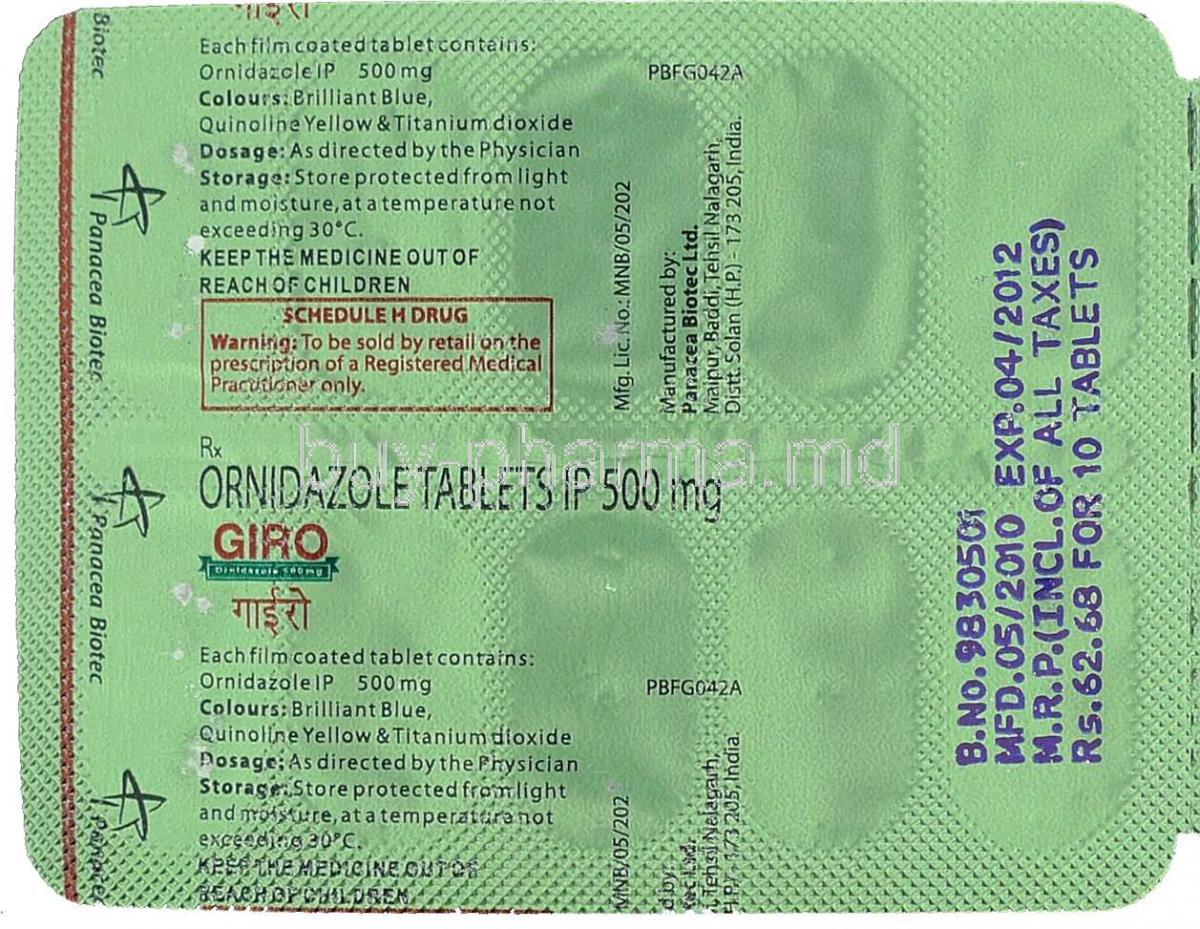
- Storage Conditions: Keep in a cool, dry environment below 30°C. Protect from direct sunlight and humidity.
- Shelf Life: Typically stable for 24–36 months under appropriate storage. Check expiry before use.
- Safe Handling: Healthcare professionals should handle with clean, dry hands or disposable gloves in hospital settings.
- Disposal: Expired or unused tablets should be disposed of following local pharmaceutical waste regulations to avoid environmental contamination.
Clinical Pharmacology and Pharmacokinetics
Ornidazole exhibits favorable pharmacokinetic properties that underpin its clinical utility. It is rapidly absorbed, extensively distributed, and efficiently metabolized.
- Absorption: Nearly complete oral absorption, with peak plasma concentration achieved within 2–3 hours.
- Distribution: Wide tissue penetration, including cerebrospinal fluid, bile, and abscess cavities.
- Metabolism: Primarily hepatic via oxidation and glucuronidation pathways, producing active metabolites.
- Excretion: Approximately 60–70% excreted through urine, with a smaller fraction via feces.
- Half-Life: Extended elimination half-life of 12–15 hours supports once or twice daily dosing.
- Influence of Food and Disease: Food may delay but does not significantly affect absorption. Hepatic impairment prolongs elimination, necessitating dose adjustment.
Patient Counseling and Education
Effective patient education ensures adherence and minimizes complications. Healthcare providers should emphasize safety instructions and recognition of adverse reactions.
- Proper Use: Complete the full prescribed course even if symptoms resolve early to prevent relapse or resistance.
- Alcohol Restriction: Avoid alcohol during and for 48 hours post-therapy to prevent severe reaction.
- Side Effect Awareness: Inform patients about potential mild side effects such as metallic taste or nausea and instruct them to report severe neurological symptoms immediately.
- Medical Attention: Seek urgent care if seizures, jaundice, or allergic reactions occur.
- Follow-Up Testing: Regular follow-ups and laboratory evaluations help ensure infection eradication and drug safety, particularly in chronic or recurrent infections.
Summary and Key Takeaways
Ornidazole remains a cornerstone antimicrobial for treating anaerobic and protozoal infections, prized for its potency, long half-life, and favorable safety profile. When administered judiciously, it offers excellent clinical outcomes with minimal toxicity.
- Occupies a critical position among nitroimidazole derivatives with improved pharmacokinetics over metronidazole.
- Requires cautious use in hepatic or neurological conditions to prevent adverse effects.
- Comprehensive patient monitoring and adherence to dosage guidelines enhance therapeutic success.
- Its efficacy, combined with convenience of dosing, ensures enduring value in antimicrobial therapy.


Giro, Ornidazole FAQ
Popular Products
Similar Product