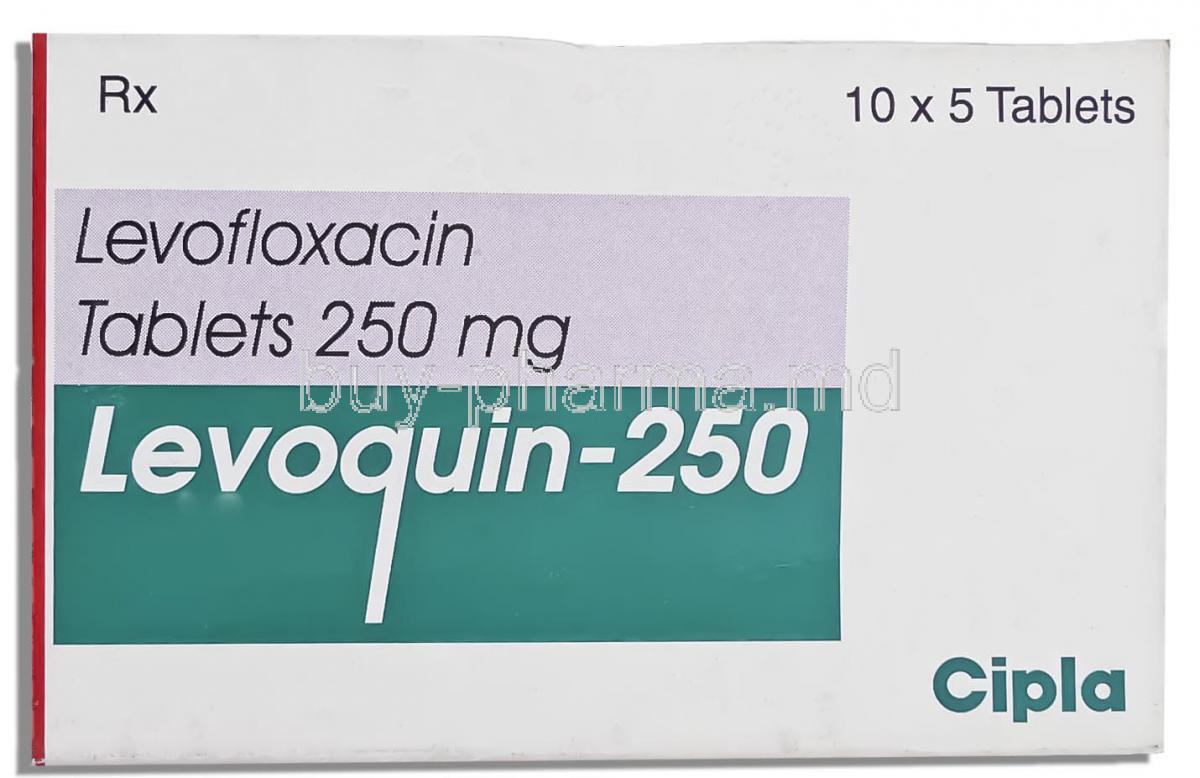
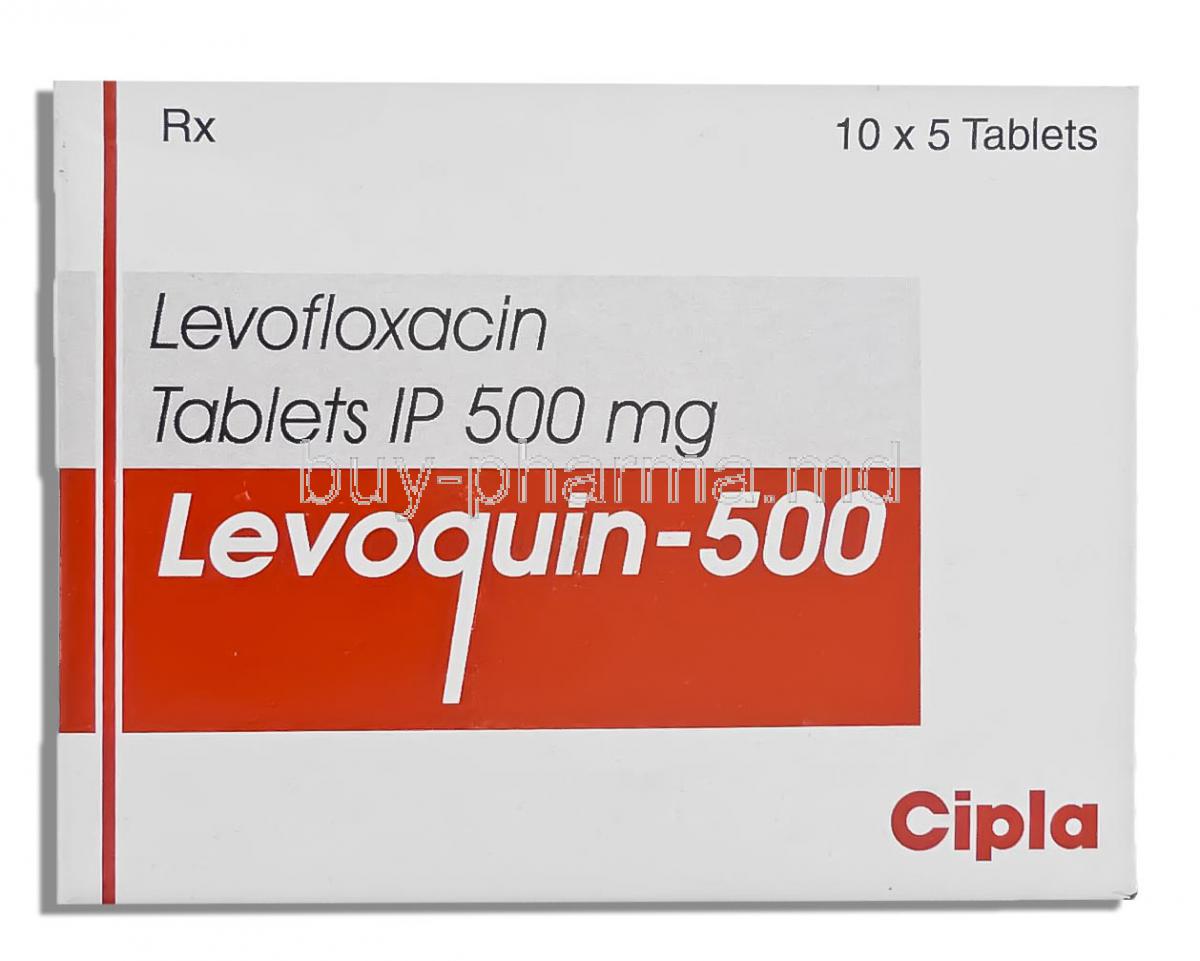
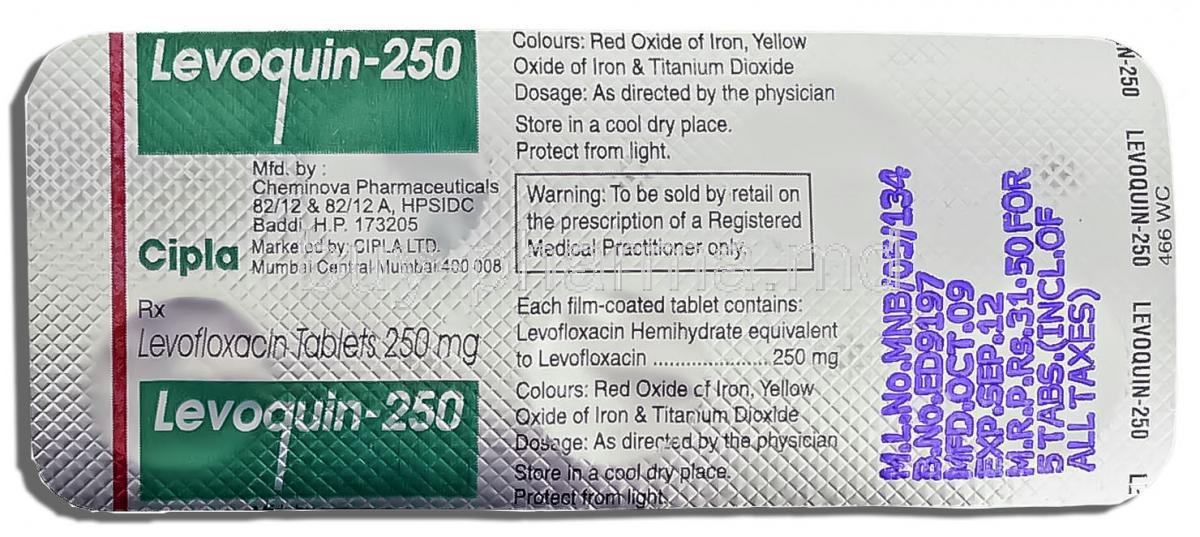
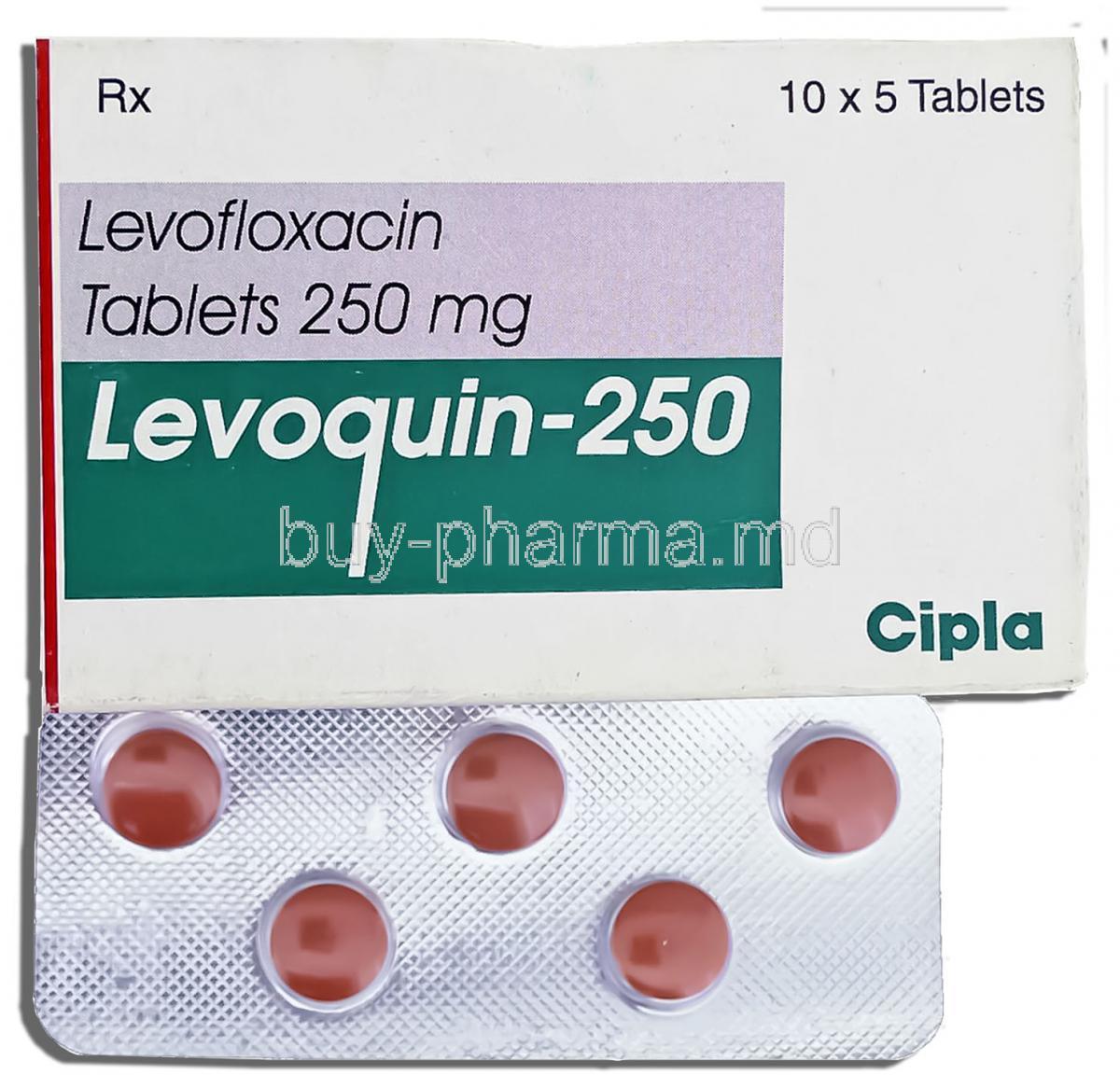
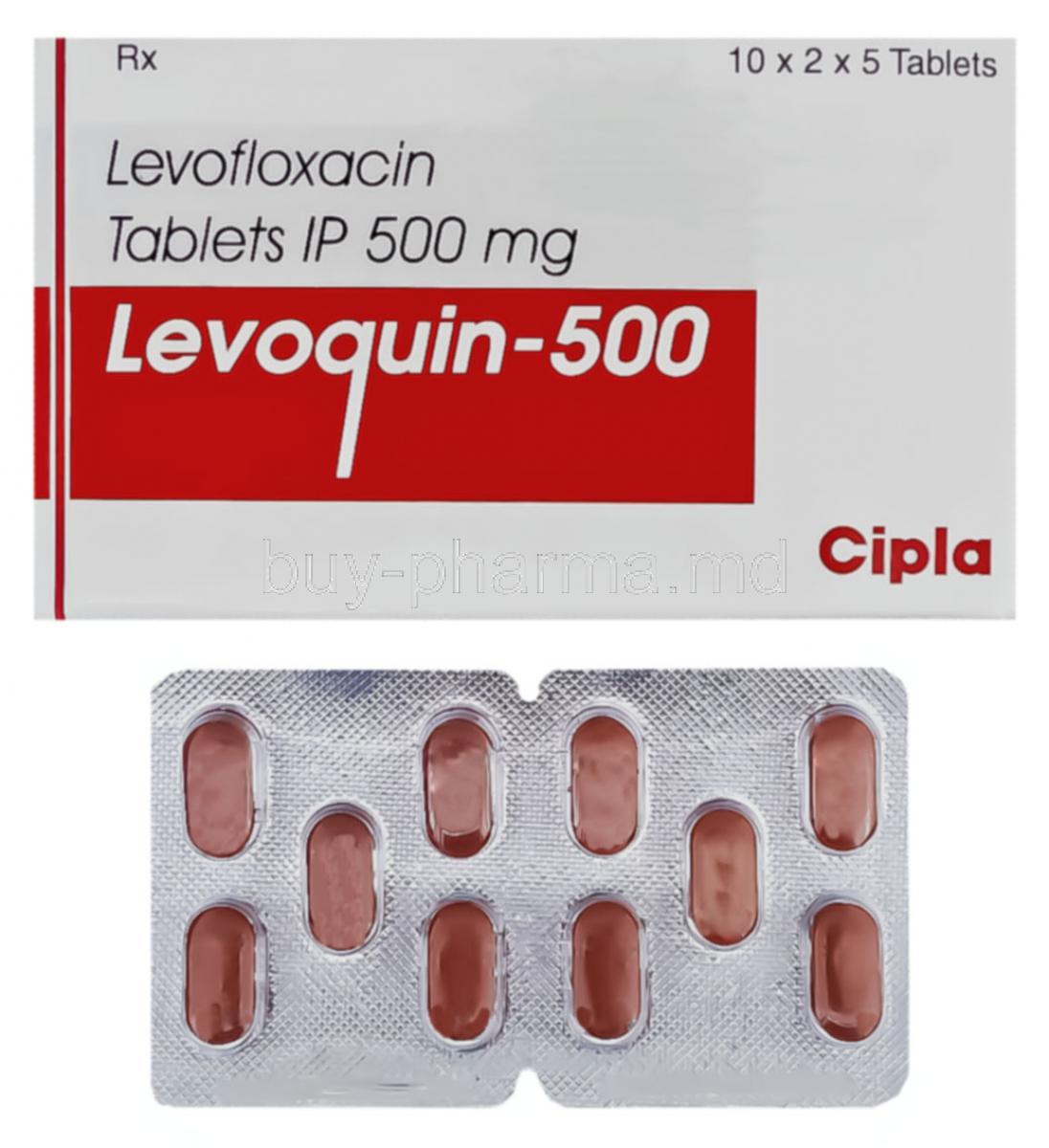
1. Introduction to Levoquin (Levofloxacin Tablet)
Levoquin contains levofloxacin, a distinguished member of the fluoroquinolone antibiotic class. It is employed to eradicate pathogenic bacteria responsible for diverse systemic infections. This agent exerts formidable antimicrobial potency and is a linchpin in many empirically designed regimens.
Its relevance continues to escalate in modern antimicrobial therapeutics, particularly when swift bactericidal eradication is sought. Utilisation is widespread across multiple continents — from Asia to Europe — owing to its broad-spectrum coverage.
- Used in community and hospital settings
- Applicable in acute and chronic infection phases
- Optimised for high oral bioavailability
Broad-spectrum characteristics enable it to target Gram-positive, Gram-negative, and atypical organisms efficiently.
2. Composition and Pharmaceutical Formulation
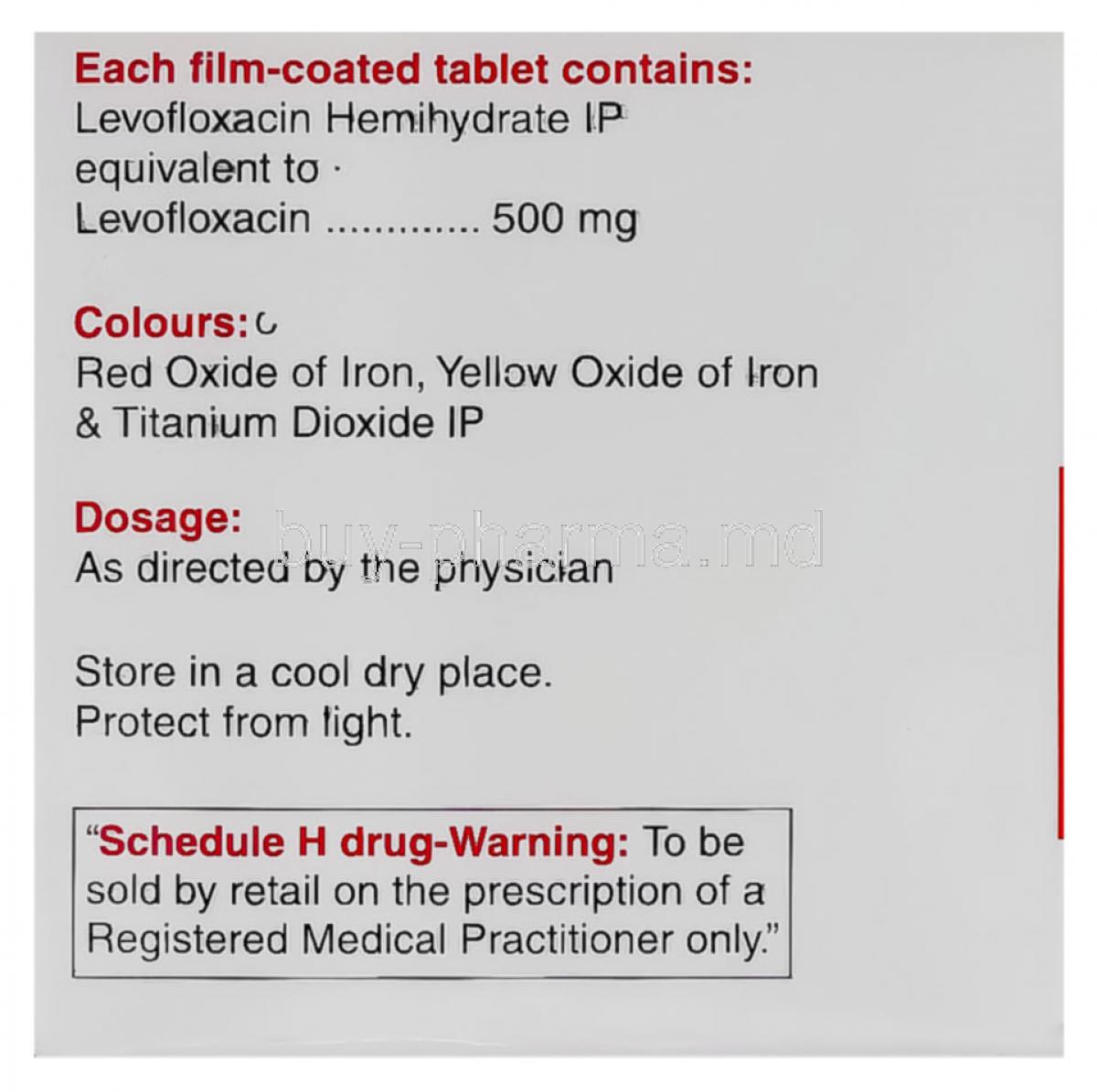
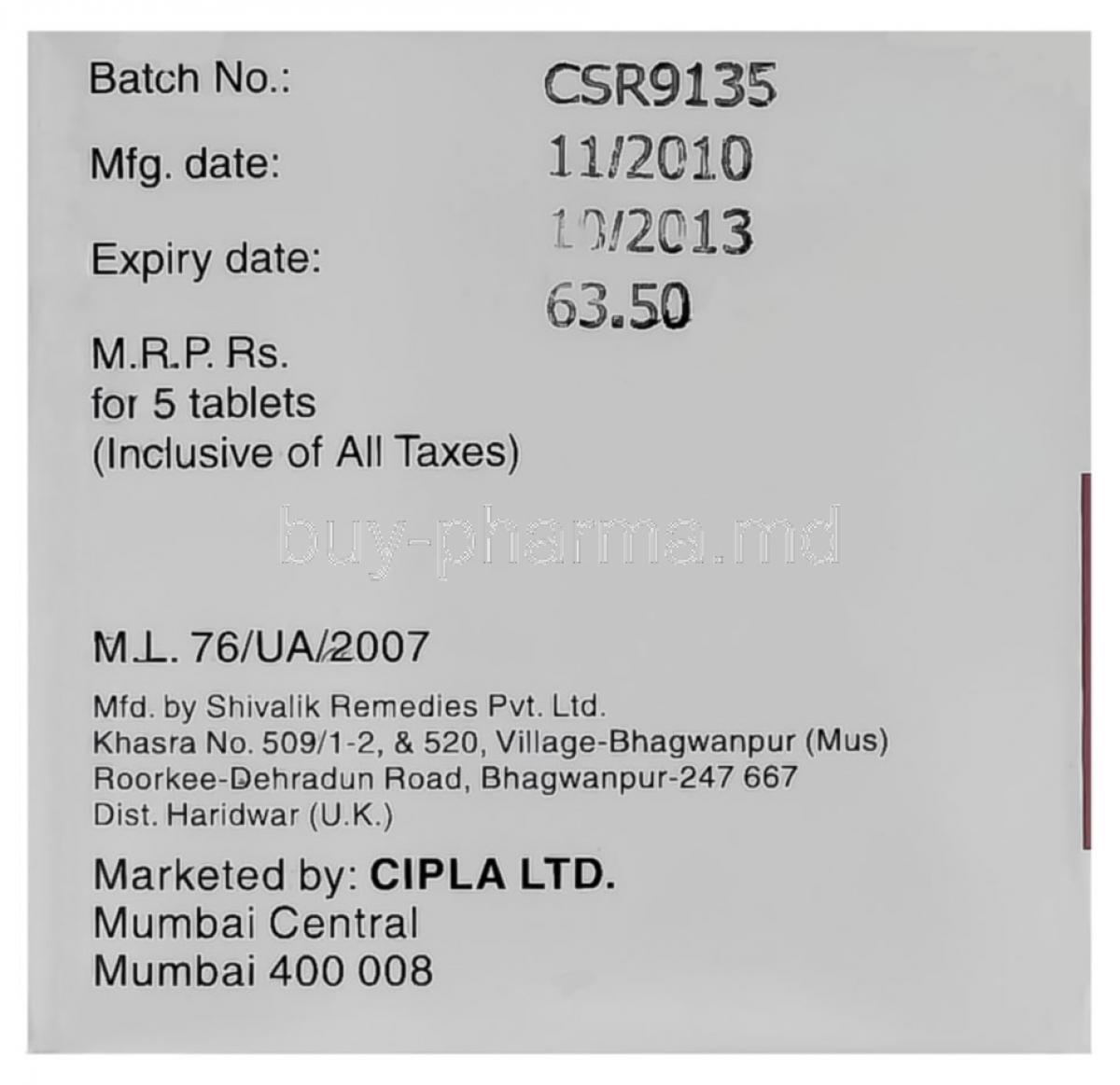
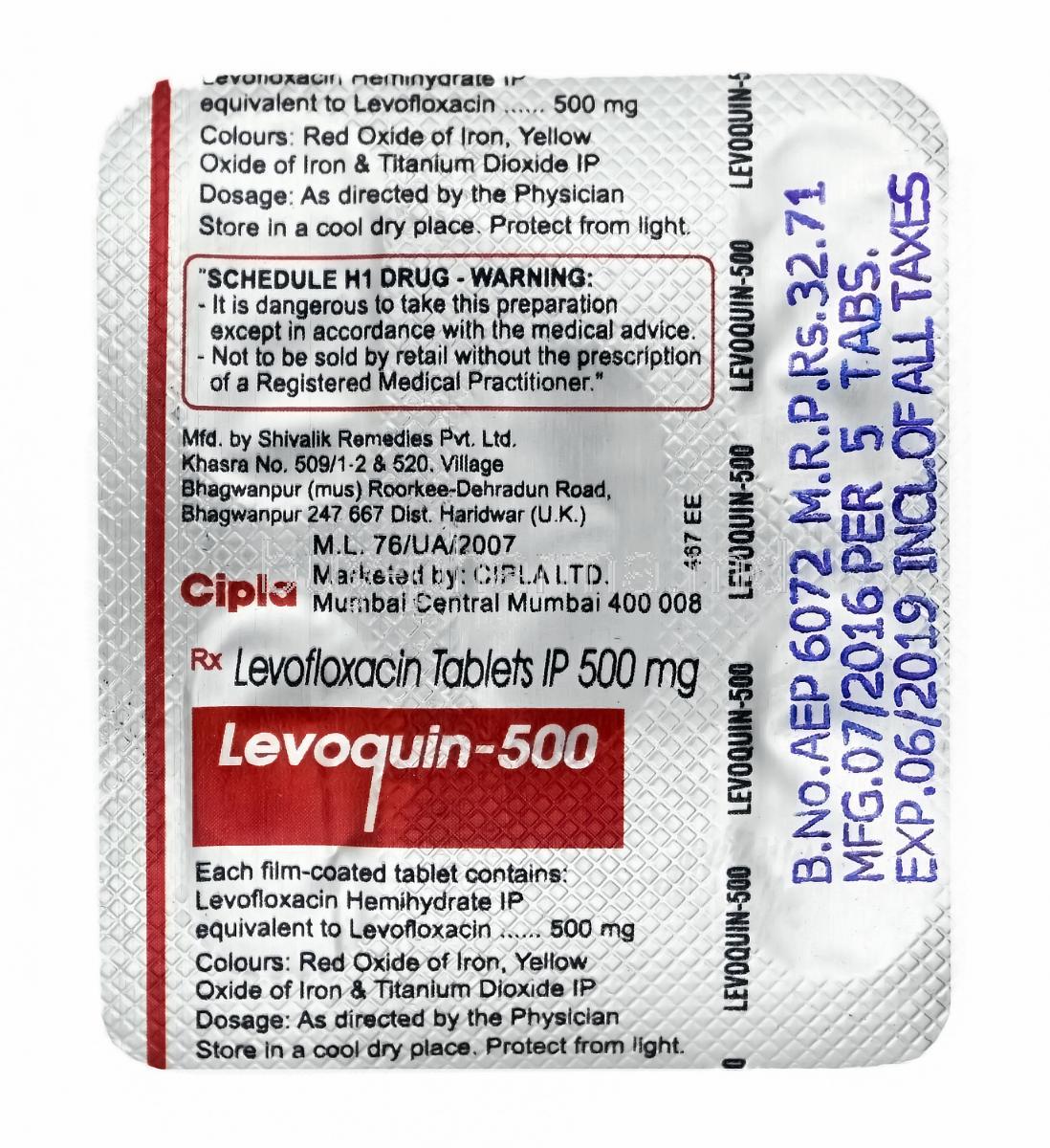
Levoquin tablets deliver the active pharmaceutical substance Levofloxacin at therapeutic concentration. Tablets are manufactured in standardized strengths suitable for titration and clinical protocol alignment.
- Common strengths: 250 mg, 500 mg, 750 mg
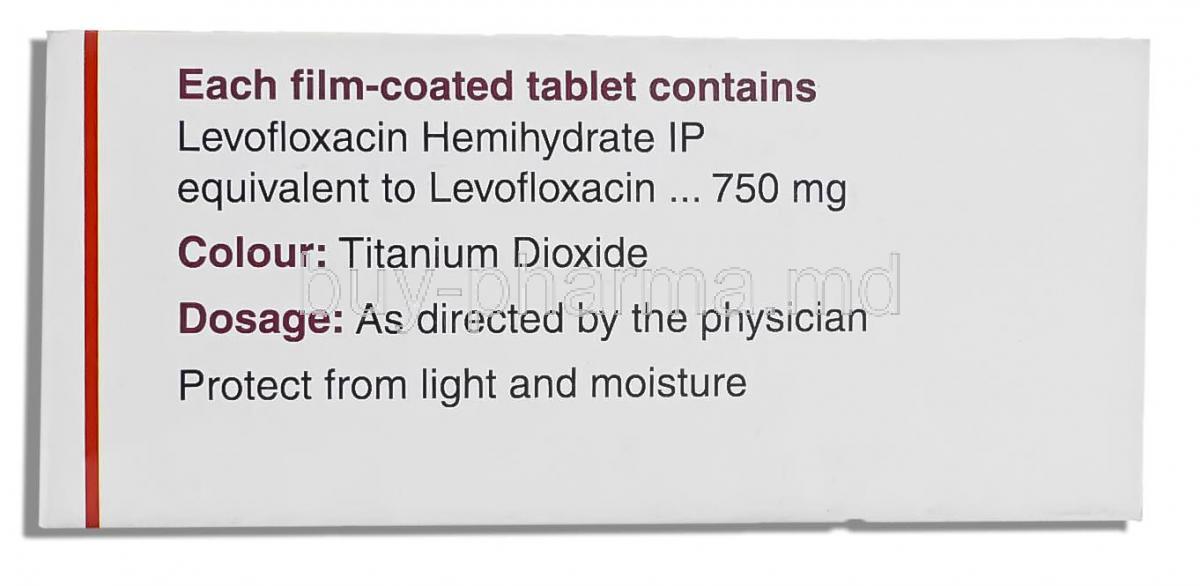
- Film-coated tablets enhance swallowing compliance
Pharmaceutical excipients such as binders and disintegrants are selected to improve dissolution kinetics and intestinal uptake, thereby enhancing plasma exposure and systemic penetration.
3. Mechanism of Action — How Levoquin (Levofloxacin) Works
Levoquin inhibits two essential bacterial enzymes: DNA gyrase and topoisomerase IV. These enzymes are crucial for DNA replication, chromosomal supercoiling control, and transcription coordination.
The outcome is outright bactericidal destruction rather than mere suppression. This makes the kinetic profile clinically potent.
Pharmacodynamic behavior is concentration-dependent, with therapeutic efficacy correlated to AUC/MIC ratios. This makes dose optimisation clinically significant.
4. Approved Uses and Indications
Indications include, but are not limited to:
- Respiratory tract infections such as pneumonia and bronchitis exacerbation
- Urinary tract infections including complicated and uncomplicated UTI
- Pyelonephritis where high tissue diffusion is beneficial
- Skin and soft tissue infections
- Bacterial sinusitis
- Post-exposure prophylaxis for inhalational anthrax (FDA approved)
5. Off-Label Uses and Non-Approved Indications
Levoquin is occasionally utilized in domains outside labelled mandates when evidence-based or niche-scenario driven:
- Chronic prostatitis regimens
- Select nontuberculous mycobacterial infections
- Traveler’s diarrhoea when organism susceptibility known
- MDRO suppression when stewardship-approved
- Empiric sepsis therapy per hospital protocol
6. Dosage and Administration
Dosage varies per indication. Typical adult dosing falls within 250 mg to 750 mg once daily depending on infection severity.
Renal adjustment is mandatory for compromised renal clearance. The oral preparation exhibits near equivalent systemic availability to IV form — this allows seamless step-down conversion.
- Administer once daily in most scenarios
- Avoid co-administration with cationic antacids
- Food slightly delays absorption but does not reduce exposure
7. Important Precautions and Clinical Monitoring
Musculoskeletal tendon injury is a highlighted adverse hazard — particularly Achilles tendon degeneration. QT prolongation and arrhythmic potential require vigilance in cardiac-vulnerable subjects.
- Monitor blood glucose (risk of severe dysglycaemia)
- Assess neurological side effects (insomnia, seizure precipitation)
- Evaluate tendon discomfort promptly
8. Contraindications
Use is contraindicated in:
- Known hypersensitivity to any fluoroquinolone antibiotic
- Previous tendon rupture associated with fluoroquinolone intake
- Severe epileptogenic CNS abnormality
9. Careful Administration (Use with Caution)
Prudence is required in individuals with electrolyte disequilibrium such as hypokalaemia or hypomagnesaemia, as these conditions amplify arrhythmogenic predisposition.
Additional cautionary conditions:
- Cardiac disease (prior QT issues, ventricular ectopy)
- Renal insufficiency (dose modification critical)
- Concurrent corticosteroid usage (enhanced tendon rupture probability)
```html
10. Side Effects and Adverse Reaction Profile
Adverse reactions may manifest abruptly or insidiously. Some are categorised as serious boxed risk phenomena, representing clinically consequential toxicodynamics that warrant immediate medical discontinuation.
- Tendon rupture or tendinopathy
- Peripheral neuropathy with sensory distortion
- Severe arrhythmic QT prolongation potential
- Central nervous excitatory effects including hallucination
Rare but clinically significant toxicities may involve hepatic cytolytic injury, severe cutaneous eruption (e.g. toxic epidermal necrolysis), or immune-mediated sequelae.
10.1 Common Side Effects
More mundane adverse manifestations are still troublesome. They may impair functional well-being and require supportive mitigation.
- Gastrointestinal distress — nausea, abdominal colic, diarrhoeal flux
- Cephalalgia, vertiginous sensation, sleep dysregulation
- Dysgeusia — altered taste recognition
- Mild transaminase elevation
- Localised myalgia or skeletal discomfort
11. Drug Interactions
Pharmacokinetic and pharmacodynamic interactions influence systemic exposure and therapeutic performance.
- Chelation with polyvalent cations — magnesium, calcium, iron and aluminium containing antacids bind and impede intestinal uptake
- Co-administration with QT-prolonging agents amplifies ventricular repolarisation hazard
- Potentiation of warfarin effect — exaggerated INR fluctuation
- Synergistic glycaemic disturbance with sulfonylureas or insulin
12. Administration in Special Populations
12.1 Elderly Patients
Older individuals harbour higher prevalence of reduced renal filtration. This heightens systemic exposure unless dose-adjusted meticulously.
Tendons degenerate with senescence. Consequently, rupture risk becomes markedly augmented in this cohort.
12.2 Pregnant Women & Nursing Mothers
Placental diffusion of levofloxacin is documented. Breast milk transfer also occurs and may expose the neonate.
- Not recommended during gestation
- Cautionary position during lactation
12.3 Paediatric Use
Pediatric skeletal growth plate physiology remains susceptible. Fluoroquinolone exposure may perturb cartilaginous matrix development, hence general avoidance.
Exceptional utilisation only when alternative antibacterials are non-viable and pathogenic severity is considerable.
13. Overdosage and Toxicity Management
Overexposure symptoms may include severe dizziness, QT disruption, or gastroenteric irritability.
- Immediate supportive stabilisation
- Electrocardiographic surveillance in arrhythmic predisposed subjects
- Activated charcoal in acute ingestion windows
Dialysis is generally of minimal utility due to extensive tissue distribution and lack of significant dialysability.
14. Storage and Stability Requirements
Maintain under controlled room temperature parameters. Protect against thermal spikes and excessive humidity.
- Store in sealed pack
- Avoid prolonged direct light exposure
- Keep away from wet-zones such as bathrooms
15. Handling Precautions
Avoid crushing unless explicitly directed. Film-coating optimises pharmacokinetics.
- Dispose unused tablets via pharmaceutical return channels
- Do not flush — contamination fosters antimicrobial resistance proliferation
```
 Verified Purchase
Great company selling quality products
Company sells quality products that work as prescribed. Customer service is awesome this company operates in a very safe and secure environment the customer service immediately respond by email definitely will buy again!
Levoquin, Levofloxacin Tablet FAQ
- What is Levaquin antibiotic used for?
- Is levofloxacin a very strong antibiotic?
- What is levofloxacin used to treat?
- What is the most common side effect of levofloxacin?
- How long does it take for levofloxacin to work for UTI?
- What should I avoid while taking levofloxacin?
- What bacteria are killed by levofloxacin?
- Is 3 days of levofloxacin enough?
- Is levofloxacin safe for kidneys?
- Can levofloxacin cause trouble sleeping?
- When to avoid levofloxacin?
- What is the success rate of levofloxacin?
- What kind of infection does levofloxacin cure?
- Can I drink coffee on levofloxacin?
- How long does levofloxacin stay in your system?
- What are the most serious side effects of levofloxacin?
- Is levofloxacin stronger than amoxicillin?
- What bacteria is resistant to levofloxacin?
- What kind of bacteria does levofloxacin treat?
- Can I stop taking levofloxacin after 7 days?
- How fast does levofloxacin work?
- What drugs interact with levofloxacin?
- Is it better to take levofloxacin in the morning or at night?
- What are the permanent side effects of levofloxacin?
- Why would a doctor prescribe levofloxacin?
- Is 5 days of levofloxacin enough?
- Can levofloxacin cause shoulder pain?
- Can I take azithromycin and levofloxacin together?
- How do you know if levofloxacin is working?
- Does levofloxacin cure an infection?
- What foods should be avoided when taking levofloxacin?
- Is levofloxacin safe for kidneys?
- How long does levofloxacin stay in your system?
- Is levofloxacin a high risk medication?
- Which antibiotic can replace levofloxacin?
What is Levaquin antibiotic used for?
Levofloxacin is employed to combat infections across a spectrum of body sites. Following exposure to anthrax, it forms part of the arsenal. Moreover, it can be used both to treat and to prevent plague encompassing the septicemic forms.
Is levofloxacin a very strong antibiotic?
Levofloxacin is an antibiotic and it’s typically held in reserve for infections that are labeled "difficult to treat.”
What is levofloxacin used to treat?
Levofloxacin is FDA‑approved for treating pneumonia, acute bacterial rhinosinusitis, acute bacterial exacerbation of chronic bronchitis, acute bacterial prostatitis, acute pyelonephritis, urinary‑tract infection, skin or skin‑structure infections, and, for prophylaxis.
What is the most common side effect of levofloxacin?
- Vomiting
- Headache
- Insomnia
- Dizziness
- Diarrhea
How long does it take for levofloxacin to work for UTI?
1 to 2 hours
What should I avoid while taking levofloxacin?
- antacids
- calcium
- iron
- zinc products
What bacteria are killed by levofloxacin?
Is 3 days of levofloxacin enough?
In adult patients, oral levofloxacin is commonly prescribed at a dose of 500 mg to 750 mg, with the treatment lasting from five days to two weeks.
Is levofloxacin safe for kidneys?
If someone's kidneys aren't functioning properly, the dose generally needs to be reduced.
Can levofloxacin cause trouble sleeping?
Yes
When to avoid levofloxacin?
You might notice numbness, tingling, a burning sensation, pain or weakness, in your arms or legs. You may find that your ability to feel touch, vibrations, pain, heat, or cold has changed.
What is the success rate of levofloxacin?
90%
What kind of infection does levofloxacin cure?
Levofloxacin is the antibiotic of choice for a range of infections that can appear in virtually any part of the body. If someone inhales anthrax spores, this drug is one of the treatments. It’s also employed to both fight and prevent plague covering the septicemic forms.
Can I drink coffee on levofloxacin?
Caffeine may hit harder in people who are taking levofloxacin.
How long does levofloxacin stay in your system?
7.6 hours
What are the most serious side effects of levofloxacin?
- Tendon and nerve pain
- Strain on the heart or liver
- Neurologic disturbances—such, as confusion or agitation—have been reported.
Is levofloxacin stronger than amoxicillin?
When it comes to efficacy, levofloxacin stands on par with amoxicillin‑clavulanate. Patients often find it more tolerable.
What bacteria is resistant to levofloxacin?
Haemophillus, Streptococcus, Corynebacterium, Staphylococcus, and Bordetella.
What kind of bacteria does levofloxacin treat?
Gram‑positive and Gram‑negative bacteria with respiratory pathogens.
Can I stop taking levofloxacin after 7 days?
Skipping doses can raise the chance of developing an infection that's resistant to medication.
How fast does levofloxacin work?
Levofloxacin generally requires up to three days before the symptoms start to abate.
What drugs interact with levofloxacin?
Co‑administration of sucralfate, didanosine, multivitamins, antacids, or any other drug or supplement that contains magnesium, aluminum, iron, or zinc can lower levofloxacin concentrations, potentially undermining its efficacy.
Is it better to take levofloxacin in the morning or at night?
Morning
What are the permanent side effects of levofloxacin?
Fluoroquinolone antibiotics—levofloxacin included—are linked to serious, disabling and irreversible adverse reactions that can arise together notably tendinitis and tendon rupture peripheral neuropathy and central‑nervous‑system effects.
Why would a doctor prescribe levofloxacin?
Levofloxacin is FDA‑approved to treat a range of infections including pneumonia, community‑acquired pneumonia, acute bacterial rhinosinusitis, acute bacterial exacerbations of chronic bronchitis acute bacterial prostatitis, acute pyelonephritis, urinary tract infections, skin and skin‑structure infections as well, as, for prophylactic use.
Is 5 days of levofloxacin enough?
It depends on the disease
Can levofloxacin cause shoulder pain?
Levofloxacin can trigger tendon issues in people of all ages.
Can I take azithromycin and levofloxacin together?
It turns out that adding levofloxacin to azithromycin makes the treatment more effective, for cervicitis, than using azithromycin.
How do you know if levofloxacin is working?
You’ll typically start feeling better within the days of levofloxacin treatment.
Does levofloxacin cure an infection?
Yes
What foods should be avoided when taking levofloxacin?
Dairy products
Is levofloxacin safe for kidneys?
People with reduced kidney function might need a dose.
How long does levofloxacin stay in your system?
7.6 hours
Is levofloxacin a high risk medication?
No
Which antibiotic can replace levofloxacin?
- ciprofloxacin
- moxifloxacin
- non-fluoroquinolone options such as amoxicillin/clavulanate, doxycycline, and azithromycin
Customers also bought
Popular Products
Similar Product