1. Introduction to Loteflam (Loteprednol Ophthalmic Suspension)
1.1 Overview of Loteflam
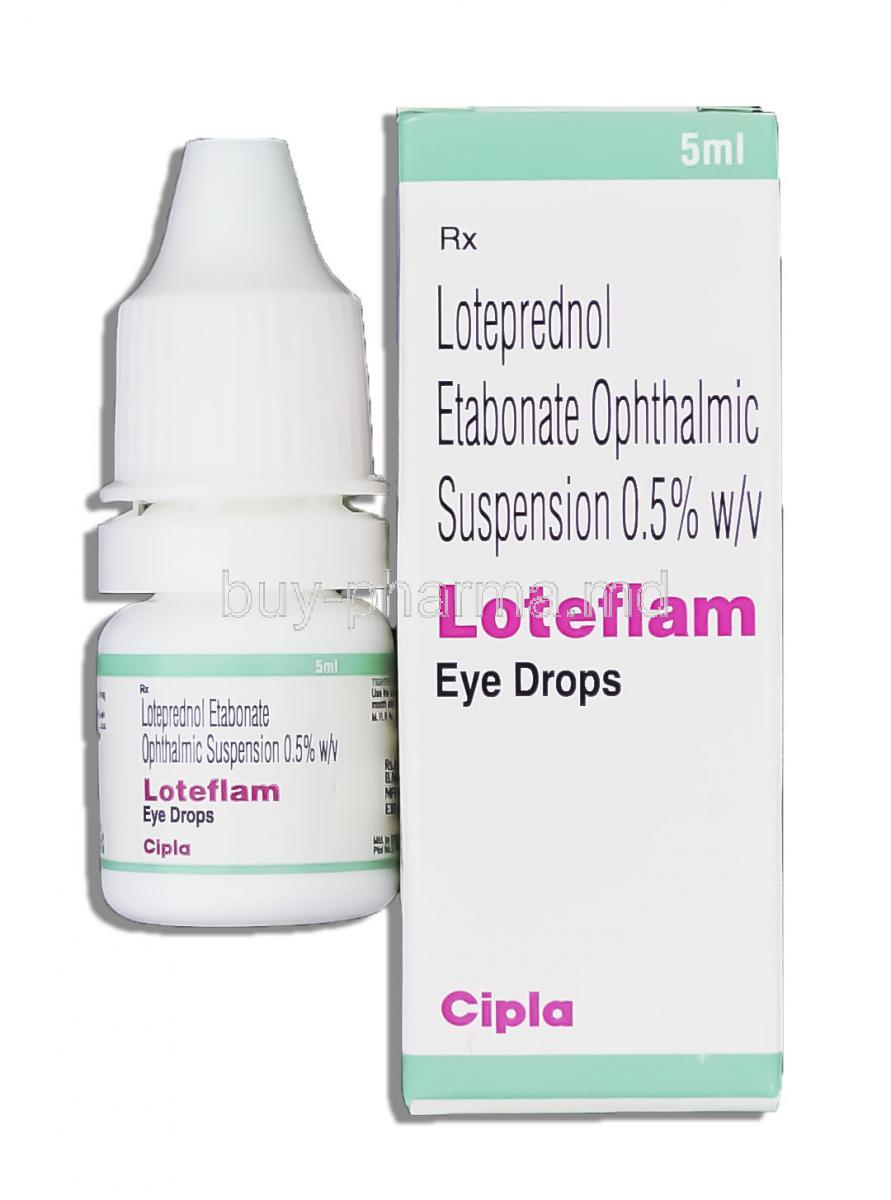
Loteflam is a prescription ophthalmic suspension formulated with a highly selective corticosteroid designed to alleviate inflammatory reactions in the eyes. It offers targeted relief, helping reduce redness, swelling, and discomfort associated with ocular inflammation. Its refined molecular structure minimizes systemic absorption, making it a preferred option for patients requiring localized anti-inflammatory effects.
1.2 Therapeutic classification: Corticosteroid ophthalmic anti-inflammatory
This medication belongs to the class of corticosteroid ophthalmic anti-inflammatory agents. These agents are engineered to modulate inflammatory pathways within the ocular tissues. By moderating immune responses, Loteflam helps restore ocular comfort and functional clarity.
1.3 When Loteflam is typically prescribed
Clinicians prescribe Loteflam for a broad spectrum of inflammatory eye conditions. It is commonly recommended:
- After ocular surgery to mitigate irritation and swelling
- During allergic flare-ups affecting the conjunctiva
- In cases of acute or chronic inflammatory disorders
1.4 Benefits and clinical relevance in ocular inflammatory diseases
Loteflam provides a potent yet tissue-friendly anti-inflammatory effect. Its benefits include:
- Rapid relief from ocular pain and irritation
- Reduced risk of steroid-induced complications
- Improved visual comfort and clarity
It plays a vital clinical role in controlling ocular surface inflammation without the heightened risks associated with traditional steroids.
2. Composition and Formulation
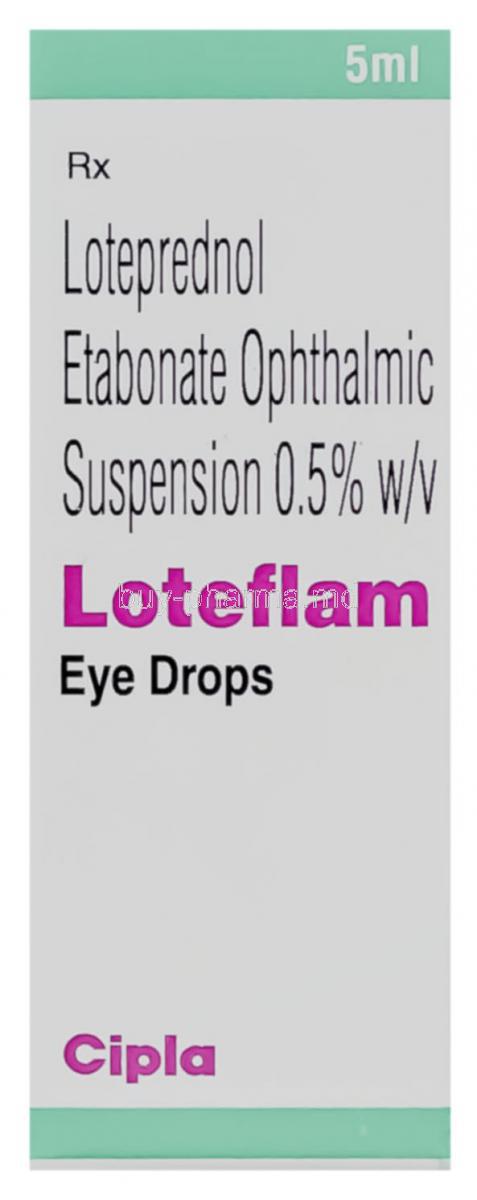
2.1 Active ingredient: Loteprednol etabonate ophthalmic suspension
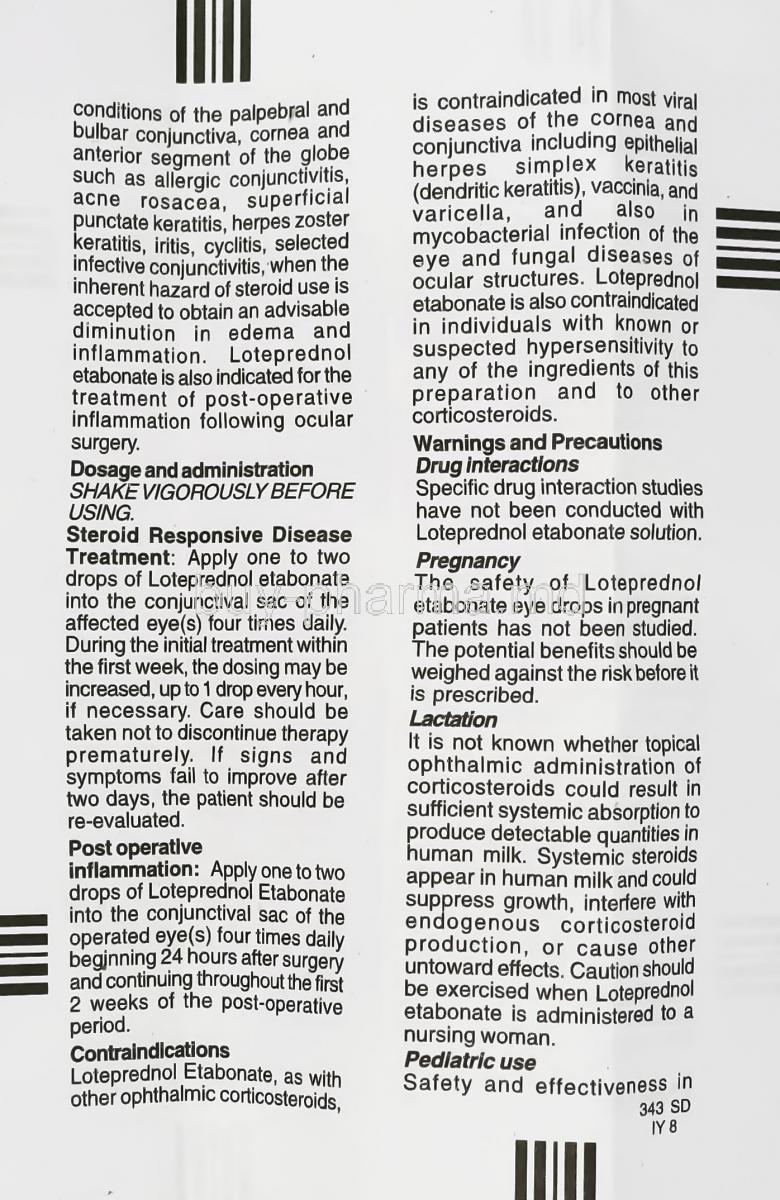
The active pharmaceutical compound is Loteprednol etabonate, a soft steroid specifically engineered to undergo rapid deactivation once absorbed systemically. This design helps limit systemic corticosteroid exposure.
2.2 Available concentrations and bottle sizes
Loteflam is available in multiple concentrations, typically 0.2% and 0.5%, packaged in sterile dropper bottles of varying volumes to suit treatment needs.
2.3 Inactive ingredients and preservative profile
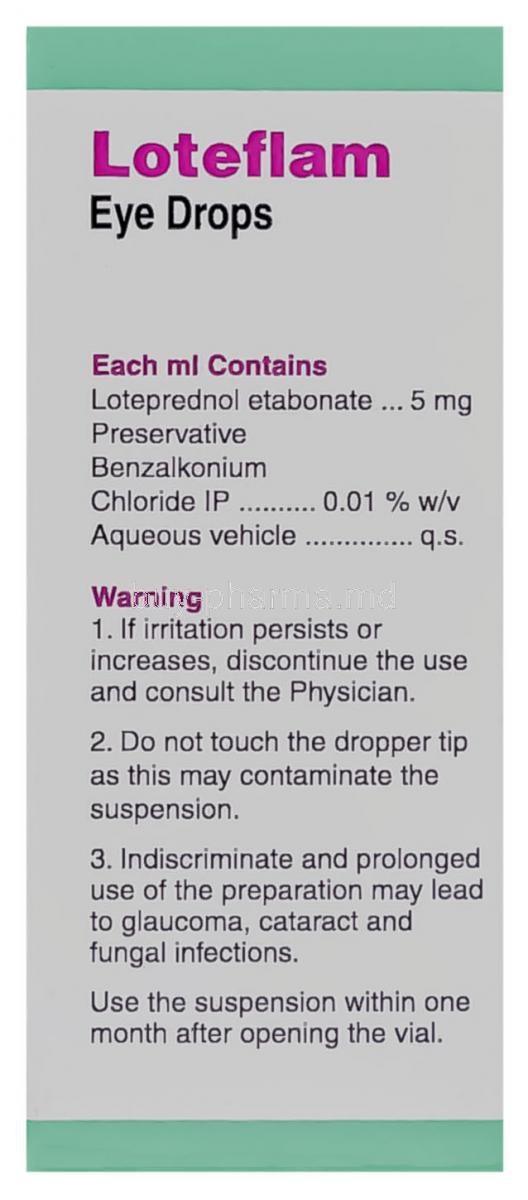
Inactive excipients commonly include isotonic agents, stabilizers, and lubricating compounds to ensure optimal comfort during instillation. Some formulations use preservatives such as benzalkonium chloride, while preservative-free versions may also exist depending on the manufacturer.
2.4 Formulation characteristics: lipid-derived corticosteroid design
The medication utilizes a lipid-based corticosteroid framework, allowing enhanced penetration into ocular tissues. Its “soft drug” design ensures high therapeutic activity at the ocular surface with reduced systemic exposure.
3. How Loteflam Works
3.1 Mechanism of action: Anti-inflammatory corticosteroid response
Loteflam modulates inflammatory pathways by suppressing the synthesis of molecules responsible for inflammation. It binds to intracellular receptors, reducing the release of mediators such as interleukins and chemokines.
3.2 Inhibition of prostaglandin and cytokine production
The formulation inhibits phospholipase A2, an enzyme pivotal in prostaglandin production. By diminishing prostaglandin and cytokine activity, Loteflam alleviates swelling and redness.
3.3 Target sites within ocular tissues
Its therapeutic effects concentrate on the conjunctiva, cornea, and anterior chamber. These target zones benefit from reduced cellular infiltration and improved tissue stability.
3.4 Onset of action and duration of effect
Onset is typically rapid—often within hours—while the duration of effect is sustained due to prolonged receptor engagement and controlled tissue penetration.
4. Approved Uses of Loteflam
4.1 Post-operative inflammation and pain after ocular surgery
Loteflam is widely used following surgical procedures such as cataract extraction and corneal surgeries. It minimizes post-operative inflammation, allowing smoother recovery.
4.2 Seasonal allergic conjunctivitis
It reduces the hyperactive immune response triggered by allergens, relieving itching, redness, and tearing.
4.3 Non-infectious anterior uveitis
In cases of mild to moderate uveitis, Loteflam helps suppress inflammatory cell infiltration, reducing pain and photophobia.
4.4 Keratitis and ocular surface inflammation
The medication soothes inflamed corneal tissue and improves epithelial recovery in non-infectious keratitis.
4.5 Meibomian gland dysfunction–related inflammation (MGD-associated)
Loteflam may help control meibomian gland inflammation and support symptomatic improvement in evaporative dry eye conditions.
5. Off-Label Uses
5.1 Dry eye disease with inflammatory components
Loteflam is sometimes used to control ocular surface inflammation contributing to chronic dry eye symptoms.
5.2 Post–contact lens intolerance
Short-term therapy may be prescribed to reduce irritation caused by lens-induced inflammation.
5.3 Episcleritis or mild scleritis
The anti-inflammatory response offers symptomatic relief in select cases of superficial scleral inflammation.
5.4 Management of chronic blepharitis flare-ups
It may aid in reducing inflammation associated with eyelid margin disorders.
5.5 Adjunct therapy for refractive surgery (LASIK/PRK) recovery
Loteflam can be used to lessen inflammation and enhance healing after refractive procedures.
6. Dosage and Administration
6.1 Standard dosage for approved conditions
Dosing varies by indication but typically involves instilling one to two drops into the affected eye several times daily.
6.2 Dose adjustments based on severity of inflammation
Severe inflammation may require more frequent dosing initially, followed by gradual tapering as symptoms improve.
6.3 Proper administration technique for eye drops
- Wash hands thoroughly
- Avoid direct contact between dropper and eye
- Instill drop into the lower conjunctival sac
6.4 Missed dose instructions
If a dose is missed, it should be administered as soon as remembered unless it is close to the next scheduled dose.
6.5 Duration of therapy and tapering recommendations
Corticosteroid therapy often requires tapering to prevent rebound inflammation. Duration varies from days to weeks depending on diagnosis.
6.6 Monitoring schedules during long-term use
Long-term therapy necessitates periodic eye examinations, including intraocular pressure measurements and slit-lamp evaluations.
7. Important Precautions
7.1 Avoiding contamination of dropper tip
Contact between the dropper and surfaces should be avoided to prevent microbial contamination.
7.2 Risk of prolonged steroid use on ocular tissues
Extended use may predispose patients to glaucoma, cataracts, or delayed healing.
7.3 Use in patients with recent ocular infections
Caution is recommended in patients recovering from viral or bacterial eye infections, as steroids can mask worsening symptoms.
7.4 Monitoring for intraocular pressure increases
Regular assessments help detect steroid-induced ocular hypertension early.
7.5 Avoiding contact lens wear during treatment
Contact lenses may exacerbate irritation and should be avoided until inflammation resolves.
8. Careful Administration
8.1 Patients with glaucoma or ocular hypertension
These individuals may experience pressure spikes, requiring close supervision.
8.2 Patients with diabetes mellitus (steroid-related risks)
Diabetic patients may have increased susceptibility to corticosteroid-induced pressure elevation.
8.3 Patients with thin corneas or corneal epithelial defects
Weakened corneal tissue may be more prone to complications.
8.4 Patients with history of cataract formation
Prolonged steroid exposure may accelerate cataract progression.
8.5 Patients with suppressed immune systems
Immunocompromised patients are at increased risk of secondary infections.
8.6 Patients requiring long-term corticosteroid therapy
Chronic use must be guided by routine monitoring and conservative dosing strategies.
9. Contraindications
9.1 Viral ocular infections, including herpes simplex keratitis
Steroids may worsen viral replication and corneal damage.
9.2 Fungal eye infections
Corticosteroids can facilitate fungal proliferation and should be avoided.
9.3 Mycobacterial eye infections
Use is contraindicated due to suppression of immune-mediated bacterial control.
9.4 Hypersensitivity to loteprednol or formulation components
Patients with known allergies must avoid this medication.
10. Side Effects
10.1 Overview of potential adverse reactions
Loteflam may cause mild to significant side effects, depending on duration and individual sensitivity.
10.2 Ocular side effects
- Stinging upon instillation
- Blurred vision
- Eye redness or dryness
- Elevated intraocular pressure
10.3 Systemic corticosteroid effects (rare but possible)
Because of minimal systemic absorption, systemic reactions are infrequent but may include headache or mild hormonal fluctuations.
11. Common Side Effects
11.1 Temporary blurred vision
Temporary blurred vision may occur immediately after instillation. This effect typically resolves within minutes as the suspension disperses across the ocular surface. Patients should avoid driving or performing visually demanding tasks until clarity returns.
11.2 Eye irritation or burning sensation
A mild stinging or burning sensation can manifest shortly after application. This transient discomfort often diminishes with continued use as the ocular tissues acclimate. Persistent or severe irritation warrants medical evaluation.
11.3 Redness or watery eyes
Redness or excessive tearing may arise as the eye responds to the medication’s active and inactive components. These symptoms are generally self-limiting but may signal hypersensitivity if they escalate.
11.4 Headache or light sensitivity
Some individuals experience headaches or sensitivity to bright light. These reactions occur due to changes in ocular inflammation and photoreceptor adaptation. Resting the eyes and minimizing exposure to intense light may alleviate discomfort.
11.5 Elevated intraocular pressure (IOP) during treatment
Steroid-induced increases in intraocular pressure may develop during therapy. Regular monitoring is crucial, especially in individuals predisposed to glaucoma. Any signs of pressure elevation should prompt dosage adjustment or discontinuation.
12. Drug Interactions
12.1 Interaction with other corticosteroid eye drops
Concurrent use of multiple corticosteroid formulations may intensify local immunosuppression and elevate the risk of ocular complications. Duplicate therapy should be avoided unless specifically advised.
12.2 Synergistic effects with immunosuppressive agents
Immunosuppressants may synergize with Loteflam, amplifying overall suppression of inflammatory responses. While beneficial in select cases, this combination increases susceptibility to infections.
12.3 Interaction risks with glaucoma medications
Interactions with glaucoma therapies may alter intraocular pressure control. Coordination between treatment regimens ensures balanced ocular pressure management.
12.4 Contraindicated combinations increasing infection risk
Combining Loteflam with agents known to reduce tear production or disrupt ocular flora can elevate infection risk. Caution is essential when using medications linked to microbial imbalance.
13. Administration in Special Populations
13.1 Administration to Elderly Patients
Elderly individuals may exhibit heightened sensitivity to corticosteroids.
- Age-related ocular fragility requires gentle monitoring.
- Periodic IOP assessments help reduce glaucoma and cataract progression risk.
- Dose adjustments may be required for chronic or recurrent ocular disease.
13.2 Administration to Pregnant Women
Use during pregnancy requires careful evaluation.
- Risk-benefit assessments are essential due to limited human data.
- Use is recommended only when therapeutic benefit outweighs potential fetal risk.
13.3 Administration to Nursing Mothers
Corticosteroids may marginally transfer into breast milk.
- Although systemic absorption of Loteflam is low, caution remains advisable.
- Infants should be monitored for unusual irritability or feeding changes.
13.4 Administration to Children
Children may use Loteflam under medical guidance.
- Approved for certain pediatric inflammatory conditions.
- Heightened vigilance is required due to steroid sensitivity.
- Rare risk of growth suppression necessitates conservative dosing.
14. Overdosage
14.1 Symptoms of excessive ophthalmic corticosteroid exposure
Excessive use may provoke persistent blurred vision, significant ocular irritation, or elevated intraocular pressure. Chronic overexposure can compromise corneal integrity.
14.2 Action to take after accidental ingestion
Accidental ingestion typically leads to mild gastrointestinal upset. Drinking water and observing symptoms is generally sufficient unless a large quantity was ingested.
14.3 Emergency management guidelines
In cases of severe symptoms, immediate medical attention is recommended. Healthcare providers may perform ocular lavage or pressure-lowering interventions if necessary.
14.4 Long-term complications from repeated overdose
Repeated excessive dosing may induce steroid-related complications, including ocular hypertension, cataract formation, or delayed corneal healing.
15. Storage Instructions
15.1 Required temperature range
Loteflam should be stored at controlled room temperatures, typically between 15°C and 25°C. Extreme heat or cold may degrade the formulation.
15.2 Protection from light and contamination
The suspension must be protected from direct sunlight to maintain potency. Keeping the bottle tightly sealed prevents contamination.
15.3 Shelf-life and in-use expiration
Each bottle has a defined shelf-life. After opening, the medication should generally be used within a recommended time frame, often 28–30 days, to ensure sterility.
15.4 Safe storage to prevent accidental ingestion
Bottles should be kept out of reach of children and pets. Proper storage prevents accidental misuse.
16. Handling Precautions
16.1 Proper handling to maintain sterility
Maintaining sterility is essential. Patients should wash their hands before handling the bottle and avoid touching the dropper tip.
16.2 Safe disposal of expired or unused medication
Unused or expired medication should be discarded safely. Local pharmaceutical disposal programs are recommended for environmental safety.
16.3 Avoiding cross-contamination with other eye products
Separate dropper bottles should be used for different ophthalmic medications. Sharing bottles increases contamination risk.
16.4 Guidance for caregivers administering the drops
Caregivers should ensure gentle handling, proper hygiene, and accurate dosing. Clear communication helps prevent errors during instillation.
17. Patient Counseling Information
17.1 What patients should know before starting therapy
Patients should understand the purpose of Loteflam, expected benefits, and the importance of adherence. Awareness of potential side effects enhances treatment preparedness.
17.2 Expected symptom relief timeline
Most patients notice improvement within a few days. Some conditions may require extended therapy to achieve full relief.
17.3 Situations requiring immediate medical attention
Urgent care is necessary if symptoms worsen, vision deteriorates suddenly, or severe pain develops. Such signs may indicate complications requiring prompt intervention.
17.4 Lifestyle and hygiene recommendations during treatment
Simple habits can enhance therapeutic success:
- Avoid rubbing the eyes to prevent irritation
- Refrain from wearing contact lenses until cleared by a clinician
- Maintain proper eyelid hygiene to reduce inflammatory triggers
Adopting these practices supports better outcomes and long-lasting ocular comfort.
 Verified Purchase
legit
i thought this company was scam but they are legit will order from them now took 3 weeks to get to me usa sc columbia
Verified Purchase
Outstanding
Great for my severe alergies, my eyes suffer terribly. I have daved $85.000 on this product vs. the USA.
Verified Purchase
Eye drops
Excellent eye drop Thanks
Verified Purchase
It appears to be the same as lotemax
I have purchased this before and I'm very happy with the product. I wish the shipping cost was less!
Loteflam, Loteprednol Ophthalmic Suspension FAQ
Customers also bought
Popular Products
Similar Product