
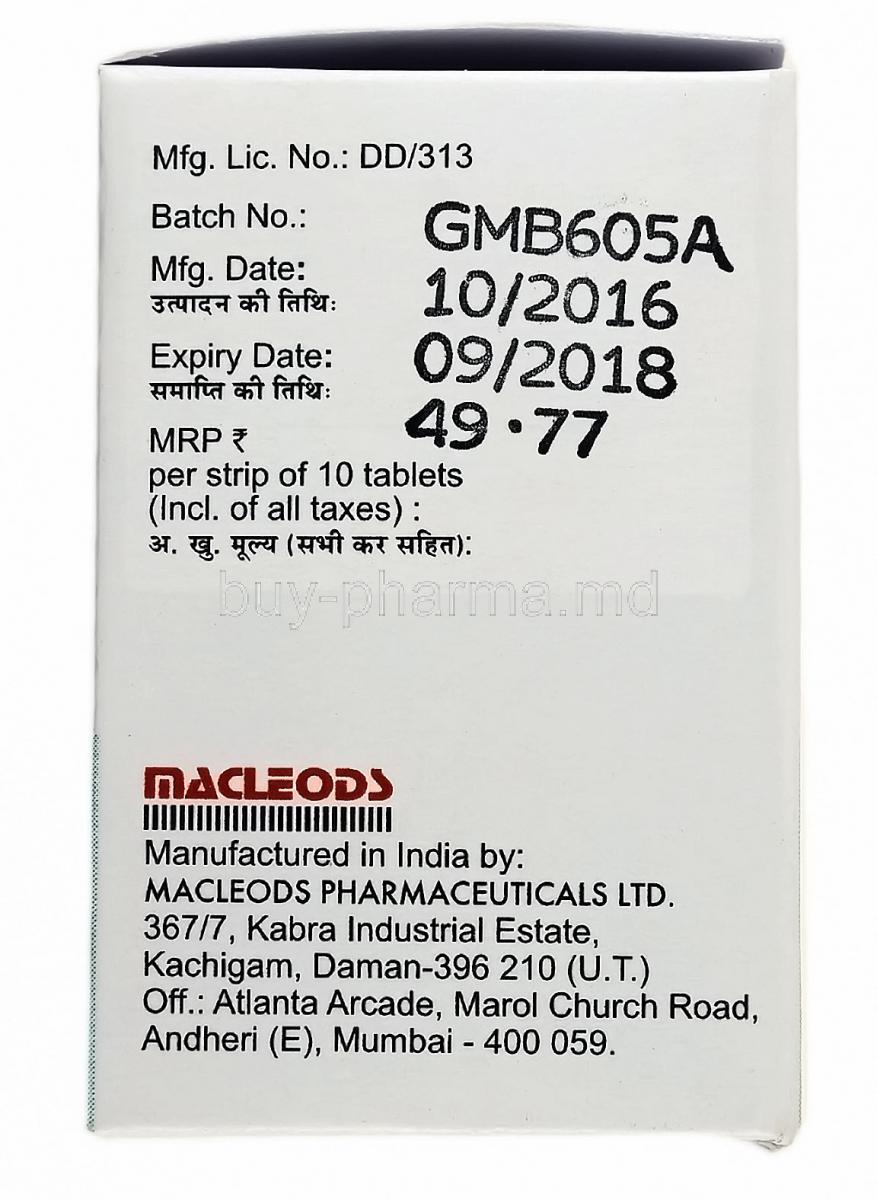
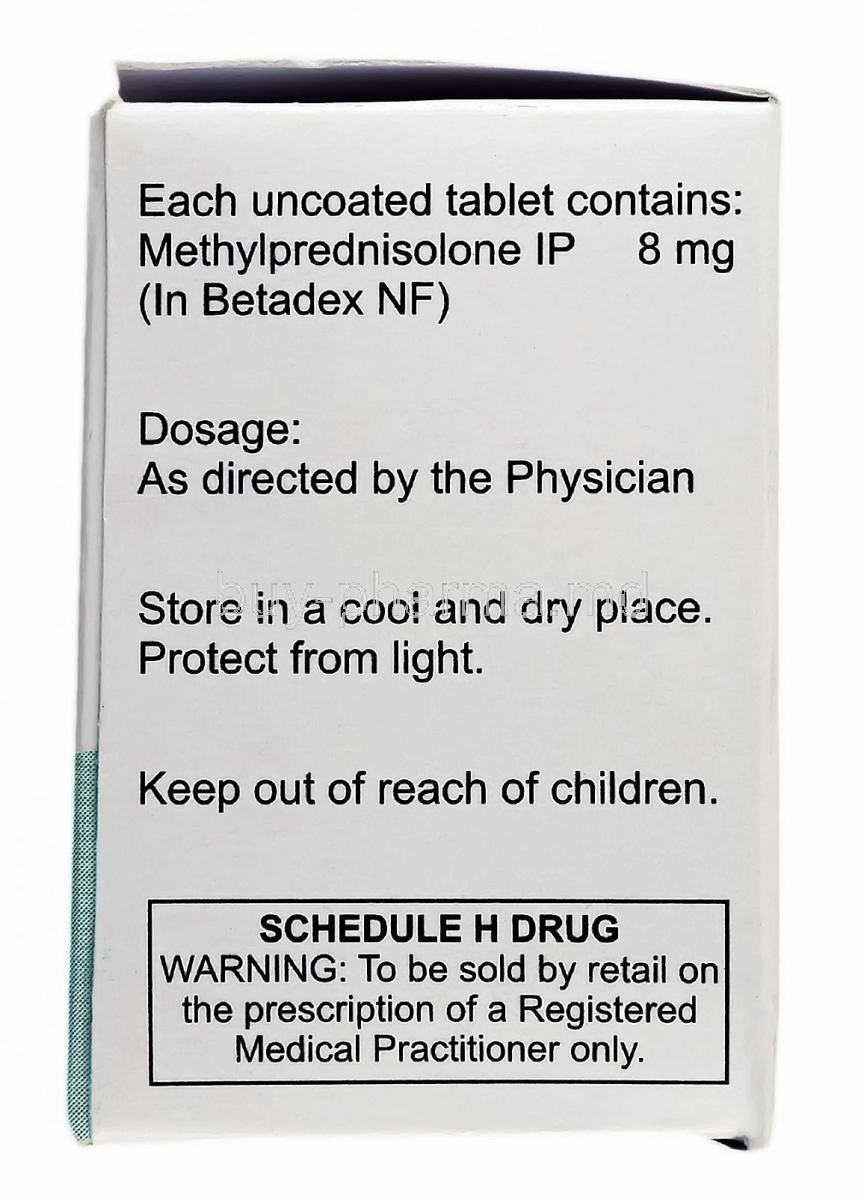
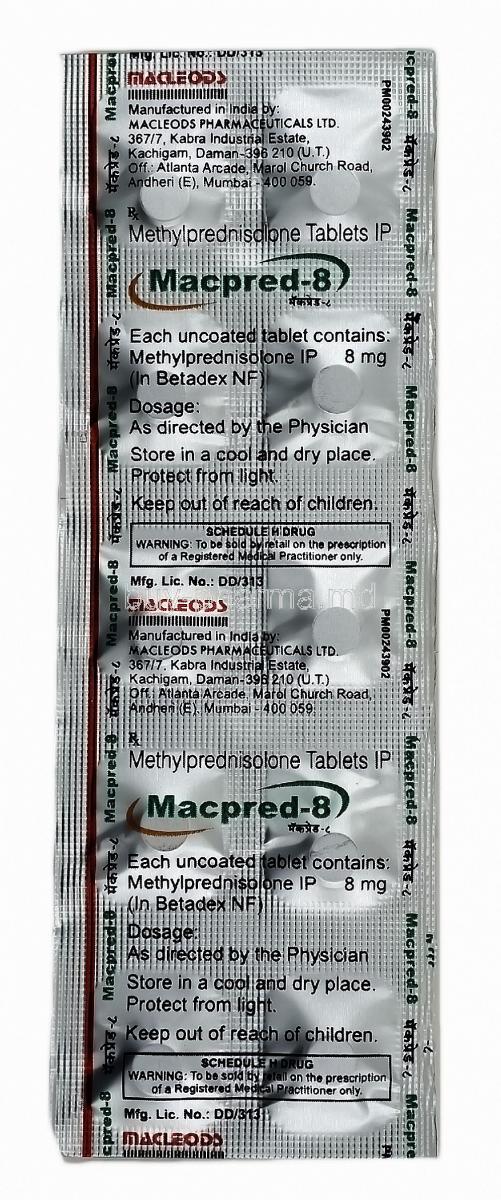
1. Introduction to Macpred (Methylprednisolone)
Macpred is a systemic corticosteroid containing methylprednisolone, a synthetic glucocorticoid widely used in modern clinical practice. It is designed to exert potent anti-inflammatory and immunomodulatory effects across a broad spectrum of diseases. Due to its predictable pharmacological behavior and flexible dosing options, Macpred is frequently selected for both acute interventions and chronic disease management.
Therapeutically, methylprednisolone belongs to the glucocorticoid class of corticosteroids. It plays a pivotal role in suppressing pathological immune responses, reducing tissue inflammation, and stabilizing disease activity in immune-mediated and inflammatory disorders. Its clinical relevance spans multiple specialties, including rheumatology, pulmonology, neurology, gastroenterology, oncology, and endocrinology.
Beyond approved indications, Macpred is also employed in a variety of off-label settings where rapid control of inflammation or immune dysregulation is required. This versatility has cemented its position as a cornerstone therapy in hospital and outpatient care.
2. Composition and Pharmaceutical Profile
The active pharmaceutical ingredient in Macpred is methylprednisolone, a structurally modified corticosteroid engineered to enhance glucocorticoid activity while minimizing mineralocorticoid effects. This balance contributes to effective inflammation control with comparatively reduced sodium and water retention.
Macpred is available in multiple dosage forms and strengths, enabling tailored therapy:
- Oral tablets for systemic maintenance therapy
- Injectable formulations for intravenous or intramuscular use
Excipients vary depending on the formulation and are selected to ensure stability, optimal dissolution, and consistent bioavailability. Certain injectable forms may include buffering agents to maintain pH and reduce local irritation.
Methylprednisolone demonstrates high systemic bioavailability, particularly when administered parenterally. Oral formulations are rapidly absorbed, with formulation-specific features influencing onset and duration of action.
3. Mechanism of Action: How Methylprednisolone Works
Methylprednisolone exerts its effects primarily through binding to intracellular glucocorticoid receptors. Once bound, the drug-receptor complex translocates into the nucleus, where it modulates gene transcription. This genomic activity leads to both upregulation of anti-inflammatory proteins and suppression of pro-inflammatory mediators.
Key anti-inflammatory and immunosuppressive mechanisms include:
- Inhibition of prostaglandin and leukotriene synthesis
- Suppression of T-cell activation and macrophage function
- Reduction of antibody production in immune-mediated diseases
Additionally, methylprednisolone reduces cytokine release, limits leukocyte migration to sites of inflammation, and decreases capillary permeability. These combined effects result in diminished edema, pain, and tissue damage.
4. Therapeutic Uses of Macpred (Approved Indications)
Inflammatory and Autoimmune Disorders
Macpred is widely prescribed for chronic inflammatory and autoimmune diseases, including:
- Rheumatoid arthritis
- Systemic lupus erythematosus
- Systemic and localized vasculitis
Allergic Conditions
In allergic diseases, methylprednisolone provides rapid symptom control by suppressing hypersensitivity reactions. Indications include:
- Severe allergic reactions
- Acute asthma exacerbations
- Allergic rhinitis resistant to first-line therapies
Dermatologic Diseases
Macpred is effective in severe inflammatory skin conditions such as:
- Eczema and atopic dermatitis
- Psoriasis
- Autoimmune blistering disorders including pemphigus
Respiratory Disorders
In pulmonary medicine, methylprednisolone is used to control inflammation and improve airflow in conditions such as:
- Chronic obstructive pulmonary disease exacerbations
- Interstitial lung disease
Gastrointestinal and Hepatic Disorders
Macpred is utilized to induce remission in inflammatory bowel and liver diseases, including:
- Ulcerative colitis
- Acute flares of Crohn’s disease
- Autoimmune hepatitis
Neurological Conditions
Neurological indications include the management of acute inflammatory episodes such as:
- Multiple sclerosis relapses
- Cerebral edema associated with tumors or trauma
Hematologic and Oncologic Uses
Methylprednisolone plays an adjunctive role in hematologic and oncologic conditions, including:
- Leukemias and lymphomas
- Immune thrombocytopenia
Endocrine and Adrenal Disorders
Macpred may be prescribed for hormone replacement or suppression therapy in:
- Adrenal insufficiency
- Congenital adrenal hyperplasia
5. Off-Label Uses of Methylprednisolone
Beyond approved indications, Macpred is employed off-label in several clinically significant scenarios. These uses are guided by emerging evidence and expert consensus rather than formal labeling.
- Management of severe inflammatory complications associated with COVID-19
- Acute spinal cord injury to limit secondary tissue damage
- Adjunctive therapy in severe sepsis and septic shock
- Ophthalmic inflammatory disorders
- Prevention and treatment of chemotherapy-induced nausea
- Migraine and cluster headache in refractory cases
- Organ transplantation and graft rejection prophylaxis
6. Dosage and Administration Guidelines
Dosing of Macpred is highly individualized and depends on the underlying condition, severity, and patient response. General principles emphasize using the lowest effective dose for the shortest possible duration.
Oral dosing schedules often require gradual tapering to prevent adrenal suppression. Abrupt discontinuation is avoided, particularly after prolonged therapy.
Parenteral administration via intravenous or intramuscular routes is reserved for severe or acute conditions requiring rapid onset of action. Short-term high-dose therapy may be followed by oral maintenance regimens.
Dose adjustments are frequently necessary based on disease severity, comorbidities, and therapeutic response.
7. Administration to Special Populations
7.1 Administration to Elderly Patients
Elderly patients are more susceptible to corticosteroid-related adverse effects. Particular attention is required for:
- Bone density monitoring
- Blood glucose control
- Blood pressure surveillance
7.2 Administration to Pregnant Women and Nursing Mothers
Methylprednisolone crosses the placenta, necessitating careful fetal risk assessment. Use during pregnancy is guided by a strict risk-benefit evaluation.
The drug is excreted in breast milk in small amounts. Breastfeeding considerations should include timing of dosing and infant monitoring.
7.3 Administration to Children and Adolescents
Pediatric dosing is weight-based and requires meticulous adjustment. Long-term therapy carries a risk of growth suppression.
Regular monitoring of growth parameters and developmental milestones is essential during prolonged treatment.
8. Side Effects of Macpred
Macpred shares the adverse reaction profile typical of systemic corticosteroids. The likelihood and severity of side effects are closely linked to dose magnitude and treatment duration.
8.1 Common Side Effects
- Increased appetite and weight gain
- Fluid retention and peripheral edema
- Gastrointestinal discomfort
- Mood alterations and insomnia
- Elevated blood glucose levels
8.2 Serious and Long-Term Side Effects
- Osteoporosis and increased fracture risk
- Suppression of the hypothalamic-pituitary-adrenal axis
- Heightened susceptibility to infections
- Hypertension and cardiovascular complications
- Ocular effects such as glaucoma and cataracts
9. Drug Interactions
Methylprednisolone is associated with numerous clinically relevant drug interactions. Concomitant use with NSAIDs or anticoagulants increases the risk of gastrointestinal bleeding.
Antidiabetic medications may require dose adjustments due to corticosteroid-induced hyperglycemia. Additionally, drugs that induce or inhibit CYP450 enzymes can alter methylprednisolone metabolism.
Interactions with vaccines and other immunosuppressive agents may reduce immunogenicity or increase infection risk, necessitating careful scheduling and monitoring.
10. Warnings and Safety Information
Macpred (methylprednisolone) carries important safety considerations inherent to systemic corticosteroid therapy. Its immunomodulatory potency, while therapeutically advantageous, necessitates vigilant risk assessment and ongoing monitoring throughout treatment.
Risk of Immunosuppression and Infection
Methylprednisolone suppresses normal immune defenses, increasing susceptibility to bacterial, viral, fungal, and opportunistic infections. Even minor infections may progress rapidly.
- Reduced inflammatory response may delay diagnosis
- Atypical or muted infection symptoms may occur
- Higher risk with prolonged or high-dose therapy
Masking of Underlying Infections
Corticosteroids can obscure classic signs of infection such as fever, pain, and leukocytosis. This masking effect may result in delayed recognition of serious underlying pathology, particularly tuberculosis or systemic fungal disease.
Psychiatric and Behavioral Effects
Neuropsychiatric effects may emerge during therapy, sometimes abruptly. These effects range from subtle mood alterations to severe disturbances.
- Irritability, anxiety, or insomnia
- Depressive symptoms or emotional lability
- Rare cases of steroid-induced psychosis
Gastrointestinal Bleeding Risk
Macpred increases the risk of gastrointestinal irritation, ulceration, and bleeding, particularly when combined with NSAIDs or anticoagulants. Patients with a history of peptic ulcer disease require heightened caution.
11. Contraindications
Certain clinical conditions preclude the use of methylprednisolone due to unacceptable risk profiles.
Known Hypersensitivity to Methylprednisolone
Macpred is contraindicated in individuals with documented hypersensitivity to methylprednisolone or any component of the formulation. Hypersensitivity reactions may include rash, bronchospasm, or anaphylaxis.
Systemic Fungal Infections
Active systemic fungal infections represent a strict contraindication. Corticosteroid-induced immunosuppression may exacerbate fungal proliferation and dissemination.
Live or Live-Attenuated Vaccines During High-Dose Therapy
Administration of live or live-attenuated vaccines is contraindicated during high-dose or immunosuppressive corticosteroid therapy due to the risk of uncontrolled infection and reduced vaccine efficacy.
12. Careful Administration and Important Precautions
Safe use of Macpred requires adherence to established precautionary measures, particularly during long-term treatment.
Gradual Dose Tapering to Prevent Adrenal Crisis
Abrupt discontinuation after prolonged use may precipitate acute adrenal insufficiency. Gradual dose reduction allows recovery of hypothalamic-pituitary-adrenal axis function.
Monitoring During Prolonged Therapy
Extended treatment necessitates regular clinical and laboratory evaluation.
- Blood pressure and glucose monitoring
- Electrolyte assessment
- Bone mineral density evaluation
Use in Patients with Diabetes, Hypertension, or Peptic Ulcer Disease
Corticosteroids may exacerbate metabolic and cardiovascular conditions. Careful dose selection and close monitoring are essential in patients with:
- Diabetes mellitus
- Hypertension or heart disease
- Gastrointestinal ulceration
Bone Protection Strategies During Long-Term Use
Chronic corticosteroid exposure accelerates bone loss. Preventive strategies include calcium and vitamin D supplementation, lifestyle modification, and consideration of antiresorptive therapy when indicated.
13. Overdosage and Emergency Management
Acute corticosteroid overdose is uncommon, yet excessive or prolonged exposure can result in clinically significant toxicity.
Clinical Features of Corticosteroid Overdose
Symptoms may include fluid retention, hypertension, hyperglycemia, electrolyte imbalance, and neuropsychiatric changes.
Acute vs Chronic Overexposure
Acute overdose typically produces transient metabolic effects, whereas chronic overexposure leads to Cushingoid features, adrenal suppression, and increased infection risk.
Supportive Care and Monitoring Recommendations
Management is primarily supportive and may involve:
- Correction of electrolyte disturbances
- Blood glucose stabilization
- Gradual dose reduction under medical supervision
14. Storage and Stability
Proper storage is essential to maintain the stability and therapeutic efficacy of Macpred.
Recommended Storage Conditions
Macpred should be stored at controlled room temperature unless otherwise specified by the manufacturer.
Shelf Life Considerations
The product should not be used beyond its labeled expiration date, as potency and stability may be compromised.
Protection from Light, Heat, and Moisture
Exposure to excessive heat, direct light, or moisture may degrade the formulation. Original packaging should be retained until use.
15. Handling Precautions
Appropriate handling practices minimize dosing errors and ensure patient safety.
Safe Handling and Dispensing Practices
Healthcare providers should verify dosage strength and formulation prior to dispensing. Injectable preparations require strict aseptic technique.
Patient Counseling on Adherence and Missed Doses
Patients should be instructed to take Macpred exactly as prescribed and avoid unsupervised dose changes. Missed doses should be managed according to professional guidance rather than doubled.
Disposal of Unused or Expired Medication
Unused or expired medication should be disposed of in accordance with local pharmaceutical waste regulations to prevent accidental ingestion or environmental contamination.
16. Patient Education and Clinical Monitoring
Comprehensive patient education enhances therapeutic outcomes and reduces preventable complications.
Importance of Adherence and Follow-Up
Consistent adherence to prescribed regimens and scheduled follow-up visits allows early detection of adverse effects and timely dose adjustment.
Recognizing Early Signs of Adverse Effects
Patients should be advised to promptly report symptoms such as unexplained fever, persistent gastrointestinal pain, visual disturbances, mood changes, or signs of infection, enabling proactive clinical intervention.

Popular Products

Similar Product