1. Introduction to Mahapod (Cefpodoxime)
1.1 Overview of Mahapod and Its Generic Name Cefpodoxime
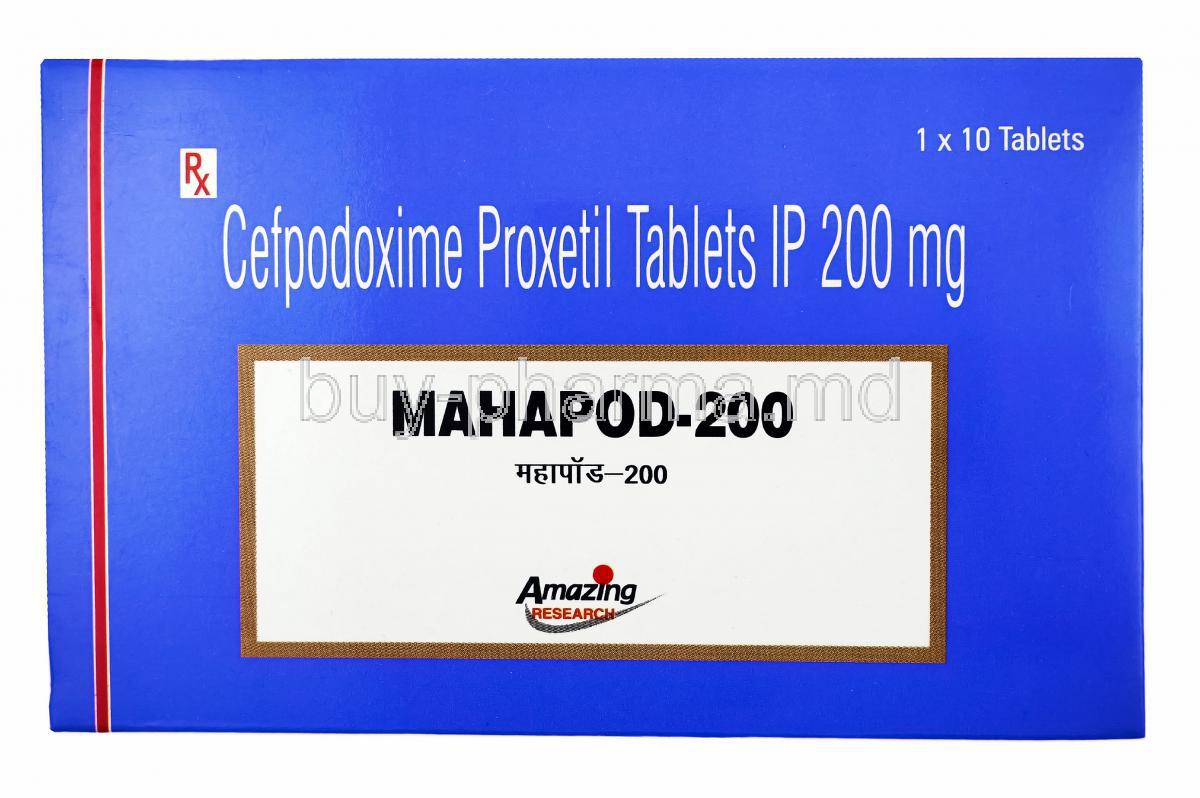
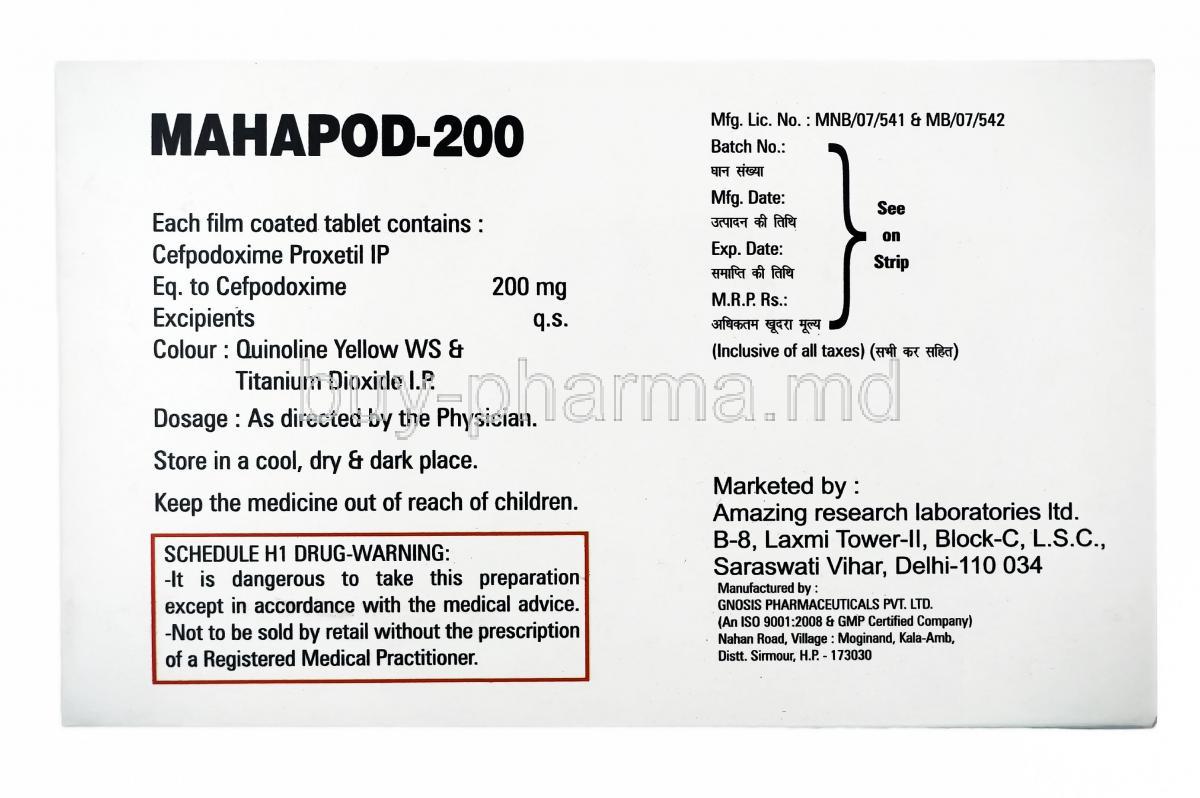
Mahapod is a pharmaceutical preparation containing cefpodoxime, a widely utilized oral antibiotic. It is formulated as cefpodoxime proxetil, a prodrug designed to enhance bioavailability upon gastrointestinal absorption. Once ingested, it undergoes enzymatic hydrolysis to release active cefpodoxime, enabling systemic antibacterial activity. This medication is frequently prescribed for mild to moderate infections caused by susceptible microorganisms.
1.2 Drug Classification: Third-Generation Cephalosporin Antibiotic
Cefpodoxime belongs to the third generation of cephalosporin antibiotics. This class is characterized by:
- Enhanced activity against Gram-negative bacteria
- Improved resistance to beta-lactamase enzymes
- Broader antimicrobial spectrum compared to earlier generations
Its pharmacodynamic profile renders it suitable for diverse clinical scenarios where bacterial eradication is essential.
1.3 Indications for Clinical Use in Bacterial Infections
Mahapod is indicated for the treatment of infections affecting multiple anatomical systems. These include respiratory, urinary, and integumentary structures. The drug exhibits efficacy against pathogens such as Streptococcus pneumoniae, Haemophilus influenzae, and certain strains of Escherichia coli. Therapeutic success depends on microbial susceptibility and appropriate dosing.
1.4 Importance of Antibiotic Stewardship and Rational Use
Judicious use of antibiotics is paramount. Overuse or misuse may precipitate antimicrobial resistance, a growing global concern. Key principles include:
- Prescribing only when bacterial infection is confirmed or strongly suspected
- Completing the full course of therapy
- Avoiding unnecessary repetition of antibiotic cycles
2. Composition and Formulation of Mahapod
2.1 Active Ingredient: Cefpodoxime Proxetil
The principal active constituent is cefpodoxime proxetil. This esterified derivative enhances lipophilicity, facilitating absorption through the intestinal mucosa. Once absorbed, it is converted into the active moiety, cefpodoxime, which exerts bactericidal effects.
2.2 Available Strengths and Dosage Forms (Tablets, Oral Suspension)
Mahapod is available in multiple pharmaceutical forms to accommodate varying patient needs:
- Film-coated tablets (commonly 100 mg and 200 mg strengths)
- Oral suspension for pediatric or dysphagic patients
This versatility ensures accurate dosing across age groups.
2.3 Excipients and Pharmaceutical Additives
In addition to the active ingredient, formulations include inert excipients such as binders, stabilizers, and flavoring agents. These components:
- Enhance drug stability
- Improve palatability in suspensions
- Facilitate consistent drug release
2.4 Packaging Variants and Stability Considerations
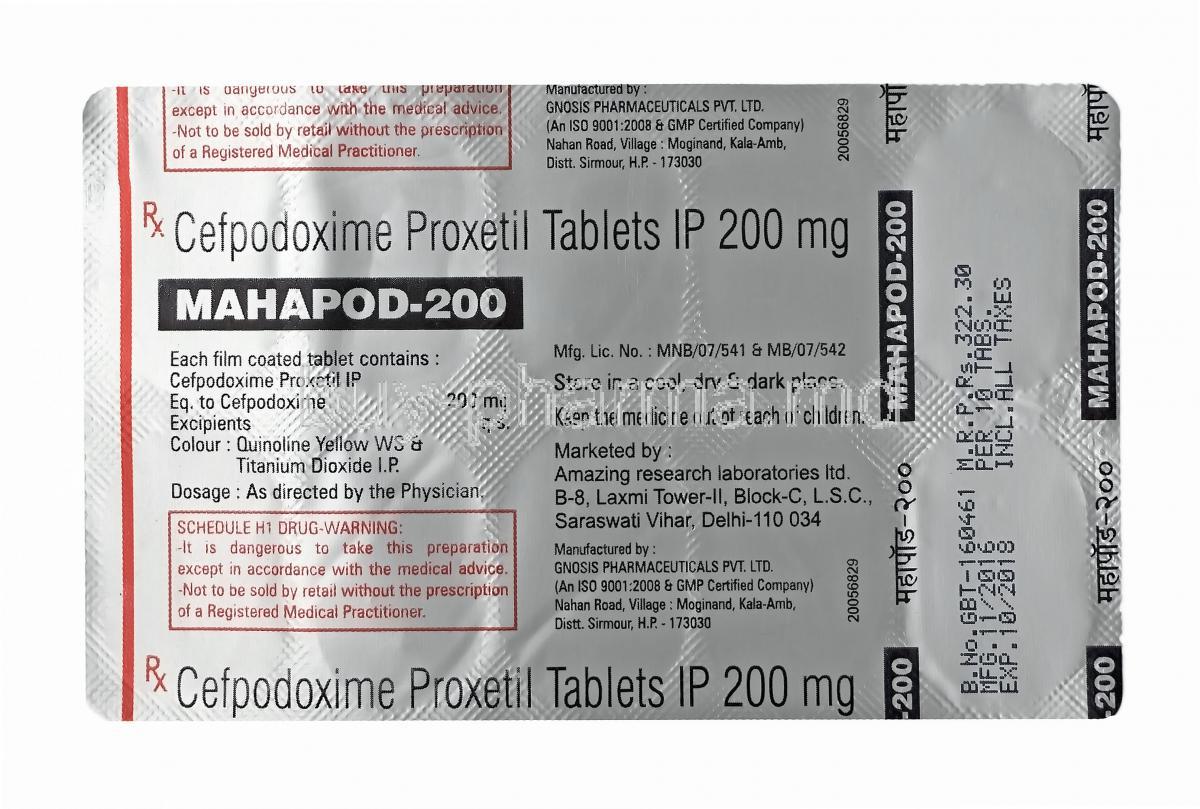
The product is typically packaged in blister packs or bottles designed to protect against moisture and light. Stability is influenced by storage conditions, and reconstituted suspensions require refrigeration and limited shelf life after preparation.
3. Mechanism of Action: How Cefpodoxime Works
3.1 Inhibition of Bacterial Cell Wall Synthesis
Cefpodoxime disrupts bacterial cell wall synthesis by interfering with peptidoglycan formation. This structural compromise leads to osmotic instability and eventual cell lysis. The effect is bactericidal rather than bacteriostatic.
3.2 Binding to Penicillin-Binding Proteins (PBPs)
The drug exerts its activity by binding to penicillin-binding proteins located within the bacterial cell membrane. These proteins are essential for cell wall construction. Their inhibition halts bacterial proliferation and integrity.
3.3 Bactericidal Activity Against Gram-Positive and Gram-Negative Organisms
Cefpodoxime demonstrates a broad antimicrobial spectrum, targeting both Gram-positive and Gram-negative pathogens. This includes organisms responsible for common community-acquired infections.
3.4 Resistance Mechanisms and Beta-Lactamase Stability
While cefpodoxime exhibits stability against many beta-lactamases, resistance can still emerge. Mechanisms include:
- Altered PBPs reducing drug affinity
- Production of extended-spectrum beta-lactamases (ESBLs)
- Reduced permeability of bacterial cell membranes
4. Uses of Mahapod (Cefpodoxime)
4.1 Approved Medical Uses for Bacterial Infections
Mahapod is widely utilized in the management of various infections:
- Acute Otitis Media: Effective in pediatric ear infections
- Pharyngitis and Tonsillitis: Particularly in streptococcal infections
- Community-Acquired Pneumonia: Mild to moderate respiratory infections
- Acute Bronchitis: Including exacerbations of chronic bronchitis
- Uncomplicated UTIs: Common urinary pathogens
- Skin and Soft Tissue Infections: Such as cellulitis
4.2 Expanded Clinical Uses in Respiratory Tract Infections
The drug is frequently prescribed for upper and lower respiratory tract infections. Its efficacy extends to sinus infections and bronchial conditions, particularly when bacterial etiology is established.
4.3 Use in Genitourinary Infections and Mild to Moderate Cases
Cefpodoxime is suitable for uncomplicated infections of the urinary and reproductive systems. It is particularly beneficial when first-line agents are contraindicated or ineffective.
5. Off-Label Uses of Cefpodoxime
5.1 Treatment of Sinusitis Beyond Standard Indications
In certain clinical contexts, cefpodoxime may be used for sinus infections not explicitly covered by labeling, especially when alternative therapies are unsuitable.
5.2 Use in Gonorrhea (Alternative Therapy Considerations)
Although not a first-line treatment, cefpodoxime may serve as an alternative in specific cases where standard regimens are unavailable.
5.3 Management of Typhoid Fever in Select Cases
Its role in typhoid fever management is limited but may be considered based on susceptibility patterns.
5.4 Empirical Therapy in Mixed Bacterial Infections
Empirical use may be justified in polymicrobial infections, particularly when broad-spectrum coverage is required.
5.5 Use in Pediatric Infectious Conditions Not Officially Approved
Clinicians may prescribe cefpodoxime for off-label pediatric indications based on clinical judgment and emerging evidence.
6. Dosage and Administration Guidelines
6.1 Standard Adult Dosage for Common Infections
Typical adult dosing ranges from 100 mg to 200 mg twice daily, depending on infection severity and site.
6.2 Pediatric Dosage Based on Weight and Age
In children, dosing is calculated based on body weight. Precision is crucial to ensure efficacy while minimizing adverse effects.
6.3 Dosage Adjustments in Renal Impairment
Patients with reduced renal function require dosage modifications. Accumulation of the drug may otherwise occur, increasing toxicity risk.
6.4 Recommended Duration of Therapy by Indication
Treatment duration varies:
- Short courses (5–7 days) for mild infections
- Extended therapy (10–14 days) for more severe conditions
6.5 Instructions for Oral Suspension Preparation and Use
Proper reconstitution is essential. The suspension should be shaken well before use, ensuring uniform distribution of the active ingredient.
6.6 Administration With or Without Food
Administration with food enhances absorption. This improves bioavailability and therapeutic effectiveness.
7. Side Effects of Mahapod (Cefpodoxime)
7.1 Overview of Potential Adverse Reactions
Like all antibiotics, cefpodoxime may cause adverse effects. These range from mild discomfort to rare severe reactions.
7.2 Gastrointestinal Disturbances (Diarrhea, Nausea, Abdominal Pain)
Gastrointestinal symptoms are the most frequently reported:
- Loose stools or diarrhea
- Nausea and occasional vomiting
- Abdominal cramping
7.3 Dermatological Reactions (Rash, Pruritus)
Skin-related effects may include mild rash or itching. These are generally self-limiting but should be monitored.
7.4 Central Nervous System Effects (Headache, Dizziness)
Some individuals may experience neurological symptoms such as headaches or dizziness, typically transient in nature.
7.5 Rare but Serious Adverse Effects (Anaphylaxis, Stevens-Johnson Syndrome)
Although uncommon, severe hypersensitivity reactions can occur. Immediate medical attention is required in such cases.
8. Common Side Effects
8.1 Mild Digestive Issues and Appetite Changes
Temporary gastrointestinal discomfort is common. Appetite fluctuations may also be observed.
8.2 Transient Skin Reactions
Minor dermatological manifestations often resolve without intervention.
8.3 Mild Fatigue and Weakness
Generalized fatigue may occur during treatment, though it is typically mild.
8.4 Temporary Changes in Liver Enzymes
Biochemical alterations in liver function tests may be noted but are usually reversible.
9. Drug Interactions
9.1 Interaction with Antacids and Reduced Absorption
Concurrent use of antacids can diminish cefpodoxime absorption. It is advisable to separate administration times.
9.2 Proton Pump Inhibitors and H2 Blockers
Acid-suppressing agents may similarly affect drug bioavailability, necessitating cautious co-administration.
9.3 Interaction with Probenecid and Altered Drug Clearance
Probenecid can reduce renal excretion of cefpodoxime, leading to increased plasma concentrations.
9.4 Effect on Oral Contraceptives
Although evidence is limited, antibiotic use may theoretically reduce contraceptive efficacy. Additional precautions may be considered.
9.5 Concomitant Use with Other Antibiotics
Combination therapy may be employed in complex infections. However, potential antagonistic or synergistic interactions should be evaluated carefully.
10. Warnings and Safety Information
10.1 Risk of Hypersensitivity Reactions in Beta-Lactam Allergic Patients
Cefpodoxime, as a beta-lactam antibiotic, carries a notable risk of hypersensitivity reactions. Patients with a history of allergy to penicillins or cephalosporins may exhibit cross-reactivity. Clinical manifestations can range from mild urticaria to life-threatening anaphylaxis.
- Skin rash, pruritus, or erythema
- Angioedema affecting lips, face, or airway
- Respiratory distress or bronchospasm
Immediate discontinuation is imperative if hypersensitivity is suspected. Emergency intervention may be required in severe cases.
10.2 Antibiotic-Associated Colitis and Clostridioides difficile Infection
Antibiotic therapy can disrupt normal intestinal flora, predisposing patients to Clostridioides difficile-associated diarrhea. This condition may manifest during or after treatment and can vary in severity.
- Persistent diarrhea or loose stools
- Abdominal cramping and fever
- Severe colitis in advanced cases
Prompt recognition and appropriate management are essential to prevent complications.
10.3 Risk of Development of Drug-Resistant Bacteria
Injudicious use of cefpodoxime may foster the emergence of resistant bacterial strains. This phenomenon diminishes therapeutic efficacy and complicates future treatment strategies.
To mitigate resistance:
- Use only for confirmed bacterial infections
- Avoid premature discontinuation
- Adhere strictly to prescribed regimens
10.4 Use in Patients with Gastrointestinal Disorders
Patients with pre-existing gastrointestinal conditions require careful monitoring. Antibiotics may exacerbate underlying disorders such as colitis or inflammatory bowel disease.
Clinical vigilance is advised, particularly in individuals with a history of antibiotic-associated diarrhea.
10.5 Monitoring During Prolonged Therapy
Extended courses of cefpodoxime necessitate periodic evaluation. Monitoring may include:
- Renal and hepatic function tests
- Complete blood counts
- Assessment for superinfection
Such measures ensure early detection of adverse events and therapeutic complications.
11. Contraindications
11.1 Known Allergy to Cefpodoxime or Cephalosporins
Use of Mahapod is contraindicated in patients with documented hypersensitivity to cefpodoxime or other cephalosporin antibiotics. Re-exposure may provoke severe immunologic reactions.
11.2 History of Severe Hypersensitivity to Penicillins
Individuals with a history of severe penicillin allergy, including anaphylaxis, should avoid cefpodoxime due to potential cross-reactivity. Alternative non-beta-lactam antibiotics are recommended.
11.3 Previous Severe Antibiotic-Associated Reactions
Patients who have experienced serious adverse reactions, such as antibiotic-associated colitis or severe dermatologic conditions, should not be re-challenged with cefpodoxime.
12. Careful Administration (Use with Caution)
12.1 Patients with Renal Dysfunction
Cefpodoxime is primarily excreted via the kidneys. Impaired renal function can lead to drug accumulation and heightened toxicity. Dose adjustments are essential in such cases.
12.2 Individuals with Hepatic Impairment
Although hepatic metabolism is limited, caution is warranted in patients with liver dysfunction. Monitoring of hepatic enzymes may be advisable during treatment.
12.3 Patients with History of Gastrointestinal Disease
Patients with a history of gastrointestinal disorders, particularly colitis, should be closely observed. Antibiotic therapy may precipitate symptom exacerbation.
12.4 Immunocompromised Patients
Immunocompromised individuals may exhibit altered responses to infection and treatment. There is an increased risk of opportunistic infections and atypical clinical presentations.
13. Important Precautions for Safe Use
13.1 Completing the Full Course of Antibiotic Therapy
Completion of the prescribed course is critical to ensure complete eradication of the pathogen. Premature discontinuation may result in relapse or resistance.
13.2 Avoiding Self-Medication and Misuse
Self-directed use of antibiotics is strongly discouraged. Improper dosing or indication may lead to suboptimal outcomes and adverse effects.
13.3 Monitoring for Signs of Superinfection
Prolonged antibiotic use may disrupt microbial balance, allowing opportunistic organisms to proliferate. Signs include:
- New onset fever
- Oral or vaginal candidiasis
- Unusual or persistent symptoms
13.4 Proper Hydration During Treatment
Adequate fluid intake supports renal clearance and overall physiological function. Hydration is particularly important during antibiotic therapy.
14. Administration to Special Populations
14.1 Administration to Elderly Patients
Elderly patients often exhibit reduced renal function, necessitating individualized dosing strategies. Age-related pharmacokinetic changes may influence drug distribution and elimination.
- Dose Adjustments and Renal Monitoring: Regular assessment of renal function is recommended
- Increased Risk of Adverse Effects: Greater susceptibility to gastrointestinal and systemic side effects
14.2 Administration to Pregnant Women and Nursing Mothers
The use of cefpodoxime during pregnancy should be guided by clinical necessity. While animal studies suggest minimal risk, human data remain limited.
- Safety Profile in Pregnancy: Use only when benefits outweigh potential risks
- Drug Excretion in Breast Milk: Small quantities may pass into breast milk
- Risk-Benefit Assessment: Careful evaluation by a healthcare provider is essential
14.3 Administration to Children
Cefpodoxime is widely used in pediatric populations due to its favorable safety profile. Appropriate dosing is crucial to ensure efficacy and minimize adverse effects.
- Safety and Efficacy in Pediatric Use: Supported for various infections
- Age-Appropriate Formulations and Dosing: Oral suspension is commonly utilized
15. Overdosage and Management
15.1 Symptoms of Cefpodoxime Overdose
Overdose may lead to exaggerated pharmacological effects. Symptoms can include gastrointestinal distress, neurological disturbances, and electrolyte imbalance.
15.2 Supportive and Symptomatic Treatment
Management is primarily supportive. Measures include:
- Monitoring vital signs
- Maintaining hydration and electrolyte balance
- Providing symptomatic relief
15.3 Role of Hemodialysis in Severe Cases
In cases of significant overdose, hemodialysis may facilitate removal of the drug from systemic circulation, particularly in patients with renal impairment.
16. Storage Instructions
16.1 Recommended Storage Conditions (Temperature and Humidity)
Mahapod should be stored at controlled room temperature, away from excessive heat, moisture, and direct sunlight. Proper storage preserves drug potency.
16.2 Storage of Reconstituted Oral Suspension
Once reconstituted, the suspension should be refrigerated and used within the specified time frame. Shaking before each use ensures uniform dosing.
16.3 Shelf Life and Expiry Considerations
Expired medication should not be used. Adherence to expiry dates ensures therapeutic efficacy and patient safety.
17. Handling Precautions
17.1 Safe Handling of Antibiotic Medications
Medications should be handled with care to maintain integrity. Avoid exposure to contaminants or adverse environmental conditions.
17.2 Avoiding Contamination of Oral Suspension
Use clean measuring devices and avoid direct contact with the bottle opening to prevent microbial contamination.
17.3 Disposal of Unused or Expired Medication
Proper disposal methods should be followed. Do not discard medications in household waste or wastewater without guidance.
17.4 Keeping Out of Reach of Children
Store medications securely to prevent accidental ingestion. Child-resistant packaging is recommended whenever possible.
18. Summary of Key Clinical Considerations
18.1 Benefits and Limitations of Cefpodoxime Therapy
Cefpodoxime offers broad-spectrum antibacterial activity and convenient oral administration. However, its efficacy is contingent upon microbial susceptibility, and resistance remains a concern.
18.2 When to Choose Mahapod Over Other Antibiotics
Mahapod may be preferred in cases where:
- Broad-spectrum coverage is required
- Patient tolerance to other antibiotics is limited
- Oral therapy is advantageous over parenteral options
18.3 Key Safety and Compliance Reminders
Optimal therapeutic outcomes depend on adherence and vigilance. Key reminders include:
- Follow prescribed dosing schedules strictly
- Report adverse effects promptly
- Avoid unnecessary antibiotic use
Such measures enhance efficacy while minimizing risks associated with antibiotic therapy.
Popular Products

Similar Product