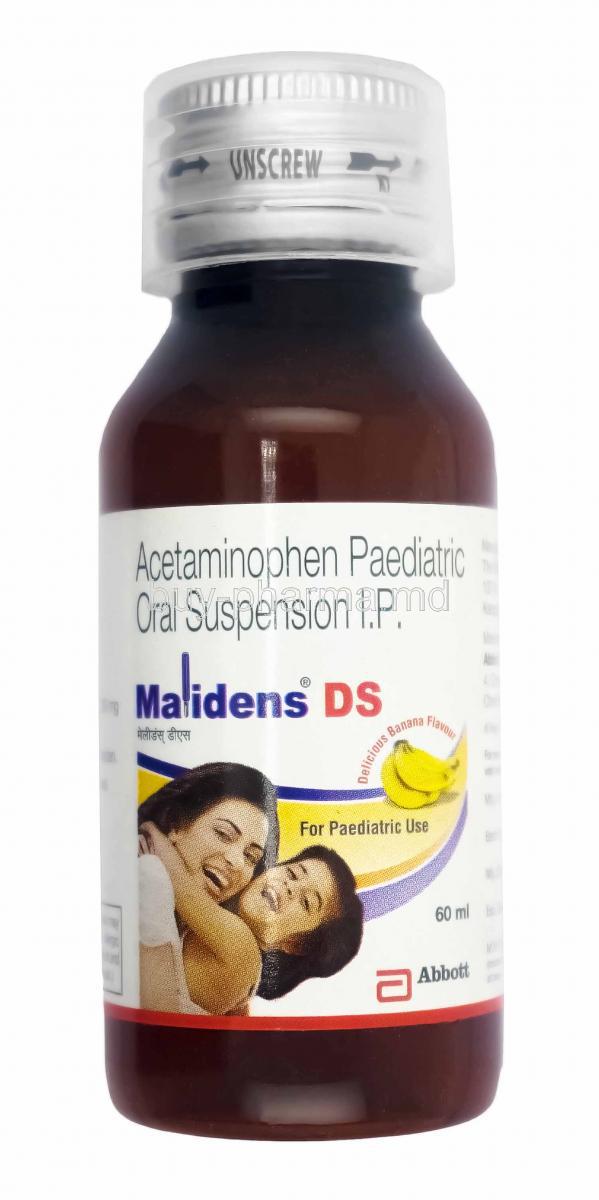
Malidens DS Oral Suspension, Paracetamol
- Introduction
- Overview of Malidens DS Oral Suspension
- Therapeutic Classification and Importance of Paracetamol
- Brand Availability and Global Usage Trends
- Composition and Formulation
- Active Ingredient: Paracetamol Concentration and Dosage Strength
- Inactive Ingredients and Excipients Overview
- Pharmaceutical Form, Taste Profile, and Packaging Information
- Acetaminophen vs Paracetamol
- Tylenol vs Paracetamol
- Paracetamol vs Ibuprofen
- Oxycodone vs Paracetamol
- Aceclofenac vs Paracetamol
- Naproxen vs Paracetamol
- Aspirin vs Paracetamol
- Metocarbamol Paracetamol
- Naproxen and Paracetamol
- Nimesulide and Paracetamol
- Paracetamol and Orphenadrine Citrate
- Paracetamol and Codeine
- Mechanism of Action
- Therapeutic Uses
- Primary Uses in Fever and Pain Relief
- Treatment of Mild to Moderate Pain (Headache, Toothache, Myalgia)
- Use in Fever Management in Children and Adults
- Post-Vaccination Fever and Discomfort Management
- Use in Cold and Flu Symptom Relief
- Aceclofenac and Paracetamol Tablet Uses
- Paracetamol for Stomach Pain
- Paracetamol for Dogs
- Paracetamol for Toothache
- Paracetamol for Sore Throat
- Paracetamol for Tooth Pain
- Paracetamol for Back Pain
- Off-label and Adjunctive Uses
- Dosage and Administration
- Administration in Specific Populations
- Side Effects
- Drug Interactions
- Contraindications
- Warnings and Precautions
- Careful Administration
- Important Precautions
- Overdosage and Management
- Handling and Storage
- Handling Precautions
- Key Takeaways
Introduction
Malidens DS Oral Suspension is a reliable and time-tested medication, valued globally in both community and hospital settings as an effective pain reliever and fever reducer (analgesic and antipyretic).
This specific liquid formulation is especially important for patients who need precise dosing, such as children or anyone who has difficulty swallowing tablets, and it is frequently chosen when minimizing stomach irritation is a concern. As effective pain management becomes a higher priority, demand for this trusted suspension—which appears under various brand names worldwide—continues to increase.
Overview of Malidens DS Oral Suspension
Malidens DS oral suspension is specifically formulated for effective analgesic (pain-relieving) action and is designed for easy absorption and reliable therapeutic results. It remains stable during storage and is ideal for repeated short-term use against viral infections and inflammatory pain.
This formulation utilizes paracetamol (acetaminophen), a non-opioid analgesic. Its mechanism of action largely avoids the prostaglandin inhibition process that affects the stomach lining, meaning it has a low risk of mucosal irritation. This key characteristic often makes it the preferred pain reliever in clinical practice.
Globally, paracetamol-based products, including brands like Malidens DS, are experiencing accelerated growth in emerging economies due to their high accessibility, trusted safety profile, and strong preference among healthcare professionals.
Therapeutic Classification and Importance of Paracetamol
Paracetamol (also known as acetaminophen) is a widely used analgesic (pain reliever) and antipyretic (fever reducer). It is the first-choice medication for easing mild-to-moderate pain, including headaches, muscle cramps, and dental soreness. Although its exact mechanism isn't fully known, the drug primarily works by blocking prostaglandin synthesis within the central nervous system.
It is particularly important for patient groups who cannot tolerate NSAIDs, such as those with peptic ulcers, clotting disorders, or kidney dysfunction, because:
- It causes minimal gastrointestinal distress.
- It has negligible interference with blood clotting (platelets).
- It is considered safe for occasional extended use when taken at the correct dosage.
Brand Availability and Global Usage Trends
Paracetamol suspensions (like acetaminophen products common in North America, such as Malidens DS) are sold under various brand names globally, ensuring consistent dosing and treatment approaches worldwide.
Demand for this product often sees brief increases during periods of illness outbreaks. While it is primarily intended for short-term use to relieve symptoms—and prolonged usage is uncommon—its safety profile is continually validated by research, which keeps boosting its overall popularity.
Composition and Formulation
Active Ingredient: Paracetamol Concentration and Dosage Strength
Malidens DS typically contains twice the concentration of paracetamol compared to standard pediatric suspensions. This higher strength means the proper dose can be administered using a significantly smaller amount of liquid, making the medication much easier for children who struggle to swallow large volumes of fluid.
Inactive Ingredients and Excipients Overview
The formulation of this product is a complex blend of ingredients, including stabilizers, sweetening agents, suspending carriers, and flavor enhancers.
This precise combination serves several key functions: it improves the taste, ensures the ingredients remain well-mixed (a guaranteed mix), and safeguards the product's longevity on the shelf.
Key components include:
- Sorbitol solutions (for sweetening and texture).
- Ester compounds (to enhance flavor).
- Buffered and suspended matrices (to ensure proper mixing and stability).
- Preservative systems (to control microbial growth).
Pharmaceutical Form, Taste Profile, and Packaging Information
Malidens DS is a smooth, uniform liquid suspension that has a fruity flavor designed to successfully mask the natural bitterness of the paracetamol. To protect the medicine from degrading due to light exposure, the product is typically packaged in amber-tinted bottles and includes a calibrated dosing syringe or measuring cup to ensure accurate administration.
Acetaminophen vs Paracetamol
The two names, paracetamol and acetaminophen, refer to the exact same drug molecule. The only difference is geographical: acetaminophen is the term used in the United States and Canada, while paracetamol is the common name used in most other parts of the world.
Tylenol vs Paracetamol
Tylenol is a trademarked brand name for the drug whose generic name is acetaminophen (which is also known as paracetamol). While the specific Tylenol products available may vary between countries, they all use acetaminophen/paracetamol as their primary ingredient for pain relief.
Paracetamol vs Ibuprofen
Paracetamol (acetaminophen) primarily offers pain relief and fever reduction with only a very minor anti-inflammatory effect, and it is generally gentle on the stomach lining. Ibuprofen, however, works by blocking cyclooxygenase pathways to deliver stronger anti-inflammatory effects in addition to pain and fever relief, making it particularly effective for treating inflammatory pain.
Oxycodone vs Paracetamol
This combination of oxycodone and paracetamol (acetaminophen) is intended for treating moderate-to-severe pain. The oxycodone provides a powerful opioid effect, while the paracetamol adds an extra layer of pain relief. However, this medication must be prescribed with extreme caution due to its risks, which include causing sedation, fostering dependence, and potentially putting a strain on the liver.
Aceclofenac vs Paracetamol
Combining the NSAID (Nonsteroidal Anti-inflammatory Drug) aceclofenac with the pain reliever paracetamol (acetaminophen) offers a remarkably comprehensive approach to pain management. This combination is frequently chosen for musculoskeletal disorders because these conditions benefit significantly from a treatment strategy that uses multiple types of analgesics (multimodal approach).
Naproxen vs Paracetamol
Naproxen supplies an effect, making the duo especially useful when arthritis flares up. Paracetamol adds fever‑reducing benefits along with a layer of pain relief.
Aspirin vs Paracetamol
While Aspirin provides strong fever-reducing and anti-inflammatory effects, it carries a higher risk of gastrointestinal irritation. In contrast, Paracetamol (acetaminophen) has weaker anti-inflammatory power, but its milder nature makes it a safer choice for a wider range of patients.
Metocarbamol Paracetamol
The muscle relaxant methocarbamol is sometimes combined with paracetamol (acetaminophen) to relieve both muscle tension and pain. Using them together allows for effective relief while generally minimizing side effects.
Naproxen and Paracetamol
When this treatment plan is followed, the pain-relieving effect is significantly increased while the risk of causing stomach upset remains low. Consequently, healthcare professionals frequently choose this naproxen and paracetamol regimen when treating pain from trauma or fevers caused by inflammation.
Nimesulide and Paracetamol
Although the safety risks of nimesulide are debated, it remains available in select pharmacies in certain regions. When it is combined with paracetamol (acetaminophen), the total dosage of both drugs must be strictly limited to prevent overloading and potential damage to the liver.
Paracetamol and Orphenadrine Citrate
The anticholinergic muscle relaxant Orphenadrine citrate can increase the pain-relieving effect of paracetamol (acetaminophen). This dual-action approach is particularly effective for treating both tension-type headaches and muscle spasms.
Paracetamol and Codeine
Combining paracetamol (acetaminophen) with codeine has traditionally been a core treatment for achieving enhanced pain relief. Since codeine provides a strong opioid effect, its dosage must be carefully adjusted in patients who have variations in the way their body processes drugs (specifically, in the CYP2D6 metabolism pathway).
Mechanism of Action
How Paracetamol Works in the Body
Paracetamol (acetaminophen) primarily works by affecting several pathways within the nervous system. Its main action is the modulation of prostaglandin synthesis in the brain, which helps relieve pain and fever while largely avoiding effects on peripheral body tissues.
This action allows the drug to rapidly reduce symptoms, while its long-term biochemical effects create a reliable therapeutic profile. Specifically, paracetamol:
- Affects the mechanisms that control body temperature (thermoregulation).
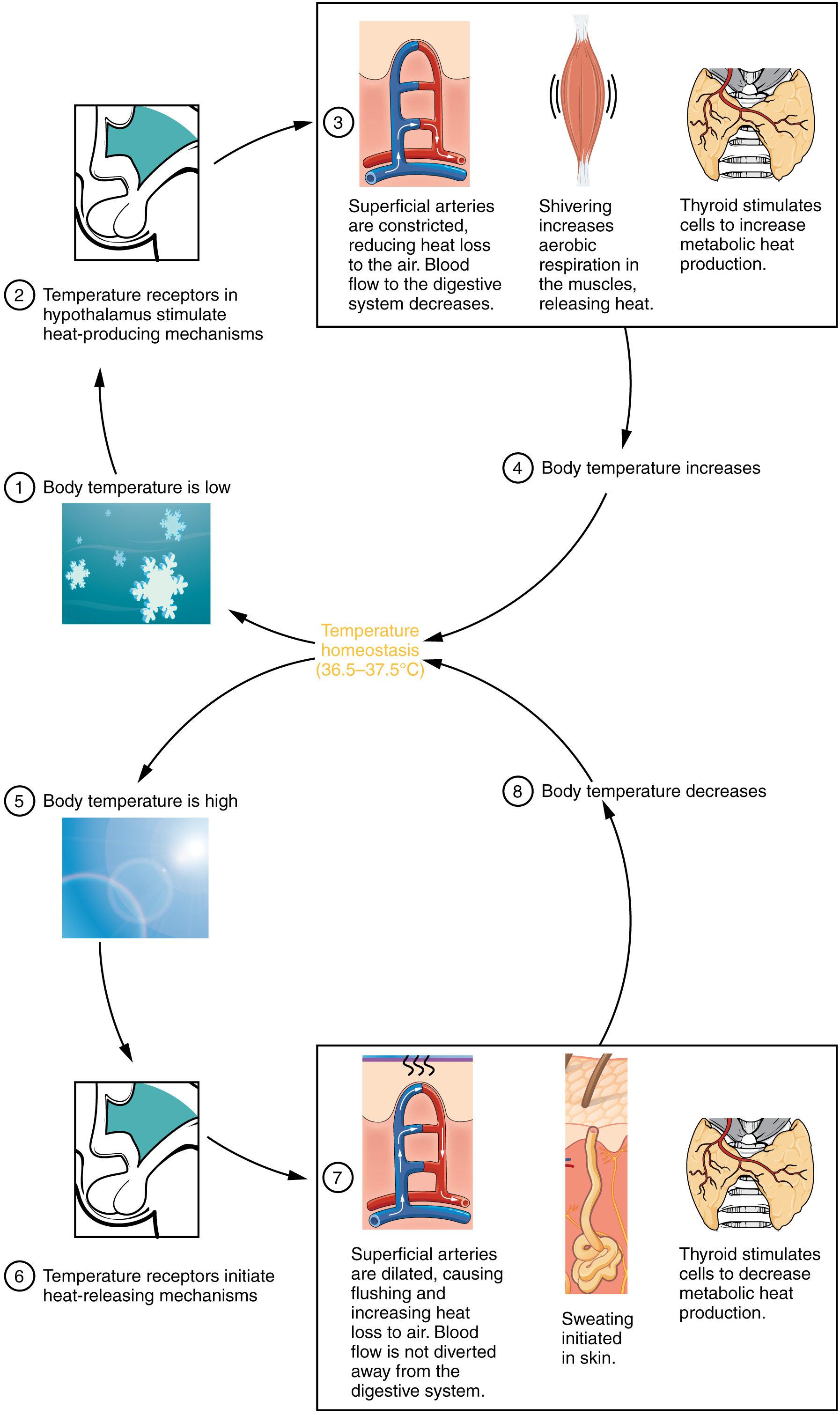
- Prevents the body from overheating when cytokines attempt to raise the temperature (fever).
- Dulls the transmission of pain signals.
Because of its specific central action, paracetamol remains effective even when there is little change in inflammation throughout the rest of the body.
Central Analgesic and Antipyretic Effects
Paracetamol (acetaminophen) reduces pain and fever primarily through its actions in the central nervous system. It alleviates pain perception by affecting various pathways and engaging the body's natural descending pain-inhibitory circuits.
Its fever-lowering capability comes from blocking prostaglandin E2 synthesis in the hypothalamus, which effectively resets the body's temperature-control mechanism, resulting in a sudden drop in fever.
Key features of Paracetamol:
- It causes a rapid reduction in body temperature.
- It has virtually no impact on inflammation.
- It maintains a favorable safety profile for many high-risk patient groups.
Difference from Nonsteroidal Anti-Inflammatory Drugs (NSAIDs)
Unlike NSAIDs (Nonsteroidal Anti-inflammatory Drugs), which act systemically by blocking cyclooxygenase (COX-2) enzymes throughout the body—often causing side effects in the stomach or kidneys—paracetamol (acetaminophen) is much gentler.
Paracetamol specifically modifies prostaglandin production in the brain and spinal cord while largely ignoring peripheral tissues. This unique characteristic is why:
- It causes no significant irritation of the stomach lining.
- It does not affect blood clotting (coagulation pathways).
- It is less likely to cause kidney problems, although this specific action means it is not as effective for inflammatory pain as NSAIDs are.
Pharmacodynamics and Pharmacokinetics
From a pharmacological standpoint, paracetamol (acetaminophen) has a predictable and consistent action profile. After being taken, it is efficiently absorbed through the gut, with blood concentration peaking typically within 30 to 60 minutes, delivering quick symptom relief.
The drug works by modulating prostaglandin synthesis and affecting various pain pathways in the central nervous system. It then travels widely throughout the body, easily crossing the blood-brain barrier.
Metabolism and Elimination
- Paracetamol is primarily metabolized in the liver through two main processes: glucuronidation and sulfation.
- A small amount is processed via a secondary pathway that creates a toxic intermediate, which is rapidly neutralized by glutathione.
- The final products are mainly eliminated via the kidneys.
These synchronized mechanisms ensure the drug is cleared from the body reliably and remains effective, as long as the dosage stays within the recommended range.
Therapeutic Uses
Primary Uses in Fever and Pain Relief
Paracetamol (acetaminophen) remains a foundational medicine for relieving fever and dulling pain. Its broad usefulness comes from its pain-relieving action, which offers relief while being gentle on the gastrointestinal tract. Patients typically notice quick, initial improvements, followed by a sustained, long-term benefit as systemic prostaglandin activity stabilizes.
Key reasons for its widespread use:
- It is effective for a wide variety of patients.
- It causes only minimal irritation to the stomach lining.
- It is ideal for treating symptoms that flare up occasionally and require immediate (acute) relief.
Treatment of Mild to Moderate Pain (Headache, Toothache, Myalgia)
Paracetamol (acetaminophen) is a primary treatment for managing various types of pain. It can quickly relieve headaches (including tension headaches) by modifying the brain's pain-processing signals. For a toothache, the drug provides temporary relief by calming the over-sensitive nerves caused by inflammation.
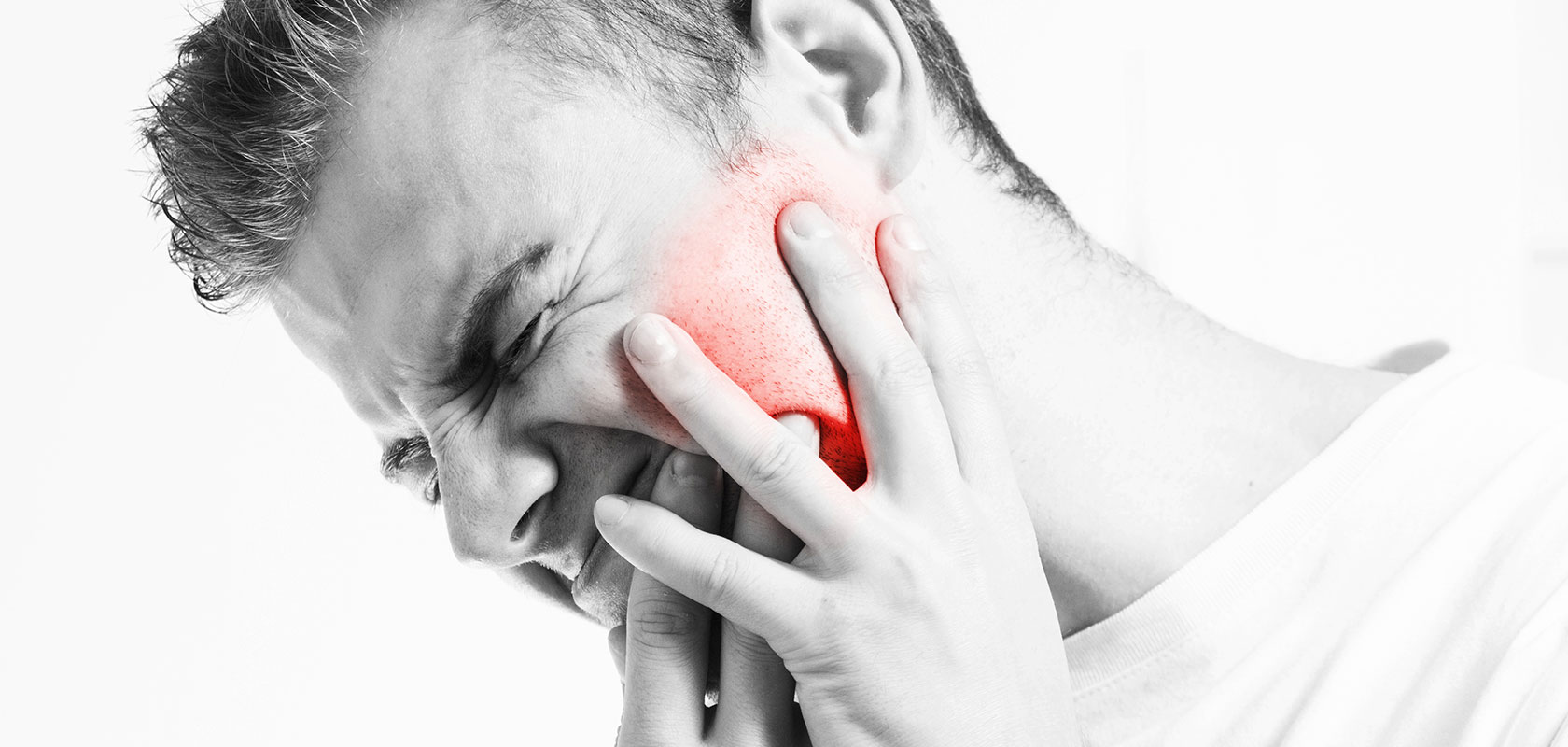
Furthermore, paracetamol can ease muscle aches resulting from strain, overexertion, or illness. Because it lacks strong anti-inflammatory properties, it is generally well-tolerated by individuals who need to avoid NSAIDs.
Use in Fever Management in Children and Adults
Paracetamol (acetaminophen) is the go-to medication for reducing fevers in people of all ages, from infants to the elderly. It works by stimulating the hypothalamus—the brain's temperature-control center—to safely and gradually lower the body's heat.
This medication is generally preferred for individuals with sensitive stomachs and has a slow onset of action that avoids causing sedation. It is effective at reducing both high-spiking and low-grade fevers once the correct dose is reached.
Post-Vaccination Fever and Discomfort Management
After receiving a vaccination, it's common to experience a fever, tenderness at the injection site, or a general feeling of being unwell. Paracetamol (acetaminophen) is frequently recommended to soothe these symptoms, as it can effectively reduce a fever without interfering with the body's immune response to the vaccine.
While relief may be brief initially, a more lasting sense of comfort typically follows as the inflammatory compounds begin to subside.
Use in Cold and Flu Symptom Relief
During an infection, paracetamol (acetaminophen) is effective at reducing fever, soothing a sore throat, and easing general body aches. It is frequently included in combination remedies designed to also relieve congestion, improve overall energy, and lessen headaches.
Overall, paracetamol helps to:
- Soothe discomfort throughout the body.
- Prevent temperature spikes.
- Boost a general sense of well-being during a viral illness.
Aceclofenac and Paracetamol Tablet Uses
Combining aceclofenac (an NSAID) with paracetamol (acetaminophen) creates a comprehensive treatment that offers both pain relief and strong anti-inflammatory action.
This two-part approach is commonly used for managing:
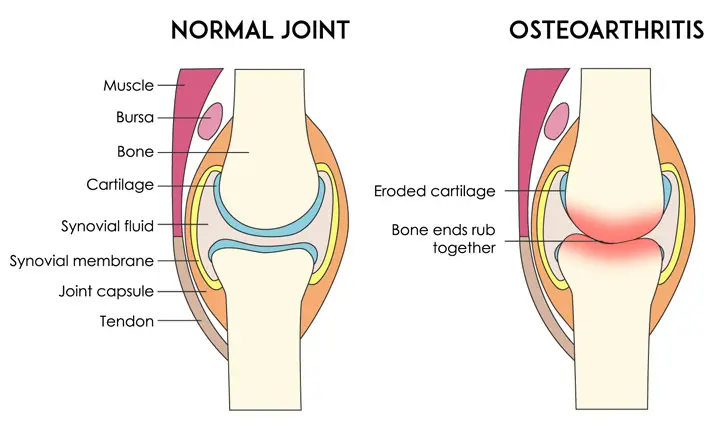
- Osteoarthritis flare-ups (sudden bursts of joint pain).
- Pain affecting the muscles, bones, and joints (musculoskeletal pain).
- Inflammation that occurs after a physical injury or trauma.
Crucially, the addition of paracetamol enhances the overall pain relief, which allows doctors to potentially reduce the required dose of the NSAID (aceclofenac).
Paracetamol for Stomach Pain
Paracetamol (acetaminophen) is frequently chosen to relieve stomach discomfort resulting from issues like non-ulcer dyspepsia, cramps, or viral infections. Unlike NSAIDs, paracetamol does not irritate the stomach lining, making it a safer choice for individuals who are particularly sensitive to gastric upset.
Paracetamol for Dogs
Paracetamol (acetaminophen) is generally not recommended for pain relief in dogs. A dog's body processes the drug differently than a human's, meaning even a small dosing mistake can lead to a toxic reaction.
Never give human paracetamol to your dog unless a veterinarian explicitly prescribes and supervises the dosage regimen. Professional veterinary advice is essential before any use in canines.
Paracetamol for Toothache
When a toothache is caused by conditions like pulpitis (inflammation of the pulp), an infection, or trauma (a blow to the tooth), paracetamol (acetaminophen) can often provide temporary relief due to its pain-relieving action. However, it will not cure the underlying problem; its purpose is to provide a window of comfort until the patient can receive proper dental treatment.
Paracetamol for Sore Throat
Paracetamol (acetaminophen) is effective for treating sore throats and general throat irritation by alleviating both pain and fever. Its pain-relieving action is especially helpful in softening the soreness, particularly when swallowing is painful due to inflammation of the mucosal lining.
Paracetamol for Tooth Pain
A dose of paracetamol (acetaminophen) can provide relief for acute dental pain, whether it's a sharp sting, a throbbing pulse, or a feeling of pressure. By dulling the pain signals, the medication offers a necessary reprieve while the patient arranges for a professional dental assessment.
Paracetamol for Back Pain
Paracetamol (acetaminophen) can offer relief from back pain caused by issues like a pulled muscle, disc irritation, or chronic poor posture. By influencing pain pathways, it helps temper the perceived intensity of the ache, making movement and daily routines more manageable.
Key Benefits for Back Pain
- It provides short-term reprieve from discomfort.
- It's gentle on the stomach and kidneys, making it suitable for patients who must avoid NSAIDs.
Off-label and Adjunctive Uses
Pain Management in Osteoarthritis and Musculoskeletal Disorders
Paracetamol (acetaminophen) is frequently used as the primary pain reliever for osteoarthritis and various other musculoskeletal conditions. Although its anti-inflammatory effects are minor, it successfully dulls the pain, which helps patients maintain mobility and manage daily activities.
Relief often starts quickly but is typically short-lived; however, taking the drug on a scheduled basis can lead to more consistent and sustained therapeutic benefits.
Key Advantages
- It is specifically designed for people who cannot tolerate NSAIDs.
- It helps reduce the persistent, low-level pain often associated with chronic joint disease.
- Its gentle nature makes it a reliable choice for seniors with other health concerns.
- It provides essential support when combined with treatments like physiotherapy and lifestyle changes.
Adjunct Therapy in Migraine and Tension Headache
Paracetamol (acetaminophen) is often used alongside specific migraine treatments, like triptans. It effectively dulls the intense pain during a migraine's active phase and soothes the lingering ache afterward. For tension headaches, it relieves the pressure and dull, throbbing pain caused by tight muscles around the head.
Because the medication is absorbed very quickly into the system, it provides a consistent and rapid onset of action, making it highly valuable for early intervention in various headache conditions.
Use in Menstrual Cramps and Dysmenorrhea
Paracetamol (acetaminophen) helps to relieve the discomfort associated with menstrual cramps (dysmenorrhea). Although it isn't as potent as NSAIDs at directly treating the uterine spasms, it remains a valuable option for individuals who have a sensitive stomach or cannot take stronger anti-inflammatory medications.
Paracetamol helps to take the edge off the pain, allowing daily life to continue normally. It can also be effectively used in combination with other comfort measures, such as heat therapy or antispasmodic drugs.
Off-label Use in Post-operative Pain Control
Paracetamol (acetaminophen) is frequently a cornerstone of pain relief after surgery.
By including it in the treatment plan, the need for opioid medication is significantly reduced, which in turn lowers the risks of common side effects like sedation, constipation, and addiction. The steady, gentle relief provided by paracetamol is highly valuable for patients recovering from day-case procedures and those managing a moderate recovery.
While short-term doses quickly improve comfort, continuing the medication over time helps to keep pain levels stable as tissues heal and inflammation subsides.
Use in Chronic Pain Where NSAIDs Are Contraindicated
For individuals managing chronic pain conditions, such as persistent backaches, overlapping syndromes, or the widespread discomfort of fibromyalgia, paracetamol (acetaminophen) is a key component of the long-term pain control strategy.
It is particularly valuable when NSAIDs are not suitable due to issues like kidney problems, ulcer disease, or the use of blood thinners (anticoagulants).
Benefits for Chronic Pain Management
- It provides a gentle, cumulative effect over time.
- It significantly reduces the risk profile compared to continuous NSAID use.
- It can be easily integrated with other therapies, including physiotherapy, cognitive-behavioral approaches, or low-dose prescription medications.
Because paracetamol is generally easy on the body's system, it is an excellent, low-risk choice for people who require steady pain relief to maintain their daily routines.
Dosage and Administration
Recommended Dosage for Adults
The typical adult dose of paracetamol (acetaminophen) is designed to be effective while protecting the liver (hepatic reserve). Clinicians generally recommend 500 mg to 1,000 mg per dose, taken every 4 to 6 hours.
It is crucial that the total amount taken daily never exceeds the established maximum limit.
Key Dosage Limits
- Absolute Upper Limit: Typically set at 4,000 mg per day (when totaling all sources).
- Conservative Limit: Many clinicians prefer a safer ceiling of about 3,000 mg to 3,250 mg per day.
Always avoid taking paracetamol from multiple products at the same time (e.g., don't take a tablet if you are already taking a cold-and-flu liquid that contains paracetamol).
Dosage for Children Based on Body Weight
Dosing paracetamol (acetaminophen) for children is based on their weight to ensure safe drug exposure. Healthcare providers typically aim for 10 mg to 15 mg per kilogram (kg) of body weight, per dose, given every four to six hours.
Pediatric Dosing Rules
- Dose Frequency: Every 4 to 6 hours.
- Maximum Daily Dose: The total amount given over 24 hours should not exceed 75 mg/kg per day and must stay below the maximum adult limit.
It is essential to use calibrated syringes or dosing cups to measure the exact amount, ensuring the quantity given remains within the calculated safety limits.
Administration Guidelines and Timing of Doses
Paracetamol (acetaminophen) can be taken with or without food, although a light snack may help prevent minor stomach discomfort. To maximize its effectiveness, it's best to stick to a regular dosing schedule. The timing of each dose is key to ensuring the drug reaches its peak level when needed.
Dosing Guidance
- Minimum Interval: Ensure there is a four-hour gap between doses.
- Optimal Timing: Try to time doses to coincide with expected fever spikes or when you anticipate pain flare-ups.
- Safety Warning: Avoid consuming alcohol while taking paracetamol, as the combination adds stress and potential damage to the liver.
Maximum Daily Dose and Overdose Prevention
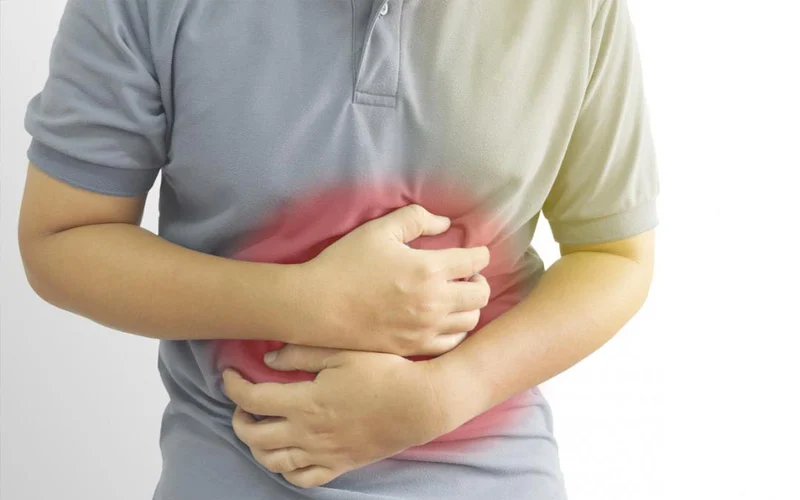
It is absolutely critical to adhere strictly to the maximum daily dosage of paracetamol (acetaminophen). Exceeding this limit can cause dose-dependent liver toxicity (hepatotoxicity) due to the buildup of reactive metabolites. If an overdose is suspected, immediate medical intervention is essential.
Key Dosage and Safety Points
- The absolute adult daily limit is 4,000 mg; however, it is safer to aim for a maximum of 3,000 mg to 3,250 mg per day.
- Always check all combination medications (like cold-and-flu remedies) and carefully tally the total dose taken from all sources each day.
- If an overdose is suspected, seek immediate emergency care so that the antidote, N-acetylcysteine, can be administered promptly
Adjustment in Hepatic or Renal Impairment
Dosing paracetamol (acetaminophen) must be adjusted based on the body's reserve capacity, especially if the liver or kidneys are not functioning properly.
Adjustments for Organ Impairment
- Liver Compromise: If the liver is impaired, it's wise to limit the daily dose to 2,000 mg (2 g). The drug should be completely avoided in cases of severe, active liver disease.
- High-Risk Individuals: For those with chronic alcohol consumption, poor nutrition, or low body weight, it's safer to use lower amounts, typically staying at or below 2,000 mg to 3,000 mg per day.
- Kidney Impairment: If a patient has severe kidney issues (Creatinine Clearance, or CrCl, under $30 \text{ mL/min}$), they should keep the standard dose amount but increase the time between doses to approximately every six to eight hours to prevent drug buildup.
Missed Dose Instructions and Safe Intervals Between Doses
If you miss a scheduled dose of paracetamol, take it as soon as you remember, unless the time for the next dose is almost due.
Do not double the dose to make up for the missed one. Instead, prioritize maintaining a minimum of four hours between doses to keep a steady rhythm. Log the times you take the medication to prevent accidentally doubling up, and simply return to your original schedule at the next appropriate interval.
Administration in Specific Populations
Administration to Children and Infants
For newborns, babies, and children, accurate dosing of paracetamol (acetaminophen) is essential. The amount must be calculated precisely based on the child’s weight, and using age-appropriate formulations helps ensure consistency and better tolerability.
Pediatric Dosing Rules
- Dose Amount: Give 10–15 mg per kilogram (kg) of the child’s weight.
- Dose Frequency: Repeat the dose every four to six hours.
- Maximum Limit: Never exceed 75 mg per kilogram per day, and always observe the lower limit between this calculation and the adult maximum.
- Administration: Only use calibrated dosing syringes; never rely on common household spoons.
Administration to Elderly Patients
Paracetamol (acetaminophen) is generally well-tolerated by older patients because it is easy on the gastrointestinal tract and minimally affects blood clotting (platelet function).
However, due to factors like frailty and the use of multiple medications, a measured approach to dosing is necessary. Therapy should start at a lower level and only be increased after a careful assessment.
Key Considerations for Seniors
- Dosage Limit: If the patient has other health conditions (comorbidities), it's often best to aim for a lower daily maximum, such as 3,000 mg or less per day.
- Monitoring: For regular use, it's important to monitor the patient's kidney status and liver function (hepatic biomarkers).
- Hidden Sources: Always check combination products (like cold remedies) to find and account for any hidden paracetamol to prevent an accidental overdose.
Administration to Pregnant Women and Nursing Mothers
Paracetamol (acetaminophen) is the preferred medication for pain relief or fever reduction in nursing women because only a minimal amount passes into breast milk, making it safe for the infant.
However, the dose should be kept as low as possible and used only for the shortest necessary time. Standard adult single-dose guidelines should be followed, and the maximum daily limit must never be exceeded. If a high dose is needed for an extended period, a clinical review by a doctor is necessary.

Dosage Considerations in Patients with Liver or Kidney Disease
Tailoring the paracetamol (acetaminophen) regimen to a patient's existing health conditions significantly reduces the risk of treatment-related harm. The main strategy is simple: decrease the total daily dose for impaired liver function and lengthen the time between doses for reduced kidney function.
Specific Adjustments
- Liver Disease: Limit the daily dose to 2,000 mg (2 g) and completely avoid the medication in cases of severe, active liver injury.
- Kidney Disease (severe): While keeping the individual dose amount the same, the dosing interval should be extended to approximately every 6 to 8 hours to prevent the drug from building up.
For any treatment lasting longer than a short-term period, regular reassessments of the patient's condition are necessary.
Side Effects
Overview of Possible Adverse Reactions
Paracetamol (acetaminophen) is generally well-tolerated, but side effects can still occur. These effects range from mild and temporary to more significant, requiring medical attention.
Most people who experience side effects find they are minor and quickly pass, usually affecting the gastrointestinal system or the skin.
However, serious issues are rare, such as immune or liver disturbances. The risk of adverse effects increases when the recommended dose is exceeded or when paracetamol is taken simultaneously with other medications.
Common Side Effects (Nausea, Mild Rash, Drowsiness)
Most reactions to paracetamol (acetaminophen) are generally mild and temporary, resolving on their own without requiring intervention.
Common minor side effects include nausea or dyspepsia (indigestion), which can often be alleviated by taking the dose with a light snack. Minor skin reactions like a mild rash or itching also usually clear up quickly.
Although drowsiness or light-headedness is rare, it has been reported, particularly when paracetamol is part of a multi-ingredient product. If any symptoms persist, it's wise to continue monitoring them.
Rare but Serious Side Effects (Hepatotoxicity, Allergic Reactions)
While severe reactions to paracetamol (acetaminophen) are rare, they are significant. The risk of these serious events increases with factors like overdosing, fasting, chronic alcohol use, or pre-existing liver disease.
Serious Adverse Effects
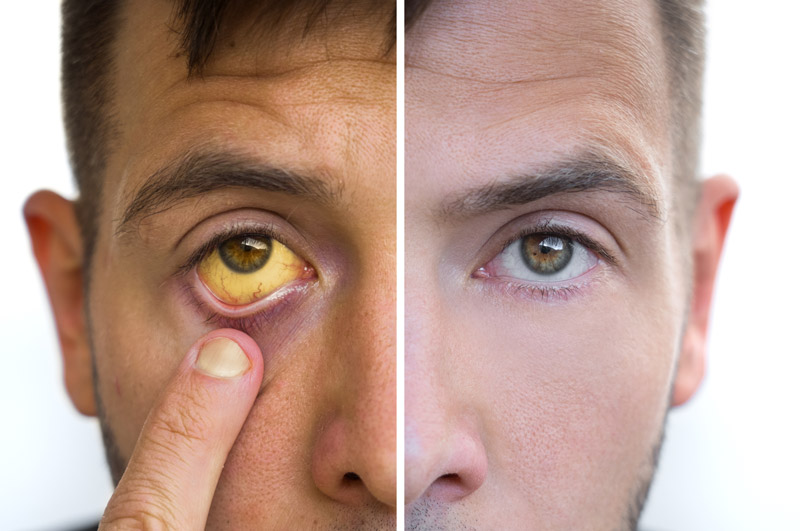
- Hepatotoxicity (Liver Damage): This often appears as pain in the upper right abdomen, jaundice (yellowing of the skin/eyes), dark urine, and dangerously elevated liver enzyme levels (transaminases).
- Severe Skin Reactions: Extremely rare but life-threatening reactions include Stevens-Johnson syndrome (SJS) or toxic epidermal necrolysis (TEN).
- Acute Allergic Reactions: An immediate allergic episode can range from breathing difficulty (bronchospasm) or swelling (angioedema) to a widespread hive-like rash (generalized urticaria).
Signs of Overdose and Toxicity Symptoms
A paracetamol (acetaminophen) overdose usually follows a two-stage progression, where initial symptoms are followed later by signs of liver injury.
Overdose Progression
- 0–24 hours (Initial Stage): Symptoms are often non-specific and flu-like, including nausea, vomiting, paleness, excessive sweating, and general discomfort (malaise).
- 24–72 hours (Liver Injury Onset): Signs of liver damage begin to appear, such as pain on the right side of the abdomen, rising AST/ALT liver enzyme levels, and problems with blood clotting (coagulopathy).
- 72–96+ hours (Peak Damage/Organ Failure): This stage involves potential kidney failure, mental confusion, a drop in blood sugar (hypoglycemia), and a dangerous rise in acid levels (lactic acidosis).
Rapid medical assessment is critical. The effectiveness of the antidote, N-acetylcysteine, depends entirely on how quickly it is administered.
Managing Mild and Severe Side Effects
The approach to managing paracetamol side effects depends on the severity, duration, and the patient's individual risk. Simple reactions can usually be handled easily, but any serious or "red flag" symptoms require immediate escalation of care.
Management by Severity
- Mild Reactions: These are often managed by simply spacing out doses, taking the medication with food, or using an anti-itch cream (antipruritic) to calm a rash.
- Worsening Symptoms (Seek Medical Attention): Stop taking the medication and see a doctor immediately if you experience a rash that is spreading, facial swelling, wheezing, or persistent vomiting.
- Emergency Care: Call emergency services immediately for signs of overdose, obvious jaundice (yellowing), a confused mental state, or an unusual tendency to bleed.
Drug Interactions
Interactions with Anticoagulants (Warfarin and Others)
When paracetamol (acetaminophen) is taken regularly alongside an anticoagulant (like warfarin), the combination can subtly increase the anticoagulant's activity. This happens because the drugs interact within the liver, slightly disrupting the normal cycle of Vitamin K. Even a small increase in blood-thinning can be significant, especially with higher anticoagulant doses.
Management Recommendations
- Regular Paracetamol Use: The patient's INR (a measure of blood-clotting time) should be checked frequently.
- Intermittent Use: Short, occasional doses of paracetamol are less likely to disrupt the patient's blood-thinning regimen.
- Therapy Adjustment: Any change in paracetamol use must be coordinated with the anticoagulation management team.
Interactions with Alcohol and Hepatotoxic Drugs
Consuming alcohol while taking paracetamol (acetaminophen) is dangerous because alcohol damages the liver and depletes its glutathione stores, which makes the liver more vulnerable to the toxic byproducts of paracetamol. Combining the two substances greatly magnifies the risk of liver damage.
Key Safety Measures
- Avoid alcohol completely during treatment, as the risk increases with greater intake.
- Be cautious if you are also taking drugs like isoniazid, methotrexate, amiodarone, or high-dose niacin.
- Maintain a conservative maximum daily dose for any patient with existing liver strain.
Interaction with Enzyme-Inducing Drugs (Phenytoin, Carbamazepine)
Drugs that act as enzyme inducers can dangerously increase the liver's production of toxic metabolites from paracetamol. This effectively lowers the threshold for injury, meaning liver damage can occur even when the patient takes a seemingly normal dose.
Safety Recommendations
- Dose Reduction: It may be wise to consider a lower daily maximum dose.
- Precision in Timing: It is crucial to strictly and precisely observe dosing intervals to ensure the medication is taken exactly as scheduled.
- Monitoring: If a long-term combination regimen with enzyme inducers is necessary, continuous monitoring of liver function is essential.
Combined Use with Other Paracetamol-Containing Products
Taking multiple medications simultaneously is a common, but preventable, cause of paracetamol overdose, largely because many multi-symptom cold and flu products hide paracetamol (acetaminophen) among their active ingredients.
Safety Steps to Prevent Overdose
- Check Labels: Always look for the words "acetaminophen" or its shorthand "APAP" on all product labels.
- Calculate Total Dose: You must add together the daily intake from every product you are taking to determine the true total dose.
- Choose Single-Ingredient Products: Whenever possible, choose medications that contain only one active ingredient to simplify dose tracking.
Food and Beverage Interactions
Eating food has little effect on how much paracetamol (acetaminophen) is absorbed, though a light snack might help with minor nausea. Some combination products include caffeine, which can slightly enhance the pain-relieving effect.
The most important thing is to stay consistent with your routine, whether you take the medication with or without food.
Key Advice
- Caffeine Warning: If you are taking a paracetamol product that already contains caffeine, avoid additional caffeinated drinks later in the day to prevent sleep disruption.
- Fever Management: When dealing with a fever, ensure you maintain steady fluid intake to prevent dehydration.
Contraindications
Known Hypersensitivity to Paracetamol or Excipients
Patients who have a confirmed allergy (hypersensitivity) to paracetamol (acetaminophen) or any of its inactive ingredients must completely avoid the drug. When selecting a pain reliever, the prescribing clinician must meticulously review the patient's history of allergic reactions.
Key Safety Steps
- Verify Reactions: Confirm the details and symptoms of any past allergic reactions.
- Check Ingredients: Double-check the formulation's components, including flavors, dyes, and preservatives.
- Report Serious Reactions: Any serious adverse events should be reported to the relevant pharmacovigilance programs.
Severe Hepatic Impairment or Active Liver Disease
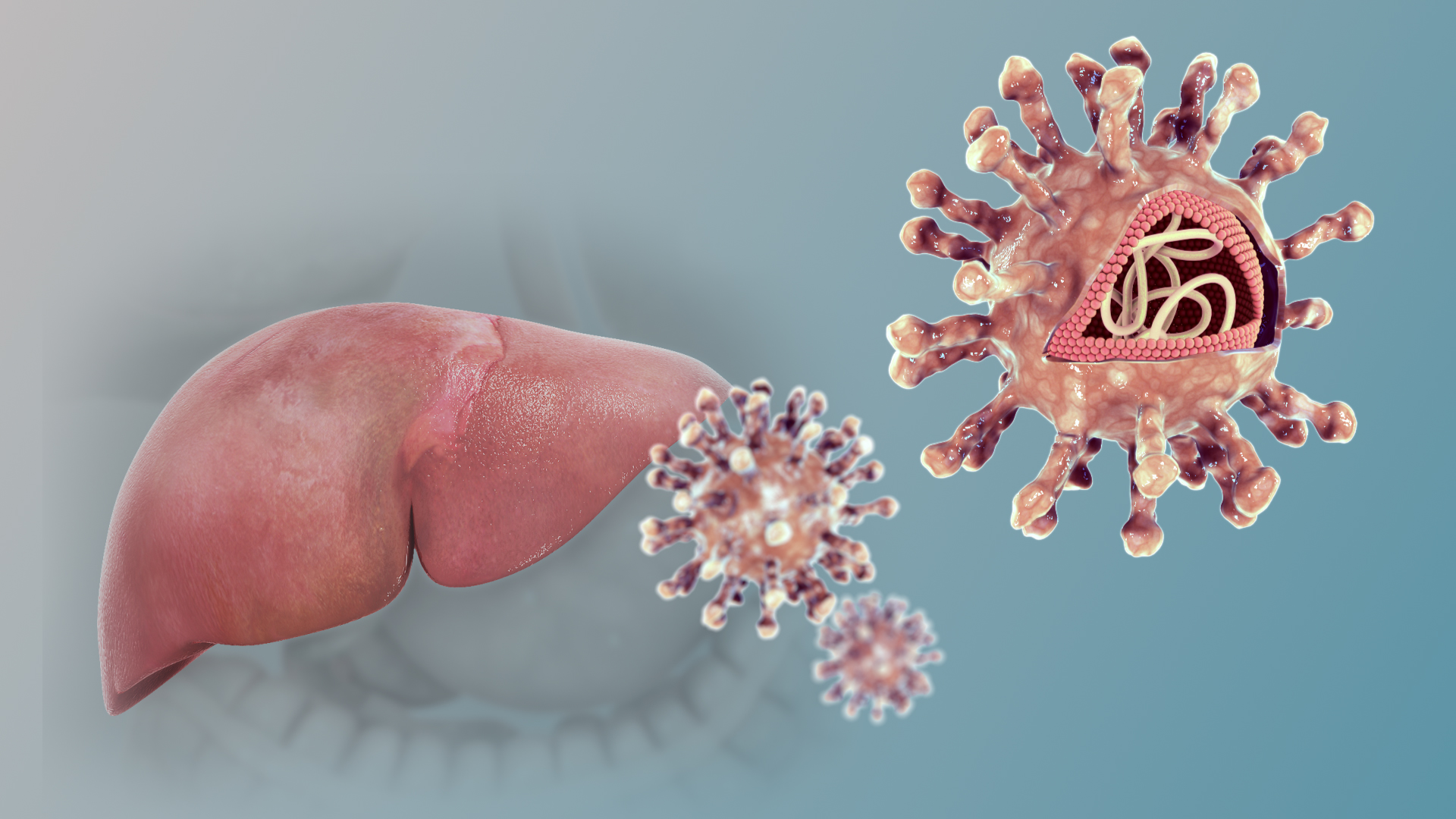
When a patient has significant liver impairment, the body's ability to clear paracetamol (acetaminophen) is reduced, which sharply increases the risk of toxicity. In such cases, treatment should prioritize alternatives or options that involve substantially lower drug exposure.
Liver Dysfunction Protocol
- Avoid Use: This medication should not be used in patients with conditions like hepatitis or decompensated cirrhosis.
- Essential Use: If the medication is absolutely necessary, it must be given at a specialist-guided dose and under close clinical monitoring.
- Reassessment: The need for the drug should be frequently reviewed, and therapy should be stopped immediately if there is any indication of the patient's condition worsening.
Alcohol Dependence and Chronic Alcohol Use
Chronic alcohol consumption increases the liver's enzyme activity and depletes its protective antioxidant stores. This makes the liver much more vulnerable to cellular injury from paracetamol (acetaminophen), even when only low doses are taken.
Safety Recommendations
- Alternatives: If possible, choose pain relievers that do not pose a risk to the liver.
- Strict Limits: If paracetamol must be used, adopt conservative dosage limits and strictly enforce the time intervals between doses.
- Support: Patients should be enrolled in counseling to reduce alcohol intake and regularly monitor their liver health.
Concurrent Use with Other Hepatotoxic Medications
When a patient is taking paracetamol (acetaminophen) along with other medications, the overall danger of adverse effects, particularly to the liver, increases. To control this risk, clinicians typically reduce the total medication load and prioritize close monitoring.
Risk Reduction Strategy
- Review All Products: Carefully check every prescription, over-the-counter (OTC) product, and herbal supplement for potential interactions or hidden paracetamol.
- Limit Use: Reduce both the duration of paracetamol use and the overall daily dosage.
- Monitor Liver: If using co-therapy cannot be avoided, it is essential to vigilantly track the patient's liver enzyme levels.
Warnings and Precautions
Risk of Liver Damage from Overdose or Chronic Use
While typically safe within the recommended limits, paracetamol (acetaminophen) can cause liver injury (hepatic injury) if the dosage boundaries are crossed or if it's used excessively over time.
This damage occurs as the drug is metabolized, causing toxic byproducts to accumulate while the liver's natural protective agent, glutathione, is depleted, ultimately leading to tissue death (necrosis). Even small errors—like combining several products that contain acetaminophen—can rapidly lead to severe damage.
Key Risk Factors
- Overdosing significantly boosts the risk of liver toxicity.
- Conditions like fasting, poor nutrition, or habitual excessive alcohol consumption severely reduce the body's ability to withstand damage.
- If there is any suspicion that the dose limits have been exceeded, an immediate and thorough medical evaluation is absolutely essential.
Importance of Checking Other Paracetamol-Containing Medicines
The primary cause of paracetamol overdose is often the simple act of taking the medication twice (duplication). This frequently happens because many cold, flu, and pain-relief products disguise paracetamol under the name "acetaminophen" or the abbreviation "APAP."
Prevention Checklist
- Inspect All Labels: Scrutinize all labels, including both prescription and over-the-counter items.
- Calculate Daily Total: Add up the total number of milligrams consumed each day, accounting for every product source.
Choose Single-Ingredient Products: To ensure absolute clarity and reliability, select products that contain only one active ingredient.
Warning Signs Requiring Medical Attention
The initial phases of liver decline often show up as subtle, nearly invisible changes. However, the condition can quickly and severely worsen. Promptly recognizing these changes is vital to preventing a disastrous outcome.
Signs of Worsening Decline
- Gastrointestinal Symptoms: Persistent vomiting, feeling queasy (nausea), or a sharp ache in the epigastric area (upper abdomen) or upper right quadrant.

- Jaundice/Bile Issues: Yellowing of the skin (jaundice), dark-colored urine, persistent itching, and pale stools.
- Clotting/Mental Changes: Feeling confused, bruising easily, or developing a general tendency to bleed.
Use Caution in Malnourished or Dehydrated Individuals
Physiological reserves (like hydration and nutrients) are critical for safety. For instance, dehydration can increase the concentration of paracetamol in the blood, while malnutrition depletes essential protective substances like antioxidants and glutathione.
Safety Recommendations
- Set Daily Limits: Establish and stick to a conservative total daily dosage limit.
- Prioritize Health: Maintain good hydration and nutrient replenishment.
- Seek Evaluation: If the medication needs to be taken repeatedly over a long period, it is wise to get a medical evaluation to ensure safety.
Paracetamol Poisoning in Cat
Because cats lack the ability to properly metabolize paracetamol (acetaminophen) through a process called glucuronidation, they are exceptionally sensitive to the drug. Consequently, even a tiny dose can be fatal to a cat. Human paracetamol must never be given to felines.
Signs of Poisoning
- Symptoms of paracetamol poisoning include:
- Obvious swelling of the face and paws.
- Labored breathing.
- Brownish-tinged mucous membranes (like the gums) due to blood changes.
- Skin discoloration (jaundice).
- Profound lethargy.
Action Required
If you suspect your cat has ingested paracetamol, it is vital to take the pet to a veterinarian immediately. They will likely require an antidote and potentially supplemental oxygen. To prevent accidental ingestion, ensure that all tablets and flavored suspensions are stored securely and out of reach.
Careful Administration
Monitoring in Patients with Hepatic Dysfunction
When the liver is already stressed or compromised, even a standard dose of paracetamol (acetaminophen) can become risky. However, these risks can be minimized by carefully adjusting the dosage and maintaining consistent medical monitoring.
Risk Reduction for Compromised Liver
- Lower Daily Limits: Adults should take no more than 2,000 mg (2 g) per day.
- Treatment Schedule: Focus on widening the time between doses and keeping treatment courses as short as possible.
- Monitoring: If repeat use is necessary, regular liver function assessments must be scheduled.
Caution in Renal Impairment
Paracetamol (acetaminophen) is primarily processed by the liver, but its breakdown products are cleared from the body by the kidneys. If the kidney function, measured by the glomerular filtration rate (GFR), declines, there is a higher risk of these metabolites building up in the system.
Adjusting for Reduced Kidney Function
- For patients with significantly reduced kidney function (Creatinine Clearance, or CrCl, below 30 mL/min), the standard dose amount should be maintained, but the dosing interval must be extended to approximately every six to eight hours.
- To simplify monitoring, avoid combination products that make it difficult to track the exact paracetamol dose.
- Continuously monitor and reassess the patient's need for pain relief.
Use in Patients with Anemia or Dehydration
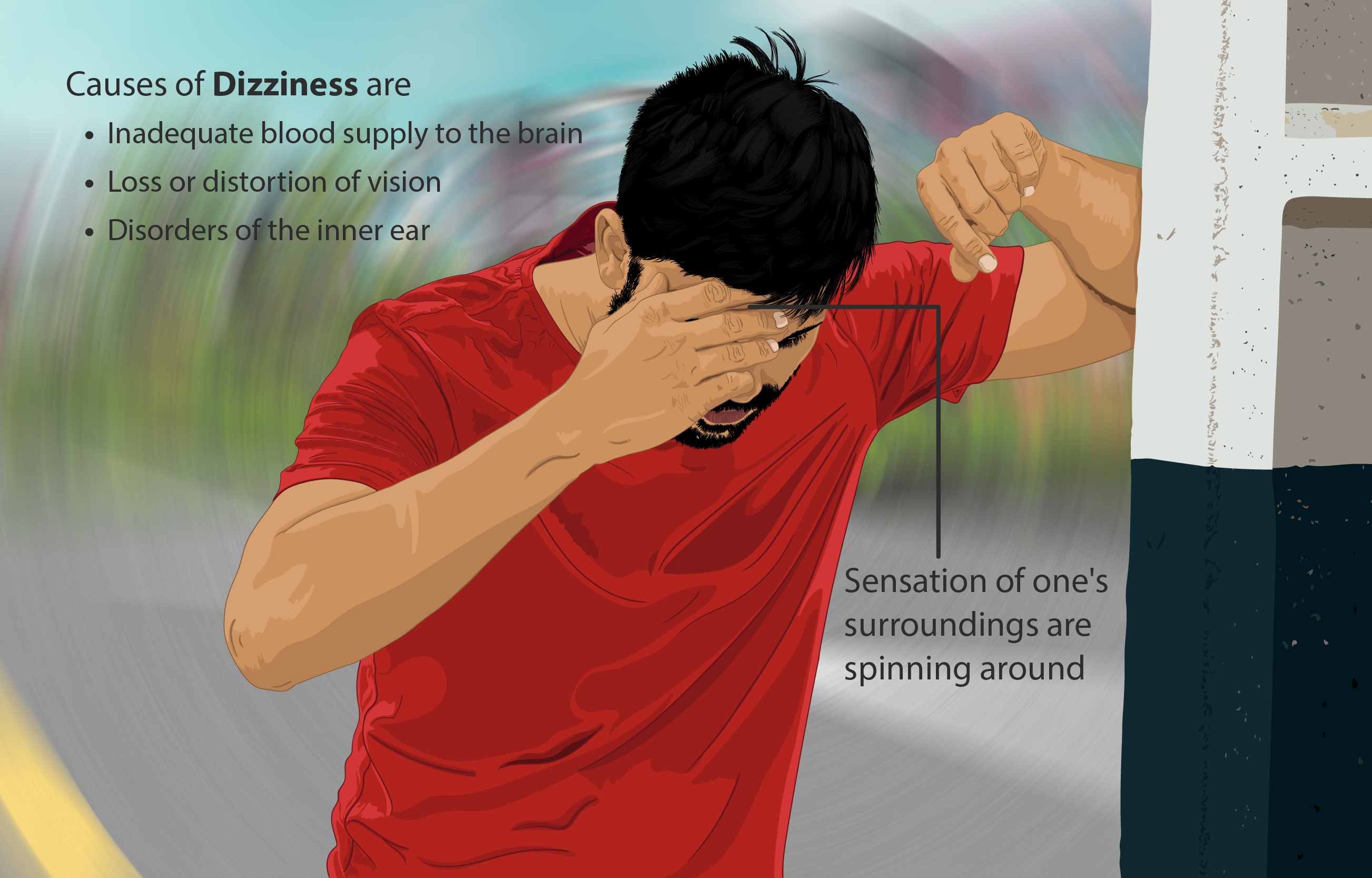
When a patient is suffering from both anemia (low red blood cell count) and low blood volume, the associated fever symptoms, like fatigue and dizziness, can become significantly worse. The safest approach in this situation is to use modest medication doses and prioritize supportive care.
Recommended Strategy
- Focus on restoring proper fluid volume and treating any underlying deficiencies, such as iron or Vitamin B12.
- To prevent accidental overdose, accurately record the timing of every dose administered.
- If symptoms persist even after the correct dose has been given, a more in-depth medical evaluation is necessary.
Avoiding Long-Term Self-Medication
When the use of paracetamol (acetaminophen) becomes a long-term, unmonitored habit, it can mask underlying health issues and dangerously increase risks. If pain persists for more than a few days, it signals a need for a professional medical investigation.
Safety Recommendations
- Limit Duration: Establish clear time limits for taking the medication.
- Seek Evaluation: A medical evaluation is recommended if you have recurring headaches, chronic muscle/joint pain, or a persistent need for high doses.
- Alternative Strategies: Consider using adjunct treatments (like physiotherapy or non-drug methods) to avoid reliance on the medication.
Important Precautions
Avoiding Simultaneous Use with Alcohol
Regular alcohol consumption increases the activity of the liver's metabolic pathways and depletes its stores of the protective agent glutathione. This makes the combination of alcohol and repeated paracetamol (acetaminophen) doses especially dangerous to the liver.
Key Safety Advice
- Avoid Alcohol: It is best to avoid alcohol during the course of treatment completely.
- Lower Limit for History of Use: For individuals with a history of alcohol use, it is critical to set a very conservative maximum daily dose of paracetamol.
- Hidden Alcohol: Be aware that many cough syrups and tonics contain hidden alcohol, and factor this into your consumption.
Monitoring Total Daily Dose in Combination Therapies
Using products that treat multiple symptoms simultaneously can dangerously mask the total amount of paracetamol (acetaminophen) a patient is exposed to. To prevent miscalculation and overdose, it is crucial to maintain a detailed, ledger-style record of every dose taken.
Safety Tracking Essentials
- Record Everything: Note down every dose taken, along with the specific strength of the product used.
- Cap the Total: The cumulative dosage from all sources, including "as needed" (PRN) doses, must not exceed the established daily limit.
- Avoid Overlap: It is best to avoid using both daytime and nighttime formulas if both contain paracetamol.
Consulting Healthcare Professionals Before Prolonged Use
When a patient requires a medication regimen that is long-term or frequent, the dosage and safety plan must be customized for that individual. The presence of existing illnesses, other medications being taken, and the patient's nutritional status all combine to determine the safest possible dose.
Individualized Safety Strategy
- Consider Alternatives: Evaluate the necessity of paracetamol and consider the need for adjunct treatments (non-drug or alternative therapies).
- Establish Monitoring: Set up a specific monitoring protocol (e.g., liver function tests) before starting any repeated course of treatment.
- Comprehensive Review: Carefully review every prescription, over-the-counter (OTC) agent, and herbal supplement to check for interactions or hidden paracetamol.
Recognizing Early Signs of Adverse Hepatic Effects
Prompt action is critical because subtle, early clues often appear before a severe health crisis occurs.
Early Warning Signs to Watch For
- General Symptoms: Experiencing loss of appetite, feeling queasy (nausea), or having a heavy sense of fatigue after taking a dose.
- Physical Discomfort: A feeling of tenderness in the abdomen or unexplained itching without a visible rash.
- Lab Signals (Require Review): If blood test results show rising AST and ALT (liver enzymes) or a prolonged INR (clotting time), this immediately signals a need for a medical review.

Overdosage and Management
Symptoms of Paracetamol Overdose
What starts as mild symptoms can rapidly escalate into a severe health crisis, making close and vigilant observation absolutely crucial.
Stages of Overdose Progression
- 0–24 Hours (Initial Stage): Symptoms are non-specific, resembling the flu: nausea, vomiting, pale skin, heavy sweating, and general discomfort (malaise).
- 24–72 Hours (Liver Injury Phase): Signs of liver damage start to appear: pain in the upper right side of the abdomen emerges, liver enzyme levels (transaminases) rise, and blood clotting problems (coagulopathy) become apparent.
- 72–96 Hours and Beyond (Peak Damage/Organ Failure): This critical phase includes potential kidney failure, brain dysfunction (encephalopathy), dangerously low blood sugar (hypoglycemia), and a buildup of acid in the blood (lactic acidosis).
- Massive Overdose Note: In cases of extremely large ingestion, serious issues like metabolic acidosis, altered mental status, and early coagulopathy may emerge much sooner than 24 hours.
Time Course of Hepatotoxicity Development
Liver injury from paracetamol (acetaminophen) progresses through distinct phases, determined by the depletion of the protective agent glutathione and the buildup of toxic metabolites. The timing of each phase is critical, as it dictates treatment choices and affects the patient's prognosis.
Stages of Hepatic Injury
- Phase 1 (0–4 Hours): Symptoms are non-specific, and the standard treatment guide (nomogram) is not yet reliable for predicting risk.
- Hepatic Insult Phase (8–24 Hours): Biochemical injury to the liver silently begins, even though the patient's symptoms may remain deceptively calm.
- Peak Injury Window (Days 2–4): Liver enzyme levels (AST and ALT) reach their highest point, jaundice (yellowing) may appear, and there is a high risk of acute liver failure.
- Recovery (4–14 Days): With timely treatment, the liver typically returns to normal. Without intervention, the risk of severe, sudden (fulminant) liver failure rises sharply.
Emergency Treatment Protocols (Activated Charcoal, N-Acetylcysteine)
Quick intervention is crucial to minimize liver damage, as antidotal treatment is most effective when started early.
Immediate Treatment Steps
- Activated Charcoal: Can be administered within one hour of ingestion, provided the patient's airway is protected. It may still be helpful even later if the ingested product was a slow-release formulation or the dose was massive.
- N-acetylcysteine (NAC): Treatment should begin immediately upon suspecting an overdose, without waiting for lab results, especially if the patient presents late.
- Rumack-Matthew Nomogram: This tool can be used four hours or more after the overdose to determine if NAC treatment is necessary.
NAC Administration
NAC can be given via two main methods:
- Oral Regimen: Involves an initial large (loading) dose, followed by maintenance doses.
- Intravenous (IV) Regimen: Typically administered as a three-stage infusion.
The duration of the regimen should be extended if liver enzyme levels (transaminases) remain elevated or other abnormal values persist.
Monitoring and Supportive Therapy in Overdose Cases
The direction of medical treatment for paracetamol overdose is determined by continuous re-evaluation of the patient's condition, as even small changes can signal significant transitions.
Monitoring and Escalation
- Laboratory Monitoring: This involves comprehensive testing of paracetamol levels, AST/ALT (liver enzymes), INR (clotting time), bilirubin, creatinine, lactate, glucose, and blood gas analyses.
- Clinical Monitoring: Includes assessing the patient's mental status, watching for and preventing low blood sugar (hypoglycemia), and managing their fluid and electrolyte balance.
- Escalation: If lab values worsen, acidosis develops, or signs of brain dysfunction (encephalopathy) appear, immediate consultation with toxicology or hepatology specialists is necessary to determine if transfer to a liver transplant center is required.
- Special Cases: In situations like massive ingestions, chronic dosing, or pregnancy, treatment with N-acetylcysteine (NAC) is based on the patient's individual risk factors rather than strictly relying on the standard nomogram.
Handling and Storage
Storage Conditions (Temperature, Light, and Humidity)
Proper storage is necessary to protect the medication's effectiveness (potency) and its taste, as its stability depends entirely on the surrounding conditions.
Optimal Storage Conditions
- Temperature: Store the medication at room temperature, typically between 15°C and 30°C, unless the packaging directs otherwise.
- Light: Protect the contents from light; containers like amber bottles are used to reduce light-induced degradation.
- Sealing: Keep the container tightly sealed to prevent moisture (humidity) from entering and to guard against contamination.
Safe Handling and Shelf Life
Always pay attention to the expiration date printed on the label. Once you open the product, record the date and be sure to stop using it after the recommended "in-use" period has passed.
Usage and Safety Tips
- Inspection: Check that the container's safety seal is intact before the first use.
- Storage After Use: Securely close the cap immediately after each dose to prevent air exposure (oxidation) and to avoid spills.
- Discard: If you notice any change in the medication's color, odor, or consistency, you must safely discard it.
Shake Well Before Use Instructions
To ensure an accurate dose, it is essential to thoroughly mix a liquid suspension before administration. Although some settling of particles is normal, the main goal is to maintain an even distribution of the medication throughout the fluid.
Tips for Accurate Dosing
- Shake Vigorously: Shake the bottle for ten to fifteen seconds before measuring each dose.
- Prime the Syringe: Before measuring, draw the fluid up into the dosing syringe and then push it back out once to remove any air bubbles.
- Measure at Eye Level: To ensure pinpoint accuracy, take the measurement with the syringe or cup held at eye level.

Keeping Out of Reach of Children and Pets
Accidental ingestion of medication remains a common emergency, making prevention absolutely critical.
Essential Safety Measures
- Child-Resistant Caps: Always choose products with child-resistant caps and check that the cap is firmly secured after every use.
- Storage Location: Store the medication out of reach—ideally above shoulder level—and keep it secured inside a locked cabinet.
- Handling Rules: Never pour the medication into a different container, and never leave a dose sitting unattended where a child could access it.
Handling Precautions
Safe Disposal of Expired or Unused Medication
Mindful disposal of medication is crucial for keeping our homes safe and preventing water contamination.
Safe Disposal Methods
- Preferred Method: The best way to dispose of unwanted medication is by using a pharmacy's take-back service or a designated community collection program.
- Household Trash (If Take-Back is Unavailable): Mix the medication with an undesirable filler, such as coffee grounds or kitty litter, seal the mixture in a bag or container, and then discard it in your regular household trash.
- Never Flush: Do not flush medications down the toilet unless the product label explicitly states that it is safe to do so.
Avoiding Contamination of Measuring Devices
Cross-contamination compromises dose accuracy and allows microbes (bacteria/viruses) to multiply.
Ensuring Safety and Accuracy
- Use Proper Tools: Always use the supplied dosing syringe or cup and never substitute household spoons.
- Clean and Dry: Rinse the measuring devices and allow them to air-dry completely after every use.
- Do Not Share: Ensure that dosing tools stay dedicated to one patient and are not shared between different caregivers or patients.
Preventing Accidental Ingestion by Children
While product designs incorporate safety features, human vigilance remains the most effective safeguard against medication errors.
Essential Safety Practices
- Empower Caregivers: Equip caregivers with the necessary tools and knowledge to accurately record the timing and amount of every dose.
- Use a Dosing Log: Maintain a detailed log to prevent accidental double-dosing by multiple caregivers.
- Immediate Action Plan: Keep emergency contact numbers highly visible so that help can be sought instantly if an accidental ingestion is suspected.
Key Takeaways
Role of Malidens DS in Modern Pain and Fever Management
Malidens DS is a liquid suspension of acetaminophen (paracetamol) that quickly works to reduce fever and relieve pain. It is specially formulated to be gentle on the stomach.
Key Features
- It is suitable for both children and adults who prefer liquid medication.
- It serves as a practical alternative when NSAIDs (non-steroidal anti-inflammatory drugs) are not tolerated or are medically contraindicated.
- The medication can be easily integrated into an overall pain management strategy.
Importance of Dosage Adherence and Monitoring
Precise dosing is essential to prevent accidental toxicity, while maintaining a consistent schedule protects the medication's effectiveness.
Safe Dosing Rules
- Time Interval: Ensure there is a minimum span of four hours between every dose.
- Total Dose Tracking: Maintain a running tally of the total milligrams contributed by every single product you are taking.
- Conservative Limits: Apply a lower maximum daily limit for patients who have pre-existing liver risks or low body weight.
When to Seek Medical Advice for Prolonged Symptoms
If pain continues or a fever does not subside, it may indicate a deeper underlying issue that requires medical attention.
When to Consult a Doctor
- Persistent Fever: A fever that lasts longer than 48 to 72 hours, even with adequate paracetamol dosing.
- Lingering Pain: An ache that persists, suddenly gets worse, or frequently drives the need for more frequent medication doses.
- Signs of Liver Stress: Any symptoms suggesting liver distress, such as loss of appetite, pain in the upper right abdomen, dark-colored urine, and jaundice (yellowing of the skin/eyes).
Final Safety Considerations for Long-Term Health Protection
Consistent, daily safety habits are the strongest form of protection, as clarity significantly reduces the chance of errors.
Simple Daily Safety Habits
- Avoid Alcohol: Never consume alcohol while taking paracetamol and minimize anything else that strains the liver.
- Check Labels: Carefully read labels to ensure you are not accidentally taking multiple medicines that contain paracetamol.
- Secure and Consult: Store the medication safely, always measure doses accurately, and seek advice from a qualified professional before using the drug for long periods or at high frequency.
Malidens DS Oral Suspension, Paracetamol FAQ
- How Oxycodone / Paracetamol works?
- Why is Paracetamol called Acetaminophen?
- How long does Paracetamol take to work?
- Is Paracetamol anti-inflammatory?
- Can you take Paracetamol and Ibuprofen?
- Difference between Paracetamol and Acetaminophen?
- Can you take Paracetamol and Ibuprofen together?
- Is Paracetamol the same as Ibuprofen?
- Are Paracetamol and Acetaminophen the same?
- Does Paracetamol reduce inflammation?
- Can you take Paracetamol on an empty stomach?
- How long does it take for Paracetamol to work?
- Can you overdose on Paracetamol?
- Can I take Ibuprofen and Paracetamol together?
- Can you give dogs Paracetamol?
- Are Paracetamol and Panadol the same?
- Are Paracetamol painkillers?
- Are Paracetamol and Tylenol the same?
- Are Paracetamol NSAIDs?
- Are Paracetamol antibiotics?
- Can Paracetamol cure flu?
- Can Paracetamol be taken without food?
- Can Paracetamol cure headache?
- Can Paracetamol and Ibuprofen be taken together?
- Can Paracetamol make you sleepy?
- Can Paracetamol cure sore throat?
- Can Paracetamol help with sore throat?
- Can Paracetamol cause gastritis?
- Can Paracetamol cure fever?
- Can Paracetamol help with headaches?
- Can Paracetamol help with cough?
- Can Paracetamol reduce inflammation?
- Can Paracetamol cause diarrhea?
- Can Paracetamol help with period pain?
- Can Paracetamol be used for headache?
- How Paracetamol works?
- How Paracetamol reduces fever?
- How Paracetamol is made?
- How Paracetamol works in fever?
- How Paracetamol works in body?
- How Paracetamol reduces pain?
- How Paracetamol cause liver damage?
- How Paracetamol helps in fever?
- How Paracetamol reduces headache?
- How Paracetamol works for headache?
- How Paracetamol damage liver?
- How Paracetamol look like?
- How Paracetamol suppository works?
- How Paracetamol causes hepatotoxicity?
- How Paracetamol works for pain?
- What Paracetamol does to your body?
- When Paracetamol should be taken?
- Where is Paracetamol metabolised?
- Where was Paracetamol invented?
- Where did Paracetamol come from?
- Where is Paracetamol absorbed?
- Which Paracetamol is best?
- Which Paracetamol is best for fever?
- Which Paracetamol is banned?
- Which Paracetamol is good for pregnant women?
- Which Paracetamol is best for body pain?
- Which Paracetamol is best for headache?
- Which Paracetamol is best for fever and body pain?
- Why Paracetamol is contraindicated in liver disease?
- Will Paracetamol make you sleepy?
- Will Paracetamol cause drowsiness?
- Will Paracetamol help a cold?
- Will Paracetamol help a sore throat?
- Will Paracetamol help me sleep?
- Will Paracetamol help a cough?
- Will Paracetamol help stomach pain?
- Will Paracetamol help toothache?
- Will Paracetamol help back pain?
- Will Paracetamol reduce headache?
- Will Paracetamol help nausea?
- Will Paracetamol help a UTI?
- Will Paracetamol help period cramps?
- Are Paracetamol painkillers?
- Are Paracetamol antibiotics?
How Oxycodone / Paracetamol works?
This medication effectively eases moderate to severe pain by utilizing a dual-action mechanism. The opioid component, oxycodone, acts as a powerful analgesic by targeting specific receptors in the brain and spinal cord, essentially shutting down pain signals at the source. Complementing this, paracetamol (also known as acetaminophen) contributes to pain relief and can reduce fever by inhibiting the synthesis of pain-causing chemicals called prostaglandins. Working together through these two distinct pathways, the drugs reinforce one another to achieve a heightened and synergistic level of pain control.
Why is Paracetamol called Acetaminophen?
This medication provides effective relief for moderate to severe pain through a powerful dual mechanism.
The first component, oxycodone, acts as an analgesic by engaging specific receptors in the brain and spinal cord, thus effectively blocking pain signals. The second component, paracetamol (known as acetaminophen in the United States and Canada), complements this action by inhibiting the production of pain and inflammation-causing chemicals called prostaglandins, and also helps to reduce fever.
Working together through these two distinct pathways, the ingredients reinforce one another to achieve a superior and heightened level of pain control.
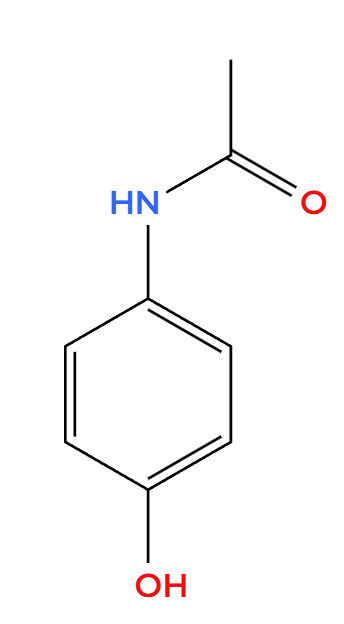
It is important to note that paracetamol and acetaminophen refer to the exact same drug, which is chemically derived from N-acetyl-para-aminophenol. "Paracetamol" is the common abbreviation used in Europe, while "acetaminophen" is the abbreviation preferred in North America.
How long does Paracetamol take to work?
After ingesting paracetamol the medication typically starts acting in 30 to 60 minutes. Its peak efficacy usually emerges one, to two hours later. The resulting pain relief and fever reduction can linger for four to six hours.
Is Paracetamol anti-inflammatory?
Unlike Nonsteroidal Anti-inflammatory Drugs (NSAIDs) such as ibuprofen, paracetamol (acetaminophen) is not classified as an anti-inflammatory drug. Its therapeutic effect on inflammation outside of the central nervous system is virtually nonexistent. Instead, its primary clinical benefit unfolds within the nervous system, where it works to dull pain and reduce fever. While NSAIDs work peripherally to combat swelling and inflammation, paracetamol's key role is centrally located, making it effective for pain and fever, but without the peripheral anti-inflammatory action.
Can you take Paracetamol and Ibuprofen?
When properly dosed, paracetamol (acetaminophen) and ibuprofen can be safely taken together or alternated. This combination often provides more intense pain control for short periods, as paracetamol focuses on relieving pain and reducing fever, while ibuprofen contributes its anti-inflammatory properties.
Difference between Paracetamol and Acetaminophen?
Paracetamol and acetaminophen aren’t two drugs—they’re just two labels for the identical compound. Across most of the world, the medication is called "paracetamol " whereas in North America it’s commonly referred to as "acetaminophen.”
Can you take Paracetamol and Ibuprofen together?
Yes—if a clinician advises, the two can be taken together. Combining them often provides pain relief because they act through different mechanisms. Still the amounts must be watched closely to prevent liver injury from paracetamol and stomach irritation from ibuprofen.
Is Paracetamol the same as Ibuprofen?
No, they aren’t the same. Paracetamol mainly eases pain. Brings down fever, while ibuprofen is an NSAID that not only relieves pain and reduces fever but also tackles inflammation.
Are Paracetamol and Acetaminophen the same?
Yes, the two labels refer to the chemical entity. The sole variance is linguistic—most of the world goes with "paracetamol " while the United States and Canada stick to "acetaminophen.”
Does Paracetamol reduce inflammation?
Can you take Paracetamol on an empty stomach?
Yes, Paracetamol is fine to swallow even if the stomach’s empty. It usually spares the lining a contrast, to NSAIDs. You don’t have to pair it with food to keep irritation at bay.
How long does it take for Paracetamol to work?
Paracetamol usually kicks in, between 30 and 60 minutes after it’s taken and the strongest relief tends to appear, about one to two hours after the dose.
Can you overdose on Paracetamol?
Yes—overdosing on paracetamol is perilously dangerous. Can lead to liver injury or even outright failure. Exceeding the recommended limit especially when combined with alcohol or other paracetamol‑containing medicines should be avoided at all costs.
Can I take Ibuprofen and Paracetamol together?
Healthcare professionals frequently endorse taking paracetamol (acetaminophen) and ibuprofen concurrently or alternating them to maximize relief from pain and fever. This paired approach is safe and effective as long as patients strictly adhere to the recommended dosing intervals and do not exceed the maximum daily dose for either medication.
Can you give dogs Paracetamol?
No paracetamol isn’t something to give a dog unless a veterinarian specifically prescribes it. Even a tiny dose can be hazardous affecting the liver and blood.
Are Paracetamol and Panadol the same?
Yes—Panadol is the brand name, for paracetamol. Both contain the active ingredient so they deliver identical pain‑relief and fever‑reducing effects.
Are Paracetamol painkillers?
Yes, paracetamol fits into the painkiller range. It usually knocks out headaches, muscle aches, menstrual cramps, and toothaches. It can bring a fever down without causing notable gastrointestinal irritation.
Are Paracetamol and Tylenol the same?
Yes, Paracetamol and Tylenol are chemically identical. In the United States the drug is sold under the well‑known Tylenol brand while elsewhere it’s usually referred to by the name Paracetamol. In both cases the active ingredient is acetaminophen, which reliably eases pain and brings down fever.
Are Paracetamol NSAIDs?
No—paracetamol isn’t classified as an NSAID. It lacks any effect and mainly eases pain and lowers fever by acting on the central nervous system.
Are Paracetamol antibiotics?
No paracetamol isn’t an antibiotic. It can’t treat infections. It acts as a painkiller and fever reducer easing the symptoms while leaving the infection’s underlying cause untouched.
Can Paracetamol cure flu?
No Paracetamol doesn’t cure the flu. It does however ease the flu complaints—fever, headache, muscle aches—so you feel a bit more comfortable while your body battles the virus.
Can Paracetamol be taken without food?
Yes paracetamol can be taken safely without a meal. Its gentle nature, toward the stomach means it usually steers clear of the irritation that tends to accompany painkillers such, as ibuprofen.
Can Paracetamol cure headache?
Indeed, paracetamol is one of the taken remedies for headache relief. It eases pain by dampening the brain’s pathways. Most people notice a reduction in discomfort somewhere, between thirty and sixty minutes after taking it.
Can Paracetamol and Ibuprofen be taken together?
Indeed, paracetamol and ibuprofen can be taken together. Alternating to boost relief from pain and fever. They act through mechanisms. The dosing schedule must be followed meticulously to steer clear of side effects.
Can Paracetamol make you sleepy?
No Paracetamol rarely makes you feel sleepy. It’s classified as a non‑sedating drug. Most people find it easy on the system whether it’s taken during the day or at night.
Can Paracetamol cure sore throat?
Paracetamol won’t cure a throat, but it does ease the pain and accompanying discomfort. It works by lowering fever and gently soothing the throat.
Can Paracetamol help with sore throat?
Indeed, taking paracetamol can dull the throbbing pain. Bring down the fever that usually accompanies a sore throat. It merely tempers the symptoms while the underlying issue—whether a bacterial infection—either clears up on its own or is dealt with through treatment.
Can Paracetamol cause gastritis?
Can Paracetamol cure fever?
Paracetamol won’t eliminate the cause of a fever. It does a reliable job of lowering body temperature and easing the discomfort that usually comes with it. It’s commonly advised for controlling fever in both adults and children.
Can Paracetamol help with headaches?
Widely used for soothing headaches, Paracetamol works by targeting the brain’s pain receptors. Its analgesic effect usually becomes noticeable about an hour after dosing.
Can Paracetamol help with cough?
Paracetamol doesn’t act as a cough remedy. It can relieve the discomfort that often comes with fever or a sore throat accompanying a cough. When the cough persists a dedicated cough medication is generally required.
Can Paracetamol reduce inflammation?
No paracetamol barely has any properties. Its primary role is to relieve pain and bring down fever whereas NSAIDs such, as ibuprofen actually work to suppress inflammation.
Can Paracetamol cause diarrhea?
Diarrhea is a effect of paracetamol. In practice most people sail through a treatment course without issue. On the occasion—especially when the drug is taken in larger quantities—a modest upset of the gastrointestinal tract may surface.
Can Paracetamol help with period pain?
Yes—paracetamol can ease menstrual pain by soothing the uterus and dampening the prostaglandin‑driven pain signals. For cramps a doctor may suggest pairing it with an NSAID.
Can Paracetamol be used for headache?
Paracetamol generally lands at the front of the pack as a go‑to for headache relief. It tends to blunt the pain. As long as the dosage stays within the recommended bounds, it’s deemed safe for the bulk of users.
How Paracetamol works?
Paracetamol (acetaminophen) reduces pain and fever primarily by blocking the production of prostaglandins within the brain and spinal cord. Prostaglandins are chemical messengers responsible for transmitting pain signals and elevating body temperature during illness. Paracetamol achieves this by inhibiting the cyclooxygenase (COX) enzyme centrally, but it has very little effect on inflammation in other parts of the body.
How Paracetamol reduces fever?
Paracetamol (acetaminophen) reduces fever by acting on the brain's hypothalamic heat-control center. This action triggers a response—including sweating and the widening of blood vessels in the skin—which allows excess body heat to dissipate, thus lowering the infection-driven temperature back toward a normal range.
How Paracetamol is made?
Paracetamol (acetaminophen) is manufactured through a chemical process involving p-aminophenol and acetic anhydride, resulting in a powder. After this powder is purified, it is then processed and shaped into various forms for medical use, such as tablets, syrups, and suppositories.
How Paracetamol works in fever?
When someone has a fever, paracetamol (acetaminophen) works by targeting the hypothalamus in the brain, which is the body's temperature-regulating center. The drug effectively lowers the fever by reducing the temperature set-point and promoting heat loss, while also stopping the signals that would normally cause the body to raise its temperature further.
How Paracetamol works in body?
After paracetamol (acetaminophen) is absorbed into the bloodstream, it travels to the brain where it works to inhibit the production of prostaglandins, which reduces pain perception and helps to lower body temperature. This action distinguishes it from traditional NSAIDs, as paracetamol lacks significant anti-inflammatory properties.
How Paracetamol reduces pain?
Paracetamol eases mild-to-moderate pain by dampening the body's pain-signaling network. It achieves this by inhibiting the COX enzyme in the brain, which effectively slashes the production of prostaglandins—the molecules responsible for amplifying pain sensations.
How Paracetamol cause liver damage?
A dangerous overdose of paracetamol (acetaminophen) occurs when the amount exceeds the liver's capacity to process it safely. While the liver normally breaks the drug down into harmless substances, an overdose results in a buildup of a highly toxic byproduct called N-acetyl-p-benzoquinone imine (NAPQI), which subsequently causes damage to liver cells.
How Paracetamol helps in fever?
Paracetamol (acetaminophen) reduces fever by influencing the body's thermostat (the hypothalamus in the brain), effectively lowering the temperature set-point. This adjustment makes it easier for the body to shed excess heat, which successfully brings the fever down and alleviates the discomfort associated with illness.
How Paracetamol reduces headache?
Paracetamol (acetaminophen) relieves headaches by acting centrally in the brain to dull pain perception and ease tension. It achieves this by curbing the production of the brain's pain-producing chemicals. Relief typically begins within 30 to 60 minutes after taking the medication.
How Paracetamol works for headache?
Paracetamol (acetaminophen) relieves headaches, including mild migraines and tension-type headaches, by quieting the pain signals that travel through the brain and spinal cord. It does this by reducing the synthesis of pain-amplifying chemicals within the central nervous system.
How Paracetamol damage liver?
When someone consumes too much paracetamol (acetaminophen), the liver is damaged because the drug is converted into a toxic byproduct called NAPQI. This NAPQI substance quickly depletes the liver's protective glutathione reserves and triggers a cycle of injury and inflammation, potentially leading to liver failure if not treated immediately.
How Paracetamol look like?
In its raw form, paracetamol (acetaminophen) is a crystalline powder. For consumer use, it is most commonly encountered as solid tablets, which are typically white or off-white, round or oval, and stamped with the dosage strength or brand name.
How Paracetamol suppository works?
How Paracetamol causes hepatotoxicity?
Paracetamol (acetaminophen) causes liver toxicity (hepatotoxicity) when an excessive dose creates a flood of the metabolite NAPQI in the liver. This reactive compound damages hepatocytes (liver cells) by causing cellular stress and quickly depleting the cell's reserves of glutathione, which ultimately leads to necrotic liver damage.
How Paracetamol works for pain?
Paracetamol (acetaminophen) relieves a variety of mild-to-moderate pain—such as headaches, muscle aches, and toothaches—by dampening prostaglandin synthesis in the nervous system and by modifying serotonergic pathways that influence how pain signals are processed.
What Paracetamol does to your body?
Paracetamol (acetaminophen) is effective for relieving headaches and reducing fever because it acts on the brain's temperature and pain-control centers. Once swallowed, the drug is rapidly absorbed and then processed by the liver before being eliminated by the kidneys. While following the recommended dosage makes it an effective treatment, consuming too much can lead to liver damage.
When Paracetamol should be taken?
Paracetamol (acetaminophen) is the recommended option for treating pain or fever associated with issues like headaches, muscle aches, colds, or minor injuries. To achieve maximum benefit, take the medication at the onset of discomfort. Remember that doses must be spaced four to six hours apart, and the total amount consumed daily should never exceed the recommended limit.
Where is Paracetamol metabolised?
Paracetamol (acetaminophen) is primarily processed by the liver, which transforms it into harmless byproducts that the kidneys then efficiently clear from the body. However, taking an overdose causes toxic metabolites to build up, significantly increasing the risk of liver injury.
Where was Paracetamol invented?
The substance now known as paracetamol (acetaminophen) was first synthesized in 1877 by American chemist Harmon Northrop Morse. However, it remained unused for many decades, only gaining medical significance in the mid-twentieth century when doctors recognized it as a safer and gentler alternative to older pain medications like phenacetin.
Where did Paracetamol come from?
The development of paracetamol (acetaminophen) is rooted in an earlier generation of coal-tar-derived painkillers. Its current chemical formulation came about through research into similar compounds, specifically Acetanilide and Phenacetin, which were effective at reducing pain but caused significantly more side effects.
Where is Paracetamol absorbed?
Once swallowed, paracetamol (acetaminophen) is quickly absorbed by the intestine and enters the bloodstream. Its concentration reaches a peak within 30 minutes to an hour, at which point the relief from aches and the reduction of fever begin promptly.
Which Paracetamol is best?
The ideal form and dosage of paracetamol (acetaminophen) depend on the individual's needs and preferred method of intake. Although the standard 500 mg tablet is common for general pain relief, other options—such as soluble, extended-release, or combination variants—may be more suitable for certain situations, but should always be selected under the guidance of a healthcare professional.
Which Paracetamol is best for fever?
Standard paracetamol (acetaminophen) tablets, commonly available in 500 mg or 650 mg strengths, are very effective for reducing fever. For children, the syrup or liquid suspension allows for accurate and precise dosing. The medication can be taken as needed, with doses spaced four to six hours apart, provided the recommended safe daily limit is not exceeded.
Which Paracetamol is banned?
Although the majority of paracetamol (acetaminophen) products remain approved internationally, certain high-dose formulas or specific combinations have been banned in some regions. These restrictions are typically imposed due to concerns over the potential for liver toxicity (hepatic toxicity) and the risk of misuse.
Which Paracetamol is good for pregnant women?
Paracetamol (acetaminophen) is generally considered a safe and effective pain reliever and fever reducer for mothers, provided the dosage guidelines are strictly followed. To prevent potential harm, it should always be taken under professional guidance to avoid excessive or prolonged use.
Which Paracetamol is best for body pain?
For managing mild to moderate body pain, the usual dose of paracetamol (acetaminophen) ranges from 500 mg to 1 gram. For stronger pain relief, physicians may prescribe combination products that pair paracetamol with other pain medications, but this must always be done under a doctor's supervision.
Which Paracetamol is best for headache?
Standard paracetamol (acetaminophen) tablets are usually effective for relieving various types of headaches, including both tension headaches and mild migraines. However, fast-acting formulations can often provide quicker relief during a headache episode.
Which Paracetamol is best for fever and body pain?
The common dose range of 500 mg to 650 mg of paracetamol (acetaminophen) is highly effective for relieving both fever and body aches. It works centrally by muting pain signals and lowering body temperature through its action on the hypothalamus in the brain.
Why Paracetamol is contraindicated in liver disease?
Individuals with liver disease should not use paracetamol (acetaminophen). Because the liver is the primary site where the drug is processed, a struggling or failing liver cannot properly break down paracetamol, allowing the toxic byproduct NAPQI to accumulate. This buildup can significantly worsen existing injury and potentially lead to complete organ failure.
Will Paracetamol make you sleepy?
Paracetamol (acetaminophen) is a non-sedating pain reliever and will rarely cause drowsiness or sedation. Therefore, it shouldn't dull your alertness whether taken during the day or at night.
Will Paracetamol cause drowsiness?
Paracetamol (acetaminophen) is a non-sedating pain reliever and fever reducer, meaning it does not cause drowsiness or interfere with alertness and cognitive function. It can therefore be taken safely at any time without disrupting daily activities.
Will Paracetamol help a cold?
Paracetamol (acetaminophen) cannot cure a cold, but it is effective for relieving cold symptoms such as headaches, sore throats, fevers, and muscle aches. By calming discomfort and regulating body temperature, the medication provides support while allowing the immune system to continue fighting the underlying infection.
Will Paracetamol help a sore throat?
Yes, Paracetamol (acetaminophen) can help relieve the pain and fever caused by a sore throat. It works by muting pain signals traveling to the brain and by dampening the local inflammation that contributes to the rawness and discomfort in the throat.
Will Paracetamol help me sleep?
Paracetamol (acetaminophen) itself does not cause sleepiness or sedation. However, if pain or fever is interfering with your rest, paracetamol can indirectly help you sleep better by easing that discomfort.
Will Paracetamol help a cough?
Paracetamol (acetaminophen) is not a cure for the root cause of a cough. However, it can effectively relieve the associated discomfort, such as fever, headaches, and sore throat. If the cough persists, a specific cough suppressant medication may be necessary.
Will Paracetamol help stomach pain?
Paracetamol (acetaminophen) can often relieve stomach discomfort, provided the pain isn't caused by conditions like an ulcer or gastritis. Significantly, paracetamol is much gentler on the stomach and less likely to cause irritation compared to NSAIDs (Nonsteroidal Anti-inflammatory Drugs).
Will Paracetamol help toothache?
Yes, Paracetamol (acetaminophen) can help relieve a toothache. It works by acting on the central nervous system to mute the pain signals, and clinicians often recommend it as the initial treatment while a patient waits for dental care.
Will Paracetamol help back pain?
Paracetamol (acetaminophen) can help relieve mild-to-moderate back pain by lessening the brain's perception of discomfort. However, for severe or long-lasting (chronic) pain, doctors typically recommend combining it with other treatment strategies and medical advice.
Will Paracetamol reduce headache?
Paracetamol (acetaminophen) is generally effective at relieving headaches, ranging from tension headaches to mild migraines. By reducing the production of pain-triggering chemicals in the brain, it usually provides relief within 30 to 60 minutes.
Will Paracetamol help nausea?
Paracetamol (acetaminophen) is not a direct treatment for nausea. However, if the nausea is linked to symptoms like fever, headache, or general body pain, the drug can relieve that discomfort, which may indirectly improve overall comfort.
Will Paracetamol help a UTI?
Paracetamol (acetaminophen) cannot eliminate a tract infection; that requires a course of antibiotics. However, it is effective for relieving the associated symptoms, such as pain, burning sensation, and fever.
Will Paracetamol help period cramps?
Paracetamol (acetaminophen) can effectively alleviate mild-to-moderate menstrual cramps by dampening pain signals and reducing discomfort caused by prostaglandins. For more severe pain, combining paracetamol with an NSAID typically results in more powerful relief.
Are Paracetamol painkillers?
Yes paracetamol is classed as a mild‑to‑moderate painkiller. It works well for headaches, muscle aches, toothaches, menstrual pain and fever. It usually steers clear of pronounced side effects.
Are Paracetamol antibiotics?
No—paracetamol isn’t an antibiotic. It doesn’t knock out. Halt bacteria,. It’s employed to ease pain and bring down the fever that often rides along with infections or other health issues.
Popular Products


Similar Product