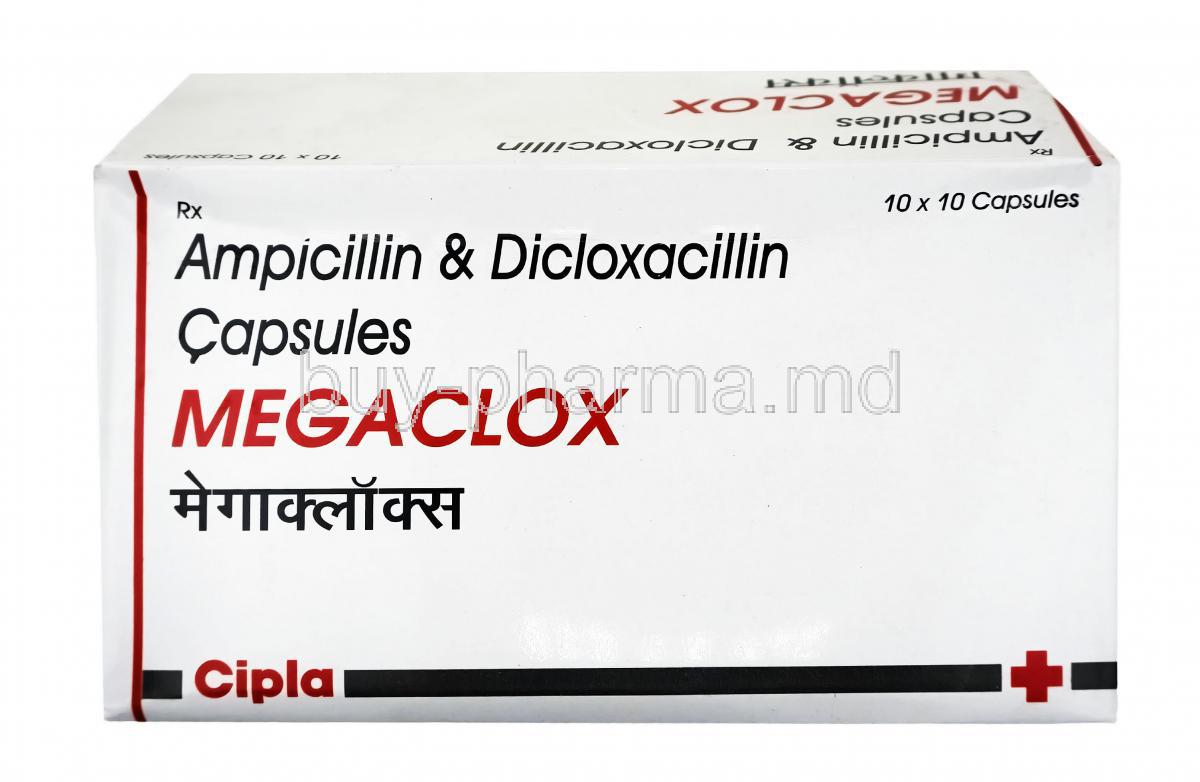



1. Introduction to Megaclox (Ampicillin/Cloxacillin)
1.1 Overview of Combination Antibiotic Therapy
Megaclox represents a judiciously engineered combination antibiotic that integrates two beta-lactam agents to broaden antimicrobial coverage. Combination therapy is not merely additive—it is strategic. By pairing agents with complementary spectra, clinicians can address polymicrobial infections and mitigate resistance patterns.
- Enhanced bactericidal activity
- Reduced likelihood of therapeutic failure
- Utility in empirical treatment settings
1.2 Therapeutic Class and Drug Category
Megaclox belongs to the penicillin class of antibiotics, specifically combining an aminopenicillin with a penicillinase-resistant penicillin. This duality situates it within the broader category of beta-lactam antimicrobials, known for their cell wall-targeting mechanisms and time-dependent killing kinetics.
1.3 Indications for Broad-Spectrum Penicillin Combinations
This formulation is frequently employed when infections are suspected to involve both beta-lactamase-producing and non-producing organisms. It is particularly valuable in clinical scenarios where pathogen identification is pending.
1.4 Brand vs Generic Formulations and Availability
Megaclox is available in both branded and generic variants, ensuring accessibility across diverse healthcare systems. While pharmacodynamic properties remain consistent, excipient composition and cost-effectiveness may vary between manufacturers.
2. Composition and Formulation Details
2.1 Active Ingredients: Ampicillin and Cloxacillin
The formulation combines:
- Ampicillin – a broad-spectrum aminopenicillin
- Cloxacillin – a beta-lactamase-resistant penicillin
This pairing ensures both expansive coverage and enzymatic resilience.
2.2 Mechanism Synergy Between Aminopenicillin and Penicillinase-Resistant Penicillin
Ampicillin targets a wide array of organisms but is vulnerable to beta-lactamase degradation. Cloxacillin, conversely, resists such enzymatic breakdown. Together, they create a pharmacological synergy that enhances durability against resistant strains.
2.3 Available Dosage Forms (Capsules, Injections, Suspensions)
Megaclox is formulated for multiple routes of administration:
- Oral capsules for outpatient therapy
- Injectable forms for severe infections
- Oral suspensions for pediatric use
2.4 Excipients and Pharmaceutical Additives
Inactive components such as stabilizers, fillers, and preservatives are incorporated to maintain drug integrity. These excipients ensure bioavailability while preserving shelf stability under standard storage conditions.
3. Mechanism of Action (How Megaclox Works)
3.1 Inhibition of Bacterial Cell Wall Synthesis
Both active ingredients inhibit transpeptidase enzymes, disrupting peptidoglycan cross-linking. The result is structural fragility of the bacterial cell wall, culminating in osmotic lysis.
3.2 Role of Ampicillin in Gram-Positive and Gram-Negative Coverage
Ampicillin extends coverage beyond traditional penicillins, targeting:
- Gram-positive cocci
- Certain Gram-negative bacilli
3.3 Role of Cloxacillin in Beta-Lactamase Producing Organisms
Cloxacillin demonstrates resilience against beta-lactamase enzymes, making it effective against resistant staphylococcal strains that would otherwise inactivate standard penicillins.
3.4 Bactericidal Activity and Spectrum of Action
The bactericidal effect is rapid and concentration-independent. Its spectrum encompasses:
- Streptococci and staphylococci
- Enterococci
- Selected Gram-negative organisms
3.5 Resistance Mechanisms and Clinical Implications
Resistance may arise via:
- Altered penicillin-binding proteins
- Beta-lactamase production
- Reduced permeability in Gram-negative bacteria
Understanding these mechanisms informs appropriate antibiotic stewardship.
4. Uses of Megaclox (Ampicillin/Cloxacillin)
4.1 Treatment of Respiratory Tract Infections
Megaclox is frequently prescribed for infections involving the upper and lower respiratory tract. These include:
- Acute bronchitis
- Pneumonia
- Tonsillitis and pharyngitis
4.2 Skin and Soft Tissue Infections
Cutaneous infections respond well due to coverage of common pathogens:
- Cellulitis
- Abscesses
- Wound infections
4.3 Urinary Tract Infections (UTIs)
Its efficacy extends to uncomplicated UTIs caused by susceptible organisms, particularly in early-stage infections.
4.4 Gastrointestinal and Abdominal Infections
Megaclox may be utilized in infections involving the gastrointestinal tract, especially when polymicrobial flora is suspected.
4.5 Bone and Joint Infections (Osteomyelitis, Septic Arthritis)
Deep-seated infections such as osteomyelitis require sustained therapy, where this combination offers reliable penetration and bactericidal action.
4.6 Septicemia and Systemic Infections
In severe systemic infections, parenteral administration ensures rapid therapeutic levels, crucial for hemodynamic stabilization.
4.7 Ear, Nose, and Throat (ENT) Infections
ENT infections such as otitis media and sinusitis are commonly treated due to susceptibility of typical pathogens.
5. Off-Label Uses of Megaclox
5.1 Prophylaxis in Surgical Procedures
In select cases, Megaclox may be administered prophylactically to reduce postoperative infection risk.
5.2 Dental Infections and Post-Extraction Prophylaxis
Dental practitioners may employ this combination to manage odontogenic infections or prevent complications following procedures.
5.3 Treatment of Mixed Bacterial Infections
Its dual-spectrum nature makes it suitable for infections involving multiple bacterial species.
5.4 Use in Veterinary or Zoonotic Infections (where applicable)
In certain regions, similar formulations are utilized in veterinary medicine, particularly for zoonotic pathogens.
5.5 Empirical Therapy in Resource-Limited Settings
Where diagnostic capabilities are constrained, Megaclox serves as a pragmatic empirical option.
6. Dosage and Administration Guidelines
6.1 Standard Adult Dosage Recommendations
Dosage is determined by infection severity and route of administration. Regular intervals are essential to maintain therapeutic plasma levels.
6.2 Pediatric Dosage Adjustments
Weight-based dosing is employed in children, ensuring efficacy while minimizing toxicity.
6.3 Dosage in Renal Impairment
Renal dysfunction necessitates dosage modification to prevent accumulation and adverse effects.
6.4 Route of Administration (Oral vs Parenteral)
Oral forms are suitable for mild to moderate infections, whereas parenteral routes are reserved for severe or systemic conditions.
6.5 Duration of Therapy Based on Infection Severity
Treatment duration varies:
- Short courses for mild infections
- Extended therapy for deep or chronic infections
6.6 Missed Dose and Compliance Considerations
Adherence is paramount. Missed doses should be taken promptly unless close to the next scheduled dose.
7. Side Effects of Megaclox
7.1 Overview of Adverse Drug Reactions
Adverse reactions range from mild gastrointestinal discomfort to severe hypersensitivity events. Vigilance is required.
7.2 Gastrointestinal Disturbances
- Nausea
- Vomiting
- Diarrhea
7.3 Hypersensitivity Reactions
- Rash
- Urticaria
- Anaphylaxis
7.4 Hematological Effects
Rarely, alterations in blood cell counts may occur, necessitating monitoring during prolonged therapy.
7.5 Hepatic and Renal Effects
Transient elevations in liver enzymes or renal markers may be observed, particularly in predisposed individuals.
7.6 Superinfection and Antibiotic-Associated Colitis
Prolonged use may disrupt normal flora, leading to opportunistic infections or colitis.
8. Common Side Effects (Frequently Reported)
8.1 Mild Gastrointestinal Symptoms
These are the most frequently encountered and often self-limiting.
8.2 Skin Reactions (Mild Rash, Itching)
Dermatological manifestations are generally benign but should be monitored.
8.3 Headache and Dizziness
Neurological symptoms are uncommon but possible.
8.4 Oral or Vaginal Candidiasis
Secondary fungal infections may arise due to microbial imbalance.
9. Drug Interactions
9.1 Interaction with Oral Contraceptives
Efficacy of hormonal contraceptives may be reduced, warranting additional precautions.
9.2 Interaction with Anticoagulants (e.g., Warfarin)
Enhanced anticoagulant effects may occur, increasing bleeding risk.
9.3 Interaction with Probenecid
Probenecid can increase serum levels of penicillins by reducing renal excretion.
9.4 Interaction with Other Antibiotics
Concurrent use with bacteriostatic agents may antagonize bactericidal activity.
9.5 Food and Alcohol Interactions
Food may influence absorption kinetics, while alcohol should be consumed cautiously.
10. Warnings and Safety Considerations
10.1 Risk of Severe Allergic Reactions
Immediate hypersensitivity reactions can be life-threatening. A thorough allergy history is essential.
10.2 Antibiotic Resistance Concerns
Indiscriminate use contributes to resistance. Therapy should be guided by clinical and microbiological data whenever possible.
10.3 Risk of Clostridioides difficile Infection
Antibiotic-associated colitis remains a serious complication requiring prompt recognition.
10.4 Use in Patients with History of Penicillin Allergy
Cross-reactivity necessitates caution or avoidance in sensitized individuals.
10.5 Monitoring During Prolonged Therapy
Long-term administration warrants periodic assessment of:
- Liver function
- Renal parameters
- Hematological indices
11. Contraindications
11.1 Hypersensitivity to Penicillins or Beta-Lactams
Megaclox is contraindicated in individuals with known hypersensitivity to penicillins or other beta-lactam antibiotics. Even minimal exposure may precipitate severe immunological responses.
- Immediate reactions: anaphylaxis, angioedema
- Delayed reactions: rash, serum sickness–like symptoms
11.2 History of Severe Allergic Reactions to Antibiotics
Patients with a documented history of severe allergic reactions to any antibiotic class should be evaluated with heightened scrutiny. Cross-reactivity, though variable, can be clinically significant.
11.3 Infectious Mononucleosis (Ampicillin Rash Risk)
Administration of ampicillin-containing regimens in patients with infectious mononucleosis is associated with a high incidence of non-allergic maculopapular rash. This phenomenon is distinctive yet clinically misleading.
11.4 Severe Hepatic Dysfunction (Relative Contraindication)
While not absolutely contraindicated, severe hepatic impairment necessitates avoidance or meticulous monitoring due to altered metabolism and increased susceptibility to toxicity.
12. Careful Administration (Use with Caution)
12.1 Patients with Renal Impairment
Renal dysfunction can lead to accumulation of active drug components. Dose adjustments are imperative.
- Monitor creatinine clearance
- Adjust dosing intervals accordingly
12.2 Individuals with Hepatic Dysfunction
Hepatic compromise may influence drug biotransformation. Periodic liver function tests are advisable during therapy.
12.3 Patients with Asthma or Allergic Disorders
Individuals with atopic predisposition may exhibit heightened sensitivity to beta-lactams. Vigilant observation is warranted during initiation.
12.4 Patients with Gastrointestinal Disease History
A prior history of gastrointestinal pathology, particularly colitis, increases the risk of antibiotic-associated complications.
12.5 Long-Term Therapy Considerations
Extended use requires structured monitoring to detect emerging adverse effects or microbial resistance.
13. Important Precautions for Use
13.1 Completing Full Antibiotic Course
Premature discontinuation may result in incomplete eradication of pathogens. This fosters recurrence and resistance.
13.2 Avoiding Misuse and Overuse
Indiscriminate use undermines antimicrobial efficacy. Antibiotic stewardship is essential in preserving therapeutic utility.
13.3 Monitoring for Signs of Superinfection
Alteration of normal flora can permit opportunistic organisms to proliferate. Clinical vigilance is critical.
- Persistent diarrhea
- Fungal overgrowth
- New-onset infections
13.4 Laboratory Monitoring (Liver, Kidney Function)
Routine laboratory surveillance enhances safety during prolonged treatment courses.
13.5 Patient Counseling and Adherence
Clear communication improves compliance. Patients should be instructed on:
- Proper dosing schedules
- Recognition of adverse effects
- Importance of adherence
14. Administration to Elderly Patients
14.1 Dose Adjustments in Age-Related Renal Decline
Physiological decline in renal function with aging necessitates careful dose calibration to avoid accumulation.
14.2 Increased Risk of Adverse Reactions
Elderly patients may exhibit heightened sensitivity to adverse effects, particularly gastrointestinal and renal disturbances.
14.3 Polypharmacy Considerations
Concurrent use of multiple medications increases the potential for drug interactions and cumulative toxicity.
15. Administration to Pregnant and Nursing Women
15.1 Safety Profile in Pregnancy
Megaclox is generally considered safe when clinically indicated, though administration should be guided by risk-benefit analysis.
15.2 Placental Transfer and Fetal Exposure
Both ampicillin and cloxacillin cross the placental barrier. Fetal exposure is typically low-risk but not negligible.
15.3 Use During Lactation and Breast Milk Excretion
Trace amounts are excreted in breast milk. Monitoring for gastrointestinal disturbances in infants is advisable.
15.4 Risk-Benefit Assessment
Therapeutic decisions should balance maternal benefit against potential fetal or neonatal exposure.
16. Administration to Pediatric Patients
16.1 Safety and Efficacy in Children
Megaclox is widely used in pediatric populations, with established safety profiles when appropriately dosed.
16.2 Weight-Based Dosing Guidelines
Dosage is calculated based on body weight to optimize efficacy and minimize toxicity.
16.3 Monitoring in Neonates and Infants
Immature renal and hepatic systems necessitate cautious use and close monitoring in this population.
16.4 Pediatric-Specific Side Effects
Children may exhibit unique adverse effects, including:
- Diarrhea
- Rash
- Feeding disturbances
17. Overdosage and Management
17.1 Symptoms of Overdose
Overdose may present with exaggerated pharmacological effects, primarily involving the gastrointestinal and nervous systems.
17.2 Acute Toxicity Manifestations
Severe cases may involve:
- Electrolyte imbalance
- Neurological disturbances
- Renal dysfunction
17.3 Supportive Treatment and Management
Management is largely supportive, focusing on stabilization and symptomatic relief.
17.4 Role of Dialysis in Severe Cases
In cases of significant accumulation, dialysis may facilitate removal of the drug from systemic circulation.
18. Storage and Stability
18.1 Recommended Storage Conditions
Store in a cool, dry environment away from direct sunlight to preserve chemical stability.
18.2 Shelf Life and Expiry Considerations
Adherence to labeled expiry dates is essential to ensure therapeutic efficacy and safety.
18.3 Storage of Reconstituted Suspensions
Reconstituted formulations should be refrigerated and used within the recommended timeframe.
18.4 Protection from Heat, Light, and Moisture
Environmental exposure can degrade active components, diminishing effectiveness.
19. Handling and Disposal Precautions
19.1 Safe Handling Practices
Proper handling minimizes contamination and maintains product integrity.
19.2 Disposal of Unused or Expired Medication
Unused medications should be disposed of in accordance with local regulations to prevent misuse.
19.3 Environmental Considerations
Improper disposal contributes to environmental contamination and antimicrobial resistance.
19.4 Patient Safety and Storage at Home
Medications should be stored out of reach of children and pets to prevent accidental ingestion.
20. Summary and Clinical Considerations
20.1 Key Benefits of Ampicillin/Cloxacillin Combination
The combination offers:
- Broad-spectrum antibacterial coverage
- Resistance to beta-lactamase degradation
- Versatility in clinical applications
20.2 Limitations and Resistance Issues
Despite its advantages, emerging resistance and inappropriate use remain significant challenges.
20.3 Clinical Decision-Making Considerations
Therapy should be individualized based on patient factors, infection severity, and microbial susceptibility.
20.4 Future Perspectives in Combination Antibiotic Therapy
Advancements in antimicrobial pharmacology continue to refine combination strategies, emphasizing precision and sustainability in infection management.



Popular Products
Similar Product