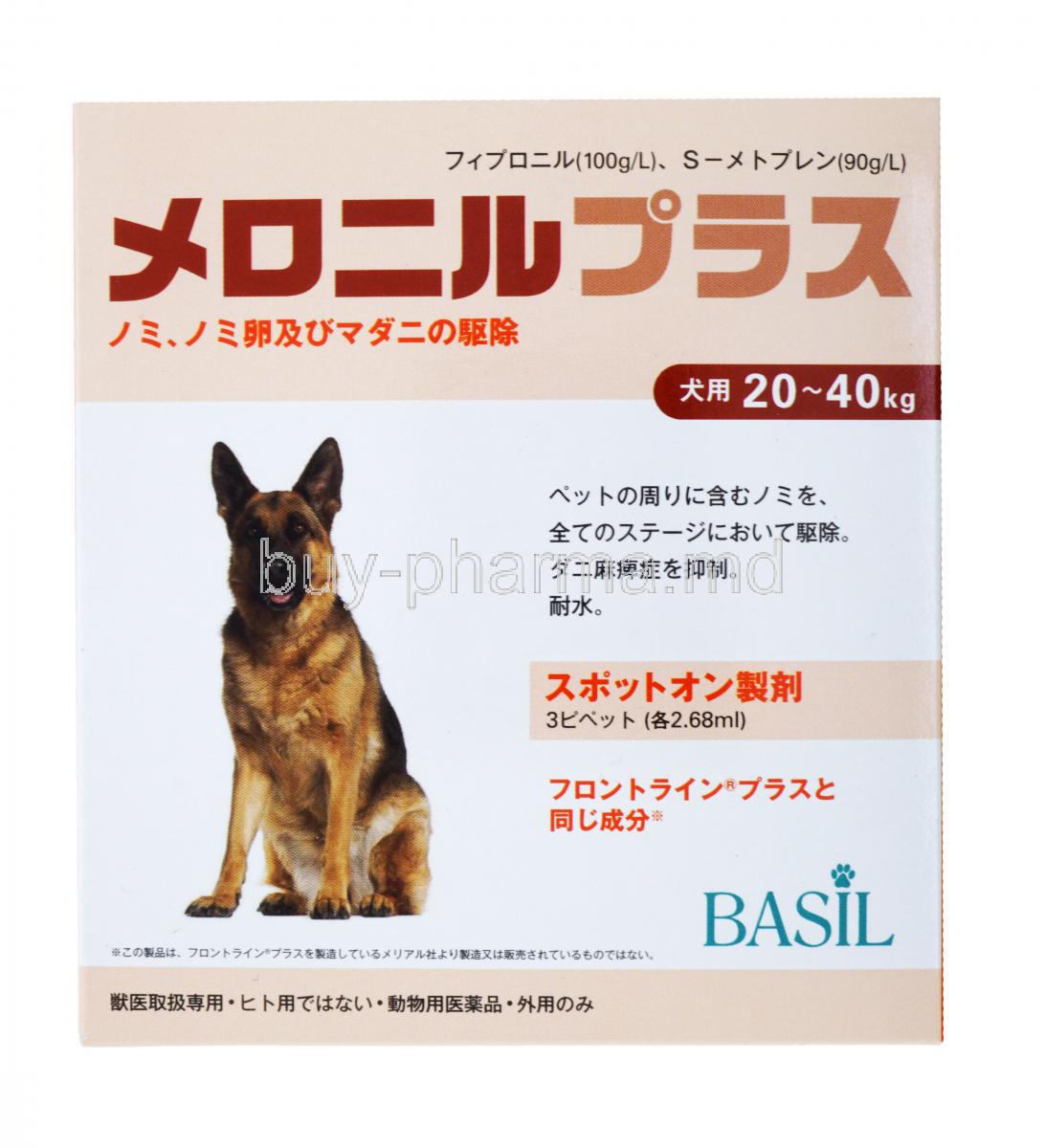
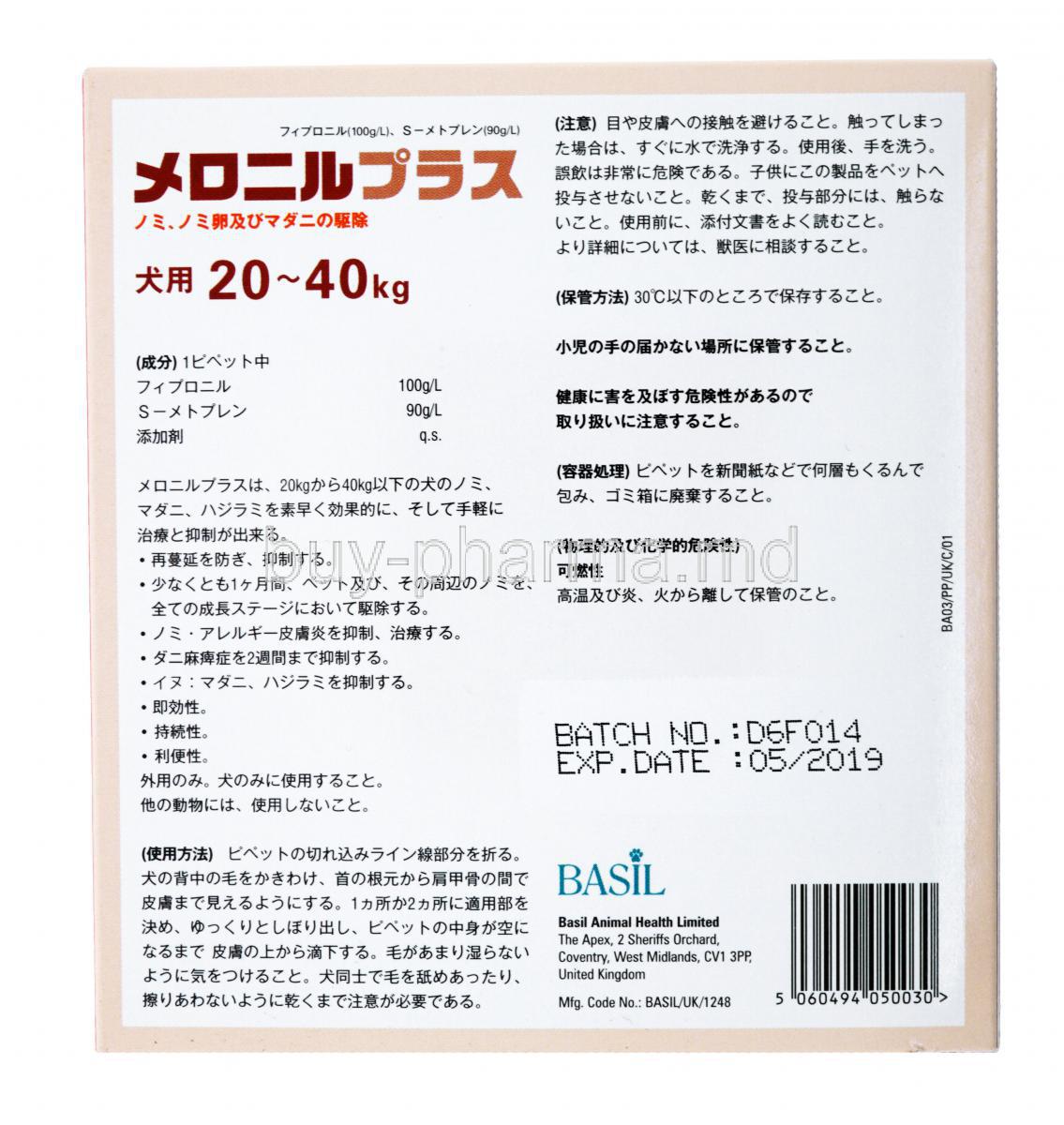
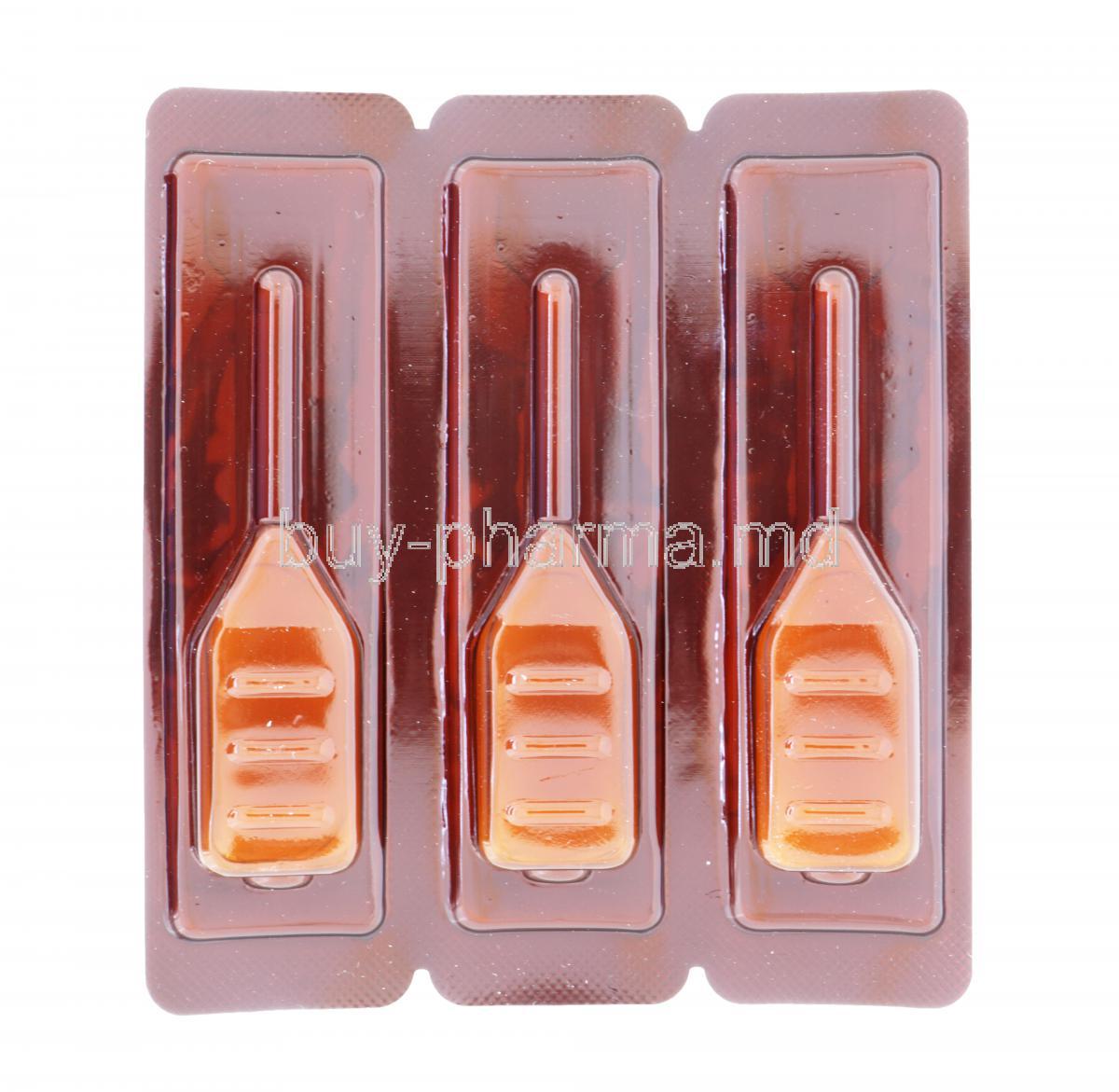
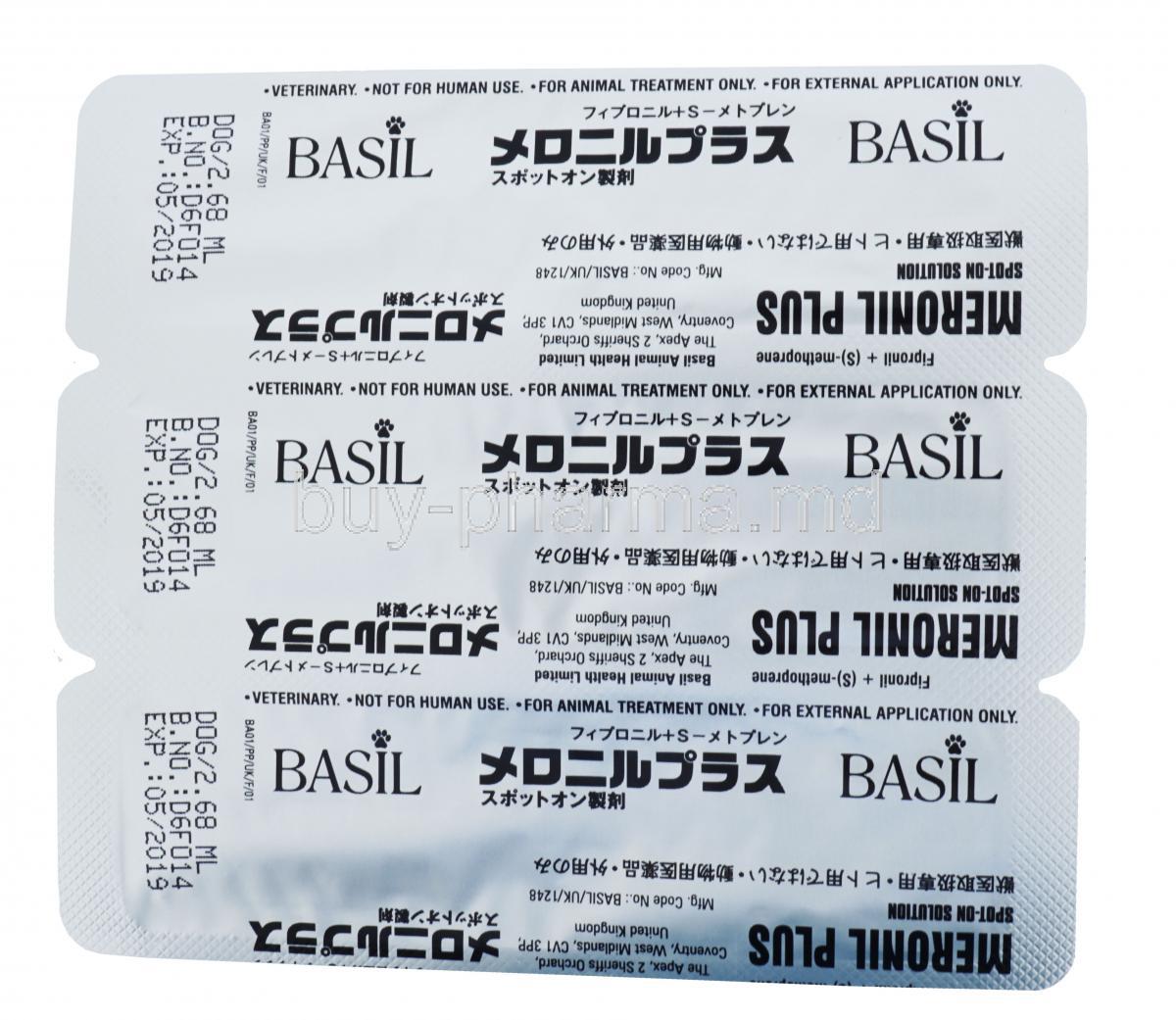
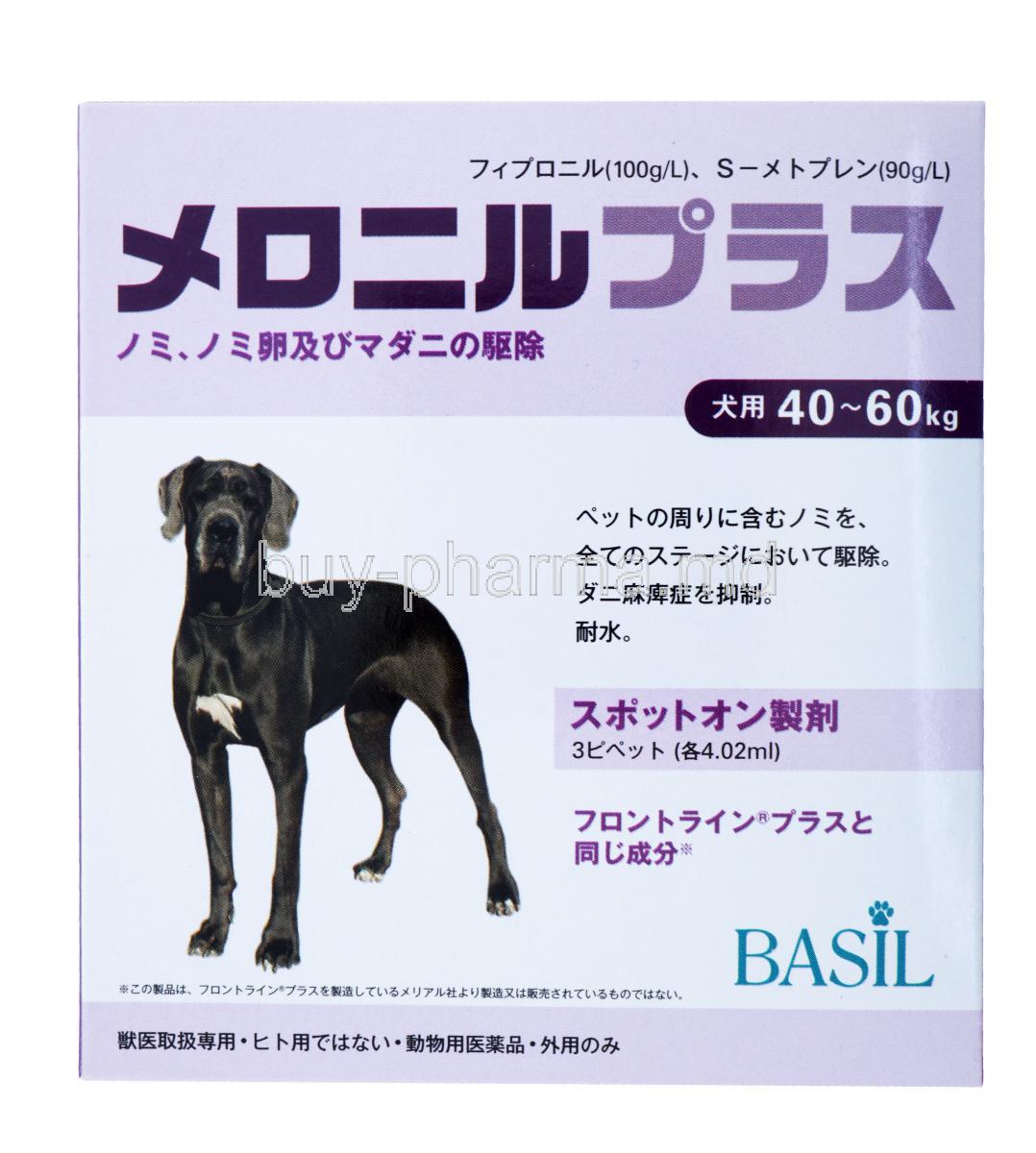
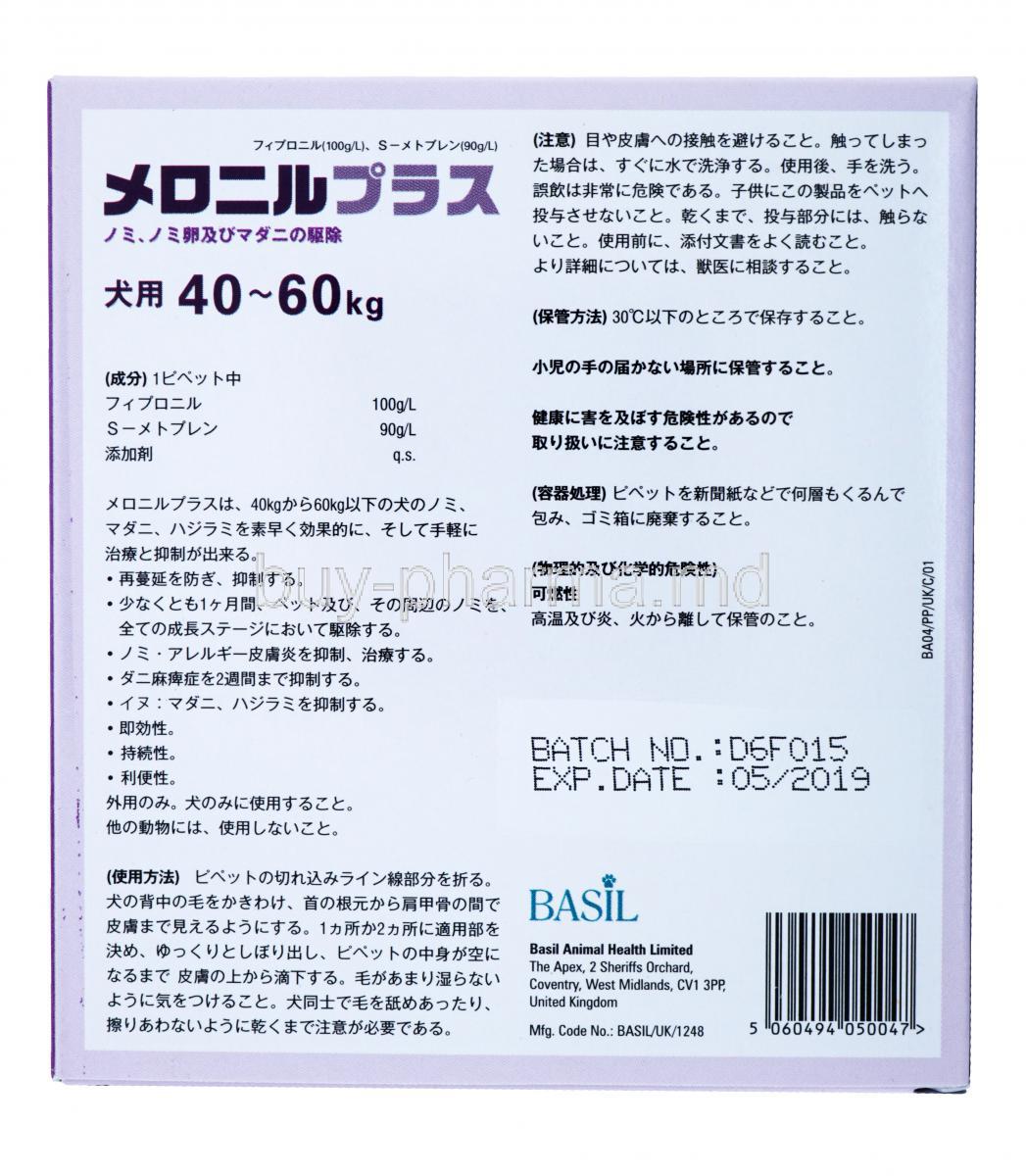
Introduction to Meronil Plus Spot On for Dogs
Meronil Plus Spot On for Dogs is a topical ectoparasiticide developed to address one of the most persistent challenges in canine healthcare: external parasite control. Fleas and ticks are not merely a nuisance. They are vectors of disease, triggers of dermatological disorders, and a constant threat to canine comfort and wellbeing.
In modern veterinary medicine, spot-on formulations have gained prominence due to their convenience, targeted delivery, and sustained efficacy. Meronil Plus Spot On occupies a defined role within this therapeutic landscape, offering a reliable option for routine parasite prevention when used correctly and consistently.
- Reduces parasite burden
- Supports long-term skin health
- Enhances overall canine quality of life
Overview of Topical Ectoparasiticides in Veterinary Medicine
Topical ectoparasiticides are designed to be applied directly to the skin, where they distribute across the lipid layer of the epidermis. This mode of delivery allows for localized yet comprehensive protection. Unlike systemic therapies, topical agents primarily act at the skin surface, the primary interface between the host and ectoparasites.
Their popularity stems from:
- Ease of administration
- Reduced systemic exposure
- Sustained residual activity
Position of Meronil Plus Spot On in Canine Parasite Control
Meronil Plus Spot On is positioned as a broad-spectrum topical solution targeting common external parasites affecting dogs. Its formulation is intended to interrupt parasite survival while maintaining a favorable safety margin when used according to guidelines.
Within parasite control programs, it functions as both a therapeutic and preventive agent, bridging immediate treatment needs with ongoing protection.
Importance of Regular Parasite Prevention in Dogs
Parasite exposure is continuous, not seasonal. Fleas and ticks can thrive in diverse environments, including indoor settings. Regular prevention minimizes:
- Chronic skin irritation
- Secondary bacterial infections
- Transmission of vector-borne pathogens
Consistency, rather than sporadic treatment, remains the cornerstone of effective parasite management.
What Is Meronil Plus Spot On for Dogs
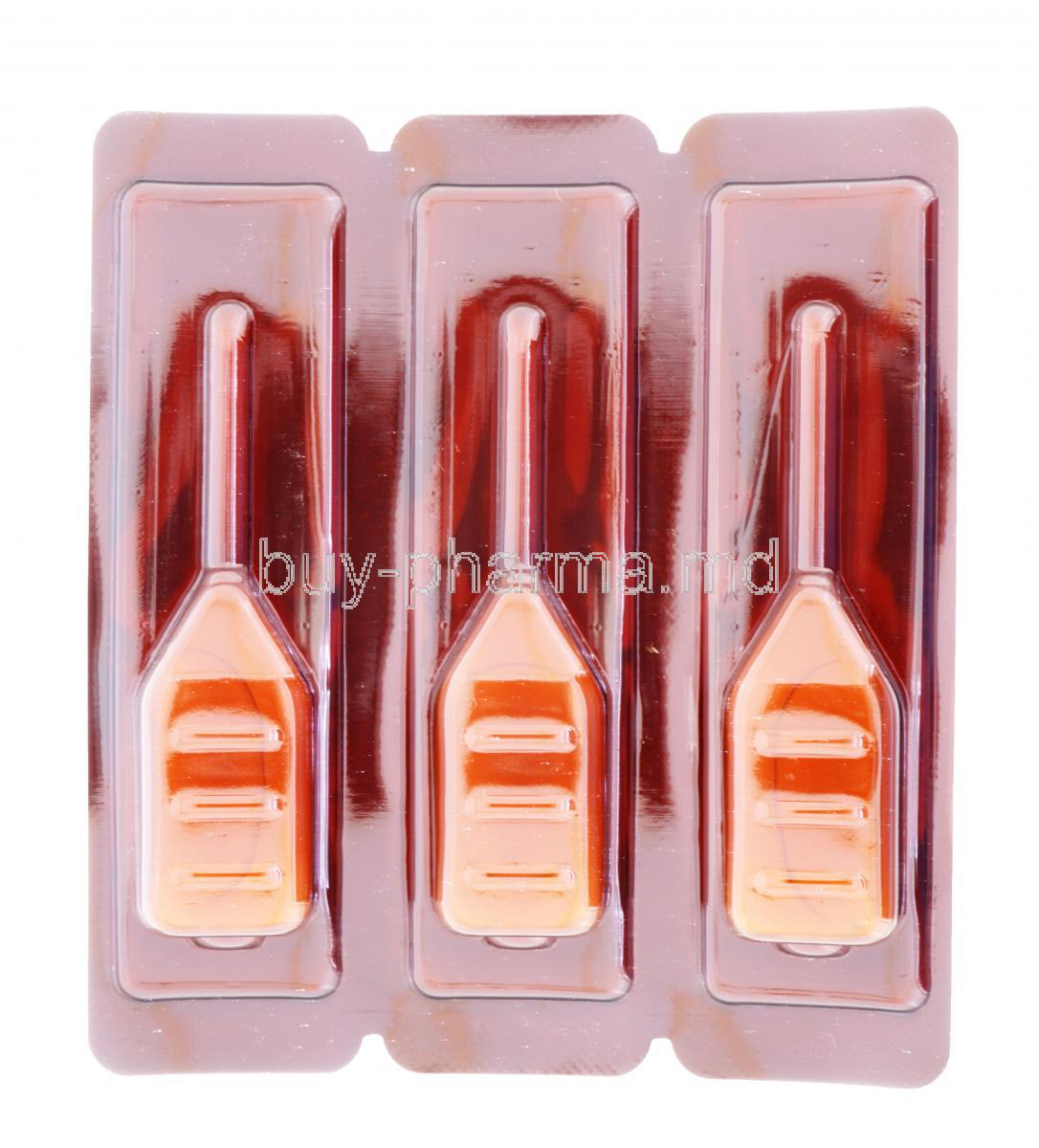
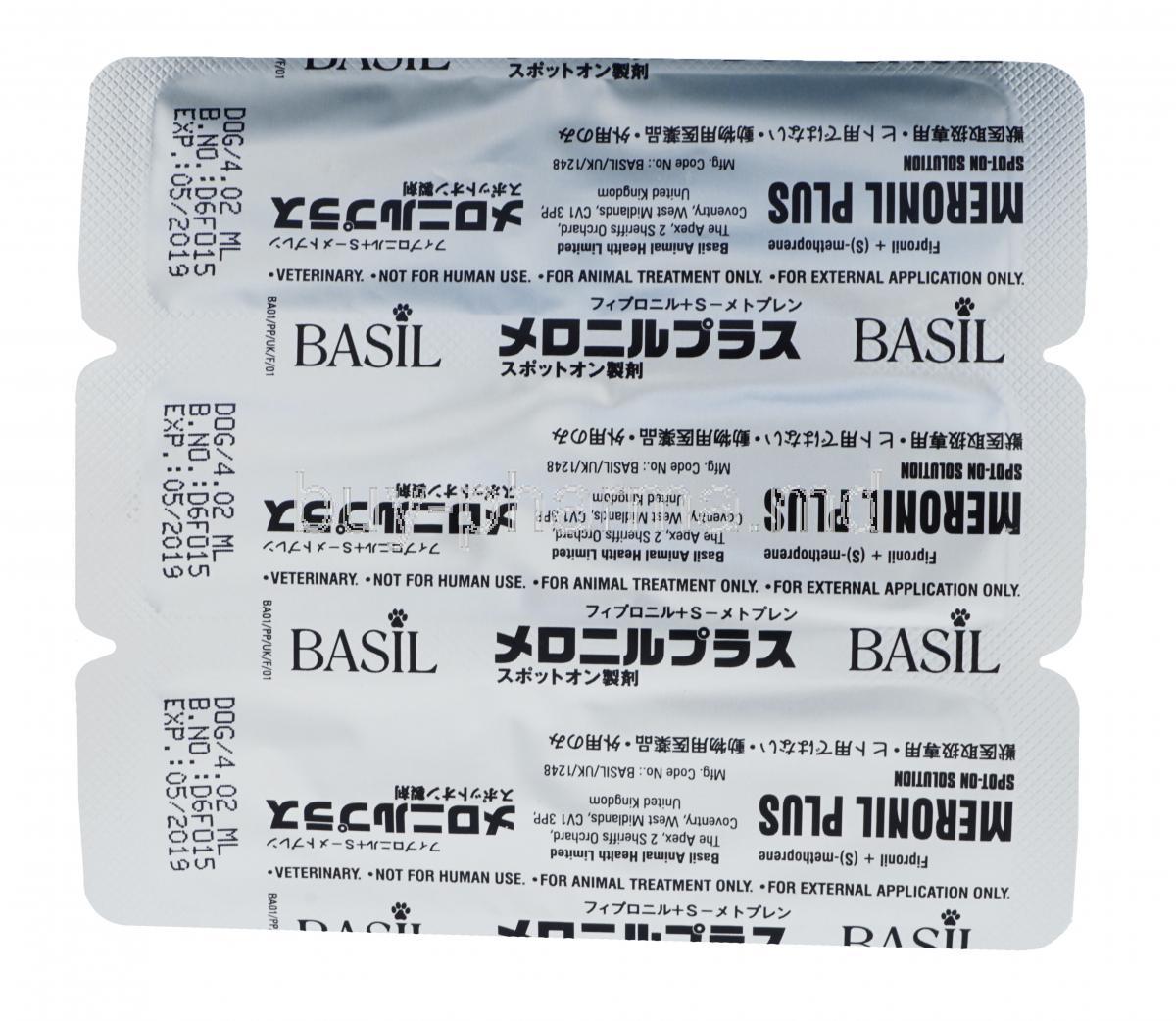
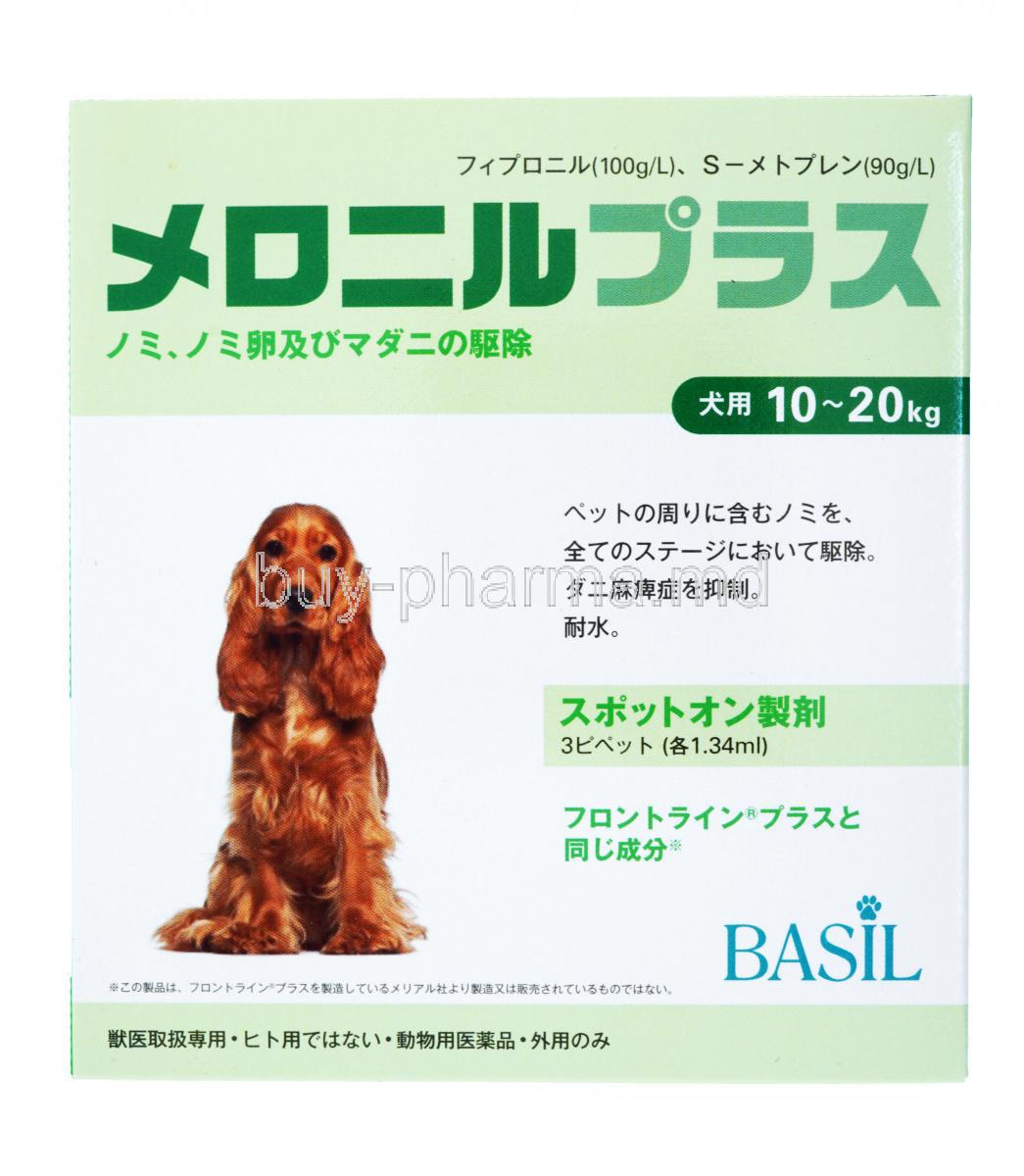
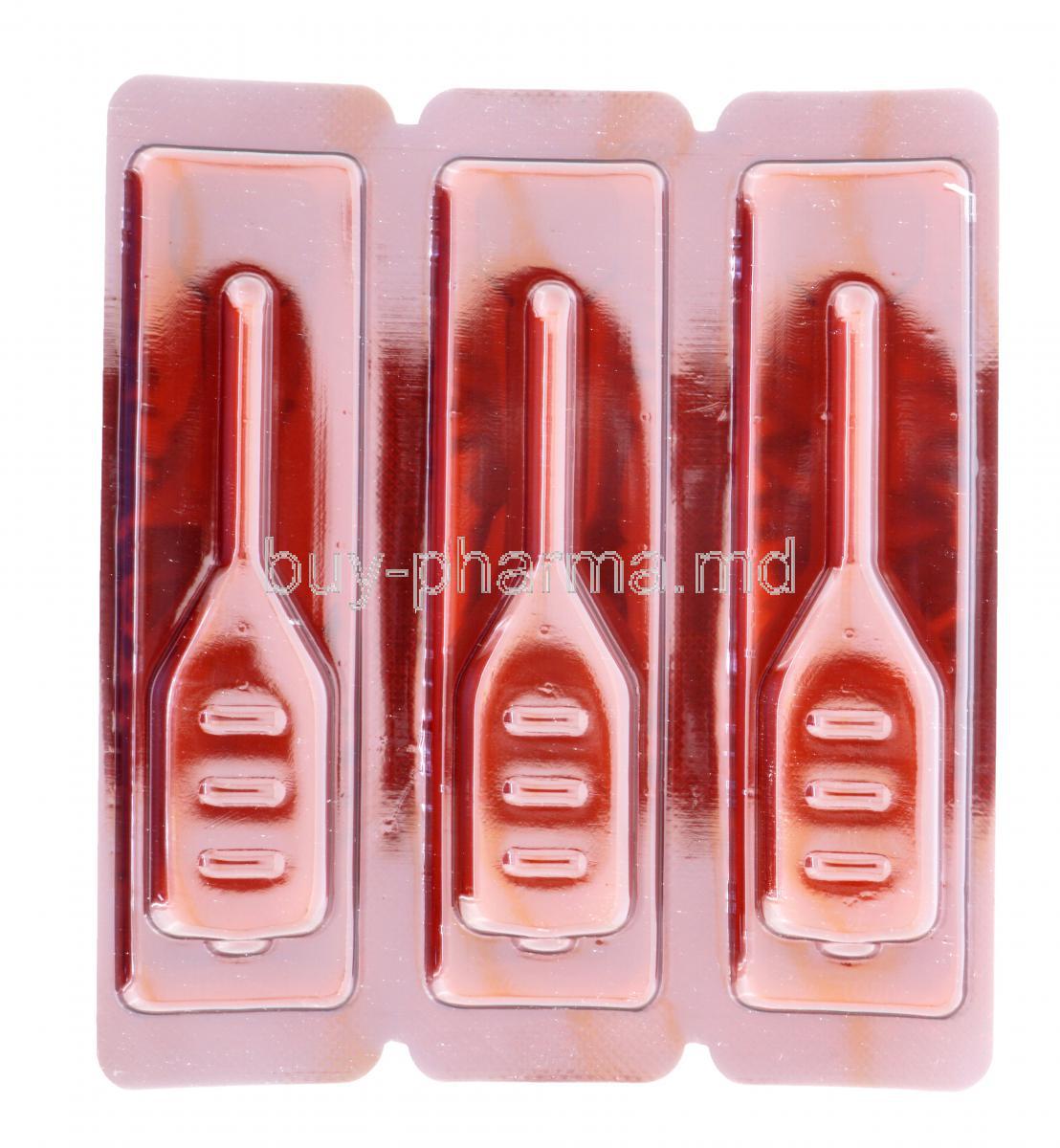
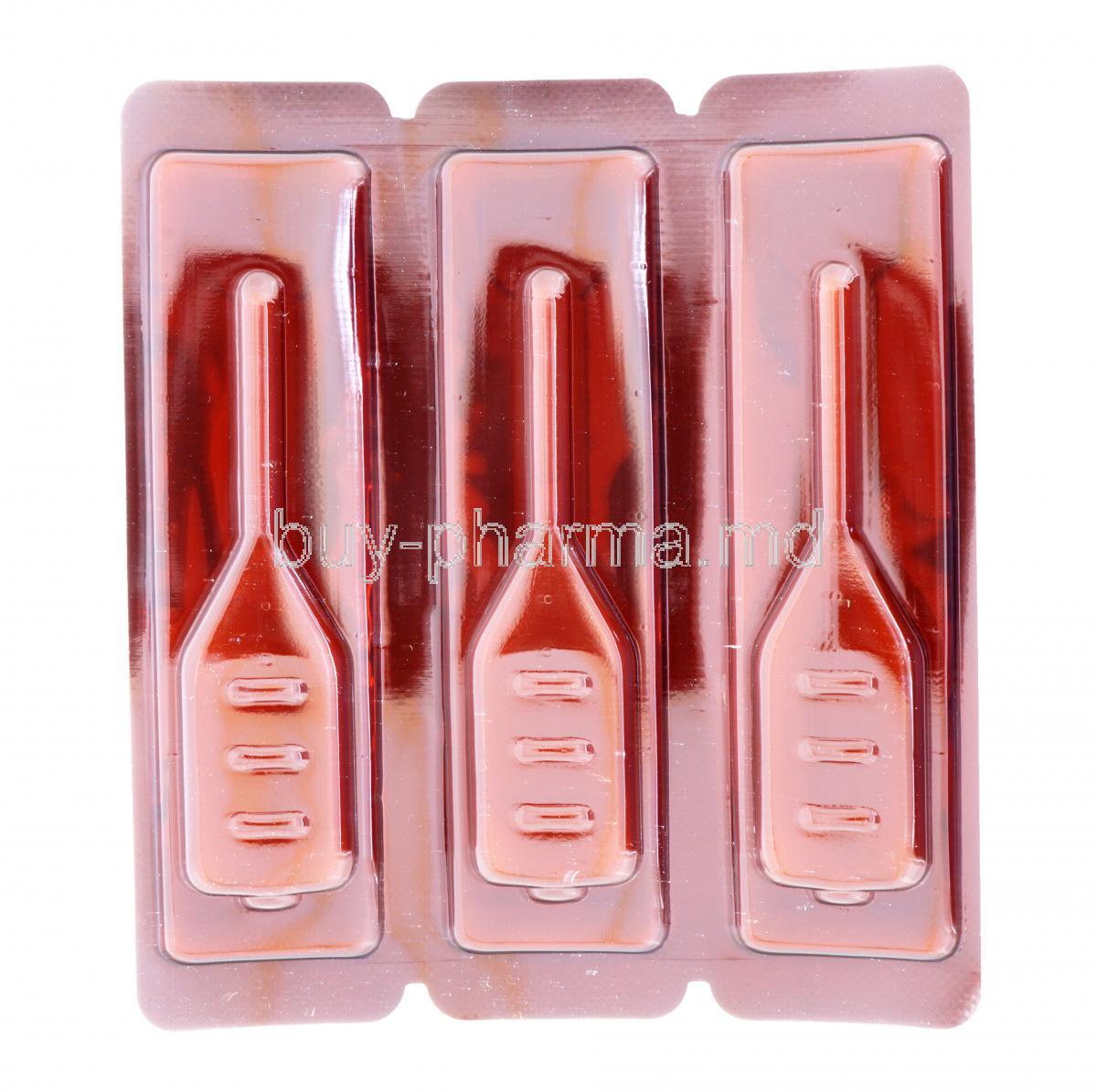
Meronil Plus Spot On is a veterinary topical medication formulated for external use in dogs. It is supplied as a ready-to-use spot-on solution, applied directly to the skin at designated anatomical sites.
Product Classification and Therapeutic Category
This product is classified as a topical ectoparasiticide. Therapeutically, it belongs to the category of antiparasitic agents designed to control fleas and ticks through direct contact exposure.
Broad-Spectrum Antiparasitic Profile
Meronil Plus Spot On demonstrates activity against multiple stages of external parasites. Its broad-spectrum profile allows it to address both existing infestations and new parasite challenges.
- Adult fleas
- Ticks commonly encountered in domestic environments
Intended Species and Limitations of Use
The formulation is intended exclusively for use in dogs. It is not interchangeable with products designed for other species. Use outside labeled indications or species parameters may increase the risk of adverse reactions.
Composition and Active Ingredients
The efficacy of Meronil Plus Spot On is derived from its carefully selected active ingredients, combined within a formulation optimized for dermal distribution.
Active Pharmaceutical Ingredients and Their Roles
Meronil Plus utilizes a dual-action formula that targets both adult parasites and their eggs/larvae
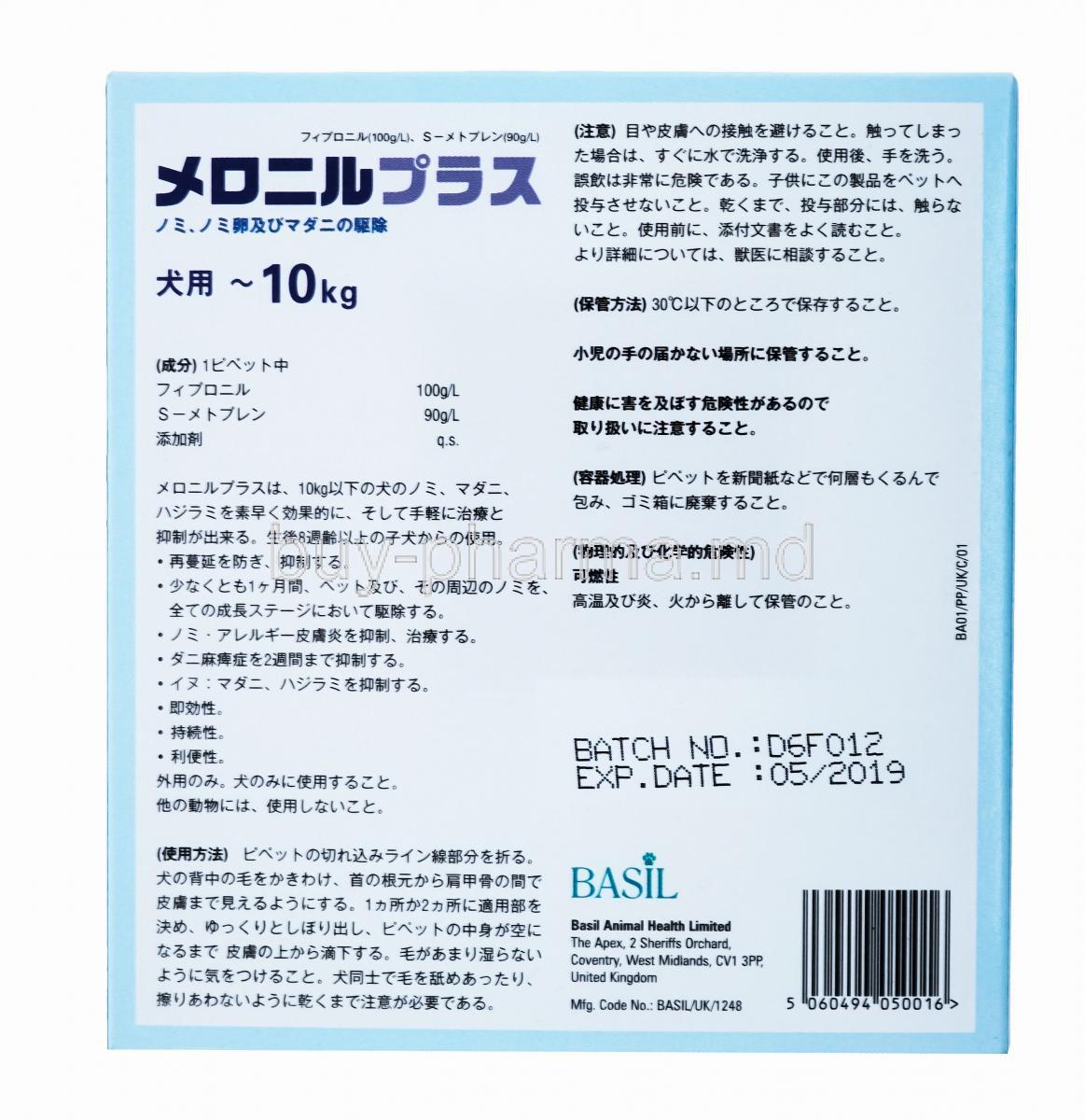
- Fipronil: An adulticide that kills adult fleas and ticks by affecting their central nervous system.
- (S)-methoprene: An Insect Growth Regulator (IGR) that prevents flea eggs from hatching and larvae from developing.
Inactive Ingredients and Formulation Characteristics
Inactive excipients serve important roles, including:
- Facilitating even skin distribution
- Stabilizing the active compounds
- Improving adherence to the skin’s lipid layer
Fipronil vs bifenthrin
Bifenthrin is a repellent (pyrethroid) for immediate, broad-spectrum killing and barrier protection, while Fipronil is a non-repellent (phenylpyrazole) that transfers within colonies for systemic eradication, excellent for termites but highly toxic to bees.
Imidacloprid vs fipronil
Imidacloprid and fipronil are both potent insecticides, but differ in target, action, and environmental profile: Imidacloprid is systemic and targets sucking pests (neonicotinoid), while Fipronil is broader-spectrum (phenylpyrazole) with faster contact kill, affecting GABA receptors, often used for termites,
Indoxacarb vs fipronil
Fipronil offers rapid knockdown by disrupting nerve signals (GABA channels) for quick suppression, while Indoxacarb requires metabolic activation and works slower (delayed mortality) but provides excellent secondary/tertiary kill through bait sharing, making it better for long-term colony elimination, though fipronil often shows faster initial termite kill.
Etofenprox vs fipronil
Fipronil (phenylpyrazole) kills fleas and ticks on contact and through blood, working quickly but sometimes with less residual effect on eggs, while Etofenprox (synthetic pyrethroid) repels and kills pests like fleas, ticks, mosquitoes, and roaches
How Meronil Plus Spot On Works
Meronil Plus Spot On acts primarily through contact exposure. Parasites do not need to bite the host to be affected, which is a key advantage in reducing irritation and disease transmission.
How Does Fipronil Work
Once applied, the active substances interfere with the normal neurological signaling of parasites. This disruption leads to paralysis and eventual elimination.
Effects on Parasite Nervous System and Life Cycle
By targeting neural transmission, the product affects adult parasites directly. This interruption reduces:
- Parasite mobility
- Feeding behavior
- Reproductive capacity
Onset of Action and Duration of Protection
The onset of action typically begins shortly after application, as the formulation spreads across the skin surface. Protection is sustained for a defined period, supporting monthly parasite control regimens when used as directed.
Uses of Meronil Plus Spot On for Dogs
Meronil Plus Spot On is used as both a treatment and preventive measure against external parasites commonly affecting dogs.
Fipronil Flea treatment
The product is effective in eliminating existing flea populations while also preventing reinfestation. This dual action is particularly important in environments with high flea pressure.
Control of Tick Infestations (Including Common Species)
Ticks pose a significant health risk due to their role as disease vectors. Regular application assists in controlling tick attachment and survival.
Prevention of Flea Allergy Dermatitis (FAD)
By minimizing flea exposure, Meronil Plus Spot On plays a supportive role in reducing the incidence of flea allergy dermatitis, a hypersensitivity condition characterized by intense pruritus and inflammation.
Reduction of Parasite-Borne Disease Transmission Risk
Lower parasite loads correlate with reduced transmission of vector-borne pathogens. While no product can eliminate risk entirely, consistent use contributes to meaningful risk mitigation.
Off-Label and Extended Uses
In certain clinical contexts, Meronil Plus Spot On may be incorporated into broader parasite management strategies under professional guidance.
Use in Integrated Parasite Management Programs
Integrated approaches combine topical treatments with environmental control measures. This holistic strategy enhances long-term outcomes.
Environmental Flea Burden Reduction Strategies
Reducing environmental contamination complements topical treatment. Regular cleaning of bedding and living areas supports sustained parasite control.
Adjunct Use Alongside Oral Antiparasitic Therapies
In select cases, topical and oral agents may be used concurrently. Such combinations require careful veterinary oversight to avoid duplication or adverse interactions.
Dosage and Administration Guidelines
Correct dosing and proper application technique are essential for achieving optimal efficacy and minimizing adverse effects.
Weight-Based Dosing Recommendations
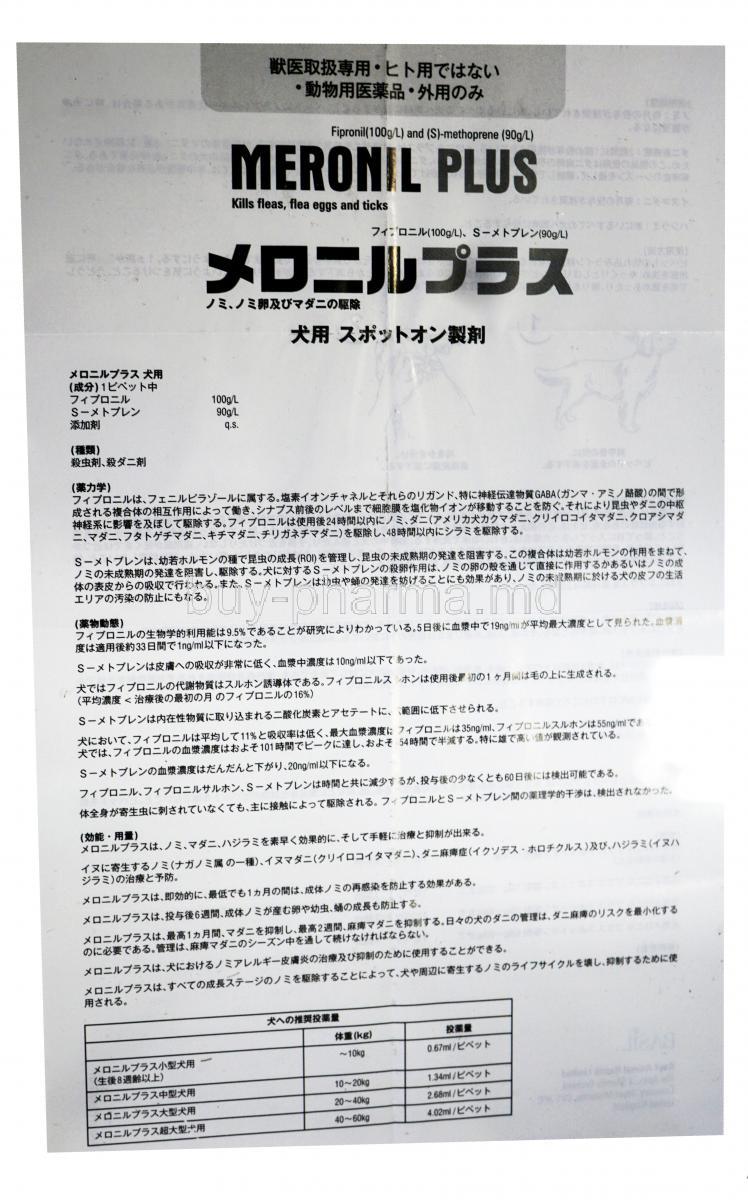
Dosage is determined according to the dog’s body weight. Selecting the appropriate strength ensures adequate coverage without unnecessary exposure.
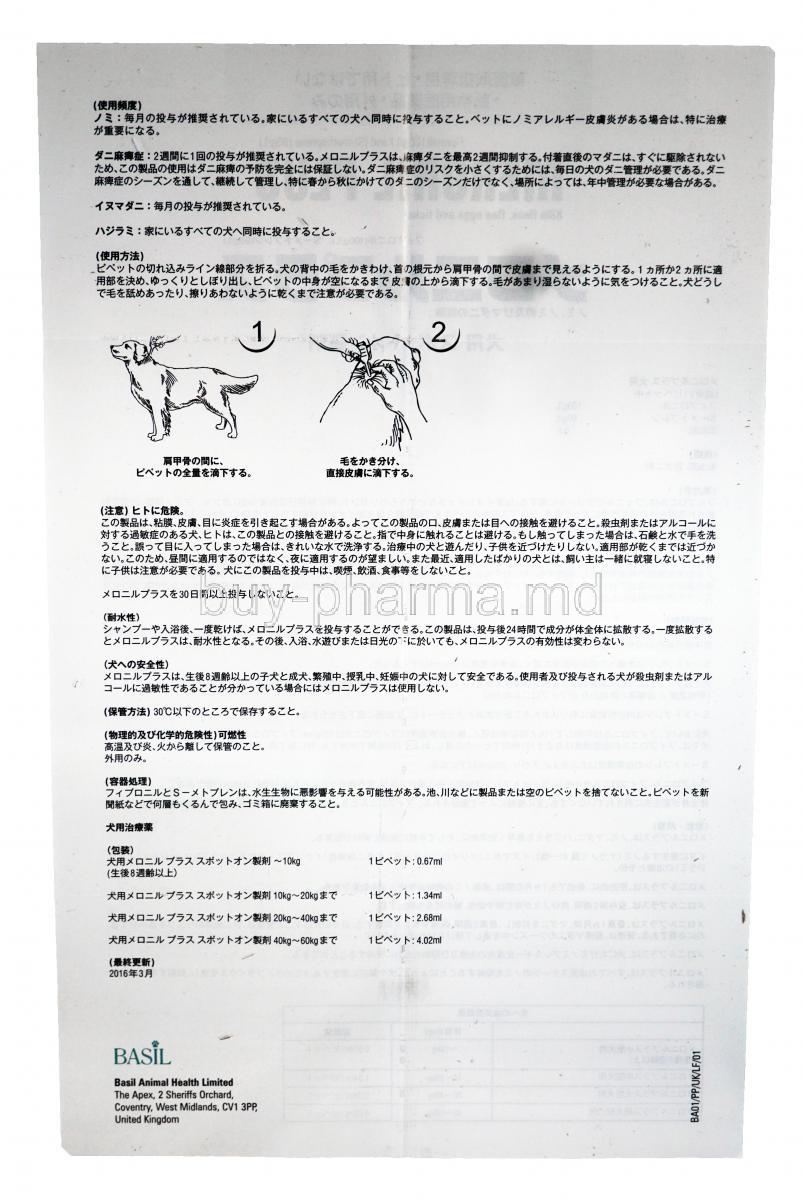
Proper Method of Spot-On Application
The solution should be applied directly to the skin, typically at the base of the neck or along the dorsal midline. Application sites should be chosen to minimize licking or grooming.
Frequency of Administration and Retreatment Intervals
Routine administration follows a defined schedule, commonly on a monthly basis. Adhering to retreatment intervals is critical for uninterrupted protection.
Missed Dose Management
If a dose is missed, it should be applied as soon as possible. Subsequent applications should then resume according to the original schedule to maintain consistent parasite control.
Administration in Special Populations
Administration to Elderly Dogs
Senior dogs often present with physiological nuances that can influence topical drug performance. Age-related changes in skin integrity, sebaceous activity, and metabolic clearance may subtly alter absorption dynamics. Thinner epidermal layers and reduced lipid content can increase local sensitivity, even when products are applied correctly.
In older animals, cautious application is prudent. Particular attention should be paid to:
- Skin fragility or pre-existing dermatological conditions
- Reduced grooming tolerance or mobility limitations
- Concurrent chronic diseases requiring long-term medication
Monitoring Recommendations in Senior Dogs
Following application, senior dogs should be observed more closely than younger counterparts. Monitoring is especially important after the first dose.
- Assess the application site for irritation or inflammation
- Monitor general behavior, appetite, and activity levels
- Document any changes and report them promptly
Administration to Pregnant and Nursing Dogs
Safety Data During Pregnancy and Lactation
Data regarding topical antiparasitic use during pregnancy and lactation remain limited. While systemic absorption is typically minimal, physiological changes during gestation and nursing may alter drug distribution. Transfer through skin contact with nursing puppies is also a consideration.
Risk–Benefit Assessment Under Veterinary Supervision
Use during pregnancy or lactation should only proceed following a thorough risk–benefit assessment. In some cases, parasite control may be essential to protect both the dam and offspring, particularly where infestation pressure is high.
- Evaluate parasite exposure risk
- Consider alternative timing or therapies
- Ensure precise dosing and application
Administration to Puppies
Minimum Age and Weight Requirements
Puppies possess immature detoxification pathways and thinner skin barriers. For this reason, strict adherence to minimum age and weight requirements is critical. Products intended for adult dogs should not be extrapolated for pediatric use.
Pediatric Safety Considerations
Young dogs are more prone to licking and grooming behaviors, increasing the risk of oral exposure. Application sites should be carefully selected and puppies supervised until the product has fully dried.
Fipronil Side Effects
Fipronil Side effects in dogs
Meronil Plus Spot On is generally well tolerated when used as directed. However, as with all veterinary medicinal products, adverse reactions may occur. These reactions can be localized or, less commonly, systemic.
Local Versus Systemic Side Effects
Local effects are typically confined to the application site and transient in nature. Systemic reactions are uncommon but warrant immediate attention.
Common Side Effects
Mild Skin Irritation at Application Site
Transient irritation may manifest as slight redness, dryness, or localized discomfort. These effects often resolve without intervention.
Transient Itching or Redness
Short-lived pruritus can occur shortly after application as the formulation disperses across the skin surface.
Temporary Changes in Coat Appearance
Some dogs may exhibit temporary greasiness or clumping of hair at the application site. This cosmetic effect typically dissipates within a few days.
Less Common or Serious Side Effects
Neurological Signs Such as Lethargy or Tremors
Rarely, dogs may display neurological signs including lethargy, tremors, or incoordination. These signs require prompt veterinary evaluation.
Hypersensitivity or Allergic Reactions
Allergic responses may include swelling, hives, or intense pruritus. Discontinuation and veterinary assessment are advised if hypersensitivity is suspected.
Gastrointestinal Signs Following Accidental Ingestion
Ingestion through licking may lead to drooling, vomiting, or mild gastrointestinal upset. These signs are typically self-limiting but should be monitored.
Drug and Product Interactions
Concurrent Use With Other Topical Antiparasitic Products
Simultaneous application of multiple topical antiparasitic agents may increase the risk of cumulative irritation or toxicity. Such combinations should be avoided unless specifically directed.
Interactions With Systemic Flea and Tick Medications
When combined with oral antiparasitics, careful consideration is required to prevent overlapping mechanisms or excessive exposure.
Compatibility With Shampoos and Grooming Products
Frequent bathing, particularly with medicated or degreasing shampoos, may reduce product efficacy. Timing of bathing should align with recommended guidelines.
Warnings and Safety Information
Fipronil Safety
This product is intended for dogs only. Use in other species may result in serious adverse reactions.
Avoidance of Contact With Eyes and Mucous Membranes
Direct contact with eyes, mouth, or nasal passages should be avoided. Accidental exposure should be rinsed thoroughly with water.
Human Safety Considerations After Application
Pet owners should wash hands after application and avoid close contact with the treated area until dry.
Fipronil toxicity dogs
Fipronil toxicity in dogs primarily causes neurotoxicity, leading to symptoms like tremors, seizures, incoordination (ataxia), and hyperexcitability, usually from accidental ingestion (licking products). While it generally has a wide safety margin, severe cases, especially with large overdoses, can be life-threatening, with no specific antidote.
Contraindications
Known Hypersensitivity to Any Component
Dogs with a known history of hypersensitivity to formulation components should not receive this product.
Use in Dogs Below Minimum Age or Weight Limits
Administration outside approved age or weight parameters increases the risk of adverse effects.
Use in Debilitated or Acutely Ill Animals Without Veterinary Advice
Compromised animals may have altered tolerance and should be assessed individually before treatment.
Careful Administration and Monitoring
Importance of Correct Dosing and Placement
Accurate dosing and proper placement are essential to maximize efficacy and minimize adverse reactions.
Monitoring Dogs After First Application
Observation during the first 24 hours allows early detection of unexpected reactions.
Preventing Licking or Grooming of Treated Areas
Dogs should be prevented from licking the application site until the solution has fully dried.
Important Precautions Before and After Use
Bathing Restrictions Before and After Application
Bathing should be avoided immediately before and after application to preserve product distribution.
Environmental and Household Pet Precautions
Treated dogs should be kept separate from other pets until the application site is dry.
Multi-Pet Household Considerations
In multi-dog households, staggered application and supervision help reduce cross-contact exposure.
Overdosage and Emergency Management
Signs and Symptoms of Overdose
Overdose may present with exaggerated neurological or gastrointestinal signs. Severity depends on the amount and route of exposure.
Immediate Actions if Overdose Is Suspected
The application site may be gently washed with mild soap and water. Veterinary advice should be sought immediately.
Veterinary Treatment and Supportive Care
Management is primarily supportive, focusing on symptom control and monitoring until recovery.
Storage and Stability
Recommended Storage Conditions
Store in a cool, dry place away from direct sunlight and heat sources.
Shelf Life and Expiration Considerations
Use only within the stated shelf life. Expired products may lose efficacy or stability.
Proper Disposal of Unused or Expired Product
Dispose of unused or expired product according to local regulations. Do not dispose of in household wastewater.
Handling and User Safety Precautions
Safe Handling During Application
Avoid direct skin contact with the solution. Use caution to prevent spills or splashes.
Protective Measures for Pet Owners
Wearing disposable gloves during application may further reduce exposure risk.
Accidental Exposure Management
In case of accidental human exposure, wash the affected area thoroughly with soap and water. Seek medical advice if irritation persists.
Meronil Plus Spot On for Dogs FAQ
- How long does spot on last on dogs?
- Is spot-on safe for dogs?
- Can I bathe my dog after using spot on?
- How often should I use a spot on my dog?
- Can I touch my dog after applying a spot-on?
- What are the side effects of spot on?
- How long do fleas live after spot-on treatment?
- How long does spot on take to work?
- What if my dog licks Spot On treatment?
- When can I wash my dog after spot on?
- Why is Spot On not killing fleas?
- Can I touch my dog after spot-on treatment?
- Is spot on better than tablets?
- Where to apply spot on on dogs?
- Can I bathe my dog after spot-on?
How long does spot on last on dogs?
12 weeks
Is spot-on safe for dogs?
Adverse reactions are rare.
Can I bathe my dog after using spot on?
No
How often should I use a spot on my dog?
Every 4 weeks
Can I touch my dog after applying a spot-on?
No
What are the side effects of spot on?
- Contact dermatitis
- Epidermal paresthesia
How long do fleas live after spot-on treatment?
6 - 24 hours
How long does spot on take to work?
24 hours
What if my dog licks Spot On treatment?
Seek a veterinarian immediately.
When can I wash my dog after spot on?
After 48hours
Why is Spot On not killing fleas?
Incorrect application
Can I touch my dog after spot-on treatment?
No
Is spot on better than tablets?
Spot-ons are easier to apply compared to tablets.
Where to apply spot on on dogs?
- Around the neck
- Along the back, between the shoulders
Can I bathe my dog after spot-on?
Don't bathe your pet for 4 days after application
Popular Products
Similar Product