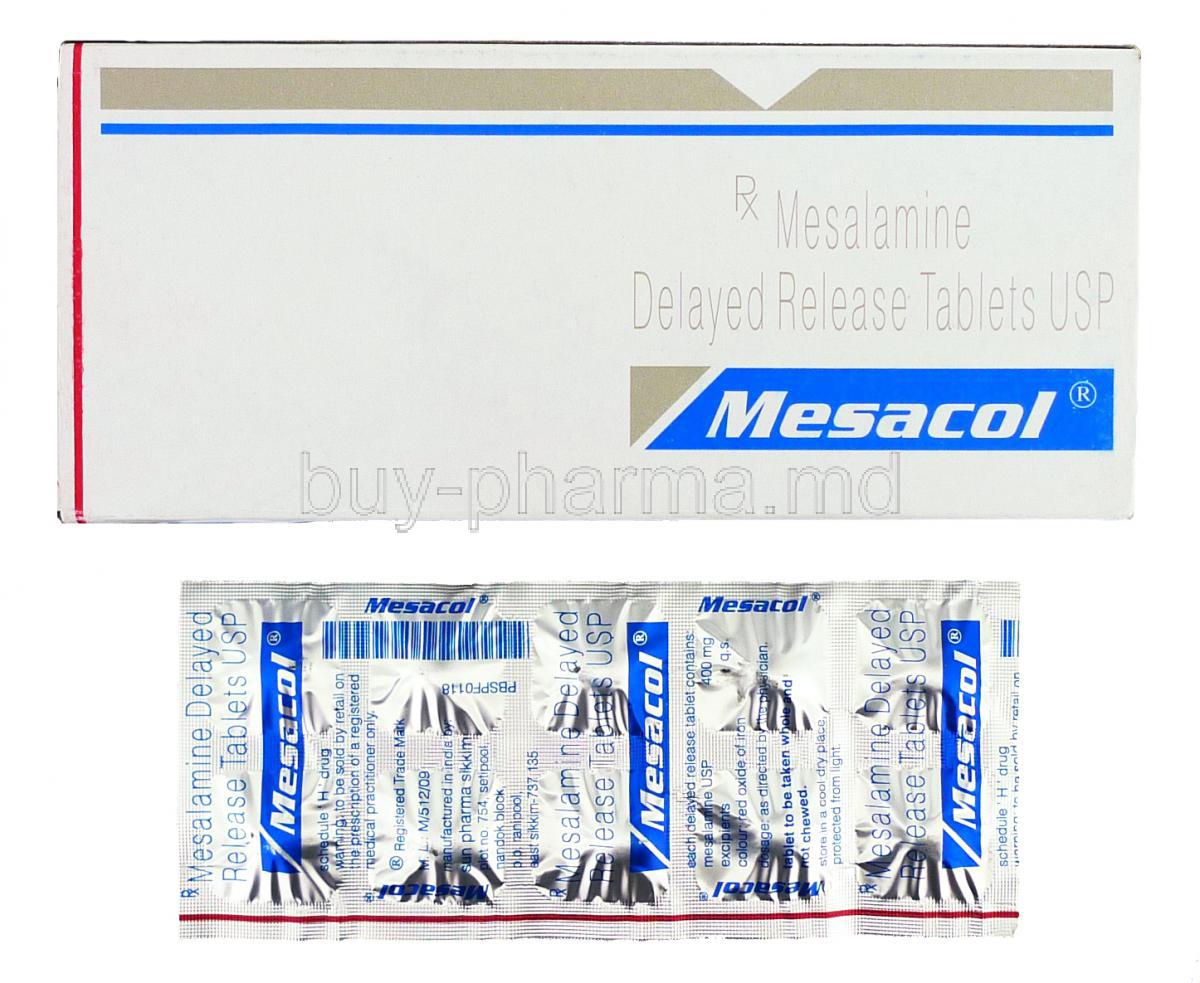
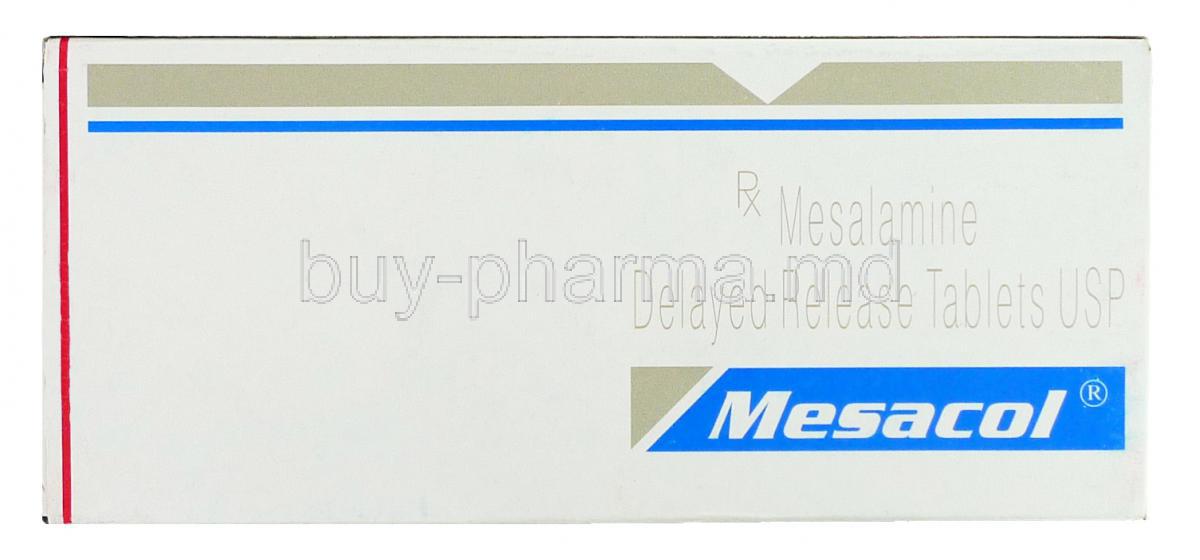
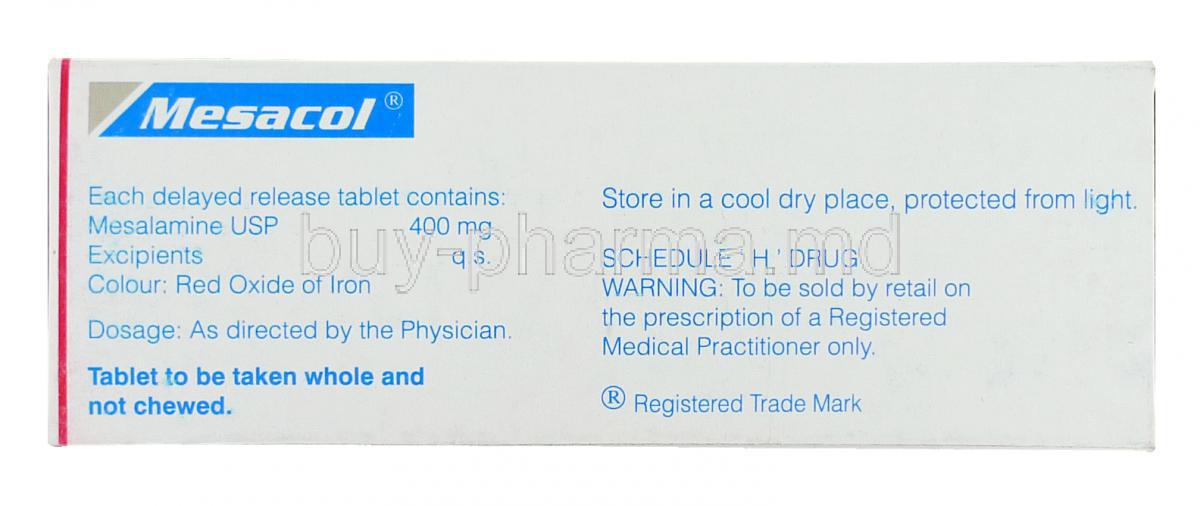
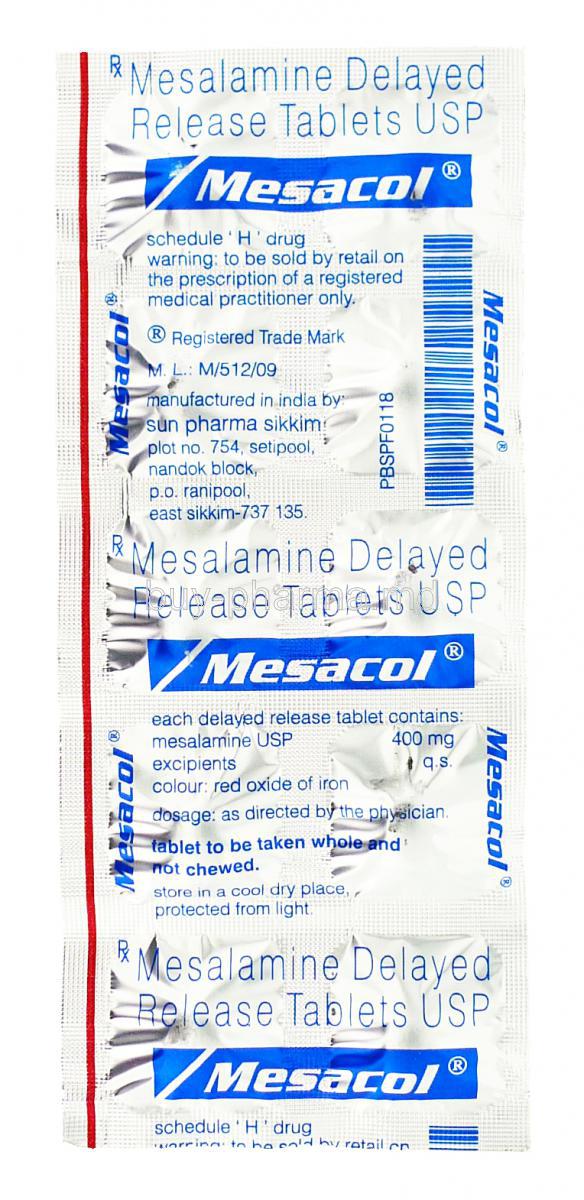
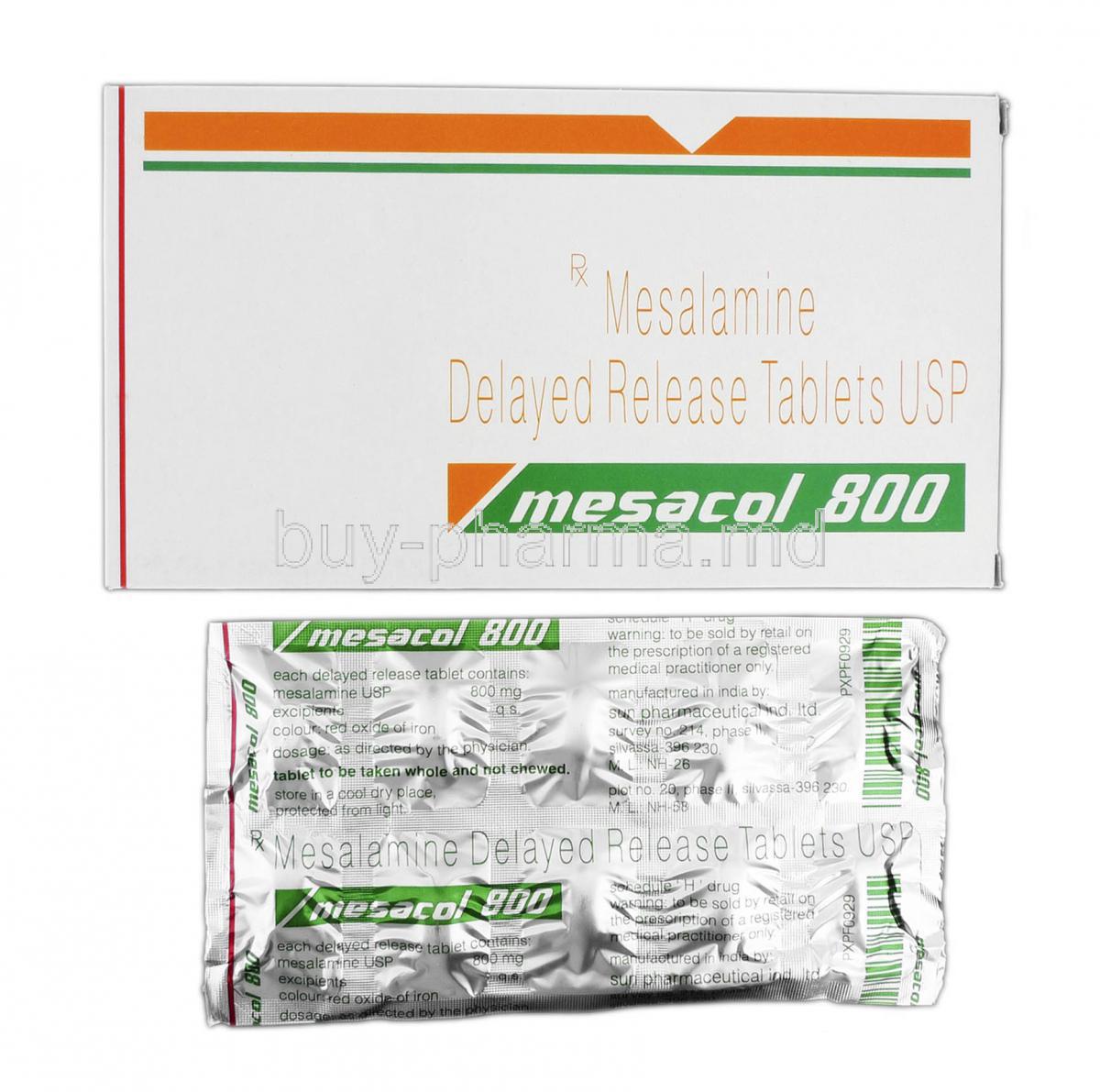
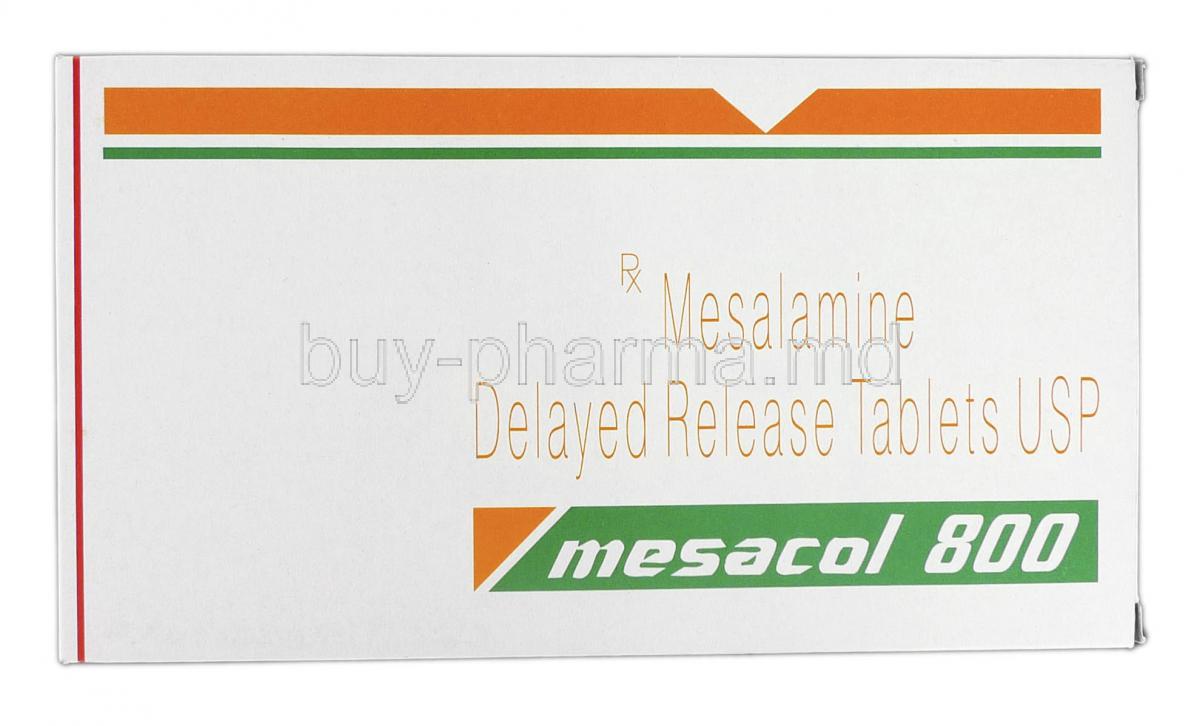
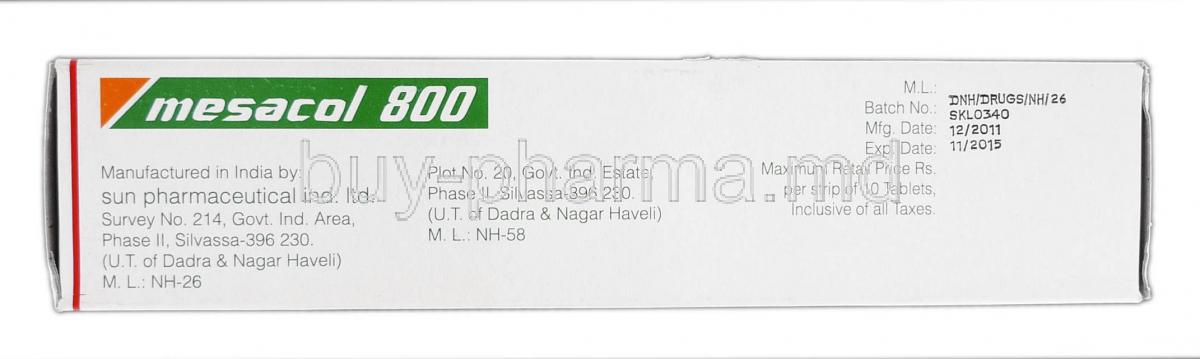
Introduction to Mesacol (Mesalazine / Mesalamine)
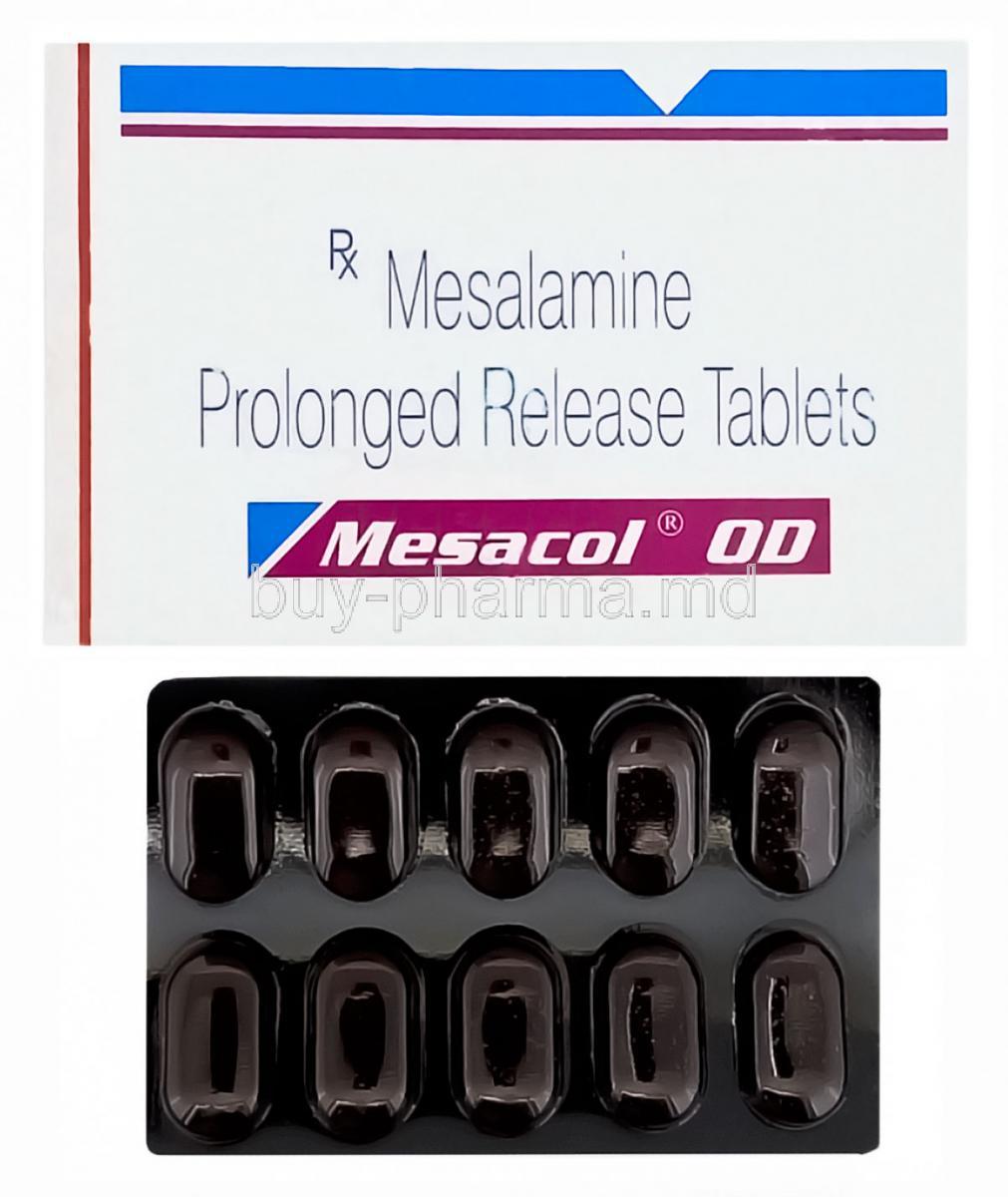
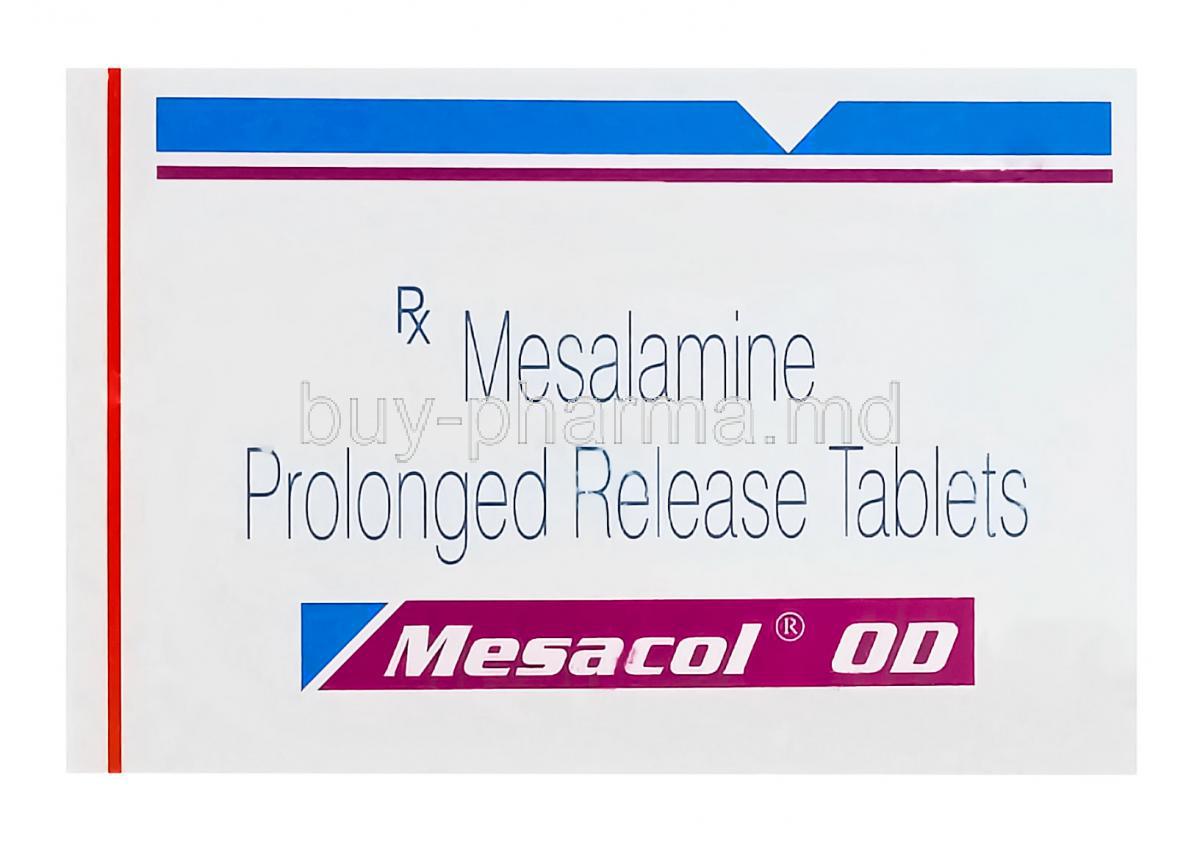
Mesacol is a clinically validated mesalazine (also known as mesalamine) preparation used extensively for inflammatory bowel disease. It belongs to the 5-aminosalicylic acid therapeutic class and is engineered to provide targeted, gut-specific anti-inflammatory action. The brand is manufactured in multiple release forms, allowing clinicians to tailor therapy based on disease location and severity.
It is differentiated from other 5-ASA brands by its delivery profile, excipient configuration, manufacturing quality, and availability in both oral and rectal preparations. Regulatory authorizations in various regions reinforce its role as a primary modality in ulcerative colitis management. Mesacol continues to be an indispensable agent for both induction and maintenance of remission in chronic bowel inflammation disorders.
Overview, therapeutic class, and formulation types
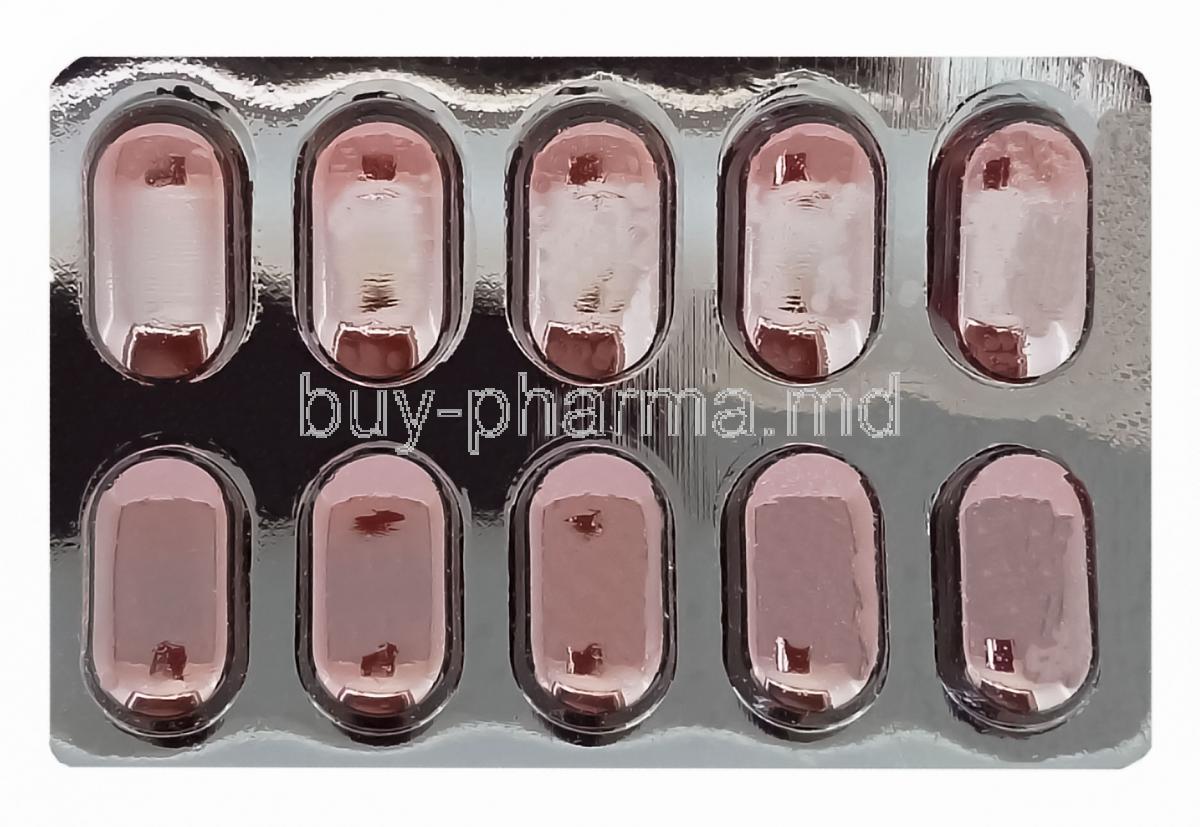
Mesacol belongs to the class of gut-selective 5-aminosalicylic acid drugs. Formulations include enteric-coated tablets, controlled release capsules, granule sachets, as well as rectal suppositories for distal colonic disease. Each format is designed to provide mucosal delivery, with reduced systemic circulating drug burden.
Distinction between Mesacol and other 5-aminosalicylic acid (5-ASA) drugs
Among 5-ASA options, Mesacol exhibits robust colonic release characteristics. This is achieved by harnessing pH-sensitive polymer coatings and delayed disintegration mechanisms. Some patients demonstrate improved tolerability when transitioned to Mesacol due to formulation variability compared to sulfasalazine or balsalazide alternatives.
Regulatory approvals and clinical role in inflammatory bowel disease (IBD)
International gastrointestinal guidelines continually list mesalazine as first-line therapy in mild to moderate ulcerative colitis. Regulatory approvals in multiple territories confirm its therapeutic legitimacy. Gastroenterologists frequently adopt Mesacol for long-term relapse suppression.
Composition and Pharmaceutical Characteristics
Mesacol’s pharmacological backbone is mesalazine – an anti-inflammatory derivative of salicylic acid optimized for localized luminal action.
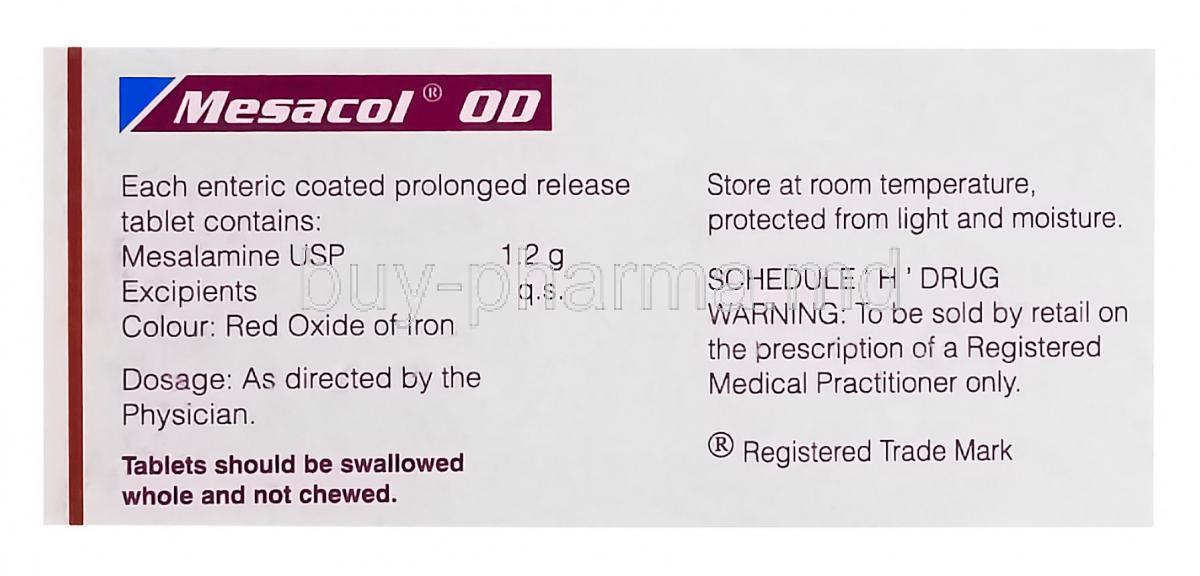
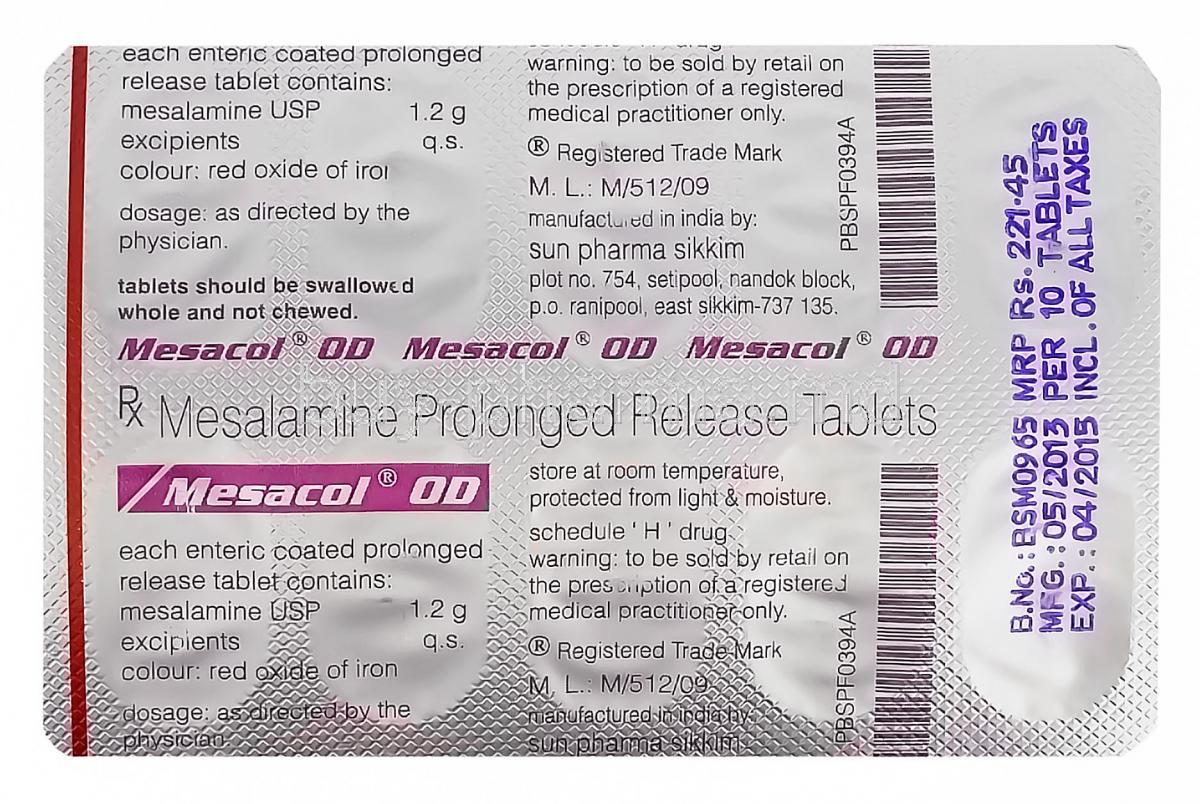
Active ingredient: mesalazine / mesalamine – concentration and pharmacologic classification
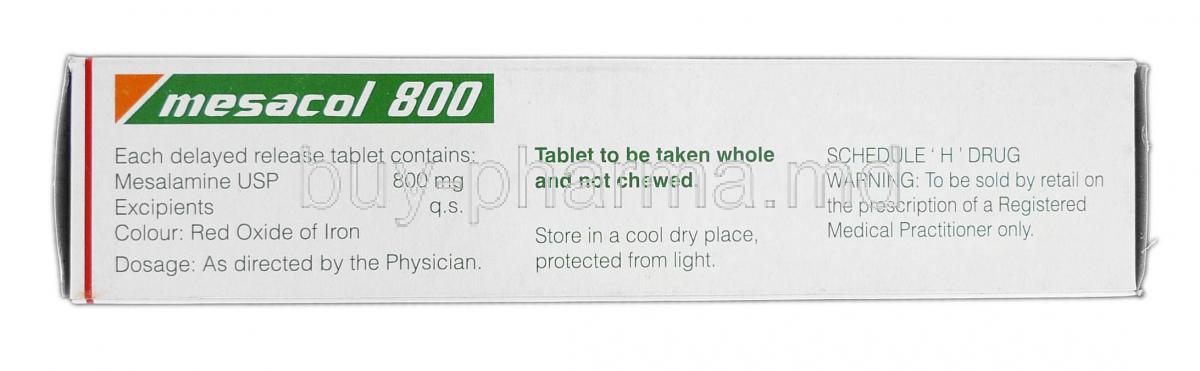
The active drug content varies by strength, commonly 400 mg, 800 mg, or similar dose equivalencies. Mesalazine is classified as a topical anti-inflammatory agent for the intestinal lumen.
Tablet, capsule, granules, and suppository strengths and differences
Available formats:
- Enteric-coated tablets
- Controlled release capsules
- Granular sachets for oral suspension
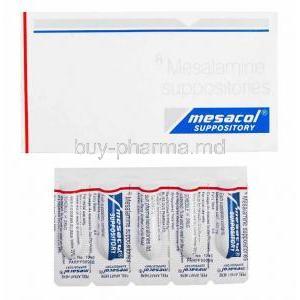
- Suppositories for distal rectal involvement
Site-specific release technologies (enteric coated, pH dependent delivery, delayed release)
Mesacol harnesses pH-dependent enteric coatings to avoid premature stomach disintegration. This ensures the drug reaches the terminal ileum and colon before active liberation, maximizing therapeutic mucosal interaction.
How Mesacol (Mesalazine) Works
The therapeutic mechanism is multifaceted. It is non-systemic dominant and functions locally where inflammation resides.
Mechanism of action on mucosal inflammation pathways
Mesalazine mitigates cytokine propagation. It suppresses nuclear transcription events in epithelial and lamina propria immune cells.
Impact on prostaglandin and leukotriene synthesis
It reduces prostaglandin E2 and leukotriene B4 synthesis. These mediators are primary drivers of mucosal edema and crypt irritation.
Immune modulation effects and local anti-inflammatory activity
Additional actions include:
- Downregulation of oxidative radicals
- Reduced neutrophil chemotaxis
- Enhanced epithelial healing dynamics
Approved Uses and Clinical Indications
Induction of remission in mild to moderate ulcerative colitis
Mesacol is routinely initiated during active flare states. Remission induction is typically pursued aggressively to avoid steroid escalation.
Maintenance therapy for ulcerative colitis to prevent flare-ups
Long-term treatment maintains remission stability. Chronic mucosal inflammation relapse is mitigated through continuous dosing.
Healing proctitis and proctosigmoiditis when rectal preparations are indicated
Rectal dosage forms deliver proximal concentration peaks in the rectum and sigmoid colon. They are indispensable for distal disease.
Off-Label and Less Commonly Discussed Uses
Crohn’s disease limited to colon involvement
Although clinical data are variable, certain Crohn’s colitis cases experience benefit with mesalazine. Individualized therapy is essential.
Radiation-induced proctitis support and symptomatic improvement
Mesacol may be considered in radiation injury-associated mucosal irritability. Symptomatic mitigation has been noted in select settings.
Non-infective chronic colitis cases where mesalazine response is observed
It has occasionally assisted inflammatory states that are not explicitly ulcerative colitis. These cases are generally physician-optimized and closely monitored.
Dosage and Administration Guidance
The dosing paradigm for mesalazine therapy varies substantially depending on whether disease is active or quiescent. Standard regimens are titrated to mucosal severity, patient tolerance, and anatomical distribution of inflammation.
Standard adult dosage in active flare vs maintenance phase
During an acute ulcerative colitis flare, higher daily doses are customary. Maintenance doses are subsequently titrated downward to sustain remission.
- Active flare – typically multiple grams per day
- Maintenance – lower stable dose to prevent relapse
Once-daily vs divided dosing strategies and clinical rationale
Once-daily regimens provide convenience. Divided dosing improves luminal saturation in certain scenarios. Both are acceptable when formulation allows, and adherence considerations often influence clinical choice.
Oral vs rectal formulations – administration site matching to disease location
Administration route is inherently site-specific. Rectal preparations are frequently superior in distal proctitis or proctosigmoiditis, where topical concentration is required. Oral forms are favored for extensive colonic involvement beyond the sigmoid region.
Administration in Special Populations
Administration to elderly – renal monitoring and dose adjustments
Aging physiology alters clearance. Elderly individuals require periodic renal screening and occasionally dose attenuation to avoid nephrotoxicity.
Administration to pregnant women – safety data, trimester considerations
Mesalazine has been utilized in pregnancy when clinically justified. The lowest effective dose is advisable, especially during the first trimester.
Administration to nursing mothers – breast milk transfer considerations
Mesalazine metabolites may appear in breast milk in trace quantities. Infants should be monitored if breastfeeding continues during therapy.
Administration to children – pediatric dosing ranges and age-specific cautions
Pediatric dosing is heavily weight-based. Younger patients may experience increased sensitivity to gastrointestinal intolerance.
Side Effects and Adverse Reaction Profile
Common side effects – dyspepsia, nausea, headache, diarrhea
These effects appear in a subset of users. They are often transient and mild.
Possible but less frequent reactions – hypersensitivity, pancreatitis, hepatitis
Mesalazine may, in rare instances, produce hypersensitivity reactions. Pancreatic inflammation or hepatic enzyme elevations demand re-evaluation of therapy.
Serious adverse effects requiring discontinuation and urgent evaluation
Severe chest pain, cardiac inflammation, blood dyscrasias, and pronounced abdominal pain require immediate cessation and specialist consultation.
Drug Interactions and Co-Therapy Considerations
Interaction with nephrotoxic medicines and pharmacokinetic risk
Concurrent nephrotoxic drug exposure amplifies renal burden. This includes NSAIDs and certain antibiotics.
Concurrent corticosteroids, immunomodulators, and biologics considerations
These combinations are common in IBD management. Many regimens intentionally combine agents to enhance control but require laboratory vigilance.
Impact on thiopurines (azathioprine / 6-MP) and bone marrow suppression risk
Co-administration of mesalazine with thiopurines may increase metabolite levels. The result may be marrow suppression and cytopenia if unmonitored.
Contraindications and Patient Selection
Known hypersensitivity to salicylates or mesalamine derivatives
Patients with confirmed salicylate intolerance should not use mesalazine-containing medications.
Severe renal impairment and advanced hepatic dysfunction
These conditions contraindicate use due to impaired clearance and heightened toxicity potential.
Past mesalazine-induced myocarditis or pericarditis
Prior cardiotoxic reactions preclude re-exposure.
Warnings, Careful Administration, and Important Precautions
Nephrotoxicity and need for baseline and periodic renal function testing
Renal markers should be measured prior to initiation and intermittently through long-term therapy.
Monitoring in patients with existing gastric or duodenal ulcers
Care is warranted in those with pre-existing ulcer disease, as mesalazine may exacerbate luminal irritability.
Sulfasalazine cross-sensitivity considerations
Patients who developed adverse reactions with sulfasalazine may react similarly to mesalazine. A cautious approach is advisable.
Overdosage Management and Clinical Handling Precautions
Symptoms of overdose – severe gastrointestinal upset, electrolyte imbalance
Overexposure may provoke profuse diarrhea, nausea, vomiting, dehydration, and marked electrolyte shifts.
Emergency interventions, supportive care, and monitoring
Hospital-level supportive therapy is typically required. Rehydration, symptomatic management, and metabolic panel review are implemented.
Safe storage, moisture protection, and proper disposal of unused medication
Unused product should be destroyed responsibly. Keep tablets in blister or bottle to reduce moisture ingress.
Storage and Stability Requirements
Ideal storage temperature conditions
Mesalazine-containing products should be stored in moderate temperatures away from thermal extremes.
Protection from humidity and direct heat source exposure
Moisture damage compromises coating integrity and may prematurely alter dissolution profiles.
Packaging integrity and shelf stability considerations
Packaging should remain sealed until usage. Shelf life remains valid only when original packaging is fully intact.
Customers also bought
Popular Products
Similar Product