
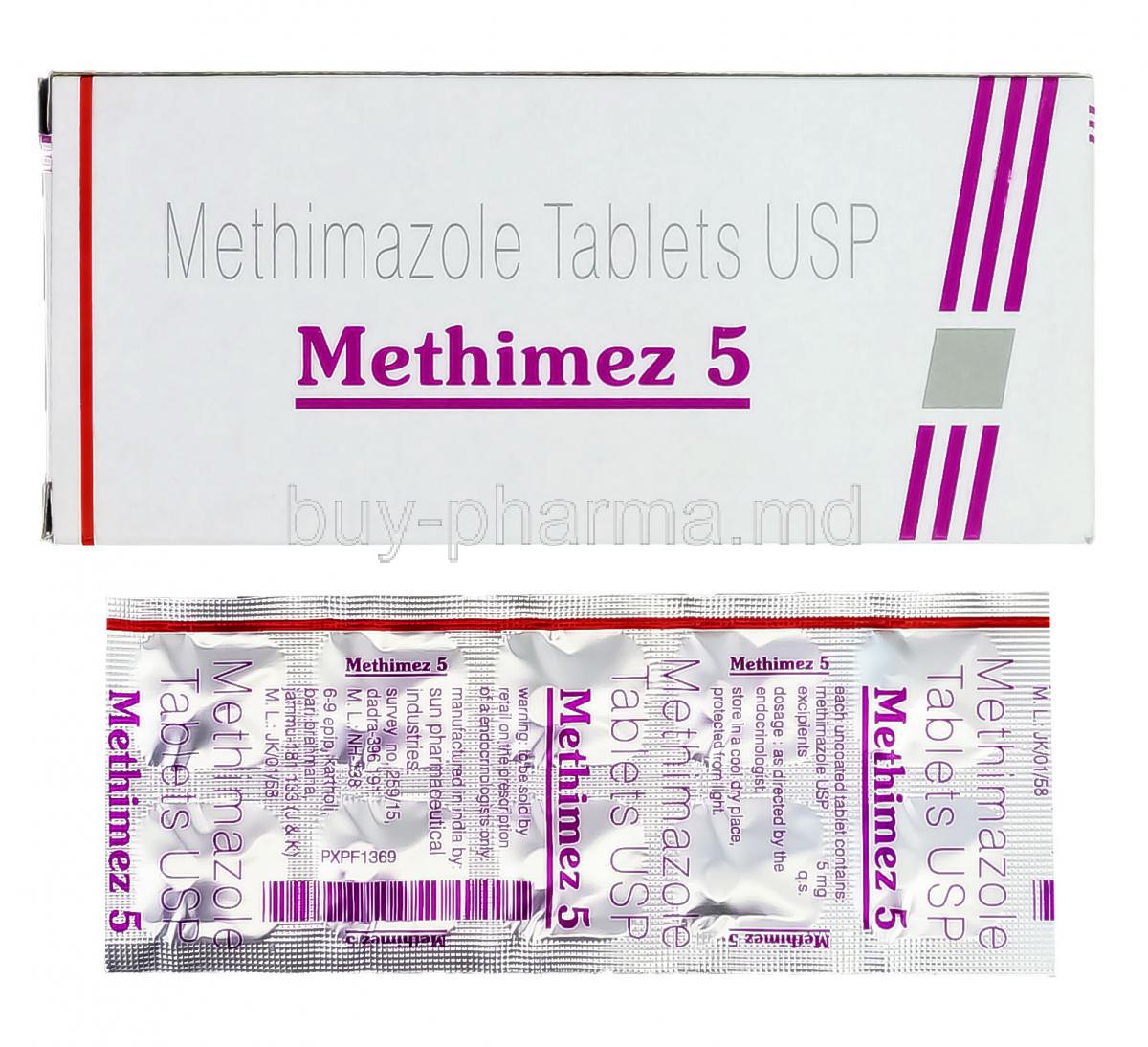
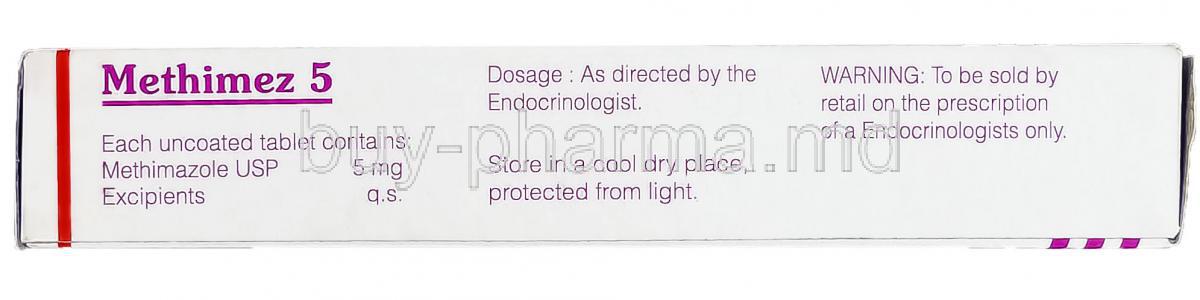
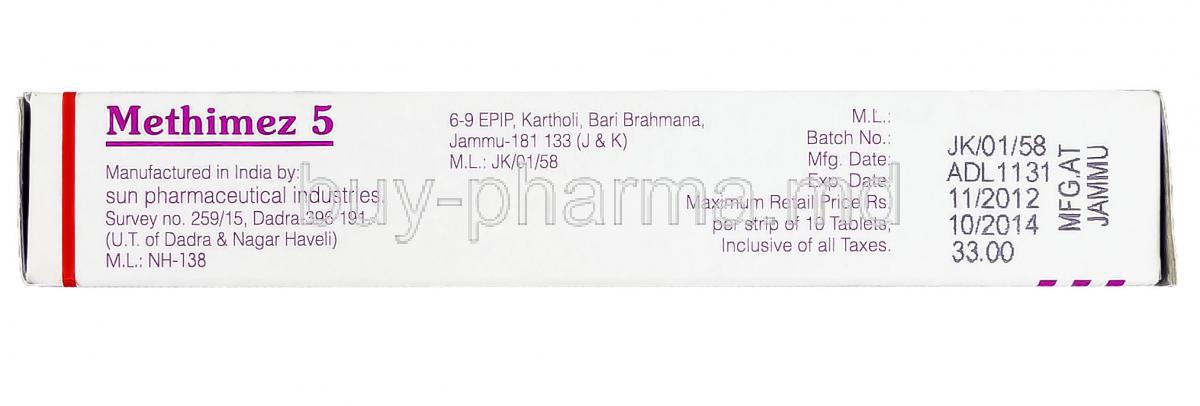
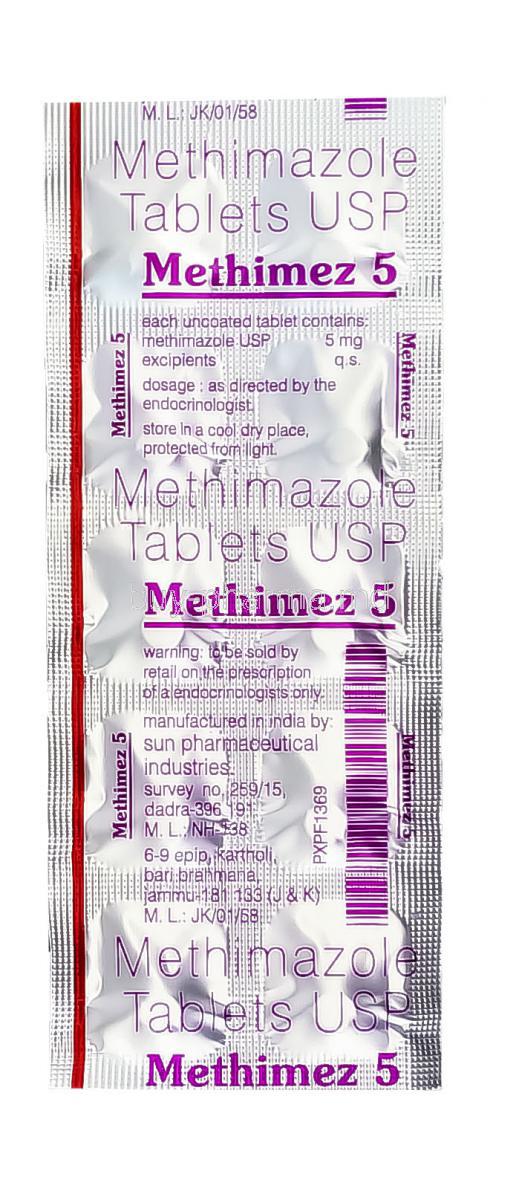
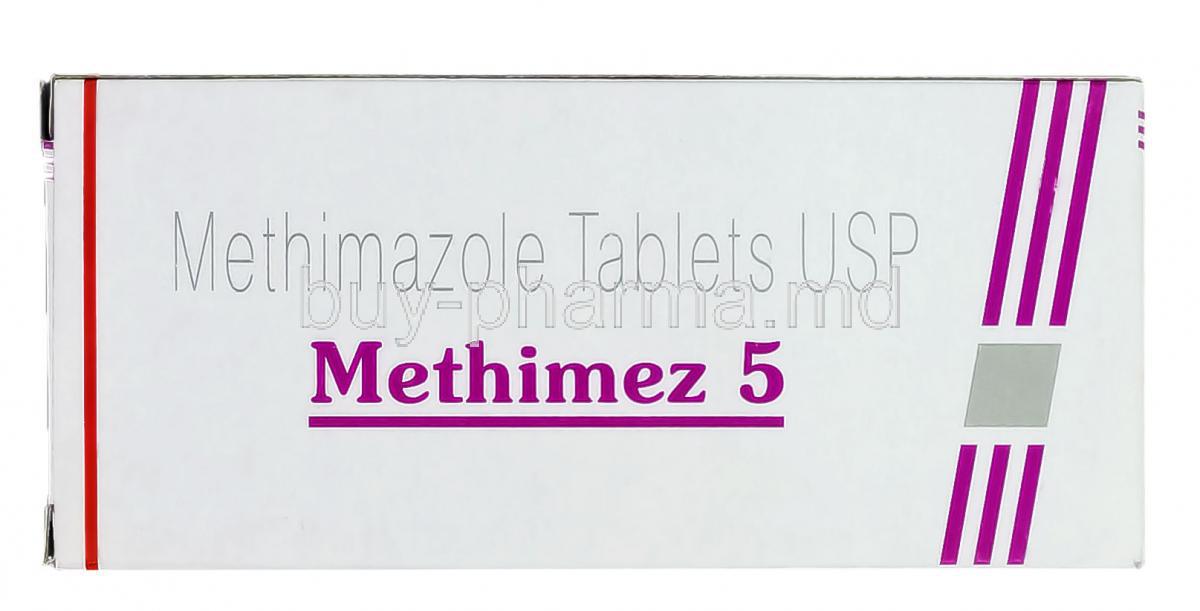
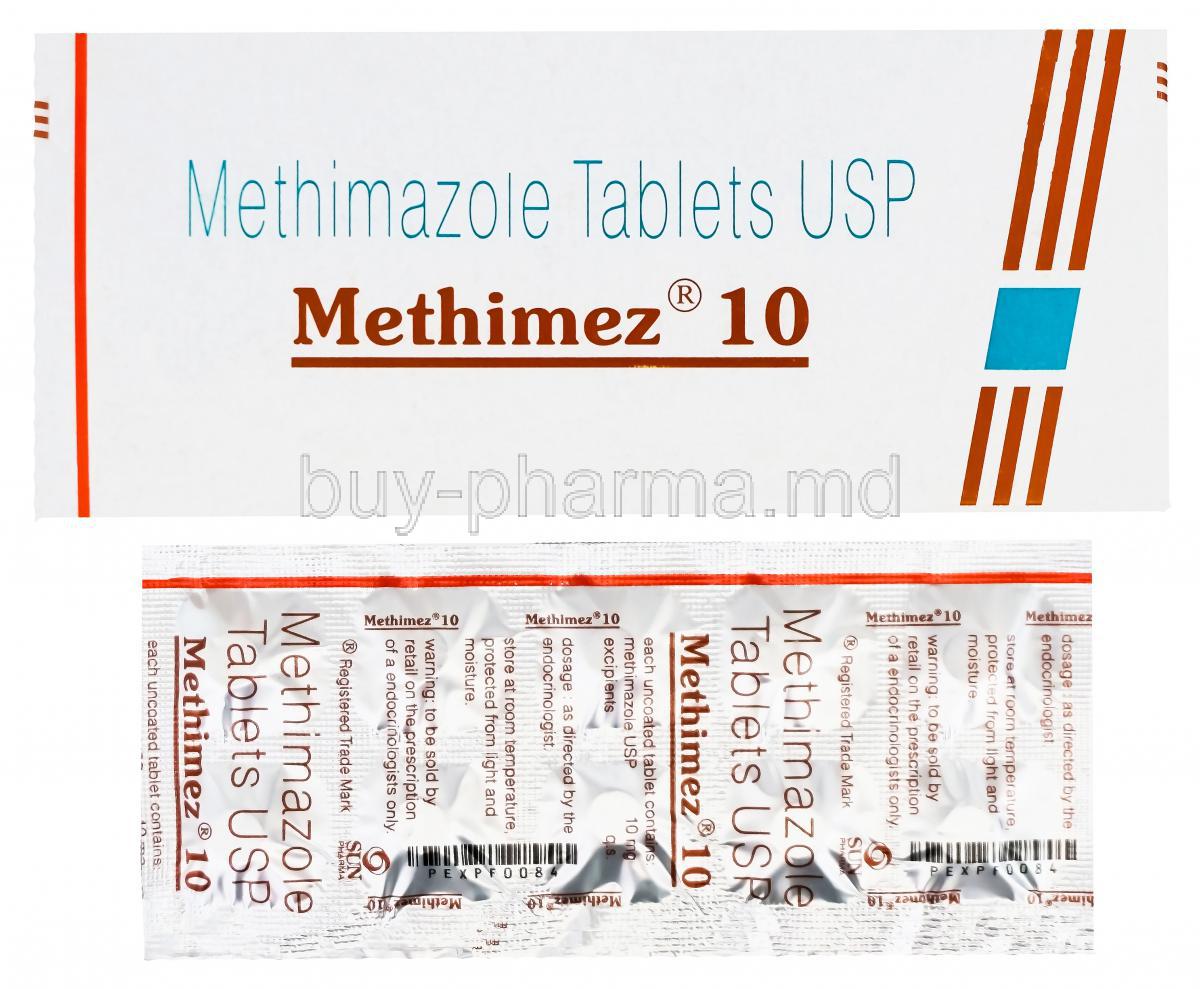
Introduction to Methimez (Methimazole)
Antithyroid medications form a highly specialized pharmacological category utilized to suppress excessive thyroid hormone biosynthesis. Methimez, formulated with methimazole as its primary active constituent, is among the most widely prescribed antithyroid therapies worldwide.
Methimez and methimazole share the same therapeutic nucleus. In many regions, they are categorized under prescription-only endocrine modulation agents. While Tapazole represents a well-known branded counterpart, Methimez denotes a frequently dispensed generic formulation with equivalent efficacy.
This therapeutic class assumes profound importance in patients with Graves’ disease and other hyperthyroid manifestations, where unregulated thyrotoxicosis can lead to tachyarrhythmias, metabolic acceleration, and cardiomyopathy.
Pharmacological Composition
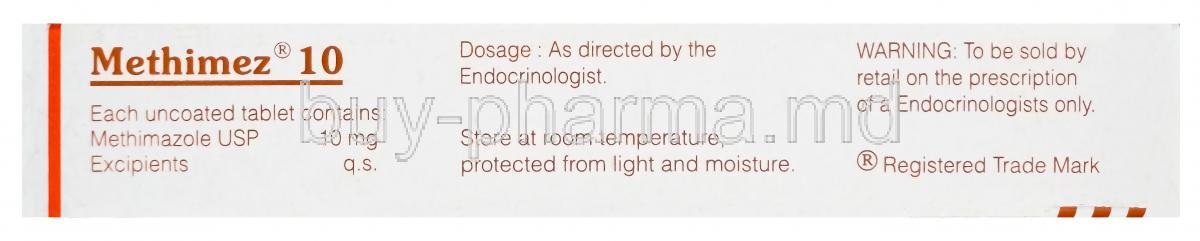
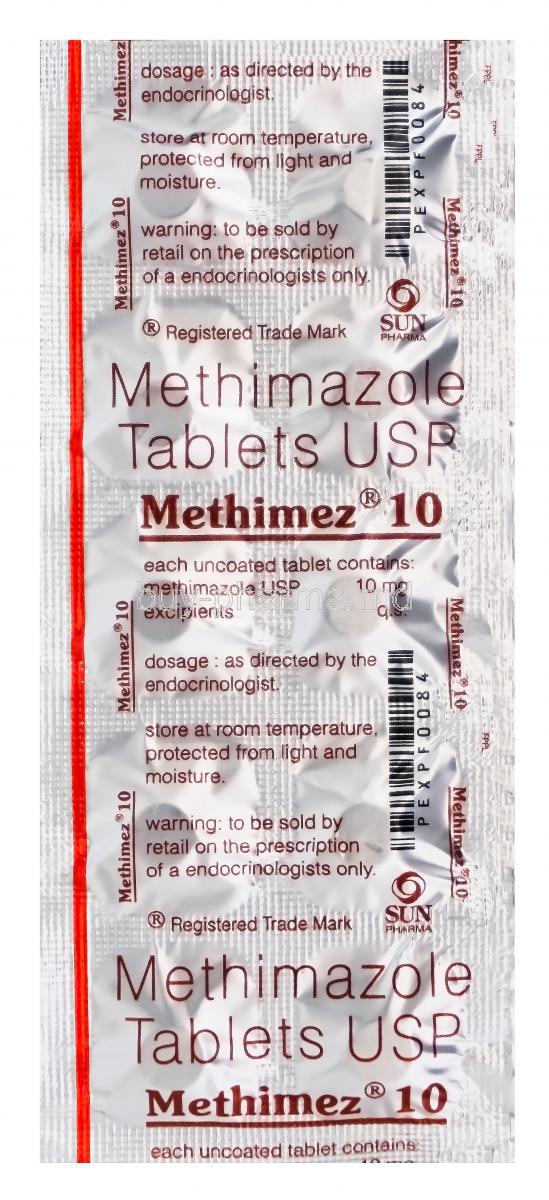
Methimez contains methimazole, a thiourea-derived compound. It is typically offered in tablet form in multiple strengths, allowing dose individualization.
- Conventional strengths: 5 mg, 10 mg
- Inactive excipients vary, but include fillers, binders, and stabilizing agents
- Formulation stability is optimized for controlled release and consistent hepatic processing
The chemical structure of methimazole is inherently geared toward inhibiting thyroid hormone oxidization reactions at the cellular biosynthesis level.
How Methimez (Methimazole) Works in Thyroid Hormone Suppression
Methimazole inhibits the enzyme thyroid peroxidase, which is essential for iodination of tyrosine residues within thyroglobulin. This blockade interrupts both triiodothyronine (T3) and thyroxine (T4) formation.
Reduced circulating hormonal output results in attenuation of metabolic acceleration, lowered sympathetic stimulation, and restoration of physiologic homeostasis. Compared with PTU (propylthiouracil), methimazole offers longer inhibition duration and more predictable pharmacokinetics.
Approved Uses of Methimazole
- Graves’ disease-related hyperthyroidism
- Toxic multinodular goiter with autonomous nodular hyperfunction
- Pre-operative hormone stabilization before thyroidectomy
- Pre-radioiodine therapy control to avoid post-ablative thyrotoxic exacerbation
Off-Label Uses of Methimazole
- Adjunctive stabilization during thyroid storm
- Amiodarone-induced thyrotoxicosis management
- Suppression of subclinical hyperthyroidism to reduce cardiovascular burden
- Alternative course for patients unable to tolerate PTU due to hepatic toxicity risks
Dosage and Administration Guidelines
Typical adult dosing varies according to disease intensity, ranging from low-dose maintenance to high-dose suppression schedules. Dose titration is based on free T4 levels, TSH response, and clinical manifestations.
- Maintenance requires periodic recalibration
- Renal or hepatic impairment may require cautious dose reduction
- Clinical improvement may commence within 1–3 weeks post-therapy
Methimazole is taken orally. Administration should remain consistent in timing to optimize pharmacodynamic equilibrium.
Administration in Special Populations
Administration to Elderly Patients
In older individuals, physiologic buffering capacity is diminished. Lower initial doses are strongly favored to mitigate oversuppression of thyroid function.
- Sensitivity to thyroxine variation increases arrhythmia liability
- Frequent thyroid panel testing mitigates risk
Administration to Pregnant Women and Nursing Mothers
During early gestation, teratogenic potential warrants clinical discretion. PTU is generally prioritized in the first trimester. Methimazole may be introduced later if clinical ratios favor it.
Small quantities can transfer to breast milk, though controlled dosing with close pediatric surveillance may be permissible.
Administration to Children and Adolescents
Pediatric dose adjustments follow weight-based algorithms. Endocrinology-supervised regimens are essential to preserve normal growth trajectory and neurodevelopment.
- Body mass index and puberty stage influence dosing
- Laboratory monitoring intervals must remain shorter than in adults
Side Effects of Methimazole
Methimazole can induce a spectrum of adverse reactions. Some appear early. Others emerge cumulatively. The frequency depends heavily on dose intensity, treatment duration, and the patient’s intrinsic metabolic tolerance.
- Most reactions are mild to moderate
- A minority present as severe hematological or hepatic toxicities
- Vigilant monitoring reduces preventable injury
Dose-related toxicity is well documented. Higher daily doses correlate with greater immunologic disruption and elevated risk of marrow suppression.
Common Side Effects
Several adverse events appear with notable frequency across treatment populations.
- Cutaneous reactions such as erythematous rash and urticaria may manifest abruptly
- Dysgeusia, including metallic taste, occasionally alters appetite and oral comfort
- Gastrointestinal perturbation (mild nausea, bloating, variable stool patterns)
- Transient leukopenia can appear but often normalizes spontaneously
Serious Adverse Effects & Important Precautions
Although uncommon, several reactions warrant immediate clinical intervention. These complications reflect the drug’s effect on immune modulation, hepatic integrity, and thyroidal suppression.
- Agranulocytosis demands rapid cessation and urgent neutrophil assessment
- Hepatotoxicity warning signs include cholestatic jaundice, pruritus, dark urine
- Exaggerated suppression may precipitate symptomatic hypothyroidism
- Any sore throat, fever, mouth ulcers, or infection symptoms require emergency evaluation
Interaction with Other Drugs and Substances
Pharmacodynamic interplay is not rare. Certain concomitant medications necessitate tactical dose recalibration.
- Anticoagulants (e.g. warfarin) may potentiate bleeding risks when thyroid state changes
- Reduced thyroid hormone levels may decrease beta-blocker requirements
- Digitalis glycoside binding dynamics shift significantly as metabolic rates normalize
- Iodinated contrast or excessive iodine intake may undermine therapeutic control
Contraindications and Careful Administration
Some conditions preclude therapy. Others require meticulous endocrine oversight.
- Absolute contraindication: prior methimazole-induced agranulocytosis
- Relative contraindications: severe hepatic dysfunction, active systemic infection
- Close supervision imperative in patients with serious cardiovascular disease or prolonged QT patterns
Overdosage and Toxicity
Excessive ingestion leads to profound suppression of thyroid synthesis. The clinical profile may evolve slowly or rapidly depending on magnitude.
- Symptoms: excessive fatigue, bradycardia, thermoregulatory cold intolerance, altered cognition
- Emergency protocols emphasize supportive measures and thyroid function panel evaluation
- Severe cases risk hazardous metabolic decline from deep hypothyroidism
Handling and Storage Precautions
Proper handling helps maintain pharmacological stability and reduces accidental misuse.
- Store at controlled room temperature with moderated humidity
- Opened blister strips should not be exposed to moisture or direct heat sources
- Always keep containers sealed and away from children or unauthorized handlers


Methimez, Methimazole FAQ
Customers also bought



Popular Products
Similar Product