1. Introduction to Mignar (Miglitol)
1.1 Overview of Miglitol as an Alpha-Glucosidase Inhibitor
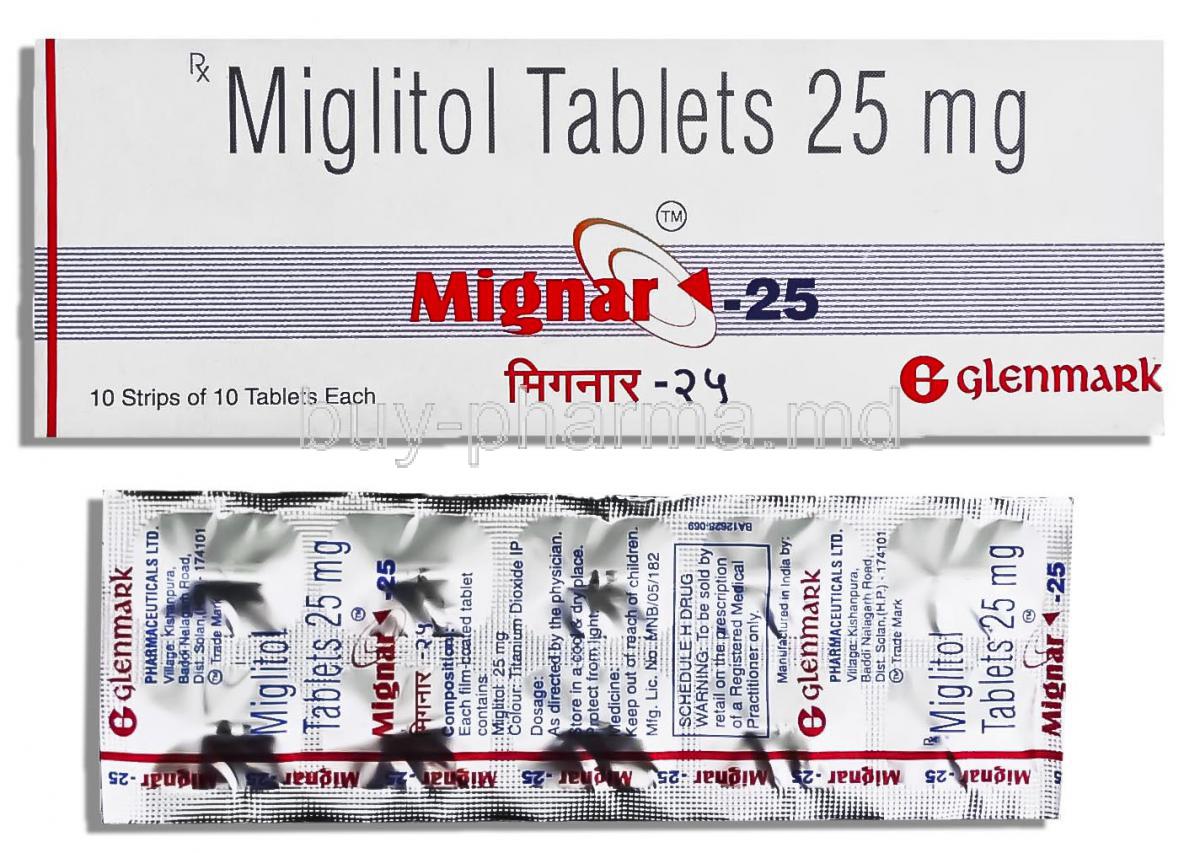
Mignar, containing the active compound Miglitol, is an advanced alpha-glucosidase inhibitor designed to modulate carbohydrate digestion. By slowing enzymatic breakdown of complex sugars, the medication helps temper abrupt glycemic elevations. It is frequently used in structured treatment plans for metabolic conditions requiring strict postprandial glucose regulation.
1.2 Role in Modern Diabetes Management
Miglitol plays a pivotal role in contemporary therapy for type 2 diabetes. It targets post-meal glucose spikes, offering an additional mechanism of control beyond insulin secretion or sensitivity. Its localized action within the gastrointestinal tract provides a complementary approach to oral antidiabetic agents.
1.3 Regulatory Status, Global Availability, and Brand Names
The medication is approved in numerous regions for the management of type 2 diabetes. It is marketed globally under names such as Mignar and Glyset. Each brand maintains consistent efficacy and follows stringent pharmaceutical guidelines to ensure quality and patient safety.
1.4 Key Benefits in Postprandial Blood Glucose Control
- Reduces sharp elevations in glucose after meals.
- Complements existing therapies, including metformin and sulfonylureas.
- Demonstrates predictable absorption and gastrointestinal targeting.
2. Composition of Mignar
2.1 Active Ingredient: Miglitol
The central component of Mignar is Miglitol, a potent alpha-glucosidase inhibitor structurally designed to impede carbohydrate hydrolysis in the small intestine.
2.2 Chemical Structure and Pharmacological Classification
Miglitol is a pseudo-sugar compound belonging to the class of antidiabetic agents that interfere with polysaccharide processing. Its unique molecular architecture enhances its affinity for glucosidase enzymes.
2.3 Excipients and Formulation Components
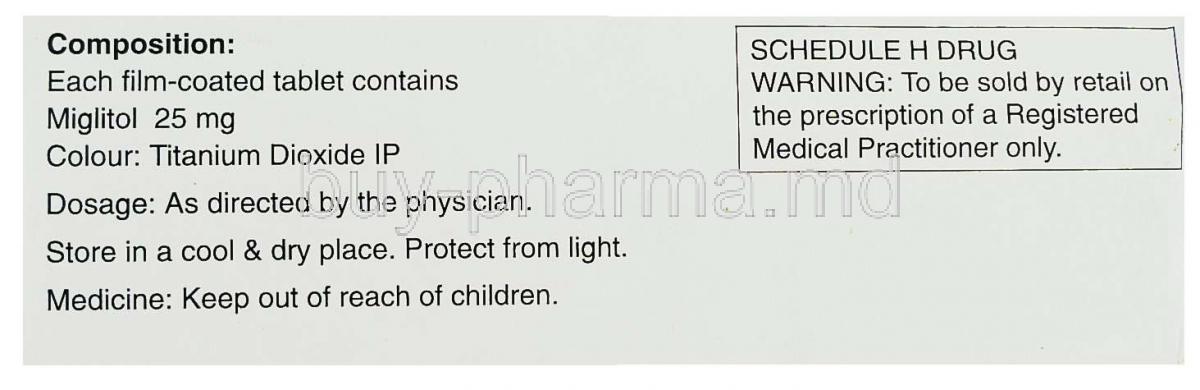
Each tablet typically contains supportive pharmaceutical excipients such as cellulose derivatives, magnesium stearate, and stabilizers that ensure accurate drug delivery.
2.4 Available Strengths and Tablet Characteristics
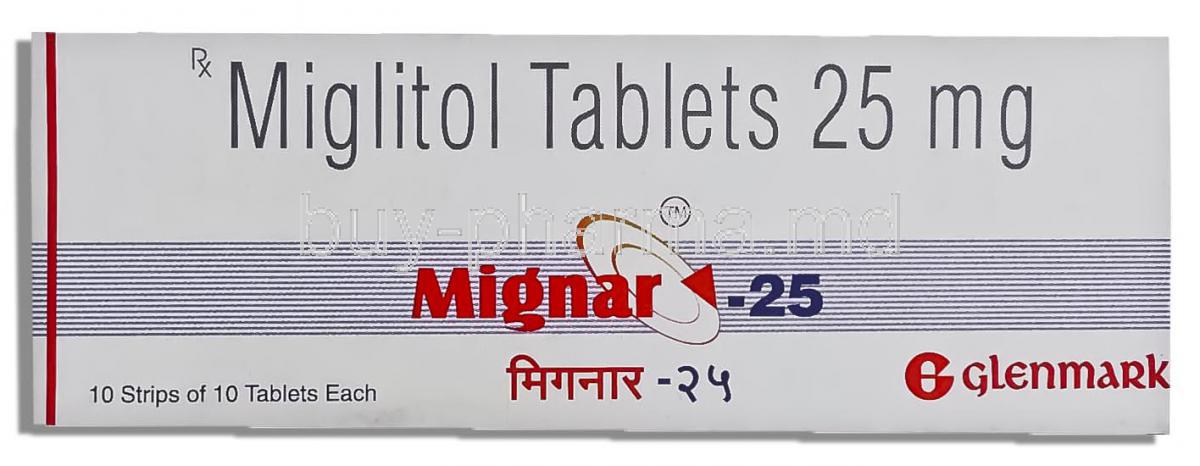
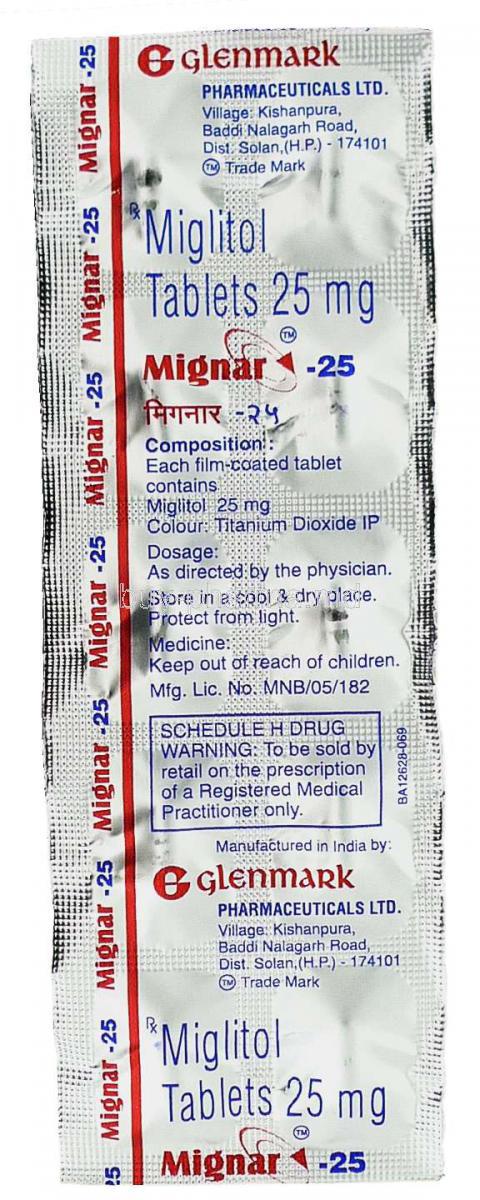
Mignar is commonly supplied in strengths such as 25 mg, 50 mg, and 100 mg tablets. These small, film-coated tablets promote easy swallowing and predictable dissolution in the gastrointestinal tract.
3. Mechanism of Action (How Mignar Works)
3.1 Inhibition of Alpha-Glucosidase Enzymes
Miglitol inhibits alpha-glucosidase enzymes located along the brush border of the small intestine. This process slows the breakdown of disaccharides and complex carbohydrates into glucose.
3.2 Effect on Carbohydrate Digestion and Glucose Absorption
By delaying digestion, Mignar reduces the rapid surge of glucose entering the bloodstream. This action supports smoother glycemic curves and reduces post-meal hyperglycemia.
3.3 Reduction of Postprandial Glucose Spikes
The medication’s targeted digestive modulation directly lowers postprandial glucose excursions, minimizing oxidative stress and glycemic variability.
3.4 Comparison With Acarbose and Other Postprandial Agents
Miglitol shares its therapeutic class with acarbose but differs in absorption properties and gastrointestinal tolerability. It offers consistent potency and may be better tolerated in some patient populations.
4. Therapeutic Uses of Mignar
4.1 Approved Uses
4.1.1 Type 2 Diabetes Mellitus (T2DM)
Mignar is approved to improve glycemic control in adults with type 2 diabetes, particularly those experiencing significant post-meal glucose increments.
4.1.2 Use as Monotherapy
It can be prescribed independently when mild to moderate glycemic imbalance is present.
4.1.3 Use in Combination With Other Oral Antidiabetics
Mignar synergizes effectively with metformin, sulfonylureas, and thiazolidinediones to provide layered glucose management.
4.2 Off-Label Uses
4.2.1 Impaired Glucose Tolerance
Some clinicians employ Miglitol as an adjunct to lifestyle modification in patients with glucose intolerance.
4.2.2 Prediabetes and Postprandial Hyperglycemia
The medication may help temper glucose surges in individuals at elevated risk of diabetes progression.
4.2.3 Metabolic Syndrome and Weight Management Support
Its impact on postprandial equilibrium can support broader metabolic improvements.
4.2.4 Adjunct in Polycystic Ovary Syndrome (PCOS) Management
Miglitol may be used to mitigate insulin resistance linked with PCOS symptoms.
5. Dosage and Administration
5.1 Standard Adult Dosage Guidelines
Typical starting doses include 25 mg taken three times daily. Dosage may escalate based on tolerance and glycemic response.
5.2 Dosage Adjustments for Combination Therapy
When used with sulfonylureas or insulin, dosage refinement is often required to minimize hypoglycemia risk.
5.3 Titration Schedule to Minimize Gastrointestinal Effects
A gradual titration approach—starting low and increasing incrementally—helps mitigate digestive discomfort.
5.4 Administration Instructions
5.4.1 Timing With Meals
The medication should be taken at the first bite of each main meal to align with carbohydrate exposure.
5.4.2 What to Do if a Dose Is Missed
If a dose is forgotten and the meal has already passed, the missed tablet should not be taken. The next dose should continue as scheduled.
5.5 Monitoring Requirements During Therapy
Monitoring should include postprandial glucose checks and periodic assessments of gastrointestinal tolerance.
6. Side Effects of Mignar
6.1 Gastrointestinal Side Effects
Bloating, flatulence, and intermittent discomfort may occur due to undigested carbohydrates fermenting in the colon.
6.2 Metabolic and Endocrine Side Effects
Minimal systemic absorption ensures limited metabolic impact, though rare fluctuations may occur when combined with insulin-enhancing drugs.
6.3 Rare but Serious Adverse Reactions
Severe reactions such as liver enzyme elevations or allergic manifestations occur infrequently but require prompt evaluation.
6.4 Long-Term Safety Profile and Tolerability
Mignar demonstrates excellent long-term tolerability with sustained benefits in glucose moderation.
6.5 Common Side Effects
6.5.1 Gas, Bloating, Flatulence
These symptoms stem from delayed carbohydrate digestion and microbial fermentation.
6.5.2 Diarrhea or Loose Stool
Some individuals may experience transient changes in bowel habits during early therapy.
6.5.3 Abdominal Discomfort
Mild abdominal pressure or cramping can occur but often diminishes with continued use.
7. Drug Interactions
7.1 Interactions With Other Antidiabetic Medications
Co-administration with sulfonylureas or insulin may heighten the risk of hypoglycemia.
7.2 Interaction With Digestive Enzyme Products
Digestive enzyme supplements may counteract Mignar’s mechanism of action.
7.3 Effect of Gastrointestinal Adsorbents
Adsorbents such as charcoal may reduce the medication’s clinical effect.
7.4 Alcohol Interaction and Glycemic Variability
Alcohol may influence glucose fluctuations and intensify digestive reactions.
7.5 Interaction With Herbal Supplements Affecting Glucose
Herbal agents like ginseng or bitter melon may modify glucose-lowering responses.
8. Warnings and Precautions
8.1 Gastrointestinal Disease Considerations
Patients with chronic bowel conditions require caution due to increased sensitivity.
8.2 Risk of Hypoglycemia When Combined With Sulfonylureas or Insulin
Though Miglitol alone rarely induces hypoglycemia, combined therapy may require carbohydrate-based interventions.
8.3 Liver Function Monitoring
Periodic hepatic evaluation may be advisable in long-term therapy.
8.4 Contraindications in Severe Renal Impairment
Impaired renal clearance affects drug excretion and can intensify adverse events.
8.5 Precautions in Malabsorption Disorders
Mignar should be used judiciously in individuals with conditions affecting nutrient absorption.
9. Contraindications
9.1 Known Hypersensitivity to Miglitol
Allergic reactions contraindicate continued use.
9.2 Chronic Intestinal Disorders
Patients with persistent bowel disturbances may experience worsening symptoms.
9.3 Inflammatory Bowel Disease
Conditions such as Crohn’s disease and ulcerative colitis may be aggravated.
9.4 Partial Intestinal Obstruction
Mignar is contraindicated due to its effect on digestive flow dynamics.
9.5 Severe Renal Dysfunction
Reduced renal capability significantly alters drug handling by the body.
10. Careful Administration
10.1 Patients with Renal Impairment
Dose selection must take renal excretory capacity into account.
10.2 Patients with Gastrointestinal Conditions
Pre-existing digestive sensitivity requires tailored administration strategies.
10.3 Patients Using Multiple Antidiabetic Agents
Combination regimens demand precise glycemic monitoring to avoid hypoglycemia.
10.4 Patients With Chronic Diarrhea or Digestive Disorders
Symptoms may worsen during therapy and necessitate dose adjustments.
10.5 Patients With Cardiometabolic Comorbidities
Broader metabolic considerations should guide treatment decisions.
11. Administration in Special Populations
11.1 Use in Elderly Patients
11.1.1 Renal Sensitivity and Dose Considerations
Age-related renal decline necessitates careful dosing.
11.1.2 Increased GI Side Effect Risk
Elderly individuals may experience heightened gastrointestinal sensitivity.
11.2 Use in Pregnant Women
11.2.1 Available Human and Animal Study Data
Research is limited; use is cautious and based on clinical judgment.
11.2.2 Use Only if Clearly Needed
Mignar should be used only when benefits outweigh fetal risks.
11.3 Use in Nursing Mothers
11.3.1 Drug Presence in Breast Milk
Minimal systemic absorption reduces transfer risk, though caution is advised.
11.3.2 Infant Monitoring
Infants should be monitored for digestive changes if maternal use is necessary.
11.4 Use in Children
11.4.1 Safety Profile in Pediatric Populations
Safety and effectiveness have not been fully established in pediatric groups.
11.4.2 Lack of Sufficient Clinical Data
Insufficient research limits routine use in children.
12. Overdosage
12.1 Symptoms of Excessive Miglitol Intake
Symptoms may include intense bloating, diarrhea, and abdominal discomfort.
12.2 Management of Overdose
12.2.1 Avoiding Simple Sugars for Symptoms
Simple sugars may worsen gastrointestinal fermentation and should be avoided.
12.2.2 Supportive Care Measures
Hydration and observation are typically required until symptoms resolve.
12.3 When to Seek Emergency Medical Treatment
Severe or prolonged symptoms may necessitate clinical evaluation.
13. Handling Precautions
13.1 Safe Storage and Handling of Tablets
Tablets should be stored securely to prevent accidental ingestion.
13.2 Instructions for Tablet Disposal
Expired or unused tablets should be discarded according to pharmaceutical disposal guidelines.
13.3 Keeping Drug Away From Children and Pets
Ensure the medication remains out of reach to avoid accidental consumption.
14. Storage Information
14.1 Recommended Temperature Range
Storage at controlled room temperature preserves medication stability.
14.2 Protection From Moisture and Light
Exposure to humidity or direct light can degrade the formulation.
14.3 Shelf Life and Stability
Mignar maintains potency through its labelled shelf life when properly stored.
14.4 Storage During Travel
Keep tablets in original packaging and avoid excessive heat during transit.
Mignar, Miglitol FAQ
Customers also bought

Popular Products
Similar Product