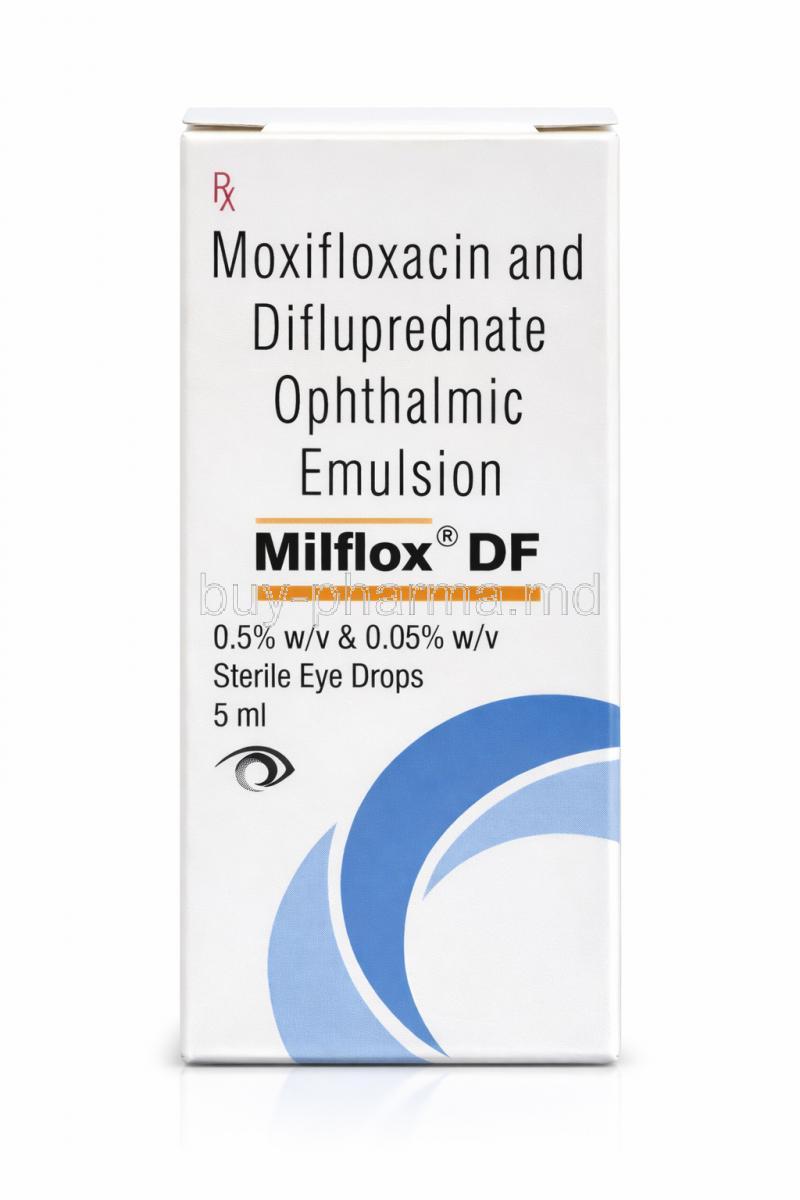
Introduction to Milflox DF Eye Drops (Moxifloxacin/Difluprednate)
What Are Milflox DF Eye Drops?
Milflox DF Eye Drops are a combination ophthalmic medication formulated with Moxifloxacin and Difluprednate. This dual-action preparation is primarily prescribed for bacterial eye infections accompanied by inflammation, redness, pain, or postoperative irritation. The formulation integrates antimicrobial and anti-inflammatory properties into a single ophthalmic solution, improving therapeutic convenience and clinical efficiency.
The medication is commonly utilized in modern ophthalmology for:
- Bacterial conjunctivitis
- Post-surgical ocular inflammation
- Corneal infections with inflammatory symptoms
- Postoperative prophylaxis against microbial contamination
Overview of Moxifloxacin and Difluprednate Combination Therapy
Combination therapy involving an antibiotic and corticosteroid is frequently employed when infection and inflammation coexist. Moxifloxacin eradicates susceptible bacteria, while Difluprednate attenuates inflammatory cascades that contribute to ocular discomfort and tissue edema.
This synergistic pharmacological approach provides several therapeutic advantages:
- Rapid symptomatic relief
- Reduced microbial proliferation
- Improved postoperative recovery
- Enhanced patient adherence due to simplified dosing
The concomitant suppression of inflammation and bacterial activity creates a favorable environment for ocular tissue recuperation.
Therapeutic Classification of Milflox DF Eye Drops
Milflox DF Eye Drops belong to the category of combination ophthalmic anti-infective and corticosteroid medications. Moxifloxacin is classified as a fourth-generation fluoroquinolone antibiotic, whereas Difluprednate is categorized as a potent corticosteroid with strong anti-inflammatory activity.
The preparation may be therapeutically classified as:
- Ophthalmic antibiotic-steroid combination
- Anti-inflammatory ocular preparation
- Postoperative ophthalmic care medication
- Broad-spectrum antibacterial eye treatment
Importance of Combination Ophthalmic Medications in Eye Care
Ocular infections frequently trigger substantial inflammatory responses. Swelling, conjunctival hyperemia, photophobia, and pain can persist even after microbial suppression begins. Combination medications help manage these overlapping pathological processes simultaneously.
Modern ophthalmic practice often favors combination formulations because they:
- Reduce the number of separate medications required
- Improve dosing compliance
- Lower the risk of missed therapy
- Provide comprehensive therapeutic coverage
Such formulations are particularly valuable after ophthalmic surgery where inflammation and infection risk coexist.
Brand Overview and Pharmaceutical Background
Milflox DF Eye Drops are designed for ophthalmic administration under medical supervision. The formulation reflects advancements in ophthalmic pharmacotechnology, emphasizing enhanced corneal penetration, improved antimicrobial efficacy, and sustained anti-inflammatory activity.
Difluprednate is recognized for its potent corticosteroid action and high ocular bioavailability, while Moxifloxacin is appreciated for its broad antimicrobial spectrum against gram-positive and gram-negative ocular pathogens.
Composition and Active Ingredients
Moxifloxacin: Fluoroquinolone Antibiotic Component
Moxifloxacin is a synthetic fluoroquinolone antibiotic with broad-spectrum antibacterial activity. It interferes with bacterial replication mechanisms, leading to rapid inhibition of microbial growth.
This component demonstrates activity against numerous ocular pathogens including:
- Staphylococcus aureus
- Streptococcus pneumoniae
- Haemophilus influenzae
- Pseudomonas species
Its superior ocular penetration contributes to effective treatment of superficial bacterial eye infections.
Difluprednate: Corticosteroid Anti-inflammatory Component
Difluprednate is a highly potent corticosteroid used to reduce inflammation in ocular tissues. It suppresses inflammatory mediators responsible for redness, swelling, vascular dilation, and discomfort.
Difluprednate is often preferred in ophthalmology because of:
- Strong anti-inflammatory potency
- Rapid onset of action
- Enhanced tissue penetration
- Effective postoperative inflammation control
Mechanism and Purpose of the Dual-Action Formula
The combination of Moxifloxacin and Difluprednate creates a multidimensional therapeutic profile. While the antibiotic eliminates pathogenic microorganisms, the corticosteroid minimizes tissue damage caused by inflammatory responses.
This dual-action strategy may:
- Accelerate symptomatic improvement
- Reduce ocular irritation
- Prevent inflammatory complications
- Improve visual comfort during healing
Inactive Ingredients and Ophthalmic Vehicle Components
In addition to active ingredients, Milflox DF Eye Drops contain inactive excipients that stabilize the formulation and enhance ocular tolerability. These may include buffering agents, preservatives, isotonicity modifiers, and viscosity-enhancing compounds.
Such ingredients help:
- Maintain pH balance
- Improve shelf stability
- Enhance corneal contact time
- Promote patient comfort
Available Strengths and Packaging Information
Milflox DF Eye Drops are generally supplied in sterile ophthalmic dropper bottles intended for topical ocular use. Packaging is designed to preserve sterility and facilitate precise administration.
The concentration of active ingredients may vary depending on manufacturer specifications and regional pharmaceutical regulations.
How Milflox DF Eye Drops Work
Mechanism of Action of Moxifloxacin
Moxifloxacin exerts bactericidal effects by interfering with bacterial DNA replication processes. Its pharmacological action disrupts essential enzymatic functions required for bacterial survival.
Inhibition of Bacterial DNA Gyrase and Topoisomerase IV
The antibiotic inhibits bacterial DNA gyrase and topoisomerase IV, enzymes crucial for DNA replication, transcription, and cellular division. Without these enzymes, bacterial cells cannot replicate properly and eventually undergo death.
This mechanism provides potent antimicrobial activity even against resistant bacterial strains.
Broad-Spectrum Antibacterial Activity Against Ocular Pathogens
Moxifloxacin demonstrates extensive antibacterial coverage against common ophthalmic pathogens. It is particularly effective against organisms implicated in conjunctivitis, keratitis, and postoperative infections.
Broad-spectrum activity minimizes the likelihood of treatment failure due to unidentified pathogens.
Mechanism of Action of Difluprednate
Difluprednate suppresses inflammatory signaling pathways within ocular tissues. It inhibits phospholipase A2 activity and reduces production of inflammatory mediators such as prostaglandins and leukotrienes.
Corticosteroid-Mediated Suppression of Inflammation
The corticosteroid component diminishes vascular permeability and leukocyte infiltration. Consequently, swelling, redness, and tissue irritation are substantially reduced.
Anti-inflammatory effects are especially beneficial following surgical trauma or severe ocular irritation.
Reduction of Ocular Redness, Swelling, and Pain
Inflammation often contributes significantly to ocular discomfort. Difluprednate alleviates symptoms such as:
- Burning sensation
- Photophobia
- Conjunctival redness
- Eyelid swelling
- Foreign body sensation
Patients frequently experience symptomatic relief within a short period after initiating therapy.
Synergistic Benefits of Combined Antibiotic and Steroid Therapy
The integration of antimicrobial and anti-inflammatory agents creates complementary therapeutic effects. Simultaneous management of infection and inflammation enhances clinical outcomes while reducing patient discomfort.
This approach is particularly advantageous in postoperative ophthalmology where inflammation can impede healing and increase susceptibility to secondary infection.
Pharmacokinetics and Ocular Penetration
Both active ingredients exhibit effective ocular tissue penetration. Difluprednate undergoes conversion into active metabolites after ocular administration, while Moxifloxacin diffuses efficiently into conjunctival and corneal tissues.
These pharmacokinetic properties contribute to sustained therapeutic activity at the site of infection and inflammation.
Duration of Therapeutic Effects
Therapeutic duration depends on dosing frequency, severity of disease, and patient-specific factors. Anti-inflammatory effects may persist for extended intervals due to the potency of Difluprednate.
Antibacterial activity remains effective when administered according to prescribed schedules, helping maintain microbial suppression throughout treatment.
Medical Uses of Milflox DF Eye Drops
Treatment of Bacterial Eye Infections
Milflox DF Eye Drops are widely prescribed for bacterial infections affecting external ocular structures. Their broad-spectrum antimicrobial activity combined with inflammation control makes them suitable for numerous ophthalmic conditions.
Bacterial Conjunctivitis
Bacterial conjunctivitis is characterized by redness, discharge, irritation, and eyelid crusting. The medication helps eradicate causative bacteria while relieving inflammatory symptoms.
Clinical improvement often includes:
- Reduced mucopurulent discharge
- Decreased conjunctival redness
- Improved ocular comfort
- Reduced eyelid swelling
Blepharoconjunctivitis
Blepharoconjunctivitis involves concurrent inflammation of the eyelids and conjunctiva. The antibiotic component targets bacterial colonization while the corticosteroid reduces tissue irritation and edema.
Keratitis and Corneal Infections
Corneal infections may threaten visual acuity if untreated. Milflox DF Eye Drops may be utilized in selected bacterial keratitis cases under ophthalmic supervision.
Prompt treatment is essential to minimize:
- Corneal scarring
- Visual impairment
- Tissue ulceration
- Secondary complications
Eyelid Infections Associated With Bacterial Growth
Bacterial colonization around eyelid margins can produce discomfort, crusting, and inflammation. The formulation assists in controlling microbial proliferation while soothing inflamed tissues.
Management of Postoperative Ocular Inflammation
Ophthalmic surgical procedures frequently induce transient inflammatory responses. Milflox DF Eye Drops are commonly used to reduce postoperative inflammation while preventing bacterial infection.
Cataract Surgery Recovery
Following cataract extraction, ocular tissues may become inflamed and susceptible to infection. The combination formulation promotes postoperative recovery by controlling inflammation and microbial contamination.
LASIK and Refractive Surgery Care
Refractive procedures such as LASIK can temporarily disrupt corneal integrity. Antibiotic-steroid combinations may be prescribed to support healing and minimize postoperative complications.
Post-Intraocular Surgery Infection Prevention
After intraocular surgery, maintaining a sterile ocular environment is crucial. Prophylactic antimicrobial coverage reduces infection risk, while anti-inflammatory action improves patient comfort during recovery.
Reduction of Eye Pain and Inflammation
Inflammatory ocular disorders frequently produce pain, photophobia, tearing, and discomfort. Difluprednate helps mitigate these manifestations through suppression of inflammatory mediators.
Prevention of Secondary Bacterial Infection During Steroid Therapy
Steroids alone may predispose ocular tissues to bacterial overgrowth. Inclusion of Moxifloxacin helps reduce this risk by maintaining antimicrobial protection throughout treatment.
Treatment of Ocular Surface Inflammation With Bacterial Risk
Certain ocular surface disorders involve simultaneous inflammation and elevated susceptibility to infection. Combination therapy may provide balanced management in such scenarios under specialist supervision.
Off-Label Uses of Milflox DF Eye Drops
Adjunctive Therapy for Severe Dry Eye With Inflammatory Component
Severe dry eye disease may involve chronic inflammatory changes affecting the ocular surface. In selected cases, ophthalmologists may prescribe short-term therapy to reduce inflammation and prevent secondary bacterial complications.
Management of Sterile Corneal Ulcers Under Ophthalmic Supervision
Certain sterile corneal inflammatory conditions may benefit from anti-inflammatory therapy combined with antimicrobial protection. Close monitoring is essential because corticosteroids may influence corneal healing dynamics.
Post-Traumatic Eye Inflammation
Minor ocular trauma can provoke inflammatory responses accompanied by increased infection risk. Combination ophthalmic therapy may support tissue recovery while minimizing microbial contamination.
Prevention of Infection After Minor Ocular Procedures
Following procedures such as foreign body removal or superficial corneal interventions, ophthalmologists may prescribe prophylactic therapy to reduce postoperative inflammation and infection risk.
Use in Chronic Blepharitis With Secondary Infection
Chronic blepharitis occasionally involves bacterial proliferation and persistent eyelid inflammation. Short-term use of combination therapy may alleviate symptoms in refractory cases.
Supportive Treatment in Uveitis With Bacterial Risk
In selected inflammatory ocular disorders where bacterial contamination risk exists, adjunctive antimicrobial coverage may be considered alongside corticosteroid therapy.
Off-Label Use Following Corneal Transplant Procedures
Corneal transplantation requires meticulous postoperative management. Combination medications may assist in controlling inflammation while reducing susceptibility to infection during recovery phases.
Empirical Therapy for Suspected Mixed Ocular Conditions
Certain ocular presentations involve overlapping inflammatory and infectious manifestations before definitive diagnosis is established. Empirical combination therapy may be initiated temporarily under specialist supervision.
Dosage and Administration
Recommended Dosage for Adults
Dosage schedules depend on the severity and nature of the ocular condition. Patients should always follow individualized instructions provided by an ophthalmologist or healthcare professional.
Standard Dosing Schedule for Eye Infections
In many cases, the medication is administered several times daily during the acute phase of infection. Frequency may gradually decrease as clinical improvement occurs.
Dosage Adjustments Based on Severity
Severe infections or postoperative inflammation may require more intensive initial dosing. Mild conditions may respond adequately to less frequent administration.
Duration of Therapy and Treatment Course
Treatment duration varies according to diagnosis and therapeutic response. Prolonged corticosteroid exposure should be avoided unless specifically recommended by an ophthalmologist.
Proper Eye Drop Instillation Technique
Correct administration is essential for optimal therapeutic efficacy and contamination prevention.
Hand Hygiene Before Administration
Hands should be thoroughly cleansed before handling the bottle. This minimizes the introduction of microorganisms into the ocular environment.
Avoiding Contamination of the Dropper Tip
The dropper tip should never contact:
- The eye surface
- Eyelids
- Fingers
- Any external surface
Contamination may compromise sterility and increase infection risk.
Correct Positioning During Instillation
Patients are generally advised to tilt the head backward, gently retract the lower eyelid, and instill the prescribed number of drops into the conjunctival sac.
Instructions for Contact Lens Users
Contact lenses are often removed before administration unless otherwise directed by an eye specialist. Lenses may absorb preservatives or interfere with medication distribution.
Missed Dose Instructions
If a dose is missed, it should be administered as soon as remembered unless the next scheduled dose is imminent. Double dosing should generally be avoided.
Guidelines for Concurrent Use With Other Ophthalmic Medications
When multiple eye medications are prescribed, an interval between administrations is typically recommended to prevent dilution and optimize absorption.
Common Side Effects of Milflox DF Eye Drops
Temporary Burning or Stinging Sensation
A transient burning sensation immediately after instillation is among the most frequently reported adverse effects. Symptoms are usually mild and self-limiting.
Eye Irritation and Discomfort
Some individuals may experience mild irritation, ocular tenderness, or discomfort during therapy.
Blurred Vision After Instillation
Temporary visual blurring may occur shortly after administration due to the ophthalmic solution coating the ocular surface.
Dry Eyes or Watery Eyes
Alterations in tear film stability may produce either excessive tearing or transient dryness.
Mild Redness and Ocular Itching
Minor conjunctival irritation or itching may occur in sensitive individuals.
Foreign Body Sensation in the Eye
Some patients describe a gritty sensation resembling the presence of particulate matter within the eye.
Increased Sensitivity to Light
Photophobia may occasionally develop during treatment, particularly in inflamed or postoperative eyes.
Serious and Rare Side Effects
Elevated Intraocular Pressure and Glaucoma Risk
Prolonged corticosteroid use may increase intraocular pressure, potentially contributing to glaucoma development in susceptible individuals.
Cataract Formation With Prolonged Steroid Use
Extended corticosteroid exposure has been associated with posterior subcapsular cataract formation.
Delayed Corneal Healing
Steroid therapy may slow epithelial regeneration and delay corneal healing processes.
Secondary Fungal or Viral Eye Infections
Suppression of immune responses may predispose ocular tissues to opportunistic infections.
Severe Allergic Reactions and Hypersensitivity
Rare hypersensitivity reactions may include swelling, severe redness, rash, or difficulty breathing.
Corneal Thinning or Perforation Risk
Patients with preexisting corneal thinning disorders may face increased risk of structural complications during corticosteroid therapy.
Vision Changes and Persistent Ocular Pain
Persistent pain, sudden visual disturbances, or marked deterioration in symptoms require immediate medical evaluation.
Drug Interactions and Potential Influences
Interaction With Other Ophthalmic Steroids
Concurrent use with additional corticosteroid eye preparations may amplify steroid-related adverse effects.
Concurrent Use With Antibiotic Eye Preparations
Combination with other antibiotics should be carefully evaluated to prevent unnecessary antimicrobial exposure.
Interaction With Systemic Corticosteroids
Patients receiving systemic steroids may experience additive corticosteroid-related effects.
Effects of Immunosuppressive Therapy
Immunocompromised individuals may require careful monitoring because infection susceptibility can increase during therapy.
Potential Interaction With NSAID Eye Drops
Simultaneous use of NSAID ophthalmic medications may influence corneal healing in some patients.
Influence of Contact Lens Solutions and Eye Products
Certain ophthalmic products or lens solutions may alter ocular tolerability or interfere with medication absorption.
Alcohol and Lifestyle Considerations During Therapy
Although systemic absorption is generally limited, maintaining good ocular hygiene and avoiding environmental irritants may improve therapeutic outcomes.
Warnings and Safety Considerations
Risk of Antibiotic Resistance With Improper Use
Incomplete treatment courses or unnecessary use may contribute to bacterial resistance, reducing future antibiotic effectiveness.
Steroid-Induced Ocular Complications
Long-term corticosteroid exposure may increase the risk of glaucoma, cataracts, delayed healing, and opportunistic infections.
Importance of Ophthalmic Monitoring During Prolonged Therapy
Patients receiving extended treatment may require periodic intraocular pressure assessments and comprehensive ophthalmic evaluation.
Avoiding Use in Viral or Fungal Eye Infections
Corticosteroids may exacerbate viral or fungal ocular infections and should generally be avoided in these conditions unless specifically directed by a specialist.
Potential Masking of Underlying Infections
Steroid-mediated suppression of inflammatory symptoms may obscure progression of untreated infections.
Precautions Regarding Vision Disturbance After Use
Temporary blurred vision may impair activities requiring visual precision, including driving or operating machinery.
Importance of Completing the Prescribed Course
Adhering to the prescribed treatment schedule is essential for effective infection eradication and inflammation control. Premature discontinuation may increase the risk of relapse or therapeutic failure.
Contraindications
Hypersensitivity to Moxifloxacin, Difluprednate, or Formulation Components
Milflox DF Eye Drops should not be used in individuals with known hypersensitivity to Moxifloxacin, Difluprednate, fluoroquinolone antibiotics, corticosteroids, or any inactive ingredients contained within the formulation. Allergic reactions may range from mild ocular irritation to severe hypersensitivity manifestations.
Potential signs of hypersensitivity include:
- Intense ocular redness
- Swelling of the eyelids or surrounding tissues
- Persistent itching
- Skin rash
- Difficulty breathing in severe systemic reactions
Immediate discontinuation and prompt medical evaluation are recommended if allergic symptoms emerge.
Viral Eye Infections Including Herpes Simplex Keratitis
Corticosteroids may exacerbate viral ocular infections by suppressing local immune responses. Milflox DF Eye Drops are generally contraindicated in herpes simplex keratitis and other viral eye infections because steroid exposure can intensify viral replication and corneal damage.
Untreated viral ocular disease may progress to:
- Corneal ulceration
- Corneal scarring
- Vision impairment
- Corneal perforation in severe cases
Fungal Ocular Infections
Fungal infections affecting ocular tissues require specialized antifungal management. Corticosteroid-containing medications may mask clinical symptoms while permitting fungal proliferation to continue unchecked.
Use of the medication in fungal eye disease may delay accurate diagnosis and appropriate therapy.
Untreated Purulent Eye Conditions
Severe purulent ocular infections may worsen if inflammation is suppressed without adequate infection control. Although the formulation contains an antibiotic, certain aggressive infections may require alternative antimicrobial strategies or intensive ophthalmic intervention.
Tubercular Eye Disease
Ocular tuberculosis represents a complex inflammatory and infectious condition that should not be treated indiscriminately with corticosteroid-containing ophthalmic preparations. Steroid use may aggravate latent or active tubercular pathology.
History of Steroid-Induced Glaucoma
Patients with a prior history of steroid-induced intraocular pressure elevation are at increased risk of recurrent glaucoma-related complications. Difluprednate is a potent corticosteroid capable of elevating intraocular pressure in susceptible individuals.
Potential complications include:
- Optic nerve damage
- Progressive visual field loss
- Chronic glaucoma progression
- Permanent visual impairment
Contraindications in Certain Corneal Disorders
Certain corneal disorders associated with thinning or compromised structural integrity may deteriorate during corticosteroid therapy. Steroids can delay epithelial regeneration and weaken corneal tissues in vulnerable patients.
Careful Administration (Use With Caution)
Patients With Glaucoma or Elevated Intraocular Pressure
Individuals with glaucoma or preexisting elevated intraocular pressure require careful ophthalmic monitoring during therapy. Corticosteroids may impair aqueous humor drainage, increasing intraocular pressure over time.
Regular tonometry assessments may be recommended during prolonged treatment.
Individuals With Corneal Thinning Disorders
Corneal thinning disorders such as keratoconus or previous corneal ulceration warrant heightened caution. Corticosteroids may further weaken corneal architecture and increase perforation risk.
Patients With Diabetes Mellitus
Diabetes mellitus can impair wound healing and increase susceptibility to infection. Ophthalmic corticosteroids may further complicate glycemic stability and ocular healing responses.
Diabetic individuals may require:
- Closer ophthalmic monitoring
- Careful infection surveillance
- Regular visual assessment
- Monitoring for delayed healing
Use in Immunocompromised Individuals
Immunocompromised patients may exhibit increased vulnerability to opportunistic ocular infections. Corticosteroid-mediated immune suppression may further heighten infection susceptibility.
History of Ocular Herpes Infection
Patients with previous ocular herpes simplex infections should use corticosteroid-containing eye medications cautiously. Viral reactivation may occur during steroid exposure.
Recurrent herpes keratitis can produce severe corneal complications and visual deterioration.
Patients Undergoing Long-Term Steroid Therapy
Extended corticosteroid exposure increases the risk of:
- Glaucoma
- Cataract formation
- Secondary infections
- Delayed corneal healing
Long-term therapy should only occur under strict ophthalmic supervision with periodic evaluation.
Use Following Eye Surgery or Trauma
Following ocular surgery or trauma, corticosteroid therapy may provide anti-inflammatory benefits but can also interfere with tissue repair if improperly administered. Careful balancing of therapeutic advantages and risks is essential.
Important Precautions for Safe Use
Do Not Share Eye Drops With Others
Ophthalmic preparations are intended exclusively for individual use. Sharing eye drops may facilitate transmission of infectious microorganisms between users.
Avoid Touching the Dropper Tip to Any Surface
The dropper tip should remain sterile at all times. Contact with fingers, eyelashes, or external surfaces may contaminate the medication.
Contaminated eye drops may lead to:
- Secondary infections
- Reduced medication sterility
- Treatment failure
- Corneal injury
Proper Storage After Opening
Once opened, the bottle should be securely closed after each use and stored according to manufacturer recommendations. Improper storage may compromise medication stability and sterility.
Monitoring for Worsening Symptoms
Persistent redness, increasing pain, worsening vision, or escalating discharge may indicate therapeutic failure or secondary complications. Immediate ophthalmic evaluation is advised if symptoms deteriorate.
Avoiding Abrupt Discontinuation During Extended Therapy
Sudden cessation of prolonged corticosteroid therapy may provoke rebound inflammation in certain patients. Gradual tapering may be recommended depending on treatment duration and clinical condition.
Importance of Regular Eye Examinations
Periodic ophthalmic examinations help detect complications such as elevated intraocular pressure, cataract formation, or persistent infection during therapy.
Preventing Cross-Contamination Between Eyes
When infection affects only one eye, careful handling techniques are essential to prevent transmission to the unaffected eye.
Recommended preventive measures include:
- Frequent hand washing
- Separate tissues or towels
- Avoiding direct bottle contact with ocular tissues
- Following prescribed dosing procedures carefully
Administration to Elderly Patients
Safety Profile in Older Adults
Elderly patients generally tolerate Milflox DF Eye Drops well when used appropriately. However, age-related ocular changes may increase susceptibility to adverse effects.
Increased Risk of Steroid-Related Ocular Effects
Older adults may exhibit heightened vulnerability to corticosteroid-induced glaucoma, cataracts, and delayed healing responses.
Age-related physiological changes may alter ocular pharmacodynamics and tissue sensitivity.
Monitoring Intraocular Pressure in Elderly Patients
Routine monitoring of intraocular pressure is particularly important in elderly individuals receiving prolonged corticosteroid therapy.
Dosage Considerations in Age-Related Eye Conditions
Elderly patients often present with concurrent ophthalmic disorders such as glaucoma, dry eye syndrome, or age-related macular degeneration. Individualized treatment approaches may therefore be necessary.
Polypharmacy and Drug Interaction Concerns
Older adults frequently use multiple systemic and ophthalmic medications simultaneously. Healthcare providers should evaluate potential interactions and overlapping adverse effects.
Administration During Pregnancy and Breastfeeding
Use of Milflox DF Eye Drops During Pregnancy
Use during pregnancy should occur only when clearly necessary and prescribed by a healthcare professional. Although systemic absorption from ophthalmic administration is generally limited, potential fetal exposure cannot be entirely excluded.
Potential Risks to the Developing Fetus
Corticosteroids and fluoroquinolones may theoretically pose developmental risks if absorbed systemically in significant amounts. Careful assessment of maternal benefit versus fetal risk is essential.
Risk-Benefit Assessment in Pregnant Women
Healthcare providers typically consider:
- Severity of ocular disease
- Availability of alternative therapies
- Gestational stage
- Potential maternal complications if untreated
Therapeutic decisions should remain individualized.
Safety During Breastfeeding and Lactation
Small quantities of ophthalmic medications may theoretically enter breast milk following systemic absorption. Breastfeeding mothers should consult a healthcare professional before initiating therapy.
Minimizing Systemic Absorption During Use
Gentle nasolacrimal occlusion after instillation may help reduce systemic absorption. This technique involves lightly pressing the inner corner of the eye for several minutes after administration.
Administration to Children
Pediatric Safety and Effectiveness
Use in pediatric patients should occur under professional medical supervision. Safety and efficacy profiles may vary according to age and underlying ocular condition.
Use in Infants and Young Children
Infants and young children possess greater susceptibility to systemic absorption due to physiological differences. Extra caution is therefore warranted during administration.
Pediatric Dosage Considerations
Pediatric dosing schedules may differ from adult regimens depending on infection severity, body size, and ocular condition.
Monitoring for Steroid-Related Complications in Children
Children receiving corticosteroid-containing ophthalmic therapy may require monitoring for:
- Elevated intraocular pressure
- Growth-related concerns with prolonged exposure
- Delayed ocular healing
- Secondary infection development
Importance of Supervised Administration
Adult supervision helps ensure accurate dosing and reduces the risk of contamination or accidental misuse.
Overdose and Emergency Management
Symptoms of Ophthalmic Overdose
Excessive ophthalmic administration may increase the likelihood of irritation, redness, tearing, or transient visual disturbances.
Excessive Ocular Irritation and Toxicity
Overuse may produce intensified ocular discomfort or surface irritation. Persistent symptoms should prompt medical evaluation.
Accidental Oral Ingestion Management
Accidental ingestion, especially by children, should be assessed medically. Although small amounts may not cause serious toxicity, evaluation is prudent.
Immediate First Aid Measures
In cases of ocular overdose or accidental contamination:
- Rinse the eyes gently with clean water if advised
- Discontinue excessive administration
- Seek medical guidance if symptoms persist
- Monitor for visual changes or severe irritation
Medical Treatment and Supportive Care
Management is generally supportive and symptom-directed. Ophthalmologists may evaluate intraocular pressure, corneal integrity, and ocular surface condition when overdose is suspected.
When to Seek Emergency Medical Attention
Immediate medical care is warranted if severe symptoms develop, including:
- Sudden vision loss
- Severe swelling
- Intense ocular pain
- Difficulty breathing
- Signs of anaphylaxis
Storage Instructions
Recommended Storage Temperature
Milflox DF Eye Drops should generally be stored at controlled room temperature unless otherwise specified by the manufacturer.
Protecting the Bottle From Heat and Light
Excessive heat, direct sunlight, and humidity may compromise medication stability. The bottle should be protected from environmental extremes.
Shelf Life and Expiration Information
Expired ophthalmic medications should not be used because sterility and potency may decline over time.
Storage After Opening the Bottle
After opening, the bottle should remain tightly sealed and stored hygienically. Many ophthalmic preparations are discarded after a specified interval following first use.
Safe Disposal of Unused Medication
Unused or expired medication should be discarded according to local pharmaceutical disposal guidelines. Sharing leftover ophthalmic medications is not recommended.
Handling Precautions
Hygienic Handling of Ophthalmic Preparations
Proper hygienic handling reduces contamination risk and helps maintain medication sterility throughout the treatment course.
Preventing Contamination During Use
Strict attention to cleanliness is essential when administering ophthalmic medications. Contaminated preparations may introduce pathogenic microorganisms directly into ocular tissues.
Safe Transportation and Storage While Traveling
When traveling, the medication should be stored securely in a clean environment away from excessive heat or freezing temperatures.
Disposal Precautions for Expired Eye Drops
Expired ophthalmic preparations should not be retained for future use. Proper disposal helps prevent accidental misuse and contamination.
Handling Precautions for Caregivers and Healthcare Providers
Caregivers and healthcare professionals should follow aseptic handling practices during administration to minimize infection risk and ensure safe ophthalmic care.
Popular Products
Similar Product