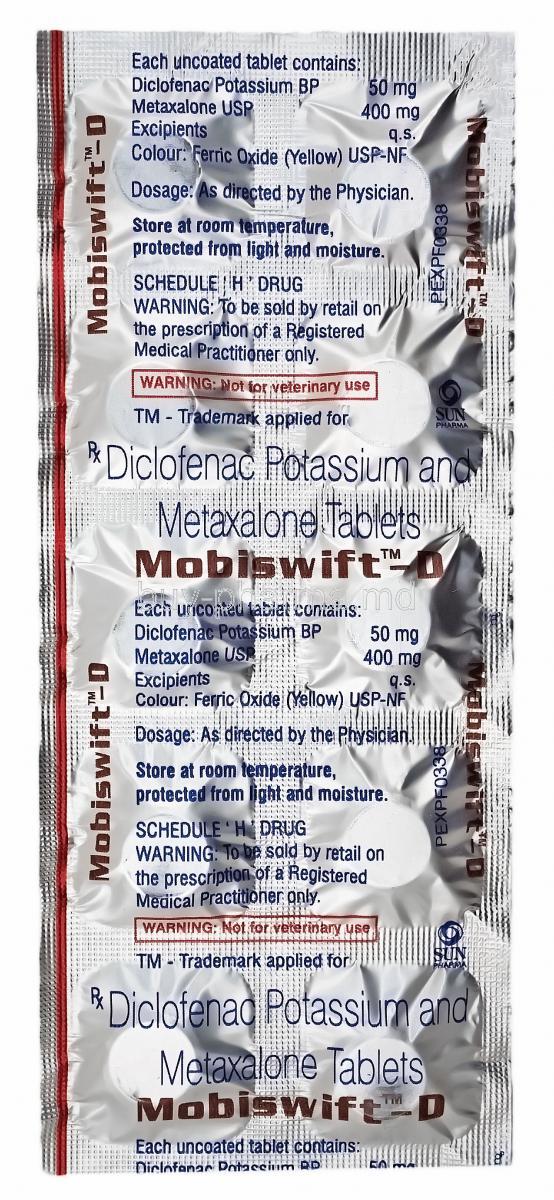
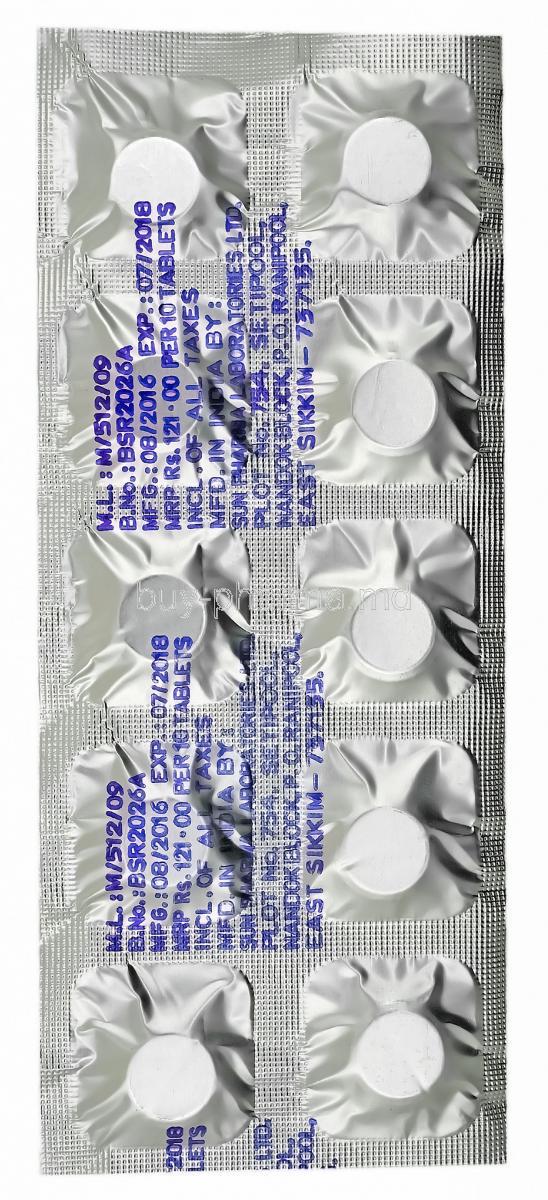
1. Introduction to Mobiswift-D (Diclofenac / Metaxalone)
Mobiswift-D is a fixed-dose combination medication formulated for the short-term management of painful musculoskeletal disorders. It belongs to a dual therapeutic class, combining a nonsteroidal anti-inflammatory drug (NSAID) with a centrally acting skeletal muscle relaxant. This pharmacologic pairing addresses both inflammatory pathology and reflex muscle spasm—two common contributors to acute pain syndromes.
Combination therapy is often preferred when pain is accompanied by muscle rigidity, restricted movement, or functional limitation. Instead of relying on a single agent, Mobiswift-D provides multimodal symptom control, which may accelerate recovery and improve patient comfort.
- Reduces inflammation and tissue irritation
- Relieves muscle spasm and stiffness
- Enhances mobility and daily function
- Supports faster return to normal activity
The medication plays a significant role in acute care settings where rapid symptom control and functional restoration are clinical priorities.
2. Mobiswift-D Composition and Formulation
2.1 Active Ingredients
Mobiswift-D contains two pharmacologically complementary agents:
- Diclofenac – a potent NSAID belonging to the phenylacetic acid class, typically present in anti-inflammatory therapeutic concentrations
- Metaxalone – a centrally acting muscle relaxant that reduces skeletal muscle hyperactivity and associated pain
Diclofenac targets inflammatory mediators, whereas Metaxalone modulates neuromuscular tension. Together, they address both the source and the secondary effects of musculoskeletal injury.
2.2 Dosage Form and Strength
The medication is available as an oral tablet designed for convenient administration. Each tablet contains standardized doses of both active ingredients, along with carefully selected excipients that ensure stability, bioavailability, and patient tolerability.
- Tablet formulation for systemic action
- Film-coated surface for easier swallowing
- Pharmaceutical-grade inactive ingredients for stability
2.3 Mechanism-Based Rationale for Combination
The therapeutic design is grounded in pathophysiology. Acute musculoskeletal injury typically involves inflammation, nociceptive signaling, and reflex muscle guarding. Mobiswift-D targets all three components.
- Diclofenac reduces inflammatory mediators and peripheral pain signaling
- Metaxalone decreases muscle tone through central nervous system modulation
- The combination provides synergistic relief of pain, inflammation, and spasm
Diclofenac vs meloxicam
Meloxicam () and diclofenac () are both prescription-strength nonsteroidal anti-inflammatory drugs (NSAIDs) used to treat arthritis and pain. Meloxicam is generally taken once daily, has a longer half-life, and may cause fewer gastrointestinal (GI) side effects. Diclofenac is often taken 2–4 times daily and may have a higher risk of cardiovascular events
Diclofenac and ibuprofen
Diclofenac and ibuprofen are both nonsteroidal anti-inflammatory drugs (NSAIDs) used to treat pain, fever, and inflammation, but they should generally not be taken together due to increased risks of stomach ulcers, bleeding, and kidney issues. Diclofenac is stronger and requires a prescription, while ibuprofen is available over-the-counter
Diclofenac vs naproxen
Diclofenac and naproxen are both effective non-steroidal anti-inflammatory drugs (NSAIDs) used for pain and inflammation, with diclofenac often providing slightly faster and more potent relief (especially for acute injury), while naproxen is generally better for longer-lasting pain control (8–12 hours). Diclofenac is often prescription-based, whereas naproxen is available both over-the-counter and by prescription.
Celebrex vs diclofenac
Celebrex (celecoxib) and diclofenac are both effective nonsteroidal anti-inflammatory drugs (NSAIDs) used to manage pain and arthritis, with similar efficacy in treating osteoarthritis. Celebrex, a COX-2 selective inhibitor, generally offers better gastrointestinal safety (fewer ulcers and stomach issues) compared to non-selective NSAIDs like diclofenac
Voltaren vs diclofenac
Diclofenac is a nonsteroidal anti-inflammatory drug (NSAID) used to treat pain and inflammation, while Voltaren is a popular brand-name version of diclofenac, particularly known for its topical gel (Voltaren Arthritis Pain). They are essentially the same medication, with Voltaren being a brand-name formulation of the generic diclofenac.
Metaxalone vs flexeril
Metaxalone (Skelaxin) and cyclobenzaprine (Flexeril) are prescription muscle relaxants for acute musculoskeletal pain. Metaxalone is generally less sedating, making it better for daytime use, while Flexeril is more sedating but highly effective for spasm-related pain. Both are for short-term use and carry risks of dependency/side effects.
Metaxalone vs methocarbamol
Metaxalone (Skelaxin) and methocarbamol (Robaxin) are both non-controlled prescription muscle relaxants used for short-term pain, with similar efficacy but different side-effect profiles. Metaxalone often causes less sedation, while methocarbamol is commonly used for acute spasms and available in injectable forms.
Metaxalone vs cyclobenzaprine
Metaxalone (Skelaxin) and cyclobenzaprine (Flexeril) are both centrally acting muscle relaxants for acute pain, but differ mainly in side effects. Cyclobenzaprine is more effective but often causes heavy sedation and dry mouth. Metaxalone is generally less sedating, making it better for daytime use, though it may be less potent.
3. How Mobiswift-D Works (Mechanism of Action)
3.1 Diclofenac Mechanism
Diclofenac exerts its effect primarily through inhibition of cyclooxygenase (COX-1 and COX-2) enzymes. This action suppresses the synthesis of prostaglandins—lipid compounds responsible for inflammation, pain sensitization, and fever.
- Reduces local inflammation and tissue swelling
- Provides analgesic effects by decreasing nociceptor sensitivity
- Exhibits antipyretic properties when systemic inflammation is present
3.2 Metaxalone Mechanism
Metaxalone acts centrally rather than directly on muscle fibers. It is believed to depress polysynaptic neuronal transmission within the spinal cord and brainstem, thereby reducing excessive muscle activity and involuntary contraction.
- Relieves painful muscle spasm
- Improves range of motion
- Facilitates physical rehabilitation and recovery
3.3 Combined Therapeutic Benefits
The dual mechanism provides comprehensive symptom control. Inflammation diminishes. Muscle guarding relaxes. Movement becomes easier and less painful.
- Multimodal pain modulation
- Reduction in stiffness and localized tenderness
- Accelerated relief in acute musculoskeletal conditions
4. Mobiswift-D Tablet Uses
4.1 Acute Musculoskeletal Pain
Mobiswift-D is commonly prescribed for short-term relief of acute injury-related pain.
- Muscle strains and ligament sprains
- Minor trauma and overexertion injuries
- Sports-related soft tissue damage
4.2 Pain Associated with Muscle Spasm
Conditions characterized by protective muscle contraction respond particularly well to combination therapy.
- Cervical or lumbar spasm
- Acute back and neck pain
- Postural muscle tension from prolonged sitting or improper ergonomics
4.3 Inflammatory Pain Conditions
- Tendinitis
- Bursitis
- Soft tissue inflammation
4.4 Post-Traumatic Pain and Swelling
The medication helps reduce edema, pain, and functional limitation following minor injury.
5. Off-Label Uses
- Short-term adjunct therapy for chronic low back pain exacerbations
- Management of myofascial pain syndrome
- Adjunctive relief of muscle tightness in fibromyalgia
- Temporomandibular joint (TMJ) muscle spasm
- Postoperative musculoskeletal discomfort in selected cases
- Repetitive strain injuries related to occupational activities
6. Dosage and Administration
6.1 Recommended Adult Dosage
The dosage is determined by the severity of symptoms and clinical judgment. Treatment is typically administered for a short duration, as prolonged use increases the risk of adverse effects.
- Administer at prescribed intervals
- Do not exceed recommended daily dose
- Use the lowest effective dose
6.2 Administration Guidelines
- Take with food or milk to minimize gastrointestinal irritation
- Swallow tablets whole with water
- Avoid crushing or chewing unless directed
6.3 Duration of Therapy
Mobiswift-D is intended for acute conditions. Long-term use should be avoided unless specifically advised by a healthcare professional.
6.4 Missed Dose Instructions
If a dose is missed, it should be taken as soon as remembered. If the next scheduled dose is near, the missed dose should be skipped. Double dosing is not recommended.
7. Storage and Handling
7.1 Recommended Storage Conditions
- Store at controlled room temperature
- Keep away from excessive heat and humidity
- Protect from direct sunlight and moisture
7.2 Shelf Life and Expiry Considerations
Use only within the stated expiration period. Degraded medication may lose efficacy or safety.
7.3 Safe Disposal of Unused Medication
Unused tablets should be disposed of according to local pharmaceutical waste guidelines to prevent accidental ingestion or environmental contamination.
8. Side Effects of Mobiswift-D
8.1 Common Side Effects
- Nausea or stomach discomfort
- Drowsiness or dizziness
- Headache
- Fatigue or mild abdominal pain
8.2 Less Common Side Effects
- Indigestion or diarrhea
- Skin rash or mild itching
8.3 Serious Side Effects (Require Medical Attention)
- Gastrointestinal bleeding or ulceration
- Severe hypersensitivity reactions
- Elevated liver enzymes or hepatic dysfunction
- Cardiovascular complications such as thrombotic events
9. Drug Interactions
9.1 Interactions with Other NSAIDs and Analgesics
Concurrent use increases the risk of gastrointestinal and renal toxicity.
9.2 Anticoagulants and Antiplatelet Agents
May potentiate bleeding risk.
9.3 Corticosteroids
Combined use increases the likelihood of gastrointestinal ulceration.
9.4 Antihypertensives and Diuretics
NSAIDs may reduce antihypertensive efficacy and impair renal function.
9.5 CNS Depressants and Sedatives
Metaxalone may enhance sedative effects when used with alcohol, benzodiazepines, or other central depressants.
9.6 Alcohol Interaction and Liver Risk
Alcohol consumption increases the risk of gastrointestinal bleeding and hepatotoxicity.
10. Warnings and Important Precautions
10.1 Cardiovascular Risk Associated with Diclofenac
Long-term or high-dose use may increase the risk of myocardial infarction or stroke, particularly in high-risk patients.
10.2 Gastrointestinal Ulceration and Bleeding Risk
Patients with a history of peptic ulcer disease require careful monitoring.
10.3 Hepatic and Renal Function Monitoring
Periodic laboratory evaluation may be necessary during extended therapy.
10.4 Risk of Drowsiness and Impaired Alertness
Patients should avoid driving or operating machinery until individual response is known.
10.5 Use the Lowest Effective Dose for the Shortest Duration
This principle minimizes systemic risk while maintaining therapeutic benefit. Judicious use is essential for safe and effective treatment.
Diclofenac alternatives
Diclofenac alternatives include other NSAIDs, COX-2 inhibitors, corticosteroids, non-NSAID pain relievers, and natural supplements. Tylenol
11. Contraindications
Mobiswift-D should not be administered in patients where the risk of serious adverse reactions outweighs potential therapeutic benefit. Absolute contraindications must be carefully evaluated prior to prescribing, as the combination of an NSAID and a centrally acting muscle relaxant carries systemic implications.
- Known hypersensitivity to Diclofenac, Metaxalone, or any component of the formulation
- History of NSAID-induced bronchospasm, urticaria, angioedema, or severe allergic reactions
- Active peptic ulcer disease or ongoing gastrointestinal bleeding
- Severe hepatic impairment or clinically significant liver dysfunction
- Severe renal failure or advanced kidney disease
- Use for perioperative pain management in patients undergoing coronary artery bypass graft (CABG) surgery
In these circumstances, alternative analgesic strategies should be considered to avoid potentially life-threatening complications.
12. Careful Administration (Use with Caution)
Certain patient populations require judicious prescribing and enhanced clinical vigilance. Risk stratification is essential. Dose minimization and periodic monitoring may reduce the likelihood of adverse outcomes.
12.1 Patients with Cardiovascular Disease or Risk Factors
Diclofenac has been associated with an increased risk of thrombotic cardiovascular events. Patients with pre-existing conditions should be treated cautiously.
- History of ischemic heart disease or stroke
- Hypertension or dyslipidemia
- Diabetes mellitus or smoking history
The lowest effective dose for the shortest duration should be employed.
12.2 History of Gastrointestinal Disorders
Individuals with prior gastrointestinal pathology are more susceptible to NSAID-induced mucosal injury.
- Previous peptic ulcer or gastrointestinal bleeding
- Chronic dyspepsia or inflammatory bowel disease
- Concurrent use of corticosteroids or anticoagulants
Gastroprotective measures may be considered in high-risk patients.
12.3 Mild to Moderate Liver or Kidney Impairment
Both Diclofenac metabolism and Metaxalone clearance depend on hepatic and renal function. Impairment may lead to drug accumulation.
- Periodic liver enzyme monitoring
- Assessment of renal function during therapy
- Dose adjustment when clinically indicated
12.4 Patients with Anemia or Bleeding Disorders
NSAIDs may interfere with platelet aggregation and exacerbate bleeding tendencies. Patients with hematologic vulnerability require close observation.
12.5 Long-term Therapy Considerations
Mobiswift-D is intended for short-term use. Prolonged administration increases cumulative toxicity.
- Monitor hepatic, renal, and hematologic parameters
- Evaluate ongoing need for therapy regularly
- Discontinue once acute symptoms resolve
13. Administration in Special Populations
13.1 Administration to Elderly Patients
Older adults exhibit increased pharmacodynamic sensitivity and reduced physiological reserve. Even standard doses may produce exaggerated effects.
- Higher risk of gastrointestinal bleeding and ulceration
- Greater susceptibility to renal impairment and fluid retention
- Increased likelihood of dizziness and sedation
Initiate therapy cautiously. Dose adjustment and periodic clinical monitoring are recommended.
13.2 Administration to Pregnant Women
NSAID exposure during pregnancy, particularly in the third trimester, may adversely affect fetal circulation and delay labor.
- Risk of premature closure of the ductus arteriosus
- Potential reduction in amniotic fluid volume
- Possible inhibition of uterine contractions
Use only when the anticipated benefit justifies the potential risk. Avoid use late in pregnancy.
13.3 Administration to Nursing Mothers
Small quantities of Diclofenac and Metaxalone may be excreted into breast milk. Although clinical significance is uncertain, caution is advised.
- Assess risk–benefit ratio prior to use
- Monitor the infant for unusual sedation, feeding difficulty, or irritability
- Consider alternative therapy when appropriate
13.4 Administration to Children and Adolescents
Safety and efficacy data in pediatric populations are limited. Routine use is not recommended unless specifically prescribed by a qualified healthcare professional.
14. Overdose and Emergency Management
14.1 Symptoms of Overdose
Excessive intake may result in central nervous system depression and systemic toxicity. Clinical manifestations vary depending on dose and patient factors.
- Profound drowsiness, lethargy, or confusion
- Nausea, vomiting, and abdominal pain
- Gastrointestinal bleeding or hematemesis
- Elevated liver enzymes or acute hepatic injury
- Renal dysfunction or decreased urine output
14.2 Immediate Management and Medical Care
Overdose requires prompt medical evaluation. Early intervention improves outcomes.
- Immediate discontinuation of the medication
- Assessment of airway, breathing, and circulation
- Gastrointestinal decontamination when appropriate
14.3 Supportive Treatment and Monitoring
No specific antidote exists. Management is primarily supportive.
- Monitoring of vital signs and organ function
- Correction of fluid and electrolyte imbalances
- Observation for delayed hepatic, renal, or gastrointestinal complications
15. Handling Precautions and Patient Safety Information
15.1 Avoid Driving or Operating Machinery if Drowsy
Metaxalone may impair psychomotor performance. Patients should evaluate their individual response before engaging in activities requiring alertness.
15.2 Avoid Alcohol Consumption
Alcohol potentiates central nervous system depression and increases the risk of gastrointestinal irritation and hepatic stress.
15.3 Do Not Combine with Other NSAIDs Without Medical Advice
Concurrent NSAID use increases the risk of cumulative toxicity, including bleeding and renal impairment.
15.4 Importance of Adherence to Prescribed Dose
Exceeding the recommended dose does not enhance efficacy but significantly increases the likelihood of adverse effects.
15.5 When to Seek Medical Attention
- Severe abdominal pain or black stools
- Persistent vomiting or unusual fatigue
- Skin rash, swelling, or breathing difficulty
- Reduced urine output or unexplained weight gain
16. Patient Counseling and Clinical Monitoring
Effective therapy extends beyond prescription. Patient education and clinical oversight are essential for safe use.
- Complete the prescribed course unless directed otherwise
- Report persistent or worsening symptoms
- Attend scheduled follow-up appointments, especially for high-risk individuals
Patients should be informed about early warning signs of serious complications. These include gastrointestinal bleeding, hepatic dysfunction, allergic reactions, and cardiovascular symptoms. Timely recognition allows rapid intervention. Careful monitoring ensures that therapeutic benefit is achieved without compromising patient safety.
Mobiswift-D, Diclofenac/ Metaxalone FAQ
- What is diclofenac and Metaxalone tablets used for?
- What is MobiSwift-D used for?
- Is metaxalone safe for kidneys?
- Is diclofenac a strong painkiller?
- Is metaxalone a pain killer?
- What are the pros and cons of using the MobiSwift-D tablet?
- Does metaxalone make you sleepy?
- Does diclofenac make you sleepy?
- How quickly does metaxalone start working?
- What drugs should not be taken with metaxalone?
- Is Mobiswift-D a steroid?
- Does metaxalone stop pain?
- Can you take metaxalone daily?
- Is metaxalone good for anxiety?
- How long does metaxalone stay in the body?
- Why can't you lay down after taking diclofenac?
- Is diclofenac a painkiller or muscle relaxer?
- What are the mental side effects of diclofenac?
- Will metaxalone help me sleep?
What is diclofenac and Metaxalone tablets used for?
Diclofenac and Metaxalone help relieve pain and muscle spasm that may occur due to strains, sprains, and muscle injuries. It is usually used along with rest and physical therapy
What is MobiSwift-D used for?
It helps to ease pain, swelling, and inflammation in conditions that affect the muscles. Plus, it's really good at relieving muscle stiffness and spasms, which makes it easier to move your muscles around.
Is metaxalone safe for kidneys?
No
Is diclofenac a strong painkiller?
Mild
Is metaxalone a pain killer?
Metaxalone is a muscle relaxant used to treat muscle pain or spasm
What are the pros and cons of using the MobiSwift-D tablet?
It stops the nerve signals and pain feelings in the brain, which helps keep muscles strong and relaxes muscle spasms or stiffness.
Does metaxalone make you sleepy?
Yes
Does diclofenac make you sleepy?
Yes
How quickly does metaxalone start working?
1 hour
What drugs should not be taken with metaxalone?
- Alcohol
- Antihistamines for allergy, cough and cold.
- Certain medications for anxiety or sleep.
- Certain medications for depression, such as amitriptyline, fluoxetine, and sertraline.
- Certain medications for seizures, such as phenobarbital, primidone.
Is Mobiswift-D a steroid?
No
Does metaxalone stop pain?
Metaxalone relieves pain and discomfort caused by strains, sprains, and other muscle injuries.
Can you take metaxalone daily?
Yes
Is metaxalone good for anxiety?
Yes
How long does metaxalone stay in the body?
9 hours
Why can't you lay down after taking diclofenac?
It would prevent throat irritation and swallowing problems.
Is diclofenac a painkiller or muscle relaxer?
Diclofenac is an NSAID
What are the mental side effects of diclofenac?
- Restlessness
- Pychosis
- Anxiety
- Depression
Will metaxalone help me sleep?
Yes
Customers also bought


Popular Products


Similar Product