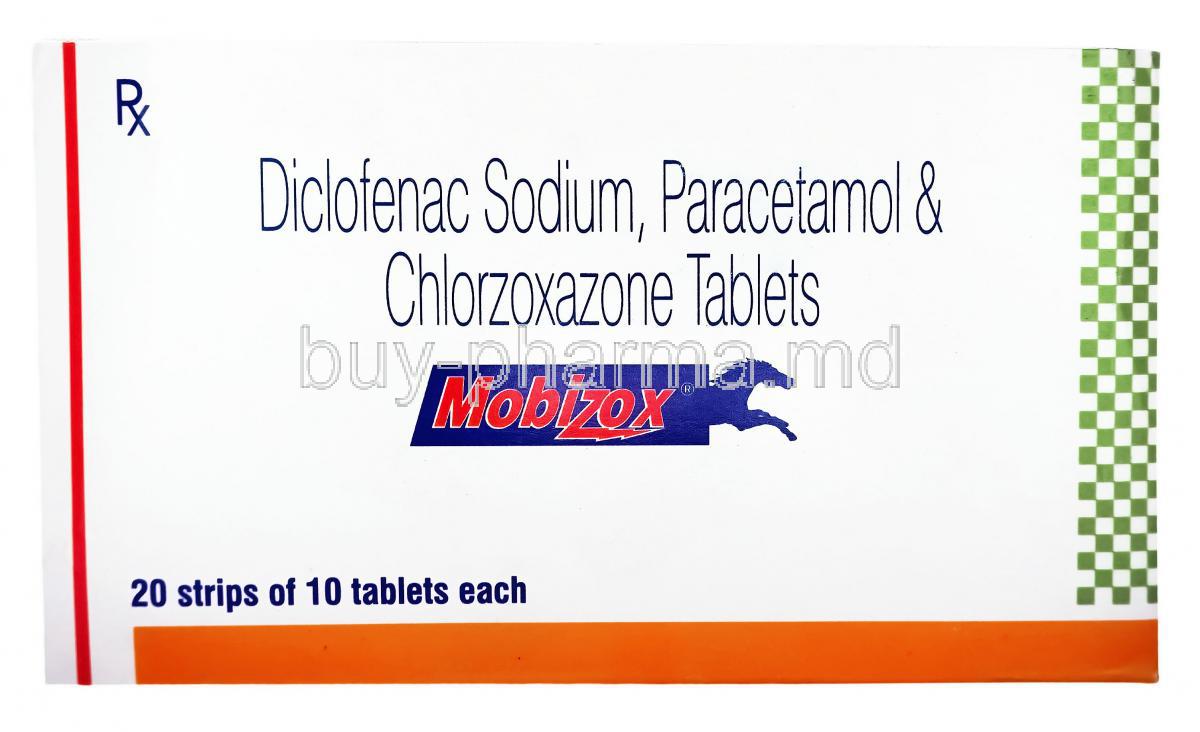
1. Introduction to Mobizox (Chlorzoxazone / Diclofenac / Paracetamol)
1.1 Overview of the Combination Therapy for Musculoskeletal Pain
Mobizox is a multi-component formulation designed for the management of painful musculoskeletal conditions accompanied by inflammation and muscle spasm. It integrates a centrally acting muscle relaxant, a nonsteroidal anti-inflammatory drug (NSAID), and a well-established analgesic-antipyretic agent. This triad addresses the complex pathophysiology of musculoskeletal pain, which often involves inflammation, nociceptive signaling, and reflex muscle contraction.
- Relieves pain intensity
- Reduces inflammatory processes
- Alleviates muscle rigidity and spasm
1.2 Therapeutic Category and Clinical Applications
Mobizox belongs to the therapeutic class of combination analgesic and muscle relaxant agents. It is commonly utilized in orthopedic, rheumatologic, and general medical practice for short-term symptomatic relief. The formulation is particularly valuable when inflammation and muscle hypertonicity coexist, creating a self-perpetuating cycle of pain and functional limitation.
1.3 When Mobizox is Prescribed in Clinical Practice
Clinicians prescribe Mobizox for acute conditions characterized by sudden onset of pain, stiffness, or restricted mobility. It is often recommended in the early phase of injury or inflammatory exacerbation, when rapid symptomatic control is necessary to restore functional capacity and improve patient comfort.
1.4 Benefits of Multi-Mechanism Pain Management
Single-agent therapy may not adequately address the multifactorial nature of musculoskeletal pain. The combination approach offers several advantages:
- Enhanced analgesic efficacy through complementary mechanisms
- Reduced need for high-dose monotherapy
- Improved patient adherence with simplified treatment regimens
- Faster restoration of mobility and daily activity
2. Composition and Active Ingredients
2.1 Chlorzoxazone – Central Muscle Relaxant: Role and Benefits
Chlorzoxazone acts at the level of the central nervous system, reducing reflex muscle spasm without directly affecting skeletal muscle fibers. It diminishes muscle hyperactivity associated with pain and inflammation, thereby interrupting the cycle of spasm-induced discomfort.
2.2 Diclofenac – Nonsteroidal Anti-Inflammatory Drug (NSAID)
Diclofenac is a potent NSAID that exerts anti-inflammatory, analgesic, and antipyretic effects. By inhibiting prostaglandin synthesis, it reduces tissue inflammation, edema, and local sensitization of pain receptors.
2.3 Paracetamol (Acetaminophen) – Analgesic and Antipyretic Action
Paracetamol provides central analgesic activity with a favorable gastrointestinal safety profile compared to traditional NSAIDs. It enhances overall pain control and contributes to the antipyretic properties of the formulation.
2.4 Strength Variants and Available Dosage Forms
Mobizox is typically available in oral tablet form with fixed-dose combinations. Strengths may vary depending on the manufacturer, but each formulation is calibrated to provide balanced therapeutic effects while minimizing toxicity risks.
2.5 Excipients and Pharmaceutical Characteristics
Inactive ingredients ensure tablet stability, dissolution efficiency, and bioavailability. These excipients may include binders, disintegrants, and coating agents that improve shelf life and patient acceptability.
3. Mechanism of Action: How Mobizox Works
3.1 Central Muscle Relaxation by Chlorzoxazone
Chlorzoxazone depresses polysynaptic reflexes within the spinal cord and subcortical brain regions. This reduces excessive muscle contraction and alleviates stiffness, particularly in acute injury settings.
3.2 Anti-Inflammatory Pathway Inhibition by Diclofenac (COX-1 and COX-2)
Diclofenac inhibits cyclooxygenase enzymes responsible for prostaglandin synthesis. The result is decreased inflammation, reduced peripheral sensitization, and improved joint or muscle mobility.
3.3 Pain Signal Modulation by Paracetamol
Paracetamol acts centrally to modulate nociceptive transmission and enhance descending inhibitory pain pathways. It complements the peripheral effects of diclofenac.
3.4 Synergistic Effects of Triple-Drug Combination
The combination produces a synergistic therapeutic effect:
- Peripheral inflammation control
- Central pain suppression
- Muscle relaxation
This integrated approach enables faster and more comprehensive symptom relief.
3.5 Onset of Action and Duration of Therapeutic Effect
Analgesic effects typically begin within one hour of administration. Duration varies based on individual metabolism and severity of the condition but generally supports dosing two to three times daily for sustained relief.
4. Mobizox Tablet Uses
4.1 Acute Musculoskeletal Pain and Spasm
Commonly prescribed for sudden muscle pain associated with strain, overuse, or injury.
4.2 Cervical and Lumbar Spondylosis
Provides symptomatic relief during painful flare-ups accompanied by muscle tightness and restricted movement.
4.3 Lower Back Pain (Lumbago)
Effective in managing acute episodes characterized by inflammation and paraspinal muscle spasm.
4.4 Sprains, Strains, and Sports Injuries
Helps reduce swelling, pain, and functional limitation following soft tissue injury.
4.5 Muscle Spasm Associated with Trauma or Injury
Reduces protective muscle guarding that contributes to persistent discomfort.
4.6 Postoperative Musculoskeletal Pain
Used for short-term pain control after minor orthopedic or soft tissue procedures.
4.7 Inflammatory Conditions Affecting Muscles and Joints
Beneficial in conditions where inflammation and muscle tension coexist.
4.8 Neck and Shoulder Stiffness (Cervical Pain Syndromes)
Provides relief from posture-related pain and occupational strain syndromes.
5. Off-Label Uses of Chlorzoxazone/Diclofenac/Paracetamol
5.1 Chronic Myofascial Pain Syndrome
May be used intermittently to manage localized muscle tenderness and trigger-point discomfort.
5.2 Tension-Type Headache Associated with Muscle Tightness
Useful when headaches are linked to cervical muscle tension.
5.3 Fibromyalgia-Related Musculoskeletal Discomfort
Provides short-term symptomatic relief during acute pain exacerbations.
5.4 Pain Associated with Degenerative Disc Disease
Helps reduce inflammatory pain and secondary muscle spasm.
5.5 Temporomandibular Joint (TMJ) Muscle Spasm
May relieve jaw muscle tightness and associated pain.
5.6 Occupational Muscle Fatigue and Repetitive Strain Injuries
Supports recovery in work-related overuse conditions.
5.7 Pain in Early Osteoarthritis with Muscle Spasm Component
Used when muscle tension contributes to joint discomfort.
6. Dosage and Administration Guidelines
6.1 Recommended Adult Dosage and Frequency
Dosage is typically administered two to three times daily, depending on severity and clinical response.
6.2 Maximum Daily Dose Limits
- Avoid exceeding recommended paracetamol limits to prevent hepatotoxicity
- Diclofenac exposure should remain within safe therapeutic thresholds
6.3 Duration of Therapy for Acute vs. Chronic Conditions
Short-term use is preferred. Prolonged therapy requires medical supervision and periodic evaluation.
6.4 Administration with Food to Reduce Gastrointestinal Irritation
Taking the medication after meals helps minimize gastric discomfort.
6.5 Missed Dose Instructions
If a dose is missed, it should be taken as soon as remembered unless it is close to the next scheduled dose.
6.6 When to Discontinue or Seek Medical Advice
Discontinue use if symptoms persist, worsen, or if adverse effects develop.
7. Administration in Special Populations
7.1 Administration to Elderly Patients
7.1.1 Dose Adjustment Considerations
Lower initial doses may be appropriate.
7.1.2 Increased Risk of NSAID-Related Adverse Effects
Gastrointestinal and renal complications occur more frequently.
7.1.3 Monitoring Renal, Hepatic, and Cardiovascular Status
Periodic assessment is recommended.
7.2 Use During Pregnancy
7.2.1 Risks Associated with NSAIDs in the Third Trimester
Use is generally contraindicated due to fetal risks.
7.2.2 Safety Considerations for Paracetamol Use
May be used cautiously under medical supervision.
7.2.3 When Use May Be Considered
Only when potential benefits outweigh risks.
7.3 Use in Nursing Mothers
7.3.1 Drug Excretion into Breast Milk
Small amounts may be present.
7.3.2 Potential Effects on the Infant
Generally low risk but monitoring is advisable.
7.3.3 Risk–Benefit Assessment
Clinical judgment is essential.
7.4 Administration to Children and Adolescents
7.4.1 Age Restrictions and Safety Concerns
Not routinely recommended without specialist advice.
7.4.2 Lack of Established Pediatric Dosing
Safety data are limited.
7.4.3 Specialist Supervision
Required for any pediatric use.
8. Common Side Effects of Mobizox
- Nausea or indigestion
- Abdominal discomfort
- Drowsiness or dizziness
- Headache or fatigue
- Mild skin rash
- Transient elevation of liver enzymes
9. Serious and Rare Side Effects
- Gastrointestinal bleeding or ulceration
- Severe liver injury
- Anaphylaxis or severe hypersensitivity
- Cardiovascular thrombotic events
- Renal dysfunction or fluid retention
- Severe cutaneous reactions such as Stevens-Johnson syndrome
10. Drug Interactions
10.1 Interaction with Other NSAIDs and Pain Relievers
Concurrent use of Mobizox with additional NSAIDs or combination analgesics may significantly increase the risk of adverse effects without providing meaningful therapeutic benefit. The duplication of anti-inflammatory activity can amplify gastrointestinal toxicity, renal burden, and cardiovascular risk.
- Avoid combining with ibuprofen, naproxen, or other diclofenac-containing products
- Check for hidden paracetamol in cold or pain medications
- Increased risk of gastric irritation, bleeding, and liver stress
Polypharmacy involving multiple pain relievers should always be evaluated carefully to prevent cumulative toxicity.
10.2 Increased Bleeding Risk with Anticoagulants and Antiplatelet Drugs
Diclofenac may potentiate the effects of anticoagulants and antiplatelet agents by impairing platelet aggregation and damaging gastrointestinal mucosa. This interaction may result in clinically significant bleeding.
- Warfarin and other vitamin K antagonists
- Direct oral anticoagulants (DOACs)
- Aspirin and clopidogrel
Regular monitoring for signs of bleeding, bruising, or anemia is recommended when these agents are used together.
10.3 Hepatotoxicity Risk with Alcohol and Hepatotoxic Medications
Paracetamol metabolism involves hepatic pathways that can generate toxic intermediates. Chronic alcohol consumption or concurrent use of hepatotoxic drugs increases the likelihood of liver injury.
- Alcohol and ethanol-containing preparations
- Antitubercular agents such as isoniazid
- Certain antiepileptics and antifungal medications
Patients should be advised to avoid alcohol entirely during treatment.
10.4 Interaction with Antihypertensive Drugs and Diuretics
NSAIDs may attenuate the antihypertensive effects of several cardiovascular medications by promoting sodium retention and reducing renal prostaglandin synthesis.
- ACE inhibitors and ARBs
- Beta-blockers
- Loop and thiazide diuretics
This interaction may result in elevated blood pressure or reduced renal function, particularly in elderly or dehydrated individuals.
10.5 Effects When Combined with CNS Depressants or Sedatives
Chlorzoxazone possesses central nervous system depressant properties. Concomitant use with sedatives or alcohol may lead to excessive drowsiness, impaired coordination, or cognitive slowing.
- Benzodiazepines and sedative-hypnotics
- Opioid analgesics
- Alcohol and other CNS depressants
Patients should exercise caution when performing tasks requiring alertness.
10.6 Interaction with Methotrexate, Lithium, and Corticosteroids
Diclofenac may alter the renal clearance of certain medications, leading to elevated systemic levels and potential toxicity.
- Methotrexate – increased hematologic and hepatic toxicity
- Lithium – risk of lithium accumulation and neurotoxicity
- Corticosteroids – increased risk of gastrointestinal ulceration and bleeding
11. Contraindications
11.1 Hypersensitivity to Chlorzoxazone, Diclofenac, Paracetamol, or NSAIDs
Mobizox should not be administered to individuals with known hypersensitivity to any component of the formulation. Reactions may range from mild rash to severe anaphylaxis.
11.2 History of NSAID-Induced Asthma or Allergic Reactions
Patients with aspirin-sensitive asthma or a history of NSAID-induced bronchospasm may experience severe respiratory reactions following diclofenac exposure.
11.3 Active Peptic Ulcer Disease or Gastrointestinal Bleeding
NSAID therapy can exacerbate mucosal injury, leading to worsening ulceration or life-threatening bleeding.
11.4 Severe Hepatic or Renal Impairment
Compromised liver or kidney function may impair drug metabolism and excretion, increasing the risk of toxicity.
11.5 Advanced Heart Failure or Severe Cardiovascular Disease
Fluid retention, increased vascular resistance, and thrombotic risk associated with NSAIDs make the combination unsuitable for patients with severe cardiac conditions.
11.6 Third Trimester of Pregnancy
Use during late pregnancy is contraindicated due to the risk of premature closure of the fetal ductus arteriosus and complications during labor.
12. Warnings and Important Safety Information
12.1 Risk of Liver Damage with Excess Paracetamol Intake
Exceeding recommended doses of paracetamol can result in severe, sometimes fatal, hepatic necrosis. Patients must avoid additional paracetamol-containing products.
12.2 Cardiovascular Risk Associated with Long-Term NSAID Use
Prolonged diclofenac therapy has been associated with an increased risk of myocardial infarction and stroke, particularly in high-risk populations.
12.3 Gastrointestinal Safety and Ulcer Risk
NSAID-induced mucosal injury may occur without warning symptoms. Elderly patients and those with a history of ulcer disease require close monitoring.
12.4 Impairment of Alertness Due to Muscle Relaxant Effects
Sedation, dizziness, and reduced psychomotor performance may occur. Activities requiring mental acuity should be approached cautiously.
12.5 Avoiding Alcohol During Treatment
Alcohol increases the risk of both hepatic injury and central nervous system depression. Abstinence is strongly recommended.
12.6 Monitoring During Prolonged Therapy
Patients receiving extended treatment may require periodic evaluation, including:
- Liver function tests
- Renal function assessment
- Blood pressure monitoring
13. Careful Administration (Use with Caution)
13.1 Patients with Mild to Moderate Liver Disease
Reduced hepatic reserve may predispose to accumulation and toxicity. Dose adjustment and clinical monitoring are advisable.
13.2 Patients with Renal Impairment or Dehydration
NSAID-induced reduction in renal perfusion may worsen kidney function, particularly in volume-depleted individuals.
13.3 Individuals with Hypertension or Cardiovascular Risk Factors
Fluid retention and increased vascular resistance may exacerbate pre-existing cardiovascular conditions.
13.4 Patients with History of Peptic Ulcer or Gastritis
Gastroprotective strategies or alternative therapies should be considered when risk factors are present.
13.5 Individuals Operating Machinery or Driving
Drowsiness or impaired coordination may affect occupational safety. Patients should evaluate their response before engaging in hazardous activities.
13.6 Patients on Long-Term Pain Management Regimens
Chronic use increases cumulative risk. Periodic reassessment of therapeutic necessity is recommended.
14. Overdosage and Emergency Management
14.1 Symptoms of Paracetamol Overdose and Liver Toxicity
Early symptoms may be subtle and include nausea, vomiting, and malaise. Progressive hepatic injury may develop within 24–72 hours.
14.2 Signs of NSAID Toxicity
Overdose may result in:
- Gastrointestinal bleeding
- Severe abdominal pain
- Renal impairment
- Metabolic disturbances
14.3 Central Nervous System Effects from Chlorzoxazone Excess
Excessive doses may cause profound sedation, confusion, respiratory depression, or coma.
14.4 Immediate Steps in Suspected Overdose
Prompt medical attention is essential. Patients should seek emergency care immediately, even if symptoms appear mild.
14.5 Hospital Management and Antidote Considerations (N-Acetylcysteine)
N-acetylcysteine is the specific antidote for paracetamol toxicity and is most effective when administered early. Supportive care and laboratory monitoring are integral to management.
15. Storage and Stability
15.1 Recommended Storage Temperature and Conditions
Store at controlled room temperature, typically below 25–30°C, unless otherwise specified by the manufacturer.
15.2 Protection from Moisture, Heat, and Light
Exposure to environmental extremes may degrade active ingredients and reduce therapeutic potency.
15.3 Shelf Life and Expiry Considerations
Medication should not be used beyond the printed expiration date. Chemical stability cannot be guaranteed after this period.
15.4 Safe Storage Away from Children
Keep tablets in a secure location to prevent accidental ingestion.
16. Handling Precautions
16.1 Safe Handling and Dispensing Guidelines
Tablets should be dispensed in their original packaging to maintain stability and ensure proper identification.
16.2 Avoiding Tablet Damage or Contamination
Crushed, broken, or discolored tablets should not be used.
16.3 Patient Counseling Points for Safe Use
- Follow prescribed dosing strictly
- Avoid combining with other pain medications without advice
- Report unusual symptoms promptly
16.4 Disposal of Unused or Expired Medication
Unused medication should be disposed of according to local pharmaceutical waste guidelines rather than discarded in household trash.
16.5 Avoiding Sharing of Prescription Medication
Mobizox is prescribed based on individual clinical assessment. Sharing medication may expose others to unnecessary risk or contraindicated therapy.
Mobizox, Chlorzoxazone/ Diclofenac/ Paracetamol FAQ
- What is Mobizox used for?
- Is Mobizox effective for back pain?
- Which is better Ultracet or Mobizox?
- How many Mobizox can I have in a day?
- What should I avoid while taking Mobizox?
- Does Mobizox increase blood pressure?
- How quickly does Mobizox start working?
- Is Mobizox banned?
- How long can I take Mobizox?
- Can I take Mobizox for shoulder pain?
- Is Mobizox harmful?
- What is diclofenac chlorzoxazone paracetamol used for?
- Can diclofenac cause skin rash?
- Is chlorzoxazone a pain killer?
- What should I avoid while taking chlorzoxazone?
- What are the side effects of diclofenac?
- Can diclofenac make you sleepy?
- How quickly does chlorzoxazone work?
- What are the side effects of Diclofenac sodium paracetamol and chlorzoxazone?
- What is the difference between chlorzoxazone and Diclofenac?
- What is Mobizox used for?
- Is Mobizox effective for back pain?
- Which is better Ultracet or Mobizox?
- Does Mobizox increase blood pressure?
- How quickly does Mobizox start working?
- Is Mobizox banned?
- Can I take Mobizox for shoulder pain?
- Is chlorzoxazone a pain killer?
- Can diclofenac make you sleepy?
- How quickly does chlorzoxazone work?
What is Mobizox used for?
Mobizox Tablet is a combination medicine that is used to relieve pain, inflammation, and swelling in conditions that affect muscles
Is Mobizox effective for back pain?
Yes
Which is better Ultracet or Mobizox?
Ultracet is ideal for general pain and inflammation, while Mobizox targets muscle-related pain and musculoskeletal conditions
How many Mobizox can I have in a day?
2-3
What should I avoid while taking Mobizox?
Avoiod medicines with the same ingredients to avoid overdose.
Does Mobizox increase blood pressure?
Yes
How quickly does Mobizox start working?
30 minutes
Is Mobizox banned?
No
How long can I take Mobizox?
10 days
Can I take Mobizox for shoulder pain?
Yes
Is Mobizox harmful?
No
What is diclofenac chlorzoxazone paracetamol used for?
Diclofenac Sodium, Paracetamol & Chlorzoxazone Tablets are mainly used in the treatment of toothache, muscle pain, fever & rheumatic pain. It is also used to treatment of headache, joint pain, body pain, muscle strain, viral fever, and joint stiffness.
Can diclofenac cause skin rash?
Yes
Is chlorzoxazone a pain killer?
Chlorzoxazone is used to relieve pain and stiffness caused by muscle strains and sprains.
What should I avoid while taking chlorzoxazone?
Driving machinery
What are the side effects of diclofenac?
- Stomachache
- Nausea
- Ulcers
Can diclofenac make you sleepy?
Yes
How quickly does chlorzoxazone work?
1 hour
What are the side effects of Diclofenac sodium paracetamol and chlorzoxazone?
- Stomachache
- Heartburn
- Diarrhea
- Appetite loss
- Fatigue
- Nausea
What is the difference between chlorzoxazone and Diclofenac?
Chlorzoxazone acts as a muscle relaxant, while Diclofenac is a nonsteroidal anti-inflammatory drug (NSAID) that reduces pain and inflammation.
What is Mobizox used for?
Mobizox Tablet is a combination medicine that is used to relieve pain, inflammation, and swelling in conditions that affect muscles
Is Mobizox effective for back pain?
Yes
Which is better Ultracet or Mobizox?
Ultracet is ideal for general pain and inflammation, while Mobizox targets muscle-related pain and musculoskeletal conditions
Does Mobizox increase blood pressure?
Yes
How quickly does Mobizox start working?
30 minutes
Is Mobizox banned?
No
Can I take Mobizox for shoulder pain?
Yes
Is chlorzoxazone a pain killer?
Chlorzoxazone is used to relieve pain and stiffness caused by muscle strains and sprains.
Can diclofenac make you sleepy?
Yes
How quickly does chlorzoxazone work?
1 hour
Popular Products
Similar Product