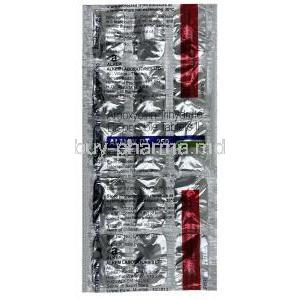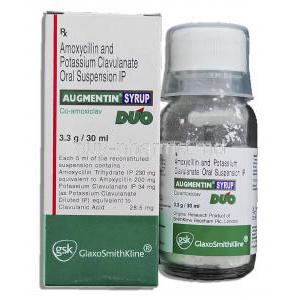

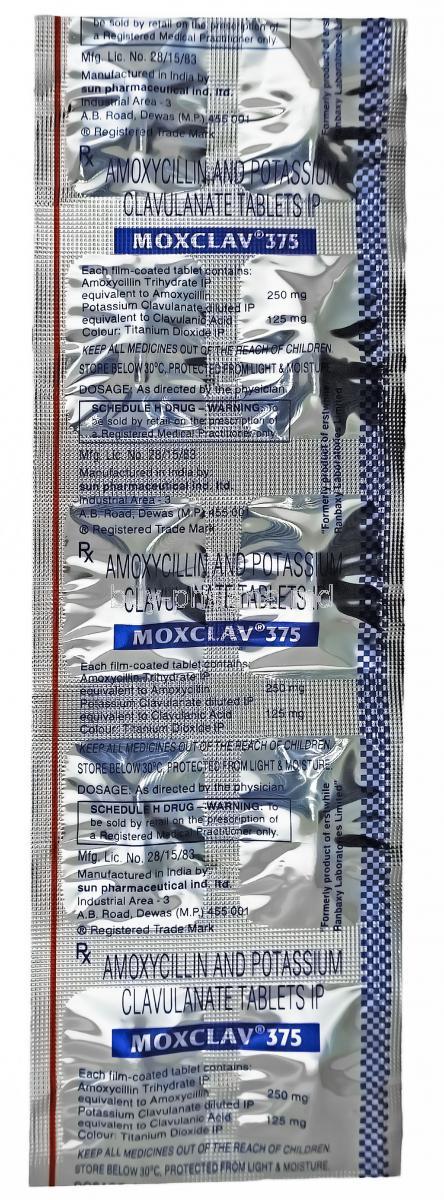
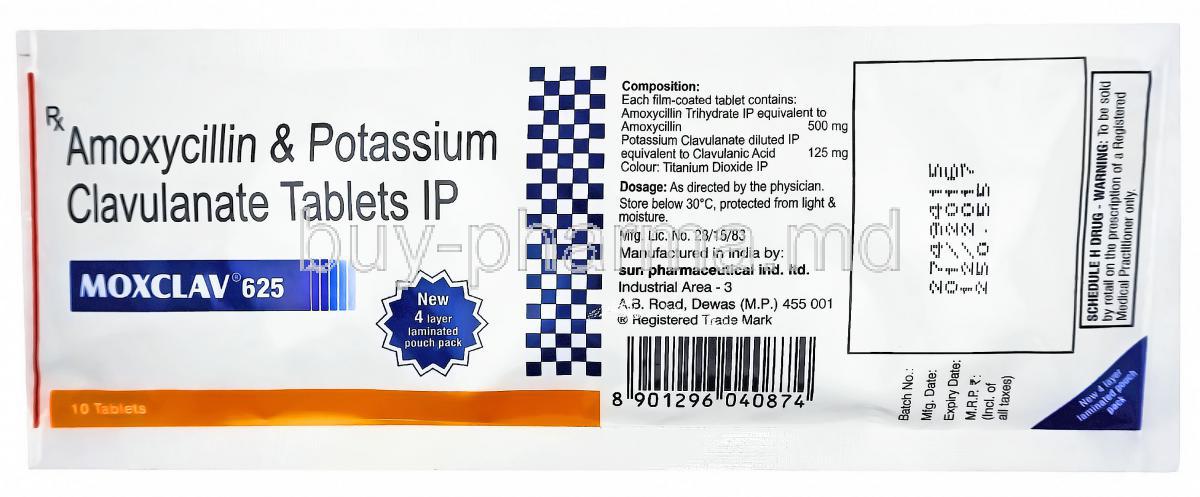
Moxclav, Amoxicillin/ Clavulanic Acid
- 1. Introduction to Moxclav (Amoxicillin/Clavulanic Acid)
- 2. Composition and Formulation Details
- 3. How Moxclav Works (Mechanism of Action)
- 4. Approved Uses of Moxclav (Indications)
- 5. Off-Label Uses of Amoxicillin/Clavulanic Acid
- 6. Dosage and Administration Guidelines
- 7. Side Effects of Amoxicillin / Clavulanic acid
- 8. Serious and Rare Side Effects
- 9. Amoxicillin / Clavulanic acid Interactions
- 10. Warnings and Important Safety Information
- 11. Contraindications
- 12. Careful Administration and Important Precautions
- 13. Administration in Special Populations
- 14. Overdosage and Management
- 15. Storage and Stability Instructions
- 16. Handling Precautions and Patient Guidance
1. Introduction to Moxclav (Amoxicillin/Clavulanic Acid)
1.1 What is Moxclav?
Moxclav is a broad-spectrum antibacterial medication that combines two active components to enhance therapeutic efficacy against resistant bacterial pathogens. It is widely prescribed for the treatment of moderate to severe bacterial infections affecting multiple organ systems. The formulation is designed to overcome common mechanisms of microbial resistance and provide reliable clinical outcomes.
This combination therapy is particularly valuable when monotherapy with amoxicillin is insufficient due to enzymatic bacterial defense mechanisms.
1.2 Therapeutic Classification (Beta-lactam Antibiotic + Beta-lactamase Inhibitor)
Moxclav belongs to the beta-lactam class of antibiotics, paired with a beta-lactamase inhibitor. This dual-action category allows the drug to:
- Destroy susceptible bacteria directly
- Protect the antibiotic from enzymatic degradation
- Extend antimicrobial spectrum
Such pharmacological synergy makes it a cornerstone in empiric and targeted therapy.
1.3 Brand Names and Available Formulations
The combination is marketed globally under various brand names, including Moxclav and other equivalents. It is available in multiple dosage strengths and formulations to accommodate different age groups and clinical requirements.
1.4 Why Amoxicillin is Combined with Clavulanic Acid
Many bacteria produce beta-lactamase enzymes that neutralize penicillin-class antibiotics. Clavulanic acid inhibits these enzymes, thereby restoring the bactericidal potency of amoxicillin. This protective mechanism significantly improves treatment success in resistant infections.
1.5 Role in Modern Antibiotic Therapy
Moxclav plays a pivotal role in contemporary antimicrobial practice. It is frequently used when broader coverage is required, particularly in community-acquired infections where resistance patterns are unpredictable.
2. Composition and Formulation Details
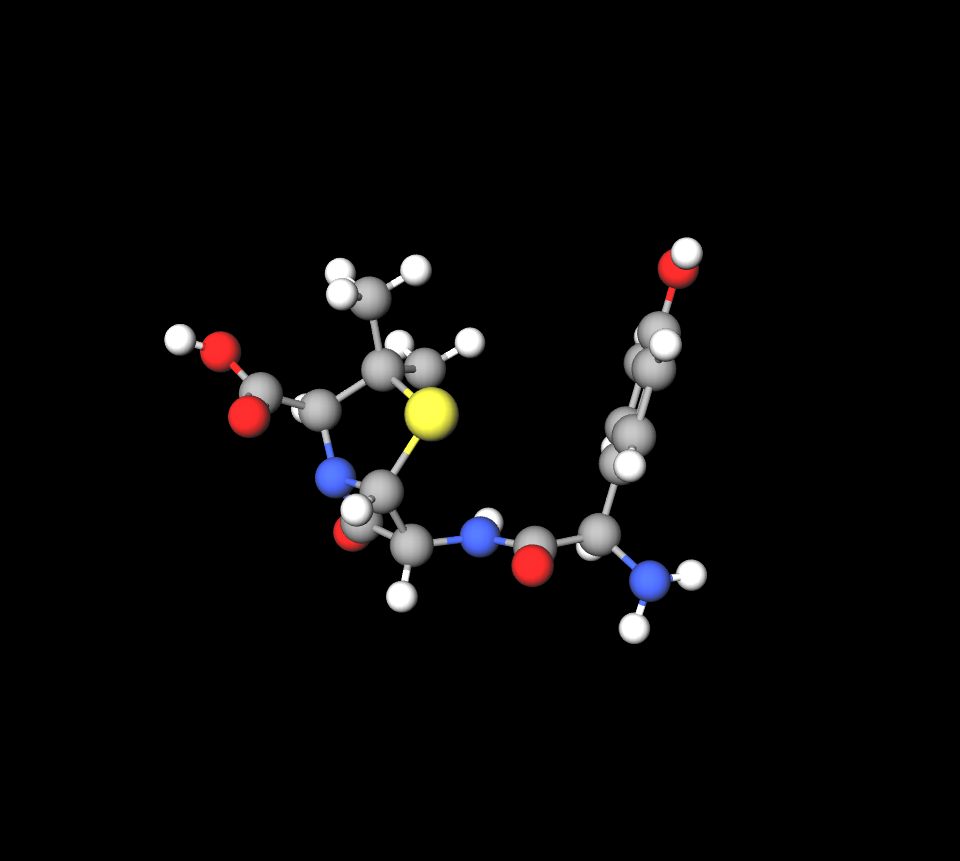
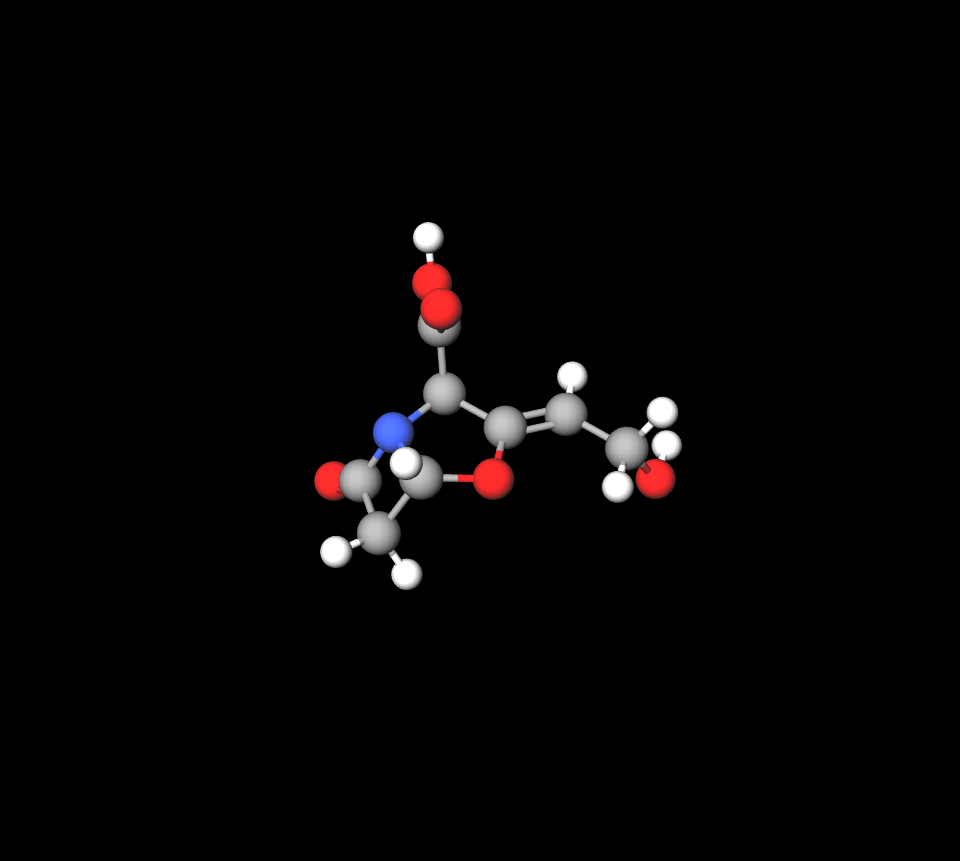
2.1 Active Ingredients: Amoxicillin and Clavulanate Potassium
The formulation contains amoxicillin, a semi-synthetic penicillin derivative, and clavulanate potassium, a beta-lactamase inhibitor. Together, they enhance antibacterial efficacy while maintaining a favorable safety profile.
2.2 Strength Ratios
Common strength combinations include:
- 250 mg amoxicillin / 125 mg clavulanate
- 500 mg / 125 mg
- 875 mg / 125 mg
- Pediatric suspensions with weight-based dosing concentrations
2.3 Dosage Forms
Moxclav is available in multiple pharmaceutical forms:
- Film-coated tablets
- Dispersible tablets
- Dry syrup or oral suspension
- Injectable formulations in clinical settings
2.4 Excipients and Inactive Components
Inactive ingredients may include stabilizers, flavoring agents, sweeteners, and binding agents to ensure palatability, stability, and proper drug delivery.
2.5 Stability and Reconstitution Information for Suspensions
Dry powder formulations must be reconstituted with water prior to use. After preparation, the suspension should be stored under recommended conditions and used within the specified time frame to maintain potency.
3. How Moxclav Works (Mechanism of Action)
3.1 Bactericidal Action of Amoxicillin
Amoxicillin inhibits bacterial cell wall synthesis by binding to penicillin-binding proteins. This disrupts structural integrity, leading to osmotic instability and eventual bacterial cell lysis.

3.2 Beta-lactamase Inhibition by Clavulanic Acid
3.3 Spectrum of Activity
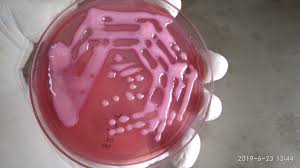
Moxclav demonstrates activity against a wide range of organisms, including:
- Streptococcus and Staphylococcus species
- Haemophilus influenzae
- Escherichia coli
- Klebsiella species
- Anaerobic bacteria
3.4 Activity Against Beta-lactamase Producing Organisms
The addition of clavulanate expands activity against resistant strains that would otherwise inactivate amoxicillin alone.
3.5 Pharmacokinetics
The drug is well absorbed after oral administration. It distributes widely into body tissues and fluids. Elimination occurs primarily via renal excretion, with a relatively short half-life requiring multiple daily dosing.
4. Approved Uses of Moxclav (Indications)
4.1 Respiratory Tract Infections
Moxclav is frequently prescribed for upper and lower respiratory infections such as:
- Acute sinusitis
- Otitis media
- Tonsillitis and pharyngitis
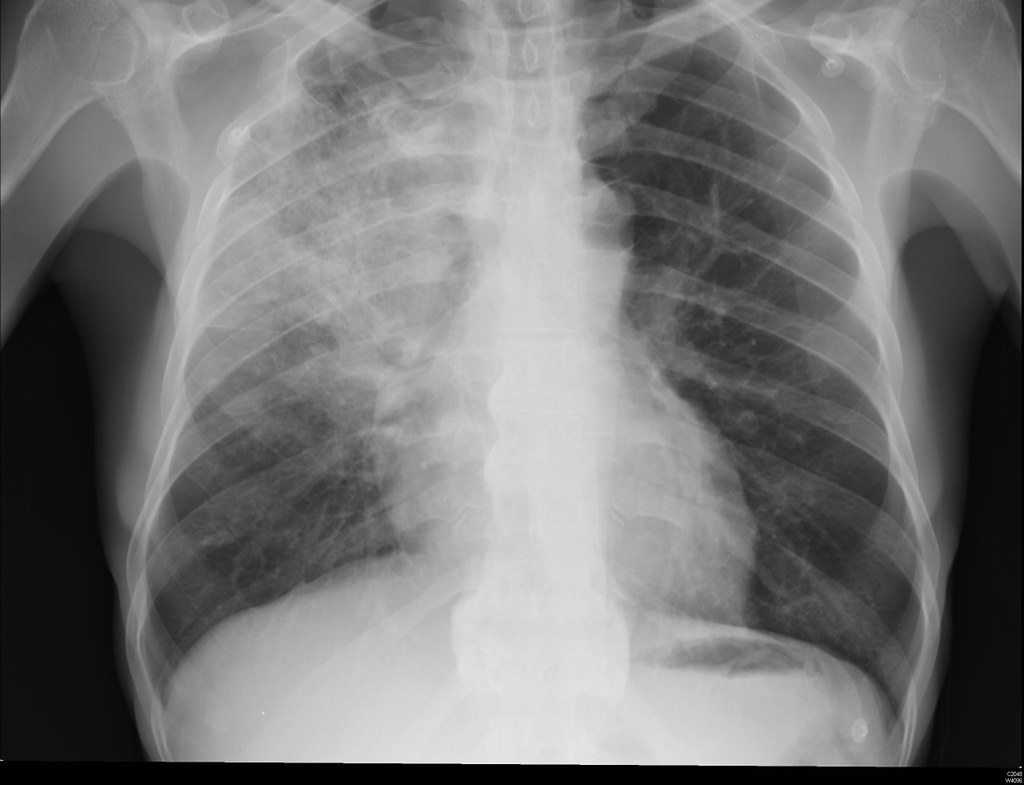
- Community-acquired pneumonia
- Acute exacerbations of chronic bronchitis
4.2 Urinary Tract Infections
- Cystitis
- Pyelonephritis
- Recurrent urinary tract infections

4.3 Skin and Soft Tissue Infections
- Cellulitis
- Abscesses
- Infected wounds
- Animal and human bite injuries

4.4 Dental Infections
Effective in odontogenic infections, including dental abscesses and periodontal disease.

4.5 Bone and Joint Infections
- Osteomyelitis
- Septic arthritis

4.6 Gynecological and Intra-abdominal Infections
Used in polymicrobial infections involving the reproductive or gastrointestinal systems.
5. Off-Label Uses of Amoxicillin/Clavulanic Acid
5.1 Prophylaxis for Bite Wounds
Often administered to prevent infection in high-risk animal or human bite cases.

5.2 Diabetic Foot Infections
Used as part of combination therapy in mild to moderate cases.
5.3 Chronic Sinusitis Management
Extended courses may be prescribed under specialist supervision.
5.4 Post-surgical Infection Prevention
Selected surgical procedures may require prophylactic coverage.
5.5 Hidradenitis Suppurativa
Adjunctive therapy to reduce bacterial load and inflammation.

5.6 Infected Pressure Ulcers
Provides coverage for mixed aerobic and anaerobic organisms.
5.7 Pediatric Recurrent Infections
Specialist-directed use in recurrent ear or respiratory infections.
6. Dosage and Administration Guidelines
6.1 Amoxicillin / clavulanic acid dosage
Typical adult dosing ranges from 500/125 mg every 8 hours to 875/125 mg every 12 hours, depending on infection severity.
6.2 Pediatric Dosing
Doses are calculated based on body weight and infection type.
6.3 Dosing for Severity
Higher doses are indicated for severe or deep-seated infections.
6.4 Administration with Food
Taking the medication at the start of a meal improves absorption and reduces gastrointestinal discomfort.

6.5 Duration of Therapy
Treatment duration varies from 5 to 14 days depending on clinical response.
6.6 Dose Adjustment in Renal Impairment
Reduced dosing frequency may be necessary in patients with compromised renal function.
6.7 Instructions for Reconstituted Suspension
- Shake well before use
- Measure accurately with a dosing device
- Store as directed
7. Side Effects of Amoxicillin / Clavulanic acid
7.1 Gastrointestinal Effects
- Diarrhea
- Nausea
- Vomiting
- Abdominal discomfort

7.2 Mild Skin Reactions
7.3 Fungal Overgrowth
Oral or vaginal candidiasis may occur due to disruption of normal flora.
8. Serious and Rare Side Effects
8.1 Severe Allergic Reactions
Anaphylaxis and angioedema require immediate medical attention.
8.2 Antibiotic-associated Colitis
Persistent diarrhea may indicate Clostridioides difficile infection.
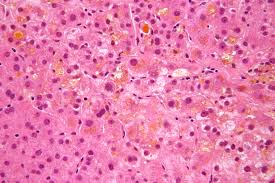
8.3 Hepatic Effects
Elevated liver enzymes or cholestatic hepatitis may occur, particularly with prolonged use.
8.4 Severe Skin Reactions
Rare but serious conditions such as Stevens-Johnson syndrome or toxic epidermal necrolysis.
8.5 Hematologic Changes
Temporary changes in blood cell counts may be observed.
9. Amoxicillin / Clavulanic acid Interactions
9.1 Anticoagulants
May enhance the effect of warfarin, requiring monitoring.
9.2 Oral Contraceptives
Reduced contraceptive effectiveness has been reported.
9.3 Allopurinol
Concurrent use may increase the risk of skin rash.
9.4 Probenecid
Increases amoxicillin plasma levels by reducing renal excretion.
9.5 Methotrexate
May increase toxicity due to reduced clearance.
9.6 Laboratory Test Interference
False-positive urine glucose results may occur with certain testing methods.
10. Warnings and Important Safety Information
10.1 Hypersensitivity Risk
Patients with a history of penicillin allergy should avoid use unless evaluated carefully.
10.2 Hepatic Dysfunction Risk
Monitoring is recommended in prolonged therapy or high-risk patients.
10.3 Antibiotic Resistance
Use only for confirmed or strongly suspected bacterial infections.
10.4 Superinfection Risk
Prolonged use may result in overgrowth of non-susceptible organisms.
10.5 Monitoring During Extended Treatment
Periodic assessment of renal, hepatic, and hematologic parameters is advisable during long-term administration.
11. Contraindications
11.1 History of Hypersensitivity to Penicillins, Cephalosporins, or Beta-lactams
Moxclav is contraindicated in individuals with a known history of hypersensitivity to penicillin-class antibiotics, cephalosporins, or other beta-lactam agents. Cross-reactivity may occur due to structural similarities within this antibiotic group. Even minor prior reactions should be evaluated carefully.
Severe allergic responses may include:
- Anaphylaxis
- Bronchospasm
- Angioedema
- Severe cutaneous eruptions
Administration in such patients may result in rapid, life-threatening complications. Alternative antimicrobial therapy should be selected.
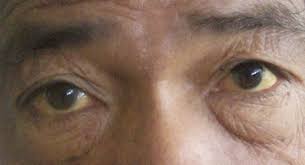
11.2 Previous Cholestatic Jaundice or Hepatic Dysfunction Associated with Amoxicillin/Clavulanate
Patients with a history of cholestatic jaundice or hepatic injury linked to prior use of amoxicillin/clavulanate must not receive the medication again. Recurrence may be more severe and prolonged. Hepatobiliary adverse effects are typically reversible, but re-exposure increases the risk of persistent liver dysfunction.
11.3 Severe Allergic Reaction to Any Component
Moxclav should not be used in patients with documented hypersensitivity to any active or inactive component of the formulation. Excipients, preservatives, or flavoring agents may rarely trigger allergic or intolerance reactions.
12. Careful Administration and Important Precautions
12.1 Use in Patients with Renal Impairment
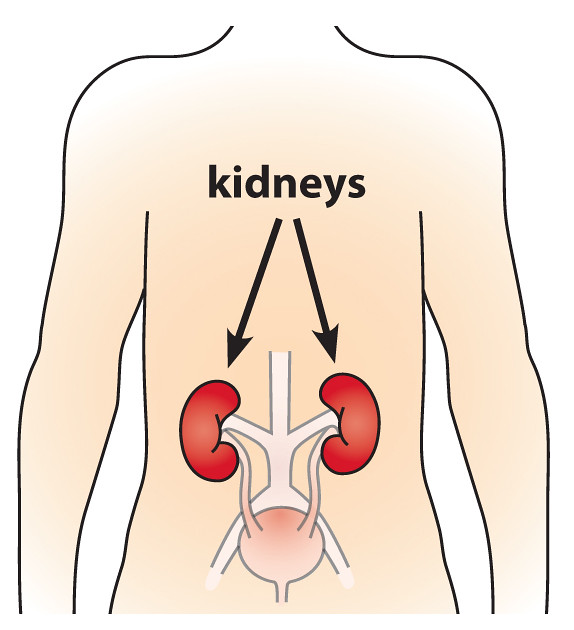
Amoxicillin is primarily eliminated via renal excretion. In patients with reduced kidney function, accumulation may occur, increasing the likelihood of adverse effects. Dose adjustments or extended dosing intervals may be necessary based on creatinine clearance levels.
12.2 Use in Hepatic Dysfunction
Caution is advised when prescribing Moxclav to individuals with underlying liver disease. Periodic monitoring of hepatic enzymes is recommended during prolonged therapy, especially in patients with pre-existing hepatobiliary conditions.
12.3 Monitoring for Persistent Diarrhea
Persistent or severe diarrhea during or after treatment may indicate antibiotic-associated colitis, including infection with Clostridioides difficile. Symptoms that warrant medical evaluation include:
- Watery or bloody stools
- Abdominal cramping
- Fever
Early recognition is essential to prevent complications.
12.4 Avoid Unnecessary Use in Viral Infections
Moxclav is ineffective against viral illnesses such as the common cold, influenza, or most cases of viral sore throat. Inappropriate use contributes to antimicrobial resistance and reduces future treatment efficacy.
12.5 Hydration and Kidney Protection
Adequate fluid intake is recommended during therapy. Proper hydration supports renal elimination and reduces the risk of crystalluria, particularly in high-dose regimens.
12.6 Use the Lowest Effective Dose for the Shortest Duration
Antibiotic stewardship principles should be followed. Therapy should be tailored to infection severity and clinical response, avoiding unnecessarily prolonged exposure.
13. Administration in Special Populations
13.1 Use in Elderly Patients
Elderly individuals often present with age-related physiological changes that may affect drug handling. Special considerations include:
- Assessment of renal function prior to initiation
- Periodic monitoring during extended therapy
- Dose adjustment when renal clearance is reduced
Polypharmacy is common in this population, increasing the potential for drug interactions.
13.2 Use During Pregnancy
Amoxicillin/clavulanate has been widely used during pregnancy when clinically indicated. Treatment decisions should be based on a careful risk benefit assessment. Therapy is generally considered when the potential benefit to the mother outweighs any theoretical risk to the fetus.

13.3 Use in Breastfeeding Mothers
Both amoxicillin and clavulanate are excreted in breast milk in small quantities. While generally well tolerated, potential effects in nursing infants may include:
- Loose stools
- Oral candidiasis
- Mild gastrointestinal discomfort
Monitoring of the infant is advisable during maternal therapy.
13.4 Pediatric Use
Moxclav is widely used in pediatric practice for a variety of bacterial infections. Safety and efficacy have been established when appropriate dosing guidelines are followed.
- Dosing is based on body weight
- Oral suspension formulations improve adherence
- Careful measurement ensures accurate administration
14. Overdosage and Management
14.1 Symptoms of Overdose
Excessive intake may lead to a spectrum of clinical manifestations, including:
- Gastrointestinal distress such as nausea, vomiting, and diarrhea
- Fluid and electrolyte imbalance
- Renal complications, including crystalluria or reduced urine output
Symptoms are usually reversible with appropriate medical care.
14.2 Emergency Management and Supportive Care
Management focuses on symptomatic and supportive treatment. Key measures include:
- Assessment of hydration status
- Correction of electrolyte abnormalities
- Monitoring renal function
- Gastrointestinal decontamination when clinically appropriate
14.3 Role of Hemodialysis in Severe Cases
In cases of significant overdose, particularly in patients with renal impairment, hemodialysis may enhance drug removal and reduce systemic exposure.
15. Storage and Stability Instructions
15.1 Storage Conditions for Tablets and Capsules
Solid dosage forms should be stored at controlled room temperature, protected from excessive heat and humidity. Packaging should remain tightly closed to preserve stability.
15.2 Storage of Dry Syrup Before Reconstitution
Unreconstituted powder should be kept in a cool, dry environment. Exposure to moisture may compromise product integrity.
15.3 Storage of Reconstituted Suspension
After reconstitution, the suspension should be stored according to manufacturer recommendations, often under refrigeration. The product must be used within the specified shelf life, typically within 7 to 10 days.
15.4 Protection from Moisture, Heat, and Light
Environmental factors can degrade antibiotic potency. Proper storage conditions help maintain therapeutic effectiveness throughout the treatment period.
16. Handling Precautions and Patient Guidance
16.1 Proper Reconstitution and Measuring Techniques
Accurate preparation is essential for correct dosing. Patients or caregivers should:
- Add the recommended amount of water
- Shake thoroughly until uniform
- Use a calibrated measuring device
- Shake well before each dose
16.2 Completing the Full Course of Antibiotics
Therapy should be completed as prescribed, even if symptoms improve early. Premature discontinuation may lead to relapse or bacterial resistance.
16.3 What to Do If a Dose is Missed
If a dose is missed, it should be taken as soon as remembered. However, if the next scheduled dose is near, the missed dose should be skipped. Double dosing is not recommended.
16.4 Avoid Sharing Antibiotics
Antibiotics should never be shared with others. Each prescription is tailored to a specific infection and patient profile.
16.5 Disposal of Unused or Expired Medication
Unused or expired medication should be discarded responsibly. Local pharmaceutical disposal programs or pharmacist guidance should be followed to minimize environmental contamination.
16.6 When to Seek Medical Attention During Treatment
Patients should seek immediate medical care if they experience:
- Signs of severe allergic reaction
- Persistent diarrhea
- Yellowing of the skin or eyes
- Severe skin rash or blistering
- Lack of clinical improvement or worsening symptoms
Early intervention ensures safe and effective treatment outcomes.
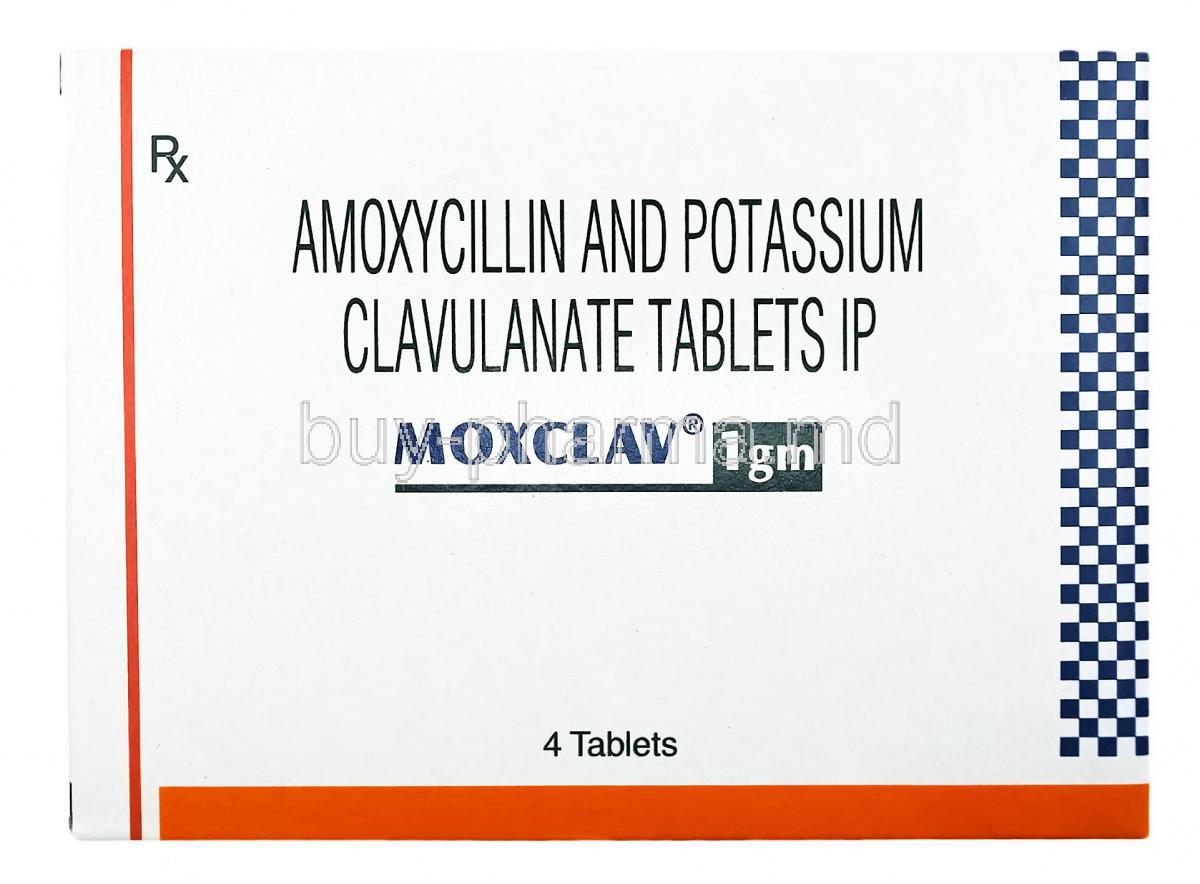
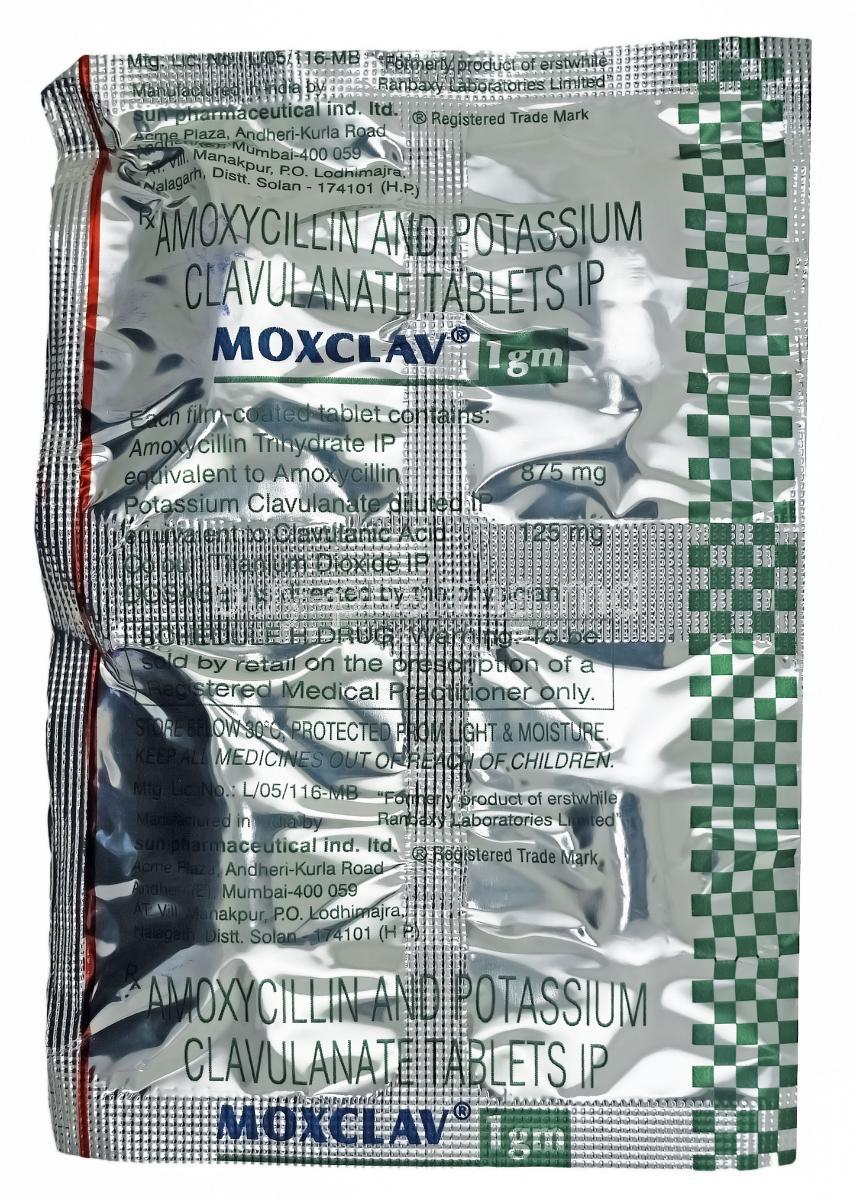
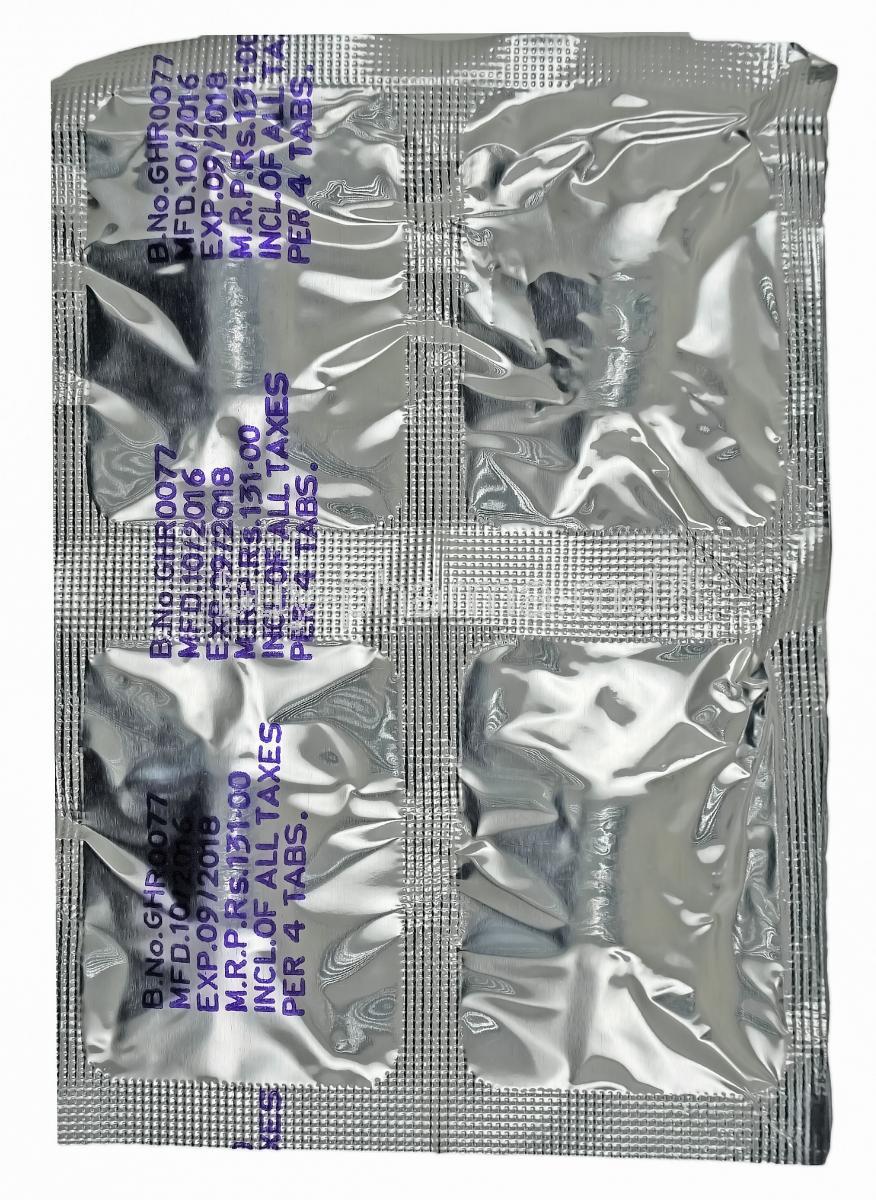
Moxclav, Amoxicillin/ Clavulanic Acid FAQ
What is moxclav used for?
Moxclav 625 Tablet is used to treat bacterial infections, including ear, sinus, respiratory tract, urinary tract, skin, soft tissue, dental, joint and bone infections
What is the antibiotic Moxiclav used for?
- middle ear and sinus infections
- throat or lung respiratory tract infections
- urinary tract infections
- skin and soft tissue infections
- dental infections.joint and bone infections (osteomyelitis)
Is moxclav 1gm a strong antibiotic?
Yes
Can moxclav be taken for 3 days?
No
Popular Products

Similar Product