1. Introduction to Moxclav Oral Suspension
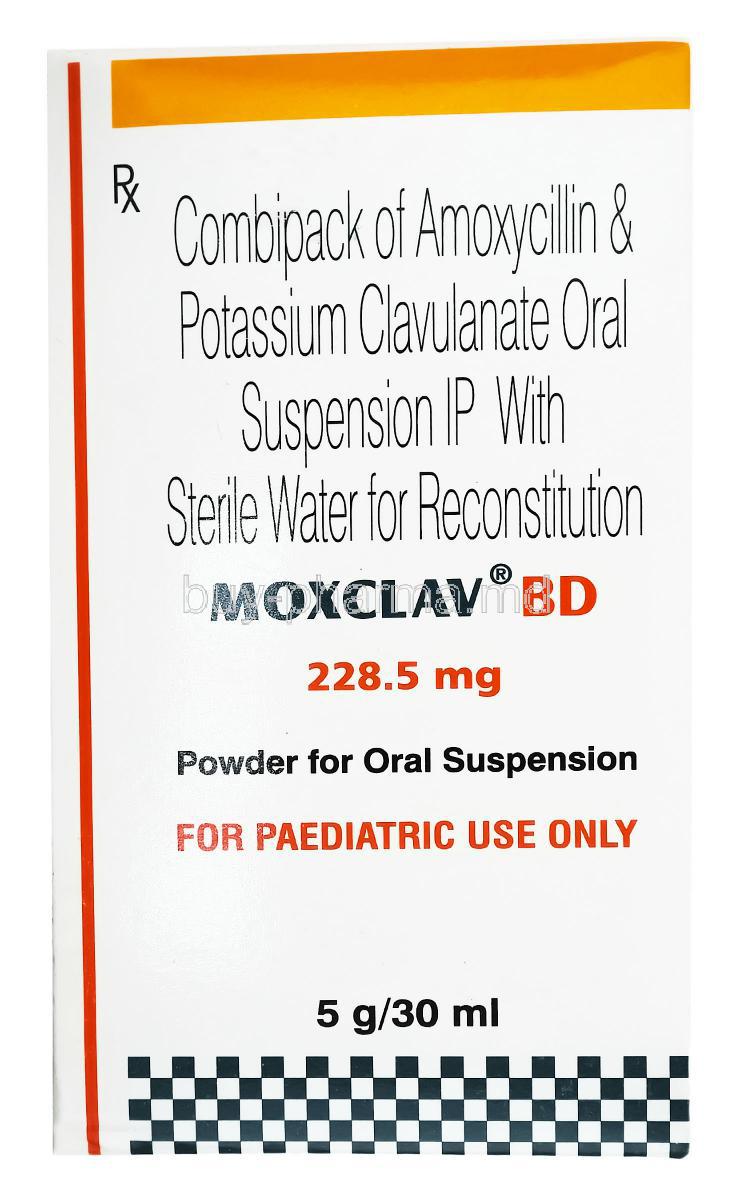
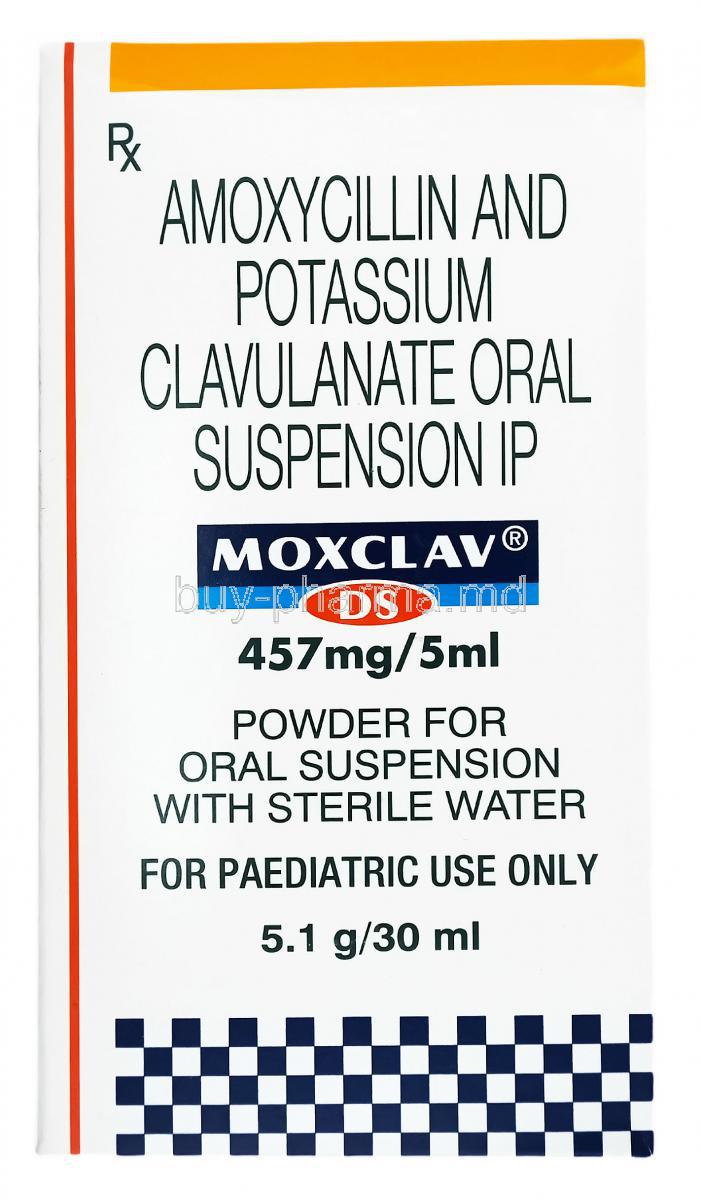
Moxclav Oral Suspension is a widely prescribed antibacterial formulation designed to treat a broad spectrum of bacterial infections. It combines two pharmacologically complementary agents—Amoxicillin and Clavulanic Acid—to enhance therapeutic efficacy and overcome bacterial resistance. This formulation is particularly valuable in pediatric practice, yet it is equally applicable in adults when swallowing solid dosage forms is difficult.
Classified as a beta-lactam antibiotic paired with a beta-lactamase inhibitor, Moxclav offers expanded antimicrobial coverage. The dual-action mechanism neutralizes resistant organisms that would otherwise inactivate conventional penicillins. Combination therapy therefore provides:
- Improved clinical outcomes in resistant infections
- Broader pathogen coverage
- Reduced treatment failure rates
The oral suspension format is preferred in specific situations:
- Infants and young children
- Elderly patients with dysphagia
- Individuals requiring weight-based dosing
- Patients needing flexible dose adjustment
---
2. Composition and Formulation Details
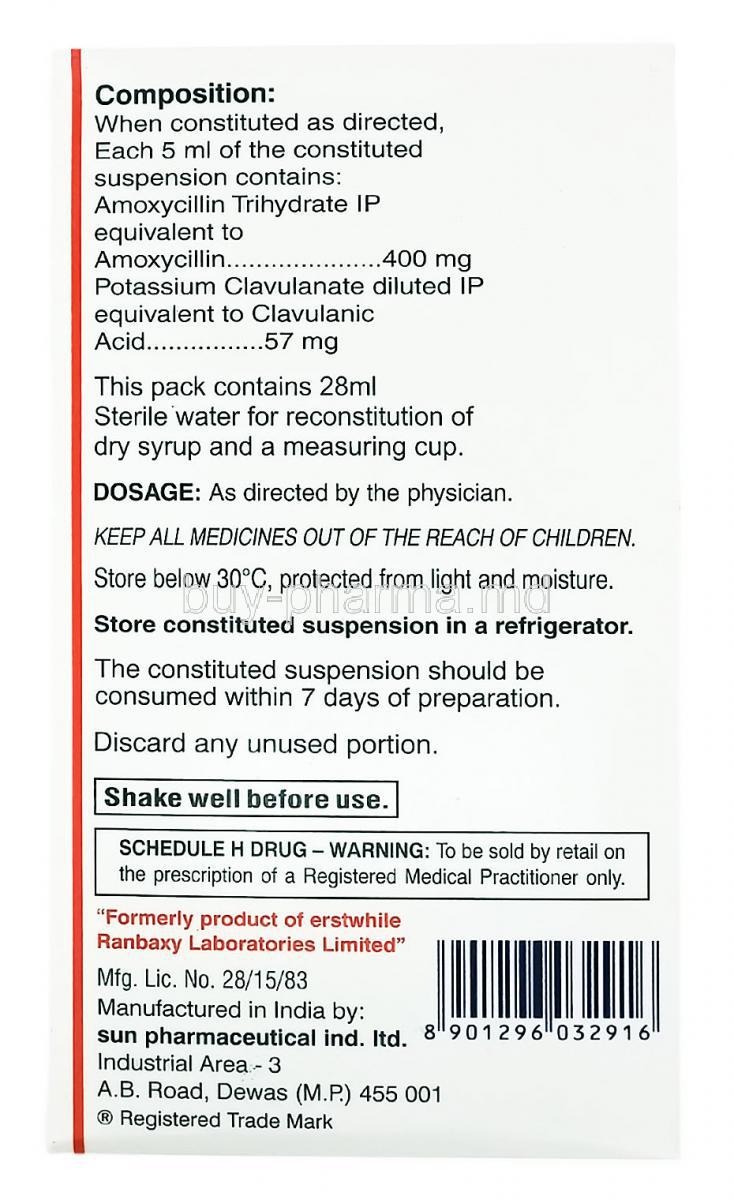
Moxclav Oral Suspension contains a fixed combination of Amoxicillin and Clavulanic Acid in carefully balanced ratios to optimize antibacterial potency while minimizing adverse effects. Each measured dose delivers a defined amount of active ingredients, ensuring precise therapeutic exposure.
Active Components
- Amoxicillin: A broad-spectrum semisynthetic penicillin effective against numerous Gram-positive and Gram-negative organisms
- Clavulanic Acid: A beta-lactamase inhibitor that protects Amoxicillin from enzymatic degradation
The formulation also includes pediatric-friendly excipients such as flavoring agents and stabilizers to enhance palatability and compliance. Multiple concentration strengths and pack sizes are available to accommodate varying clinical requirements.
Accurate dosing is essential. Caregivers should always use a calibrated measuring device rather than household utensils to avoid underdosing or toxicity.
---
3. Mechanism of Action: How Moxclav Works
The antibacterial activity of Moxclav is derived from a synergistic pharmacodynamic interaction. Amoxicillin exerts a bactericidal effect by inhibiting bacterial cell wall synthesis, leading to structural instability and cellular lysis.
However, many pathogenic organisms produce beta-lactamase enzymes that degrade penicillin-class antibiotics. Clavulanic Acid acts as a competitive inhibitor of these enzymes, thereby preserving the activity of Amoxicillin.
This dual mechanism provides:
- Expanded coverage against beta-lactamase–producing bacteria
- Activity against mixed infections
- Enhanced effectiveness in resistant strains
The antimicrobial spectrum includes numerous Gram-positive and Gram-negative organisms, making it clinically valuable in polymicrobial and complicated infections.
---
4. Approved Medical Uses of Moxclav Oral Suspension
4.1 Respiratory Tract Infections
Moxclav is frequently prescribed for upper and lower respiratory infections caused by susceptible organisms, including:
- Acute bacterial sinusitis
- Otitis media
- Tonsillitis and pharyngitis
- Acute bronchitis
- Community-acquired pneumonia
4.2 Urinary Tract Infections (UTIs)
- Acute cystitis
- Complicated or uncomplicated pyelonephritis
4.3 Skin and Soft Tissue Infections
- Cellulitis
- Impetigo
- Infected wounds, ulcers, and abscesses
4.4 Dental and Oral Infections
- Dental abscesses
- Periodontal infections
- Odontogenic infections
4.5 Bone and Joint Infections
In selected cases, Moxclav may be used as part of combination therapy for osteomyelitis and related infections.
---
5. Off-Label Uses of Amoxicillin/Clavulanic Acid
In addition to approved indications, clinicians may prescribe Moxclav for several off-label conditions based on clinical judgment and microbiological evidence.
- Human and animal bite wound infections
- Diabetic foot infections
- Acute exacerbations of chronic obstructive pulmonary disease (COPD)
- Prophylaxis for certain surgical or dental procedures
- Mild to moderate intra-abdominal infections
- Community-acquired polymicrobial infections
These uses rely on its broad-spectrum activity and reliability against mixed aerobic and anaerobic pathogens.
---
6. Dosage and Administration Guidelines
Dosing regimens are individualized according to body weight, infection severity, renal function, and clinical response. Pediatric dosing is typically calculated on a milligram-per-kilogram basis to ensure safe and effective therapy.
General administration principles include:
- Weight-based dosing for infants and children
- Standard adult dosing when appropriate
- Adjustment in moderate to severe infections
- Treatment duration tailored to infection type
If supplied as a dry powder, the suspension must be reconstituted using the recommended volume of water. Shake vigorously until a uniform mixture is obtained.
Additional guidance:
- Use an oral syringe or measuring cup for accuracy
- Administer with meals to reduce gastrointestinal irritation
- Complete the full prescribed course to prevent relapse and resistance
---
7. Administration in Special Populations
7.1 Administration to Children and Infants
Age-appropriate dosing is critical. Neonates and young infants may require extended dosing intervals due to immature renal function. Flavor-enhanced formulations improve acceptance and adherence.
7.2 Administration to Elderly Patients
Older adults may exhibit reduced renal clearance. Dose adjustment may be necessary. Clinical monitoring should focus on:
- Gastrointestinal tolerance
- Hepatic function
- Hydration status
7.3 Administration During Pregnancy
Clinical experience suggests relative safety when used appropriately. Therapy should be initiated only when clearly indicated, following a careful risk–benefit evaluation.
7.4 Administration During Breastfeeding
Small quantities may be excreted into breast milk. Infants should be monitored for:
- Diarrhea
- Oral thrush
- Allergic reactions
---
8. Common Side Effects of Moxclav Oral Suspension
Most adverse effects are mild and self-limiting. Gastrointestinal symptoms are the most frequently reported.
- Diarrhea
- Nausea or vomiting
- Abdominal discomfort
- Mild skin rash
- Oral or vaginal candidiasis
Taking the medication with food often reduces gastrointestinal intolerance.
---
9. Serious and Rare Side Effects
Although uncommon, severe adverse reactions may occur and require immediate medical attention.
- Anaphylaxis or severe hypersensitivity reactions
- Clostridioides difficile–associated colitis
- Hepatic dysfunction or cholestatic jaundice
- Severe dermatologic reactions such as Stevens–Johnson syndrome
- Rare hematologic abnormalities including cytopenias
Prompt discontinuation and medical evaluation are essential if serious symptoms develop.
---
10. Drug and Food Interactions
Clinically relevant interactions may alter the safety or effectiveness of therapy.
- Potentiation of anticoagulant effects with warfarin
- Possible reduction in oral contraceptive effectiveness
- Increased rash risk when combined with allopurinol
- Elevated antibiotic levels when taken with probenecid
Food does not significantly impair absorption and may improve gastrointestinal tolerance. Patients should inform healthcare providers about all concurrent medications, including over-the-counter products and supplements.
11. Contraindications
Moxclav Oral Suspension must not be administered in patients with known contraindications, as serious or life-threatening reactions may occur. Careful assessment of medical history is essential before initiating therapy.
- Hypersensitivity to beta-lactam antibiotics: Patients with a history of allergy to penicillins, cephalosporins, or other beta-lactam agents are at increased risk of severe reactions, including anaphylaxis.
- Previous cholestatic jaundice or hepatic dysfunction: Use is contraindicated in individuals who have experienced liver injury associated with Amoxicillin/Clavulanic Acid.
- Severe allergic reaction to any component: Prior angioedema, anaphylaxis, or severe cutaneous adverse reactions related to this formulation preclude its use.
Failure to recognize contraindications may result in serious morbidity. Alternative antimicrobial therapy should be considered in such cases.
---
12. Warnings and Important Precautions
Although generally well tolerated, Moxclav requires vigilant clinical oversight in certain circumstances. Specific risks must be anticipated and monitored throughout treatment.
- Hypersensitivity reactions: Even patients without a known allergy may develop urticaria, bronchospasm, or systemic anaphylaxis. Immediate discontinuation is required if allergic symptoms occur.
- Superinfection risk: Prolonged use may disrupt normal microbial flora, leading to fungal overgrowth or secondary infections such as oral candidiasis.
- Antibiotic resistance: Inappropriate use for non-bacterial illnesses promotes resistant organisms and reduces future treatment effectiveness.
- Infectious mononucleosis: Patients with this viral condition have a markedly increased risk of developing a generalized rash when exposed to aminopenicillins.
- Hepatic monitoring: Periodic liver function tests are recommended during extended therapy, particularly in older adults or patients with pre-existing liver disease.
- Renal impairment: Dose adjustment may be necessary to prevent drug accumulation and toxicity.
Prudent prescribing and ongoing assessment help mitigate these risks.
---
13. Careful Administration Guidelines
Optimal therapeutic outcomes depend on rational dosing and appropriate clinical judgment. The following principles support safe and effective administration:
- Use the lowest effective dose for the shortest duration necessary to control infection.
- Encourage adequate fluid intake to reduce the risk of crystalluria and support renal clearance.
- Monitor patients for persistent diarrhea, abdominal pain, or blood in stool, which may indicate antibiotic-associated colitis.
- Consider local antimicrobial resistance patterns when selecting therapy.
- Avoid use in viral infections such as the common cold or influenza, where antibiotics offer no benefit.
Judicious administration reduces complications and helps preserve antimicrobial efficacy.
---
14. Overdose Management
Overdose with Amoxicillin/Clavulanic Acid is uncommon but may occur due to dosing errors or accidental ingestion. Clinical manifestations typically involve gastrointestinal and metabolic disturbances.
- Nausea, vomiting, and severe diarrhea
- Fluid and electrolyte imbalance
- Abdominal pain or discomfort
In significant overdose, excessive urinary concentrations may lead to crystalluria, increasing the risk of renal irritation or obstruction.
Management strategies include:
- Immediate medical evaluation
- Supportive care and fluid replacement
- Monitoring of renal function and electrolyte levels
In severe cases, hemodialysis may be used to enhance drug elimination and stabilize the patient.
---
15. Storage and Stability Instructions
Proper storage is essential to maintain the stability and therapeutic potency of Moxclav Oral Suspension.
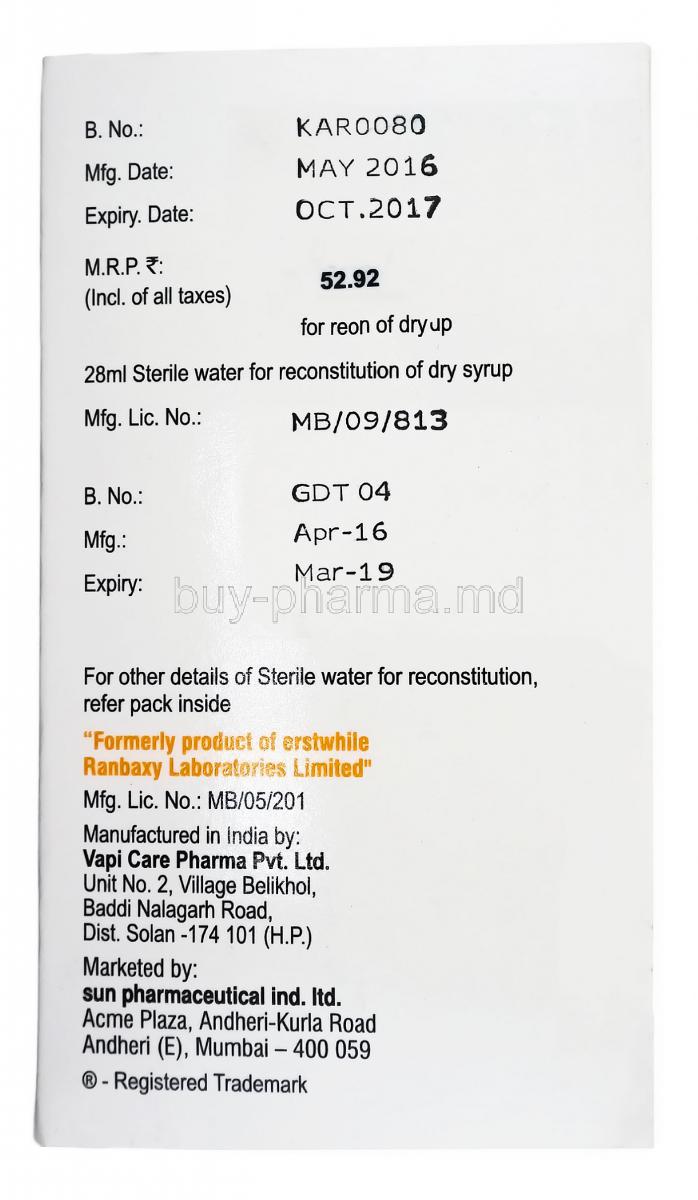
- Store the dry powder at controlled room temperature, protected from moisture and excessive heat.
- After reconstitution, refrigeration may be required depending on the product formulation.
- Do not freeze the suspension.
- Use the prepared suspension within the recommended time frame, typically within a limited number of days.
Unused or expired medication should be discarded appropriately and not retained for future use.
---
16. Handling Precautions
Correct handling ensures accurate dosing and prevents contamination.
- Reconstitute the powder using the exact volume of clean water specified in the product instructions.
- Shake vigorously to achieve a uniform suspension.
- Shake well before each administration to redistribute the active ingredients.
- Use a calibrated oral syringe or measuring cup for precise dosing.
- Keep the medication out of reach of children.
- Do not share antibiotics with others, even if symptoms appear similar.
Improper handling may compromise treatment effectiveness or increase the risk of adverse effects.
---
17. Patient Counseling and Safety Information
Effective patient education enhances adherence and reduces the likelihood of complications.
- Complete the full prescribed course, even if symptoms improve early.
- Do not skip doses or discontinue therapy without medical advice.
- Seek medical attention if symptoms worsen or fail to improve within a few days.
Patients and caregivers should be instructed to recognize warning signs of allergic reactions, including:
- Skin rash or hives
- Swelling of the face, lips, or throat
- Difficulty breathing
Responsible antibiotic use is critical. Avoid unnecessary use and never store leftover medication for self-treatment. These practices help prevent antimicrobial resistance and protect long-term treatment effectiveness.
Customers also bought


Popular Products
Similar Product