
1. Introduction
1.1 Overview of Myosone (Eperisone Hydrochloride)
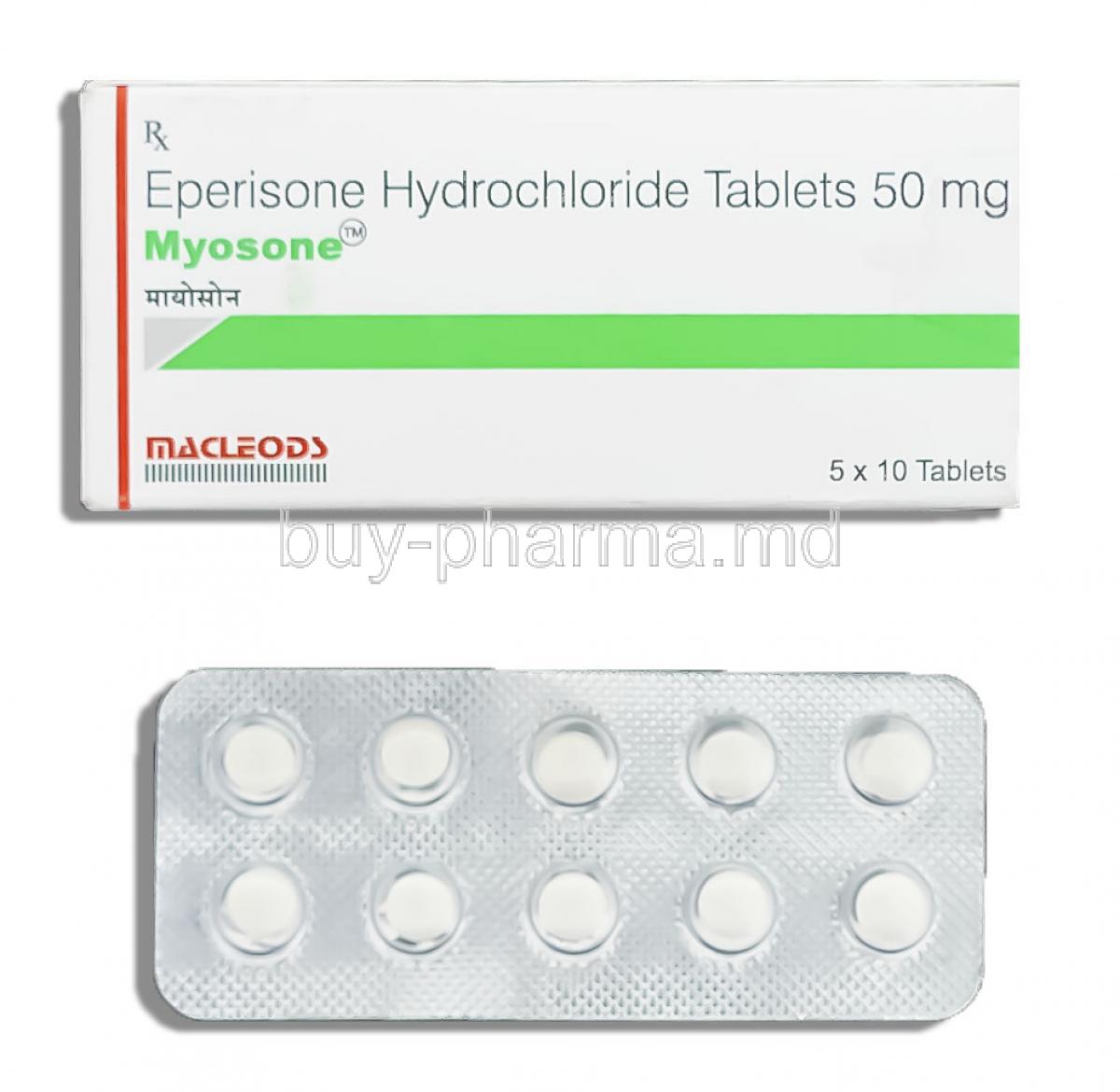
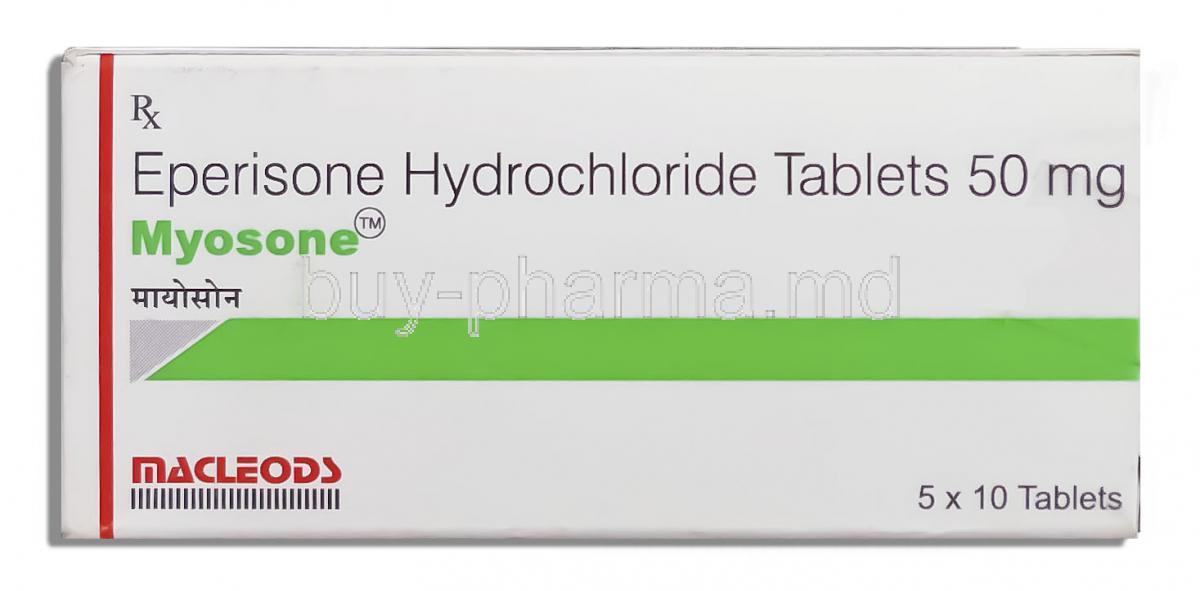
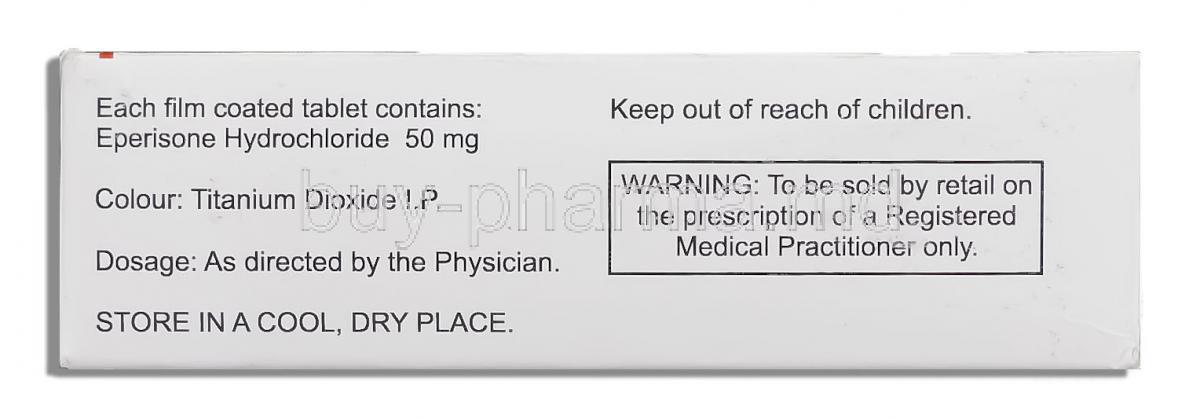
Myosone, containing the active compound Eperisone Hydrochloride, is a centrally acting muscle relaxant widely used to alleviate involuntary muscle tension. It helps reduce muscular rigidity, pain, and stiffness associated with both acute and chronic conditions. This medication is often preferred for its balanced profile of efficacy and tolerability.
1.2 Classification: Centrally Acting Muscle Relaxant
Eperisone belongs to a unique class of muscle relaxants that act primarily on the central nervous system. Unlike peripherally acting agents, it modulates neural pathways involved in muscular contraction and pain perception, leading to a controlled reduction in muscle tone.
1.3 Therapeutic Role in Musculoskeletal and Neurological Conditions
Myosone plays a crucial role in the management of various musculoskeletal and neurological disorders. It is particularly beneficial in conditions involving excessive muscle contraction such as:
- Spinal cord diseases
- Neck and back muscle stiffness
- Post-traumatic muscle spasms
- Neuropathic muscle hypertonicity
1.4 Key Benefits and Clinical Importance
The medication provides several indispensable benefits including improved mobility, reduction in pain-induced disability, and enhanced quality of life. Its vasodilatory effects help restore normal blood flow to affected muscles, enabling faster recovery.
2. Composition
2.1 Active Ingredient: Eperisone Hydrochloride
The primary therapeutic component is Eperisone Hydrochloride, a potent muscle relaxant engineered to modulate spinal reflex activity and muscle tone.
2.2 Available Strengths and Formulations
Myosone is commonly available in tablet form with standard strengths such as 50 mg and 100 mg. These strengths help clinicians tailor therapy based on the patient’s needs and treatment goals.
2.3 Inactive Ingredients and Excipients Overview
In addition to the active molecule, tablets may include excipients such as microcrystalline cellulose, lactose, corn starch, and magnesium stearate. These ingredients enable stability, absorption, and uniformity.
3. Mechanism of Action (How It Works)
3.1 Central Muscle Relaxation Through Spinal Reflex Suppression
Eperisone suppresses spinal reflex pathways that trigger involuntary muscle contractions. By stabilizing these pathways, it diminishes spasm frequency and intensity.
3.2 Peripheral Vasodilation and Improvement of Blood Flow
The medication induces vasodilation of peripheral vessels, enhancing muscle oxygenation. Better circulation promotes pain relief and tissue healing.
3.3 Neuromodulation of Gamma and Alpha Motor Neurons
Myosone modulates the excitability of gamma and alpha motor neurons, reducing excessive muscle tone. This dual modulation is key to achieving sustained relaxation.
3.4 Reduction of Muscle Hypertonicity and Pain Perception
By interrupting pain-signal transmission, Eperisone helps reduce discomfort associated with muscle stiffness, enabling patients to regain functional mobility.
4. Therapeutic Uses
4.1 Relief of Muscle Spasm and Stiffness
Myosone is widely prescribed for the reduction of acute and chronic muscle spasms due to overuse, injury, or neurological dysfunction.
4.2 Treatment of Low Back Pain and Lumbago
Low back pain, often linked to muscular hyperactivity, responds favorably to Eperisone therapy as it helps reduce deep muscle tension.
4.3 Management of Cervical Spondylosis and Neck Pain
The medication eases cervical muscle stiffness commonly seen in cervical spondylosis, improving neck flexibility and reducing nerve compression symptoms.
4.4 Adjunctive Therapy in Post-operative Muscular Pain
Surgeries involving the spine or joints frequently lead to muscle spasms; Myosone assists in alleviating these discomforts.
4.5 Improvement of Muscle Rigidity in Neurological Disorders
Conditions such as stroke, multiple sclerosis, or cerebral palsy may present with muscle rigidity. Eperisone supports better motor control in such cases.
4.6 Use in Spinal Cord Disease–Related Muscle Spasticity
Spinal cord injuries often result in abnormal muscle contractions. Myosone helps regulate these patterns, improving functional outcomes.
5. Off-Label Uses
5.1 Tension Headache and Myofascial Pain Syndrome
Myosone is occasionally utilized to relieve tension-type headaches caused by persistent muscular tightness in the neck and scalp.
5.2 Fibromyalgia-Associated Muscular Discomfort
Patients with fibromyalgia may experience alleviation in diffuse muscle pain through Eperisone’s neuromodulatory actions.
5.3 Temporomandibular Joint (TMJ) Muscle Dysfunction
The drug may help reduce jaw muscle tightness associated with TMJ dysfunction.
5.4 Painful Diabetic Neuropathy Supportive Treatment
Some practitioners use Eperisone to relieve neuropathic discomfort due to its combined analgesic and muscle-relaxant effects.
5.5 Adjunctive Use in Rehabilitation Following Injury
During rehabilitation regimens, decreasing muscle stiffness can enhance therapeutic outcomes and mobility.
6. Dosage and Administration
6.1 Standard Adult Dosage Recommendations
The typical dosage for adults is 50 mg taken two to three times daily after meals. Clinicians may modify this based on patient response.
6.2 Dose Adjustment Based on Condition Severity
Severe muscle spasticity may require higher frequencies, whereas mild cases may respond to reduced dosing.
6.3 Timing and Frequency of Administration
Administering Myosone after meals helps minimize the risk of gastrointestinal discomfort.
6.4 Maximum Daily Dose and Duration of Therapy
The total daily dose generally should not exceed 150 mg unless specifically advised. Duration depends on clinical progress.
6.5 Missed Dose Instructions
If a dose is missed, it should be taken promptly unless the next scheduled dose is near. Doubling doses is discouraged.
6.6 Important Administration Tips for Optimal Results
- Avoid alcohol consumption while on therapy.
- Maintain a consistent dosing schedule.
- Monitor for dizziness or lightheadedness.
7. Administration in Special Populations
7.1 Administration to Elderly Patients
7.1.1 Adjustments for Reduced Metabolism
Elderly patients may exhibit slower drug clearance, requiring cautious dose selection.
7.1.2 Increased Sensitivity to Side Effects
Older adults are more prone to adverse reactions like hypotension and dizziness.
7.2 Administration to Pregnant Women
7.2.1 Safety Classification and Available Human Data
Use during pregnancy should only follow medical supervision due to limited human safety studies.
7.2.2 Risk–Benefit Assessment
Therapy should be considered only if the expected benefits outweigh potential fetal risks.
7.3 Administration to Nursing Mothers
7.3.1 Excretion into Breast Milk
Small amounts may pass into breast milk; caution is advised.
7.3.2 Infant Monitoring Considerations
Infants should be monitored for unusual drowsiness or feeding difficulties.
7.4 Administration to Children
7.4.1 Evidence for Use in Pediatric Muscle Spasm
Pediatric use is limited and must depend on professional judgment.
7.4.2 Safety and Dosage Limitations
Lower doses are required, and long-term use is discouraged.
8. Side Effects
8.1 Overview of Adverse Reaction Profile
Myosone is generally well tolerated but may cause mild-to-moderate adverse effects, most of which are transient.
8.2 Cardiovascular Effects (e.g., hypotension)
Occasional drops in blood pressure may occur, especially in sensitive individuals.
8.3 Neurological Effects (e.g., dizziness, drowsiness)
CNS effects are the most common complaints, often resolving with continued use.
8.4 Gastrointestinal Effects (e.g., nausea, abdominal discomfort)
Mild digestive disturbances may arise, typically lessened when taken with meals.
8.5 Dermatological Reactions (e.g., rash, urticaria)
Skin reactions are rare but may indicate hypersensitivity.
8.6 Rare but Serious Reactions
Very rarely, severe allergic responses or profound hypotension may develop, requiring urgent care.
9. Common Side Effects
9.1 Fatigue and Lightheadedness
These symptoms often occur as the body adapts to the medication.
9.2 Headache and Drowsiness
Transient headaches or drowsiness may be observed in early treatment stages.
9.3 Gastrointestinal Upset
Symptoms include mild nausea or bloating.
9.4 Mild Hypotension
A slight reduction in blood pressure can occur, especially with higher doses.
9.5 Sweating or Warm Sensation
Some individuals report a temporary feeling of warmth or increased perspiration.
10. Drug Interactions
10.1 Interactions with CNS Depressants (e.g., sedatives, alcohol)
Concurrent use amplifies sedative effects and increases the risk of drowsiness.
10.2 Interaction with Antihypertensive Medications
Combining Myosone with blood pressure–lowering drugs may intensify hypotensive effects.
10.3 Interaction with Muscle Relaxants and Spasmolytics
Co-administration may enhance muscle weakness and sedation.
10.4 Potential Interference with Neuropathic Pain Medications
Certain neuropathic pain agents may potentiate CNS depressive effects when used with Myosone.
11. Warnings
11.1 Risk of Excessive Central Nervous System Depression
Eperisone may potentiate central nervous system depression, leading to symptoms such as profound drowsiness, slowed cognitive responses, and reduced psychomotor coordination. These effects may be amplified when combined with sedatives, alcohol, or other CNS-active agents. Some individuals may experience unexpected fatigue or diminished alertness even at standard doses.
11.2 Risk of Orthostatic Hypotension
A noticeable drop in blood pressure may occur when rising from a seated or lying position. This phenomenon, known as orthostatic hypotension, can result in dizziness, blurred vision, or fainting. To mitigate this risk:
- Stand up gradually after resting.
- Remain still for a few seconds before walking.
- Monitor for symptoms such as instability or lightheadedness.
11.3 Avoiding Activities Requiring Mental Alertness
The sedative potential of Myosone may impair the ability to perform tasks requiring full concentration. Driving, operating heavy machinery, or engaging in high-precision work should be avoided until an individual fully understands how the medication affects them. Sudden lapses in alertness can pose significant safety hazards.
11.4 Use with Caution in Cardiovascular Disease
Patients with existing cardiovascular conditions—such as arrhythmias, ischemic heart disease, or chronic hypertension—require careful monitoring. Eperisone’s vasodilatory properties may exacerbate symptoms in susceptible individuals. A thorough cardiovascular assessment is recommended before initiating therapy.
12. Contraindications
12.1 Known Hypersensitivity to Eperisone or Related Compounds
Individuals with a known allergy to Eperisone or structurally related muscle relaxants should avoid use entirely. Hypersensitivity may present as rash, pruritus, swelling, or in severe cases, anaphylaxis.
12.2 Severe Hepatic Dysfunction
Since Eperisone is metabolized largely through hepatic pathways, severe liver impairment markedly increases the risk of toxicity. Such patients should not receive Myosone under any circumstance.
12.3 Contraindication in Patients with Severe Hypotension
Those with chronically low blood pressure or conditions that predispose them to severe hypotension are at heightened risk of collapse or syncope when using this medication.
12.4 Contraindicated in Epilepsy or Seizure Disorders (Risk of Lowering Threshold)
Eperisone may reduce seizure thresholds, potentially precipitating convulsions in vulnerable individuals. Patients with epilepsy or a history of seizures should avoid treatment.
13. Careful Administration
13.1 Patients with Liver Impairment
Reduced hepatic function may prolong drug exposure. Dose modification or enhanced monitoring is essential to avoid accumulation and adverse effects.
13.2 Patients with Renal Insufficiency
Renal impairment may influence systemic clearance. Although less pronounced than hepatic metabolism, caution remains necessary for individuals with significant kidney dysfunction.
13.3 Individuals Prone to Low Blood Pressure
Patients with baseline hypotension may experience pronounced blood pressure reduction. Symptoms such as faintness, cold extremities, or palpitations should be promptly evaluated.
13.4 Patients Using Anticoagulants or Antiplatelet Drugs
Co-administration with anticoagulant or antiplatelet therapy may increase bleeding risk, especially in those with fragile vascular systems. Close medical supervision is essential.
13.5 Co-administration with Muscle Relaxants or Sedatives
Concurrent use with other CNS depressants or muscle relaxants may amplify sedation, muscular weakness, and psychomotor impairment. Dosage adjustments may be required.
14. Important Precautions
14.1 Avoiding Sudden Posture Changes to Prevent Dizziness
Sudden posture transitions can trigger dizziness or imbalance due to transient blood pressure shifts. Patients should adopt a slow, deliberate approach when changing positions.
14.2 Monitoring for Allergic Reactions
Unusual skin eruptions, swelling, or respiratory difficulty warrant immediate medical attention. Early signs of hypersensitivity must not be ignored.
14.3 Limiting Alcohol Consumption
Alcohol synergizes with Eperisone, intensifying CNS depression. Limiting or completely avoiding alcohol is strongly advised.
14.4 Safe Discontinuation After Long-Term Use
Long-term therapy should not be halted abruptly. Gradual dose reduction may help prevent rebound muscle stiffness or discomfort.
14.5 Avoiding Use During Driving or Operating Machinery
As drowsiness and slowed reaction times may occur, operating equipment or vehicles increases the risk of injury. Patients should assess their tolerance before engaging in such activities.
15. Overdosage
15.1 Symptoms of Eperisone Overdose
Symptoms may include severe dizziness, marked hypotension, vomiting, tremors, respiratory depression, or loss of consciousness. In extreme cases, convulsions or cardiovascular collapse may occur.
15.2 Emergency Management and Stabilization
Immediate emergency care is required. Supportive stabilization—such as airway maintenance, oxygen supplementation, and intravenous fluids—may be necessary. Gastric decontamination may be considered if presentation is early.
15.3 Role of Supportive Treatment and Monitoring
Continuous monitoring of cardiac rhythm, respiratory status, and hemodynamic parameters is essential. There is no specific antidote; management is symptomatic.
16. Storage
16.1 Recommended Temperature and Light Conditions
Store the medication at controlled room temperature, ideally between 20°C and 25°C. Keep tablets away from direct sunlight and excessive humidity.
16.2 Protecting Tablets from Moisture and Heat
Moisture and heat may degrade the formulation. Tablets should remain in their original packaging until use.
16.3 Safe Storage Away from Children
To prevent accidental ingestion, keep the medication in a secure location inaccessible to children.
16.4 Shelf Life and Disposal Guidelines
Do not use the medication past its expiration date. Unused or expired tablets should be disposed of according to local pharmaceutical waste protocols.
17. Handling Precautions
17.1 Safe Handling for Healthcare Providers
Healthcare professionals should adhere to standard safety practices, including proper hygiene and avoiding unnecessary direct contact with broken tablets.
17.2 Avoiding Crushing or Chewing Unless Recommended
Tablets should generally be swallowed whole unless a healthcare provider instructs otherwise. Crushing may alter pharmacokinetics or increase irritation.
17.3 Disposal of Expired or Unused Medication
Expired or unused products should be discarded safely. Utilizing medication disposal programs or pharmacy return options helps prevent environmental contamination and accidental ingestion.

Customers also bought



Popular Products


Similar Product