Introduction
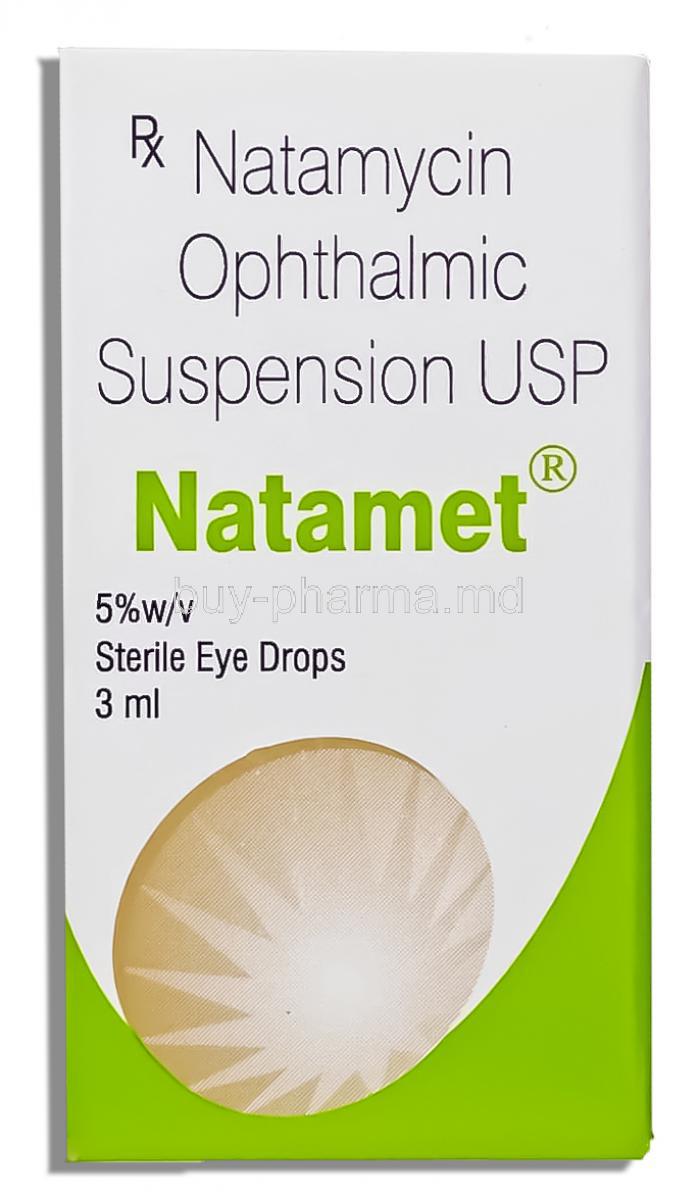
Natamet Eye Drops belong to the class of antifungal ophthalmic agents used to treat infections caused by fungi in and around the eye. The formulation contains natamycin, a polyene macrolide antifungal derived from Streptomyces natalensis, known for its potent ability to inhibit fungal growth on ocular surfaces.
Since its introduction in the mid-20th century, natamycin has become a cornerstone in the management of fungal keratitis and related ocular mycoses. Unlike antibiotics or antivirals, antifungal ophthalmic preparations like Natamet address infections that often develop in humid climates or after corneal injury involving organic matter.
The significance of antifungal therapy in ophthalmology lies in its ability to preserve vision and prevent permanent corneal scarring. Fungal infections of the eye can progress rapidly if untreated, and Natamet provides targeted, localized antifungal action to control and eradicate the infection effectively.
Composition and Formulation
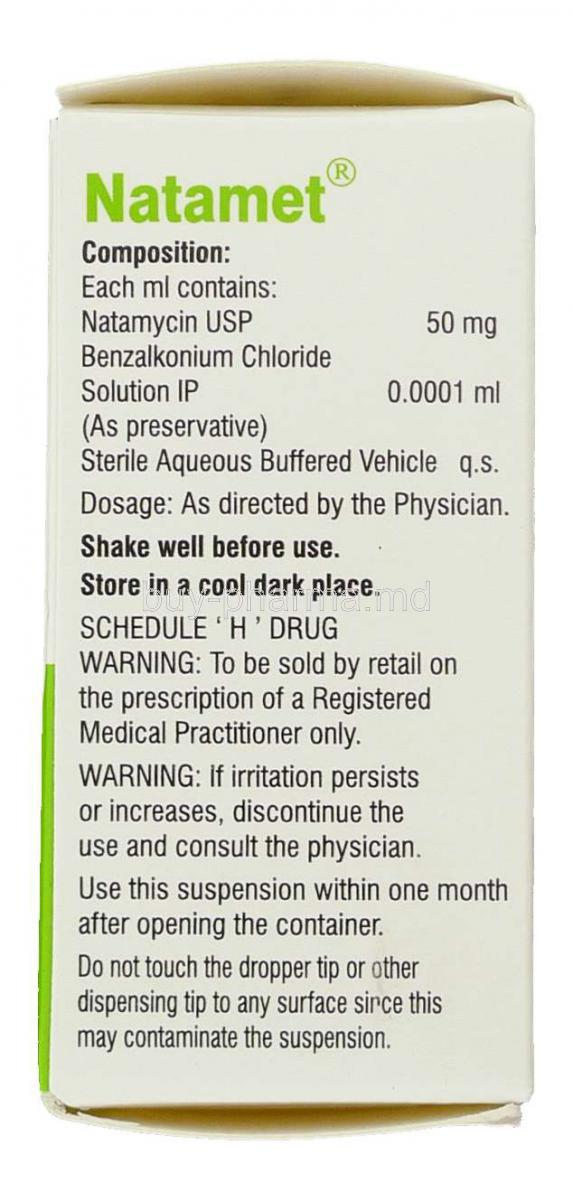
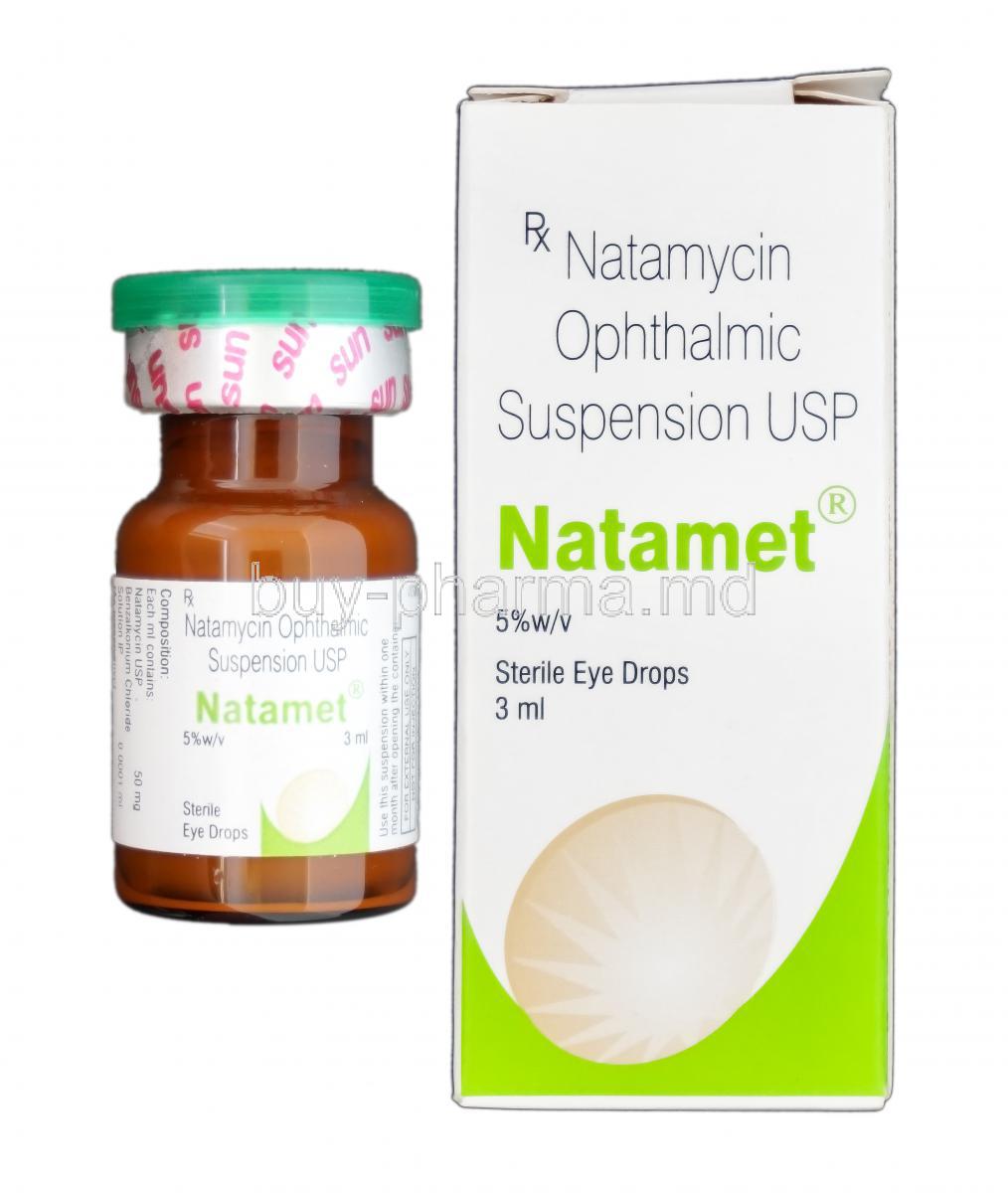
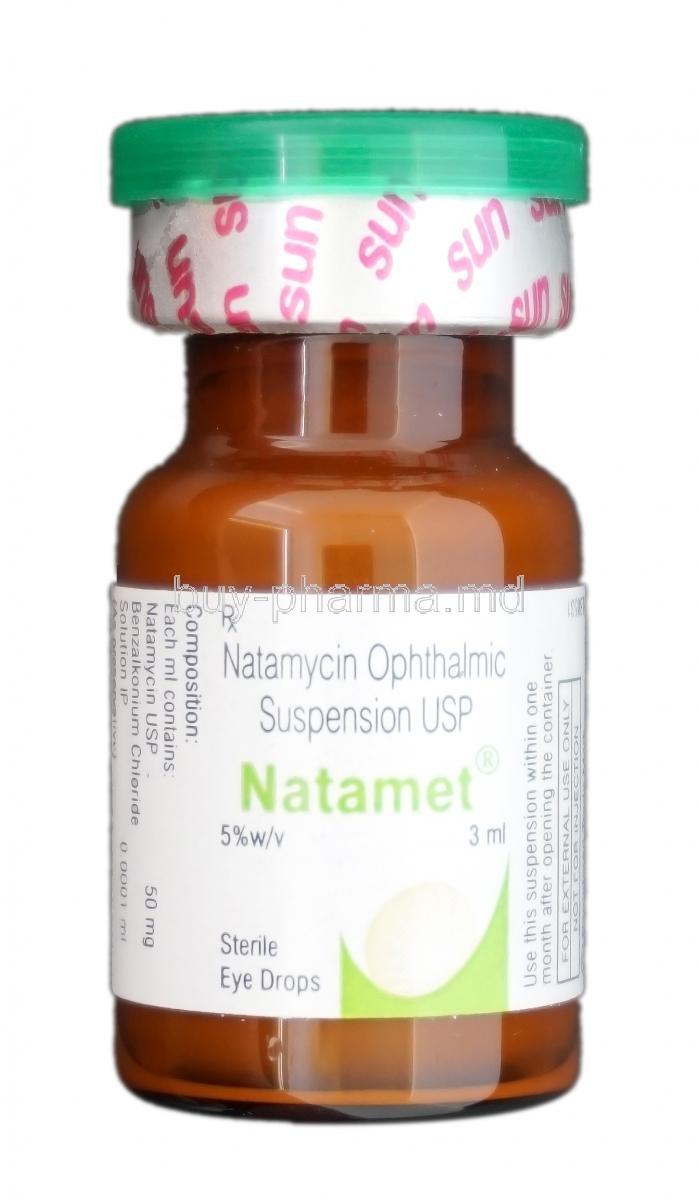
Each milliliter of Natamet Eye Drops contains Natamycin 5% w/v as the active ingredient. This concentration delivers sufficient therapeutic activity to eliminate fungal pathogens without causing significant irritation or toxicity.
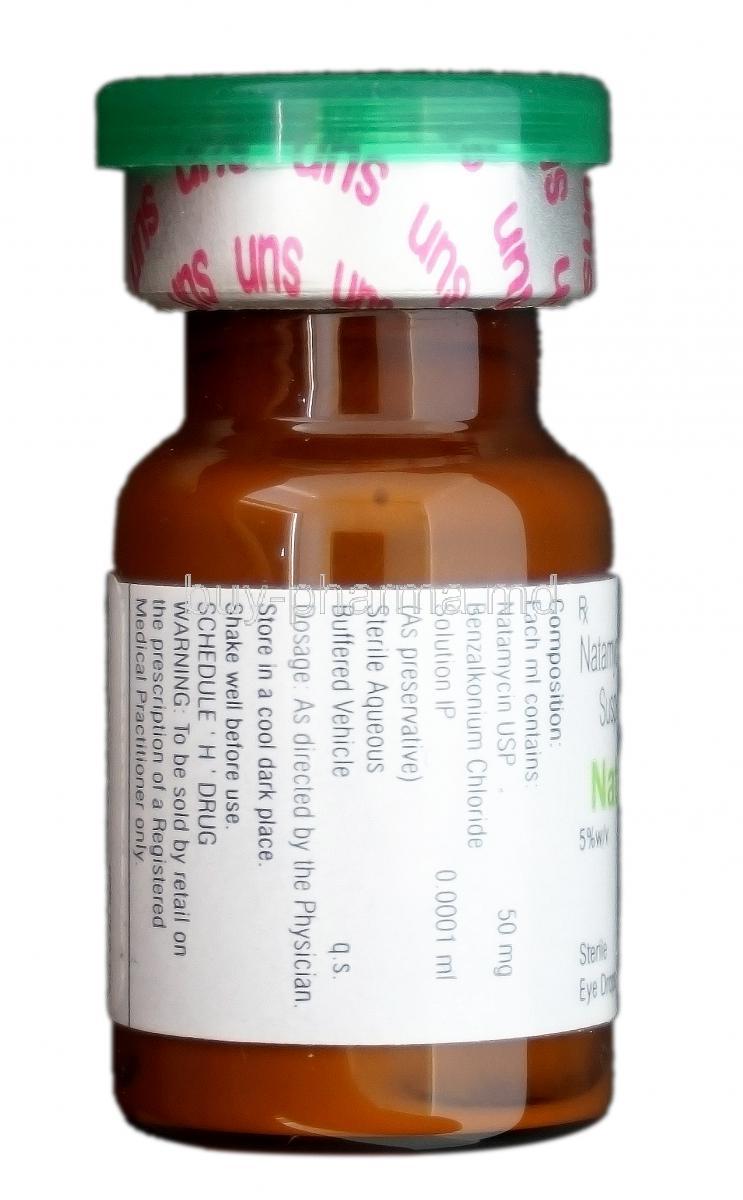
Inactive components include stabilizers, purified water, and buffering agents to maintain pH balance suitable for ocular application. A mild preservative ensures sterility during use and prevents microbial contamination after opening.
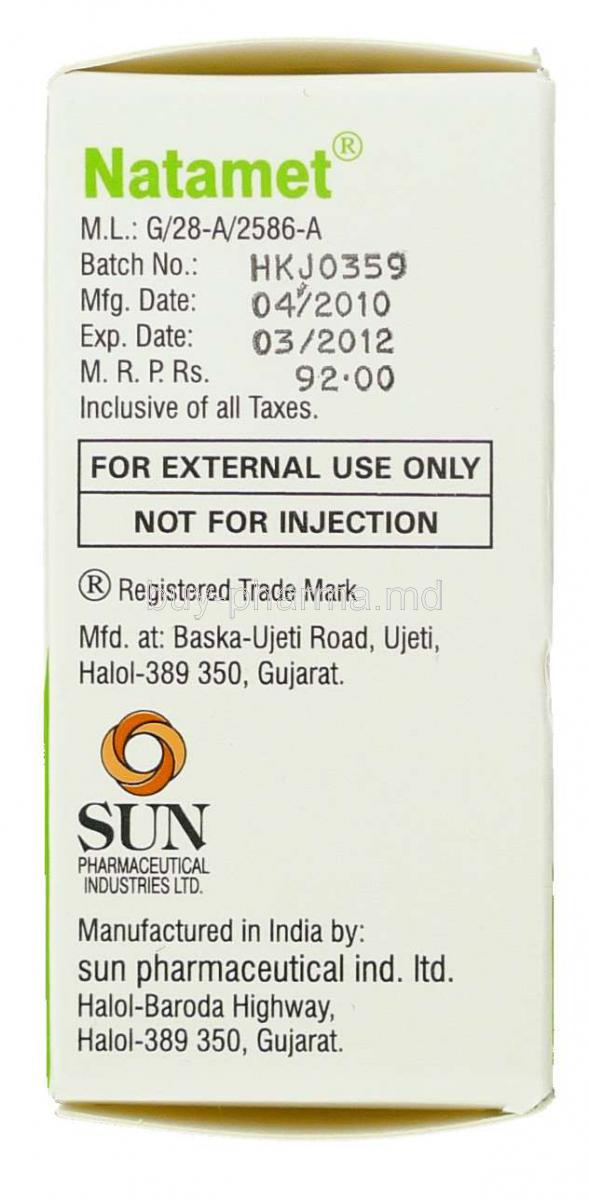
The preparation is available in sterile ophthalmic dropper bottles, typically in 5 mL and 10 mL sizes, designed for ease of administration and minimal wastage. The opaque packaging helps protect the sensitive antifungal compound from light degradation.
Mechanism of Action
Natamycin exerts its antifungal effect by binding specifically to ergosterol, a vital sterol component of fungal cell membranes. This interaction disrupts the structural integrity of the membrane, leading to altered permeability and inhibition of nutrient transport.
Unlike some antifungals that cause direct membrane rupture, natamycin primarily interferes with membrane function, leading to a gradual inhibition of fungal growth rather than immediate cell lysis. This unique mechanism minimizes inflammation during therapy.
- Target pathogens: Fusarium species, Aspergillus species, and Candida species
- Selective toxicity: Natamycin binds to ergosterol but not to cholesterol in human cell membranes, ensuring a favorable safety profile.
- Comparative efficacy: While amphotericin B and voriconazole are used systemically or for severe infections, natamycin remains the first-line topical treatment for superficial fungal keratitis due to its broad coverage and minimal systemic absorption.
Therapeutic Uses
Natamet Eye Drops are primarily indicated for the treatment of fungal infections affecting the external structures of the eye. It acts directly on the site of infection, offering localized antifungal activity with minimal systemic exposure.
Fungal Keratitis (Keratomycosis)
The most common indication for Natamet is fungal keratitis—an infection of the cornea that can lead to severe pain, blurred vision, and ulceration. Early administration helps halt disease progression and prevents vision loss.
Fungal Blepharitis and Conjunctivitis
Natamycin is also used in managing fungal blepharitis (eyelid infection) and fungal conjunctivitis (inflammation of the conjunctiva). It reduces redness, irritation, and discharge associated with fungal colonization.
Adjunctive and Preventive Therapy
Postoperative fungal infections, especially after ocular trauma or surgery, may benefit from Natamet as an adjunct to systemic therapy. In high-risk patients—such as those with chronic ocular surface disease—Natamet may be used prophylactically to prevent recurrence.
Off-Label and Investigational Uses
Beyond its approved ophthalmic indications, Natamet has been studied for potential off-label applications. Some clinicians explore its use in mixed bacterial–fungal ocular infections, where its broad antifungal spectrum complements antibacterial agents.
Research also investigates topical natamycin for fungal otitis externa (outer ear infection) and nasal fungal infections. Although systemic absorption through ocular tissues is minimal, ongoing studies evaluate whether natamycin could have therapeutic potential in systemic fungal diseases when delivered via novel formulations.
Dosage and Administration
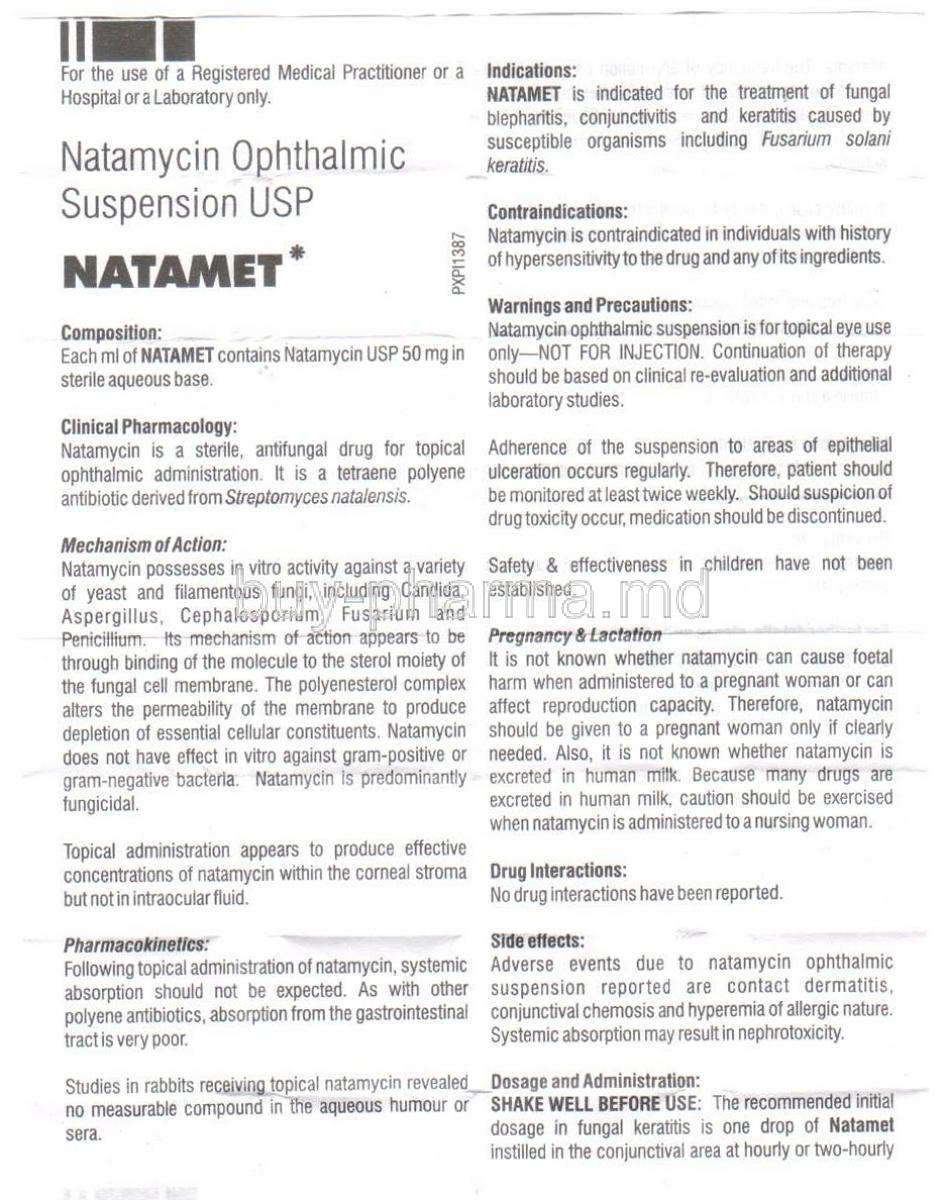
The recommended dosage of Natamet Eye Drops for adults typically involves instilling one drop into the affected eye every one to two hours during the initial phase of treatment. Once improvement occurs, dosing frequency can be reduced to four to six times daily.
- Severity-based adjustment: Severe infections may require higher frequency or extended duration of treatment.
- Duration of therapy: Treatment usually continues for 14–21 days or until full resolution of infection is achieved.
- Missed dose: Apply as soon as remembered; avoid doubling the next dose.
- Overdose: Accidental overuse rarely causes systemic toxicity but may increase local irritation; rinse with clean water and seek medical advice if necessary.
Patients should maintain hygiene by washing hands before and after application. The dropper tip must not touch the eye or any surface to prevent contamination. Consistent use as directed ensures optimal antifungal efficacy.
How to Use Natamet Eye Drops Properly
To achieve the best results and minimize complications, proper administration technique is crucial:
- Wash hands thoroughly and tilt the head slightly backward.
- Gently pull down the lower eyelid to form a small pocket.
- Instill one drop into the conjunctival sac, avoiding direct contact with the dropper tip.
- Close the eye gently for 1–2 minutes to allow even distribution.
Contact lenses should not be worn during the active infection phase. If necessary, wait at least 15 minutes after administration before reinserting lenses. Patients should monitor for local irritation or allergic reactions and report any severe discomfort to a healthcare provider.
Side Effects
Natamet is generally well tolerated, with most adverse effects being mild and transient. The localized action of natamycin minimizes systemic side effects.
Common Side Effects
- Mild eye irritation or stinging sensation
- Temporary redness or itching
- Short-term blurred vision immediately after instillation
Serious or Rare Adverse Effects
- Allergic hypersensitivity reactions characterized by swelling, pain, or rash
- Corneal inflammation or edema in rare cases of prolonged use
In most cases, side effects resolve spontaneously as treatment continues. However, persistent irritation or worsening symptoms require prompt medical evaluation.
Drug Interactions
Natamet (Natamycin Eye Drops) may interact with other ophthalmic or systemic agents, influencing therapeutic response and ocular tolerance. Awareness of potential interactions ensures safe and effective antifungal therapy.
Interaction with Other Topical Ophthalmic Preparations
When used alongside other ophthalmic solutions or ointments, the absorption and efficacy of natamycin may vary. To prevent dilution or chemical incompatibility:
- Allow an interval of at least 10–15 minutes between different eye medications.
- Instill Natamet first if it is the primary antifungal therapy.
- Avoid mixing solutions directly in the conjunctival sac.
Concurrent Use with Corticosteroid Eye Drops
Corticosteroids may suppress local immune defenses and promote fungal persistence. If co-administered, the physician must closely monitor clinical response to avoid masking underlying fungal progression. Short-term corticosteroid use may be justified only in cases of severe inflammation with strict medical supervision.
Potential Alteration in Drug Absorption with Systemic Antifungals
Systemic antifungal agents such as fluconazole or itraconazole may enhance or modulate local antifungal activity. However, they can also affect ocular pharmacodynamics by altering corneal permeability. Clinical evaluation is required before combining systemic and topical antifungal therapies.
Contraindications
Natamet should not be administered under certain clinical conditions due to risk of adverse outcomes or therapeutic ineffectiveness.
- Known hypersensitivity: Patients with allergies to natamycin or any excipients in the formulation should avoid use.
- Non-fungal infections: Do not use for viral keratitis, bacterial conjunctivitis, or herpetic eye infections. Incorrect use may delay accurate diagnosis and exacerbate disease.
Warnings and Important Precautions
Adherence to medical supervision and precautionary measures ensures optimal outcomes and prevents relapse or ocular damage.
- Confirmed fungal diagnosis: Laboratory identification of fungal pathogens should precede therapy to avoid misdiagnosis.
- Completion of therapy: Premature discontinuation can lead to recurrence or resistance development.
- Contact lenses: Remove lenses prior to instillation and avoid wearing them during active infection.
- Transient visual disturbances: Blurred vision may occur briefly after administration; avoid driving or operating machinery immediately afterward.
Careful Administration
Certain conditions require close observation and individualized treatment adjustments.
- Preexisting ocular surface disease: Patients with chronic keratitis or dry eye may exhibit increased sensitivity.
- Corneal epithelial defects or ulcers: Use with caution, as drug penetration may increase and cause irritation.
- Concurrent ophthalmic therapy: Combine with other medications only under medical guidance to prevent pharmacological interference.
Administration to Special Populations
Elderly Patients
Age-related reductions in tear production and ocular surface resilience can affect drug distribution. Despite this, Natamet is typically well-tolerated among geriatric users.
- Dosage: Standard adult dosing is generally appropriate, though frequent monitoring is advised.
- Tolerance: No significant age-specific adverse effects have been reported, but ocular fragility necessitates gentle handling.
Pregnant Women and Nursing Mothers
Limited human data are available regarding the use of natamycin during pregnancy. Animal studies suggest minimal systemic absorption, indicating a low risk to fetal development.
- FDA Category: Classified as Category C – use only if potential benefits outweigh potential risks.
- Risk–benefit analysis: In cases of severe fungal keratitis threatening vision, therapy may be justified under medical supervision.
- Lactation: Since systemic absorption is negligible, excretion into breast milk is unlikely. Nevertheless, caution is advised.
Pediatric Use
Natamet may be used in children and infants with fungal eye infections under close medical guidance.
- Safety and efficacy: Clinical experience supports its tolerability in pediatric patients.
- Dosing adjustments: Frequency may be reduced in neonates or younger children to minimize irritation while maintaining efficacy.
Overdosage
Topical overuse of Natamet is rare but may cause temporary ocular discomfort. Accidental oral ingestion, especially in children, should be managed promptly.
- Symptoms: Excessive tearing, redness, or mild burning sensation.
- Management: Rinse the affected eye with sterile saline or water. Seek medical attention for persistent discomfort or ingestion incidents.
- Supportive care: No specific antidote exists; treatment focuses on symptomatic relief and monitoring.
Storage and Handling Precautions
Proper storage and handling maintain the efficacy and sterility of Natamet Eye Drops throughout their shelf life.
- Temperature: Store below 25°C (77°F) and protect from direct light exposure.
- Shelf life: Refer to package labeling; typically stable for 24 months unopened.
- After opening: Use within 4 weeks to ensure sterility.
- Disposal: Discard any unused or expired product safely according to local pharmaceutical waste guidelines.
- Contamination prevention: Do not touch the dropper tip to any surface or the eye itself.
Clinical Pharmacology
Pharmacokinetics: Natamycin demonstrates limited corneal penetration, confining its activity primarily to the superficial layers of the eye. This property ensures localized treatment with negligible systemic absorption.
Systemic Exposure: Detectable plasma concentrations are rare even with frequent instillation. This makes Natamet suitable for prolonged ocular therapy with minimal systemic side effects.
Resistance Profile: Resistance development among fungal species remains low due to natamycin’s unique mechanism of ergosterol binding. Most Fusarium and Aspergillus strains retain susceptibility, supporting its continued clinical relevance.
Patient Counseling Information
Effective treatment relies on strict adherence and patient awareness. Healthcare providers should emphasize the following counseling points:
- Use Natamet exactly as prescribed; do not discontinue early even if symptoms improve.
- Maintain hygiene during instillation and store in a clean, cool place.
- Expect temporary blurred vision or mild irritation; these effects are short-lived.
- Report severe pain, swelling, discharge, or worsening redness immediately.
- Regular follow-up examinations are crucial to monitor therapeutic progress and ensure infection resolution.
Adherence to these recommendations enhances recovery, minimizes complications, and preserves long-term ocular health.
 Verified Purchase
Natamycin

Natamet, Natamycin Eye Drops FAQ
Customers also bought

Popular Products
Similar Product