
1. Introduction to Novaclav (Amoxicillin/Clavulanic Acid)
1.1 What is Novaclav?
Novaclav is a combination antibacterial formulation composed of amoxicillin and clavulanic acid, designed to combat a wide spectrum of bacterial pathogens. It is frequently prescribed in both community and hospital settings. Its dual-component structure enhances efficacy where standard penicillin derivatives may falter.
1.2 Therapeutic Class and Drug Category (Penicillin Antibiotic + Beta-Lactamase Inhibitor)
This medication belongs to the beta-lactam antibiotic class. More specifically, it integrates:
- A penicillin derivative (amoxicillin)
- A beta-lactamase inhibitor (clavulanic acid)
The combination extends antimicrobial coverage. It neutralizes resistant bacterial enzymes that would otherwise degrade the antibiotic.
1.3 Brand vs Generic Overview
Novaclav represents a branded formulation of amoxicillin/clavulanic acid. Generic equivalents contain identical active ingredients but may differ in excipients, manufacturing origin, and cost efficiency. Therapeutic equivalence is maintained when produced under regulatory standards.
1.4 Historical Development and Clinical Use
The development of clavulanic acid marked a pivotal advance in antimicrobial pharmacology. Introduced to overcome beta-lactamase-mediated resistance, the combination has become a cornerstone therapy for polymicrobial infections. Its use spans decades, reflecting sustained clinical reliability.
2. Composition and Formulations of Novaclav
2.1 Active Ingredients: Amoxicillin and Clavulanic Acid
The formulation contains:
- Amoxicillin – a bactericidal aminopenicillin
- Clavulanic acid – a beta-lactamase inhibitor
This synergy enhances bacterial eradication in resistant strains.
2.2 Mechanism Role of Each Component
Amoxicillin disrupts bacterial cell wall synthesis, leading to lysis. Clavulanic acid acts as a sacrificial inhibitor, binding irreversibly to beta-lactamase enzymes. This preserves the activity of amoxicillin.
2.3 Available Strengths and Dosage Forms (Tablets, Suspensions, Injections)
Novaclav is available in multiple pharmaceutical presentations:
- Oral tablets (various strengths such as 375 mg, 625 mg, 1000 mg)
- Dry syrups for pediatric suspension
- Injectable formulations for severe infections
Such diversity facilitates individualized therapy.
2.4 Excipients and Inactive Ingredients
Inactive constituents may include stabilizers, flavoring agents, binders, and preservatives. These components support drug stability and palatability without contributing to antimicrobial activity.
2.5 Packaging and Presentation
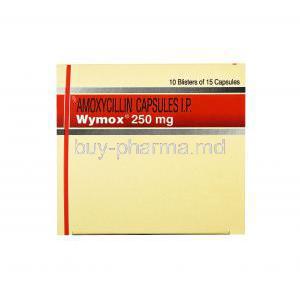
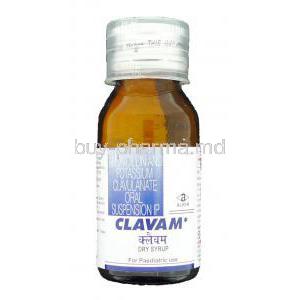
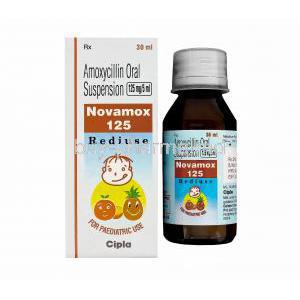
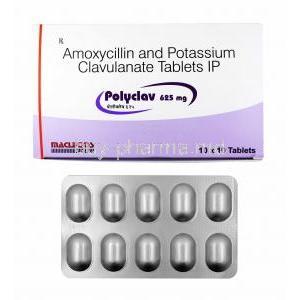
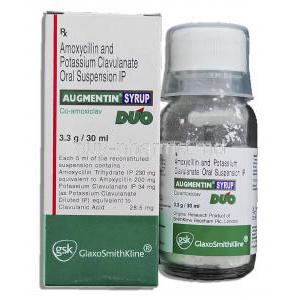
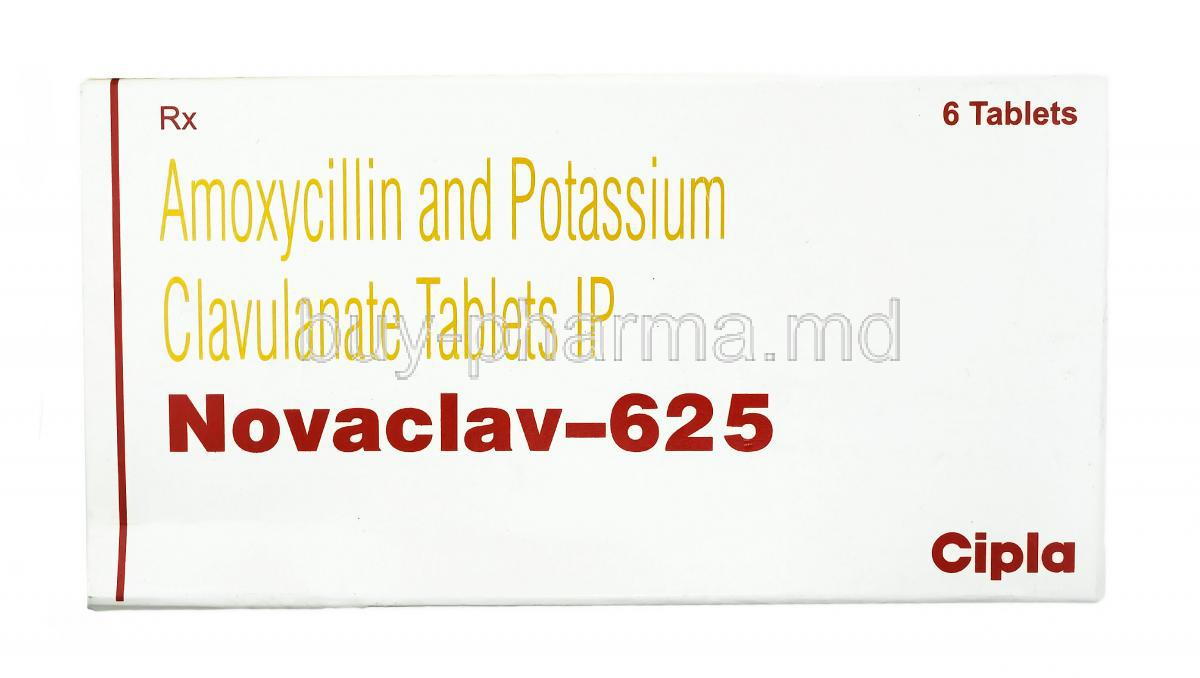
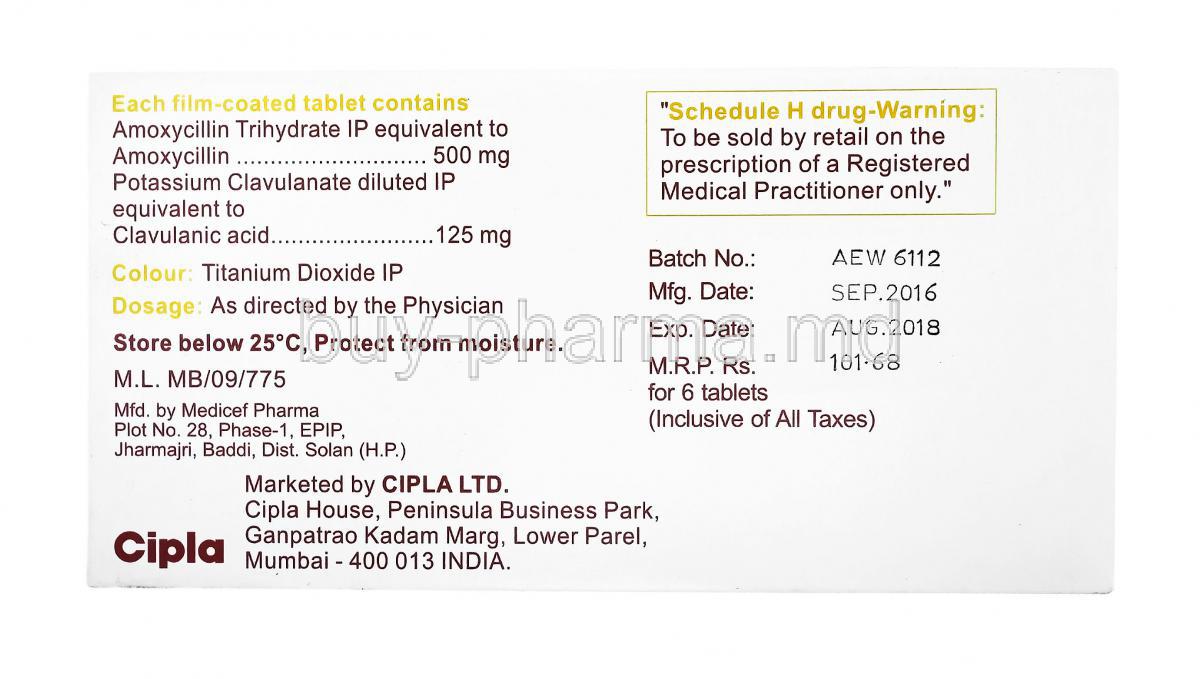
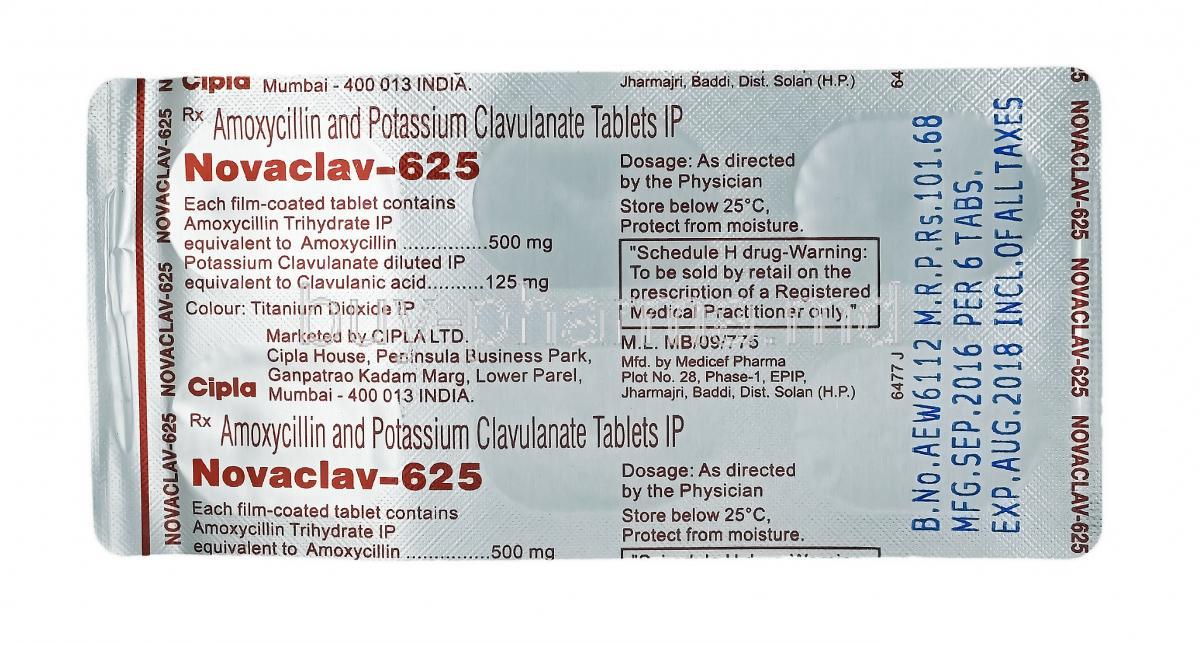
Packaging typically includes blister packs for tablets and amber bottles for suspensions. Clear labeling ensures dosage accuracy, storage compliance, and patient safety.
3. Mechanism of Action: How Novaclav Works
3.1 Bactericidal Action of Amoxicillin
Amoxicillin inhibits bacterial cell wall synthesis by binding to penicillin-binding proteins (PBPs). This interference compromises structural integrity, culminating in bacterial cell death.
3.2 Beta-Lactamase Inhibition by Clavulanic Acid
Clavulanic acid possesses minimal intrinsic antibacterial activity. However, it inhibits beta-lactamase enzymes produced by resistant bacteria, thereby protecting amoxicillin from enzymatic degradation.
3.3 Synergistic Effect Against Resistant Bacteria
The combination creates a synergistic pharmacological effect. Resistant organisms that would degrade amoxicillin alone become susceptible when clavulanic acid is present.
3.4 Spectrum of Antibacterial Activity (Gram-positive and Gram-negative Coverage)
Novaclav demonstrates broad-spectrum coverage, including:
- Gram-positive organisms (e.g., Streptococcus, Staphylococcus)
- Gram-negative organisms (e.g., Haemophilus influenzae, E. coli)
- Anaerobic bacteria
3.5 Pharmacodynamics and Pharmacokinetics Overview
Absorption is enhanced when taken with food. The drug distributes widely into tissues and is primarily excreted via the kidneys. Its time-dependent killing effect necessitates consistent dosing intervals.
4. Uses of Novaclav (Amoxicillin/Clavulanic Acid)
4.1 FDA-Approved Indications
4.1.1 Respiratory Tract Infections (Sinusitis, Bronchitis, Pneumonia)
Commonly prescribed for upper and lower respiratory infections. It targets pathogens responsible for sinus inflammation, bronchial infections, and community-acquired pneumonia.
4.1.2 Ear, Nose, and Throat Infections (Otitis Media, Tonsillitis)
Effective in treating middle ear infections and inflamed tonsils, particularly in pediatric populations.
4.1.3 Urinary Tract Infections (UTIs)
Utilized for uncomplicated and certain complicated urinary tract infections caused by susceptible organisms.
4.1.4 Skin and Soft Tissue Infections
Indicated for cellulitis, abscesses, and wound infections, especially those involving mixed flora.
4.1.5 Dental Infections and Abscesses
Frequently prescribed in odontogenic infections. It reduces bacterial load and prevents systemic spread.
4.2 Extended Clinical Uses
4.2.1 Bone and Joint Infections (Osteomyelitis)
May be used as part of combination therapy in bone infections requiring prolonged treatment.
4.2.2 Intra-abdominal Infections
Effective against polymicrobial infections involving anaerobic bacteria.
4.2.3 Gynecological Infections
Used in pelvic inflammatory conditions and postpartum infections.
4.3 Off-Label Uses of Novaclav
4.3.1 Bite Wounds (Animal and Human Bites)
Considered first-line therapy due to coverage of mixed aerobic and anaerobic flora.
4.3.2 Diabetic Foot Infections
Provides coverage against common pathogens in chronic ulcers.
4.3.3 Prophylaxis in Surgical Procedures
Used in selected cases to prevent postoperative infections.
4.3.4 Treatment of H. pylori (Combination Therapy)
Part of multi-drug regimens targeting Helicobacter pylori in gastric disorders.
4.3.5 Community-Acquired MRSA (Selective Cases)
Limited utility depending on susceptibility patterns.
4.3.6 Pediatric Recurrent Infections
Used in recurrent otitis media or sinusitis under specialist guidance.
4.3.7 Chronic Sinusitis Management
May be prescribed in prolonged or recurrent sinus infections.
5. Dosage and Administration Guidelines
5.1 Standard Adult Dosage Recommendations
Dosage varies depending on infection severity. Typical regimens include twice or thrice daily administration.
5.2 Pediatric Dosage Based on Body Weight
Weight-based dosing ensures safety and efficacy in children. Liquid formulations are commonly used.
5.3 Dosage Adjustments in Renal Impairment
Renal dysfunction necessitates dose modification to prevent accumulation and toxicity.
5.4 Administration with Food: Enhancing Absorption
Taking Novaclav with meals improves gastrointestinal tolerance and absorption kinetics.
5.5 Duration of Therapy Based on Infection Type
Short courses may suffice for mild infections, whereas severe cases require extended therapy.
5.6 Missed Dose and Compliance Guidance
If a dose is missed, it should be taken promptly unless the next scheduled dose is imminent. Consistency is crucial.
5.7 Switching Between Oral and Intravenous Forms
Severe infections may begin with intravenous therapy followed by oral continuation.
6. Side Effects of Novaclav
6.1 Overview of Adverse Reactions
Adverse effects range from mild gastrointestinal discomfort to rare but serious hypersensitivity reactions.
6.2 Gastrointestinal Effects (Nausea, Vomiting, Diarrhea)
These are the most frequently reported reactions. They are generally transient.
6.3 Allergic Reactions (Rash, Urticaria, Anaphylaxis)
Hypersensitivity may manifest as:
- Skin eruptions
- Angioedema
- Anaphylaxis (rare but severe)
6.4 Hepatic Effects (Elevated Liver Enzymes, Hepatitis)
Liver enzyme elevation can occur, particularly with prolonged use.
6.5 Hematologic Changes (Leukopenia, Thrombocytopenia)
Rare alterations in blood cell counts have been documented.
6.6 Rare but Serious Reactions (Stevens-Johnson Syndrome)
Severe dermatological reactions require immediate discontinuation and medical intervention.
7. Common Side Effects of Amoxicillin/Clavulanic Acid
7.1 Mild Gastrointestinal Disturbances
Loose stools and abdominal discomfort are frequently reported.
7.2 Skin Rash and Hypersensitivity Reactions
Maculopapular rash may occur, particularly in certain viral infections.
7.3 Oral and Vaginal Candidiasis
Disruption of normal flora may lead to fungal overgrowth.
7.4 Headache and Dizziness
Neurological symptoms are typically mild and self-limiting.
7.5 Taste Disturbances
Altered taste perception may occur but is usually transient.
8. Drug Interactions with Novaclav
8.1 Interaction with Anticoagulants (Warfarin)
May enhance anticoagulant effects, necessitating monitoring of coagulation parameters.
8.2 Oral Contraceptives and Reduced Efficacy
Possible reduction in contraceptive effectiveness. Additional precautions may be advised.
8.3 Probenecid and Antibiotic Levels
Probenecid reduces renal excretion of amoxicillin, increasing plasma levels.
8.4 Allopurinol and Increased Rash Risk
Concurrent use may increase the incidence of dermatological reactions.
8.5 Interaction with Methotrexate
May reduce methotrexate clearance, increasing toxicity risk.
8.6 Alcohol Interaction Considerations
Alcohol does not directly interact but may exacerbate gastrointestinal discomfort.
9. Warnings and Safety Considerations
9.1 Risk of Hypersensitivity and Anaphylaxis
Patients with penicillin allergy are at heightened risk of severe reactions.
9.2 Clostridioides difficile-Associated Diarrhea
Antibiotic therapy may disrupt gut flora, leading to severe diarrhea.
9.3 Hepatotoxicity and Liver Monitoring
Monitoring is recommended during prolonged therapy or in high-risk individuals.
9.4 Development of Antibiotic Resistance
Inappropriate use promotes resistant bacterial strains. Judicious prescribing is essential.
9.5 Superinfection Risk with Prolonged Use
Extended therapy may result in secondary infections, including fungal overgrowth.
10. Contraindications of Novaclav
10.1 Known Allergy to Penicillins or Beta-Lactams
Absolute contraindication due to risk of severe hypersensitivity.
10.2 History of Cholestatic Jaundice or Hepatic Dysfunction
Patients with prior liver injury related to this combination should avoid use.
10.3 Severe Hypersensitivity Reactions to Similar Drugs
Includes reactions to cephalosporins or other beta-lactams.
10.4 Infectious Mononucleosis (Risk of Rash)
Administration in such cases is associated with a high incidence of rash.
11. Careful Administration (Use with Caution)
11.1 Patients with Renal Impairment
Renal function plays a pivotal role in the elimination of amoxicillin. Impaired kidney function may result in drug accumulation, increasing the likelihood of adverse reactions. Dose modification is often required.
- Adjust dosing intervals based on creatinine clearance
- Monitor renal biomarkers periodically
- Exercise vigilance in severe renal insufficiency
Even modest impairment can alter pharmacokinetics. Precision in dosing becomes essential.
11.2 Individuals with Liver Dysfunction
Clavulanic acid has been associated with hepatic adverse effects. Patients with pre-existing liver disease require cautious use and clinical surveillance.
- Monitor liver enzymes (ALT, AST, bilirubin)
- Avoid prolonged therapy when possible
- Discontinue promptly if hepatic symptoms arise
Subclinical hepatotoxicity may evolve insidiously. Regular assessment mitigates risk.
11.3 Patients with History of Gastrointestinal Disease
Individuals with prior gastrointestinal pathology, particularly colitis, may experience exacerbations. Antibiotic-associated diarrhea remains a concern.
- Use cautiously in patients with a history of colitis
- Monitor for persistent diarrhea or abdominal pain
- Evaluate for Clostridioides difficile infection if symptoms persist
11.4 Immunocompromised Patients
In immunocompromised individuals, infection dynamics are often atypical. Broader microbial coverage may be necessary, and response to therapy may be altered.
- Consider combination therapy when appropriate
- Monitor closely for treatment failure
- Assess for opportunistic infections
11.5 Patients on Long-Term Antibiotic Therapy
Extended use of antibiotics can predispose to superinfections and resistance. Microbial flora disruption is a notable consequence.
- Evaluate necessity of prolonged therapy
- Monitor for fungal overgrowth
- Reassess treatment efficacy periodically
12. Important Precautions for Use
12.1 Importance of Completing Full Antibiotic Course
Incomplete therapy fosters microbial persistence and resistance. Even when symptoms resolve early, continuation of the prescribed regimen is imperative.
12.2 Monitoring Liver and Kidney Function
Routine laboratory monitoring is recommended in prolonged or high-dose therapy. This ensures early detection of organ dysfunction.
- Periodic liver function tests
- Renal function assessment in high-risk patients
12.3 Avoiding Unnecessary Antibiotic Use
Indiscriminate antibiotic use accelerates resistance development. Therapy should be reserved for confirmed or strongly suspected bacterial infections.
12.4 Preventing Secondary Infections
Alteration of normal microbiota may lead to opportunistic infections such as candidiasis. Preventive strategies include:
- Maintaining hygiene
- Monitoring for new symptoms
- Timely medical evaluation
12.5 Hydration and Gastrointestinal Protection
Adequate hydration supports renal clearance and reduces gastrointestinal discomfort. Taking the medication with food may improve tolerability.
13. Administration to Special Populations
13.1 Administration to Elderly Patients
Elderly patients often present with altered pharmacokinetics due to age-related physiological changes. Polypharmacy further complicates management.
13.1.1 Dose Adjustment Considerations
Renal function decline is common in older adults. Dose adjustments based on renal status are frequently necessary.
13.1.2 Increased Risk of Hepatic Events
Older individuals may have a heightened susceptibility to hepatic adverse effects. Close monitoring is advised during therapy.
13.2 Administration to Pregnant Women and Nursing Mothers
Use during pregnancy and lactation requires careful benefit-risk assessment. Clinical data generally support its use when clearly indicated.
13.2.1 Pregnancy Safety Category and Clinical Data
Amoxicillin/clavulanic acid has been widely used during pregnancy with no consistent evidence of teratogenicity. Nonetheless, medical supervision remains essential.
13.2.2 Placental Transfer and Fetal Safety
The drug crosses the placenta. While generally considered safe, unnecessary exposure should be avoided.
13.2.3 Breast Milk Excretion and Infant Effects
Small amounts are excreted into breast milk. Potential effects on the infant include:
- Alteration of gut flora
- Mild gastrointestinal disturbances
- Rare hypersensitivity reactions
13.3 Administration to Children
Pediatric use is common and generally well tolerated. Appropriate dosing is critical.
13.3.1 Pediatric Dosing Guidelines
Dosing is calculated based on body weight. Accurate measurement ensures therapeutic efficacy and safety.
13.3.2 Safety in Infants and Neonates
Use in neonates requires caution due to immature renal function. Dosing intervals may need extension.
13.3.3 Use in Recurrent Pediatric Infections
Recurrent infections may necessitate repeated courses. Evaluation for underlying causes is recommended.
14. Overdosage and Toxicity Management
14.1 Symptoms of Overdose
Overdose manifestations may include gastrointestinal upset and, in severe cases, neurological disturbances.
14.2 Gastrointestinal and Neurological Manifestations
- Nausea, vomiting, diarrhea
- Abdominal pain
- Seizures (rare, typically in severe overdose or renal impairment)
14.3 Immediate Management and Supportive Care
Management is primarily supportive. Prompt medical attention is essential. Key measures include:
- Gastric decontamination in early presentation
- Fluid and electrolyte management
- Symptomatic treatment
14.4 Role of Hemodialysis in Severe Cases
Hemodialysis can facilitate removal of amoxicillin in severe toxicity, particularly in patients with renal impairment.
15. Storage Instructions for Novaclav
15.1 Recommended Storage Temperature
Store at controlled room temperature, typically between 15°C and 25°C. Avoid excessive heat.
15.2 Protection from Moisture and Light
Exposure to moisture and light can degrade the formulation. Keep in original packaging until use.
15.3 Storage of Reconstituted Suspension
Once reconstituted, the suspension should be refrigerated and used within the specified time frame, usually 7–10 days.
15.4 Shelf Life and Expiry Considerations
Do not use beyond the expiration date. Degraded antibiotics may lose efficacy and pose safety risks.
16. Handling Precautions
16.1 Safe Handling of Antibiotic Preparations
Handle with clean hands and avoid contamination. Maintain hygienic practices during administration.
16.2 Instructions for Reconstitution of Suspension
Proper reconstitution is essential for accurate dosing:
- Add the specified amount of water
- Shake vigorously to ensure uniform dispersion
- Use calibrated measuring devices
16.3 Avoiding Cross-Contamination
Do not share medication. Prevent contact between dosing instruments and external surfaces.
16.4 Disposal of Unused or Expired Medication
Dispose of unused medication according to local regulations. Avoid flushing into water systems unless instructed.
17. Additional Clinical Considerations
17.1 Resistance Patterns and Local Guidelines
Antibiotic selection should align with local resistance data. Empirical therapy may require adjustment based on culture results.
17.2 Comparative Efficacy vs Other Antibiotics
Novaclav offers broader coverage than amoxicillin alone. It is particularly useful against beta-lactamase-producing organisms, though alternative agents may be preferred in specific scenarios.
17.3 Patient Counseling Points for Optimal Outcomes
Effective counseling enhances adherence and outcomes. Key points include:
- Take doses at evenly spaced intervals
- Complete the full course
- Report adverse reactions promptly
17.4 When to Seek Medical Attention During Treatment
Immediate medical attention is warranted if patients experience:
- Severe allergic reactions
- Persistent diarrhea
- Signs of liver dysfunction (jaundice, dark urine)
Timely intervention prevents complications and ensures safe therapy.
Popular Products
Similar Product