1. Introduction to Okacet (Cetirizine)
1.1 Overview of Okacet and Its Therapeutic Class
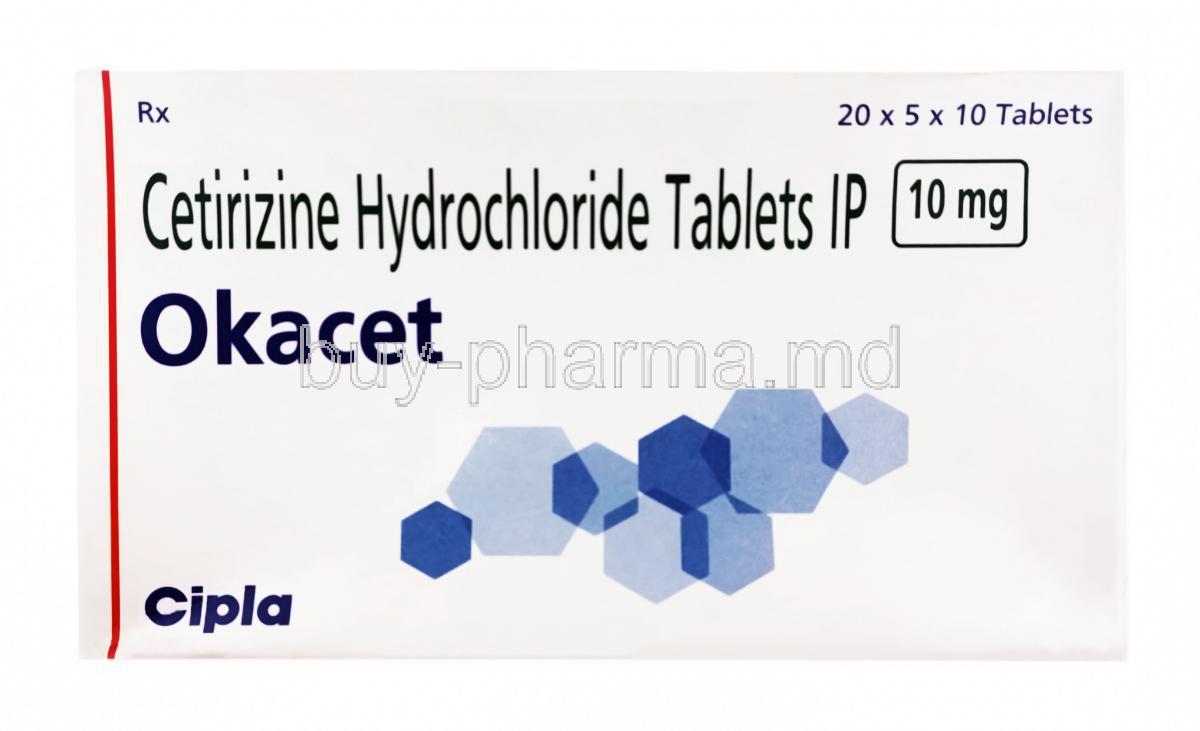
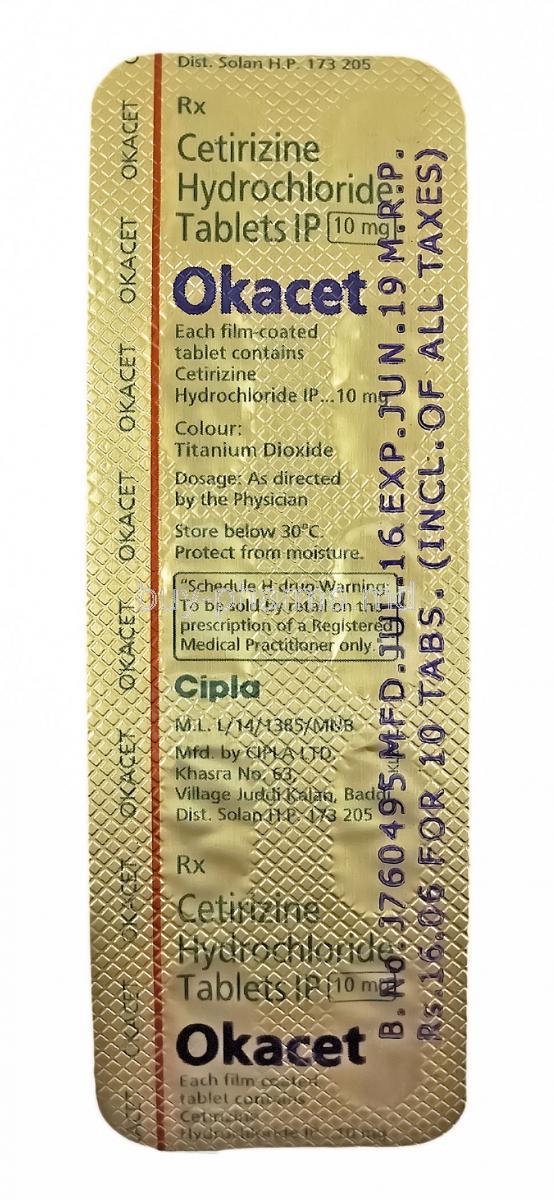
Okacet is a widely utilized antihistaminic preparation containing cetirizine hydrochloride, a pharmacologically refined agent belonging to the class of second-generation H1 receptor antagonists. It is predominantly prescribed for the amelioration of allergic manifestations. The formulation is engineered to provide sustained symptomatic relief while minimizing central nervous system penetration.
1.2 Cetirizine as a Second-Generation Antihistamine
Cetirizine represents a newer generation of antihistamines designed to circumvent the sedative liabilities associated with earlier compounds. Unlike first-generation agents, it demonstrates reduced lipophilicity and limited traversal across the blood-brain barrier.
- Lower incidence of sedation
- Improved tolerability profile
- Extended duration of action
1.3 Indications in Allergy Management and Symptom Control
Okacet is indicated for a spectrum of allergic disorders characterized by histamine-mediated responses. These include nasal congestion, pruritus, lacrimation, and urticarial eruptions. It serves both as a therapeutic and prophylactic intervention in recurrent allergic conditions.
1.4 Key Benefits Compared to First-Generation Antihistamines
The therapeutic superiority of cetirizine lies in its selective peripheral activity and diminished sedative potential. Patients experience effective symptom relief without substantial cognitive impairment.
- Minimal anticholinergic effects
- Reduced daytime somnolence
- Once-daily dosing convenience
2. Composition and Formulations of Okacet
2.1 Active Ingredient: Cetirizine Hydrochloride
The principal constituent, cetirizine hydrochloride, is a potent and selective antagonist of peripheral H1 receptors. It inhibits histamine-induced responses, thereby attenuating allergic symptomatology.
2.2 Available Dosage Forms (Tablets, Syrup, Drops)
Okacet is available in multiple pharmaceutical forms to accommodate diverse patient populations:
- Oral tablets for adults and adolescents
- Syrup formulations for pediatric use
- Oral drops for infants and precise dosing
2.3 Strength Variations and Excipients
Common strengths include 5 mg and 10 mg formulations. Excipients may include stabilizers, flavoring agents, and preservatives that enhance palatability and stability without altering pharmacodynamic properties.
2.4 Differences Between Branded and Generic Cetirizine
While branded products like Okacet offer consistent quality assurance, generic variants contain the same active molecule and exhibit bioequivalence. Minor differences may exist in excipients, taste, or packaging.
3. Mechanism of Action: How Cetirizine Works
3.1 Histamine H1 Receptor Antagonism Explained
Cetirizine exerts its pharmacological action by competitively inhibiting histamine at H1 receptor sites. This blockade mitigates vasodilation, increased vascular permeability, and sensory nerve stimulation associated with allergic responses.
3.2 Role in Reducing Allergic Symptoms (Sneezing, Itching, Rhinorrhea)
By attenuating histamine activity, cetirizine effectively reduces hallmark symptoms such as:
- Sneezing and nasal irritation
- Cutaneous itching
- Excessive nasal discharge
3.3 Peripheral Selectivity and Reduced Sedation
The molecular architecture of cetirizine restricts its penetration into the central nervous system. Consequently, it maintains high peripheral selectivity while limiting sedative effects.
3.4 Onset of Action and Duration of Effect
Clinical effects typically commence within one hour of administration. The duration of action extends up to 24 hours, facilitating once-daily dosing.
4. Uses of Okacet (Cetirizine)
4.1 Treatment of Allergic Rhinitis (Seasonal and Perennial)
Okacet is efficacious in managing both seasonal and perennial allergic rhinitis, alleviating nasal congestion, sneezing, and rhinorrhea.
4.2 Management of Chronic Idiopathic Urticaria (Hives)
It is frequently prescribed for chronic urticaria, reducing wheal formation and pruritus intensity.
4.3 Relief of Allergic Conjunctivitis Symptoms
Patients experiencing ocular symptoms such as redness, itching, and tearing benefit from cetirizine’s antihistaminic action.
4.4 Treatment of Skin Allergies and Itching (Pruritus)
Cutaneous allergic reactions, including dermatitis and pruritus, are effectively managed with regular administration.
4.5 Use in Hay Fever and Environmental Allergies
Okacet provides relief from pollen-induced allergies and environmental irritants such as dust and animal dander.
4.6 Use in Cold-Related Allergy Symptoms
Although not an antiviral agent, cetirizine may alleviate histamine-mediated symptoms associated with common colds.
5. Off-Label Uses of Cetirizine
5.1 Adjunct Therapy in Atopic Dermatitis (Eczema-Related Itching)
Cetirizine is sometimes employed as an adjunctive therapy to reduce pruritus in patients with atopic dermatitis.
5.2 Use in Insect Bite Reactions and Mild Drug Allergies
It can attenuate localized allergic reactions caused by insect bites or mild hypersensitivity to medications.
5.3 Management of Chronic Cough Associated with Allergies
In certain cases, cetirizine is utilized to mitigate chronic cough linked to allergic etiologies.
5.4 Use in Mast Cell Disorders and Histamine Intolerance
Its antihistaminic properties render it beneficial in managing symptoms associated with mast cell activation and histamine intolerance.
5.5 Supportive Use in Allergic Asthma (Symptom Relief Only)
While not a primary treatment, cetirizine may provide adjunctive symptom relief in allergic asthma.
6. Dosage and Administration Guidelines
6.1 Standard Adult Dosage for Allergy Relief
The typical adult dosage is 10 mg once daily. Lower doses may be sufficient for mild symptoms.
6.2 Pediatric Dosage Based on Age and Weight
Dosing in children is determined by age and body weight, often ranging from 2.5 mg to 10 mg daily.
6.3 Dose Adjustments in Renal Impairment
Patients with renal dysfunction require dose modification due to reduced drug clearance.
6.4 Recommended Frequency and Timing of Administration
Once-daily administration is generally adequate. Evening dosing may be preferred in sensitive individuals.
6.5 Instructions for Oral Use (With or Without Food)
Cetirizine can be taken with or without food, ensuring consistent bioavailability.
6.6 Missed Dose Management
If a dose is missed, it should be taken as soon as remembered unless it is near the next scheduled dose.
7. Common Side Effects of Okacet
7.1 Frequently Reported Mild Side Effects
Most adverse effects are mild and transient:
- Drowsiness
- Fatigue
- Dry mouth
- Headache
7.2 Gastrointestinal Symptoms (Nausea, Abdominal Discomfort)
Some individuals may experience mild gastrointestinal disturbances, which typically resolve spontaneously.
7.3 Central Nervous System Effects
Occasional CNS-related effects such as dizziness or mild sedation may occur, particularly in sensitive individuals.
8. Serious and Rare Side Effects
8.1 Hypersensitivity Reactions (Rash, Angioedema)
Rare but severe allergic reactions may manifest as rash, swelling, or angioedema.
8.2 Severe Sedation or Cognitive Impairment
In uncommon cases, excessive sedation or impaired cognition may be observed.
8.3 Cardiovascular Effects (Rare Cases)
Cardiovascular complications are exceedingly rare but warrant clinical attention if they occur.
8.4 When to Seek Immediate Medical Attention
Immediate medical intervention is necessary if symptoms such as difficulty breathing, severe swelling, or fainting develop.
9. Drug Interactions with Cetirizine
9.1 Interaction with Alcohol and CNS Depressants
Concurrent use with alcohol or CNS depressants may potentiate sedative effects.
9.2 Concomitant Use with Other Antihistamines
Combining multiple antihistamines is generally discouraged due to additive effects.
9.3 Interaction with Theophylline and Ritonavir
These agents may alter cetirizine metabolism, necessitating caution.
9.4 Effects on Sedatives and Sleep Medications
Cetirizine may enhance the sedative properties of hypnotic agents.
10. Warnings and Safety Considerations
10.1 Risk of Drowsiness and Impaired Alertness
Although less sedating, cetirizine may still impair alertness in some individuals.
10.2 Use in Patients with Renal Dysfunction
Renal impairment necessitates careful dose adjustment and monitoring.
10.3 Caution in Patients with Epilepsy or Seizure Disorders
Patients with seizure disorders should use cetirizine cautiously under medical supervision.
10.4 Impact on Driving and Operating Machinery
Patients should assess their individual response before engaging in activities requiring mental alertness.
11. Contraindications of Okacet
11.1 Known Hypersensitivity to Cetirizine or Hydroxyzine
Okacet must not be administered in individuals with a documented hypersensitivity to cetirizine, hydroxyzine, or any structurally related piperazine derivatives. Such hypersensitivity may manifest abruptly and escalate rapidly.
- Urticaria or generalized rash
- Angioedema involving the face or airway
- Respiratory compromise in severe cases
Even minimal exposure can precipitate a reaction in sensitized individuals. Vigilance is essential.
11.2 Severe Renal Impairment Without Dose Adjustment
Cetirizine is predominantly eliminated via renal excretion. In patients with severe renal insufficiency, accumulation may occur, leading to exaggerated pharmacological effects.
Without appropriate dose modification, risks include:
- Prolonged sedation
- Central nervous system depression
- Increased incidence of adverse effects
11.3 Patients with Rare Hereditary Galactose Intolerance (Specific Formulations)
Certain tablet formulations may contain lactose. Patients with rare hereditary conditions such as galactose intolerance, Lapp lactase deficiency, or glucose-galactose malabsorption should avoid these preparations.
12. Careful Administration (Use with Caution)
12.1 Patients with Moderate Renal or Hepatic Impairment
In individuals with compromised renal or hepatic function, drug clearance is attenuated. Careful titration and periodic assessment are advisable.
12.2 Elderly Patients with Reduced Clearance
Advanced age is often associated with diminished renal function. Even in the absence of overt disease, pharmacokinetics may be altered.
- Start with lower doses
- Monitor for excessive sedation
- Assess renal parameters periodically
12.3 Patients with Urinary Retention Risk
Although cetirizine has minimal anticholinergic activity, caution is warranted in individuals predisposed to urinary retention, such as those with prostatic hypertrophy.
12.4 Individuals Sensitive to Sedative Effects
A subset of patients exhibits heightened sensitivity to even minimal central effects. In such cases, somnolence may occur despite the drug’s peripheral selectivity.
13. Important Precautions
13.1 Avoidance of Alcohol During Treatment
Concurrent ingestion of alcohol may potentiate sedative effects, leading to impaired psychomotor performance. Abstinence is strongly recommended.
13.2 Monitoring for Allergic Reactions
Paradoxically, antihistamines may rarely provoke hypersensitivity reactions. Patients should be advised to discontinue use if unusual symptoms develop.
13.3 Long-Term Use Considerations
While cetirizine is generally well tolerated, prolonged use should be periodically reviewed. Chronic administration necessitates evaluation of efficacy and necessity.
13.4 Discontinuation and Withdrawal Symptoms (Rare Pruritus)
Rare instances of rebound pruritus have been reported following abrupt discontinuation after extended use. Gradual tapering may mitigate this phenomenon.
14. Administration to Special Populations
14.1 Use in Elderly Patients
Dose adjustments are often required in geriatric populations due to reduced clearance. Regular monitoring enhances safety.
- Initiate therapy at the lowest effective dose
- Evaluate renal function periodically
- Observe for sedation or cognitive changes
14.2 Use in Pregnant Women
Cetirizine is generally considered to have a favorable safety profile during pregnancy; however, administration should be based on a thorough risk-benefit assessment.
Use only when clearly indicated.
14.3 Use in Nursing Mothers
Cetirizine is excreted in breast milk in small quantities. Although adverse effects are uncommon, caution is advised.
- Monitor infants for sedation
- Consider timing doses to minimize exposure
14.4 Use in Pediatric Patients
Pediatric use is well established, but dosing must be age-appropriate. Liquid formulations facilitate accurate administration.
Close supervision is recommended, particularly in younger children.
15. Overdosage and Toxicity Management
15.1 Symptoms of Cetirizine Overdose
Overdosage may present with a spectrum of neurological and systemic manifestations:
- Extreme drowsiness
- Agitation, especially in pediatric patients
- Confusion or restlessness
15.2 Immediate Management and Supportive Care
There is no specific antidote for cetirizine overdose. Management is primarily supportive and symptomatic.
- Gastric decontamination in early cases
- Monitoring of vital signs
- Supportive care as needed
15.3 When to Seek Emergency Medical Assistance
Immediate medical attention is warranted if severe symptoms arise, including profound sedation, respiratory difficulty, or altered consciousness.
16. Storage and Stability Information
16.1 Recommended Storage Conditions (Temperature, Humidity)
Store Okacet in a controlled environment, typically below 25°C, protected from excessive moisture and direct sunlight.
16.2 Shelf Life and Expiry Considerations
The medication should not be used beyond its stated expiry date. Chemical stability may decline, compromising efficacy and safety.
16.3 Safe Storage Away from Children
Accidental ingestion can be hazardous. Keep the medication in secure, child-resistant packaging and out of reach.
17. Handling and Safety Precautions
17.1 Proper Handling of Tablets and Liquid Forms
Handle tablets with dry hands and ensure accurate measurement of liquid formulations using calibrated devices.
17.2 Avoiding Contamination of Syrup Formulations
To maintain sterility and integrity:
- Keep containers tightly closed
- Avoid direct contact with dispensing tools
- Do not share medication between individuals
17.3 Disposal of Unused or Expired Medication
Unused or expired medication should be disposed of responsibly in accordance with local pharmaceutical disposal guidelines. Avoid environmental contamination.
18. Frequently Asked Questions About Okacet (Cetirizine)
18.1 How long does Cetirizine take to work?
Relief typically begins within one hour of administration, with peak efficacy observed shortly thereafter.
18.2 Can Okacet be taken daily for allergies?
Yes, it is suitable for daily use in chronic allergic conditions, provided it is taken as directed.
18.3 Does Cetirizine cause drowsiness?
While less sedating than older antihistamines, mild drowsiness may still occur in some individuals.
18.4 Is it safe to take Cetirizine with other allergy medications?
Combination therapy should be approached cautiously. Consultation with a healthcare professional is recommended.
18.5 Can children take Okacet safely?
Yes, when administered in age-appropriate doses. Pediatric formulations are specifically designed for this purpose.
18.6 What happens if a dose is missed?
The missed dose should be taken promptly unless it is near the next scheduled dose. Doubling doses is inadvisable.
18.7 Is Cetirizine effective for skin allergies and itching?
It is highly effective in alleviating pruritus and other cutaneous allergic symptoms.
18.8 Can it be used for cold symptoms?
It may relieve allergy-like symptoms associated with colds but does not treat the underlying viral infection.
19. Summary and Clinical Considerations
19.1 Key Benefits and Limitations of Cetirizine
Cetirizine offers a favorable balance between efficacy and tolerability. Its limitations are minimal but include potential mild sedation in sensitive individuals.
19.2 When to Choose Cetirizine Over Other Antihistamines
It is particularly advantageous when non-sedating, once-daily therapy is desired. It is suitable for both acute and chronic allergic conditions.
19.3 Importance of Adherence and Medical Guidance
Optimal outcomes depend on adherence to prescribed regimens and periodic medical evaluation. Judicious use ensures both safety and therapeutic success.
Popular Products

Similar Product