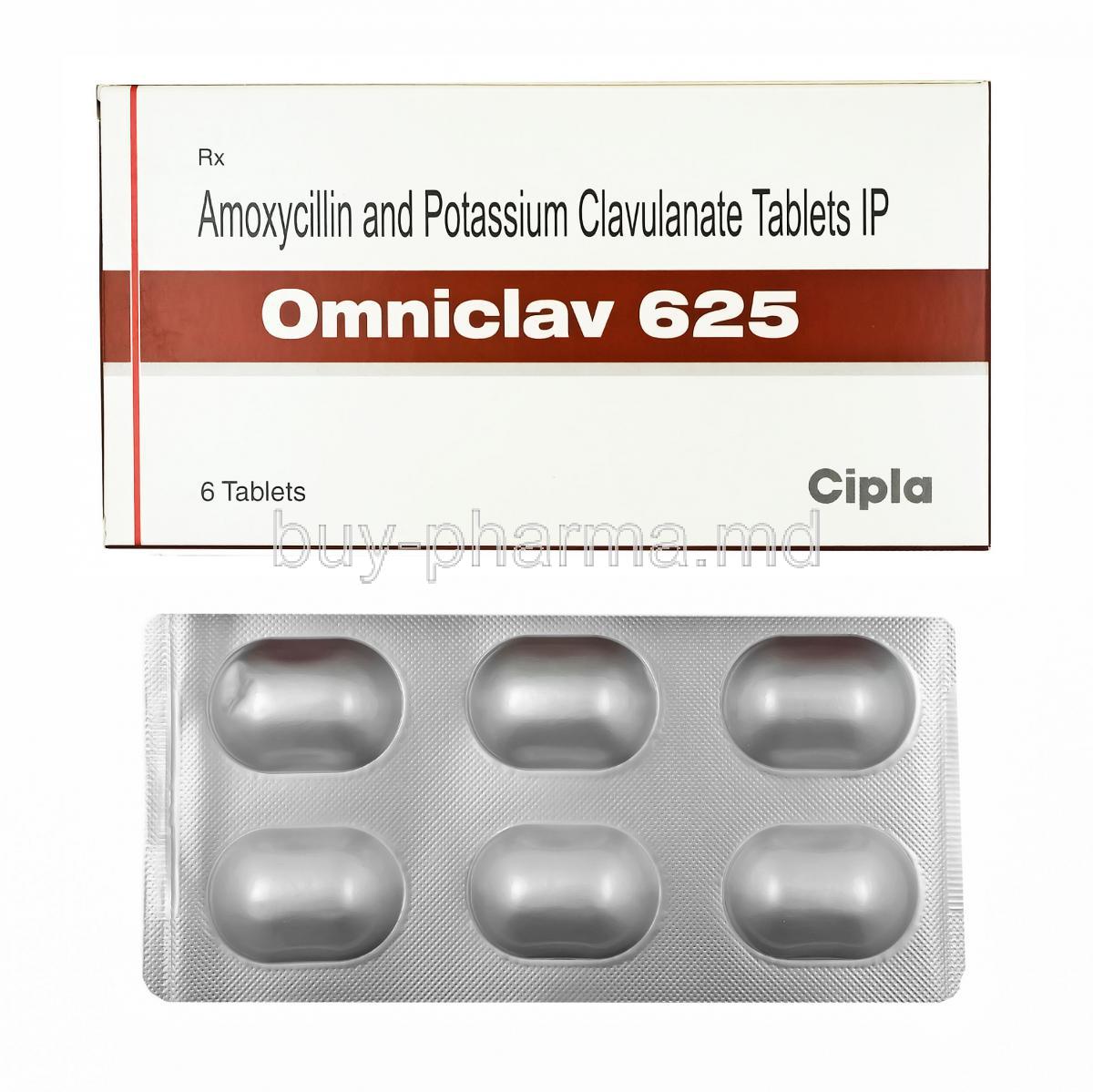
Introduction to Omniclav (Amoxicillin/Clavulanic Acid)
Omniclav is a widely utilized antimicrobial formulation combining two pharmacologically complementary agents: amoxicillin and clavulanic acid. This dual-action preparation is designed to enhance antibacterial efficacy against resistant organisms. It is frequently prescribed in both outpatient and hospital settings. Its clinical relevance continues to expand due to increasing bacterial resistance patterns worldwide.
Overview of Omniclav as a Broad-Spectrum Antibiotic Combination
Omniclav exhibits broad-spectrum antimicrobial activity. It targets both Gram-positive and Gram-negative organisms with notable precision. The formulation is particularly effective against beta-lactamase–producing pathogens, which would otherwise neutralize standard penicillin antibiotics.
- Effective against polymicrobial infections
- Useful in community-acquired and hospital-acquired infections
- Demonstrates enhanced bactericidal action
Therapeutic Classification: Beta-Lactam Antibiotic with Beta-Lactamase Inhibitor
This combination belongs to the beta-lactam antibiotic class, augmented with a beta-lactamase inhibitor. Amoxicillin acts as the primary antibacterial agent, while clavulanic acid protects it from enzymatic degradation. Together, they provide a fortified antimicrobial profile.
Key Indications and Clinical Relevance in Modern Practice
Omniclav remains a cornerstone in empiric antibiotic therapy. Its versatility allows clinicians to initiate treatment before pathogen identification. It is particularly valuable in infections where resistance is suspected.
- First-line therapy for many common infections
- Preferred in resistant bacterial strains
- Widely used in primary care and specialized settings
Brand Names and Global Availability
Omniclav is marketed under various brand names globally, reflecting its widespread acceptance. Availability spans multiple regions, including Asia, Europe, and the Americas. Its accessibility ensures consistent therapeutic application across diverse healthcare systems.
Composition and Formulation Details
Active Ingredients: Amoxicillin and Clavulanic Acid
The formulation contains two active components:
- Amoxicillin: A semi-synthetic penicillin derivative
- Clavulanic Acid: A beta-lactamase inhibitor derived from Streptomyces species
This combination enhances antibacterial potency and broadens the spectrum of activity.
Mechanism of Combination Therapy and Synergistic Action
The synergy between the two components is critical. Amoxicillin disrupts bacterial cell wall synthesis, while clavulanic acid inhibits enzymes that degrade beta-lactam antibiotics. This cooperative interaction ensures sustained antibacterial activity even in resistant strains.
Available Strengths (e.g., 250 mg/125 mg, 500 mg/125 mg, 875 mg/125 mg)
Omniclav is available in multiple dosage strengths to accommodate varying clinical needs. These combinations are carefully calibrated to maintain optimal pharmacokinetic balance.
- 250 mg amoxicillin / 125 mg clavulanic acid
- 500 mg amoxicillin / 125 mg clavulanic acid
- 875 mg amoxicillin / 125 mg clavulanic acid
Dosage Forms: Tablets, Suspensions, Injectable Preparations
The medication is formulated in several delivery systems to enhance patient compliance and therapeutic flexibility:
- Oral tablets for adult use
- Oral suspensions for pediatric patients
- Injectable forms for severe infections
Excipients and Inactive Ingredients
In addition to active components, Omniclav contains excipients that stabilize the formulation and improve palatability. These may include binders, preservatives, and flavoring agents, particularly in liquid preparations.
Mechanism of Action (How Omniclav Works)
Role of Amoxicillin in Inhibiting Bacterial Cell Wall Synthesis
Amoxicillin interferes with the synthesis of peptidoglycan, a vital component of the bacterial cell wall. This disruption leads to structural कमजoration and eventual lysis of the bacterial cell. The bactericidal effect is rapid and effective against susceptible organisms.
Function of Clavulanic Acid in Blocking Beta-Lactamase Enzymes
Clavulanic acid acts as a sacrificial inhibitor. It binds irreversibly to beta-lactamase enzymes produced by resistant bacteria. This prevents the degradation of amoxicillin, preserving its antibacterial activity.
Spectrum of Activity Against Gram-Positive and Gram-Negative Bacteria
Omniclav demonstrates activity against a wide array of pathogens:
- Gram-positive bacteria such as Streptococcus and Staphylococcus species
- Gram-negative organisms including Haemophilus influenzae and Escherichia coli
- Anaerobic bacteria involved in mixed infections
Resistance Prevention and Clinical Advantages of Combination Therapy
The inclusion of clavulanic acid significantly reduces the likelihood of resistance development. This makes Omniclav particularly advantageous in recurrent or complicated infections. It also extends the utility of amoxicillin in resistant bacterial populations.
Uses of Omniclav (Approved and Clinical Indications)
Primary Approved Uses
Respiratory Tract Infections (e.g., bronchitis, pneumonia, sinusitis)
Omniclav is frequently prescribed for lower and upper respiratory tract infections. It is effective in conditions such as acute bronchitis, community-acquired pneumonia, and sinusitis caused by susceptible bacteria.
Ear, Nose, and Throat Infections (e.g., otitis media, tonsillitis)
ENT infections respond well to this combination therapy. It is commonly used in:
- Acute otitis media
- Pharyngitis and tonsillitis
- Sinus infections
Urinary Tract Infections (UTIs)
Omniclav is utilized in uncomplicated and complicated UTIs. It targets common uropathogens and helps alleviate symptoms effectively.
Skin and Soft Tissue Infections
The medication is effective in treating cellulitis, abscesses, and wound infections. Its broad-spectrum activity makes it suitable for polymicrobial involvement.
Dental Infections and Abscesses
Dental practitioners frequently prescribe Omniclav for odontogenic infections. It helps control bacterial spread and reduces inflammation.
Expanded Clinical Uses
Bone and Joint Infections (e.g., osteomyelitis)
Infections involving bone structures require prolonged therapy. Omniclav may be used as part of combination regimens in osteomyelitis management.
Intra-abdominal Infections
The drug is effective against mixed aerobic and anaerobic organisms commonly found in intra-abdominal infections.
Gynecological Infections
It is used in pelvic inflammatory disease and other gynecological infections where broad-spectrum coverage is required.
Post-surgical Infection Prophylaxis
Omniclav may be administered prophylactically to reduce the risk of postoperative infections in selected cases.
Off-Label Uses of Omniclav
Treatment of Bite Wounds (Animal and Human Bites)
Bite wounds often involve complex bacterial flora. Omniclav provides effective coverage against these polymicrobial infections.
Management of Diabetic Foot Infections
Diabetic foot infections require broad-spectrum antibiotics. Omniclav is often included in treatment protocols to manage infection and prevent complications.
Use in Chronic Obstructive Pulmonary Disease (COPD) Exacerbations
Infective exacerbations of COPD may benefit from antibiotic therapy. Omniclav is considered in cases with suspected bacterial involvement.
Empirical Therapy for Mixed Bacterial Infections
Due to its extensive coverage, Omniclav is frequently used as an empirical treatment before culture results are available.
Use in Pediatric Recurrent Infections
Children with recurrent infections may require broader antibiotic coverage. Omniclav is often selected due to its enhanced efficacy.
Adjunct Therapy in Helicobacter pylori Eradication (in combination regimens)
In combination with other agents, Omniclav may be used as part of eradication regimens targeting Helicobacter pylori infections.
Dosage and Administration Guidelines
Standard Adult Dosage Based on Infection Severity
Dosage varies depending on the severity and type of infection. Mild infections require lower doses, while severe infections necessitate higher strength formulations.
Pediatric Dosing Based on Body Weight
In pediatric patients, dosing is calculated based on body weight. Accurate measurement is essential to ensure therapeutic efficacy and minimize adverse effects.
Frequency and Duration of Therapy
The frequency of administration typically ranges from two to three times daily. Duration depends on infection type, generally spanning 5 to 14 days.
Dose Adjustments in Renal Impairment
Patients with impaired renal function require dose modification. Reduced dosing intervals or lower strengths may be necessary to prevent accumulation.
Administration with Food to Enhance Absorption and Reduce GI Upset
Taking Omniclav with food improves gastrointestinal tolerability. It also enhances absorption, leading to better therapeutic outcomes.
Instructions for Oral Suspension Preparation and Use
Proper preparation of oral suspension is essential:
- Reconstitute with the recommended volume of water
- Shake well before each use
- Store according to instructions and discard after the recommended period
Accurate dosing devices should always be used to ensure precise administration.
Side Effects of Omniclav
Omniclav, while generally well tolerated, may elicit a spectrum of adverse effects ranging from mild and transient discomfort to rare but clinically significant reactions. The incidence and severity vary depending on patient-specific factors, dosage, and duration of therapy. Vigilance remains essential. Even seemingly benign symptoms may warrant evaluation if persistent.
Common Side Effects
Gastrointestinal Disturbances (nausea, vomiting, diarrhea)
Gastrointestinal intolerance represents the most frequently reported adverse effect. Patients may experience:
- Nausea, particularly shortly after dosing
- Intermittent vomiting in sensitive individuals
- Loose stools or diarrhea due to alteration of gut flora
These symptoms are often self-limiting. However, persistent or severe manifestations should not be disregarded, especially when dehydration becomes a concern.
Mild Skin Reactions (rash, itching)
Cutaneous reactions may occur. They are typically mild, presenting as:
- Maculopapular rash
- Pruritus of varying intensity
- Localized erythema
Although generally benign, progression or systemic involvement necessitates prompt medical attention.
Headache and Dizziness
Neurological complaints such as headache and dizziness may arise. These are usually transient and resolve without intervention. Nonetheless, caution is advised in activities requiring alertness.
Less Common and Serious Side Effects
Severe Allergic Reactions (anaphylaxis, angioedema)
Hypersensitivity reactions, though uncommon, can be life-threatening. Clinical features may include:
- Rapid onset swelling of the face, lips, or airway
- Difficulty breathing or wheezing
- Hypotension and systemic collapse
Immediate discontinuation and emergency intervention are imperative.
Antibiotic-Associated Colitis
Disruption of intestinal microbiota may predispose to colitis, including cases associated with toxin-producing organisms. Symptoms include:
- Severe, persistent diarrhea
- Abdominal cramping
- Possible presence of blood or mucus in stools
Liver Dysfunction (elevated liver enzymes, jaundice)
Hepatic involvement has been reported. Laboratory abnormalities may include elevated transaminases. Clinically, patients may present with:
- Jaundice
- Dark urine
- Fatigue and malaise
These effects are usually reversible upon cessation of therapy.
Hematological Changes (rare cases of anemia, thrombocytopenia)
Rare hematological disturbances may occur. These include:
- Reduction in red blood cell count (anemia)
- Decreased platelet count (thrombocytopenia)
- Leukopenia in isolated cases
Routine monitoring may be advisable in prolonged treatment courses.
Drug Interactions
Interaction with Anticoagulants (e.g., increased bleeding risk)
Concurrent use with anticoagulants may potentiate bleeding tendencies. Enhanced monitoring of coagulation parameters is recommended.
Effect on Oral Contraceptives
Antibiotics may theoretically reduce the efficacy of oral contraceptives. Although evidence is variable, supplementary contraceptive measures may be prudent.
Interaction with Probenecid and Reduced Renal Excretion
Probenecid can inhibit renal tubular secretion of amoxicillin. This leads to elevated plasma concentrations and prolonged exposure.
Concurrent Use with Other Antibiotics
Simultaneous administration with other antibiotics may result in antagonistic or synergistic effects. Clinical judgment is required to optimize therapeutic outcomes.
Alcohol Interaction and Clinical Considerations
While no direct pharmacokinetic interaction is universally established, alcohol consumption may exacerbate gastrointestinal discomfort and impede recovery. Moderation is advised.
Warnings and Safety Information
Risk of Hypersensitivity in Penicillin-Allergic Patients
Patients with a history of penicillin allergy are at heightened risk of hypersensitivity reactions. Cross-reactivity must be considered.
Development of Drug-Resistant Bacteria with Misuse
Inappropriate use contributes to antimicrobial resistance. This includes:
- Unnecessary prescriptions
- Incomplete treatment courses
- Subtherapeutic dosing
Hepatic Monitoring in Long-Term Use
Prolonged therapy necessitates periodic monitoring of liver function. Early detection of abnormalities allows timely intervention.
Risk of Superinfection
Extended antibiotic exposure may promote overgrowth of non-susceptible organisms, including fungi. Clinical vigilance is essential.
Contraindications
Known Allergy to Penicillin-Class Antibiotics
Omniclav is contraindicated in individuals with known hypersensitivity to penicillins. Severe reactions may occur upon exposure.
History of Cholestatic Jaundice or Hepatic Dysfunction Related to Use
Patients with prior hepatic complications linked to similar medications should avoid this therapy.
Severe Hypersensitivity to Beta-Lactam Antibiotics
Cross-reactivity with other beta-lactam antibiotics necessitates avoidance in susceptible individuals.
Careful Administration (Use with Caution)
Patients with Renal Impairment
Dose adjustment is required in renal dysfunction to prevent drug accumulation and toxicity.
Individuals with Hepatic Dysfunction
Caution is warranted. Liver function should be monitored throughout therapy.
Patients with History of Gastrointestinal Disease
Individuals with prior gastrointestinal disorders may experience exacerbation of symptoms, particularly colitis.
Use in Patients with Mononucleosis (Risk of Rash)
Patients with mononucleosis are predisposed to developing rash when exposed to amoxicillin-containing products.
Important Precautions for Safe Use
Completion of Full Antibiotic Course
Therapy should be completed as prescribed. Premature discontinuation may lead to relapse or resistance.
Avoidance of Self-Medication
Self-prescribing antibiotics is discouraged. Professional evaluation ensures appropriate use.
Monitoring for Signs of Allergic Reaction
Patients should remain vigilant for early signs of hypersensitivity, including rash or breathing difficulty.
Proper Hydration During Treatment
Adequate fluid intake supports renal elimination and reduces the risk of crystalluria.
Storage and Handling of Suspension Formulations
Suspensions require careful handling. Improper storage may compromise efficacy.
Administration in Special Populations
Administration to Elderly Patients
Dose Adjustments Based on Renal Function
Age-related decline in renal function necessitates dose modification in elderly patients.
Increased Risk of Adverse Effects
Elderly individuals may exhibit heightened sensitivity to adverse effects, particularly gastrointestinal and hepatic reactions.
Administration to Pregnant Women and Nursing Mothers
Safety Profile in Pregnancy (Risk-Benefit Assessment)
Use during pregnancy requires careful evaluation of benefits versus potential risks. Clinical discretion is essential.
Excretion in Breast Milk and Potential Infant Effects
Small amounts may be excreted in breast milk. Infants should be monitored for gastrointestinal disturbances or hypersensitivity.
Administration to Children
Pediatric Formulations and Dosing Accuracy
Pediatric dosing must be precise. Weight-based calculations are critical to ensure efficacy and safety.
Safety and Efficacy in Infants and Young Children
Omniclav is widely used in pediatric populations. However, close monitoring is advised in younger age groups.
Overdosage and Management
Symptoms of Overdose (GI disturbances, renal complications)
Overdose may manifest as:
- Severe gastrointestinal upset
- Electrolyte imbalance
- Renal complications in extreme cases
Immediate Management and Supportive Care
Management focuses on symptomatic relief and supportive measures. Gastric decontamination may be considered in acute ingestion.
Role of Hemodialysis in Severe Cases
Hemodialysis can facilitate drug removal in severe toxicity, particularly in patients with renal impairment.
Storage and Handling Instructions
Recommended Storage Temperature and Conditions
Store in a cool, dry environment. Protection from excessive heat and moisture is essential.
Shelf Life of Tablets and Suspensions
Shelf life varies by formulation. Reconstituted suspensions have a limited duration of stability.
Handling Precautions for Reconstituted Suspensions
Prepared suspensions should be refrigerated where indicated. They must be shaken well before each use.
Disposal of Unused or Expired Medication
Unused medication should be disposed of responsibly. Avoid environmental contamination.
Handling Precautions
Safe Handling to Avoid Contamination
Proper hygiene practices prevent contamination and ensure drug integrity.
Instructions for Caregivers Administering Pediatric Doses
Caregivers should use calibrated dosing devices. Accuracy is paramount.
Avoiding Cross-Contamination in Multi-Patient Settings
Shared use of medication containers should be avoided. Infection control protocols must be followed.
Labeling and Storage Compliance in Clinical and Home Settings
Clear labeling and adherence to storage instructions enhance safety and therapeutic effectiveness.
Omniclav, Amoxicillin/ Clavulanic Acid FAQ
Popular Products
Similar Product