1. Introduction
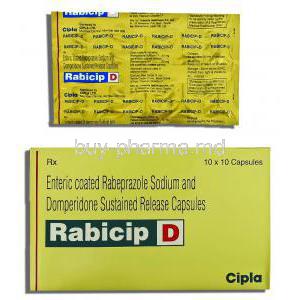
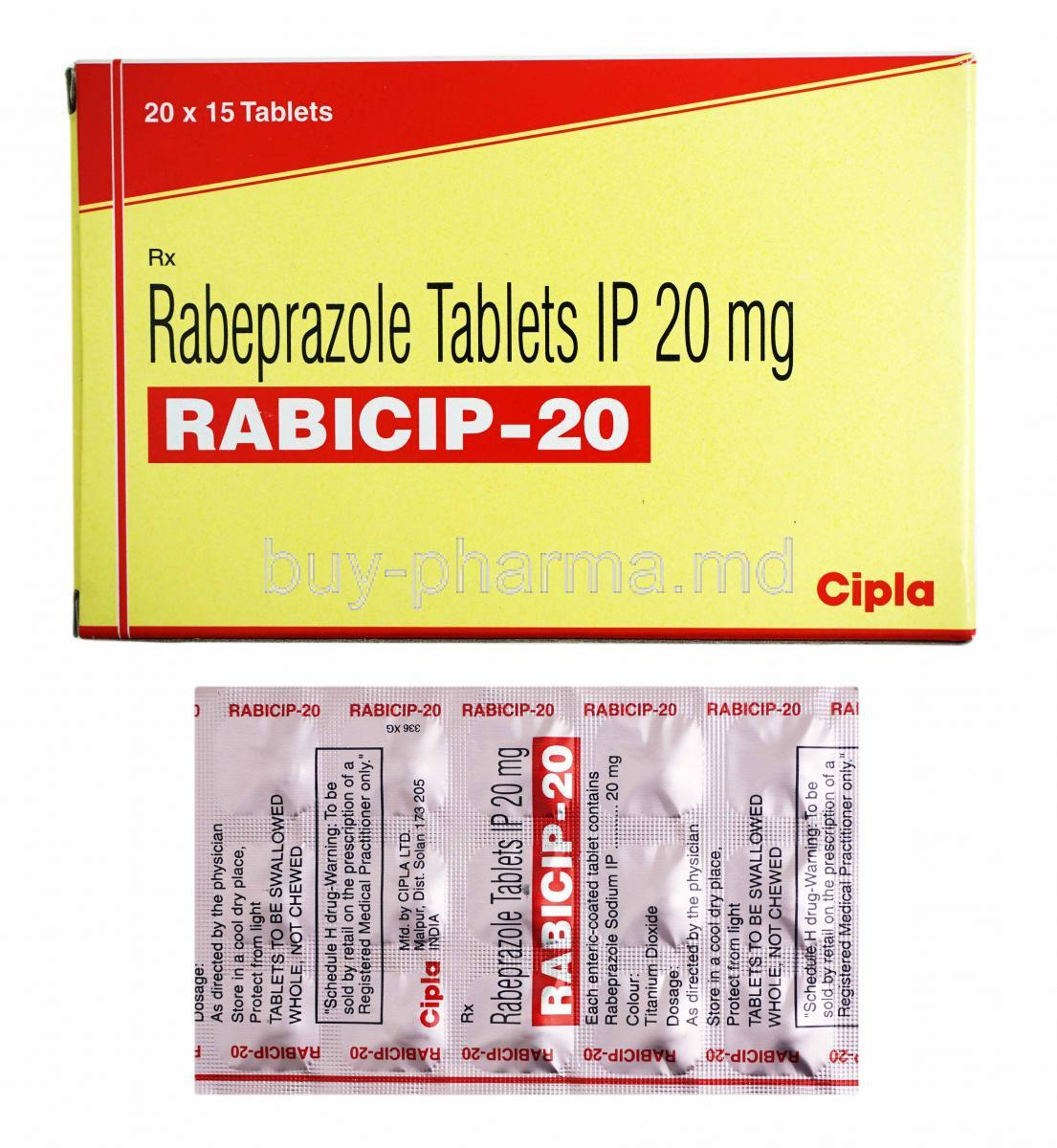
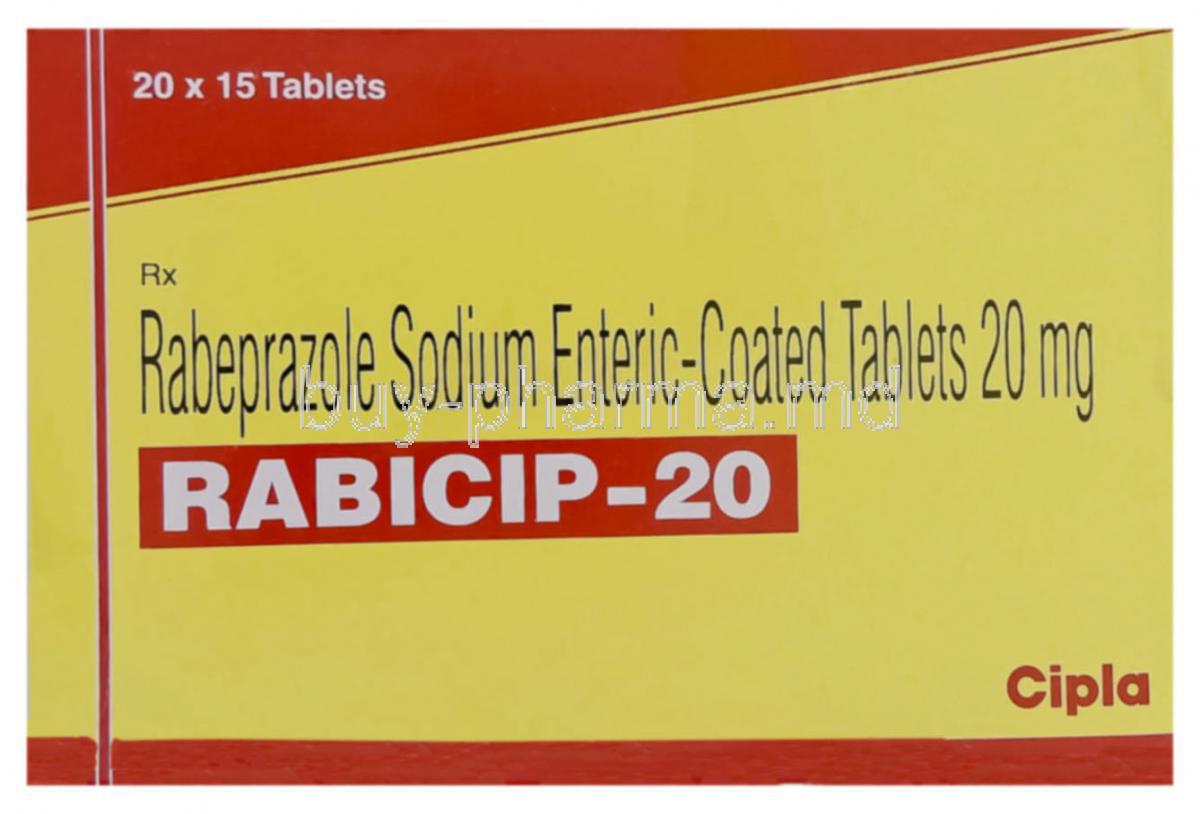
Rabicip, containing Rabeprazole Sodium, is a potent proton pump inhibitor (PPI) widely recognized for its efficacy in managing acid-related gastrointestinal conditions. It serves as a cornerstone therapy in reducing gastric acid secretion, providing both symptomatic relief and mucosal healing. Its precision and long-lasting action make it an essential component in modern gastroenterology.
Belonging to the PPI class, Rabicip acts by selectively targeting the final step of acid production in the stomach. Since its introduction in the late 1990s, Rabeprazole Sodium has gained prominence for its rapid onset and sustained efficacy compared to earlier PPIs. It has proven beneficial for patients suffering from conditions associated with excessive gastric acid secretion, such as GERD, peptic ulcers, and Zollinger–Ellison syndrome.
Through decades of clinical validation, Rabicip has established its therapeutic importance by improving patient outcomes in both acute and chronic gastric acid disorders. Its reliable profile and favorable tolerability make it a preferred option among clinicians.
2. Composition and Formulation
Rabicip’s therapeutic action is attributed to its active ingredient, Rabeprazole Sodium. It is available in a range of formulations designed to optimize absorption and patient compliance:
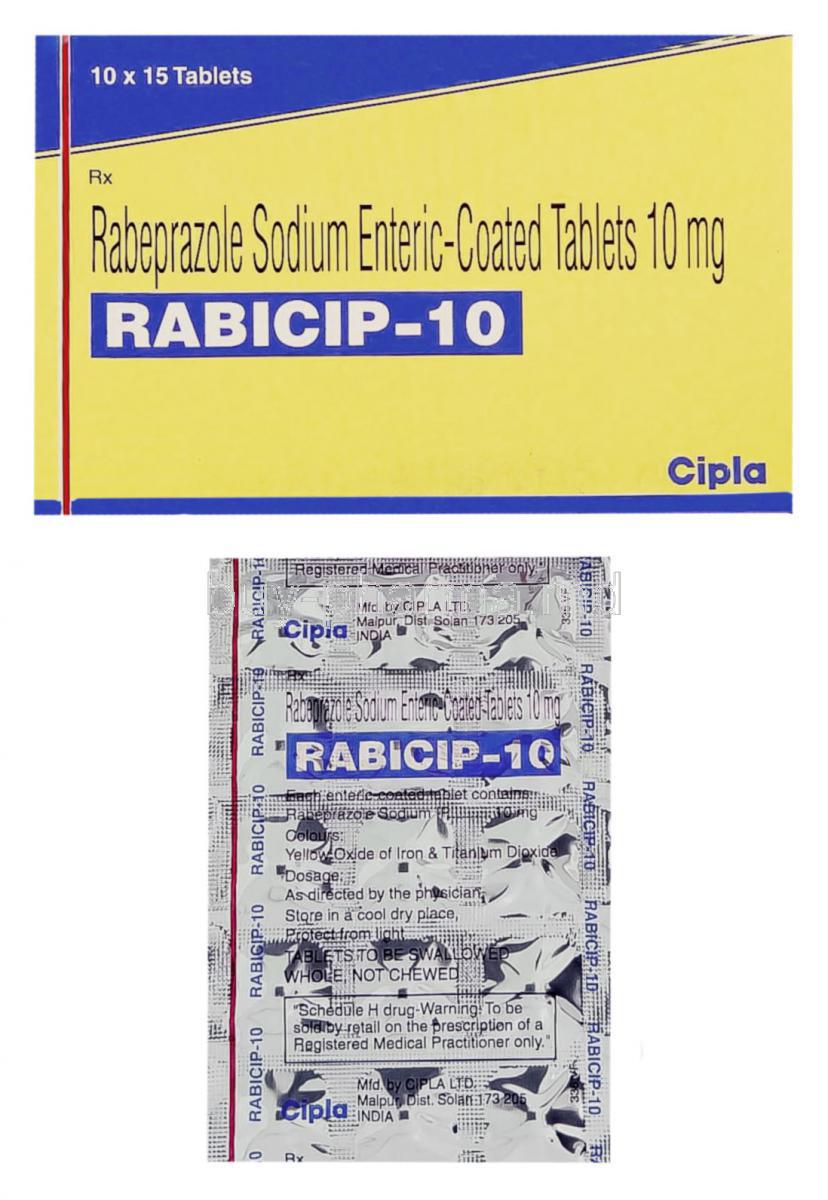
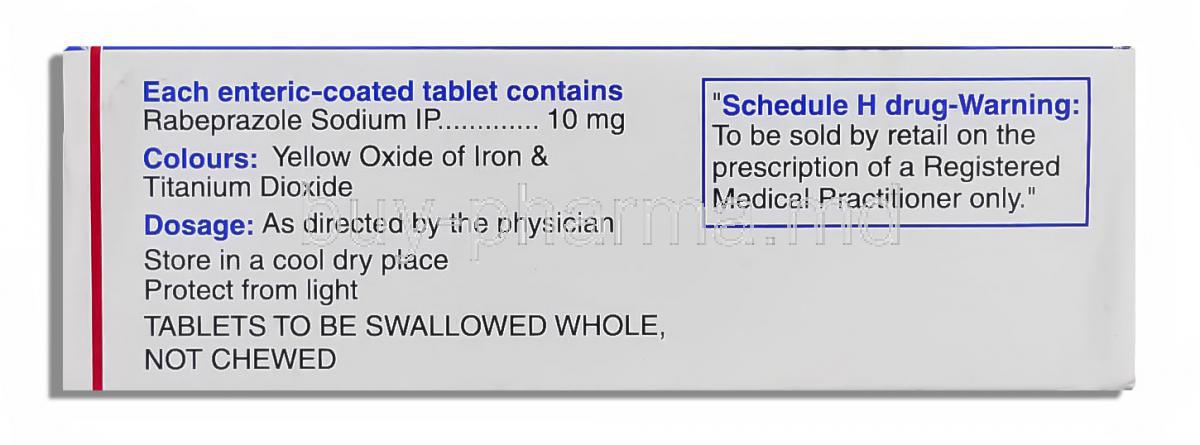
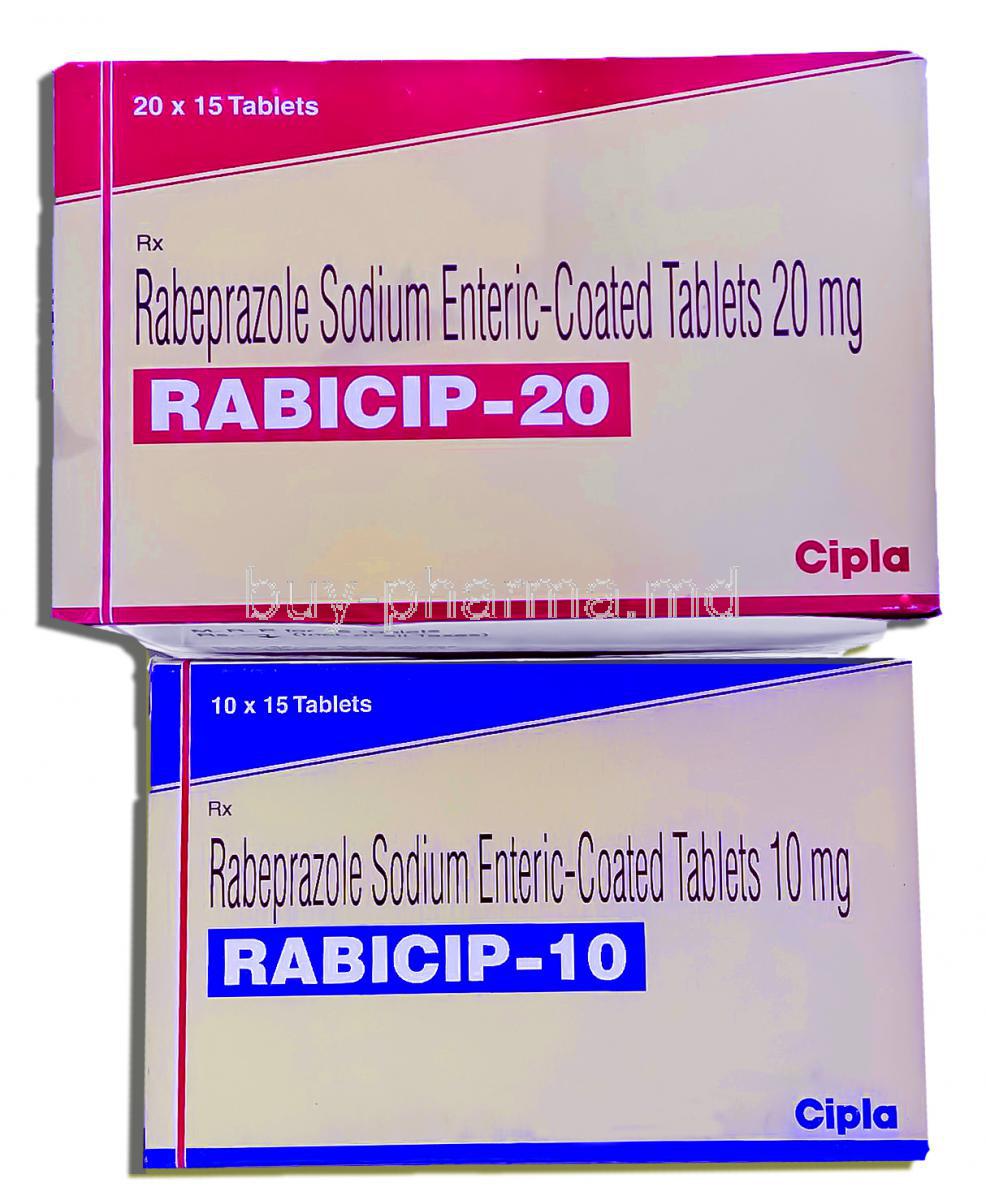
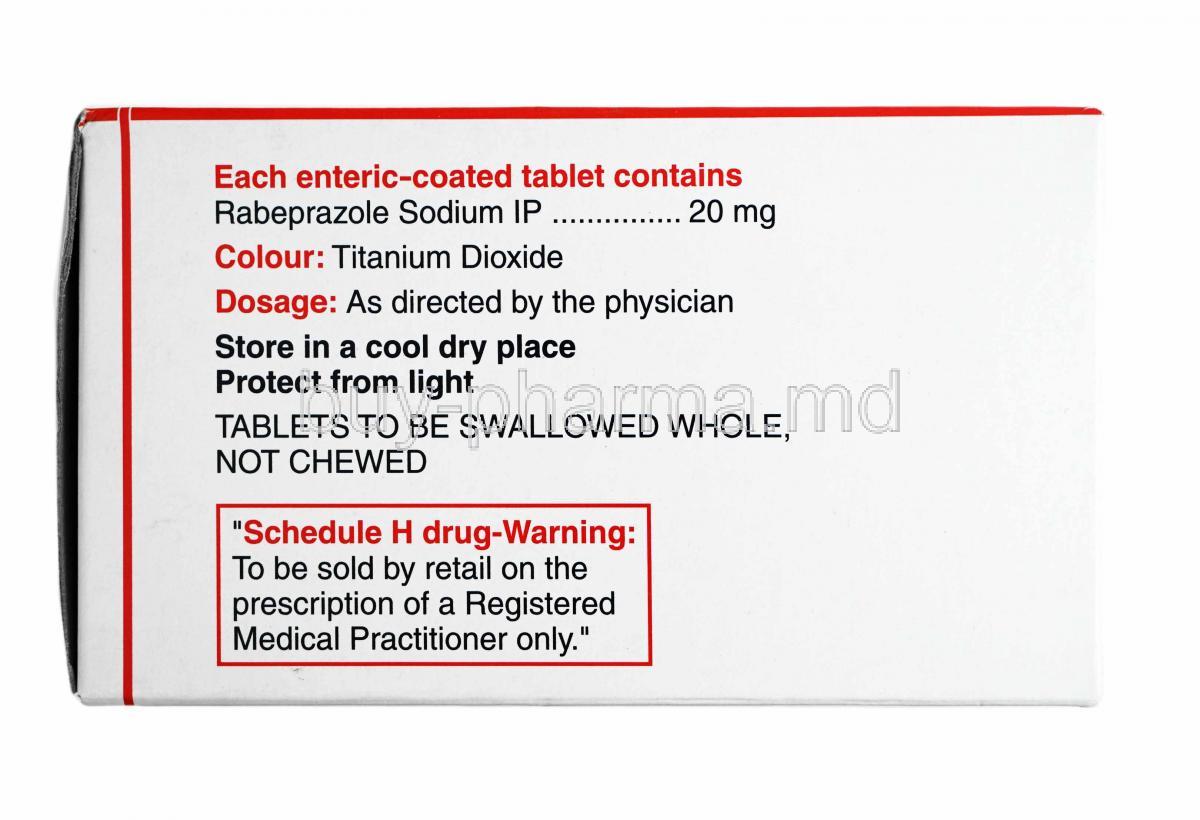
- Tablets (10 mg, 20 mg) – enteric-coated for delayed release
- Capsules – combining Rabeprazole with sodium bicarbonate for immediate buffering
- Injectable formulations – for hospital-based or acute management
Inactive ingredients such as magnesium oxide, mannitol, and hypromellose stabilize the tablet structure and ensure controlled release. The delayed-release mechanism safeguards Rabeprazole from stomach acid degradation, ensuring that the drug is released only in the intestinal environment, where it is absorbed efficiently.
3. Mechanism of Action
Rabicip functions through an intricate process involving selective inhibition of the H⁺/K⁺-ATPase enzyme system located on gastric parietal cells. By irreversibly blocking this “proton pump,” it halts the final step of hydrochloric acid secretion, resulting in profound and long-lasting acid suppression.
The therapeutic onset typically occurs within one hour after administration, reaching peak acid inhibition within three to four days of consistent dosing. Compared to other PPIs like omeprazole or pantoprazole, Rabeprazole exhibits a faster activation rate and minimal inter-patient variability. This contributes to improved symptom control and accelerated mucosal healing in acid-related conditions.
By elevating gastric pH and stabilizing the mucosal barrier, Rabicip promotes the natural healing of erosions and ulcers within the digestive tract.
4. Therapeutic Uses and Indications
Rabicip is indicated for the management of a wide spectrum of acid-related gastrointestinal disorders, including:
- Gastroesophageal Reflux Disease (GERD): Effective in healing erosive esophagitis and reducing heartburn symptoms.
- Peptic Ulcer Disease: Promotes healing of both gastric and duodenal ulcers.
- Zollinger–Ellison Syndrome: Controls pathological hypersecretion of gastric acid.
- Helicobacter pylori Eradication: Used in combination therapy with antibiotics such as amoxicillin and clarithromycin.
- Dyspepsia and Stomach Discomfort: Provides relief from upper abdominal bloating and acid indigestion.
- Stress Ulcer Prophylaxis: Protects the gastric lining in critically ill or postoperative patients.
5. Off-Label and Investigational Uses
Beyond its approved indications, Rabicip has demonstrated therapeutic potential in several off-label applications:
- Barrett’s Esophagus: Helps mitigate acid-induced cellular damage and reduce progression risk.
- NSAID-Induced Ulcer Prevention: Administered prophylactically to safeguard the gastric lining during chronic NSAID therapy.
- Functional Dyspepsia: Relieves unexplained upper abdominal pain and postprandial discomfort.
- Laryngopharyngeal Reflux (LPR): Reduces acid irritation affecting the throat and vocal cords.
- Chronic Cough and Asthma: Serves as an adjunct therapy when reflux contributes to respiratory symptoms.
6. Dosage and Administration
Rabicip dosing depends on the clinical indication and patient response:
- GERD and Erosive Esophagitis: 20 mg once daily for 4–8 weeks.
- Peptic Ulcer Disease: 20 mg once daily for 6–12 weeks.
- Zollinger–Ellison Syndrome: Initial dose of 60 mg daily, titrated as needed.
- H. pylori Eradication: 20 mg twice daily with antibiotics for 7–14 days.
The tablet should be swallowed whole, preferably before meals, to maximize absorption. If a dose is missed, it should be taken promptly unless the next dose is due soon. In cases of overdose, supportive and symptomatic care is recommended.
7. Pharmacokinetics
Rabeprazole is absorbed rapidly after oral administration, with peak plasma concentration achieved within 3–4 hours. The drug undergoes hepatic metabolism primarily via the CYP450 system (CYP2C19 and CYP3A4).
Its elimination half-life averages 1–2 hours, though acid suppression lasts up to 48 hours due to irreversible enzyme binding. Food may slightly delay absorption but does not significantly alter overall bioavailability. Pharmacogenomic variations—especially CYP2C19 polymorphisms—can influence response rates among individuals.
8. Side Effects and Adverse Reactions
8.1 Common Side Effects
Rabicip is generally well-tolerated, though mild adverse effects can occur:
- Headache and dizziness
- Diarrhea, constipation, or nausea
- Abdominal pain and flatulence
- Dry mouth or altered taste sensation
8.2 Serious Adverse Reactions
Serious but rare side effects include:
- Hypomagnesemia: Prolonged therapy may deplete magnesium, causing cramps or arrhythmia.
- Vitamin B12 Deficiency: Chronic suppression of gastric acid reduces B12 absorption.
- Clostridioides difficile Infection: Altered gut flora may increase susceptibility.
- Acute Interstitial Nephritis: Immune-mediated renal inflammation.
- Fracture Risk: Long-term use may impact bone density.
9. Drug Interactions
Rabicip may interact with several medications, altering their pharmacological effect:
- Reduced efficacy of atazanavir and rilpivirine due to increased gastric pH.
- Decreased absorption of drugs like ketoconazole and itraconazole.
- Potential alteration of warfarin and clopidogrel metabolism via CYP enzymes.
- Increased serum levels of methotrexate or digoxin with concurrent use.
- Alcohol and certain foods may exacerbate gastric irritation, counteracting therapeutic effects.
10. Warnings and Precautions
While Rabicip offers effective acid suppression, certain precautions must be observed:
- Long-Term Therapy Risks: Continuous use may lead to hypomagnesemia, vitamin deficiencies, or increased fracture risk.
- Masking of Gastric Malignancy: Acid suppression may obscure underlying cancer symptoms; diagnostic evaluation is advised prior to treatment.
- Renal or Hepatic Impairment: Dosage adjustment and clinical monitoring recommended.
- Unnecessary Prolonged Use: Therapy should be limited to the shortest duration required to control symptoms.
Regular medical review ensures optimal safety and therapeutic efficacy when using Rabicip over extended periods.
11. Contraindications
Rabicip (Rabeprazole Sodium) should not be used in patients with known hypersensitivity to rabeprazole, substituted benzimidazoles, or any inactive excipients contained in the formulation. Allergic manifestations such as rash, angioedema, bronchospasm, or anaphylaxis require immediate medical discontinuation and intervention.
Patients with severe hepatic impairment must avoid Rabicip unless under strict medical supervision. The metabolism of rabeprazole occurs predominantly in the liver, and accumulation may occur in hepatic dysfunction, increasing the risk of adverse effects.
Co-administration with certain antiretroviral agents such as atazanavir and rilpivirine is contraindicated, as Rabeprazole-induced elevation in gastric pH significantly reduces their absorption and therapeutic efficacy, potentially leading to treatment failure.
12. Careful Administration and Monitoring
Continuous assessment during long-term Rabicip therapy is critical to ensure safe and effective acid suppression. Regular clinical and laboratory monitoring is advised, especially for patients on chronic treatment.
- Serum Magnesium and Vitamin B12: Long-term use may cause depletion of magnesium and reduced absorption of vitamin B12. Periodic monitoring and supplementation are recommended for at-risk individuals.
- Liver and Kidney Function: Patients with pre-existing hepatic or renal disorders should be closely monitored, as impaired clearance may increase systemic exposure to Rabeprazole.
- Re-evaluation of Therapy: Ongoing necessity for PPI therapy should be reviewed periodically to prevent unnecessary prolonged use, minimizing the risk of adverse outcomes such as osteoporosis or infection.
- Polypharmacy in Elderly: Older adults often take multiple medications, increasing the potential for drug-drug interactions. Careful assessment and dosage adjustments are necessary to avoid metabolic overlap or toxicity.
13. Use in Special Populations
13.1 Administration to Elderly Patients
Elderly individuals may exhibit reduced metabolic clearance of Rabeprazole due to physiological changes in hepatic and renal function. While dosage adjustment is generally not required, vigilance is crucial as prolonged exposure may heighten the risk of side effects such as dizziness, hypomagnesemia, or bone fractures.
Moreover, polypharmacy is prevalent among elderly patients, necessitating careful evaluation for potential pharmacokinetic interactions. Lower initial dosing and gradual titration may enhance tolerance and minimize complications.
13.2 Administration to Pregnant Women and Nursing Mothers
Rabicip is classified under Pregnancy Category B. Animal studies have not demonstrated teratogenic effects, but controlled human data are limited. Therefore, Rabeprazole should be used during pregnancy only when the potential benefit clearly outweighs the potential risk to the fetus.
It remains uncertain whether Rabeprazole passes into human breast milk. Nursing mothers should consider either discontinuing breastfeeding or withholding therapy, based on the importance of the medication to maternal health. Alternative therapies with more established safety data may be explored when appropriate.
13.3 Administration to Children
Rabicip is approved for pediatric use in specific indications such as GERD and erosive esophagitis, particularly in adolescents aged 12 years and above. Dosing should be weight-adjusted and administered under medical supervision.
Although clinical trials suggest favorable tolerance, data on long-term safety in pediatric populations remain limited. Off-label use in younger children should be approached cautiously, with continuous monitoring for potential alterations in gastrointestinal flora or nutritional absorption.
14. Overdosage
Rabicip overdose is rare, as the drug has a wide therapeutic margin. However, excessive ingestion may manifest with symptoms such as confusion, tachycardia, sweating (diaphoresis), nausea, and tremors.
There is no specific antidote for rabeprazole overdose. Management involves supportive care:
- Immediate gastric lavage to remove unabsorbed medication.
- Administration of activated charcoal to reduce systemic absorption.
- Close monitoring of vital signs and electrolyte balance.
- Symptomatic treatment for cardiovascular or neurological manifestations.
Since Rabeprazole is extensively protein-bound, hemodialysis is not effective in clearing the drug from systemic circulation.
15. Handling and Storage Precautions
Rabicip should be stored in a cool, dry environment, ideally below 25°C, away from direct sunlight and humidity. Exposure to moisture may compromise the integrity of the enteric coating and reduce its efficacy.
- Shelf Life: Typically 24 to 36 months when stored in original packaging.
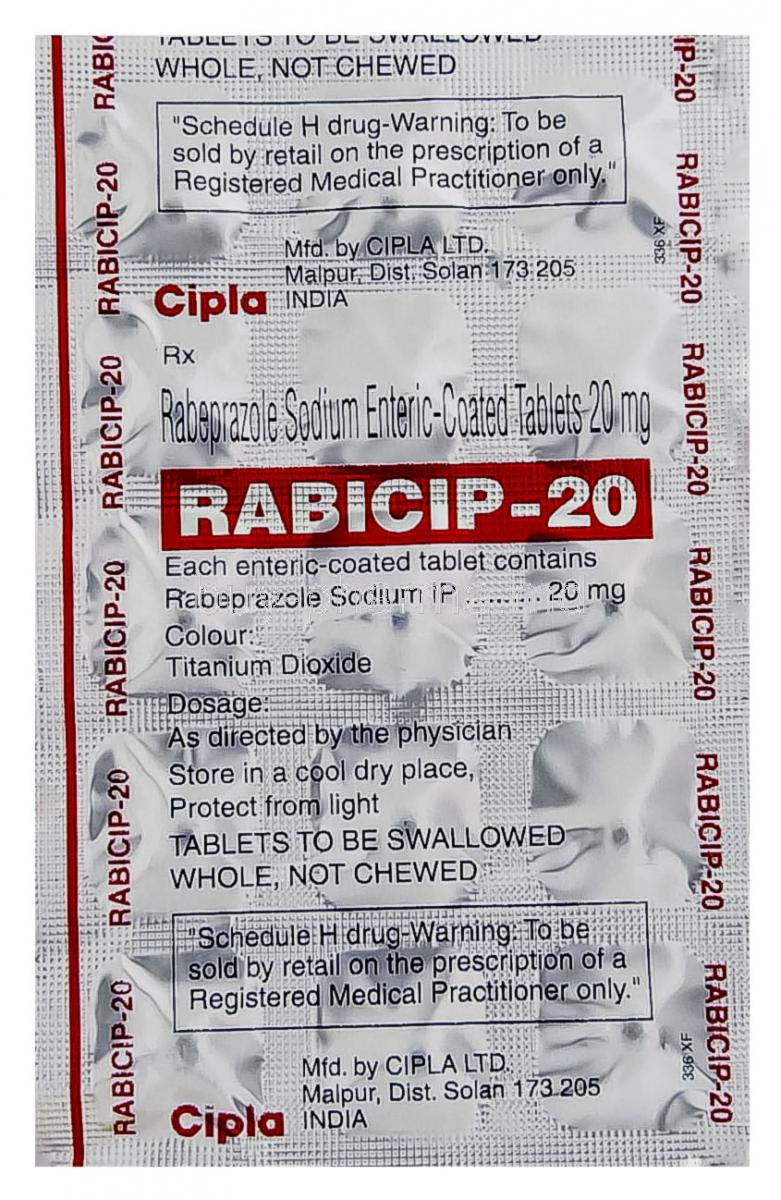
- Tablet Handling: Delayed-release tablets must not be crushed, split, or chewed, as this will destroy the protective coating designed to prevent premature degradation in the stomach.
- Disposal: Expired or unused medication should be discarded in accordance with local pharmaceutical waste guidelines. Do not dispose of through household drains or open waste systems.
16. Patient Education and Counseling Points
Patient awareness plays a pivotal role in optimizing treatment outcomes. Proper counseling ensures adherence and minimizes preventable complications.
- Dosing Schedule: Take Rabicip once daily before meals. Consistent timing enhances therapeutic efficiency.
- Adherence: Skipping doses may reduce acid suppression effectiveness. If a dose is missed, take it promptly unless it’s close to the next scheduled dose.
- Lifestyle Modifications: Adopt dietary adjustments such as avoiding spicy foods, caffeine, and alcohol. Cessation of smoking improves mucosal healing and drug efficacy.
- Side Effect Awareness: Report persistent diarrhea, muscle cramps, or unexplained fatigue—these may indicate electrolyte imbalances.
- Long-Term Therapy: Periodic evaluation and laboratory monitoring are essential during extended use to ensure metabolic stability and prevent deficiency states.
17. Summary and Key Takeaways
Rabicip (Rabeprazole Sodium) remains a cornerstone therapy for managing acid-related gastrointestinal disorders, providing rapid and sustained acid suppression with a strong safety record. Its broad clinical applicability, ranging from GERD to Zollinger–Ellison syndrome, underscores its therapeutic value.
Individualized patient assessment and regular monitoring ensure optimal outcomes, particularly among elderly patients and those requiring prolonged therapy. Adherence to dosing guidelines, proper storage, and awareness of potential interactions significantly enhance both safety and effectiveness.
In comprehensive gastrointestinal care, Rabicip stands as a well-tolerated, efficacious, and clinically reliable proton pump inhibitor, harmonizing symptom relief with long-term mucosal protection.
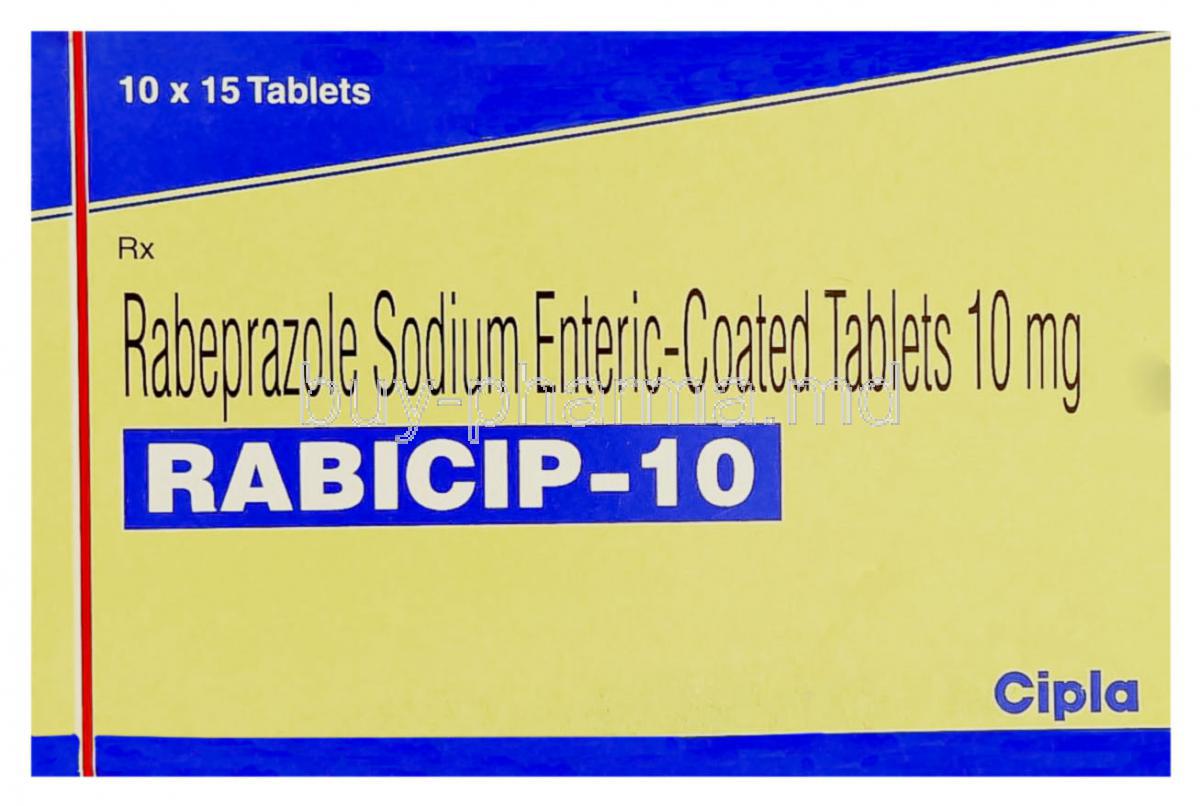
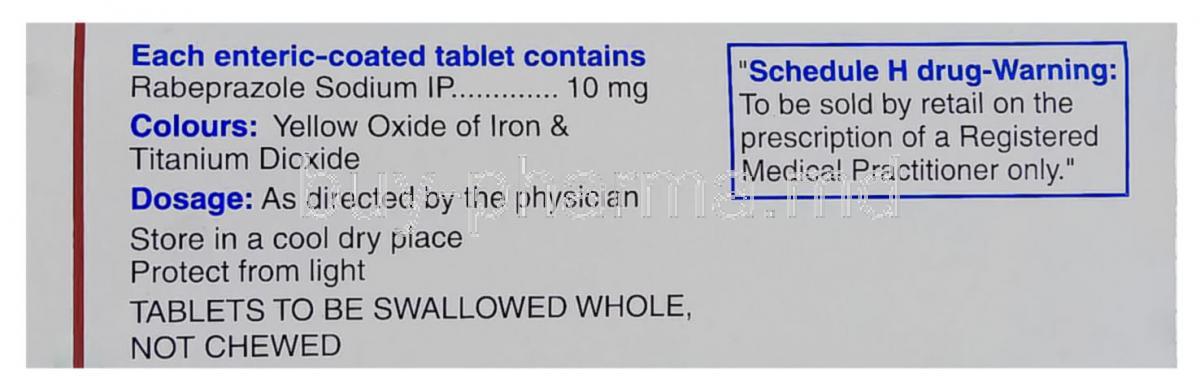
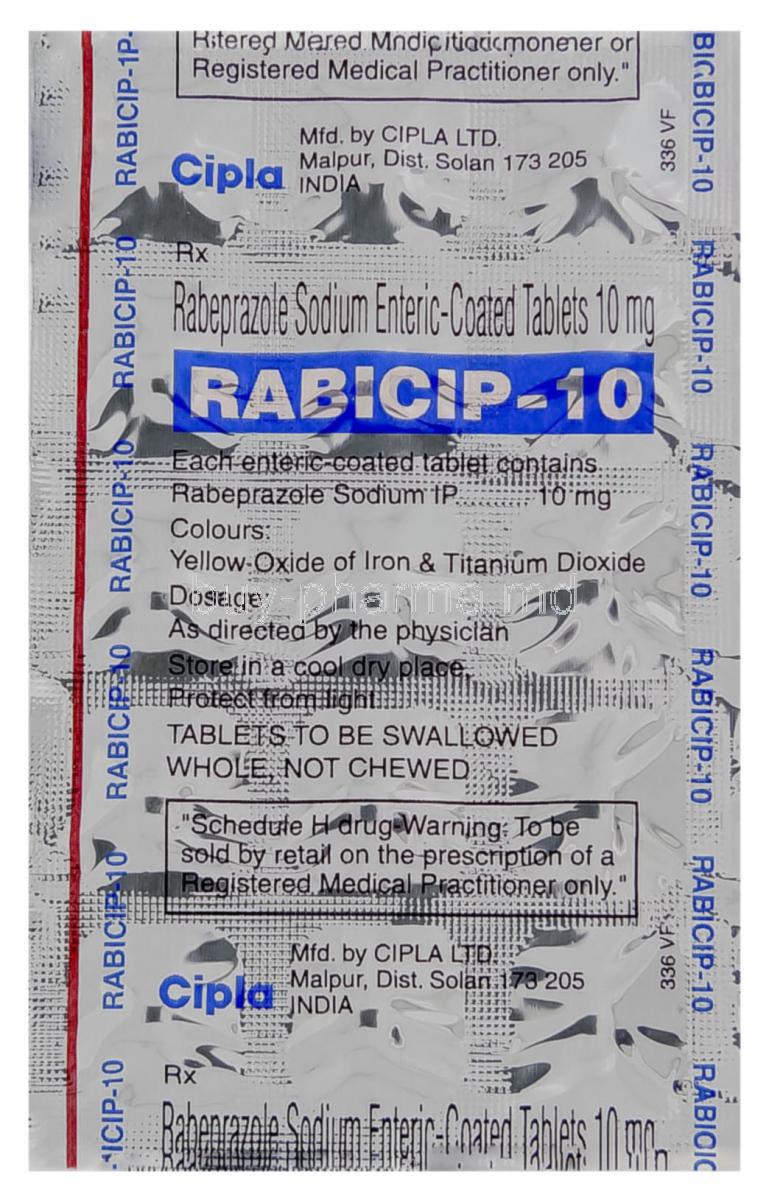
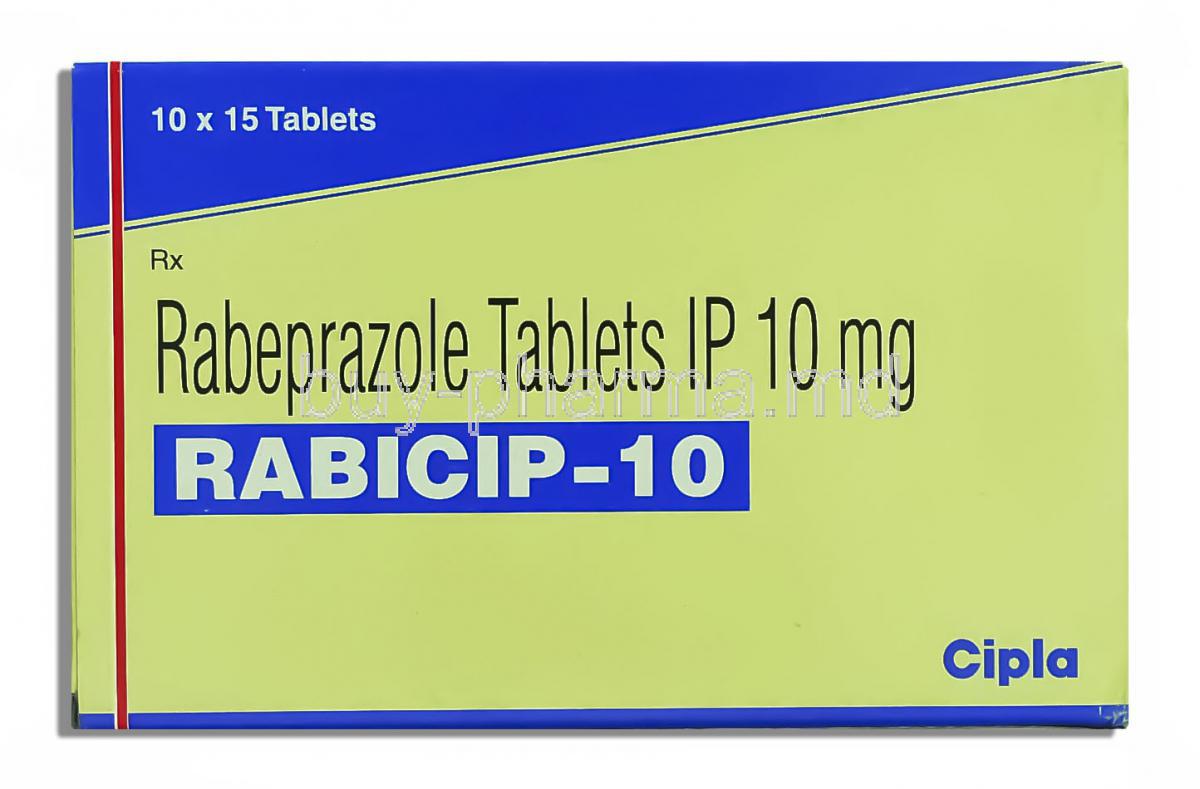
Rabicip, Rabeprazole Sodium FAQ
- What is rabicip used for?
- Is Rabicip D good for acidity?
- Is Rabicip 20 a prescription drug?
- What is Rabeprazole Sodium used for?
- What is the best time to take rabeprazole?
- What are the side effects of taking rabeprazole?
- What foods should you avoid when taking rabeprazole?
- Can rabeprazole affect the kidneys?
- What are the long-term effects of taking rabeprazole?
- How many days does it take for rabeprazole to work?
- Can rabeprazole cause weight gain?
- Who cannot take rabeprazole?
- Can rabeprazole cure GERD?
- Can rabeprazole cause anxiety?
- Does rabeprazole damage the liver?
- What is the best alternative to rabeprazole?
- Can I stop taking rabeprazole cold turkey?
- What drugs should not be taken with rabeprazole?
- Why do doctors prescribe rabeprazole?
- Which is better, pan D or rabeprazole?
- What is the most common side effect of rabeprazole?
- What is the difference between Nexium and rabeprazole?
- Can rabeprazole reduce bloating?
- Can rabeprazole cause bowel problems?
- Can I take vitamin D with rabeprazole?
- Can rabeprazole cure gastritis?
- Does rabeprazole cause insomnia?
- How long can I take rabeprazole?
- What are the worst side effects of rabeprazole?
- Does rabeprazole cause stomach polyps?
- Can rabeprazole cure an ulcer?
- How long does rabeprazole stay in your system?
What is rabicip used for?
Rabicip Tablet is prescribed for the treatment of duodenal ulcers, as well as for managing reflux esophagitis and gastro‑oesophageal reflux disease (GERD). It acts by lowering the amount of acid your stomach produces which in turn eases the symptoms you experience.
Is Rabicip D good for acidity?
It alleviates the acidity woes—heartburn, uneasy stomach pains or plain irritation. It also quells the acid and encourages gas to travel smoothly, cutting down on belly discomfort.
Is Rabicip 20 a prescription drug?
Yes
What is Rabeprazole Sodium used for?
Rabeprazole is employed to ease the symptoms of gastroesophageal reflux disease (GERD), a condition wherein acidic stomach contents surge backward, sparking heartburn and possibly injuring the esophagus—the passage that joins the throat with the stomach—in adults and, in children twelve years of age or older.
What is the best time to take rabeprazole?
1 in the morning and 1 at bedtime
What are the side effects of taking rabeprazole?
- Headache
- Dizziness
- Sore throat
- Vomiting
What foods should you avoid when taking rabeprazole?
Rich, spicy, and fatty foods
Can rabeprazole affect the kidneys?
Acute tubulointerstitial nephritis, a kidney disorder, can arise at any stage of rabeprazole treatment.
What are the long-term effects of taking rabeprazole?
Continuing to take this medication for a period can compromise your bodys ability to absorb vitamin B12.
How many days does it take for rabeprazole to work?
2-3 days
Can rabeprazole cause weight gain?
Yes
Who cannot take rabeprazole?
- Any history of a reaction to rabeprazole
- Pregnancy
- Active breastfeeding
Can rabeprazole cure GERD?
Typically, rabeprazole is prescribed at 20 mg daily for four weeks for duodenal ulcers, six weeks for gastric ulcers, and roughly eight weeks for GERD. Occasionally, a duodenal‑ulcer patient will respond to a 10 mg daily dose. For long‑term maintenance, after GERD healing, a dose of either 10 mg or 20 mg is usually sufficient.
Can rabeprazole cause anxiety?
Yes
Does rabeprazole damage the liver?
Rarely
What is the best alternative to rabeprazole?
Can I stop taking rabeprazole cold turkey?
If you've been taking a PPI for more than eight weeks and you stop abruptly, you might experience a surge in acid, what is often labeled as "rebound" acid production.
What drugs should not be taken with rabeprazole?
- Antifungal agents—itraconazole, ketoconazole, posaconazole and voriconazole
- Blood clot medicines
- Methrotrexate
- Rifampicin
Why do doctors prescribe rabeprazole?
Rabeprazole is employed to both manage and sustain healing in gastroesophageal reflux disease (GERD). It is also used to relieve the symptoms—heartburn and regurgitation—of reflux disease (NERD).
Which is better, pan D or rabeprazole?
When set side by side with pantoprazole, rabeprazole consistently proves to be the acid inhibitor.
What is the most common side effect of rabeprazole?
- Body ache
- Bloating
- Heartburn
- Diarrhea
- Constipation
What is the difference between Nexium and rabeprazole?
Rabeprazole (Aciphex) and Esomeprazole (Nexium) are both members of the proton‑pump‑inhibitor family used to manage disorders that arise from stomach acid—such as GERD, ulcers, and related conditions. While Rabeprazole requires a physician’s prescription, Esomeprazole can be obtained over the counter or with a prescription.
Can rabeprazole reduce bloating?
Yes
Can rabeprazole cause bowel problems?
Rabeprazole can raise the chance of diarrhea, often stemming from an infection, with the bacterium Clostridium difficile.
Can I take vitamin D with rabeprazole?
Yes
Can rabeprazole cure gastritis?
Often incorporated into gastritis management rabeprazole works by curbing acid secretion and nudging the stomach lining toward recovery.
Does rabeprazole cause insomnia?
Yes
How long can I take rabeprazole?
Few weeks or months
What are the worst side effects of rabeprazole?
bone fractures
Does rabeprazole cause stomach polyps?
When this medication is taken over a period, it may trigger the emergence of polyps—essentially growths in the stomach.
Can rabeprazole cure an ulcer?
Yes
How long does rabeprazole stay in your system?
In cases your body will have flushed out rabeprazole within 24 hours.
Popular Products

Similar Product