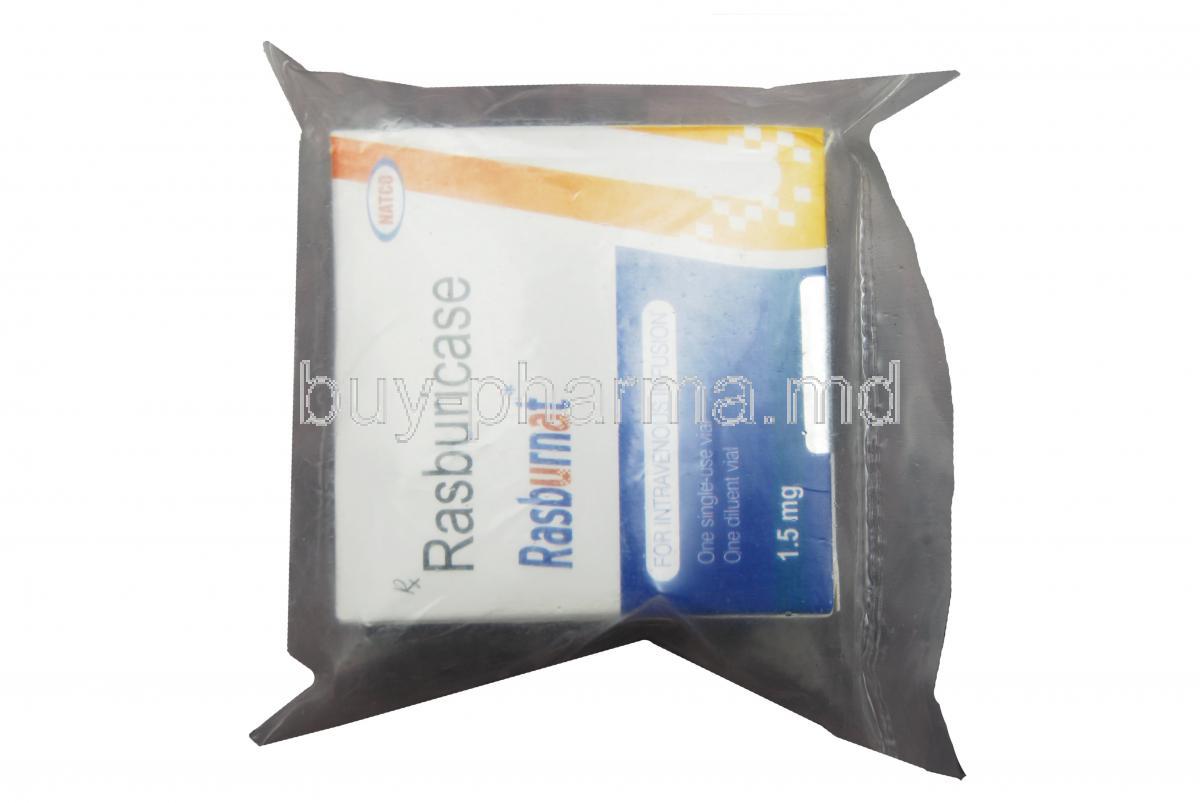
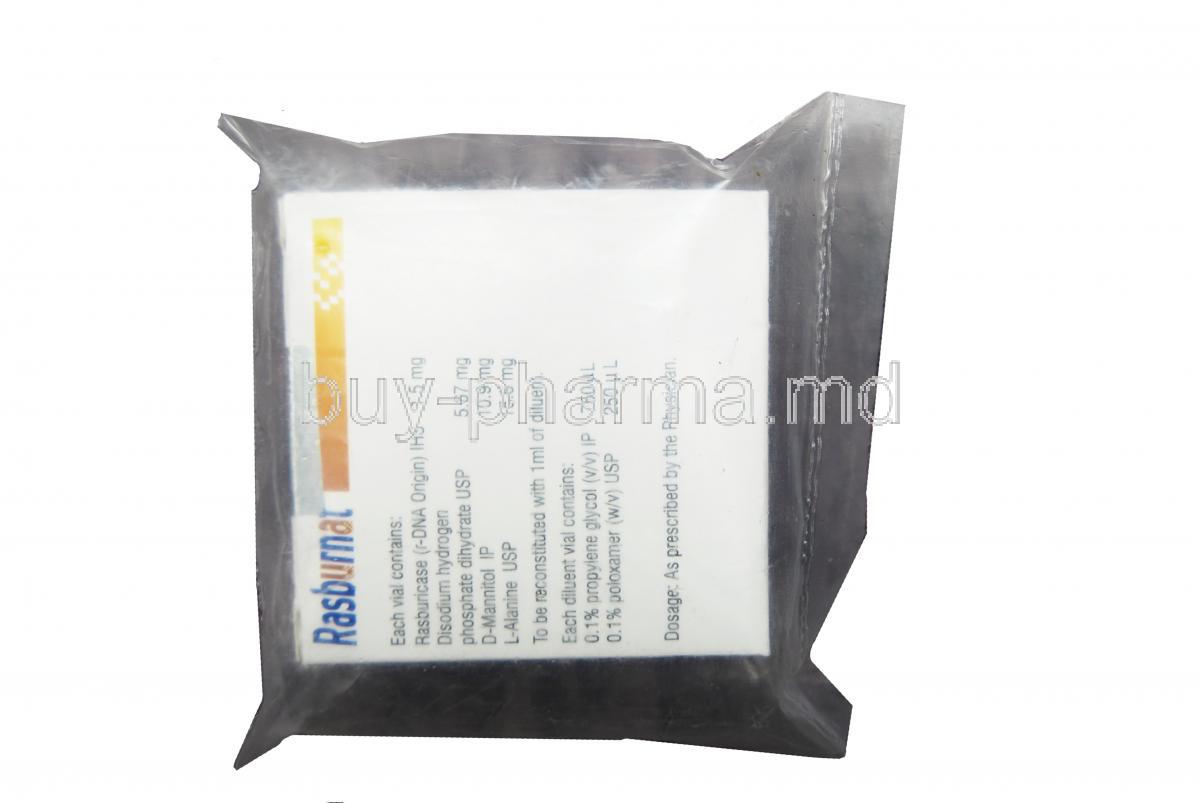
1. Introduction to Rasburnat Injection (Rasburicase)
Rasburnat Injection contains rasburicase, a bioengineered enzyme specifically designed to address dangerous elevations of uric acid in the bloodstream. As a recombinant urate-oxidase, rasburicase represents a targeted biochemical solution rather than a conventional small-molecule drug.
Its primary therapeutic value lies in the rapid degradation of uric acid, a metabolic byproduct that can accumulate abruptly during aggressive cancer treatment. In oncology and metabolic emergencies, speed is critical. Rasburicase offers a prompt and decisive intervention.
- Prevents acute renal complications
- Reduces metabolic burden during cytotoxic therapy
- Acts within hours rather than days
Globally, rasburicase is incorporated into oncology protocols for high-risk patients. Regulatory approvals across multiple regions have established it as a standard of care in tumor lysis syndrome management.
2. Composition and Pharmaceutical Characteristics
The active pharmaceutical ingredient in Rasburnat Injection is rasburicase, a recombinant form of urate oxidase produced using advanced genetic engineering techniques. This enzyme is structurally optimized for human therapeutic use.
The formulation typically includes stabilizing excipients that preserve enzymatic activity and ensure solution integrity after reconstitution. These non-active components are pharmacologically inert yet essential for clinical performance.
- Dosage form: sterile lyophilized powder
- Route: intravenous administration after reconstitution
- Strength and vial size vary by manufacturer
3. Mechanism of Action – How Rasburicase Works
Rasburicase catalyzes the oxidation of uric acid into allantoin, a compound that is significantly more water-soluble and readily eliminated via renal excretion. This enzymatic reaction bypasses human metabolic limitations.
Unlike xanthine oxidase inhibitors, which prevent new uric acid formation, rasburicase directly eliminates existing uric acid. This distinction is clinically profound.
- Immediate biochemical conversion
- No reliance on hepatic metabolism
- Rapid reduction of serum urate levels
The result is a swift decrease in renal urate load, minimizing crystal precipitation and preserving kidney function during metabolic stress.
4. Approved Therapeutic Uses of Rasburnat Injection
Rasburnat Injection is primarily indicated for the prevention and treatment of tumor lysis syndrome (TLS), a life-threatening complication associated with rapid tumor cell breakdown.
Approved uses include:
- Acute hyperuricemia in patients with leukemia or lymphoma
- High-risk solid tumors undergoing intensive chemotherapy
- Preemptive uric acid control before cytotoxic treatment
By mitigating uric acid accumulation, rasburicase reduces the incidence of acute kidney injury and associated metabolic derangements.
5. Off-Label and Investigational Uses
Beyond labeled indications, rasburicase is sometimes utilized in complex clinical scenarios where conventional therapies fail. These applications are guided by specialist judgment and emerging evidence.
- Severe hyperuricemia unresponsive to allopurinol
- Emergency treatment of acute uric acid nephropathy
- Expanded use in pediatric oncology settings
Investigational interest also extends to patients with renal impairment, where rapid urate clearance may confer protective benefits under controlled conditions.
6. Dosage and Administration Guidelines
Rasburicase dosing is typically weight-based to ensure precise enzymatic exposure. Standard regimens are short in duration but potent in effect.
- Administered via intravenous infusion
- Dosing adjusted according to body weight
- Short treatment courses, often 1–5 days
Preparation involves careful reconstitution and dilution using aseptic technique. Repeat dosing decisions depend on uric acid levels and clinical response.
7. Administration in Special Populations
7.1 Administration to Elderly Patients
In elderly individuals, physiological reserve may be diminished. While rasburicase does not require routine dose adjustment based on age alone, comprehensive assessment is essential.
- Baseline renal function evaluation
- Close monitoring for adverse reactions
- Heightened vigilance during infusion
7.2 Administration to Pregnant Women and Nursing Mothers
Rasburicase use during pregnancy is limited by insufficient human data. Animal studies provide partial insight but do not fully define fetal risk.
Breastfeeding considerations include potential protein degradation in the infant gastrointestinal tract, yet caution is advised.
- Individualized risk-benefit assessment
- Specialist consultation recommended
7.3 Administration to Children
Pediatric oncology represents a key population for rasburicase therapy. Children often experience rapid tumor lysis and benefit significantly from early intervention.
- Weight-based pediatric dosing
- Established safety profile in oncology trials
- Special consideration for neonates and infants
8. Side Effects and Adverse Reactions
8.1 Common Side Effects
Most adverse effects are mild to moderate and transient in nature. Commonly reported reactions include:
- Nausea and vomiting
- Fever or headache
- Local injection site irritation
- Mild hypersensitivity responses
8.2 Less Common but Serious Side Effects
Although rare, severe reactions may occur and require immediate medical intervention.
- Anaphylaxis and severe allergic reactions
- Hemolysis in patients with G6PD deficiency
- Methemoglobinemia with impaired oxygen delivery
- Respiratory distress or bronchospasm
9. Drug Interactions
Rasburicase may interfere with laboratory assays used to measure uric acid, leading to falsely low results if samples are not handled correctly.
Concomitant use with xanthine oxidase inhibitors such as allopurinol or febuxostat is generally avoided, as their mechanisms are redundant.
- Special handling of blood samples required
- Minimal interaction with most IV medications
- Diagnostic interpretation must consider enzymatic activity
Careful coordination between laboratory and clinical teams ensures accurate monitoring and optimal therapeutic outcomes.
10. Warnings and Safety Information
Rasburicase therapy is associated with specific safety considerations that require heightened clinical vigilance. As a recombinant enzyme of non-human origin, it carries an inherent risk of immunogenic reactions, some of which may be abrupt and severe.
Hypersensitivity reactions, including anaphylaxis, have been reported. These events may occur during or shortly after infusion and can escalate rapidly if not promptly addressed.
- Risk of acute hypersensitivity and anaphylactic shock
- Absolute contraindication in patients with G6PD deficiency
- Potential for hemolysis and methemoglobinemia
Continuous monitoring during infusion is essential. Emergency medications, oxygen, and resuscitation equipment must be immediately available to manage unexpected reactions without delay.
11. Contraindications
Rasburicase must not be administered in clinical settings where known contraindications exist, as serious and irreversible adverse outcomes may ensue.
- Documented hypersensitivity to rasburicase or formulation components
- Confirmed glucose-6-phosphate dehydrogenase (G6PD) deficiency
- Previous severe allergic reactions to urate-oxidase–based therapies
In these populations, alternative uric acid–lowering strategies should be employed. Failure to adhere to contraindication guidance significantly increases the risk of life-threatening complications.
12. Careful Administration and Monitoring
Safe administration of rasburicase depends on meticulous baseline assessment and continuous clinical oversight. Pre-treatment laboratory evaluations form the foundation of responsible therapy.
- Baseline uric acid, renal, and hematologic parameters
- Serial monitoring of serum uric acid levels
- Regular evaluation of renal function and blood indices
Infusions must be supervised by trained healthcare professionals. Patients should be observed closely during and after administration to detect early signs of intolerance, hemolysis, or oxygen transport abnormalities.
13. Important Precautions Before and During Treatment
Several critical precautions must be observed before initiating rasburicase therapy. Among these, screening for G6PD deficiency is paramount and non-negotiable.
Additionally, special attention is required when handling blood samples for uric acid measurement. Rasburicase continues to degrade uric acid ex vivo unless samples are processed under controlled conditions.
- Mandatory G6PD screening prior to first dose
- Immediate chilling and processing of blood samples
- Avoidance of prolonged or unnecessary treatment duration
Patients or caregivers should be adequately informed about the purpose, benefits, and potential risks of therapy. Informed consent and clear communication enhance adherence and safety.
14. Overdosage and Emergency Management
Clinical experience with rasburicase overdose is limited. However, excessive enzymatic activity may theoretically intensify adverse reactions rather than produce classic dose-dependent toxicity.
Potential manifestations include exaggerated hypersensitivity responses, hematologic disturbances, or oxidative stress–related complications.
- No specific antidote available
- Management is supportive and symptom-directed
- Continuous monitoring of vital signs and laboratory markers
All suspected overdose events should be documented and reported through established pharmacovigilance systems to contribute to ongoing safety surveillance.
15. Storage and Stability
Rasburicase is a biologically active protein with defined storage requirements to maintain stability and efficacy. Deviation from recommended conditions may result in loss of enzymatic activity.
- Store at recommended refrigerated temperatures
- Protect from light and physical agitation
- Observe manufacturer-defined shelf life
Once reconstituted, the solution has limited stability and must be used within the specified timeframe. Unused or expired product should be disposed of according to institutional and regulatory guidelines.
16. Handling and Preparation Precautions
Proper handling of rasburicase is essential to preserve its structural integrity and clinical performance. As a recombinant protein, it is sensitive to mechanical stress and improper technique.
- Strict aseptic handling during preparation
- Reconstitution by trained healthcare professionals only
- Avoid vigorous shaking to prevent protein denaturation
Institutional protocols should govern storage, preparation, and transport within healthcare facilities. Adherence to these guidelines ensures consistent therapeutic outcomes and minimizes preventable risks.
Rasburnat Injection, Rasburicase FAQ
Popular Products

Similar Product