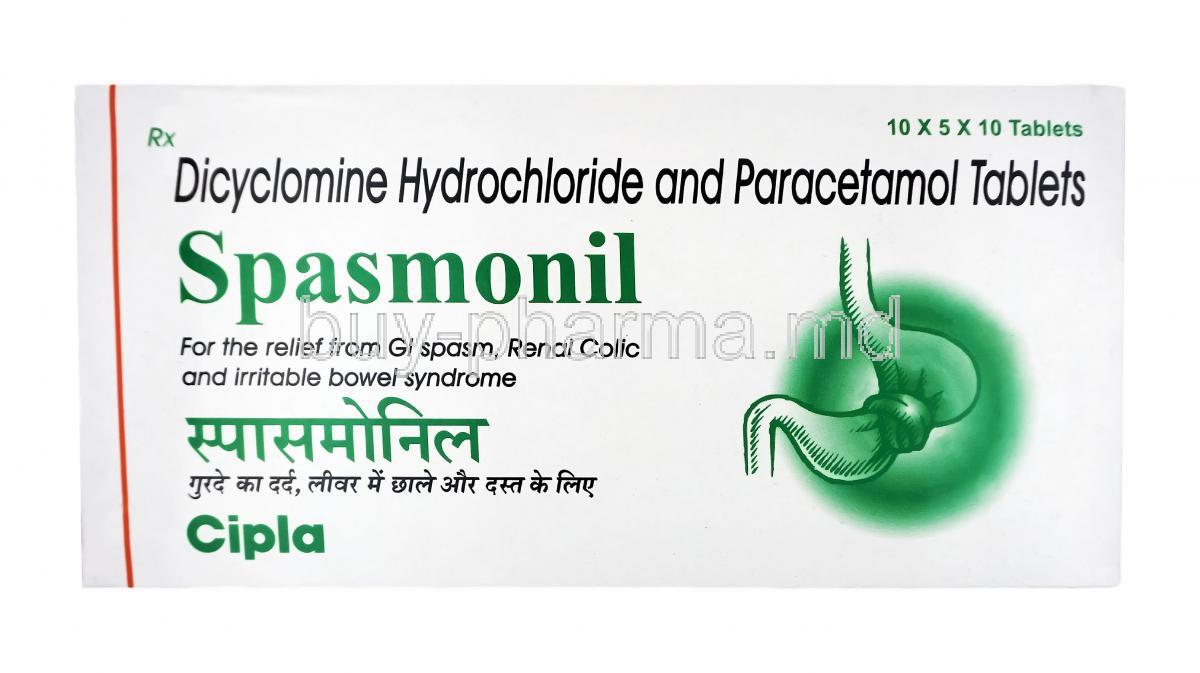
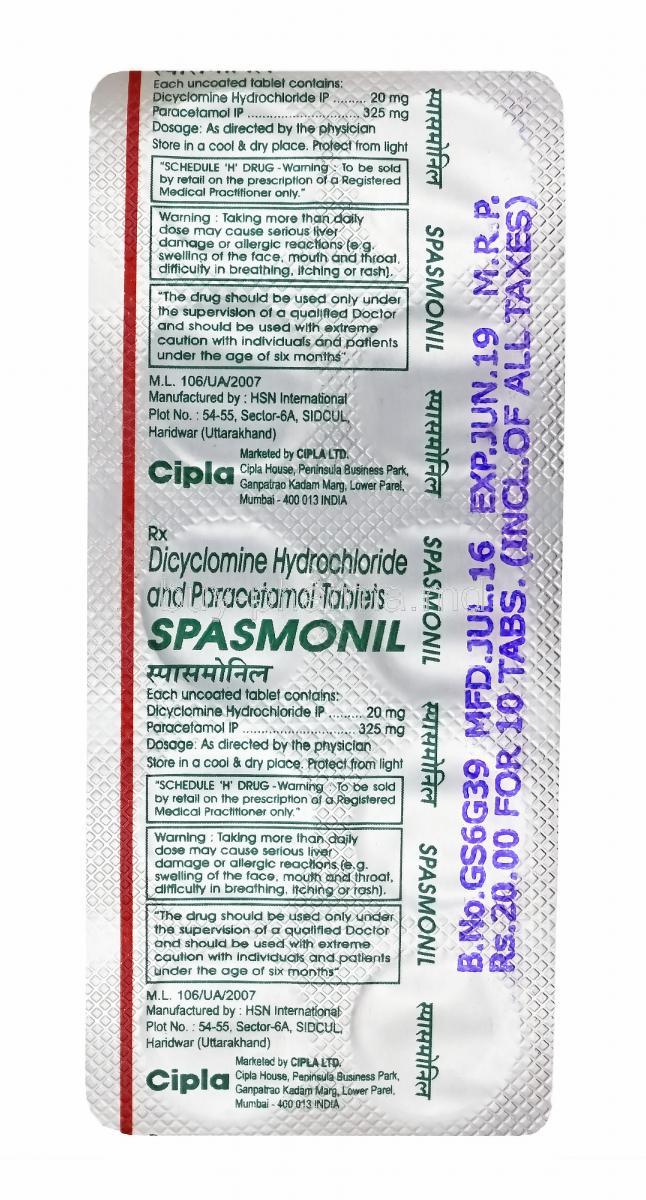
Introduction to Spasmonil (Dicyclomine / Paracetamol)
Overview of Spasmonil as a Combination Antispasmodic and Analgesic Medication
Spasmonil is a dual-action pharmaceutical formulation designed to alleviate pain associated with smooth muscle spasms. It integrates an antispasmodic agent with a well-established analgesic, offering a multifaceted approach to symptom control. This combination is particularly advantageous in conditions where visceral discomfort is accompanied by inflammatory or nociceptive pain.
Unlike monotherapy agents, this formulation targets both the underlying muscular contraction and the perception of pain. The result is a more comprehensive symptomatic relief profile, especially in gastrointestinal and genitourinary disorders.
Therapeutic Classification: Anticholinergic + Analgesic/Antipyretic
Spasmonil is categorized pharmacologically as:
- Anticholinergic agent: Dicyclomine hydrochloride
- Analgesic/antipyretic: Paracetamol (acetaminophen)
This classification underscores its dual pharmacodynamic properties. The anticholinergic component attenuates involuntary smooth muscle contractions, while the analgesic component mitigates pain perception and reduces fever if present.
Indications in Gastrointestinal and Smooth Muscle-Related Pain Conditions
Spasmonil is primarily indicated in disorders characterized by spasmodic activity of smooth muscles. These include conditions affecting the gastrointestinal tract, biliary system, and urinary pathways. Its therapeutic relevance extends to both acute and chronic presentations of spasm-induced discomfort.
Clinical application often involves:
- Functional bowel disorders with intermittent cramping
- Inflammatory states causing visceral hypersensitivity
- Spasm-related pain secondary to infections or obstruction
Role in Symptomatic Relief of Abdominal Cramps and Visceral Pain
Visceral pain is often diffuse, poorly localized, and associated with autonomic symptoms. Spasmonil addresses this complexity through a bifurcated mechanism. Dicyclomine reduces the intensity and frequency of muscle contractions, while paracetamol modulates central pain pathways.
This synergy results in:
- Rapid attenuation of cramping sensations
- Improved patient comfort and mobility
- Reduction in associated symptoms such as nausea and bloating
Composition and Active Ingredients
Dicyclomine Hydrochloride: Pharmacological Class and Concentration
Dicyclomine hydrochloride is a tertiary amine anticholinergic agent that exerts its effects by antagonizing muscarinic receptors in smooth muscle tissue. It is typically present in standardized therapeutic concentrations, calibrated to achieve optimal spasmolytic activity without excessive systemic effects.
Its pharmacological profile includes:
- Inhibition of acetylcholine-mediated muscle contraction
- Direct relaxant effect on gastrointestinal smooth muscle
- Reduction of hypermotility and spasmodic episodes
Paracetamol (Acetaminophen): Analgesic and Antipyretic Properties
Paracetamol is a widely utilized analgesic with a favorable safety profile when used within recommended limits. It exerts central action by inhibiting prostaglandin synthesis in the brain, thereby reducing pain and fever.
Key characteristics include:
- Minimal anti-inflammatory activity
- Low gastrointestinal irritation compared to NSAIDs
- Effective relief of mild to moderate pain
Excipients and Formulation Details (Tablets, Capsules, or Syrups)
Spasmonil is formulated using pharmaceutically acceptable excipients that enhance stability, bioavailability, and patient compliance. These may include binders, disintegrants, and coating agents depending on the dosage form.
Available formulations often include:
- Oral tablets for standard dosing
- Capsules for modified release profiles
- Syrups for pediatric or dysphagic patients
Synergistic Mechanism of Combination Therapy
The therapeutic efficacy of Spasmonil lies in the synergism between its active components. While dicyclomine mitigates the mechanical aspect of pain by relaxing smooth muscle, paracetamol addresses the neurochemical perception of pain.
This complementary interaction:
- Enhances overall analgesic efficacy
- Reduces the need for higher doses of individual agents
- Provides faster and more sustained symptom relief
Mechanism of Action: How Spasmonil Works
Antispasmodic Action of Dicyclomine on Smooth Muscle (Anticholinergic Effects)
Dicyclomine exerts its antispasmodic effect by selectively inhibiting muscarinic receptors in the enteric nervous system. This leads to a reduction in parasympathetic stimulation of smooth muscle, thereby decreasing involuntary contractions.
The result is a pronounced relaxation of gastrointestinal musculature, alleviating spasms and associated discomfort.
Central and Peripheral Analgesic Action of Paracetamol
Paracetamol acts centrally within the hypothalamus to inhibit prostaglandin synthesis, which plays a pivotal role in pain signaling. Peripheral modulation may also occur, although to a lesser extent compared to nonsteroidal anti-inflammatory drugs.
Its analgesic action is characterized by:
- Reduction in pain threshold sensitivity
- Attenuation of fever through thermoregulatory mechanisms
- Minimal impact on platelet function
Reduction of Gastrointestinal Motility and Cramping
By dampening cholinergic transmission, dicyclomine reduces excessive gastrointestinal motility. This is particularly beneficial in hypermotile states such as irritable bowel syndrome.
Clinical outcomes include:
- Decreased frequency of bowel spasms
- Improved coordination of intestinal contractions
- Relief from colicky pain
Combined Effect on Pain Modulation and Muscle Relaxation
The integration of antispasmodic and analgesic mechanisms produces a comprehensive therapeutic effect. Pain is addressed at both its origin and perception levels, resulting in superior symptom control.
Patients often experience:
- Faster onset of relief
- Reduced recurrence of spasmodic episodes
- Enhanced quality of life during treatment
Therapeutic Uses of Spasmonil
Primary Indications
Irritable Bowel Syndrome (IBS) and Functional Bowel Disorders
Spasmonil is frequently prescribed for IBS, a condition characterized by abdominal pain, bloating, and altered bowel habits. The antispasmodic component alleviates intestinal contractions, while the analgesic component reduces discomfort.
Abdominal Pain Associated with Gastrointestinal Spasms
Acute and chronic abdominal pain resulting from spasmodic activity is effectively managed with this combination. It provides prompt relief in conditions such as intestinal colic and cramp-like discomfort.
Menstrual Cramps (Dysmenorrhea)
Dysmenorrhea involves painful uterine contractions mediated by prostaglandins. Spasmonil helps reduce both the intensity of uterine spasms and the associated pain, improving functional capacity during menstruation.
Biliary and Renal Colic
In biliary and renal colic, smooth muscle spasm contributes significantly to pain. Spasmonil aids in relaxing the affected ducts while concurrently reducing pain perception.
Expanded Clinical Uses
Postoperative Abdominal Cramping and Discomfort
Post-surgical patients may experience transient spasms due to tissue manipulation. Spasmonil offers symptomatic relief, facilitating recovery and comfort.
Gastroenteritis-Related Spasmodic Pain
Infectious inflammation of the gastrointestinal tract often leads to cramping. The medication helps mitigate spasms while providing analgesic support.
Urinary Tract Spasm-Associated Pain
Spasms in the urinary tract can produce sharp, intermittent pain. The anticholinergic action of dicyclomine assists in reducing such spasmodic episodes.
Adjunct Therapy in Peptic Ulcer-Related Discomfort
Although not a primary treatment for ulcers, Spasmonil may be used adjunctively to manage associated spasmodic pain and discomfort.
Off-Label Uses
Management of Infantile Colic (with Caution and Supervision)
In select cases, and under strict medical supervision, Spasmonil may be considered for severe infantile colic. However, safety concerns necessitate cautious evaluation.
Functional Dyspepsia and Bloating
Patients with dyspeptic symptoms often benefit from the reduction in gastric motility and relief of abdominal tension.
Smooth Muscle Spasm in Gynecological Conditions
Conditions involving pelvic muscle spasms may respond to the anticholinergic effects of dicyclomine, providing adjunctive relief.
Adjunct Pain Relief in Musculoskeletal Spasms
Although not a primary indication, the analgesic component may contribute to pain relief in certain musculoskeletal conditions when combined with other therapies.
Use in Stress-Related Gastrointestinal Symptoms
Stress can exacerbate gastrointestinal motility and sensitivity. Spasmonil may help alleviate stress-induced spasmodic symptoms, improving overall gastrointestinal comfort.
Dosage and Administration Guidelines
Standard Adult Dosing Recommendations
Spasmonil is typically administered in divided doses, calibrated to achieve optimal symptom control while minimizing adverse reactions. Adult dosing generally adheres to established therapeutic ranges for both dicyclomine and paracetamol components.
- Administered orally, usually 2–3 times daily depending on severity
- Dose titration may be required based on clinical response
- Maximum daily paracetamol limits must not be exceeded
Short courses are preferred for acute conditions, whereas chronic disorders require periodic reassessment.
Pediatric Dosing Considerations (If Applicable)
Use in pediatric populations demands prudence. Dosing must be individualized, taking into account age, body weight, and clinical indication.
- Not routinely recommended for infants without specialist supervision
- Lower doses required due to increased sensitivity
- Close monitoring for paradoxical reactions
Clinical discretion remains paramount in younger patients.
Frequency and Duration of Therapy
The frequency of administration is contingent upon symptom intensity and therapeutic goals. Acute episodes may necessitate short-term dosing, while chronic conditions such as IBS may require intermittent use.
- Typical duration: a few days to several weeks
- Avoid prolonged, unsupervised use
- Periodic evaluation for continued necessity
Dose Adjustments in Hepatic or Renal Impairment
Patients with compromised hepatic or renal function require dosage modification to prevent accumulation and toxicity.
- Reduced dosing in hepatic insufficiency due to paracetamol metabolism
- Cautious use in renal impairment with extended dosing intervals
- Regular laboratory monitoring advised
Administration Instructions (With or Without Food)
Spasmonil may be taken with or without food. However, administration with meals can mitigate gastrointestinal discomfort in sensitive individuals.
- Swallow tablets whole with adequate water
- Avoid crushing unless formulation permits
- Maintain consistent dosing intervals for optimal effect
Common Side Effects of Spasmonil
Dry Mouth, Dizziness, and Blurred Vision
Anticholinergic effects are frequently observed due to dicyclomine. Patients may experience xerostomia, transient dizziness, or visual disturbances.
- Usually mild and self-limiting
- More pronounced at higher doses
- Hydration may alleviate symptoms
Nausea and Mild Gastrointestinal Disturbances
Gastrointestinal discomfort may occur, particularly during initial therapy. These effects are generally transient and resolve with continued use.
Drowsiness and Fatigue
Central nervous system effects such as somnolence and fatigue may impair alertness. Patients should exercise caution when engaging in activities requiring concentration.
Constipation Due to Anticholinergic Effects
Reduced gastrointestinal motility may lead to constipation. Dietary adjustments and hydration are often beneficial.
Serious and Less Common Adverse Effects
Severe Allergic Reactions (Rash, Swelling, Anaphylaxis)
Although rare, hypersensitivity reactions may occur and require immediate medical attention.
Tachycardia and Palpitations
Anticholinergic activity may induce increased heart rate or palpitations, particularly in susceptible individuals.
Urinary Retention and Difficulty Urinating
Patients with underlying urological conditions may experience exacerbation of urinary retention.
Hepatotoxicity Related to Excessive Paracetamol Use
Overuse or high cumulative doses of paracetamol can result in liver injury, which may be severe and potentially life-threatening.
Confusion or Agitation, Particularly in Elderly Patients
Central anticholinergic effects may manifest as confusion, agitation, or delirium, especially in older adults.
Drug Interactions
Interaction with Other Anticholinergic Medications
Concurrent use may potentiate anticholinergic side effects, leading to increased risk of toxicity.
Concomitant Use with CNS Depressants (Enhanced Sedation Risk)
Sedative effects may be amplified when combined with CNS depressants such as benzodiazepines or opioids.
Alcohol Interaction and Increased Liver Toxicity Risk
Alcohol consumption enhances the hepatotoxic potential of paracetamol and should be avoided.
Interaction with Anticoagulants (Paracetamol-Related Effects)
Prolonged use of paracetamol may potentiate the effects of anticoagulants, increasing bleeding risk.
Potential Interactions with Antidepressants and Antihistamines
Certain antidepressants and antihistamines may exacerbate anticholinergic effects, necessitating caution.
Warnings and Safety Considerations
Risk of Liver Damage with Prolonged or High-Dose Paracetamol Use
Exceeding recommended doses significantly increases the risk of hepatic injury. Strict adherence to dosing guidelines is essential.
Caution in Patients with Glaucoma or Prostatic Hypertrophy
Anticholinergic effects may worsen intraocular pressure and urinary obstruction.
Effects on Cognitive and Motor Function (Driving Impairment)
Drowsiness and blurred vision may impair psychomotor performance, affecting activities such as driving.
Risk of Heat Intolerance Due to Reduced Sweating
Reduced perspiration may predispose individuals to heat-related illness, particularly in warm environments.
Contraindications
Hypersensitivity to Dicyclomine, Paracetamol, or Excipients
Use is contraindicated in individuals with known hypersensitivity to any component of the formulation.
Severe Liver Impairment or Active Liver Disease
Paracetamol metabolism is compromised in hepatic dysfunction, increasing toxicity risk.
Obstructive Uropathy or Gastrointestinal Obstruction
Anticholinergic effects may exacerbate obstructive conditions.
Myasthenia Gravis
Dicyclomine may worsen neuromuscular transmission impairment in affected patients.
Severe Ulcerative Colitis
Reduced motility may increase the risk of complications such as toxic megacolon.
Careful Administration (Use with Caution)
Patients with Mild to Moderate Hepatic Dysfunction
Dose adjustment and monitoring are required to mitigate hepatotoxic risk.
Individuals with Renal Impairment
Accumulation of metabolites may occur, necessitating cautious dosing.
Patients with Cardiovascular Disorders
Monitoring is advised due to potential tachycardic effects.
Use in Individuals Prone to Anticholinergic Side Effects
Patients with predisposing conditions may experience exaggerated adverse effects.
Long-Term Use Considerations and Monitoring
Chronic use requires periodic evaluation of efficacy and safety parameters.
Important Precautions for Safe Use
Avoid Exceeding Recommended Dosage Limits
Strict adherence to prescribed dosing prevents toxicity and adverse outcomes.
Monitoring Liver Function During Prolonged Therapy
Regular liver function tests are advisable during extended use.
Avoid Concurrent Use of Multiple Paracetamol-Containing Products
Unintentional overdose may occur when combining products containing paracetamol.
Hydration and Management of Anticholinergic Side Effects
Adequate hydration can alleviate dry mouth and constipation.
Recognizing Early Signs of Toxicity
Prompt identification of symptoms such as nausea, confusion, or jaundice is critical for early intervention.
Administration in Special Populations
Use in Elderly Patients
Elderly individuals exhibit heightened sensitivity to anticholinergic effects.
- Increased risk of confusion and delirium
- Higher likelihood of falls and urinary retention
- Requirement for dose adjustment and close monitoring
Use in Pregnant Women
Use during pregnancy should be based on a careful risk-benefit assessment.
- Administer only when clearly indicated
- Consider potential trimester-specific risks
Use in Nursing Mothers
Both components may be excreted in breast milk.
- Monitor infants for adverse effects
- Clinical judgment required for continued breastfeeding
Use in Pediatric Patients
Safety and efficacy in children vary by age group.
- Strict adherence to age-appropriate dosing
- Increased vigilance for adverse reactions
Overdosage and Toxicity Management
Symptoms of Dicyclomine Overdose (Anticholinergic Toxicity)
Symptoms may include dry skin, tachycardia, confusion, and hallucinations.
Symptoms of Paracetamol Overdose (Hepatic Injury)
Early symptoms may be nonspecific, progressing to severe liver damage if untreated.
Emergency Management and Antidote (N-Acetylcysteine for Paracetamol)
Prompt administration of N-acetylcysteine is critical in paracetamol overdose. Supportive care and hospitalization may be required.
Importance of Early Intervention and Supportive Care
Early detection significantly improves prognosis and reduces complications.
Storage and Stability
Recommended Storage Conditions (Temperature, Humidity Control)
Store at controlled room temperature, away from excessive heat and humidity.
Protection from Light and Moisture
Packaging should remain intact to prevent degradation.
Shelf-Life Considerations
Observe expiration dates and avoid using expired medication.
Safe Storage Away from Children
Keep medication out of reach to prevent accidental ingestion.
Handling and Safety Precautions
Proper Handling and Dispensing Guidelines
Follow standard pharmaceutical handling practices to maintain drug integrity.
Avoid Crushing or Altering Dosage Form Unless Advised
Altering the formulation may affect drug release and efficacy.
Disposal of Unused or Expired Medication
Dispose of medication in accordance with local regulations and guidelines.
Patient Counseling Points for Safe Use
Patients should be educated on:
- Correct dosing and adherence
- Recognition of adverse effects
- When to seek medical attention
Spasmonil, Dicyclomine/ Paracetamol FAQ
Customers also bought



Popular Products


Similar Product