1. Introduction to Tavegil (Clemastine)
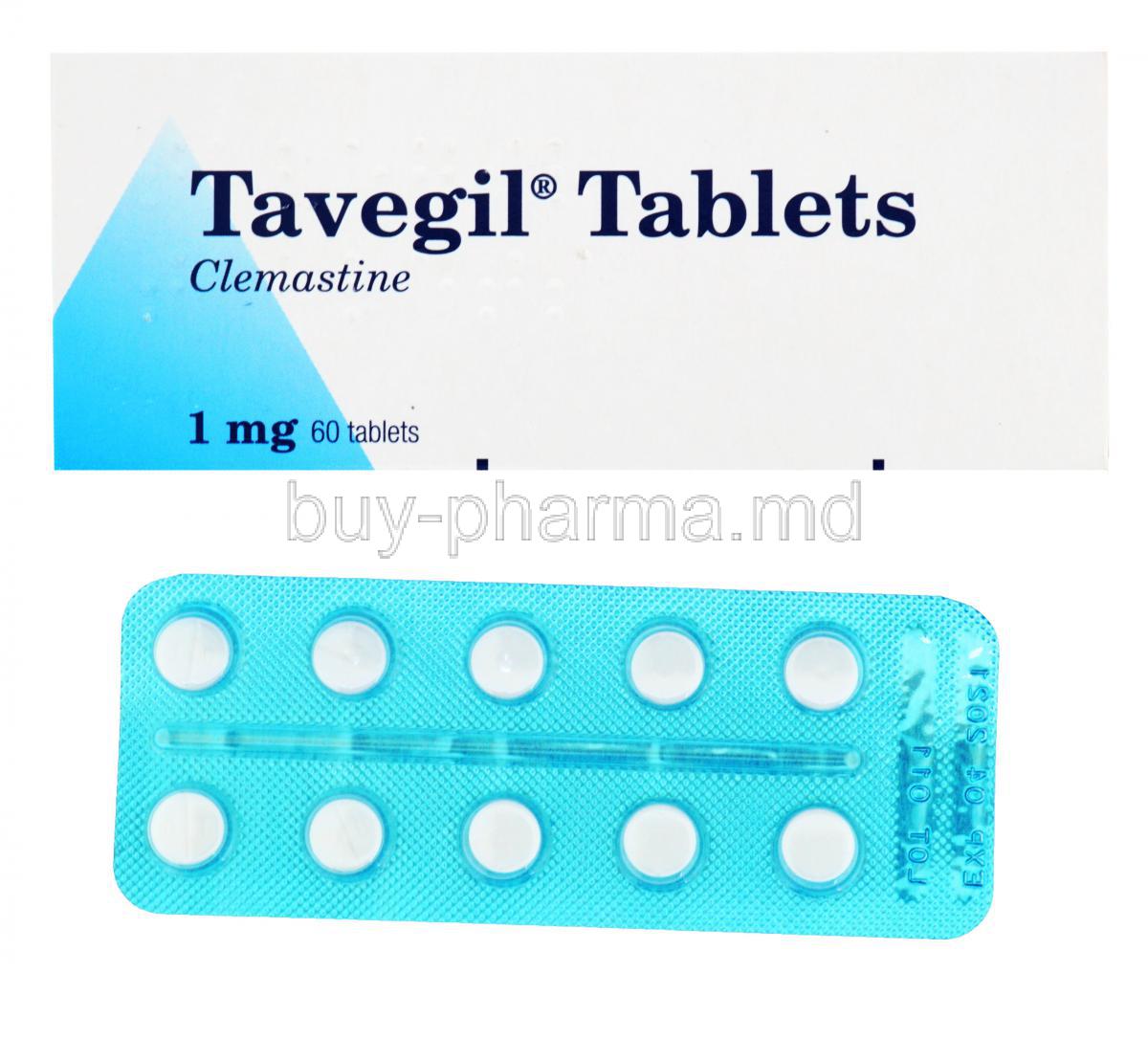
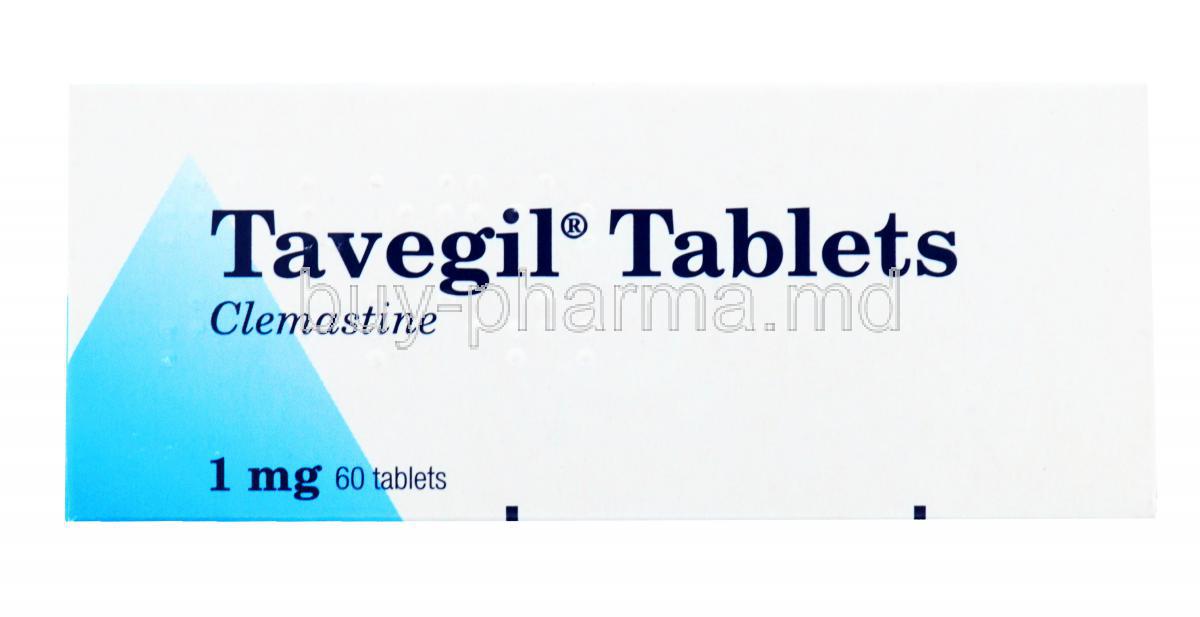
Tavegil is a well-established antihistamine medication used in the management of a wide spectrum of allergic conditions. It has been prescribed for decades and remains clinically relevant due to its potent and reliable antihistaminic activity. Belonging to the first generation of antihistamines, Tavegil is known for both its therapeutic efficacy and its characteristic sedative properties.
From a pharmacological standpoint, Tavegil occupies a distinctive position. While newer antihistamines emphasize minimal central nervous system penetration, clemastine offers robust symptom control, particularly in acute or severe allergic manifestations.
- Therapeutic class: H1 receptor antagonist
- Generation: First-generation antihistamine
- Primary indication: Allergic disorders
Tavegil is the proprietary brand name, whereas clemastine is the active pharmaceutical ingredient responsible for its clinical effects. Understanding this distinction is essential when considering generic alternatives or formulation differences.
2. Composition and Pharmaceutical Characteristics
The primary active component of Tavegil is clemastine fumarate, a salt form that enhances stability and bioavailability. This compound exhibits high affinity for histamine H1 receptors, enabling effective suppression of allergic responses.
In addition to the active ingredient, formulations contain excipients that support tablet integrity, palatability, and shelf stability. These inactive constituents may include fillers, binders, stabilizers, and flavoring agents, depending on the dosage form.
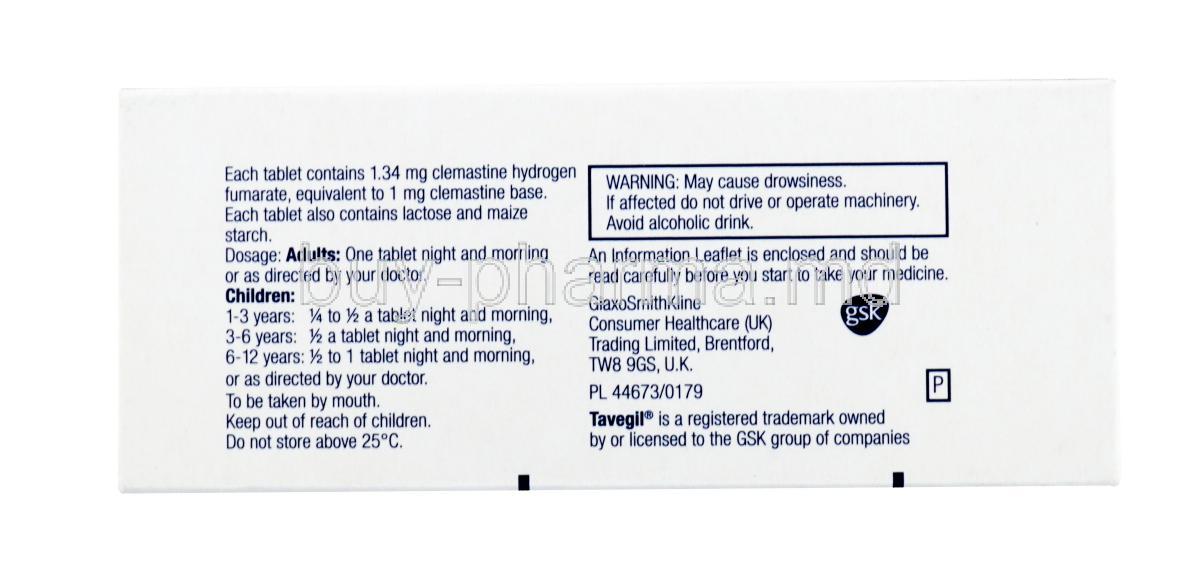
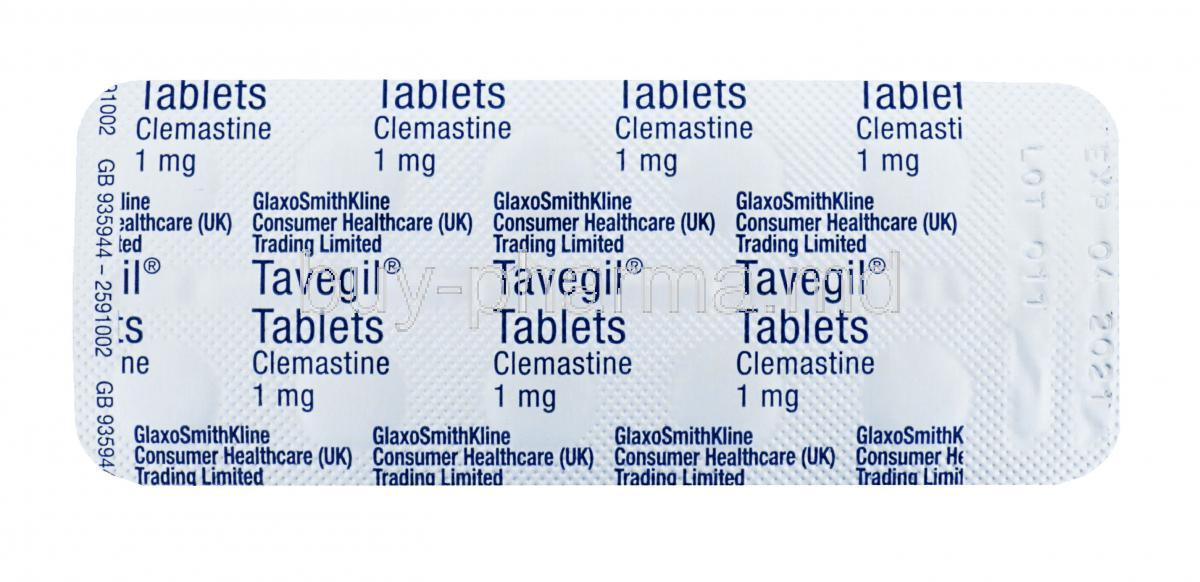
- Tablets for oral administration
- Syrup formulations for pediatric or geriatric use
- Injectable forms in select clinical settings
Strength variations are designed to accommodate different patient populations. Formulation differences may influence onset of action, duration, and tolerability.
3. How Tavegil (Clemastine) Works
Clemastine exerts its therapeutic action by competitively antagonizing histamine at H1 receptor sites. By blocking histamine binding, it prevents the cascade of allergic symptoms such as vasodilation, increased vascular permeability, and sensory nerve stimulation.
This pharmacodynamic effect results in a marked reduction in itching, swelling, redness, and mucus secretion. Inflammatory mediators downstream of histamine signaling are indirectly suppressed.
Due to its lipophilic nature, clemastine readily crosses the blood–brain barrier. This central nervous system penetration accounts for its sedative effects, which may be therapeutically advantageous or undesirable depending on the clinical context.
Compared with second-generation antihistamines, clemastine offers:
- Stronger sedative activity
- Shorter half-life in some patients
- Broader anticholinergic effects
4. Therapeutic Uses of Tavegil (Clemastine)
Tavegil is widely used for the symptomatic relief of allergic rhinitis, including both seasonal and perennial forms. It effectively alleviates sneezing, rhinorrhea, nasal itching, and ocular irritation.
In patients with urticaria or chronic hives, clemastine reduces wheal formation and pruritus. It is particularly useful in cases where sedation may help alleviate nighttime symptoms.
Dermatologic allergic reactions respond favorably to Tavegil. Conditions such as contact dermatitis, allergic eczema, and drug-induced rashes may show significant improvement.
- Insect bites and stings
- Allergic conjunctivitis (adjunctive therapy)
- Acute allergic reactions under medical supervision
5. Off-Label Uses of Clemastine
Beyond its established indications, clemastine has attracted attention in neurological research. Experimental studies have explored its potential role in promoting remyelination in multiple sclerosis.
Off-label use may also include management of chronic pruritus not driven by classic allergic mechanisms. In select dermatologic conditions, clemastine may be employed as an adjunct to standard therapy.
Investigational applications continue to evolve, particularly in neuroregenerative research. However, these uses remain experimental and should be approached cautiously.
- Limited large-scale clinical trials
- Variable outcomes across studies
- Need for specialist oversight
6. Dosage and Administration Guidelines
Standard adult dosing typically involves divided doses administered once or twice daily, depending on symptom severity. Timing may be adjusted to minimize daytime sedation.
Pediatric dosing requires careful calculation based on age and body weight. Lower doses are recommended to reduce the risk of adverse effects.
- Oral tablets or syrup for routine use
- Injectable administration in acute care settings
Treatment duration varies according to indication. Short-term use is common for acute allergic episodes, while chronic conditions may require intermittent therapy. Missed doses should not be doubled; normal dosing should resume as scheduled.
7. Administration in Special Populations
7.1 Administration to Elderly Patients
Older adults often exhibit increased sensitivity to anticholinergic and sedative effects. This may manifest as confusion, dizziness, or impaired coordination.
Dose adjustments and close monitoring are recommended to reduce fall risk and cognitive impairment.
7.2 Administration to Pregnant Women
Clemastine is classified under pregnancy risk categories that warrant cautious use. Administration should be considered only when potential benefits clearly outweigh theoretical risks.
Available safety data remain limited, emphasizing the need for individualized clinical judgment.
7.3 Administration to Nursing Mothers
Clemastine may be excreted into breast milk. This raises concerns regarding infant sedation and potential effects on milk production.
Temporary discontinuation of breastfeeding or alternative therapy may be advised.
7.4 Administration to Children
Use in children is restricted to approved age ranges and indications. Paradoxical excitation, rather than sedation, may occur in pediatric patients.
Strict adherence to dosing guidelines and vigilant monitoring are essential.
8. Side Effects of Tavegil (Clemastine)
The adverse effect profile of clemastine reflects its first-generation antihistamine properties. Reactions may be dose-dependent or idiosyncratic.
8.1 Common Side Effects
- Drowsiness and sedation
- Dry mouth, nasal passages, and throat
- Dizziness and generalized fatigue
- Mild gastrointestinal discomfort
8.2 Less Common and Serious Side Effects
Anticholinergic effects may include urinary retention and constipation. Cardiovascular effects such as tachycardia or hypotension have been reported in susceptible individuals.
Central nervous system disturbances, including confusion or agitation, may occur. Rarely, hypersensitivity reactions such as rash or angioedema can develop.
9. Drug Interactions
Clemastine potentiates the effects of alcohol and other central nervous system depressants. Concurrent use may significantly impair alertness and psychomotor performance.
- Sedatives and hypnotics
- Opioid analgesics
- Other anticholinergic medications
Interactions with monoamine oxidase inhibitors and certain antidepressants may enhance anticholinergic toxicity. Patients should be advised regarding the risks associated with driving or operating machinery while taking Tavegil.
10. Warnings and Safety Information
Tavegil (clemastine) is associated with clinically significant central nervous system effects. Impaired alertness and delayed psychomotor responses may occur, even at therapeutic doses. These effects can compromise reaction time, coordination, and judgment.
Particular caution is warranted in patients with pre-existing ophthalmologic or urologic conditions. The anticholinergic properties of clemastine may exacerbate:
- Increased intraocular pressure in glaucoma
- Urinary retention in prostatic hypertrophy
Respiratory conditions require careful consideration. While antihistamines are frequently used in allergic disorders, thickening of bronchial secretions may occur, potentially complicating asthma or chronic obstructive pulmonary disease.
In patients with cardiovascular disease, clemastine should be used judiciously. Potential effects on heart rate and blood pressure may be clinically relevant in susceptible individuals.
11. Contraindications
Tavegil is contraindicated in patients with known hypersensitivity to clemastine or any formulation excipients. Allergic reactions may manifest rapidly and range from mild cutaneous symptoms to severe systemic responses.
Absolute contraindications include narrow-angle glaucoma and symptomatic prostatic hypertrophy. In these conditions, anticholinergic effects can precipitate acute clinical deterioration.
Severe hepatic impairment may impair drug metabolism and clearance. Although data are limited, use in such patients is generally discouraged unless clearly justified.
Concurrent use with contraindicated medications, particularly those with potent anticholinergic or sedative properties, should be avoided due to additive toxicity.
12. Careful Administration and Monitoring
A comprehensive baseline assessment is recommended prior to initiation. This includes evaluation of neurological status, cardiovascular health, and concurrent medication use.
During therapy, patients should be monitored for excessive sedation. Subtle signs such as cognitive dulling, slowed speech, or impaired balance may precede more overt adverse effects.
Long-term use requires particular vigilance. First-generation antihistamines are generally not intended for continuous, indefinite administration.
- Periodic reassessment of symptom control
- Evaluation of ongoing therapeutic necessity
- Adjustment or discontinuation when appropriate
Risk-benefit reassessment is essential during prolonged therapy to minimize cumulative adverse effects.
13. Important Precautions Before and During Use
Alcohol consumption should be strictly avoided during treatment. Clemastine potentiates the depressant effects of alcohol, increasing the risk of profound sedation.
Patients must exercise caution when driving or operating machinery. Even transient drowsiness can significantly impair occupational or daily activities.
Temperature sensitivity is another consideration. Reduced sweating due to anticholinergic effects may predispose individuals to heat intolerance or heat-related illness.
In patients with chronic illnesses, including cardiovascular, hepatic, or respiratory disorders, individualized risk assessment is essential before and during use.
14. Overdose and Toxicity Management
Overdose with clemastine may produce a spectrum of symptoms. These can range from mild somnolence to severe neurotoxicity.
Central nervous system effects are prominent and may include:
- Marked sedation or agitation
- Confusion or delirium
- Seizures in severe cases
Anticholinergic toxicity manifestations may include dry skin, hyperthermia, tachycardia, urinary retention, and mydriasis.
Management is primarily supportive. Immediate medical evaluation is required, with emphasis on airway protection, cardiovascular monitoring, and symptomatic treatment.
15. Storage and Stability
Tavegil should be stored at recommended room temperatures, avoiding excessive heat or cold. Stability may be compromised outside specified conditions.
Protection from light and moisture is essential to preserve pharmaceutical integrity. Original packaging should be used whenever possible.
Shelf life should be strictly observed. Expired medication may exhibit reduced efficacy or altered safety profiles.
Safe storage away from children is critical to prevent accidental ingestion and toxicity.
16. Handling Precautions
Proper handling of oral and injectable formulations minimizes the risk of contamination or dosing errors. Healthcare providers should adhere to established handling protocols.
Unused or expired medication should be disposed of in accordance with local pharmaceutical waste regulations. Improper disposal may pose environmental or safety risks.
Accidental pediatric exposure must be actively prevented through secure storage and caregiver education.
Caregivers and healthcare professionals should receive clear guidance on safe administration, handling, and emergency procedures related to clemastine use.

Tavegil, Clemastine FAQ
Popular Products

Similar Product