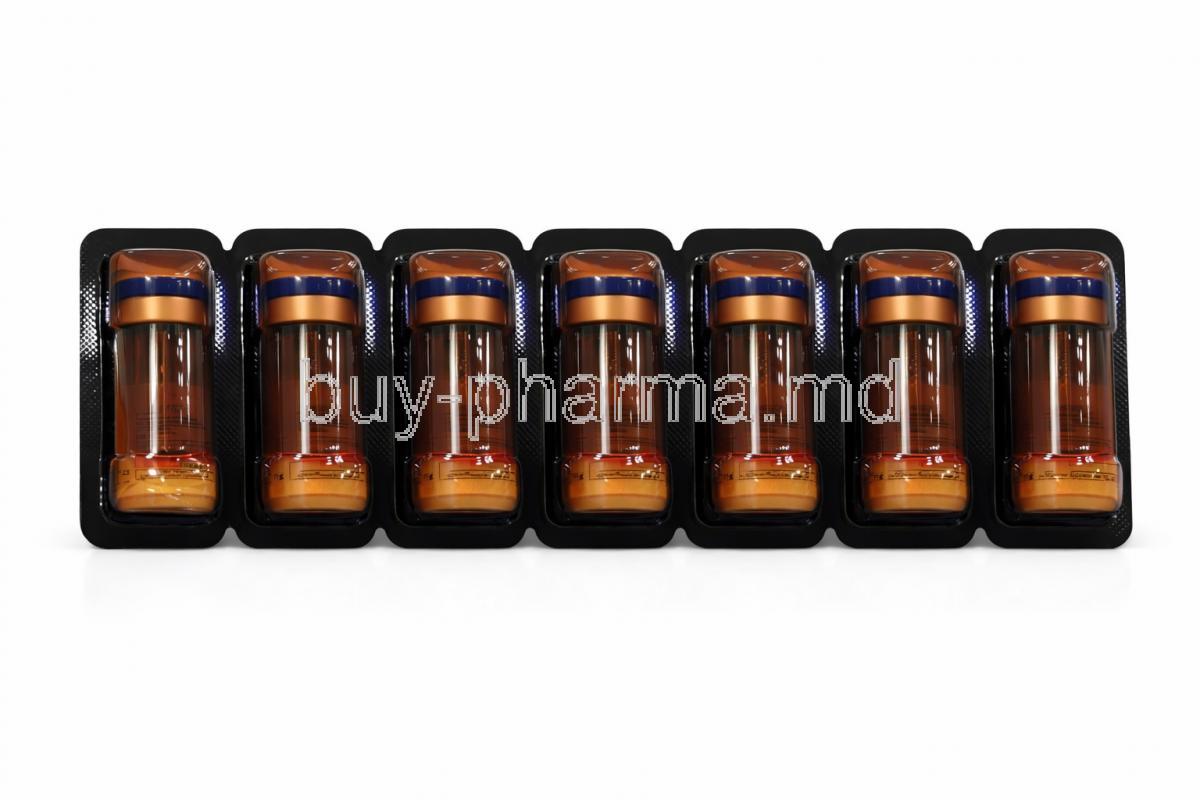
1. Introduction to Tipicort Injection (Triamcinolone)
Tipicort Injection contains triamcinolone, a potent synthetic corticosteroid widely utilized for its robust anti-inflammatory and immunomodulatory effects. It occupies a critical niche in modern therapeutics, particularly where localized or systemic inflammation requires rapid attenuation. The formulation is engineered for precision delivery, enabling clinicians to target pathological processes with remarkable efficacy.
- Belongs to the glucocorticoid class
- Designed for depot action in specific tissues
- Used across dermatology, rheumatology, and allergy medicine
Clinically, Tipicort Injection is positioned as a versatile intervention. It is frequently deployed in refractory cases where first-line therapies prove insufficient, offering both symptomatic relief and disease modulation.
2. Composition and Formulation Details
The principal active component is triamcinolone acetonide, typically formulated in concentrations tailored to therapeutic intent. This compound is suspended in a sterile medium designed to optimize bioavailability and stability.
- Active ingredient: Triamcinolone acetonide
- Excipients: Stabilizers, preservatives, and isotonic agents
- Form: Injectable suspension with depot characteristics
Unlike aqueous solutions, the suspension form allows for gradual release at the site of administration. This pharmacotechnical nuance prolongs therapeutic action, reducing the need for frequent dosing.
3. Mechanism of Action: How Tipicort Injection Works
Triamcinolone exerts its effects through intricate genomic and non-genomic pathways. Upon administration, it diffuses into cells and binds to intracellular corticosteroid receptors, forming a complex that translocates to the nucleus.
- Downregulates pro-inflammatory gene expression
- Suppresses cytokines such as interleukins and TNF-alpha
- Reduces prostaglandin synthesis via phospholipase A2 inhibition
This cascade culminates in diminished vascular permeability, reduced leukocyte infiltration, and attenuation of edema. Notably, the depot formulation ensures a sustained pharmacodynamic profile, extending its clinical utility over days or even weeks.
4. Approved Medical Uses of Tipicort Injection
4.1 Dermatological Conditions
Tipicort Injection is extensively used in dermatology for inflammatory and proliferative skin disorders. Its intralesional administration allows for targeted therapy with minimal systemic exposure.
- Severe eczema and chronic dermatitis
- Psoriasis plaques resistant to topical agents
- Keloids and hypertrophic scars
- Alopecia areata with localized hair loss
4.2 Musculoskeletal and Joint Disorders
Intra-articular injections provide rapid relief from pain and stiffness associated with joint inflammation. The therapeutic effect is often profound, restoring mobility and function.
- Rheumatoid arthritis and osteoarthritis
- Bursitis and tendinitis
- Synovitis and joint effusions
- Acute gout flares
4.3 Allergic and Respiratory Conditions
For severe hypersensitivity reactions, triamcinolone acts as a powerful suppressor of immune overactivity. It is often used as an adjunct when conventional therapies fall short.
- Severe allergic reactions
- Asthma exacerbations
- Allergic rhinitis requiring systemic intervention
4.4 Autoimmune and Inflammatory Diseases
Its immunosuppressive properties render it valuable in autoimmune pathologies characterized by aberrant immune activation.
- Lupus erythematosus
- Inflammatory bowel disease (adjunct therapy)
- Vasculitic disorders
5. Off-Label Uses of Triamcinolone Injection
Beyond approved indications, triamcinolone demonstrates utility in a spectrum of off-label applications. These uses are typically guided by specialist expertise and clinical judgment.
- Intralesional therapy for cystic acne
- Management of oral ulcers and lichen planus
- Ophthalmic inflammatory conditions under supervision
- Trigger point injections for chronic myofascial pain
- Hair regrowth stimulation in alopecia
- Adjunct treatment for pigmentary skin disorders
6. Dosage and Administration Guidelines
6.1 Standard Dosage Recommendations
Dosage is highly individualized, contingent upon disease severity, anatomical site, and patient-specific factors. Clinicians typically initiate therapy at the lowest effective dose.
- Variable dosing depending on indication
- Intervals adjusted based on response
6.2 Route-Specific Administration
Tipicort Injection can be administered through multiple routes, each tailored to a distinct therapeutic objective.
- Intramuscular: systemic anti-inflammatory effect
- Intra-articular: localized joint relief
- Intralesional: targeted dermatologic therapy
6.3 Dose Adjustments
Therapeutic regimens may require modification over time. Gradual tapering is essential in repeated or prolonged use to mitigate adrenal suppression.
7. Common Side Effects of Tipicort Injection
While generally well tolerated, certain adverse effects may occur, particularly with repeated administration.
- Injection site pain, erythema, or swelling
- Skin atrophy or depigmentation
- Fluid retention and mild edema
- Increased appetite and weight gain
- Transient mood fluctuations
8. Serious and Rare Side Effects
Prolonged or high-dose exposure may precipitate more गंभीर complications. Vigilant monitoring is therefore imperative.
- Adrenal suppression and hormonal imbalance
- Osteoporosis and skeletal fragility
- Hyperglycemia and steroid-induced diabetes
- Heightened susceptibility to infections
- Cushingoid appearance
- Ocular complications such as glaucoma or cataracts
9. Drug Interactions and Influencing Factors
Triamcinolone may interact with various pharmacological agents, altering efficacy or increasing the risk of adverse outcomes.
- NSAIDs: elevated risk of gastrointestinal irritation
- Antidiabetic drugs: potential reduction in glycemic control
- Immunosuppressants: additive immunosuppressive effects
- CYP3A4 inhibitors or inducers affecting metabolism
- Vaccines: reduced immunogenic response during therapy
Careful medication review and clinical oversight are essential to ensure safe and effective use.
10. Warnings and Safety Considerations
Tipicort Injection, containing triamcinolone, necessitates vigilant clinical oversight due to its potent corticosteroid activity. Even when administered locally, systemic absorption can occur, leading to widespread physiological effects. This pharmacokinetic characteristic underscores the importance of judicious use.
- Localized injections may still result in systemic corticosteroid exposure
- Suppression of inflammatory signs can obscure underlying infections
- Delayed wound healing may occur due to impaired fibroblast activity
Repeated injections, particularly in tendinous structures, elevate the risk of tendon degeneration and rupture. Additionally, untreated systemic infections represent a critical contraindication, as corticosteroids may exacerbate microbial proliferation. Long-term therapy mandates routine monitoring of endocrine, metabolic, and musculoskeletal parameters.
11. Contraindications
Administration of Tipicort Injection is contraindicated in specific clinical scenarios where the risks outweigh potential therapeutic benefits. A comprehensive patient history is indispensable prior to initiation.
- Known hypersensitivity to triamcinolone or formulation excipients
- Systemic fungal infections, where immunosuppression may worsen disease
- Active, untreated bacterial or viral infections
- Intra-articular use in joints affected by septic arthritis
Failure to recognize these contraindications may result in significant morbidity, necessitating strict adherence to prescribing guidelines.
12. Careful Administration (Use with Caution)
Certain patient populations require heightened caution due to increased susceptibility to corticosteroid-induced complications. Clinical discretion and individualized risk assessment are paramount.
- Patients with diabetes mellitus may experience exacerbated hyperglycemia
- Hypertensive individuals may develop fluid retention and elevated blood pressure
- Renal or hepatic impairment can alter drug metabolism and clearance
- History of gastrointestinal ulcers increases the risk of perforation or bleeding
- Psychiatric disorders may be aggravated, including mood instability or psychosis
Careful titration and close monitoring can mitigate these risks, ensuring therapeutic efficacy without undue harm.
13. Important Precautions for Safe Use
Adherence to best practices is essential to optimize outcomes and minimize adverse events. These precautions reflect both pharmacological principles and procedural discipline.
- Limit repeated injections at the same anatomical site to prevent tissue atrophy
- Avoid abrupt cessation following prolonged therapy to prevent adrenal insufficiency
- Monitor blood glucose levels and blood pressure regularly
- Employ strict aseptic technique during administration
- Educate patients regarding potential systemic and local side effects
Meticulous attention to these factors enhances safety and supports sustained therapeutic benefit.
14. Use in Special Populations
14.1 Administration to Elderly Patients
Elderly individuals often exhibit heightened sensitivity to corticosteroids. Age-related physiological changes can amplify both therapeutic and adverse effects.
- Increased susceptibility to osteoporosis and fractures
- Greater likelihood of hypertension and fluid retention
- Potential for altered pharmacodynamics due to comorbidities
Lower initial doses and cautious escalation are generally advisable in this demographic.
14.2 Use in Pregnant Women and Nursing Mothers
The use of triamcinolone during pregnancy and lactation requires a careful evaluation of potential risks and benefits. Corticosteroids can cross the placental barrier, potentially influencing fetal development.
- Placental transfer may affect fetal growth and endocrine function
- Use only when clearly indicated and benefits outweigh risks
- Caution advised during breastfeeding due to possible excretion in breast milk
Clinical judgment remains essential, with preference given to the lowest effective dose for the shortest duration.
14.3 Pediatric Use
In pediatric populations, corticosteroid therapy must be approached with particular caution due to the risk of growth suppression and developmental effects.
- Potential inhibition of linear growth with repeated dosing
- Dose adjustments based on body weight and clinical response
- Close monitoring of growth parameters and endocrine function
Therapeutic decisions should balance efficacy with long-term safety considerations.
15. Overdosage and Management
Excessive exposure to corticosteroids may lead to a constellation of systemic effects. The presentation can vary depending on the duration and magnitude of overdosage.
- Symptoms may include hyperglycemia, hypertension, and electrolyte imbalance
- Chronic overuse can result in Cushingoid features and adrenal suppression
Management strategies include supportive care, symptomatic treatment, and gradual tapering of the corticosteroid to prevent adrenal crisis. Acute toxicity is rare but requires prompt medical evaluation.
16. Storage and Stability Requirements
Proper storage conditions are essential to maintain the stability and efficacy of Tipicort Injection. Deviation from recommended guidelines may compromise the formulation.
- Store at controlled room temperature
- Protect from direct light exposure
- Avoid freezing, which may alter suspension integrity
- Observe shelf-life and discard after expiration
Once opened, the product should be handled in accordance with sterile practices to prevent contamination.
17. Handling and Administration Precautions
Correct handling and administration techniques are critical to ensure both safety and therapeutic effectiveness. The suspension nature of the formulation requires specific preparatory steps.
- Shake the vial thoroughly to ensure uniform dispersion
- Use sterile syringes and needles for each administration
- Avoid inadvertent intravascular injection
- Dispose of sharps and medical waste in compliance with regulatory standards
Precision in technique minimizes complications and enhances patient outcomes.
18. Patient Counseling and Clinical Considerations
Effective patient education is a cornerstone of successful corticosteroid therapy. Clear communication fosters adherence and enables early detection of adverse effects.
- Explain expected therapeutic outcomes and timelines
- Highlight warning signs that require immediate medical attention
- Emphasize the importance of follow-up appointments
- Discuss lifestyle modifications, including diet and activity
Patients should be encouraged to actively participate in their care, ensuring a collaborative approach to treatment and long-term health management.
Popular Products
Similar Product