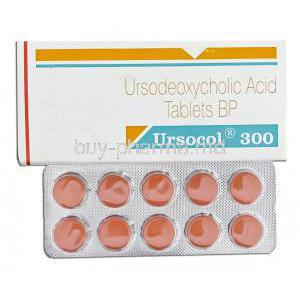
Introduction to Ursomore (Ursodeoxycholic Acid)
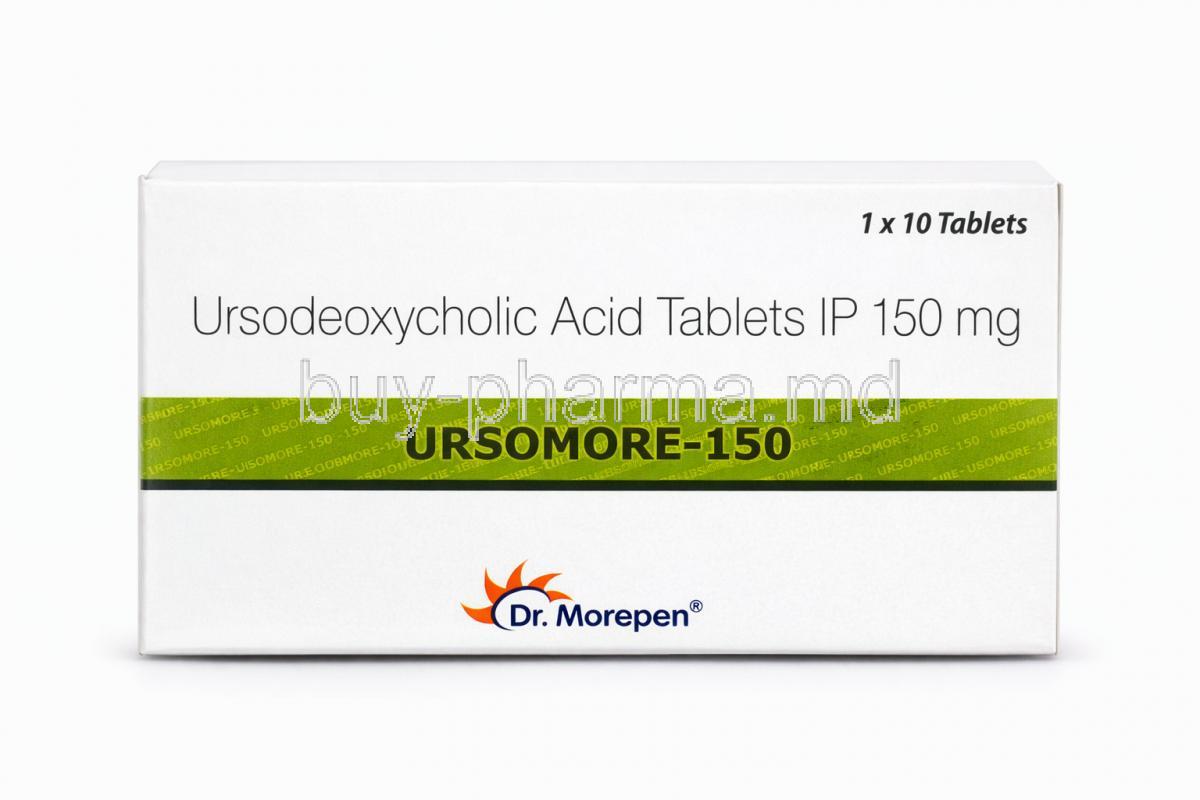
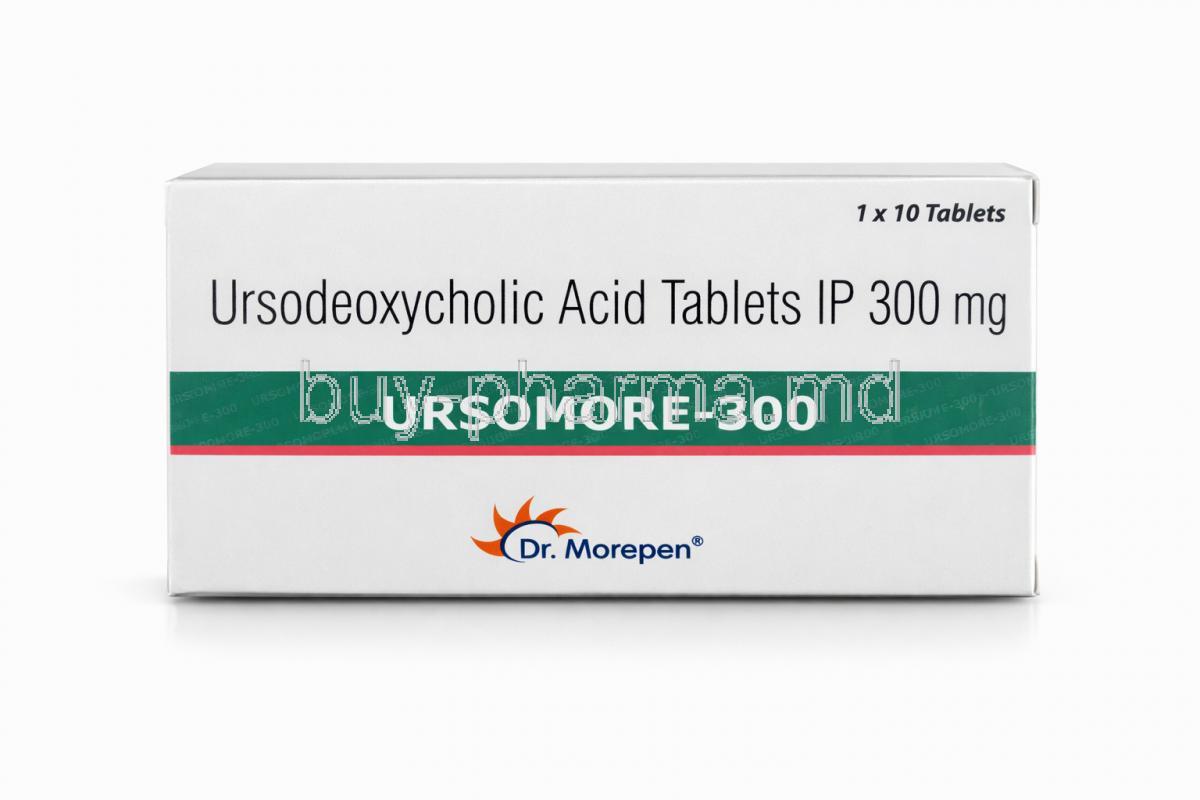
What Is Ursomore?
Overview of Ursodeoxycholic Acid (UDCA)
History and Development of Ursodeoxycholic Acid
Therapeutic Classification and Drug Category
Available Strengths and Dosage Forms
Key Features and Benefits of Ursomore
Composition and Active Ingredients of Ursomore
Active Ingredient: Ursodeoxycholic Acid
Inactive Ingredients and Excipients
Differences Between Capsules, Tablets, and Suspensions
Pharmaceutical Formulations and Bioavailability
Ursomore vs Actigall
Ursomore vs Urso Forte
Ursomore vs Urso 250
Ursomore vs Generic Ursodiol
How Ursomore Works (Mechanism of Action)
How Ursodeoxycholic Acid Reduces Cholesterol in Bile
Protective Effects on Liver Cells
Role in Improving Bile Flow and Reducing Cholestasis
Cytoprotective and Immunomodulatory Actions
Effects on Gallstones and Biliary Sludge
How UDCA Helps in Chronic Liver Diseases
Approved Medical Uses of Ursomore
Treatment of Cholesterol Gallstones
Primary Biliary Cholangitis (PBC)
Dissolution of Radiolucent Gallstones
Prevention of Gallstone Formation During Rapid Weight Loss
Management of Cholestatic Liver Disorders
Supportive Therapy in Bile Flow Disorders
Off-Label Uses of Ursodeoxycholic Acid
Nonalcoholic Fatty Liver Disease (NAFLD)
Nonalcoholic Steatohepatitis (NASH)
Primary Sclerosing Cholangitis (PSC)
Intrahepatic Cholestasis of Pregnancy (ICP)
Drug-Induced Liver Injury
Alcohol-Related Liver Disease
Chronic Hepatitis and Liver Inflammation
Biliary Atresia in Pediatric Patients
Cystic Fibrosis-Related Liver Disease
Prevention of Liver Damage After Transplantation
Microlithiasis and Biliary Sludge Treatment
Cholestasis Associated With Total Parenteral Nutrition
Warnings and Important Safety Information
Importance of Regular Liver Function Tests
Risk of Gallstone Calcification
Monitoring During Long-Term Therapy
Risks in Advanced Liver Disease
Use in Patients With Severe Biliary Obstruction
Conditions Requiring Immediate Medical Attention
Risk of Liver Decompensation in Certain Patients
Contraindications of Ursomore
Hypersensitivity to Ursodeoxycholic Acid
Complete Biliary Tract Obstruction
Acute Gallbladder Inflammation
Non-Functioning Gallbladder
Calcified or Pigmented Gallstones
Severe Hepatic Dysfunction
Severe Pancreatic Disorders Affecting Bile Flow
Careful Administration and Dose Monitoring
Patients With Mild to Moderate Liver Disease
Administration in Patients With Kidney Impairment
Monitoring Liver Enzymes and Imaging Studies
Adjustments in Patients With Digestive Disorders
Careful Use With Multiple Medications
Monitoring Treatment Response Over Time
Important Precautions Before and During Use
Importance of Accurate Diagnosis Before Therapy
Avoiding Self-Medication
Adherence to Prescribed Dosage
Regular Ultrasound and Laboratory Monitoring
Dietary Recommendations During Treatment
Lifestyle Measures to Support Liver Health
Recognizing Symptoms of Complications
Overdose and Emergency Management
Symptoms of Ursodeoxycholic Acid Overdose
Severe Diarrhea and Fluid Loss
Emergency Treatment and Supportive Care
Monitoring Electrolytes and Hydration
When to Seek Immediate Medical Attention
Poison Control and Hospital Management
Storage Instructions for Ursomore
Recommended Storage Temperature
Protecting From Heat, Moisture, and Light
Keeping the Medication in Original Packaging
Safe Storage Away From Children and Pets
Shelf Life and Expiration Guidelines
Handling Precautions for Ursomore
Proper Handling of Capsules and Tablets
Hygiene Precautions During Administration
Safe Disposal of Unused Medication
Handling Precautions for Caregivers
Preventing Accidental Ingestion
Travel and Transportation Precautions