1. Introduction
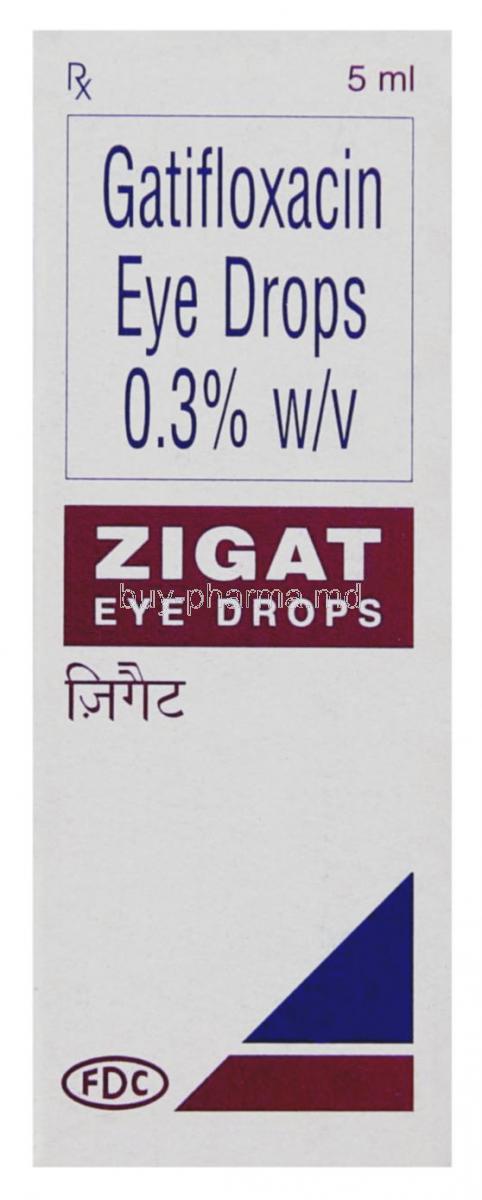
1.1 Overview of Zigat (Gatifloxacin Ophthalmic Solution)
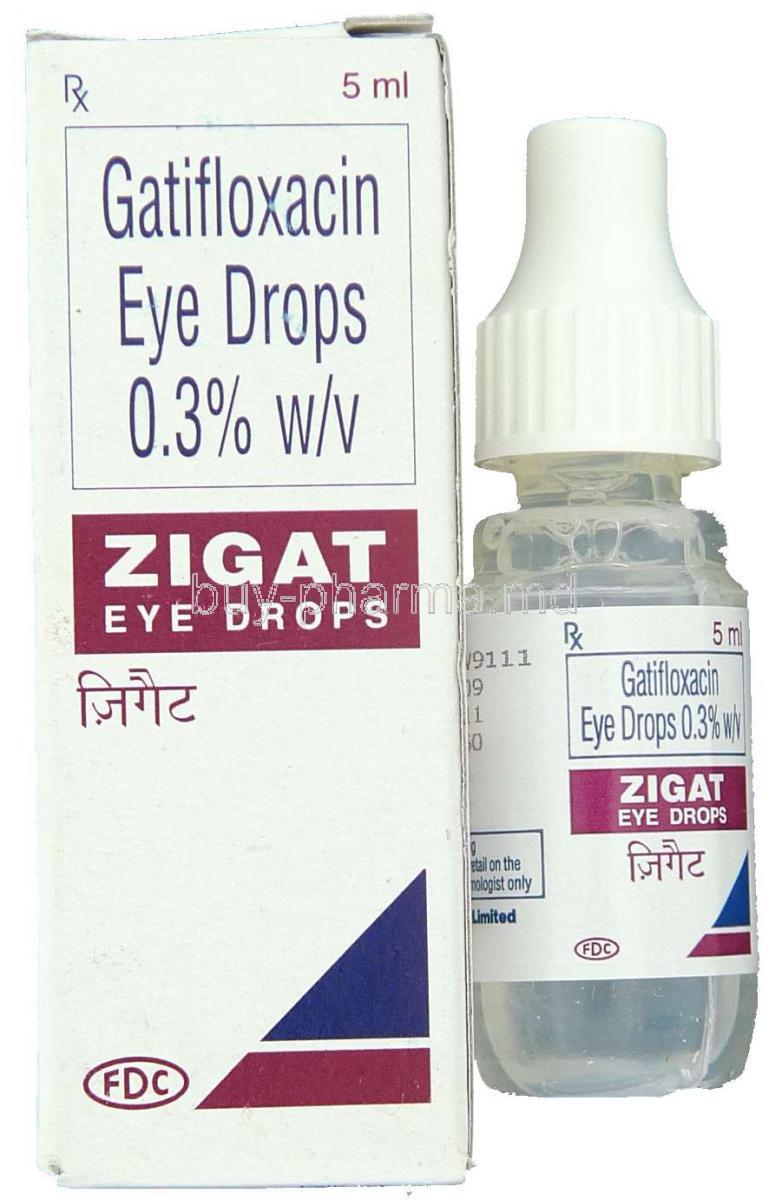
Zigat, a gatifloxacin ophthalmic solution, is an advanced topical antibiotic designed to combat a wide range of ocular bacterial infections. This formulation provides targeted action directly on the ocular surface, ensuring rapid therapeutic benefit with minimal systemic exposure.
1.2 Therapeutic Classification and Pharmacological Background
Gatifloxacin belongs to the fluoroquinolone class of antibacterial agents. These medications function by disrupting essential bacterial DNA processes, thereby halting bacterial replication. As a fourth-generation fluoroquinolone, gatifloxacin displays heightened potency and improved resistance profiles compared to earlier formulations.
1.3 Key Benefits of Topical Ophthalmic Fluoroquinolones
Topical fluoroquinolones deliver several important benefits:
- Concentrated antibacterial activity at the site of infection
- Reduced systemic absorption and fewer systemic adverse effects
- Broad-spectrum coverage against common ocular pathogens
- Fast-acting therapeutic effects for symptomatic relief
1.4 Differentiating Zigat from Other Antibiotic Eye Drops
Zigat stands out due to its robust spectrum of activity, favorable tolerability, and superior penetration into ocular tissues. Its advanced molecular structure enhances efficacy against resistant strains, offering dependable treatment where older antibiotics may fail.
2. What is Zigat? (Gatifloxacin Eye Drop Overview)
2.1 Definition and Primary Purpose
Zigat is a sterile antimicrobial eye drop formulated to alleviate and eradicate bacterial infections affecting the conjunctiva and corneal tissues. Its purpose is to restore ocular health while mitigating discomfort caused by microbial proliferation.
2.2 Infection Types Targeted by Gatifloxacin
This ophthalmic solution is designed for conditions such as:
- Bacterial conjunctivitis
- Keratitis and corneal ulcers
- Post-surgical bacterial contamination
- Contact lens–associated bacterial overgrowth
2.3 Spectrum of Antibacterial Activity
Zigat demonstrates potent bactericidal activity against Gram-positive and Gram-negative bacteria, including Staphylococcus aureus, Streptococcus pneumoniae, Pseudomonas aeruginosa, and other clinically significant ocular pathogens.
3. Uses of Zigat Eye Drops
3.1 Treatment of Bacterial Conjunctivitis
Zigat is frequently prescribed for bacterial conjunctivitis, a common infection characterized by redness, purulent discharge, and irritation. Its rapid action reduces bacterial load within days.
3.2 Management of Keratitis (Bacterial Corneal Ulcers)
In cases of corneal ulceration caused by bacteria, Zigat supports healing by penetrating corneal tissues, controlling infection, and preventing further tissue compromise.
3.3 Prevention of Post-Operative Ocular Infections
Following ophthalmic surgeries such as cataract extraction, gatifloxacin helps reduce the risk of microbial contamination and postoperative complications.
3.4 Use in Contact-Lens–Related Bacterial Infections
Individuals who overwear lenses or experience microabrasions may encounter bacterial buildup. Zigat counters such infections with reliable efficacy.
3.5 Use in Minor Ocular Surface Trauma with High Infection Risk
Small corneal abrasions or foreign-body injuries can become infected. Zigat serves as a prophylactic and therapeutic agent in these scenarios.
4. Off-Label Uses of Gatifloxacin Eye Drops
4.1 Off-Label Use for Blepharitis Associated with Bacterial Load
Although not formally approved for blepharitis, clinicians may recommend gatifloxacin to reduce bacterial presence contributing to eyelid margin inflammation.
4.2 Adjunctive Therapy for Chronic Ocular Surface Inflammation
In chronic irritative or inflammatory states, gatifloxacin may be used as an adjunct when bacterial colonization exacerbates symptoms.
4.3 Prophylactic Use Before Certain Eye Procedures
Some procedures, including intravitreal injections or foreign-body removal, may prompt prophylactic antibiotic use to minimize infection risk.
4.4 Use in Recurrent Conjunctival Infections
Patients with repeated bacterial conjunctivitis episodes may benefit from gatifloxacin as part of a preventive treatment strategy.
5. How Zigat Works (Mechanism of Action)
5.1 Fluoroquinolone Class Mechanism Overview
Fluoroquinolones impair bacterial DNA processes, arresting replication and ultimately destroying pathogenic organisms.
5.2 Inhibition of Bacterial DNA Gyrase and Topoisomerase IV
Zigat targets two critical enzymes—DNA gyrase and topoisomerase IV—interrupting bacterial chromosome supercoiling and segregation.
5.3 Rapid Bactericidal Action on Ocular Pathogens
The solution acts swiftly, achieving high concentrations in the tear film and ocular tissues, enabling rapid eradication of microbes.
5.4 Effectiveness Against Gram-Positive and Gram-Negative Organisms
The formulation demonstrates balanced potency against diverse bacteria, broadening its utility in ocular therapeutic regimens.
6. Composition and Formulation
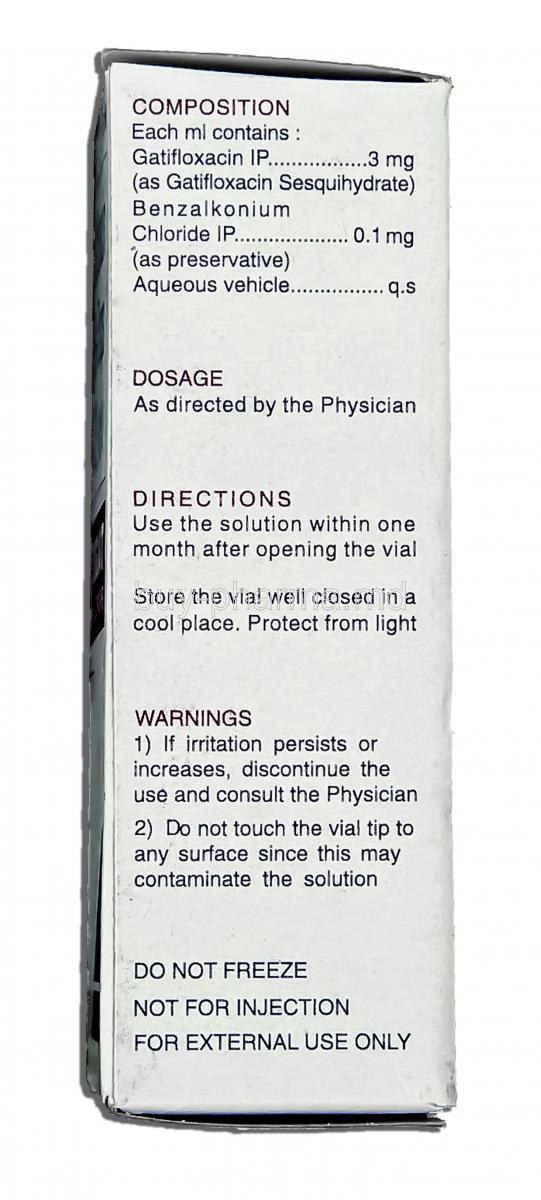
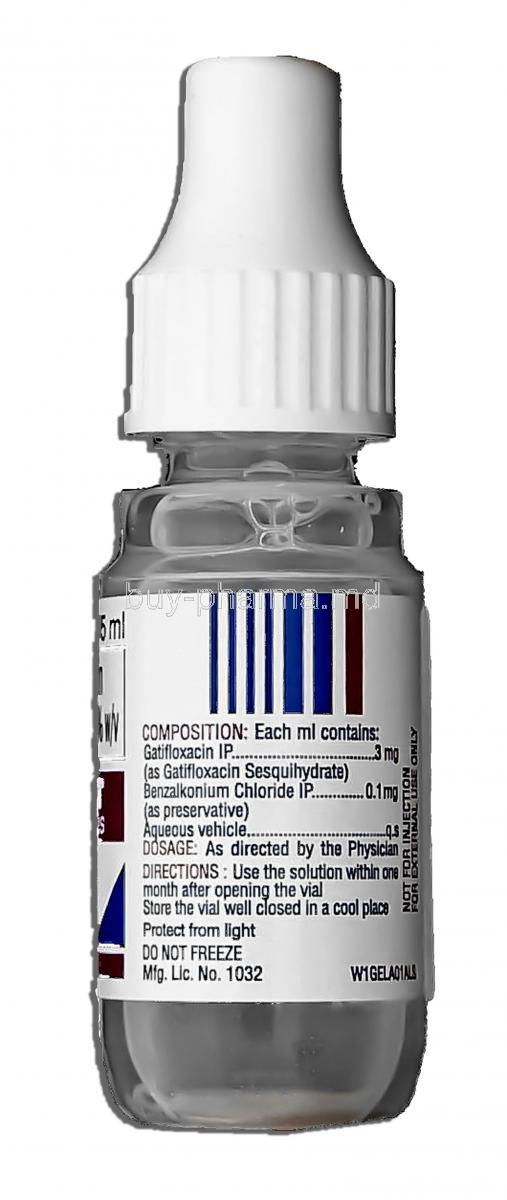
6.1 Active Ingredient: Gatifloxacin Ophthalmic Solution Concentration
Zigat contains gatifloxacin in a clinically optimized concentration to achieve maximal therapeutic response with minimal irritation.
6.2 Inactive Components and Preservatives
Stabilizers, buffering agents, and preservatives are included to maintain sterility, enhance tissue compatibility, and prolong shelf life.
6.3 pH, Osmolarity, and Formulation Stability
The formulation maintains physiologically acceptable pH and osmolarity to improve comfort and stability throughout treatment duration.
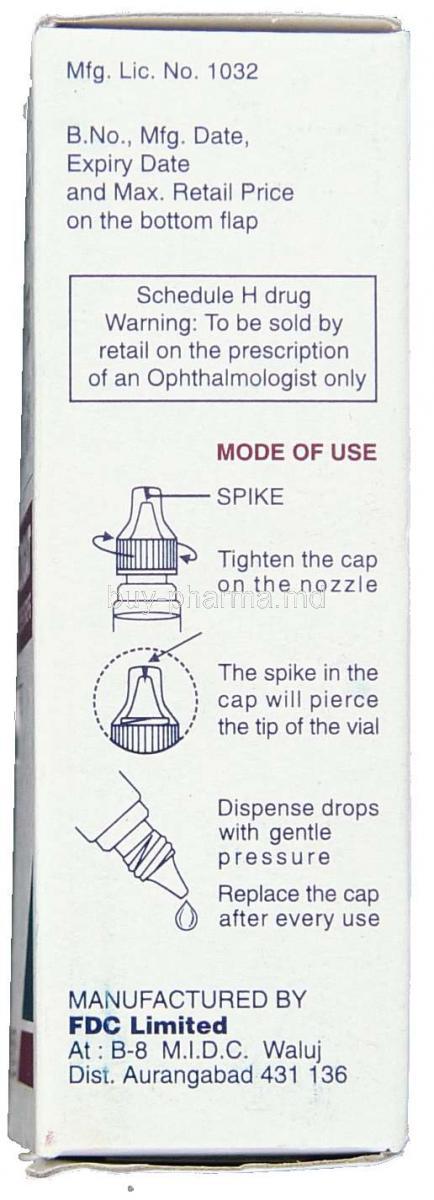
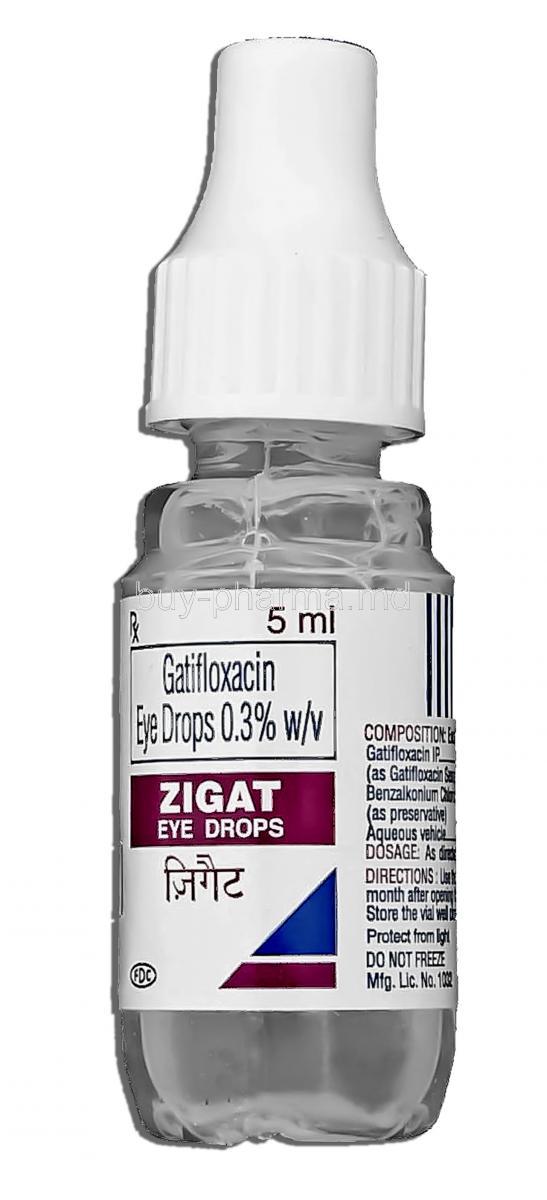
6.4 Packaging, Dropper Design, and Sterility Features
The specialized dropper system minimizes contamination risk, ensures precise dosing, and preserves sterility after opening.
7. Dosage and Administration
7.1 Standard Dosing Regimen for Bacterial Conjunctivitis
The typical regimen involves instilling drops multiple times daily during the acute phase, followed by tapering as symptoms improve.
7.2 Adjusted Dosing for Severe Ocular Infections
In more intense infections, dosing frequency may be increased under clinical supervision to achieve adequate therapeutic levels.
7.3 Proper Technique for Instillation
Patients should wash hands thoroughly, tilt the head back, pull down the lower eyelid, and instill the prescribed number of drops without touching the dropper tip.
7.4 Duration of Therapy for Common Conditions
Most infections resolve within 5–7 days of treatment, although more severe cases may require extended therapy.
7.5 Missed Dose Guidance
If a dose is missed, it should be administered as soon as remembered unless it is near the next scheduled dose.
7.6 Avoiding Contamination of Dropper Tip
Avoid direct contact between the dropper tip and ocular surfaces, hands, or external objects to maintain sterility.
8. Important Precautions
8.1 Avoiding Usage in Viral or Fungal Ocular Infections
Gatifloxacin is ineffective against viruses and fungi; inappropriate use can delay correct treatment.
8.2 When Symptoms Worsen or Fail to Improve
If symptoms persist or deteriorate after several days, reassessment by an eye care professional is critical.
8.3 Contact Lens Considerations During Treatment
Contact lenses should be avoided until infection subsides, as they may harbor bacteria and aggravate irritation.
8.4 Avoiding Eye Makeup and Irritants While Using Drops
Cosmetics and strong irritants may interfere with healing and should be discontinued during therapy.
8.5 Recognizing Early Signs of Allergic Reaction
Swelling, itching, or sudden redness should prompt immediate discontinuation and medical consultation.
9. Warnings
9.1 Risk of Hypersensitivity to Fluoroquinolones
Patients with known hypersensitivity may experience allergic responses ranging from mild irritation to severe reactions.
9.2 Potential for Ocular Superinfection with Prolonged Use
Extended antibiotic use may disrupt normal ocular flora, promoting secondary infections from resistant organisms.
9.3 Avoiding Use in Suspected Non-Bacterial Etiologies
Redness, pain, or discharge not caused by bacteria may worsen if treated with antibiotics alone.
9.4 Warning Signs Requiring Urgent Ophthalmologic Evaluation
Severe pain, visual disturbances, or persistent swelling indicate the need for immediate medical review.
10. Contraindications
10.1 Known Allergy to Gatifloxacin or Fluoroquinolone Antibiotics
Patients with hypersensitivity to fluoroquinolones should avoid Zigat entirely.
10.2 Contraindication in Certain Ocular Surface Diseases
Individuals with severe corneal thinning or compromised epithelial integrity may require alternative therapy.
10.3 Avoidance in Patients with Severe Reaction History to Topical Antibiotics
Those who have experienced intense allergic reactions to other topical antimicrobial agents should exercise caution or avoid use.
Popular Products
Similar Product