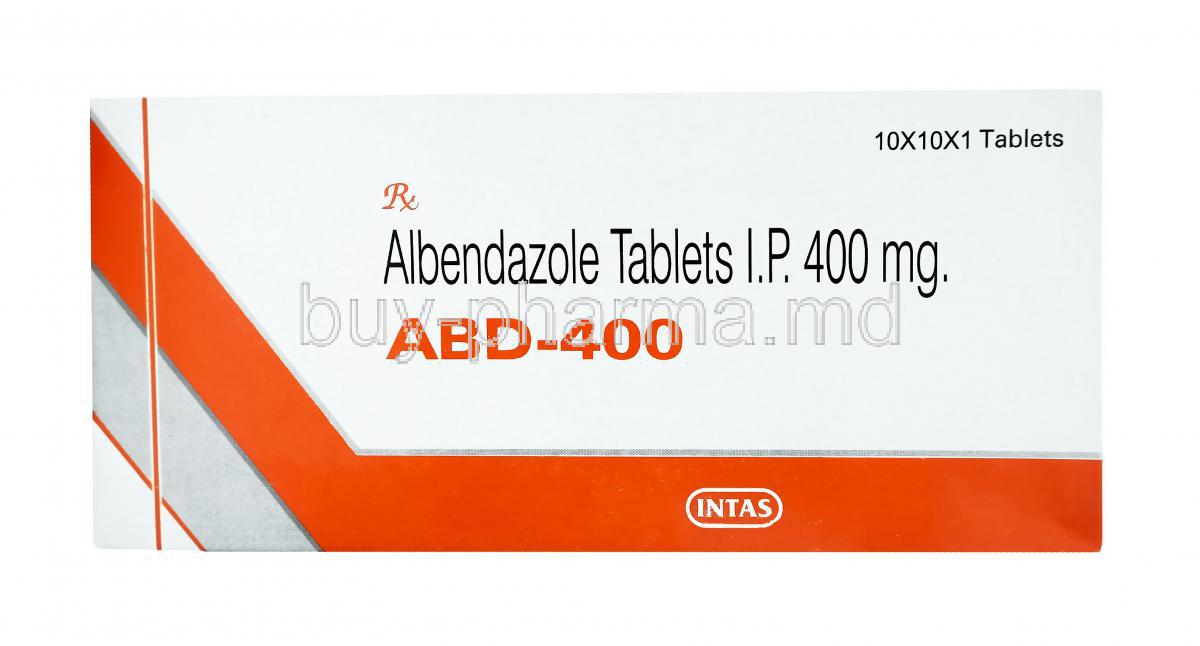



Introduction to ABD (Albendazole)
ABD (Albendazole) is a well-established antiparasitic medication widely utilized in clinical practice for the management of helminthic infections. It demonstrates robust efficacy against a diverse spectrum of parasitic worms. Its versatility makes it indispensable in both endemic and non-endemic regions.
Overview of Albendazole as a Broad-Spectrum Anthelmintic Agent
Albendazole belongs to the benzimidazole class of anthelmintics, exhibiting broad-spectrum activity against nematodes and cestodes. It is frequently prescribed due to its:
- High therapeutic efficacy against intestinal and tissue parasites
- Favorable pharmacological profile
- Utility in both acute and chronic parasitic conditions
The drug is especially effective in disrupting parasitic metabolic pathways, leading to parasite immobilization and eventual death.
Therapeutic Classification and Drug Category
Albendazole is classified under:
- Anthelmintic agents
- Benzimidazole derivatives
It is commonly included in essential medicine lists due to its critical role in treating parasitic infections globally.
Historical Development and Clinical Importance in Parasitic Infections
Developed in the late 20th century, albendazole revolutionized the treatment of parasitic infections. Its introduction marked a significant advancement in managing diseases such as echinococcosis and neurocysticercosis.
Over time, it has become a cornerstone therapy in mass deworming programs and public health initiatives.
Composition and Formulation of ABD (Albendazole)
Active Ingredient: Albendazole – Chemical Structure and Properties
The primary active component, albendazole, is a lipophilic compound with limited aqueous solubility. This characteristic influences its absorption profile and necessitates administration with fatty meals to enhance bioavailability.
Available Dosage Forms (Tablets, Chewable Tablets, Suspensions)
ABD (Albendazole) is available in multiple formulations to accommodate different patient populations:
- Standard oral tablets
- Chewable tablets for ease of administration
- Oral suspensions for pediatric and geriatric use
These formulations ensure flexibility and improved patient adherence.
Excipients and Inactive Components in Different Formulations
In addition to the active ingredient, formulations may include excipients such as:
- Binders and fillers
- Flavoring agents in chewable forms
- Stabilizers in liquid suspensions
These components are pharmacologically inert but contribute to the drug’s stability and palatability.
How ABD (Albendazole) Works
Mechanism of Action: Inhibition of Microtubule Synthesis in Parasites
Albendazole exerts its antiparasitic effect by binding to β-tubulin within parasitic cells. This interaction inhibits microtubule polymerization, which is essential for cellular integrity and division.
Disruption of Glucose Uptake and Energy Depletion in Helminths
The drug impairs glucose uptake in helminths, leading to:
- Depletion of glycogen reserves
- Reduced ATP production
- Metabolic collapse of the parasite
This energy deprivation ultimately results in parasite death.
Selectivity Toward Parasitic Cells vs Human Cells
Albendazole demonstrates selective toxicity. It preferentially targets parasitic cells due to structural differences in tubulin proteins, minimizing adverse effects on human host cells.
Pharmacodynamics and Pharmacokinetics Overview
After oral administration, albendazole undergoes hepatic metabolism to its active metabolite, albendazole sulfoxide. Key pharmacokinetic features include:
- Enhanced absorption with fatty meals
- Extensive hepatic metabolism
- Wide tissue distribution, including central nervous system penetration
Uses of ABD (Albendazole)
Approved Medical Uses for Parasitic Infections
Albendazole is widely indicated for the treatment of various parasitic infections affecting both the gastrointestinal tract and systemic tissues.
Treatment of Intestinal Worm Infections (Ascariasis, Hookworm, Pinworm)
Common intestinal infestations are effectively managed with albendazole. These include:
- Ascariasis (roundworm infection)
- Hookworm infection
- Enterobiasis (pinworm infection)
Management of Strongyloidiasis and Trichuriasis
Albendazole is also utilized in treating:
- Strongyloidiasis caused by Strongyloides stercoralis
- Trichuriasis caused by whipworms
Treatment of Tapeworm Infections (Taeniasis)
It is effective against adult tapeworm infections, facilitating eradication and preventing complications.
Hydatid Disease (Echinococcosis) Treatment
Albendazole plays a critical role in managing hydatid cysts caused by Echinococcus species, often in conjunction with surgical intervention.
Neurocysticercosis (Brain Infection Caused by Pork Tapeworm)
In neurocysticercosis, albendazole penetrates the central nervous system to eliminate larval cysts, improving neurological outcomes when used with adjunct therapies.
Expanded and Off-Label Uses of Albendazole
Cutaneous Larva Migrans (Creeping Eruption)
Albendazole is used to treat migratory skin infestations caused by hookworm larvae.
Toxocariasis (Visceral Larva Migrans)
It is effective in controlling systemic infections caused by Toxocara species.
Giardiasis and Protozoal Infections (Selective Cases)
Although not a primary therapy, albendazole may be used in certain protozoal infections when alternative treatments are unsuitable.
Filariasis (Adjunct Therapy in Combination Regimens)
In filarial infections, albendazole is often combined with other antiparasitic agents to enhance therapeutic outcomes.
Microsporidiosis in Immunocompromised Patients
Albendazole demonstrates activity against certain microsporidial infections, particularly in immunocompromised individuals.
Management of Certain Rare Helminthic Infections
It may be employed in rare or atypical parasitic conditions where limited therapeutic options exist.
Dosage and Administration of ABD (Albendazole)
Standard Dosage Guidelines Based on Infection Type
Dosage regimens vary depending on the type and severity of infection. Single-dose therapy is often sufficient for uncomplicated intestinal infections, whereas systemic infections require prolonged treatment.
Weight-Based Dosing in Pediatric Patients
In children, dosing is typically calculated based on body weight to ensure optimal efficacy while minimizing toxicity.
Single-Dose vs Multi-Day Treatment Regimens
Treatment duration may range from:
- Single-dose administration for mild infections
- Multi-day or cyclical regimens for complex infections
Administration with Food to Enhance Absorption
Albendazole should be taken with meals, preferably those containing fat, to improve systemic absorption and therapeutic effect.
Dose Adjustments in Hepatic Impairment
Patients with liver dysfunction may require dose modification and close monitoring due to hepatic metabolism of the drug.
Side Effects of ABD (Albendazole)
Overview of Potential Adverse Reactions
Albendazole is generally well tolerated, but adverse reactions can occur, particularly with prolonged therapy.
Frequency and Severity Classification of Side Effects
Side effects are categorized based on frequency and clinical significance, ranging from mild gastrointestinal disturbances to rare but serious systemic reactions.
Common Side Effects
Nausea, Vomiting, and Abdominal Pain
Gastrointestinal discomfort is among the most frequently reported adverse effects.
Headache and Dizziness
Mild neurological symptoms may occur, often transient and self-limiting.
Temporary Hair Loss (Reversible Alopecia)
Reversible alopecia has been reported in some cases, particularly during extended treatment courses.
Elevated Liver Enzymes
Transient increases in hepatic enzymes may be observed, necessitating periodic monitoring.
Less Common and Serious Side Effects
Bone Marrow Suppression (Leukopenia, Pancytopenia)
Rare hematological abnormalities may develop, requiring discontinuation of therapy in severe cases.
Hepatotoxicity and Liver Dysfunction
Serious liver injury, though uncommon, is a potential risk with prolonged use.
Hypersensitivity Reactions (Rash, Itching, Anaphylaxis)
Allergic reactions may range from mild dermatological manifestations to severe anaphylaxis.
Neurological Symptoms (Seizures in Neurocysticercosis Treatment)
In patients with neurocysticercosis, inflammatory responses to dying parasites may precipitate seizures or increased intracranial pressure.
Drug Interactions with ABD (Albendazole)
Albendazole exhibits clinically relevant interactions with several pharmacological agents, primarily due to its hepatic metabolism. These interactions may alter drug efficacy or increase the likelihood of adverse reactions. Careful evaluation of concomitant medications is essential to ensure therapeutic safety.
Interaction with Antiepileptic Drugs (Phenytoin, Carbamazepine)
Enzyme-inducing antiepileptic drugs such as phenytoin and carbamazepine can significantly reduce plasma concentrations of albendazole’s active metabolite. This occurs through induction of hepatic cytochrome P450 enzymes.
- Reduced therapeutic efficacy in parasitic infections
- Potential need for dosage adjustment
- Close clinical monitoring recommended
Effects of Cimetidine, Dexamethasone on Albendazole Levels
Certain medications may increase albendazole bioavailability:
- Cimetidine inhibits hepatic metabolism, leading to elevated plasma levels
- Dexamethasone enhances systemic exposure to the active metabolite
These interactions may augment therapeutic outcomes but also elevate the risk of toxicity.
Interaction with Anticoagulants and Impact on Bleeding Risk
Albendazole may potentiate the effects of anticoagulants such as warfarin. This interaction may increase bleeding risk due to altered hepatic metabolism and protein binding dynamics.
- Prolongation of clotting time
- Increased monitoring of coagulation parameters
- Possible dose modification of anticoagulants
Food and Alcohol Interactions
Food significantly influences albendazole absorption, particularly meals rich in fat. Alcohol, however, may exacerbate hepatic strain.
- Fatty meals enhance bioavailability
- Alcohol may increase hepatotoxic risk
- Avoid excessive alcohol consumption during therapy
Warnings and Safety Considerations
Albendazole therapy requires vigilance due to potential systemic effects, particularly during prolonged or high-dose regimens. Monitoring and patient education are critical components of safe administration.
Risk of Liver Toxicity and Need for Monitoring
Hepatotoxicity is a recognized risk, especially with extended treatment durations. Liver enzyme elevations may occur and, in rare cases, progress to clinically significant liver injury.
- Baseline and periodic liver function tests recommended
- Discontinuation advised if severe abnormalities occur
Bone Marrow Suppression and Blood Count Monitoring
Albendazole may induce reversible bone marrow suppression, manifesting as leukopenia or pancytopenia.
- Regular complete blood count monitoring is essential
- Prompt discontinuation if significant hematologic changes are detected
Risk of Increased Intracranial Pressure in Neurocysticercosis
Treatment of neurocysticercosis may trigger inflammatory responses due to parasite destruction. This can lead to increased intracranial pressure.
- Adjunct corticosteroids may be required
- Neurological monitoring is crucial
Potential Teratogenic Effects
Albendazole has demonstrated teratogenic potential in animal studies. Its use during pregnancy, particularly in early gestation, is contraindicated.
Contraindications
Known Hypersensitivity to Albendazole or Benzimidazole Derivatives
Patients with a history of hypersensitivity reactions should avoid albendazole due to the risk of severe allergic responses.
Use During Pregnancy (Especially First Trimester)
Albendazole is contraindicated during pregnancy, especially in the first trimester, due to potential embryotoxic effects.
Patients with Pre-existing Severe Liver Disease
Individuals with significant hepatic impairment may experience exacerbation of liver dysfunction when exposed to albendazole.
History of Bone Marrow Suppression
Patients with prior hematological disorders are at increased risk of recurrence and should avoid use unless strictly indicated.
Careful Administration (Use with Caution)
Patients with Hepatic Impairment
Dose adjustments and vigilant monitoring are required in patients with compromised liver function.
Individuals with Hematological Disorders
Caution is advised in patients with pre-existing blood dyscrasias, as albendazole may exacerbate these conditions.
Patients with Seizure Disorders
Seizure activity may be precipitated in neurocysticercosis treatment due to inflammatory responses.
Immunocompromised Patients
Patients with weakened immune systems may require tailored dosing and closer monitoring due to altered disease progression and drug response.
Important Precautions for Safe Use
Monitoring Liver Function Tests During Therapy
Routine liver function monitoring ensures early detection of hepatotoxicity.
Regular Complete Blood Count (CBC) Monitoring
Periodic hematological assessment is critical, particularly during prolonged therapy.
Avoiding Self-Medication and Ensuring Proper Diagnosis
Accurate diagnosis and physician supervision are essential to prevent inappropriate use and resistance.
Adherence to Prescribed Treatment Duration
Strict adherence minimizes the risk of incomplete eradication and recurrence.
Prevention of Reinfection and Hygiene Measures
Reinfection can be prevented through:
- Proper sanitation and hygiene practices
- Regular handwashing
- Avoidance of contaminated food and water
Administration to Special Populations
Administration to Elderly Patients
Dose Considerations in Geriatric Population
Elderly patients may require individualized dosing based on organ function and comorbidities.
Increased Risk of Hepatic and Hematological Effects
Age-related physiological changes may increase susceptibility to adverse effects.
Administration to Pregnant Women and Nursing Mothers
Risks During Pregnancy and Teratogenic Concerns
Albendazole should be avoided during pregnancy due to its teratogenic potential.
Recommendations for Breastfeeding Mothers
Caution is advised during lactation, and medical consultation is recommended before use.
Administration to Children
Safety and Efficacy in Pediatric Population
Albendazole is generally well tolerated in children when used appropriately.
Age-Appropriate Dosing and Formulations
Pediatric dosing should be carefully calculated based on body weight and age.
Monitoring in Long-Term Therapy
Extended treatment requires regular clinical and laboratory monitoring to ensure safety.
Overdosage of ABD (Albendazole)
Symptoms of Acute Overdose
Overdose may present with:
- Gastrointestinal distress
- Neurological symptoms such as dizziness
- Elevated liver enzymes
Emergency Management and Supportive Treatment
Management is primarily supportive, focusing on symptomatic relief and stabilization.
Role of Gastric Lavage and Activated Charcoal
In acute cases, gastric decontamination measures such as lavage or activated charcoal may be considered if administered promptly.
Storage Instructions for ABD (Albendazole)
Recommended Storage Temperature and Conditions
Store at controlled room temperature, away from extreme heat or cold.
Protection from Light and Moisture
Exposure to light and humidity should be minimized to maintain drug stability.
Shelf Life and Expiry Considerations
Medication should not be used beyond its expiration date, as efficacy may be compromised.
Handling Precautions
Safe Handling of Tablets and Suspensions
Handle medication with clean, dry hands to prevent contamination.
Hygiene Practices During Administration
Maintain strict hygiene to prevent cross-contamination and reinfection.
Disposal of Unused or Expired Medication
Dispose of unused medication according to local regulations to prevent environmental contamination.
Precautions to Prevent Accidental Exposure
Keep medication out of reach of children and avoid accidental ingestion.
Summary and Clinical Considerations
Key Benefits of ABD (Albendazole) in Parasitic Infection Management
Albendazole remains a cornerstone therapy due to its:
- Broad-spectrum efficacy
- Versatile dosing regimens
- Proven clinical outcomes
Risk-Benefit Assessment in Different Patient Populations
Clinical decision-making should balance therapeutic benefits against potential risks, particularly in vulnerable populations.
Importance of Medical Supervision and Follow-Up Care
Ongoing medical supervision ensures optimal treatment outcomes, minimizes complications, and supports long-term patient health.
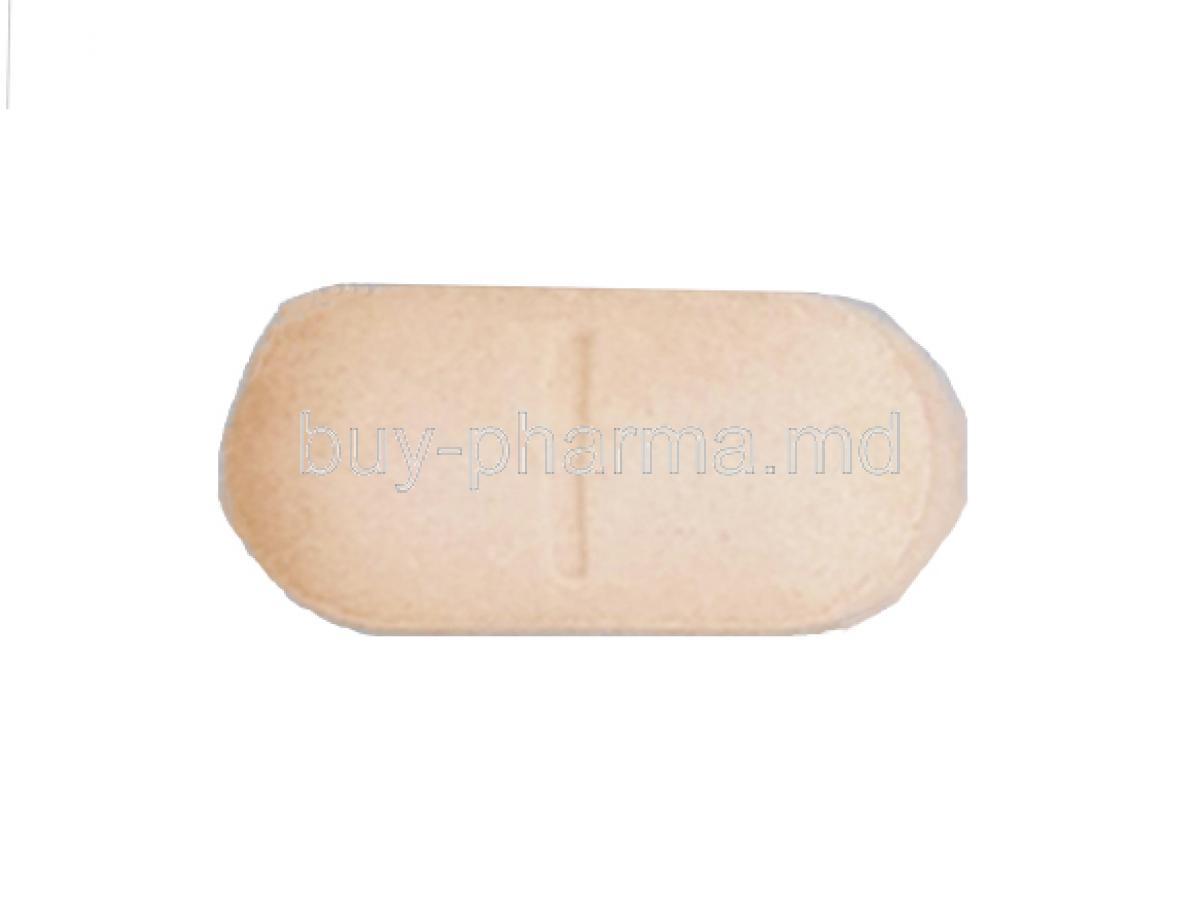
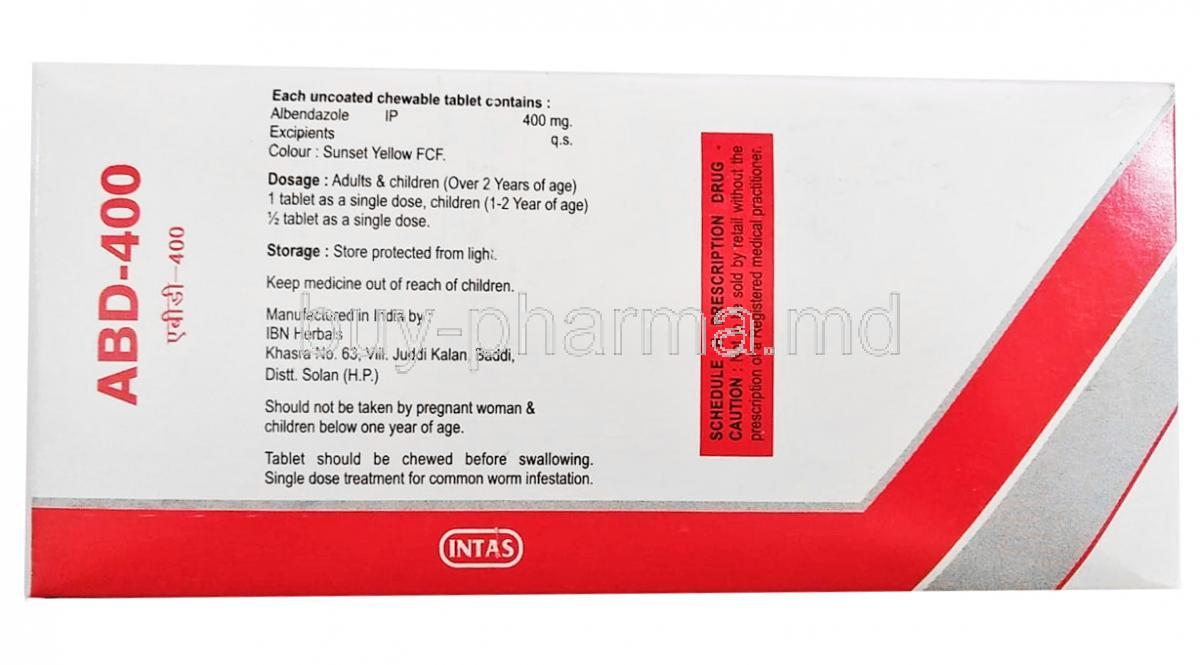
ABD, Albendazole FAQ
- What is an ABD medicine?
- What is the use of ABD Tablet?
- What are the benefits of ABD?
- What is albendazole used for?
- How long do you take albendazole for worms?
- Is one tablet of albendazole enough for deworming?
- What happens after you take albendazole?
- Why is albendazole taken at night?
- Can I buy albendazole over the counter?
- Can I take albendazole without a doctor?
- Will I poop out worms after taking albendazole?
- What should I avoid while taking albendazole?
- How to take albendazole for 3 days?
- How to know if albendazole is working?
- Which parasites are killed by albendazole?
- What is a substitute for albendazole?
- Which is stronger albendazole or mebendazole?
- Can albendazole be taken daily for 3 days?
- Can albendazole cause kidney damage?
- Who shouldn't take albendazole?
- What is the most effective way to take albendazole?
- How long do you take albendazole for worms?
- Who should not take albendazole?
What is an ABD medicine?
Abd 400mg Tablet is a type of medicine that helps get rid of worms in the body. It's often used to treat infections caused by things like roundworms, hookworms, whipworms, and pinworms in the intestines.
What is the use of ABD Tablet?
Abd tablet (containing Albendazole) is an anthelmintic (anti-worm) medication used to treat various parasitic worm infections.
What are the benefits of ABD?
It's used to treat infections caused by worms. The way it works is by killing the worms and stopping them from growing anymore, which helps get rid of the infection.
What is albendazole used for?
Albendazole is a medicine that helps get rid of parasitic worm infections.
How long do you take albendazole for worms?
Typically, the dose is 400 milligrams, taken twice a day with meals, for 28 days - this is one cycle.
Is one tablet of albendazole enough for deworming?
No
What happens after you take albendazole?
Parasites will be killed by the medicine and expelled in the stool.
Why is albendazole taken at night?
To align with parasitic activity
Can I buy albendazole over the counter?
No
Can I take albendazole without a doctor?
No
Will I poop out worms after taking albendazole?
Yes
What should I avoid while taking albendazole?
Grapefruit
How to take albendazole for 3 days?
400 mg once daily
How to know if albendazole is working?
Symptoms decrease
Which parasites are killed by albendazole?
- Pinworms
- Whipworms
- Hookworms
- Ascaris
What is a substitute for albendazole?
Which is stronger albendazole or mebendazole?
Albendazole
Can albendazole be taken daily for 3 days?
Yes
Can albendazole cause kidney damage?
Yes
Who shouldn't take albendazole?
- Pregnant or trying to be pregnant
- Low blood pressure
- Liver disease
- Allergic to ingredients
What is the most effective way to take albendazole?
Taken with fatty meals
How long do you take albendazole for worms?
28 days
Who should not take albendazole?
- Patients allergic to albendazole
Customers also bought

Popular Products
Similar Product