
Introduction to Advacan (Everolimus)
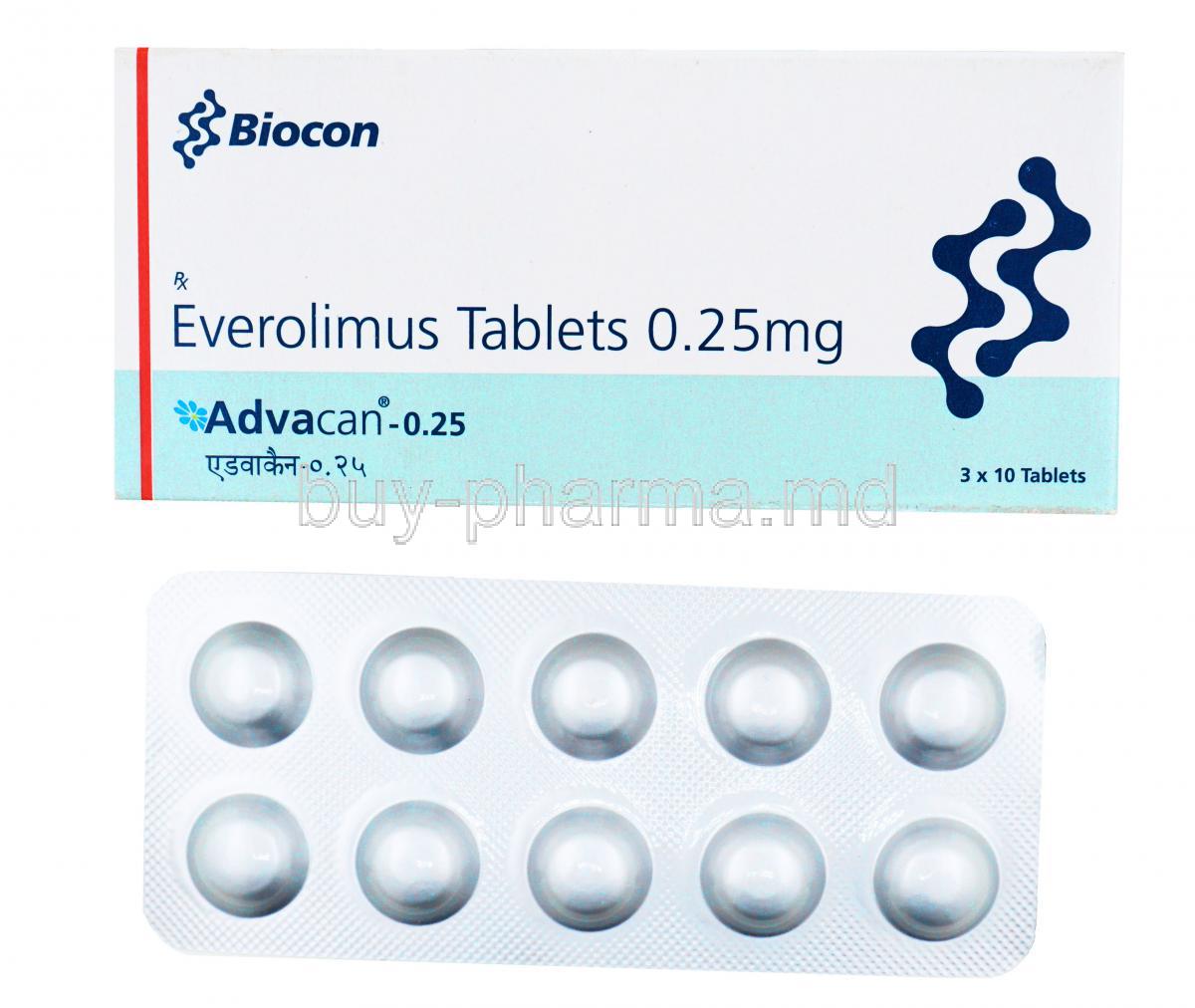
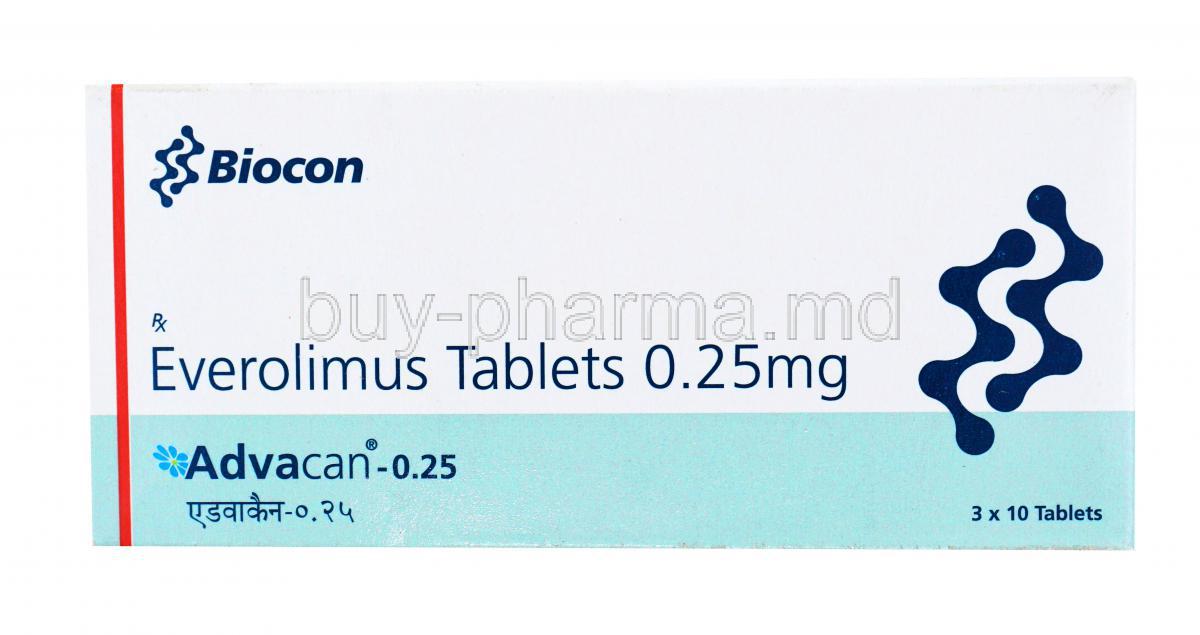
Advacan is a pharmaceutical formulation containing everolimus, a potent agent widely utilized in modern oncology and transplant medicine. It is designed to modulate intracellular signaling pathways that are central to abnormal cell growth and immune activation. Due to its targeted mechanism, Advacan occupies a critical position in precision-based therapy.
Everolimus Indication
Clinically, everolimus has reshaped treatment paradigms for certain malignancies and chronic conditions where uncontrolled cellular proliferation or immune-mediated damage plays a defining role. Its relevance continues to expand as research elucidates new therapeutic niches.
The development of everolimus originated from advances in rapamycin derivatives. Through structural refinement, scientists achieved enhanced oral bioavailability and a more predictable pharmacokinetic profile. These refinements enabled broader clinical application beyond its immunosuppressive origins.
Everolimus has received regulatory approval across multiple major markets, including North America, Europe, and parts of Asia, for a range of oncologic and non-oncologic indications. Approval status may vary by formulation and indication.
Composition and Pharmaceutical Characteristics
The primary active ingredient in Advacan is everolimus, a synthetic macrolide compound. It is pharmacologically active at low concentrations and demonstrates high specificity for intracellular signaling targets.
Everolimus belongs to the class of mammalian target of rapamycin (mTOR) inhibitors. This class is distinguished by its ability to selectively interfere with cell cycle progression and immune cell activation.
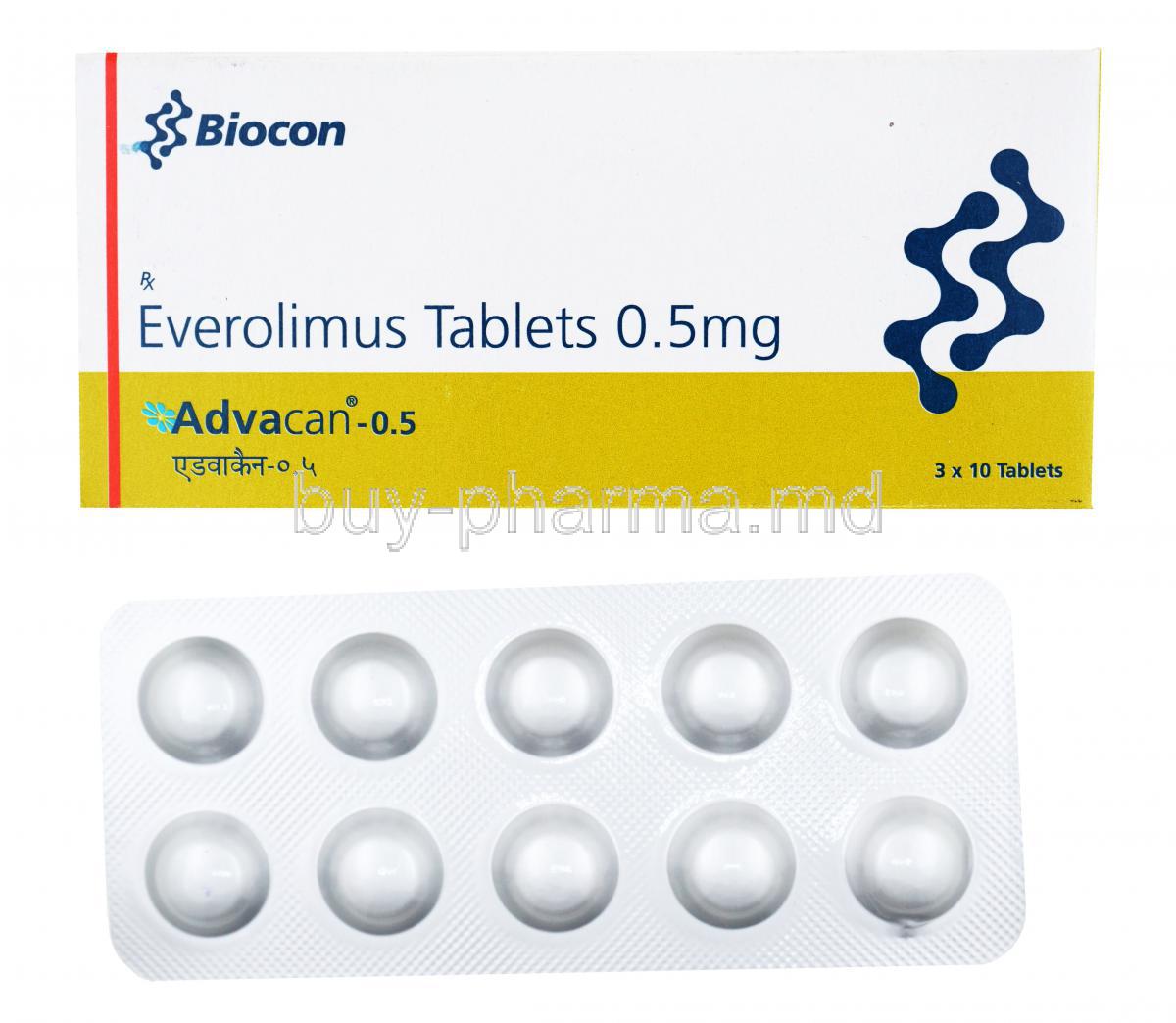
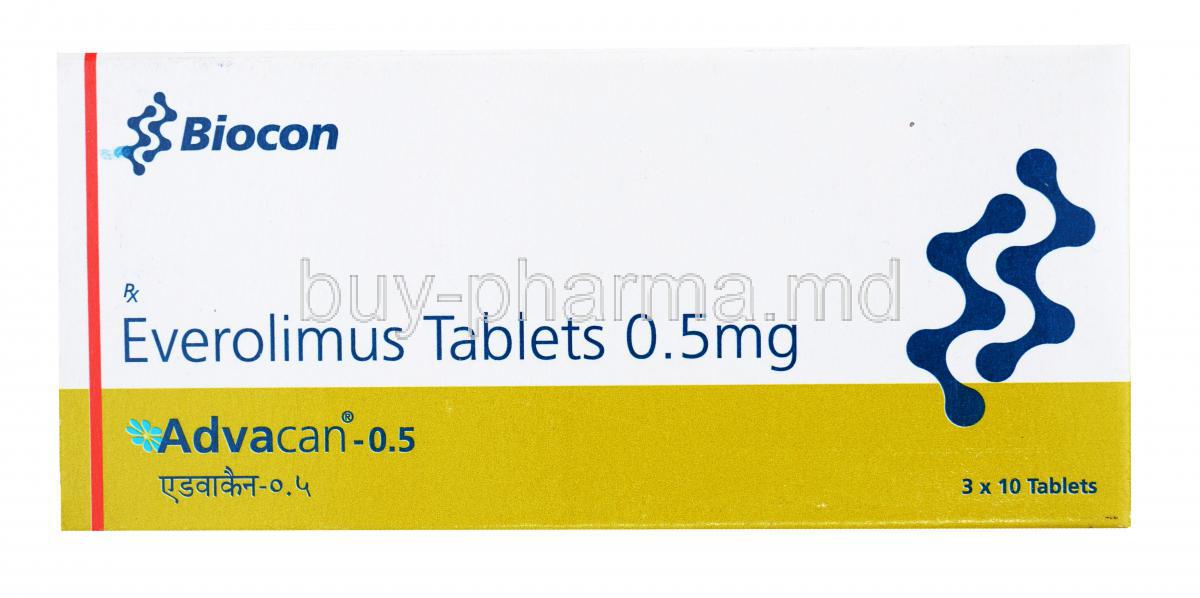
Advacan is typically available in oral solid dosage forms, including tablets of varying strengths. These multiple strengths allow individualized dosing across different therapeutic indications.
Formulation excipients are carefully selected to maintain chemical stability, optimize dissolution, and ensure consistent systemic exposure. Inert carriers and stabilizers contribute to predictable absorption when administered orally.
Everolimus vs Ibrance
Ibrance (a CDK4/6 inhibitor) blocks cell cycle progression, often first-line with hormone therapy, while Everolimus (an mTOR inhibitor) targets growth pathways and is typically used after other treatments, often with exemestane.
Tibociclib and Everolimus
Ribociclib (a CDK4/6 inhibitor) and everolimus (an mTOR inhibitor) are targeted cancer drugs studied in combination for various cancers, including breast cancer and rare pediatric brain tumors (gliomas)
Lenvatinib and Everolimus
Lenvatinib (Lenvima) and everolimus (Afinitor) are a combination therapy approved for advanced renal cell carcinoma (RCC) after prior anti-angiogenic treatment,
Sirolimus vs Everolimus
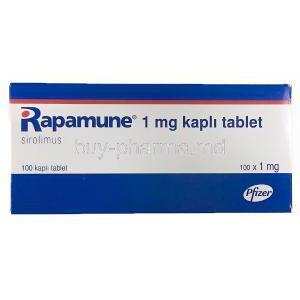
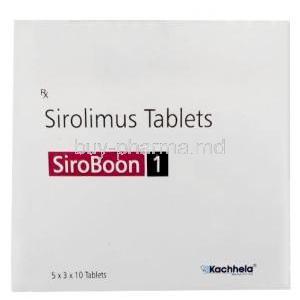
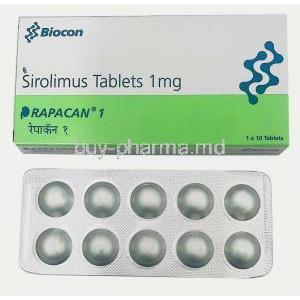
Sirolimus and everolimus are both mTOR inhibitors, but everolimus (a derivative) offers better absorption, higher bioavailability, faster levels, and a shorter half-life
Everolimus and exemestane
The combination of Everolimus (Advacan) and Exemestane (Aromasin) is a common "dual-attack" targeted therapy used primarily for postmenopausal women with advanced Hormone Receptor-positive (HR+), HER2-negative breast cancer.
Everolimus Mechanism of Action
Everolimus belongs to the drug class of mTOR inhibitors and is also classified as a kinase inhibitor. Everolimus exerts its pharmacological effect by forming a complex with the intracellular protein FKBP-12. This complex directly inhibits the mTOR kinase, a central regulator of cell growth and metabolism.
Inhibition of the mTOR signaling pathway disrupts downstream processes essential for cellular proliferation and angiogenesis. As a result, malignant cells experience growth arrest and reduced vascular support.
Beyond antiproliferative effects, everolimus alters metabolic signaling and protein synthesis. These changes impair tumor cell survival while also influencing immune cell function.
Its dual immunosuppressive and antineoplastic properties enable therapeutic use in both cancer treatment and prevention of organ transplant rejection, a combination rarely achieved by a single agent.
Everolimus Uses
Oncology (Cancer Treatment)
Everolimus chemotherapy works by blocking a protein (mTOR) that helps cancer cells divide and grow. It also inhibits the formation of new blood vessels that tumors need to survive.
- Everolimus Renal Cell Carcinoma (Kidney Cancer): Used specifically for advanced cases that have not responded to other targeted therapies.
- Neuroendocrine Tumors (NETs): Effective against tumors of the pancreas, lungs, or gastrointestinal tract that are progressive or cannot be removed surgically.
- Advanced Breast Cancer: Typically used in combination with other medications (like exemestane) for hormone-receptor-positive, HER2-negative breast cancer.
- Tuberous Sclerosis Complex (TSC) Tumors: Used to treat benign tumors like subependymal giant cell astrocytomas (SEGA) in the brain or renal angiomyolipomas in the kidney.
Organ Transplantation
As an immunosuppressant, Everolimus helps prevent the body from attacking a new organ.
- Prevention of Rejection: Used mainly in kidney and liver transplant patients. It is often combined with other drugs like cyclosporine or corticosteroids to reduce the risk of organ rejection while allowing for lower, less toxic doses of those primary drugs.
Off-Label Uses of Everolimus
Use in Veterinary Medicine (Dogs and Cats)
- Transplant Prophylaxis: Used in the rare instances of feline or canine kidney transplants to manage the immune response.
- Targeted Cancer Therapy: Veterinary oncologists may use it for specific tumors (like certain carcinomas or hemangiosarcomas) that have shown sensitivity to mTOR inhibition, though it is not a "first-line" treatment in most standard protocols.
Everolimus Dosage and Administration Guidelines
Dosing of Advacan varies according to indication, patient characteristics, and therapeutic goals. Standard regimens are established through clinical trial data.
The medication is administered orally, typically once daily, with or without food. Consistency in timing enhances pharmacokinetic stability.
- Oncology (Cancer): Typically 10mg once daily.
- Kidney Transplant: Starting dose is usually 0.75 mg twice daily (every 12 hours) in combination with other medications.
- Liver Transplant: Starting dose is usually 1mg twice daily.
Careful Administration and Dose Adjustments
In patients with hepatic impairment, dose modification is often necessary due to altered metabolism. Liver function tests guide clinical decision-making.
Renal dysfunction generally does not require major adjustment, although close monitoring is advised in patients with pre-existing kidney disease.
Therapeutic drug monitoring may be employed in select populations, particularly transplant recipients, to maintain optimal drug exposure.
Temporary dose interruption or reduction may be required to manage toxicity. Gradual reintroduction is typically favored once adverse effects resolve.
Everolimus Side Effects
Everolimus is associated with a spectrum of adverse reactions, ranging from mild mucocutaneous symptoms to serious systemic complications.
Adverse effects are commonly classified by frequency and clinical severity. Many reactions are predictable based on dose and duration of therapy.
Long-term administration may increase cumulative toxicity, necessitating periodic reassessment of risk versus benefit.
Common Side Effects
Frequently reported adverse reactions include:
- Stomatitis and painful oral ulcers
- Persistent fatigue and generalized weakness
- Maculopapular rash and other dermatologic manifestations
- Diarrhea, nausea, and abdominal discomfort
- Heightened susceptibility to bacterial, viral, or fungal infections
Less Common but Serious Adverse Effects
Although less frequent, certain reactions require immediate clinical attention:
- Non-infectious pneumonitis presenting with cough or dyspnea
- Metabolic derangements such as hyperglycemia or hyperlipidemia
- Hematologic abnormalities including anemia or thrombocytopenia
- Everolimus side effects kidney: Renal impairment accompanied by proteinuria
Long-term side effects of everolimus
- increased risk of serious infections and secondary cancers
- kidney failure
- lung damage (pneumonitis)
- metabolic disorders
- fertility problems
Everolimus interactions
Everolimus is extensively metabolized by CYP3A4 enzymes. Concomitant use of strong inhibitors or inducers can significantly alter drug levels.
- Interactions with other immunosuppressive agents may potentiate adverse effects or necessitate dose modification.
- Grapefruit and grapefruit juice can increase systemic exposure by inhibiting metabolic pathways and should be avoided during therapy.
- Live vaccines are generally contraindicated due to immunosuppression, while inactivated vaccines may produce diminished immune responses.
Warnings and Safety Information
Immunosuppression associated with everolimus increases the risk of opportunistic infections. Preventive strategies and early detection are essential.
Wound healing may be impaired, particularly in surgical patients. Timing of therapy initiation should be carefully planned around operative procedures.
Prolonged use has been associated with an increased risk of secondary malignancies, underscoring the importance of long-term surveillance.
Regular monitoring of blood counts, metabolic parameters, renal function, and pulmonary symptoms is integral to safe and effective therapy.
Contraindications
Advacan (everolimus) is contraindicated in individuals with a documented history of hypersensitivity to everolimus or structurally related rapamycin derivatives. Allergic reactions may manifest abruptly and range from cutaneous eruptions to severe systemic responses.
Patients with severe, uncontrolled infections should not initiate therapy. Immunosuppressive effects may exacerbate active infections, leading to rapid clinical deterioration.
Additional contraindications are determined by the patient’s overall clinical status. These may include conditions in which further suppression of immune or metabolic pathways would pose unacceptable risk.
Important Precautions Before and During Use
Prior to initiating therapy, comprehensive baseline assessments are essential. These typically include complete blood counts, renal and hepatic function tests, lipid profiles, and fasting glucose measurements.
Ongoing laboratory monitoring is required throughout treatment. Periodic evaluation allows early identification of hematologic, metabolic, or renal abnormalities.
Infection prevention strategies should be emphasized. These include appropriate vaccinations, avoidance of known infectious exposures, and prompt evaluation of febrile symptoms.
Patient counseling is integral to safe use. Key counseling points may include:
- Adherence to dosing schedules
- Recognition of early signs of infection or toxicity
- Avoidance of grapefruit-containing products
Administration to Elderly Patients
Age-related pharmacokinetic changes may influence drug metabolism and clearance in older adults. Reduced hepatic function and altered protein binding can increase systemic exposure.
Elderly patients often exhibit heightened sensitivity to adverse effects, including infections, mucosal toxicity, and metabolic disturbances.
Monitoring recommendations in this population emphasize closer surveillance, conservative dose adjustments, and frequent reassessment of therapeutic necessity.
Administration to Pregnant Women and Nursing Mothers
Everolimus is associated with potential teratogenic risk based on its mechanism of action and findings from animal studies. Pregnancy risk classification reflects the possibility of fetal harm.
Use during pregnancy requires a meticulous risk–benefit assessment. Therapy may be considered only when potential maternal benefit outweighs fetal risk.
Breastfeeding is generally discouraged during treatment. Everolimus may be excreted in breast milk, posing potential risk to the nursing infant.
Administration to Children
Pediatric use of everolimus is approved for select indications, particularly conditions associated with tuberous sclerosis complex.
Dosing in children is often weight- or body surface area–based. Careful titration is required to achieve therapeutic efficacy while minimizing toxicity.
Available safety and efficacy data support use in defined pediatric populations; however, long-term outcomes continue to be evaluated.
Overdose Information
Symptoms of everolimus overdose are typically an extension of its known pharmacologic effects. These may include severe mucositis, pronounced immunosuppression, and metabolic derangements.
Immediate management focuses on discontinuation of the drug and clinical evaluation. There is no specific antidote.
Supportive care and close monitoring are the mainstays of treatment, with attention to infection control, fluid balance, and organ function.
Storage and Stability
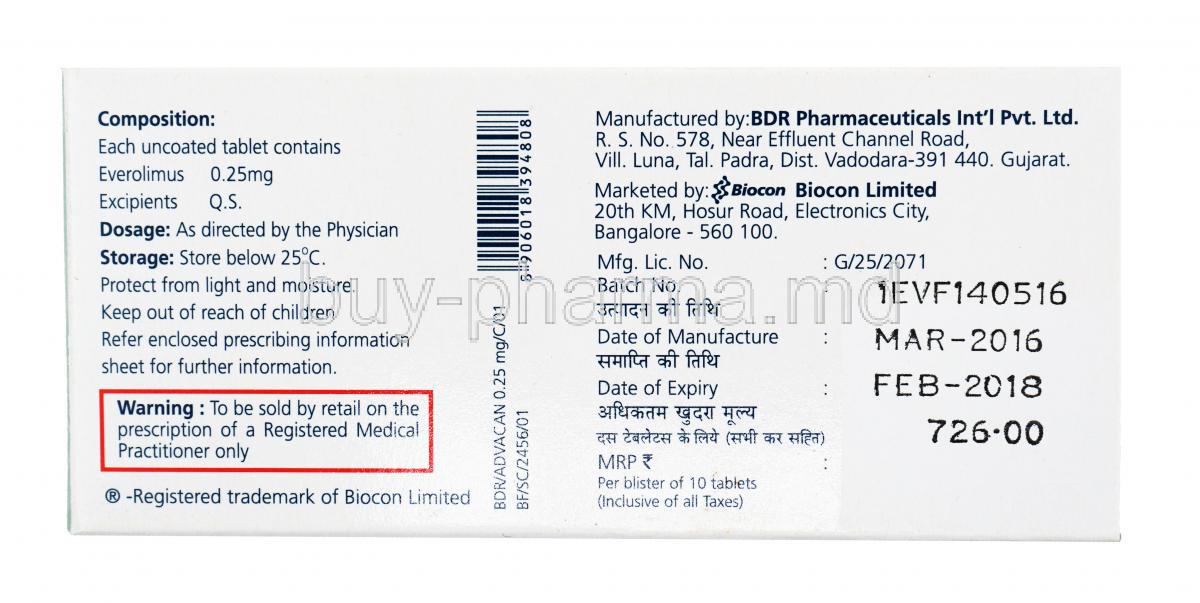
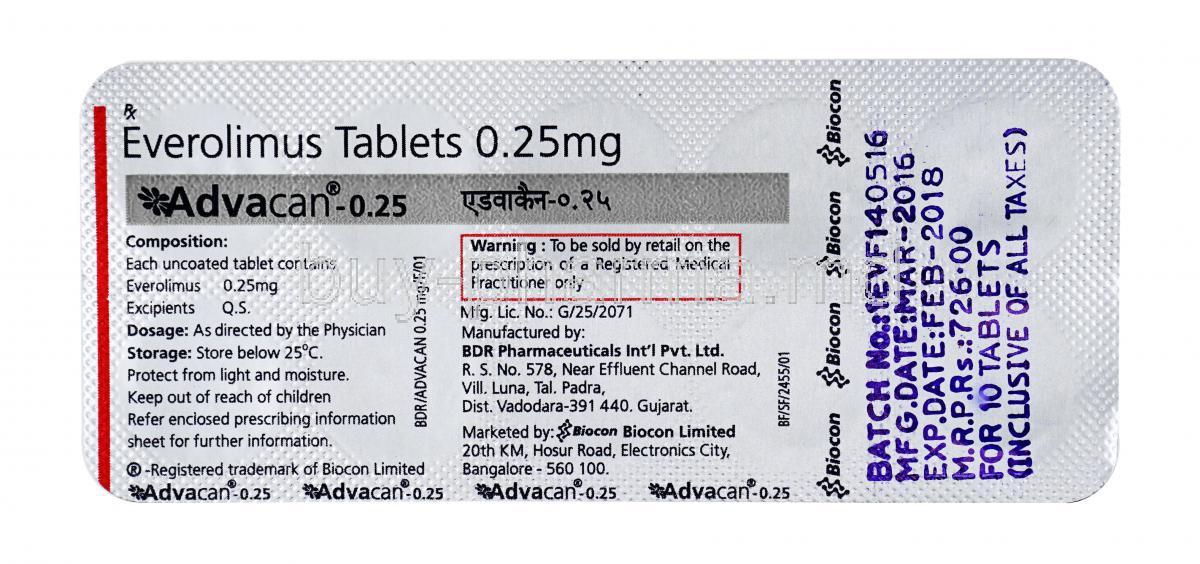
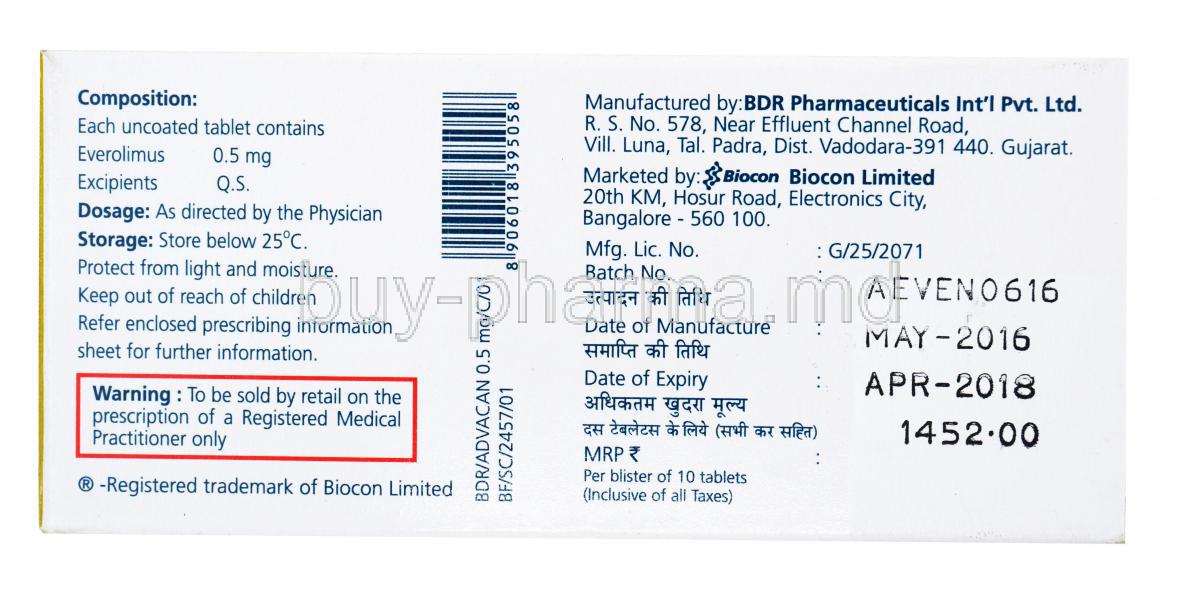
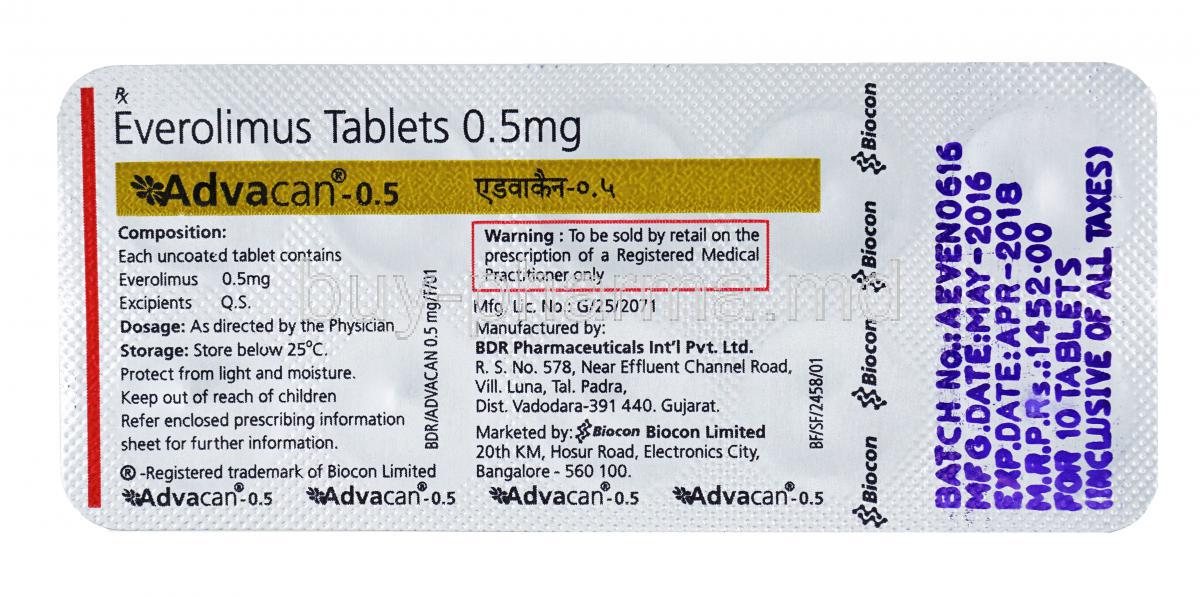
Advacan should be stored under controlled conditions, generally at room temperature, as specified by the manufacturer.
Protection from moisture and excessive light is essential to maintain pharmaceutical integrity.
Use beyond the labeled expiration date is not recommended, as potency and stability cannot be assured.
Handling and Disposal Precautions
Patients and caregivers should handle the medication with clean, dry hands. Tablets should not be crushed or split unless explicitly directed.
Healthcare professionals should observe standard precautions when handling the product, particularly in clinical settings involving immunocompromised patients.
Unused or expired medication should be disposed of in accordance with local pharmaceutical waste regulations to prevent unintended exposure.
Patient Education and Compliance Considerations
Strict adherence to the prescribed regimen is critical for therapeutic success. Irregular dosing may compromise efficacy or increase toxicity.
Patients should be educated to recognize early warning signs such as persistent mouth sores, unexplained fever, or respiratory symptoms.
Medical attention should be sought promptly if severe adverse reactions, signs of infection, or sudden clinical changes occur during therapy.

Advacan, Everolimus FAQ
- What is Advan medicine used for?
- What is the drug everolimus used for?
- Is everolimus considered chemotherapy?
- What is the mechanism of action of everolimus?
- How toxic is everolimus?
- Can everolimus shrink tumors?
- How long can you be on everolimus?
- How successful is everolimus?
- Does everolimus make you tired?
- What is the best time of day to take everolimus?
- What is the target of everolimus?
- Can everolimus cause heart problems?
- What is the most common side effect of everolimus?
- Do you lose your hair with everolimus?
- What is the warning for everolimus?
- What is the success rate of everolimus?
- What is the normal range for everolimus?
- What are the disadvantages of everolimus?
- Does everolimus cause weight gain?
- How long does everolimus stay in your system?
- Does everolimus cause leg swelling?
- Can everolimus shrink tumors?
- Does everolimus increase creatinine?
- Is everolimus considered immunotherapy?
- When do side effects start with everolimus?
What is Advan medicine used for?
It slows down the nervous system, making it effective in treating anxiety.
What is the drug everolimus used for?
Everolimus is used to treat advanced (late-stage) cancers or noncancerous tumors, such as kidney and breast cancer, subependymal giant cell astrocytoma (SEGA, a brain tumor), renal angiomyolipoma (kidney tumor), and partial-onset seizures (epilepsy) with tuberous sclerosis complex (TSC), and neuroendocrine tumors
Is everolimus considered chemotherapy?
Yes
What is the mechanism of action of everolimus?
It inhibits multiple cellular steps (RTK and mTOR) involved in tumor cell survival and proliferation.
How toxic is everolimus?
It is associated stomatitis, rash, fatigue, diarrhea, infections, nausea, loss of appetite, hematologic toxicities, dyspnea, noninfectious pneumonitis and metabolic abnormalities such as hypercholesterolemia and hyperglycemia
Can everolimus shrink tumors?
By blocking mTOR, everolimus slow down the growth of cancer.
How long can you be on everolimus?
As long as treatment is effective
How successful is everolimus?
95%
Does everolimus make you tired?
Yes
What is the best time of day to take everolimus?
Take the dose at about the same time each day, preferably in the morning, either always with food or always without food.
What is the target of everolimus?
Rapamycin (mTOR) kinase inhibitor
Can everolimus cause heart problems?
Yes
What is the most common side effect of everolimus?
Swollen gums and painful sensation in the mouth
Do you lose your hair with everolimus?
No
What is the warning for everolimus?
Taking everolimus may increase the risk that you will develop certain very rare and serious infections
What is the success rate of everolimus?
8.7%
What is the normal range for everolimus?
3 to 8 ng/mL
What are the disadvantages of everolimus?
Everolimus lowers white blood cell levels, making you prone to infection.
Does everolimus cause weight gain?
No
How long does everolimus stay in your system?
Several days
Does everolimus cause leg swelling?
Yes
Can everolimus shrink tumors?
Yes
Does everolimus increase creatinine?
Yes
Is everolimus considered immunotherapy?
No
When do side effects start with everolimus?
Within 2 months
Customers also bought
Popular Products
Similar Product