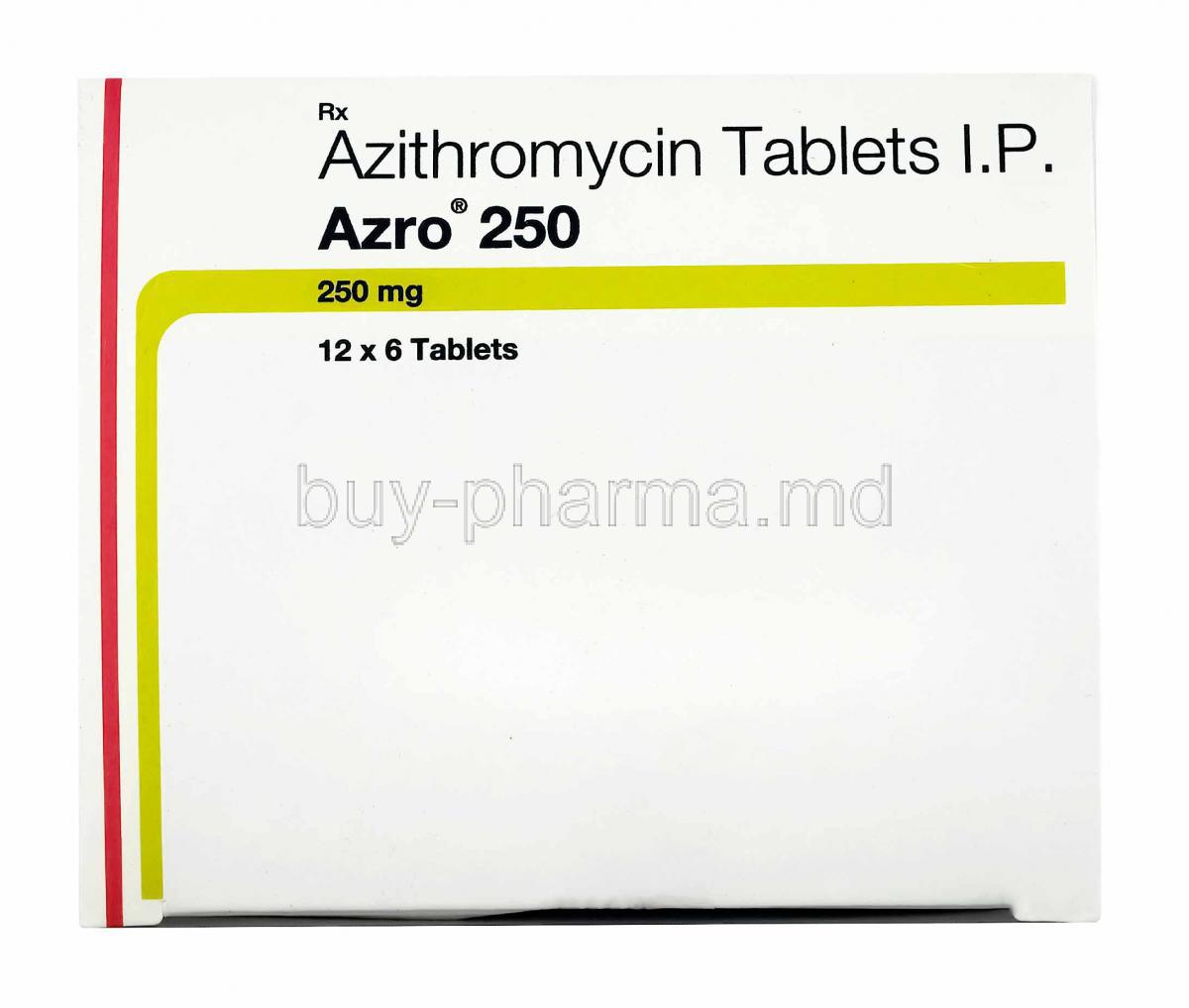
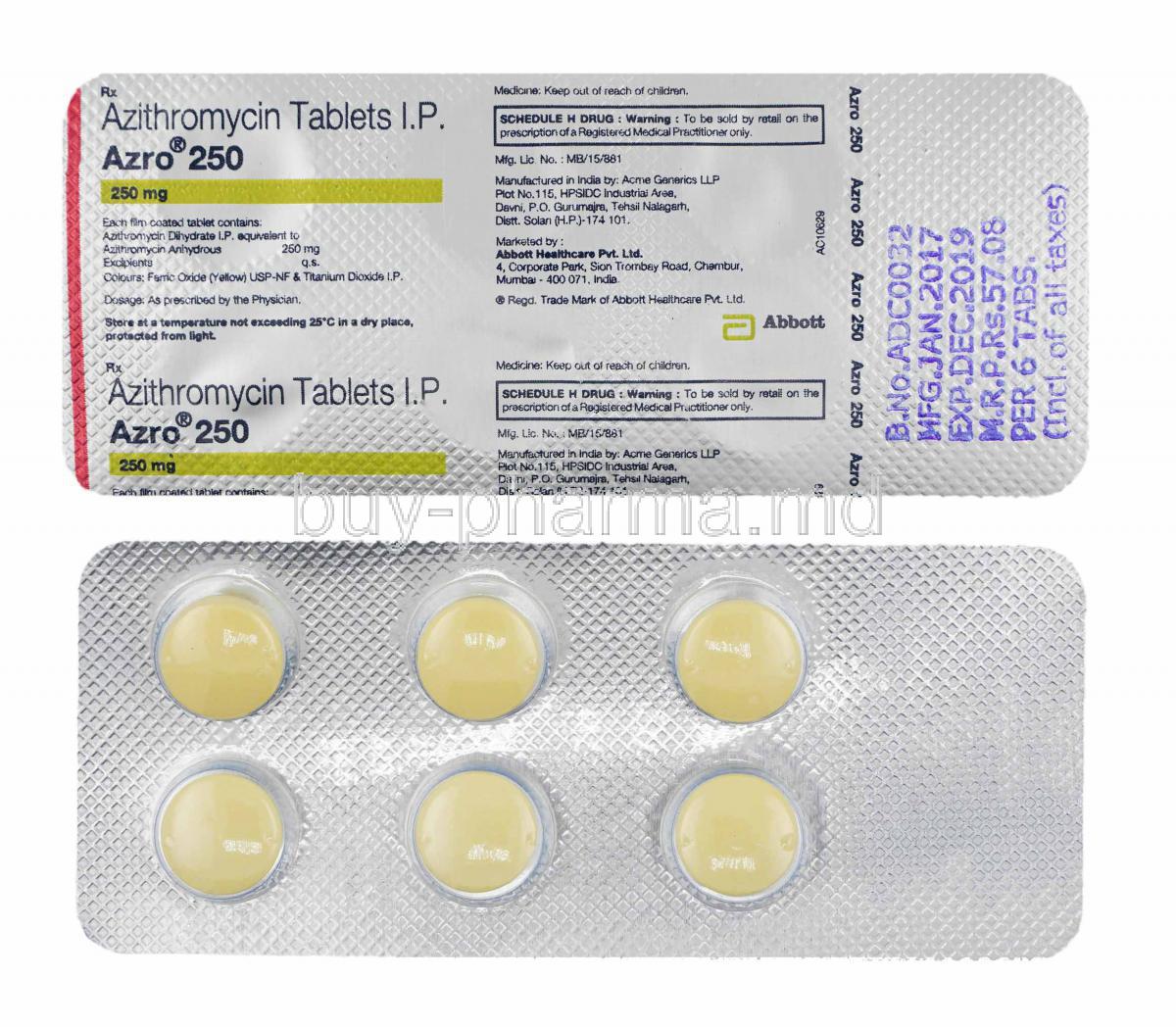
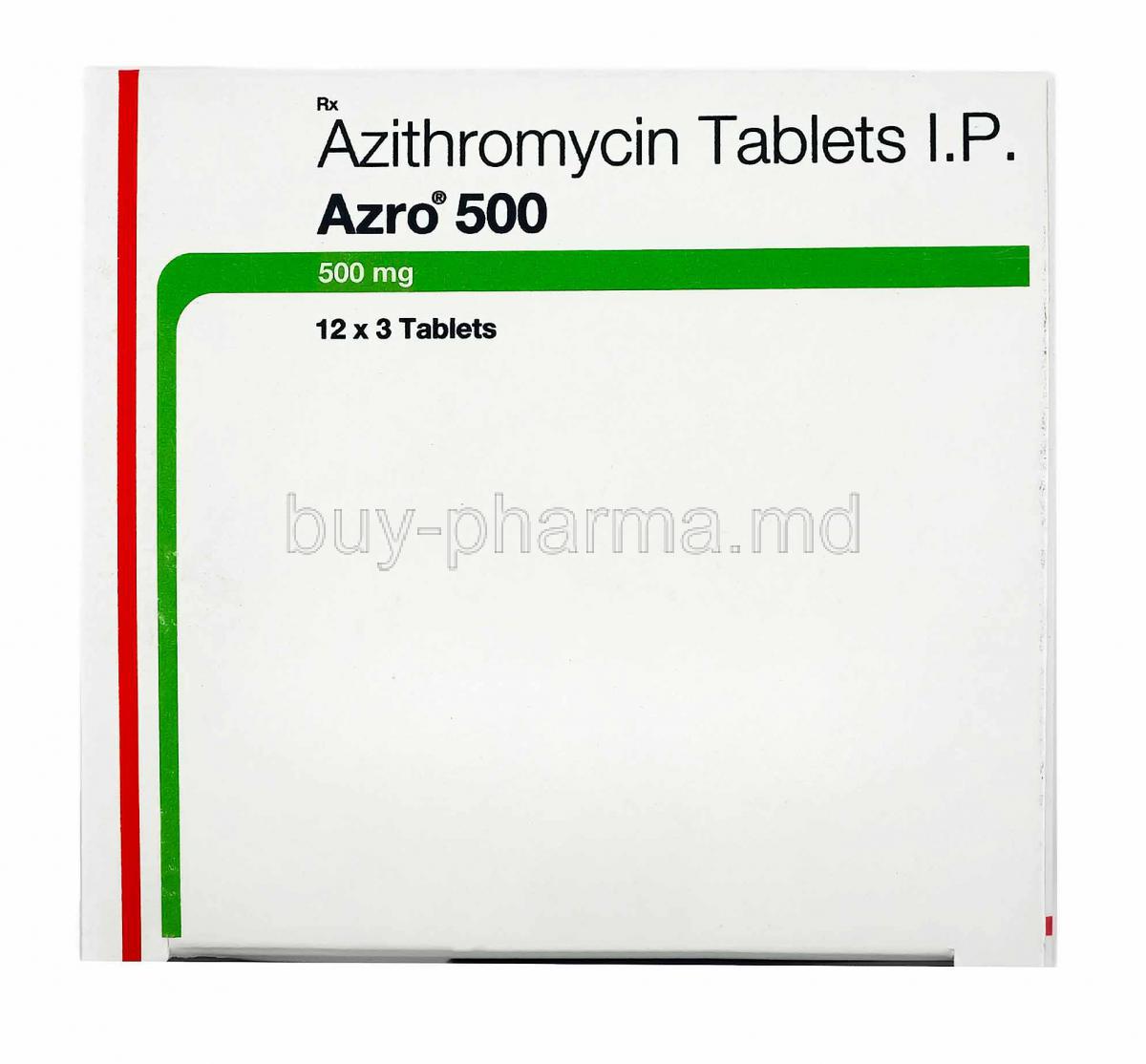
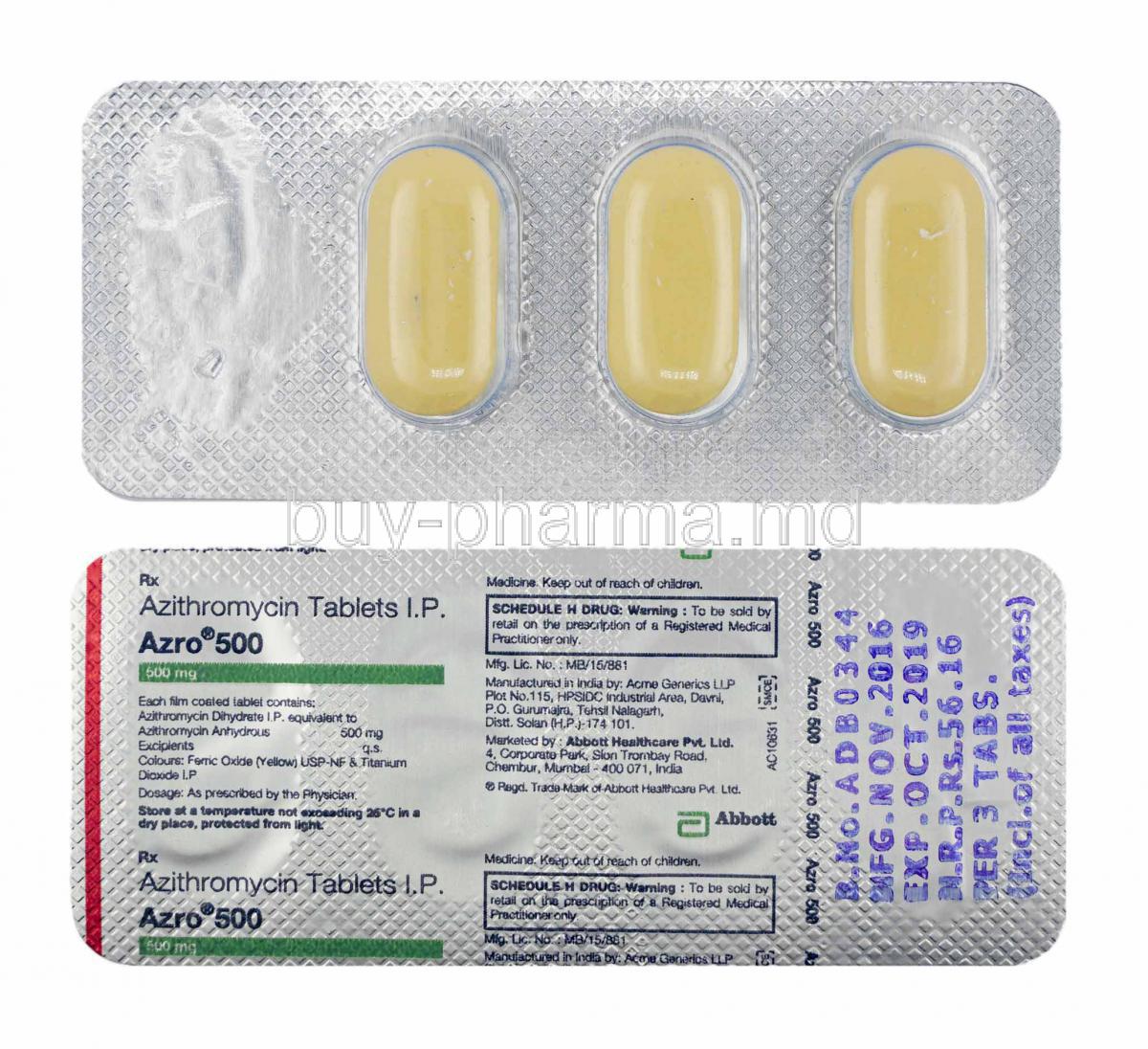
Azro, Azithromycin
- Introduction to Azro (Azithromycin)
- Composition and Pharmaceutical Formulation of Azithromycin
- How Azithromycin Works
- Uses of Azithromycin
- Azithromycin for Strep Throat
- Respiratory Tract Infections
- Ear, Nose, and Throat Infections
- Skin and Soft Tissue Infections
- Sexually Transmitted Infections
- Community-Acquired Infections
- Gastrointestinal and Travel-Related Infections
- Dental and Oral Infections
- Azithromycin in Viral-Associated Conditions
- Summary of Clinical Applications
- Expanded and Condition-Specific Uses
- Off-Label Uses of Azithromycin
- Dosage and Administration Guidelines
- Administration in Special Populations
- Side Effects of Azithromycin
- Azithromycin Interactions
- Warnings and Safety Information
- Azithromycin Contraindications
- Careful Administration and Important Precautions
- Overdosage Information
- Storage and Stability of Azithromycin
- Handling Precautions
Introduction to Azro (Azithromycin)
Azro is a common brand name for azithromycin, a versatile macrolide antibiotic used in modern antimicrobial therapy. Since its development in the late 20th century, it has become a staple in clinical practice due to its broad-spectrum efficacy and unique pharmacological profile.

Pharmacological Advantages
Azithromycin is chemically engineered for enhanced acid stability and superior tissue penetration compared to its predecessors. These traits allow the medication to remain therapeutic within the body for an extended period, supporting highly effective, short-course dosing schedules that improve patient compliance.
Clinical Applications
In both outpatient and ambulatory care settings, azithromycin is a first-line choice for treating community-acquired infections. Its antibacterial spectrum is extensive, covering:
- Gram-positive organisms (e.g., Streptococcus)
- Select Gram-negative pathogens
- Atypical bacteria (e.g., Chlamydia, Mycoplasma)

Key Strengths
Versatility: Highly effective against respiratory, skin, and soft tissue infections.
Convenience: Its long half-life allows for once-daily dosing and shorter treatment durations.
Proven Safety: Extensively evaluated and approved globally, it is a trusted option for frequent clinical use.
Composition and Pharmaceutical Formulation of Azithromycin
The Active Ingredient: Azithromycin Dihydrate
The core of Azro is azithromycin dihydrate, a specialized compound engineered for high bioavailability. This dihydrate form is clinically significant because it facilitates an extensive volume of distribution (spreading the drug effectively through tissues) and provides a prolonged terminal half-life, allowing for less frequent dosing.
Specialized Dosage Forms
To ensure patient adherence and therapeutic consistency, azithromycin is manufactured in various formulations tailored to specific medical needs:
- Film-Coated Tablets: Standard oral delivery for most adults.
- Capsules: Engineered for controlled dissolution within the digestive tract.
Oral Suspensions: Optimized for pediatric patients and those with difficulty swallowing.
Intravenous (IV) Preparations: Reserved for treating severe or systemic infections in a clinical setting.
Role of Excipients
The formulation includes various excipients—such as binders, stabilizers, disintegrants, and flavoring agents—to maintain the drug's chemical integrity and improve its taste. These additives are selected to ensure a predictable release profile without altering the primary pharmacological action of the antibiotic.
How Azithromycin Works
Ribosomal Interaction
Azithromycin exerts its antibacterial effect by 23S rRNA of the 50S ribosomal subunit of susceptible organisms. This interaction disrupts the translocation process, effectively halting the assembly of essential proteins. By preventing the elongation of nascent peptide chains, the drug impairs bacterial replication and reduces the production of virulence factors.
Targeted Delivery and Efficacy
Azithromycin is primarily bacteriostatic (inhibiting growth), but it can exhibit bactericidal (killing) activity when high intracellular concentrations are reached or when targeting highly sensitive organisms. A key clinical advantage is its accumulation within phagocytes (white blood cells); the drug utilizes these cells as transport vehicles to deliver high concentrations of the antibiotic directly to the site of infection.
Key Pharmacological Features
- Post-Antibiotic Effect (PAE): Continues to suppress bacterial growth even after blood levels decline.
- Intracellular Persistence: High tissue-to-serum ratios ensure prolonged activity at the infection source.
Uses of Azithromycin
Widely used for its versatility, azithromycin is a macrolide antibiotic effective against a broad spectrum of infections. Its popularity in both clinics and hospitals stems from its ability to reach deep into tissues, remain active in the body for an extended period, and target "atypical" bacteria. Doctors typically prescribe it based on the specific germ involved, the seriousness of the illness, and current medical standards.
Azithromycin for Strep Throat
When treating patients with beta-lactam allergies, azithromycin serves as a vital alternative for managing pharyngitis. By targeting the ribosomal protein synthesis of Streptococcus pyogenes, it effectively halts the infection, shortens the duration of clinical symptoms, and minimizes the risk of community transmission.
Clinical Advantages in Streptococcal Treatment.
- Penicillin-Alternative Therapy: Provides a reliable secondary option for patients who cannot tolerate penicillin or cephalosporins.
- Enhanced Compliance: The short-course treatment regimen significantly improves patient adherence, ensuring the full cycle of medication is completed.
- Complication Reduction: When indicated, it helps lower the incidence of inflammatory sequelae associated with untreated or prolonged infections.
Respiratory Tract Infections
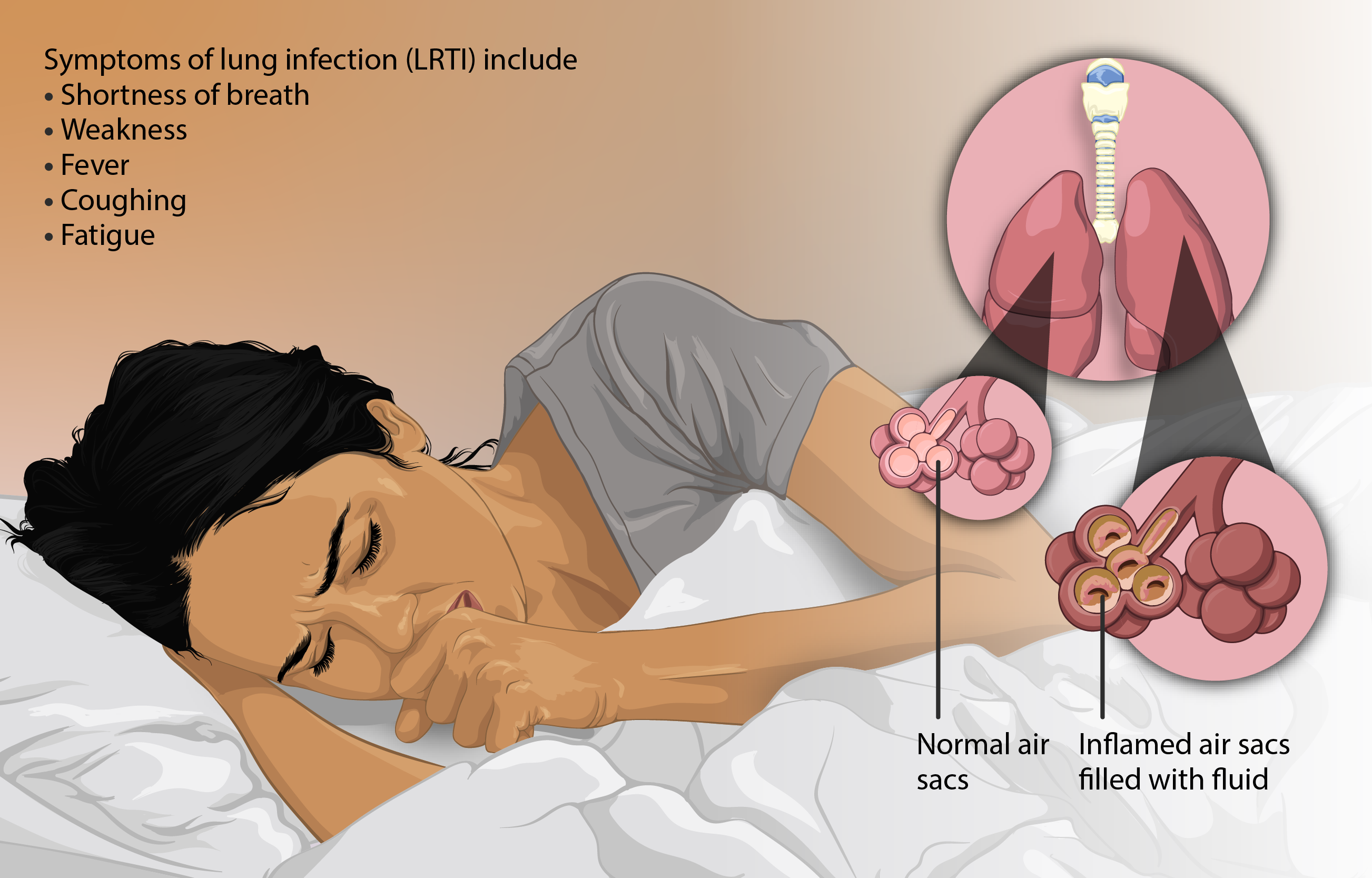
Azithromycin is frequently utilized as a cornerstone treatment for various respiratory conditions, including acute and chronic bronchitis, community-acquired pneumonia, and acute bacterial sinusitis. Its effectiveness against both typical and atypical pulmonary pathogens makes it a highly reliable component of modern treatment protocols.
Respiratory Efficacy and Pharmacokinetics
- Targeted Activity: Highly effective against common and uncommon respiratory microbes.
- Pulmonary Accumulation: The drug’s ability to concentrate within cells ensures sustained antimicrobial activity throughout the lung tissues.
- Extended Protection: Due to its unique tissue distribution, azithromycin continues to combat infection even after the final dose has been administered.
Ear, Nose, and Throat Infections
Infections of the ear, nose, and throat (ENT) are frequently bacterial in origin. Clinicians utilize azithromycin as a strategic alternative for treating otitis media, tonsillitis, and sinusitis, particularly when primary treatments are ineffective or contraindicated.
Clinical Utility in ENT Care
- Targeted Alternative: Serves as a reliable second-line agent for patients who cannot tolerate or do not respond to standard first-line therapies.
- Optimized for Adherence: Azithromycin is especially valuable for treating ear and sinus infections in patients who benefit from a simplified dosing schedule.
- Enhanced Tolerability: Its pharmacological profile provides a manageable option for those requiring a more tolerable treatment course.
Skin and Soft Tissue Infections
In cases where pathogens are susceptible, azithromycin is a valuable option for managing skin and soft tissue infections. Beyond its primary antibacterial role, its inherent anti-inflammatory properties provide an added therapeutic benefit, specifically by reducing the edema and swelling associated with inflamed lesions.
Dermatological Applications
- Mild Cellulitis: Effectively manages localized skin infections.
- Superficial Wound Infections: Addresses bacterial colonization in minor injuries.
- Inflamed Dermal Structures: Targets infections within the skin layers where inflammation is a prominent symptom.

Sexually Transmitted Infections
Azithromycin plays a critical role in the management of sexually transmitted infections (STIs). In clinical practice, it remains a primary treatment for uncomplicated chlamydia, where its ability to clear the infection with a single-dose regimen significantly enhances patient compliance and therapeutic success.
Clinical Application in Sexual Health
- Chlamydia trachomatis: Historically the gold standard for straightforward cases due to its high efficacy and ease of administration.
- Gonorrhea Management: While azithromycin has long been a staple of dual-therapy protocols for gonorrhea, evolving resistance patterns have shifted treatment guidelines in many regions.
- Ureaplasma-associated Infections: It remains a viable option for addressing complications related to Ureaplasma and other similar pathogens.
Evolving Resistance
The efficacy of azithromycin against gonorrhea is subject to ongoing clinical surveillance. Because resistance is increasing globally, treatment protocols are frequently updated, requiring clinicians to stay informed of the latest regional guidelines to ensure effective care.
Community-Acquired Infections
In outpatient settings, azithromycin is frequently selected to treat community-acquired infections due to its established safety profile and the convenience of its once-daily dosing regimen. This combination of reliability and ease of use makes it a preferred choice for clinicians managing infections in the community.
Management of Community-Acquired Pneumonia (CAP)
Azithromycin is especially valuable in treating mild to moderate cases of community-acquired pneumonia, particularly when atypical pathogens (such as Mycoplasma or Legionella) are suspected. Its ability to effectively target these specific organisms, which are often resistant to other common antibiotics, is a key factor in its widespread clinical adoption.
Gastrointestinal and Travel-Related Infections
Azithromycin is frequently indicated for the management of specific bacterial gastrointestinal infections. In clinical practice, it is a highly effective intervention for cases of severe diarrhea, particularly when characterized by the presence of invasive pathogens or high-grade fever.
Clinical Indications in Gastroenterology
- Traveler’s Diarrhea: A preferred treatment in endemic regions, especially when symptoms are systemic or severe.
- Enterotoxigenic Bacterial Diarrhea: Targets specific bacterial strains that release toxins in the digestive tract.
- Campylobacter-associated Gastroenteritis: Provides a reliable therapeutic option for infections caused by Campylobacter, which are common causes of foodborne illness.
Therapeutic Role
Because azithromycin remains stable in the acidic environment of the stomach and reaches high concentrations in the intestinal tissues, it is uniquely suited for clearing enteric pathogens. This makes it an essential tool for patients traveling to high-risk areas or those presenting with acute bacterial gastroenteritis.
Dental and Oral Infections
In cases of odontogenic infections, azithromycin serves as a viable alternative when standard first-line antibiotics are contraindicated or unsuitable. Its ability to penetrate oral tissues effectively makes it a valuable adjunct to definitive dental procedures, such as extractions or root canal therapy.
Role in Dental Care
- Secondary Option: Frequently utilized for patients with penicillin allergies or those who do not respond to conventional treatments.
- Tissue Efficacy: The drug's high concentration within oral structures ensures it reaches the localized site of infection.
- Adjunctive Support: While not a replacement for dental intervention, it provides necessary antimicrobial coverage to manage the spread of the infection.
Azithromycin in Viral-Associated Conditions
While its role has been investigated, azithromycin is utilized in the context of COVID-19 primarily for its immunomodulatory and anti-inflammatory effects rather than any direct antiviral capability.
Clinical Summary
- Focus on Inflammation: Research has centered on the drug's potential to regulate the immune response rather than its ability to kill the virus itself.
- Restricted Application: Its routine prescription for viral infections remains limited, as standard clinical protocols generally favor its use only when a secondary bacterial infection is suspected.
- Ongoing Research: The medical community continues to evaluate its therapeutic value through clinical trials to determine its precise impact on viral illness recovery.

Summary of Clinical Applications
The clinical utility of azithromycin encompasses a wide range of applications, including respiratory, genitourinary, gastrointestinal, dermatologic, and ENT infections. As a highly versatile macrolide, its position in modern medicine is dynamic, continually adapting to shifting antimicrobial resistance patterns and the latest clinical research.
Summary of Clinical Reach
- Multi-System Efficacy: Provides broad-spectrum coverage across several major organ systems.
- Adaptive Usage: Clinical protocols for the drug are frequently updated to ensure efficacy against evolving bacterial strains.
- Evidence-Based Practice: Its administration is increasingly refined by emerging data regarding its anti-inflammatory properties and long-term therapeutic outcomes.
Expanded and Condition-Specific Uses
Upper Respiratory Tract Bacterial Infections
In clinical practice, azithromycin is frequently indicated for upper respiratory tract bacterial infections involving susceptible organisms. Its unique pharmacokinetic profile allows it to achieve high concentrations in mucosal tissues, including the tonsils, sinuses, and nasopharynx.
Clinical Indications and Management
Azithromycin is a primary choice for treating pharyngitis, acute bacterial sinusitis, and specific cases of tonsillitis. Key therapeutic advantages include:
- Intracellular Persistence: The medication remains within the cells for an extended period, providing sustained antimicrobial activity even after a short-course regimen is completed.
- Respiratory Efficacy: It maintains high activity against a broad range of common respiratory pathogens.
- Optimized Patient Compliance: The once-daily dosing schedule simplifies the treatment plan, significantly improving patient adherence compared to more frequent regimens.
- Alternative for Allergies: It serves as a vital therapeutic option for patients with beta-lactam intolerance or penicillin allergies.
Lower Respiratory Tract Bacterial Infections
Azithromycin is a cornerstone treatment for lower respiratory tract infections, particularly bronchitis and community-acquired pneumonia. It is specifically favored by clinicians when atypical pathogens—those that are often resistant to standard beta-lactam antibiotics—are suspected.
Pharmacokinetics and Tissue Distribution
A defining characteristic of azithromycin is its unique ability to accumulate within macrophages and bronchial epithelial cells. This intracellular buildup allows the medication to target pathogens that reside inside host cells more effectively than many other antibiotic classes.
Key Clinical Applications
- Atypical Pneumonia: Highly effective against intracellular bacteria such as Mycoplasma pneumoniae and Chlamydia pneumoniae.
- Chronic Bronchitis Exacerbations: Used to manage acute bacterial flare-ups in patients with underlying lung disease.
- Outpatient Management: Due to its efficacy and ease of use, it is a primary choice for managing mild to moderate lower respiratory infections in ambulatory care.
Genitourinary Tract Infections
Azithromycin is a critical therapeutic agent for urogenital infections, particularly those caused by intracellular pathogens or organisms that are difficult to culture. Its high intracellular concentration and favorable tolerability profile make it a preferred choice for clinicians managing sensitive genital tract conditions.
Therapeutic Strategies and Compliance
- A primary advantage of azithromycin in sexual health is the efficacy of simplified dosing regimens. By utilizing single-dose or short-course protocols, clinicians significantly reduce the risk of patient non-compliance, ensuring the infection is fully eradicated.
- Urogenital Chlamydia: Highly effective against Chlamydial infections due to superior tissue penetration.
- Combination Protocols: Frequently integrated into broader treatment plans to expand the antimicrobial spectrum, ensuring comprehensive coverage against multiple potential pathogens simultaneously.
- Non-Gonococcal Urethritis: Often utilized to treat Ureaplasma-associated conditions and other non-specific urogenital infections.

Off-Label Uses of Azithromycin
Treatment of Atypical Mycobacterial Infections
In certain clinical scenarios, azithromycin is utilized off-label to address complex infections that require specialized intervention. Its ability to penetrate intracellular environments and its exceptionally long half-life make it a vital component of multi-drug regimens, particularly those targeting pathogens with slow or persistent growth cycles.
Clinical Considerations for Off-Label Use
- Intracellular Efficacy: By concentrating within host cells, the medication effectively reaches sequestered pathogens that other antibiotics might miss.
- Extended Therapeutic Window: Its prolonged residence time in the body supports sustained antimicrobial pressure, which is often necessary for difficult-to-treat infections.
- Rigorous Oversight: Because these therapies are typically prolonged, they necessitate strict microbiological monitoring and clinical surveillance to mitigate the risk of developing antimicrobial resistance.
Adjunct Therapy in Chronic Obstructive Pulmonary Disease (COPD)
In the management of Chronic Obstructive Pulmonary Disease (COPD), azithromycin is utilized as a strategic adjunctive therapy to decrease the frequency of acute exacerbations. This clinical application is unique because it harnesses both the drug's primary antimicrobial activity and its secondary immunomodulatory capabilities.
Therapeutic Benefits in COPD
- Exacerbation Control: Significantly reduces the number of flare-ups, leading to better disease stability.
- Airway Anti-inflammation: Exerts a direct soothing effect on bronchial tissues, helping to dampen chronic inflammatory responses.
- Colonization Management: Modulates the bacterial environment within the lungs to prevent the overgrowth of pathogenic microbes.
Clinical Vigilance and Safety
- While effective, the long-term administration of azithromycin for COPD requires careful medical oversight. Clinicians must balance the benefits against two primary risks:
- Antimicrobial Resistance: The potential for bacteria to become less sensitive to the drug over time.
- Cardiac Safety: The need to monitor for cardiac conduction effects, such as QT interval prolongation, which can impact heart rhythm.
Prophylaxis in Certain Immunocompromised Patients
In specific immunocompromised patient populations, azithromycin is sometimes prescribed as a prophylactic measure to ward off opportunistic infections. This preventive strategy is reserved for strictly defined clinical scenarios where the potential for reducing infection risk clearly justifies the therapy.
Prophylactic Management
- Individualized Regimens: Preventive doses are custom-tailored to the patient's specific health profile and immune status.
- Integrated Prevention: Prophylaxis is typically one component of a comprehensive infection-control protocol, often alongside other antimicrobial or lifestyle interventions.
- Risk-Benefit Analysis: Clinicians carefully weigh the protective benefits of the drug against the risks of long-term exposure, such as resistance or side effects.
Use in Inflammatory Conditions with Infectious Components
In addition to its primary role as an antibiotic, azithromycin possesses immunomodulatory properties that make it useful for treating inflammatory disorders, particularly when an infectious trigger is suspected. These secondary effects work by regulating the production of cytokines and reducing inflammation driven by neutrophils.
Applications in Inflammatory Care
- Chronic Airway Disorders: Helps manage long-term inflammation in the respiratory tract.
- Dermatologic Conditions: Used when skin inflammation is exacerbated by bacterial presence.
- Post-Infectious Syndromes: Assists in dampening the lingering inflammatory response that can follow an acute infection.
Experimental and Investigational Uses
Ongoing research continues to explore the expanding therapeutic potential of azithromycin. Scientists are currently investigating its efficacy in managing chronic inflammation, its ability to disrupt bacterial biofilms (protective layers that make germs harder to kill), and its capacity to modify the host's overall immune response.
Current Research Status
- Biofilm Disruption: Evaluating how the drug can break down bacterial defenses to enhance treatment success.
- Immune Modulation: Investigating how the agent alters the body’s inflammatory pathways.
- Investigational Nature: These pathways are currently under active clinical trial and are not yet considered standard practice.
- Regulatory Standing: Routine prescription for these specific experimental uses is not yet universally recommended or endorsed by the broader medical community.
Dosage and Administration Guidelines
General Dosing Principles
The administration of azithromycin is a highly individualized process, with dosages calculated based on the location of the infection, the sensitivity of the pathogen, and the patient's age. Clinicians must also carefully evaluate renal and hepatic function to ensure the medication is processed safely within the specific clinical context.
Pharmacokinetic Advantages
- Targeted Efficiency: The drug’s prolonged tissue half-life enables short, effective treatment courses—often requiring only once-daily dosing—while maintaining consistent therapeutic levels at the site of infection.
- Rapid Intracellular Loading: Standardized protocols are designed to quickly achieve high concentrations within cells, ensuring the drug begins working immediately while avoiding prolonged, unnecessary exposure that could drive resistance.
- Precision over Volume: In modern prescribing, "more" does not mean "better." Precise dosing is critical to achieving a cure without overmedicating the patient.
Common Dosing Strategies
- Front-Loading: Regimens often begin with a higher initial dose (a "loading dose") followed by a tapered schedule.
- Simplified Schedules: Once-daily administration is the standard, which significantly boosts patient adherence.
- Clinical Flexibility: Adjustments and modifications are made for complex cases or patients with underlying health complications.
Route-Specific Administration (Oral vs Intravenous)
The delivery of azithromycin is tailored to the severity of the illness and the patient's overall health, with both oral and intravenous (IV) options available to clinicians.
Administration Routes and Formulations
- Oral Preference: Tablets, capsules, or liquid suspensions are the primary choice for outpatient (ambulatory) care. These forms are favored for their convenience and high bioavailability, meaning the body absorbs the medication efficiently when taken by mouth.
- Intravenous Use: IV administration is strictly utilized in hospital settings for patients facing severe systemic infections or for those who cannot tolerate oral medications.
- Clinical Transition: For patients starting on IV, a "step-down" approach is a key goal. Once a patient reaches clinical stability, they are seamlessly transitioned to oral therapy to complete their course.

Duration of Therapy Considerations
The treatment duration for azithromycin is strategically shorter than that of many other antibiotics. This abbreviated schedule is made possible by the drug's unique ability to maintain sustained tissue concentrations, which continue to fight infection for several days after the final dose has been consumed.
Therapeutic Rationale for Short Courses
- Reduced Side Effects: Minimizing the number of days a patient is on medication helps lower the risk of adverse reactions.
- Resistance Management: Shorter, targeted exposure helps limit the window for bacteria to develop resistance while still ensuring clinical success.
- Persistence: Because the drug lingers in the body's tissues, a brief course provides the same level of protection as a longer regimen of traditional antibiotics.
Duration Guidelines
- Standard Protocols: Most treatment cycles are completed within 1 to 5 days.
- Specialized Cases: For atypical or more complex infections, physicians may extend the treatment window as needed.
- The Importance of Completion: Even though the course is short, stopping the medication early can jeopardize the outcome and lead to a recurrence of the infection.
Importance of Adherence to Prescribed Regimen
Strict adherence to your azithromycin regimen is essential for a successful recovery. Skipping even a single dose can cause the concentration of the medication within your cells to drop, providing an opportunity for bacteria to survive and potentially leading to a relapse. In clinical experience, patients who fail to follow the schedule often find that their infection returns more aggressively.
Key Compliance Factors
- Intracellular Levels: Maintaining a steady concentration of the drug inside the body's cells is vital for total bacterial eradication.
- Full Completion: It is critical to finish the entire course of therapy, even if your symptoms seem to have disappeared.
- Addressing Subclinical Infection: Just because you feel better doesn't mean the bacteria are gone; "silent" or subclinical infections can linger and resurface if the treatment is cut short.
Condition-Specific Adult Dosing Considerations
The dosage of Azithromycin for adults depends largely on the specific condition being treated. Here is a breakdown of how the medication is typically administered:
Treatment by Indication
- Throat Infections: For issues like streptococcal pharyngitis (especially in patients allergic to penicillin), a short, once-daily course is the standard approach.
- Pneumonia: Treatment usually starts with a loading dose to quickly saturate lung tissue, followed by lower daily maintenance doses.
- Ear Infections (Otitis Media): While the regimen often mirrors respiratory dosing, it may be adjusted based on how long the infection has lasted or the potential for antibiotic resistance.
Genitourinary and Dental Infection Dosing
The administration of Azithromycin varies significantly depending on the type of infection, ranging from a one-time dose to a secondary treatment option.
Specialized Dosing Scenarios
- Chlamydia: This is often treated with a single-dose therapy. This approach is highly effective for uncomplicated cases and is preferred because it ensures patient compliance.
- Urinary Tract Infections (UTI): Azithromycin is not a standard first-choice treatment for UTIs. Consequently, dosages aren't standardized and are instead customized based on the specific bacteria involved and how sensitive they are to the drug.

- Dental Infections: If typical dental antibiotics (like penicillin) aren't an option, Azithromycin may be used. It is generally intended to support—rather than replace—dental procedures like cleaning or surgery.
Pediatric Dosing Considerations
When treating children, Azithromycin is administered as a liquid syrup, with the amount determined strictly by the child's weight. This ensures the medicine is effective while keeping the dosage as safe as possible.
Pediatric Administration Guidelines
- Weight-Based Precision: Dosages are calculated per kilogram of body weight to provide a customized treatment level for each child.
- Ease of Use: Liquid suspensions are preferred for kids because they allow for more accurate measuring and are easier to swallow than pills.
- Better Compliance: Since the medicine is usually taken only once a day and is flavored to taste better, children are more likely to cooperate with the treatment.
Administration in Special Populations
Administration to Elderly Patients
Prescribing Azithromycin for older adults requires careful clinical oversight. Because the body processes medication differently as it ages, doctors must pay close attention to how the drug interacts with the liver and the heart's electrical system.
Key Considerations for Elderly Patients
- Physiological Sensitivity: Age-related changes can alter how the body breaks down medication. While standard adult doses are often used, they must be weighed against the patient's overall health and other existing conditions.
- Polypharmacy Risks: Since many seniors take multiple medications, a thorough review of potential drug interactions is essential before starting treatment.
- Vital Monitoring: It is crucial to check baseline liver function and monitor for any signs that the body is struggling to clear the drug from its system.
Administration to Pregnant Women
Azithromycin is a common choice when antibiotics are necessary during pregnancy. Extensive observational research has reviewed its safety, generally finding no consistent link to birth defects when the medication is used as directed.
Clinical Considerations for Pregnancy
- Risk-Benefit Balance: Doctors prescribe Azithromycin when the danger of leaving a maternal infection untreated—which can harm both mother and baby—is greater than the potential risks of the drug itself.
- Common Uses: It is frequently utilized to treat specific respiratory and genitourinary infections in pregnant patients.
- Alternative Option: It serves as a vital alternative when other first-line antibiotics cannot be used due to allergies or resistance.
Administration to Nursing Mothers
When treating breastfeeding mothers with Azithromycin, the primary focus is on how much of the drug passes into breast milk. Because the medication tends to concentrate more in body tissues than in fluids, it is only excreted into milk in very low amounts.
Considerations for Nursing Mothers
- Safety Profile: Current evidence indicates that the risk to nursing infants is minimal when the mother takes standard doses. The amount the baby receives is significantly lower than a direct pediatric dose.
- Continuity of Care: In the vast majority of cases, mothers can continue breastfeeding without interruption while taking this medication.
- Infant Monitoring: While generally safe, it is wise to keep a close watch on the baby for minor side effects or changes in behavior.
Administration to Children
Azithromycin is a staple in pediatric medicine, favored for being well-tolerated by children and offering flavored options that make it easier to take. To ensure the treatment is both safe and effective, dosages are precisely calculated based on the child's weight.
Administration Across Growth Stages
- Formulations: The medication is available in various forms to suit a child's age, with liquid suspensions for infants and toddlers and tablets for older children.
- Ease of Use: The simple once-daily schedule helps parents and caregivers stay on track with the treatment plan.
- Dosing Precision: Using weight-based calculations prevents under-dosing or unnecessary over-exposure to the antibiotic.
Side Effects of Azithromycin
Common Side Effects
While Azithromycin is typically easy on the system, some people experience temporary side effects, especially when they first start the medication. These reactions are usually mild and tend to fade on their own as the body processes the drug.
Common Side Effects
- Digestive Issues: The most frequent complaints involve the stomach. This happens because the antibiotic can change how the gut moves and temporarily disrupt the balance of natural bacteria.
- Nausea or stomach pain
- Diarrhea or loose stools
- Occasional vomiting

- Neurological Symptoms: Some patients report feeling dizzy or having a headache. These are generally minor and don't usually require stopping the medication.
- Skin Reactions: Brief periods of itching or mild rashes may occur. These typically clear up without needing additional treatment or affecting the rest of the body.
Less Common and Serious Side Effects
While rare, some side effects of Azithromycin are serious and require immediate medical attention. Healthcare providers monitor these closely because they can lead to significant health complications if ignored.
Serious Clinical Concerns
- Cardiac Risks: Azithromycin can affect the heart’s electrical activity, specifically by prolonging the QT interval. This can lead to dangerous heart rhythms or fainting, especially in people already prone to heart issues.
- Liver Health: Although infrequent, the drug can cause liver dysfunction. This ranges from simple elevations in liver enzymes (often caught in blood tests) to full-blown hepatitis. Those with existing liver conditions are at a higher risk.
- Severe Allergic Reactions: Hypersensitivity can escalate quickly. While mild rashes are more common, some patients may experience anaphylaxis or severe swelling.
Azithromycin Interactions
Interaction with Antacids
When taking Azithromycin, it is important to be mindful of using antacids that contain aluminum or magnesium. These products can interfere with the antibiotic's absorption by binding to it in the stomach, which lowers the amount of medicine that enters your bloodstream at one time.
Managing Antacid Interactions
- The Interaction: Taking both medications at the exact same time can reduce the antibiotic's peak effectiveness, even if the total amount absorbed over the day remains mostly the same.
- Timing is Key: The best way to avoid this issue is to separate the two doses. To ensure the antibiotic works as intended, you should space them out significantly.
- The "One-to-Two Hour" Rule: To keep your treatment effective, plan to take Azithromycin at least one hour before or two hours after taking an antacid.
Interaction with Cardiovascular Medications
Using Azithromycin alongside heart medications requires careful monitoring, especially if those drugs impact your heart's rhythm. Rather than interfering with how the body processes the medicine (metabolism), these drugs can "stack" their effects on the heart's electrical timing, potentially increasing risks.
Specific categories to watch include:
- Rhythm Regulators: Medications used to treat arrhythmias.
- Specific Blood Pressure Meds: Certain calcium channel blockers.
- Electrolyte Influencers: Drugs that alter levels of minerals like potassium or magnesium.
Effects on Liver-Metabolized Drugs
Unlike other antibiotics in its class, Azithromycin doesn't really interfere with the liver enzymes (cytochrome P450) that process most medications. Because of this, it’s much less likely to cause bad reactions with other drugs your liver is handling.
That said, you still need to be careful if a patient is taking high-stakes medications—those where even a tiny change in dosage is dangerous—especially if their liver isn't functioning at 100%.
Key Takeaways:
- Low Risk: Doesn't block liver enzymes like similar antibiotics do.
- Narrow Window: Extra caution is needed for "narrow therapeutic index" drugs (where the line between helpful and toxic is thin).
- Liver Health: Hepatic issues can still complicate how these drugs interact.
Food and Alcohol Considerations
Timing and Meals
Because food doesn't significantly change how the body absorbs azithromycin, you can take it with or without a meal. To keep the medication levels steady in your system, it’s best to stick to a consistent routine—either always taking it with food or always on an empty stomach.
Alcohol Interactions
Effectiveness: There is no direct chemical conflict between azithromycin and alcohol; moderate drinking won't "cancel out" the antibiotic's ability to fight infection.
Side Effects: Alcohol can worsen common antibiotic side effects, particularly stomach upset or nausea.
Liver Health: Both substances are processed by the liver. Heavy drinking can put unnecessary stress on your metabolic system while your body is already fighting an illness.
Bottom Line: While a single drink likely won't ruin your treatment, staying sober until you've finished your prescription helps your body heal faster and avoids digestive issues.
Warnings and Safety Information
Risk of QT Interval Prolongation
Azithromycin can sometimes interfere with the heart’s electrical timing, specifically by lengthening the QT interval. For certain people, this change can trigger serious, irregular heart rhythms.
The risk is higher for individuals who already have specific health factors, such as:
- Heart Conditions: A history of pre-existing cardiac disease.

- Mineral Imbalances: Issues with electrolyte levels (like low potassium or magnesium).
- Combined Medications: Currently taking other drugs that are also known to affect heart rhythm.
Hepatotoxicity Warning
While it doesn't happen often, Azithromycin can occasionally cause liver toxicity. This can show up as anything from a minor, temporary spike in liver enzymes to more serious, acute liver damage.
It is important to keep an eye out for symptoms of liver trouble, especially if the patient already has liver disease or needs to be on the antibiotic for an extended period.
Monitoring Priorities
- Symptom Watch: Look for signs like jaundice (yellowing of the eyes/skin), dark urine, or persistent nausea.
- Risk Groups: Patients with pre-existing hepatic issues require closer supervision.
- Duration: The longer the treatment lasts, the more important it is to monitor liver function.
Antibiotic Resistance Considerations
Using Azithromycin carelessly fuels the rise of "superbugs" or antimicrobial resistance. To keep the drug effective, it should only be prescribed when there is a clear medical need, proven bacterial sensitivity, and a plan that follows official medical guidelines.
To help prevent resistance, follow these core principles:
- Target Bacteria Only: Do not use this antibiotic to treat viral infections like the common cold or flu.
- Finish the Job: Strictly follow the prescribed dose and the full length of the treatment.
- Reduce Frequency: Avoid repeated or unnecessary prescriptions to limit the bacteria's chance to adapt.
Why Resistance Matters
When bacteria "learn" how to survive an antibiotic, that drug loses its power to heal. This makes common infections harder—and sometimes impossible—to treat.
Azithromycin and Penicillin Allergy
Azithromycin is a common go-to for patients who are allergic to penicillin. Because macrolides (like Azithromycin) and beta-lactams (like penicillin) are chemically different, there is no expectation that a patient allergic to one will react to the other.
This makes it an excellent substitute for treating infections in people who experience either immediate or delayed allergic reactions to penicillin-based drugs.
Azithromycin Contraindications
Known Hypersensitivity to Macrolide Antibiotics
Azithromycin should never be used if a patient has previously had an allergic reaction to it, to erythromycin, or to any other antibiotic in the macrolide family. Taking it again after a known allergy could trigger a severe and potentially dangerous reaction.
Safety Check: Macrolide Family
If you are allergic to one of the following, you may be at risk for a reaction to Azithromycin:
- Erythromycin (E-Mycin, Erythrocin)
- Clarithromycin (Biaxin)
- Telithromycin (Ketek)
Severe Hepatic Impairment
Because the liver is primarily responsible for breaking down and clearing Azithromycin from the body, it should not be used by patients with severe liver damage. If the liver can’t do its job, the drug stays in the system too long, leading to dangerously high levels in the blood and a much higher risk of toxicity.

History of Azithromycin-Associated Adverse Reactions
If a patient has a history of serious side effects from Azithromycin—especially those involving the heart or liver—they should not be prescribed the drug again. In these cases, the risk of a repeat or worse reaction outweighs the benefit.
Instead, doctors should choose a different antibiotic tailored to the patient’s specific health risks and the type of infection being treated.
Careful Administration and Important Precautions
Use in Patients with Liver Disease
Since the liver is responsible for breaking down and clearing Azithromycin from the body, your liver health directly controls how the drug behaves in your system. If the liver isn’t working properly, the medication can build up to potentially toxic levels.
Because of this, doctors must be cautious even with mild liver issues and become increasingly watchful as the condition gets more serious.
Safety & Monitoring Protocol
- Initial Check: It is best to assess liver health before starting the treatment.
- Watchful Eye: Stay alert for any physical signs that the liver is struggling.
- Stop if Necessary: If liver function starts to decline during treatment, the medication should be stopped immediately.
Warning Signs to Report Immediately
If you experience any of the following, seek medical advice right away:
- Unexplained exhaustion or extreme fatigue.
- Jaundice (yellowing of the skin or the whites of the eyes).
- Dark-colored urine (similar to the color of tea or cola).

Use in Patients with Cardiac Conditions
Before starting Azithromycin, patients with existing heart issues need a thorough medical review. The drug can slow down the heart’s electrical recovery (repolarization), which might worsen any existing "short circuits" or rhythm problems.
Because the level of risk varies from person to person, doctors must evaluate specific vulnerabilities.
High-Risk Factors
- Heart History: A past struggle with irregular heartbeats (arrhythmias) or a known "Long QT" interval.

- Medication Mix: Taking other drugs that also impact the heart’s electrical timing.
- Mineral Levels: Low levels of essential minerals, such as potassium (hypokalemia).
Clinical Precaution
For those at high risk—especially during longer treatment plans—it is wise to use EKG/ECG monitoring to keep a close eye on the heart’s electrical activity.
Monitoring During Prolonged Therapy
Although Azithromycin is usually a short-term treatment, some medical situations require taking it for a longer period. This extended use means doctors need to set up a regular check-up schedule to prevent side effects from building up over time.
By catching negative trends early, healthcare providers can adjust or stop the treatment before a minor issue becomes a major problem.
Long-Term Monitoring Checklist
- Liver Health: Regular blood tests to check liver enzyme levels.
- Heart Watch: Staying alert for any new heart-related symptoms or rhythm changes.
- Resistance Check: Watching to ensure the bacteria aren't becoming immune to the drug.
The Goal of Supervision
The primary aim is early intervention—identifying a problem in its initial stages so the therapy can be safely modified.
Overdosage Information
Signs and Symptoms of Overdose
While Azithromycin overdoses aren't common, they can happen due to mistakes in dosage or accidental ingestion. When an overdose occurs, the symptoms usually aren't "new" or strange; instead, they are just much more intense versions of the drug's typical side effects.
If too much is taken, a person might experience:
- Intense Stomach Issues: Severe abdominal pain, cramping, or heavy vomiting.
- Hearing Changes: In extreme cases, temporary hearing loss or ringing in the ears (which usually goes away once the drug leaves the system).
- Neurological Effects: Feeling noticeably dizzy, lightheaded, or confused.
Management Note
Because there is no specific "antidote" for an Azithromycin overdose, treatment usually focuses on managing these symptoms and keeping the patient comfortable while the body clears the medication.
General Management and Supportive Care
Since there is no specific "cure" or antidote for an Azithromycin overdose, medical teams focus on treating the symptoms and providing supportive care based on how the patient is reacting.
The goal is to keep the patient stable and comfortable while the body naturally processes the drug. This typically involves:
- Stomach Cleansing: Using decontamination methods (like activated charcoal) if the drug was swallowed recently.

- Fluid Balance: Providing IV fluids and managing electrolyte levels to prevent dehydration.
- Vital Organ Checks: Closely monitoring heart rhythms and liver function for any signs of stress.
- Close Observation: In serious cases, the patient may need to stay in the hospital under constant supervision until they have fully recovered.
Importance of Prompt Medical Attention
If an overdose is suspected, getting a medical evaluation right away is critical. Taking action early significantly lowers the chance of serious complications and helps ensure the best possible recovery.
Waiting to seek help can allow side effects—which might have been easily managed—to worsen and cause more damage.
Why Speed Matters
- Prevention: Early treatment can stop symptoms before they become severe.
- Support: Doctors can begin monitoring vital organs (like the heart and liver) before issues arise.
- Safety: Professional care ensures the patient is stabilized in a controlled environment.
Storage and Stability of Azithromycin
Recommended Storage Conditions
To ensure Azithromycin stays effective and chemically stable, it needs to be stored properly. Exposing the medication to high heat, moisture, or direct light can break down the ingredients and make the treatment less powerful.
Follow these storage guidelines to maintain the drug's integrity:
- Temperature Control: Keep it at standard room temperature unless the specific label instructions say otherwise.
- Dry Environment: Guard the medicine against high humidity (avoid storing it in steamy bathrooms).
- Original Container: Leave the pills or liquid in their original packaging until you are ready to take them.
Shelf Life Considerations
How long Azithromycin stays effective depends on how it was made and how well it has been stored. You should never use expired medication, as there is no guarantee it will still work or even be safe to take.
To avoid accidentally taking out-of-date medicine, it is a good idea to check your supplies regularly and toss anything past its prime.
Safety Standards
- Potency: Over time, the active ingredients break down, meaning the drug might not be strong enough to kill the infection.
- Safety: Chemical changes in expired pills can occasionally lead to unexpected side effects.
- Organization: Periodically clearing out your medicine cabinet ensures you only have reliable treatments on hand.
Storage of Reconstituted Suspensions
Once mixed, liquid Azithromycin stays effective for only a short time. Storing it correctly is vital to ensure the medicine remains safe to use and that every dose contains the right amount of the active ingredient.
To get the best results from the treatment, follow these steps:
- Temperature: Keep it exactly where the instructions say (this is usually at room temperature).
- Agitation: Shake the bottle thoroughly before every dose to make sure the medicine is mixed evenly.
- Disposal: Throw away any leftover liquid once the specified time limit (the stability window) has passed.
Why These Steps Matter
- Even Dosing: Shaking prevents the medicine from settling at the bottom, which ensures you don't get too little at the start and too much at the end.
- Safety: Sticking to the disposal date prevents you from using a product that may have lost its strength or become contaminated.
Handling Precautions
Safe Handling and Dispensing Practices
To maintain the drug’s effectiveness and prevent accidental exposure, Azithromycin must be handled and given out according to strict pharmacy safety standards. Following these protocols protects both the healthcare workers and the patients.
When it comes to safety, even small details are vital. To ensure the best outcomes:
- Packaging: Always provide the medication in its original, clearly labeled container.
- Physical Contact: Avoid touching the tablets or the powder directly.
- Precision: Use specifically calibrated tools (like oral syringes or measuring cups) for liquid versions to ensure the dose is exact.
- Preparation: When mixing liquid versions, use clean, sterile techniques and stir or shake thoroughly so the medicine is evenly distributed.
The Role of Clear Communication
Providing patients with straightforward instructions at the time they receive their medicine is the best way to prevent mistakes and ensure the drug is used correctly.
Disposal of Unused or Expired Medication
To protect the environment and prevent misuse, you must dispose of unused or expired Azithromycin responsibly. Tossing it away incorrectly can leak chemicals into the water supply and fuel the rise of antibiotic-resistant "superbugs."
Follow these guidelines for safe disposal:
- Avoid the Drain: Never flush your medicine down the toilet or pour it down the sink unless the specific packaging tells you to.
- Use Take-Back Programs: The safest option is to drop off old meds at a pharmacy-sponsored collection site or a community take-back event.
- Follow Local Rules: Check your community’s specific regulations for getting rid of pharmaceutical waste.
- Don't Hoard: Never keep expired pills "just in case." Over time, the chemicals break down, making the drug either useless or dangerous.

Prevention of Accidental Exposure
It is vital to prevent accidental contact with Azithromycin, especially in homes with children, pets, or elderly residents. Even a small, accidental dose can cause harmful side effects, making careful storage your most important safety measure.
To keep your household safe, follow these storage rules:
- High and Hidden: Store the medication in a place that is completely out of the sight and reach of children.
- Safety First: Always use child-resistant caps and ensure they are locked tight.
- Original Labels: Never move the medicine into unmarked bottles or daily pill organizers that aren't clearly labeled; this helps avoid dangerous confusion.
If an Accident Happens
If a child, pet, or anyone else accidentally swallows the medication or is exposed to it, seek medical help immediately. Getting an evaluation right away is the best way to manage any risks and ensure they get the right treatment.
Azro, Azithromycin FAQ
- Is Azithromycin a Penicillin?
- Why Azithromycin is given for 3 days only?
- How long does Azithromycin side effects last?
- Does Azithromycin treat strep?
- What not to take with Azithromycin?
- Does Azithromycin treat UTI?
- How to take Azithromycin 5 day dose pack?
- Does Azithromycin cause diarrhea?
- Can you drink on Azithromycin?
- How long does Azithromycin take to work?
- How long after taking Azithromycin can you drink alcohol?
- Is Azithromycin safe during pregnancy?
- Does Azithromycin need to be refrigerated?
- Can you drink alcohol while taking Azithromycin?
- Will Azithromycin treat UTI?
- Is Azithromycin same as penicillin?
- How long does Azithromycin keep working in your body?
- Does Azithromycin have penicillin in it?
- Can you take Azithromycin with Tylenol?
- Azithromycin single dose how long to work?
- How fast does Azithromycin work?
- Azithromycin single dose how long to work?
- Can you take Azithromycin while pregnant?
- Why Azithromycin is given for 5 days only?
- Can i take Tylenol with Azithromycin?
- How fast does Azithromycin work for tooth infection?
- Can i take Azithromycin and Prednisone at the same time?
- Does Azithromycin treat ear infection?
- Can you take Ibuprofen with Azithromycin?
- What does Azithromycin rash look like?
- How fast does Azithromycin work for pneumonia?
- Does Azithromycin treat chlamydia?
- Does Azithromycin treat sinus infection?
- Will Azithromycin treat ear infection?
- Will Azithromycin treat strep throat?
- Is Azithromycin in the penicillin family?
- Is Azithromycin a sulfa drug?
- Is Azithromycin good for strep throat?
- Can Azithromycin treat strep?
- Azithromycin how long does it take to work?
- Can you take Nyquil with Azithromycin?
- Does liquid Azithromycin need to be refrigerated?
- Does Azithromycin treat ear infection?
- Can you take Ibuprofen with Azithromycin?
- Azithromycin dosage for adults?
- What does Azithromycin rash look like?
- How fast does Azithromycin work for pneumonia?
- Does Azithromycin treat chlamydia?
- Does Azithromycin treat sinus infection?
- Will Azithromycin treat ear infection?
- Will Azithromycin treat strep throat?
- Is Azithromycin in the penicillin family?
- Is Azithromycin a sulfa drug?
- Is Azithromycin good for strep throat?
- Can Azithromycin treat strep?
- Can you take Nyquil with Azithromycin?
- Does liquid Azithromycin need to be refrigerated?
- Can Azithromycin cause yeast infection?
- Is Azithromycin good for sinus infection?
- What pain reliever can i take with Azithromycin?
- Why does Azithromycin cause diarrhea?
- Can you drink 3 days after taking Azithromycin?
- Does Azithromycin treat bronchitis?
- Can Azithromycin treat sinus infection?
- What are the most prescribed Azithromycin brands in the US?
- Where can I buy Azithromycin online with a prescription?
- How do prices for Azithromycin vary between major US pharmacies?
- What are the generic alternatives to popular Azithromycin products?
- Are Azithromycin and Erythromycin the same?
- Are Azithromycin and Amoxicillin the same?
- Are Azithromycin and Vancomycin in the same family?
- Are Azithromycin and Clindamycin in the same family?
- Are Azithromycin and Clindamycin related?
- Are Azithromycin and Erythromycin in the same family?
- Are Azithromycin and Zithromax the same?
- Are Azithromycin and Clarithromycin the same?
- Are Azithromycin and Doxycycline the same?
- Are Azithromycin and Clindamycin the same?
- Are Azithromycin and Ceftriaxone compatible?
- Are Azithromycin and Rocephin compatible?
- Are Azithromycin and Amoxicillin related?
- Are Azithromycin and Cephalexin the same?
- Are Azithromycin and Augmentin the same?
- Can Azithromycin treat uti?
- Can Azithromycin cause diarrhea?
- Can Azithromycin treat strep throat?
- Can Azithromycin cause yeast infection?
- Can Azithromycin treat bv?
- Can Azithromycin make you sleepy?
- Can Azithromycin treat pneumonia?
- Can Azithromycin treat strep?
- Can Azithromycin be crushed?
- Can Azithromycin cause constipation?
- Can Azithromycin cause nausea?
- Can Azithromycin cause stomach pain?
- Can Azithromycin treat tooth infection?
- Can Azithromycin treat sinus infection?
- How Azithromycin works?
- Azithromycin how many times a day?
- How Azithromycin should be taken?
- How Azithromycin works in the body?
- How Azithromycin works for acne?
- How Azithromycin works in throat infection?
- How Azithromycin works for cough?
- How Azithromycin is made?
- How Azithromycin tablet works?
- How to manage Azithromycin dosage?
Is Azithromycin a Penicillin?
Azithromycin isn't part of the penicillin family; it’s actually a macrolide antibiotic. Because of this, it is frequently prescribed to patients who are allergic to penicillin.
Why Azithromycin is given for 3 days only?
Due to its extensive half-life and high tissue distribution, azithromycin maintains therapeutic levels beyond the final administration. This pharmacological profile supports a shortened 3-day regimen for many common infections.
How long does Azithromycin side effects last?
Common side effects like nausea or mild diarrhea typically clear up within a few days of finishing the medication; however, you should contact a doctor if these symptoms worsen or don't go away.
Does Azithromycin treat strep?
While azithromycin is an effective treatment for strep throat—especially for those with a penicillin allergy—its success can depend on how resistant local strains of the bacteria have become to the drug.
What not to take with Azithromycin?
Don't take azithromycin at the exact same time as antacids containing magnesium or aluminum, as they can prevent the antibiotic from being fully absorbed. Additionally, be careful if you are taking antiarrhythmics or other drugs that affect heart rhythm (QT prolongation), as these may interact poorly.
Does Azithromycin treat UTI?
Because it doesn't concentrate well in the urine, azithromycin isn't usually the first choice for treating standard UTIs; other antibiotics are typically more effective for these infections.
How to take Azithromycin 5 day dose pack?
The typical 5-day Z-Pak starts with a 500 mg dose, followed by 250 mg daily for the next four days. You can take it with or without a meal, but make sure to finish the entire course exactly as directed—even if you start feeling better sooner
Does Azithromycin cause diarrhea?
Can you drink on Azithromycin?
While moderate drinking won't make azithromycin less effective, alcohol can intensify side effects like dizziness or an upset stomach.
How long does Azithromycin take to work?
While you might start feeling better within 24 to 48 hours, it can take several days to fully recover depending on the type of infection and how sick you are.
How long after taking Azithromycin can you drink alcohol?
It is generally best to wait until you have finished your entire course of antibiotics and are feeling better before drinking alcohol, as this is the safest way to ensure a smooth recovery.
Is Azithromycin safe during pregnancy?
While azithromycin is typically regarded as safe for use during pregnancy if necessary, it should only be taken under the specific guidance of a healthcare professional.
Does Azithromycin need to be refrigerated?
While azithromycin tablets and capsules should be kept at room temperature rather than in the fridge, you should always check the specific label for liquid versions, as their storage requirements can differ.
Can you drink alcohol while taking Azithromycin?
Although there isn't a strict rule against it, drinking alcohol can worsen stomach issues and slow down your recovery, so it is best to limit or avoid it until you've finished your treatment.
Will Azithromycin treat UTI?
Since it doesn't target the urinary tract as effectively as other options, azithromycin isn't the standard choice for treating most UTIs; other antibiotics are generally preferred.
Is Azithromycin same as penicillin?
Actually, no—azithromycin isn't a penicillin; it’s a macrolide antibiotic, which means it has a completely different chemical makeup and works differently to clear infections.
How long does Azithromycin keep working in your body?
Because of its ability to deeply penetrate tissues and stay in the system for a long time, azithromycin keeps fighting the infection for 5 to 7 days after you take your final dose.
Does Azithromycin have penicillin in it?
No, azithromycin is completely unrelated to penicillin in its chemical makeup; it belongs to the macrolide class of antibiotics instead.
Can you take Azithromycin with Tylenol?
Yes. Azithromycin and Tylenol (Acetaminophen) can generally be taken together without significant interaction. They act through different mechanisms and are commonly co-administered for infection with fever or pain.
Azithromycin single dose how long to work?
A single dose typically starts fighting bacteria within 24 hours, and you’ll likely notice your symptoms improving within one to three days, depending on the type of infection.
How fast does Azithromycin work?
Azithromycin begins to stop bacteria from growing shortly after you take it, with most people noticing their symptoms improve within 24 to 48 hours for mild or moderate infections.
Azithromycin single dose how long to work?
Once you take a single dose, azithromycin hits its peak strength in your bloodstream within hours and keeps fighting the infection for several days, with most people feeling better within one to three days
Can you take Azithromycin while pregnant?
When clinically necessary, azithromycin is typically viewed as safe to use during pregnancy, and it is often used to treat specific bacterial infections as long as it is overseen by a doctor.
Why Azithromycin is given for 5 days only?
Because azithromycin builds up in your tissues, it keeps fighting bacteria even after you've stopped taking it. This allows a 5-day course to provide a lasting effect without the need for a longer treatment period.
Can i take Tylenol with Azithromycin?
Yes, you can take Tylenol (Acetaminophen) alongside Azithromycin to help with fever or pain, as there are no major known interactions between these two medications.
How fast does Azithromycin work for tooth infection?
In cases of dental infections, azithromycin starts fighting bacteria within the first 24 hours. While the pain and swelling usually begin to subside within one to three days, it may take a bit longer for the infection to clear up completely.
Can i take Azithromycin and Prednisone at the same time?
Yes, doctors may prescribe Azithromycin and Prednisone at the same time, especially for respiratory issues. However, because this combination can affect your immune system and heart health, it’s important to take them exactly as directed by your healthcare provider.
Does Azithromycin treat ear infection?
Yes, azithromycin is an option for treating specific bacterial ear infections, especially for those with a penicillin allergy. Whether it’s the right choice depends on the specific bacteria involved and current medical recommendations.
Can you take Ibuprofen with Azithromycin?
Yes, you can typically use Ibuprofen alongside Azithromycin to manage pain or inflammation, since there are no major direct interactions between the two drugs.
What does Azithromycin rash look like?
If you develop a rash from Azithromycin, it usually looks like itchy, red patches that are either flat or slightly bumpy. While rare, more serious skin reactions can happen and those need urgent medical care.
How fast does Azithromycin work for pneumonia?
Azithromycin starts fighting bacteria almost immediately after your first dose. For mild to moderate pneumonia, you'll likely notice your fever dropping and breathing getting easier within 48 to 72 hours, even though it may take a bit more time to feel 100% again.
Does Azithromycin treat chlamydia?
Yes, Azithromycin is a standard treatment for Chlamydia and is frequently given as just one oral dose. It works well because it can easily reach infected tissues and stay at a high enough strength to clear the infection.
Does Azithromycin treat sinus infection?
Azithromycin is an option for treating specific bacterial sinus infections, especially for people with a penicillin allergy. That said, it isn't always the first choice for doctors because of growing concerns about antibiotic resistance.
Will Azithromycin treat ear infection?
Yes, azithromycin is a common alternative for treating bacterial ear infections, particularly for people who are unable to take penicillin. Whether it's the right choice depends on the specific bacteria involved and a doctor's evaluation of the situation.
Will Azithromycin treat strep throat?
Yes, Azithromycin is an option for treating strep throat, especially for patients allergic to penicillin. However, doctors must account for local antibiotic resistance levels when deciding if it's the best treatment choice.
Is Azithromycin in the penicillin family?
No—azithromycin is a macrolide, which means its chemical structure is completely different from that of penicillin-based antibiotics.
Is Azithromycin a sulfa drug?
No, it isn't. Azithromycin belongs to the macrolide family of antibiotics and does not contain any sulfa ingredients or sulfonamides.
Is Azithromycin good for strep throat?
Yes. Azithromycin is an alternative for treating strep throat in people who are unable to take penicillin. Its effectiveness depends on following medical guidelines and ensuring the specific bacteria are not resistant to the drug.
Can Azithromycin treat strep?
Yes. While penicillin is still the first choice for treating strep infections, azithromycin is an effective alternative for patients who cannot take it.
Azithromycin how long does it take to work?
Most people start feeling better within one to three days of taking Azithromycin, though the drug begins fighting the infection in as little as 24 hours. How quickly you notice a change usually depends on how severe your symptoms are.
Can you take Nyquil with Azithromycin?
You can typically take NyQuil while on Azithromycin, though you should be careful since both can cause side effects like dizziness or drowsiness. It is a good idea to check the specific active ingredients in the version of NyQuil you are using to ensure there is no unnecessary overlap.
Does liquid Azithromycin need to be refrigerated?
You can generally store most liquid Azithromycin at room temperature. While refrigeration usually isn't necessary, you should always double-check the storage directions on your specific bottle's label just to be sure.
Does Azithromycin treat ear infection?
Yes. Azithromycin is an effective option for treating specific bacterial ear infections, especially in cases where the standard first-choice medications cannot be used.
Can you take Ibuprofen with Azithromycin?
Yes, you can take Ibuprofen alongside Azithromycin to help with fever or pain. There are no major interactions between these two medications.
Azithromycin dosage for adults?
Adult dosages vary based on the type of infection you have. Typical schedules involve either taking 500 mg the first day and 250 mg for the next four days, or simply taking 500 mg daily for three days; always follow the exact instructions provided by your doctor.
What does Azithromycin rash look like?
A rash caused by Azithromycin usually looks like red or pink spots that are flat or a bit bumpy, and they can be quite itchy. This typically starts on the torso before spreading to other parts of the body. In rare cases, more dangerous reactions involving peeling or blistering can happen; if they do, you should seek medical help immediately.
How fast does Azithromycin work for pneumonia?
Azithromycin starts fighting sensitive bacteria just a few hours after your first dose. For most cases of pneumonia, you’ll likely start feeling better—with a lower fever and easier breathing—within two to three days.
Does Azithromycin treat chlamydia?
Yes. Azithromycin is a proven and reliable treatment for Chlamydia, and when appropriate, it is often given as a one-time oral dose.
Does Azithromycin treat sinus infection?
Azithromycin is an option for treating specific bacterial sinus infections, especially for patients who are unable to take penicillin. Whether it is used depends on the type of bacteria involved and current medical recommendations.
Will Azithromycin treat ear infection?
Yes. Azithromycin is a common choice for treating bacterial ear infections, particularly for people who are allergic to or cannot tolerate penicillin-based drugs.
Will Azithromycin treat strep throat?
Yes. Azithromycin is an effective treatment for strep throat, though penicillin is still the top choice for patients who can safely take it.
Is Azithromycin in the penicillin family?
No. Azithromycin is a macrolide antibiotic, meaning it has a completely different chemical structure than penicillin.
Is Azithromycin a sulfa drug?
No. Azithromycin isn't a sulfa drug or a sulfonamide. It actually belongs to a different group of medications known as macrolide antibiotics.
Is Azithromycin good for strep throat?
Azithromycin is a solid alternative for treating strep throat in people with penicillin allergies. However, how well it works can depend on whether the bacteria in your specific area have developed resistance to it.
Can Azithromycin treat strep?
Yes. Azithromycin works against various types of Strep bacteria and can be used as an alternative when the standard first-choice treatments aren't an option.
Can you take Nyquil with Azithromycin?
It is generally safe to take NyQuil while on Azithromycin, though you should be careful. Both can cause side effects like dizziness, so taking them together might increase that "loopy" or drowsy feeling.
Does liquid Azithromycin need to be refrigerated?
You can keep most liquid Azithromycin at room temperature without needing to put it in the fridge. Just be sure to double-check the specific storage guide that comes with your prescription to be safe.
Can Azithromycin cause yeast infection?
Yes. Similar to other antibiotics, Azithromycin can upset the balance of your body's natural bacteria, which may allow yeast to overgrow and cause an infection in some people.
Is Azithromycin good for sinus infection?
Azithromycin can be a good option for treating specific bacterial sinus infections, especially for people who aren't able to take penicillin. Whether it's the right choice usually comes down to a doctor's assessment and how resistant local bacteria are to the drug.
What pain reliever can i take with Azithromycin?
It is typically safe to take Acetaminophen or Ibuprofen while on Azithromycin to manage fever and pain, as long as you don't have any personal medical reasons to avoid those specific over-the-counter drugs.
Why does Azithromycin cause diarrhea?
While fighting off an infection, Azithromycin can also upset the natural balance of "good" bacteria in your gut. This shift often leads to loose stools or diarrhea. Although rare, it can sometimes cause more severe intestinal inflammation, which needs medical attention right away.
Can you drink 3 days after taking Azithromycin?
It is usually fine to have a moderate amount of alcohol three days after finishing your Azithromycin, as long as you are feeling better. While alcohol won't actually stop the medicine from working, it’s often a good idea to skip the drinks while your body is still recovering from the infection.
Does Azithromycin treat bronchitis?
Azithromycin can be used to treat bacterial bronchitis, especially if a doctor suspects "atypical" bacteria are the cause. That said, most cases of bronchitis are actually caused by viruses, which means antibiotics won't help clear them up.
Can Azithromycin treat sinus infection?
Azithromycin is an option for treating specific bacterial sinus infections, particularly for those who have a penicillin allergy. Whether it's the right choice depends on how sensitive the bacteria are to the drug and the most recent medical guidelines.
What are the most prescribed Azithromycin brands in the US?
Zithromax is the best-known brand-name version of this medication. However, the generic version is very common and is usually prescribed and sold simply as "Azithromycin" in pill, capsule, or liquid form.
Where can I buy Azithromycin online with a prescription?
You can buy Azithromycin from licensed online pharmacies as long as you have a valid prescription. Trusted options include major pharmacy chains that provide verified mail-order services or digital prescription filling.
How do prices for Azithromycin vary between major US pharmacies?
The cost of Azithromycin depends on your dose, how many pills you need, and your insurance plan. While the generic version is usually quite affordable, using pharmacy discount cards or savings programs can help you find even lower prices at different stores.
What are the generic alternatives to popular Azithromycin products?
Generic Azithromycin is the main substitute for brand-name versions like Zithromax. Since it uses the exact same active ingredient, it works just as effectively as the brand name when produced by approved manufacturers.
Are Azithromycin and Erythromycin the same?
No. While both Azithromycin and Erythromycin belong to the macrolide family, they aren't the same. They have different chemical structures, dosing routines, and side effects. Generally, Azithromycin stays in your system longer and is easier on the body than Erythromycin.
Are Azithromycin and Amoxicillin the same?
No. Azithromycin and Amoxicillin belong to different drug families—macrolides and penicillins, respectively. Because of this, they work differently to kill bacteria and are effective against different types of infections.
Are Azithromycin and Vancomycin in the same family?
No. Azithromycin and Vancomycin belong to entirely different drug classes—macrolides and glycopeptides, respectively. They are built differently, work in different ways to fight infection, and are typically used to treat different types of medical conditions.
Are Azithromycin and Clindamycin in the same family?
No. Azithromycin is a macrolide, whereas Clindamycin is a lincosamide antibiotic. Even though they both work by stopping bacteria from making proteins, they have different chemical structures.
Are Azithromycin and Clindamycin related?
No. Azithromycin and Clindamycin belong to different antibiotic families, even though they both work by blocking how bacteria build proteins. They have different chemical structures and aren't always effective against the same types of resistant bacteria.
Are Azithromycin and Erythromycin in the same family?
Yes. Both Azithromycin and Erythromycin belong to the macrolide class of antibiotics. They work in a similar way by stopping bacteria from producing proteins, but Azithromycin stays in your system longer and typically causes fewer side effects.
Are Azithromycin and Zithromax the same?
Yes. Zithromax is simply the brand-name version of the antibiotic Azithromycin. They both use the exact same active ingredient and are equally effective at fighting bacterial infections.
Are Azithromycin and Clarithromycin the same?
No. While Azithromycin and Clarithromycin both belong to the macrolide family, they aren't the same. They have different dosing routines, potential drug interactions, and side effects, making them related but distinct medications.
Are Azithromycin and Doxycycline the same?
No. Azithromycin and Doxycycline are different types of antibiotics—the former is a macrolide and the latter is a tetracycline. They have different chemical structures, work in different ways to fight infection, and are effective against different types of bacteria.
Are Azithromycin and Clindamycin the same?
No. Azithromycin and Clindamycin belong to different drug families—macrolides and lincosamides, respectively. Even though they both work by stopping bacteria from building proteins, they have different chemical structures and are used to treat different types of medical conditions.
Are Azithromycin and Ceftriaxone compatible?
Yes. Doctors often prescribe Azithromycin and Ceftriaxone together to treat certain conditions, like community-acquired pneumonia or specific STIs. However, using them as a duo should only be done under a healthcare provider's direction.
Are Azithromycin and Rocephin compatible?
Yes. Since Rocephin is just the brand name for Ceftriaxone, it can be used alongside Azithromycin if a healthcare professional determines that both are necessary for your treatment.
Are Azithromycin and Amoxicillin related?
No. Azithromycin and Amoxicillin belong to different drug families—macrolides and penicillins, respectively. They have different chemical structures and work in different ways to fight bacteria.
Are Azithromycin and Cephalexin the same?
No. Azithromycin and Cephalexin belong to different drug families—macrolides and cephalosporins, respectively. They have different chemical structures and are effective against different types of bacteria.
Are Azithromycin and Augmentin the same?
No. Augmentin is a penicillin-based combo drug made of amoxicillin and clavulanate. Azithromycin, on the other hand, is a macrolide and has a completely different chemical structure.
Can Azithromycin treat uti?
No. Azithromycin isn't usually the go-to for standard urinary tract infections because it doesn't reach high enough levels in the urine to be effective. Doctors generally prefer other antibiotics that are better suited for treating a UTI.
Can Azithromycin cause diarrhea?
Yes. It’s common to experience diarrhea while taking Azithromycin because the medication affects the natural bacteria in your gut. However, if your symptoms become severe or won't go away, you should have them checked out by a doctor immediately.
Can Azithromycin treat strep throat?
Yes. Azithromycin can treat Streptococcal pharyngitis, especially in patients allergic to Penicillin, although resistance patterns may influence effectiveness.
Can Azithromycin cause yeast infection?
Yes. Since Azithromycin can upset the natural balance of bacteria in your body, it sometimes allows yeast to grow unchecked. This can lead to fungal infections in people who are prone to them.
Can Azithromycin treat bv?
No. Azithromycin isn't the standard go-to for bacterial vaginosis (BV). Doctors typically prefer Metronidazole or Clindamycin instead, as those medications are much more effective at clearing the specific bacteria that usually cause the infection.
Can Azithromycin make you sleepy?
No. Feeling sleepy isn't a typical side effect of Azithromycin, though some people might feel a bit tired or weak while taking it. If you're experiencing heavy sedation, that's unusual and should be looked into by a professional.
Can Azithromycin treat pneumonia?
Yes. Azithromycin is a standard treatment for community-acquired pneumonia, especially when "atypical" bacteria are the likely cause. Depending on how sick a person is, a doctor might prescribe it by itself or pair it with another antibiotic.
Can Azithromycin treat strep?
Yes. Azithromycin is a common alternative for treating Strep infections, particularly for people with a penicillin allergy. However, its effectiveness depends on whether the specific strain of bacteria in your area has developed resistance to it.
Can Azithromycin be crushed?
Yes. You can sometimes crush immediate-release Azithromycin tablets if you have trouble swallowing, but you should only do this if you've confirmed it's safe for your specific brand or type. You should never crush extended-release versions, as it ruins how the medicine is released into your system.
Can Azithromycin cause constipation?
Yes. While it’s much more common to experience diarrhea with Azithromycin, constipation can still happen. Everyone's digestive system reacts a bit differently to the medication.
Can Azithromycin cause nausea?
Yes. It’s fairly common to feel nauseated while taking Azithromycin because it can irritate your digestive tract. To help ease the discomfort, you can try taking the medicine with a meal, as long as your doctor or the label doesn't say otherwise.
Can Azithromycin cause stomach pain?
Yes. It's common for Azithromycin to cause stomach pain or cramping, as these are typical side effects affecting the digestive system.
Can Azithromycin treat tooth infection?
Yes. Azithromycin can be used to treat dental infections, especially for people who have a penicillin allergy. Whether it's the right choice depends on the specific bacteria suspected and your dentist's professional assessment.
Can Azithromycin treat sinus infection?
Yes. Azithromycin is an option for treating specific bacterial sinus infections, especially if other antibiotics aren't a good fit for the patient. However, it isn't always the first choice because of concerns about antibiotic resistance.
How Azithromycin works?
Azithromycin works by attaching to bacterial ribosomes to block the production of essential proteins. This stops the bacteria from growing and spreading, which gives your immune system the upper hand to clear out the infection.
Azithromycin how many times a day?
Yes. Because Azithromycin stays in your system for a long time, it's usually only taken once a day. The exact number of days or the specific dose will depend on what kind of infection you're fighting.
How Azithromycin should be taken?
Yes. You should take Azithromycin exactly as your doctor directed, at the same time every day, and be sure to finish the entire prescription. You can take it with or without a meal, unless your specific instructions say otherwise.
How Azithromycin works in the body?
Once absorbed, Azithromycin spreads throughout your body and concentrates right where the infection is located. It stops bacteria from building proteins, and because it stays in your tissues for so long, it keeps working even after you've finished your last dose.
How Azithromycin works for acne?
Yes. When used for acne, Azithromycin works by fighting the Cutibacterium acnes bacteria and lowering inflammation. These anti-inflammatory effects help reduce skin redness and prevent new breakouts from forming.
How Azithromycin works in throat infection?
For throat infections caused by bacteria like Strep, Azithromycin works by soaking into the infected tissue and latching onto the bacteria's ribosomes. This blocks them from making the proteins they need to grow, which gives your immune system the chance to finish off the infection. Most people start to feel better within a few days of starting the treatment.
How Azithromycin works for cough?
Azithromycin isn't a cough suppressant, so it won't stop a cough immediately. Instead, it targets the underlying bacterial infections—like pneumonia or bronchitis—that are causing the cough in the first place. As the medicine clears out the bacteria and lowers inflammation, your cough should gradually start to get better.
How Azithromycin is made?
Azithromycin is made by chemically altering Erythromycin, which results in a more stable version of the Macrolide antibiotic. During pharmaceutical production, the drug goes through a series of carefully controlled steps—including synthesis, purification, and being made into pills or liquids—all while following very strict quality rules.
How Azithromycin tablet works?
Once you swallow an Azithromycin tablet, it gets absorbed into your bloodstream and spreads throughout your body's tissues. It works by latching onto the 50S ribosomal subunit of the bacteria, which blocks their ability to make proteins and stops the infection from growing.
How to manage Azithromycin dosage?
The amount of Azithromycin you take is based on the specific infection and how serious it is. For adults, doctors usually prescribe one of two common schedules: a 500 mg dose on the first day followed by 250 mg for the next four days, or a straight 500 mg dose once daily for three days.
Popular Products
Similar Product