

Calcipotriol Cream
- 1. Introduction to Calcipotriol Cream
- 2. Composition and Formulation Details
- 3. Mechanism of Action: How Calcipotriol Works
- 4. Calcipotriol Cream Uses
- 5. Off-Label Uses of Calcipotriol Cream
- 6. Dosage and Administration Guidelines
- 7. Drug and Product Interactions
- 8. Common Side Effects of Calcipotriol Cream
- 9. Less Common and Serious Side Effects
- 10. Warnings and Safety Information
- 11. Contraindications
- 12. Careful Administration and Important Precautions
- 13. Administration in Special Populations
- 14. Overdose and Excessive Exposure
- 15. Storage Instructions
- 16. Handling and Application Precautions
1. Introduction to Calcipotriol Cream
1.1 What Is Calcipotriol Cream?
Calcipotriol cream is a topical dermatologic medication widely used for the management of chronic inflammatory skin disorders, particularly psoriasis. It is designed for external application and works directly at the site of disease. The treatment is non-steroidal. It offers a targeted therapeutic approach with a favorable long-term safety profile.
1.2 Therapeutic Classification: Vitamin D Analog for Dermatologic Use
Calcipotriol belongs to the class of synthetic vitamin D3 analogs. These agents modulate epidermal growth and immune activity. Unlike corticosteroids, they do not cause skin thinning when used appropriately, making them suitable for maintenance therapy.
1.3 Approved Indications and Clinical Role in Dermatology
The cream is primarily indicated for mild to moderate plaque psoriasis. It plays a central role in:
- Reducing excessive skin cell turnover
- Controlling scaling and erythema
- Maintaining long-term disease stability
1.4 Overview of Topical Vitamin D Analogs in Skin Disorders
Topical vitamin D analogs have become a cornerstone in modern psoriasis therapy. They are often used alone or combined with other modalities. Their mechanism addresses the underlying dysregulation of keratinocyte activity rather than merely suppressing inflammation.
1.5 When Calcipotriol Is Preferred Over Other Topical Treatments
Calcipotriol may be preferred in patients who require prolonged therapy or who wish to minimize steroid exposure. It is particularly useful for chronic, stable plaques on the trunk and extremities.
2. Composition and Formulation Details
2.1 Active Ingredient: Calcipotriol (Calcipotriene)
The active component, calcipotriol, is a synthetic derivative of vitamin D3 that selectively targets epidermal cells and immune mediators involved in psoriatic pathology.

2.2 Strength and Concentration (Typical 0.005% Formulation)
Most formulations contain 0.005% calcipotriol, a concentration optimized to balance efficacy and safety while minimizing systemic absorption.
2.3 Base Ingredients and Excipients
The cream base includes emollient carriers and stabilizing agents that enhance skin penetration and maintain product stability. These excipients also improve tolerability and ease of application.
2.4 Available Dosage Forms
- Cream for general body use
- Ointment for thicker plaques
- Scalp solution for hair-bearing areas
- Foam formulations for enhanced spreadability
2.5 Combination Products
Combination therapies containing calcipotriol and corticosteroids, such as betamethasone, provide synergistic benefits by combining anti-proliferative and anti-inflammatory effects.
Fluorouracil/calcipotriol cream
Fluorouracil (5-FU) and calcipotriol (often combined as 5% 5-FU and 0.005% calcipotriol) are potent, compounded topical treatments for sun-damaged skin, specifically actinic keratoses (AKs).
3. Mechanism of Action: How Calcipotriol Works
3.1 Vitamin D Receptor Activation in Skin Cells
3.2 Regulation of Keratinocyte Proliferation and Differentiation
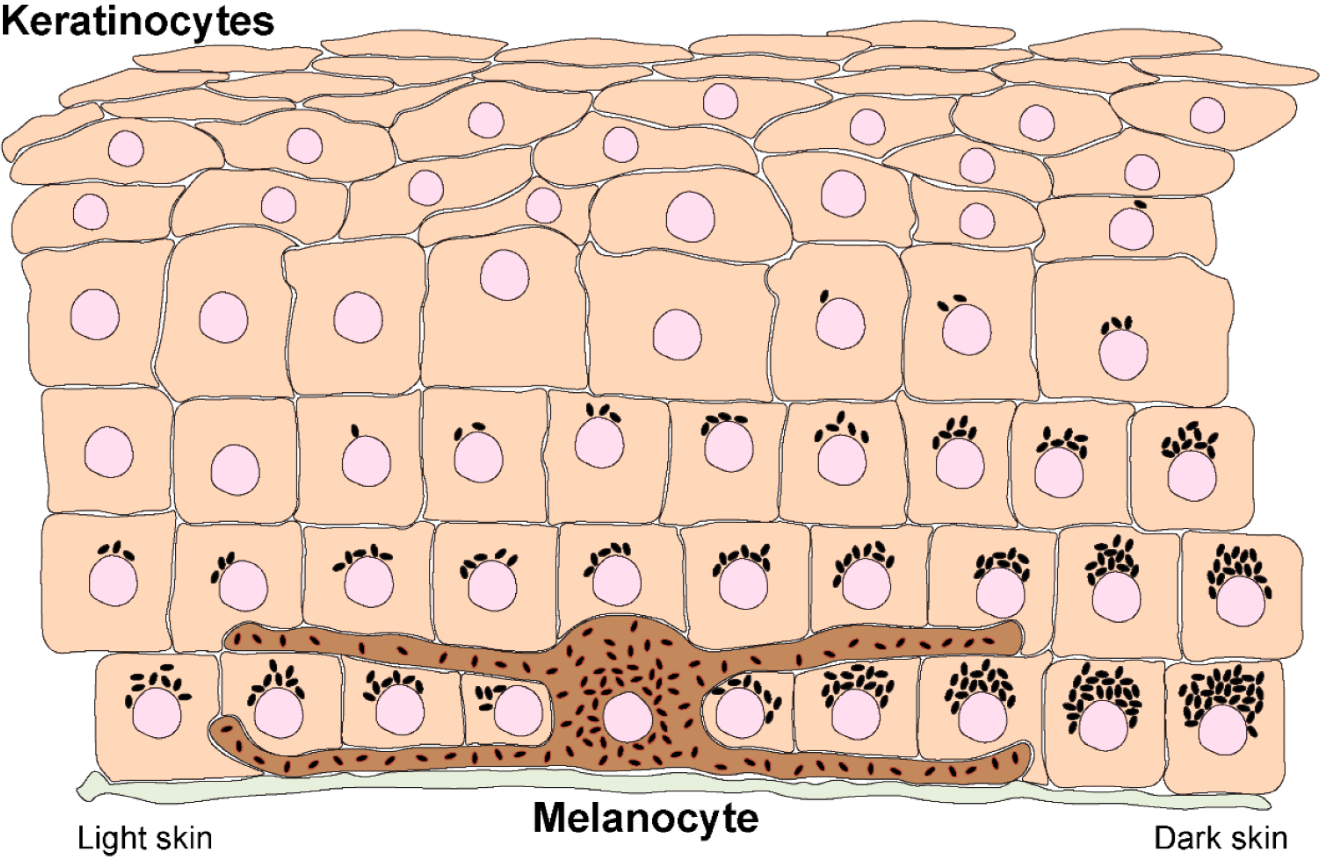
The drug slows excessive cell division while promoting normal maturation. This restores epidermal architecture and reduces plaque thickness.
3.3 Anti-inflammatory and Immunomodulatory Effects
Calcipotriol suppresses pro-inflammatory cytokines and modulates T-cell activity, contributing to reduced redness and irritation.
3.4 Reduction of Plaque Formation and Scaling
With continued use, scaling diminishes. Plaques soften. The skin gradually returns to a more physiologic state.
3.5 Comparison with Topical Corticosteroids
Unlike steroids, calcipotriol does not cause skin atrophy, telangiectasia, or rebound flares when used appropriately. It is therefore well suited for long-term management.
4. Calcipotriol Cream Uses
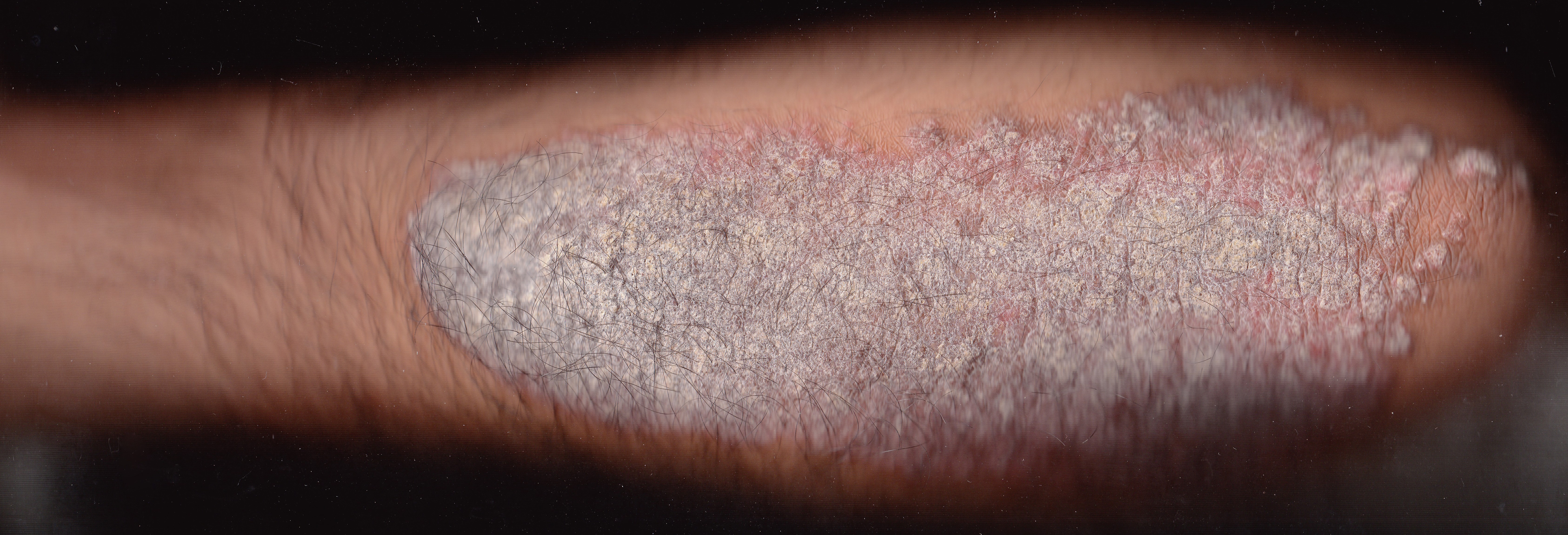
4.1 Calcipotriol Cream Psoriasis (Primary Indication)
- Trunk and limbs
- Localized areas of thickened skin
- Stable chronic plaques
It is also used as maintenance therapy to prevent relapse after disease control.
4.2 Scalp Psoriasis
4.3 Nail Psoriasis
Calcipotriol may be used as adjunctive therapy to improve nail thickening and discoloration.
4.4 Psoriasis in Sensitive Areas
Use on the face, groin, or skin folds requires medical supervision due to increased absorption and irritation risk.
4.5 Combination Therapy
Calcipotriol is frequently combined with:
- Topical corticosteroids
- Phototherapy (UVB)
- Systemic treatments in moderate to severe disease
5. Off-Label Uses of Calcipotriol Cream
5.1 Vitiligo
Often combined with phototherapy or topical steroids to stimulate repigmentation.

5.2 Lichen Planus
Used in resistant cases to modulate abnormal immune responses.

5.3 Palmoplantar Keratoderma
Helps reduce hyperkeratosis and thickened skin on palms and soles.

5.4 Ichthyosis and Keratinization Disorders
Improves scaling and abnormal skin texture.
5.5 Seborrheic Dermatitis
May be considered in selected chronic cases.

5.6 Morphea
Used as adjunct therapy in localized scleroderma.
5.7 Prevention of Psoriasis Recurrence
Maintenance use helps prolong remission.
5.8 Adjunct Therapy in Chronic Eczema
Selected patients may benefit from its regulatory effects on epidermal turnover.

6. Dosage and Administration Guidelines
6.1 Recommended Application Frequency
Typically applied once or twice daily to affected areas as directed by a healthcare provider.
6.2 Maximum Weekly Dose Limits
Excessive use should be avoided to prevent systemic absorption and disturbances in calcium metabolism.
6.3 How to Apply Calcipotriol Cream Correctly
- Apply a thin layer to affected skin
- Avoid occlusive dressings unless instructed
- Wash hands after application
6.4 Areas to Avoid
Routine use on the face, groin, or skin folds should be avoided unless specifically prescribed.
6.5 Treatment Duration and Expected Results
Clinical improvement is often observed within 2 to 8 weeks. Continuous therapy may be required for sustained control.
6.6 Use with Moisturizers
Emollients can be used alongside treatment to improve skin hydration and barrier function.
7. Drug and Product Interactions
7.1 Interaction with Topical Corticosteroids
Combination regimens enhance efficacy and may reduce irritation.
7.2 Use with Phototherapy
Timing may be adjusted to optimize therapeutic outcomes and minimize degradation by UV exposure.
7.3 Interaction with Vitamin D Products
Concurrent use with systemic vitamin D supplements should be monitored to avoid excessive exposure.
7.4 Risk of Hypercalcemia
Overuse or application to large areas may increase systemic absorption.
7.5 Compatibility with Emollients
Moisturizers and keratolytics may be used, but application timing should be spaced when possible.
8. Common Side Effects of Calcipotriol Cream
8.1 Local Skin Irritation
- Burning or stinging sensation
- Redness and itching
- Dryness or peeling

8.2 Mild Contact Dermatitis
Some patients may develop localized irritation or sensitivity.
8.3 Temporary Worsening of Psoriasis
An irritant reaction may occur early in treatment but typically resolves.
9. Less Common and Serious Side Effects
9.1 Hypercalcemia and Hypercalciuria
Rare and usually associated with excessive use.
9.2 Photosensitivity
Increased sensitivity to sunlight may occur in some individuals.
9.3 Allergic Contact Dermatitis
Discontinue use if severe irritation or rash develops.
9.4 Skin Atrophy
Rare, typically seen only when used with potent corticosteroids.
9.5 Systemic Effects
Uncommon but possible with extensive or prolonged application.
10. Warnings and Safety Information
10.1 Avoid Large Body Surface Application
Use on extensive areas should be supervised by a healthcare professional.
10.2 Calcium Metabolism Disturbances
Monitor for symptoms such as fatigue, nausea, or excessive thirst in cases of overuse.
10.3 Avoid Use on Broken or Infected Skin
Application to compromised skin may increase absorption and irritation.
10.4 Sun Exposure Precautions
Limit excessive sunlight and use protective measures during therapy.
10.5 Monitoring in Long-Term Therapy
Periodic evaluation ensures continued efficacy and safety during extended treatment.
11. Contraindications
11.1 Hypersensitivity to Calcipotriol or Formulation Components
Calcipotriol cream should not be used in individuals with a known hypersensitivity to calcipotriol or any excipient contained in the formulation. Allergic reactions, although uncommon, may present as severe redness, swelling, itching, or dermatitis at the application site. Any signs of intolerance warrant immediate discontinuation and medical evaluation.
11.2 Disorders of Calcium Metabolism
Because calcipotriol is a vitamin D analog capable of influencing calcium homeostasis, patients with underlying disorders of calcium metabolism should avoid its use. These conditions include:
- Hyperparathyroidism
- Calcium regulatory disorders
- Conditions associated with abnormal calcium absorption or excretion
Topical use over large areas may exacerbate metabolic imbalance.
11.3 Existing Hypercalcemia or Vitamin D Toxicity
Patients with elevated serum calcium levels or documented vitamin D intoxication should not receive calcipotriol therapy. Additional vitamin D activity may worsen systemic symptoms such as weakness, gastrointestinal distress, or neurocognitive changes.
11.4 Severe Renal or Hepatic Impairment (Caution or Avoidance)
Although systemic absorption is typically minimal, patients with severe renal or hepatic dysfunction may have altered calcium regulation. Careful clinical judgment is required. In certain cases, alternative therapies may be preferable.
12. Careful Administration and Important Precautions
12.1 Use the Lowest Effective Amount
Therapy should always begin with the minimal quantity necessary to achieve disease control. Excessive application increases the risk of systemic absorption and calcium imbalance.
12.2 Avoid Occlusive Dressings Unless Prescribed
Occlusion enhances percutaneous absorption. Unless specifically directed by a healthcare professional, treated areas should not be covered with airtight dressings or bandages.
12.3 Do Not Exceed Recommended Weekly Dose
Adherence to dosing limits is essential. Applying the medication to extensive body surfaces or using excessive amounts may lead to hypercalcemia.
12.4 Avoid Contact with Eyes and Mucous Membranes
Calcipotriol is intended for external cutaneous use only. Accidental exposure to the eyes, mouth, or other mucosal surfaces may cause irritation and should be promptly rinsed with water.
12.5 Gradual Adjustment When Used in Combination Therapy
When combined with topical corticosteroids or other agents, treatment adjustments should be made gradually. Abrupt changes may provoke disease rebound or local irritation.
13. Administration in Special Populations
13.1 Use in Elderly Patients
No routine dosage adjustment is typically required for older adults. However, physiological changes associated with aging may increase skin fragility or sensitivity.
- Monitor for local irritation or dryness
- Assess for symptoms related to calcium imbalance if large areas are treated
13.2 Use During Pregnancy
The safety of calcipotriol during pregnancy has not been fully established. Use should be considered only when the anticipated benefit outweighs potential risks. Human data remain limited, and exposure should be minimized whenever possible.

13.3 Use in Breastfeeding Mothers
Small amounts of the drug may theoretically be absorbed through the skin. To reduce infant exposure:
- Avoid application to the breast or nipple area
- Use the smallest effective quantity
- Prevent direct contact between treated skin and the infant
13.4 Pediatric Use
Children may have a higher risk of systemic absorption due to a greater body surface areaâtoâweight ratio. Therefore:
- Limit treatment area and duration
- Avoid excessive dosing
- Ensure medical supervision throughout therapy
14. Overdose and Excessive Exposure
14.1 Signs and Symptoms of Overuse
Excessive topical application may result in systemic absorption sufficient to disturb calcium metabolism. Symptoms of hypercalcemia may include:
- Fatigue and generalized weakness
- Nausea or vomiting
- Excessive thirst and frequent urination
- Confusion or mental changes
14.2 Management of Topical Overdose
If overdose is suspected:
- Discontinue the medication immediately
- Seek medical evaluation
- Monitor serum calcium levels until normalization occurs
Symptoms typically resolve after withdrawal of the drug.
14.3 Prevention of Accidental Overuse
Patients should be instructed to follow dosing recommendations precisely. Measuring weekly usage and avoiding application to unaffected skin can help prevent excessive exposure.
15. Storage Instructions
15.1 Recommended Storage Temperature
Store the cream at room temperature according to the manufacturerâs guidelines. Extreme temperatures should be avoided to preserve formulation stability.
15.2 Protection from Heat and Direct Sunlight
Exposure to excessive heat or direct sunlight may degrade the active ingredient. The container should be kept tightly closed and stored in a cool, shaded location.
15.3 Shelf Life and Expiry Considerations
Do not use the product beyond its expiration date. Changes in texture, odor, or color may indicate reduced efficacy or contamination.
15.4 Keeping Out of Reach of Children
The medication should be stored securely to prevent accidental ingestion or misuse.
16. Handling and Application Precautions
16.1 Proper Hygiene During Application
Hands should be washed before and after applying the medication, unless the hands themselves are the treatment area. Clean application reduces the risk of infection and unintended spread.
16.2 Avoid Contamination of the Tube or Container
The nozzle or opening should not come into direct contact with the skin or other surfaces. Keeping the container clean helps maintain product integrity.
16.3 Disposal of Unused or Expired Product
Unused or expired medication should be discarded according to local pharmaceutical disposal recommendations. Do not dispose of large quantities via household drains unless instructed.
16.4 Patient Education for Safe Long-Term Use
Successful long-term therapy depends on proper technique and adherence. Patients should be counseled to:
- Use only as directed
- Attend periodic medical evaluations
- Report unusual symptoms promptly
- Combine treatment with appropriate skin care and moisturization
Careful use supports sustained disease control while minimizing adverse effects.
Calcipotriol Cream FAQ
- What is calcipotriol cream used for?
- What are the side effects of calcipotriol?
- How often should I apply calcipotriol?
- What should I avoid while using calcipotriol?
- How long does it take for calcipotriol to work?
- Is it safe to use calcipotriol?
- When is the best time to apply calcipotriol?
- What precautions should be taken when using calcipotriol?
- What skin conditions does calcipotriol treat?
- When to stop using calcipotriol?
- Can calcipotriol cause hair loss?
- What is another name for calcipotriol?
- Is calcipotriol safe?
What is calcipotriol cream used for?
Calcipotriol is used to treat plaque psoriasis, a skin problem where your body produces too many skin cells, causing patches of dry, itchy, scaly skin (plaques).
What are the side effects of calcipotriol?
- Frequent urination
- Thirst
- Appetite loss
- Fatigue
- Stomachache
How often should I apply calcipotriol?
Twice a day
What should I avoid while using calcipotriol?
Avoid sunlight and sunburn.
How long does it take for calcipotriol to work?
1-2 days
Is it safe to use calcipotriol?
Yes
When is the best time to apply calcipotriol?
Morning and evening
What precautions should be taken when using calcipotriol?
- Pregnant woman
- Breastfeeding
What skin conditions does calcipotriol treat?
Calcipotriol is used to treat plaque psoriasis, a skin problem where your body produces too many skin cells, causing patches of dry, itchy, scaly skin (plaques).
When to stop using calcipotriol?
Once skin is better
Can calcipotriol cause hair loss?
Yes
What is another name for calcipotriol?
Calcipotriene
Is calcipotriol safe?
Yes
Popular Products



Similar Product