1. Introduction
1.1 Overview of Campicillin (Ampicillin Capsule)
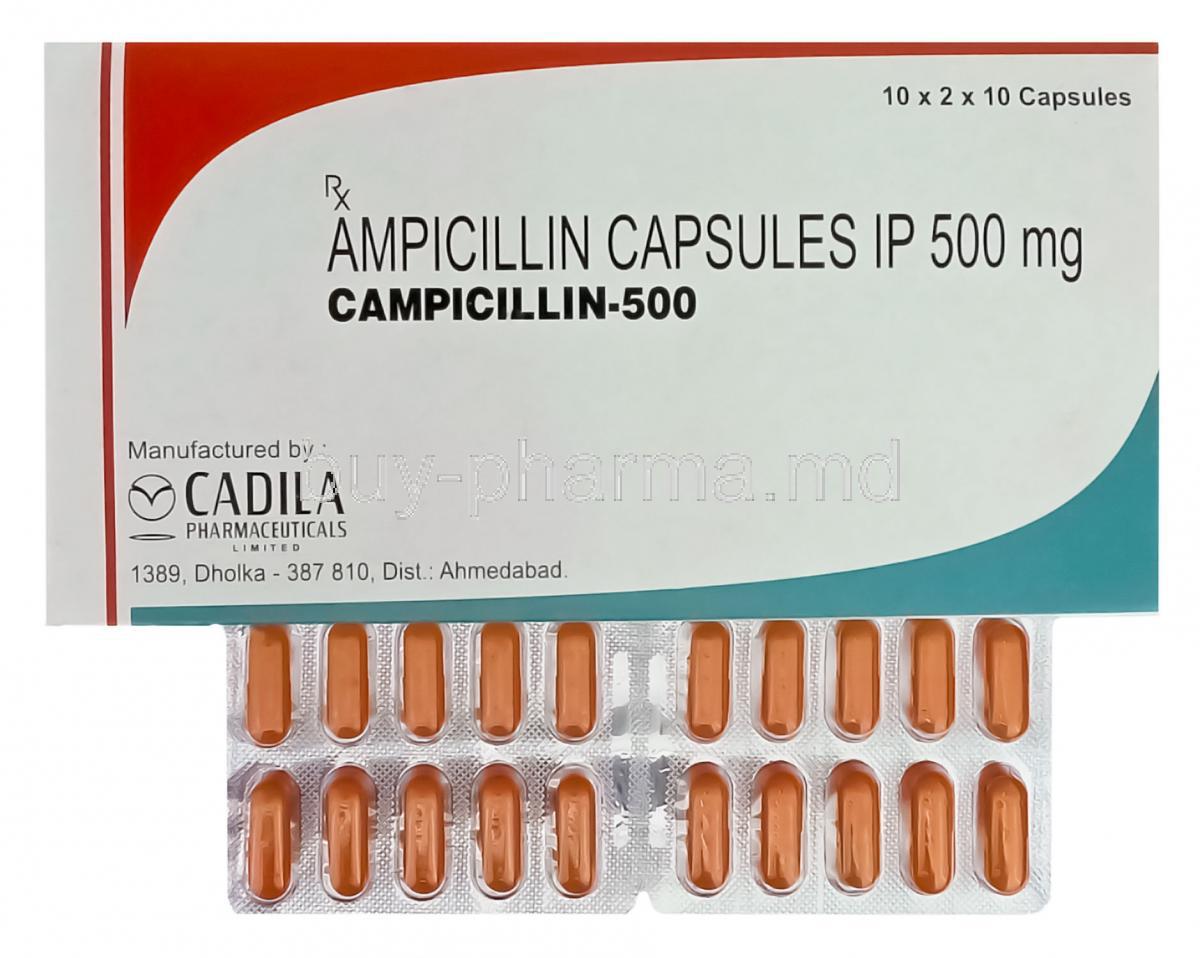
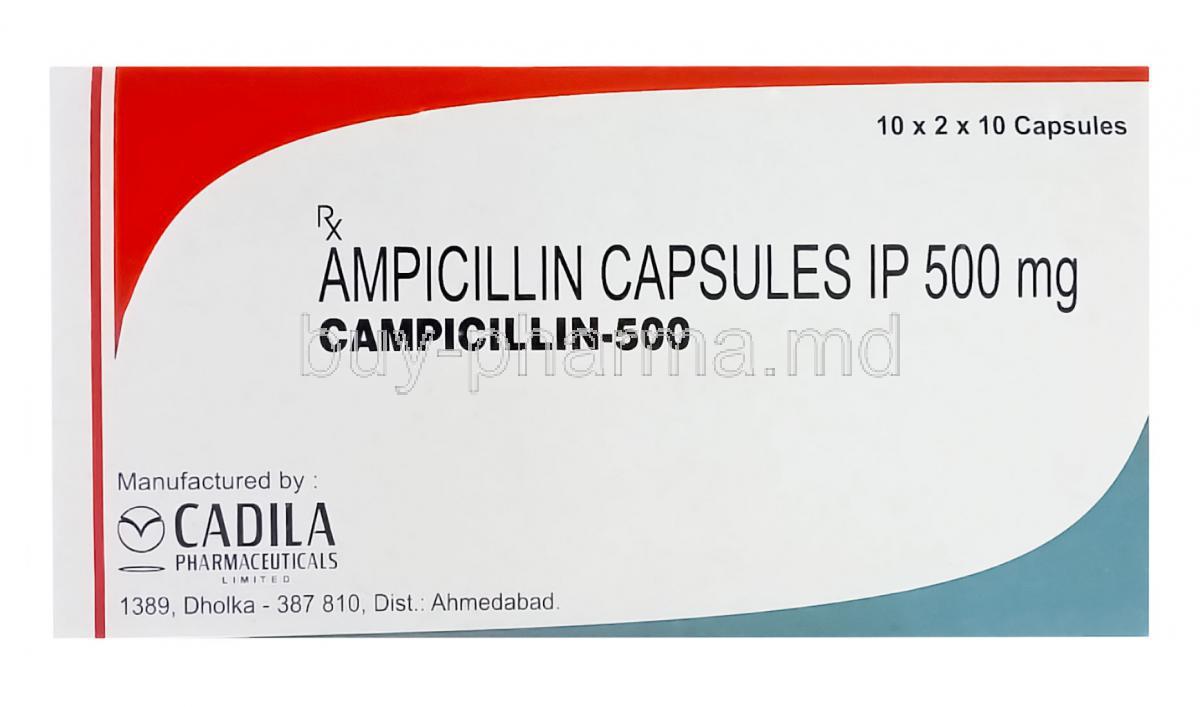
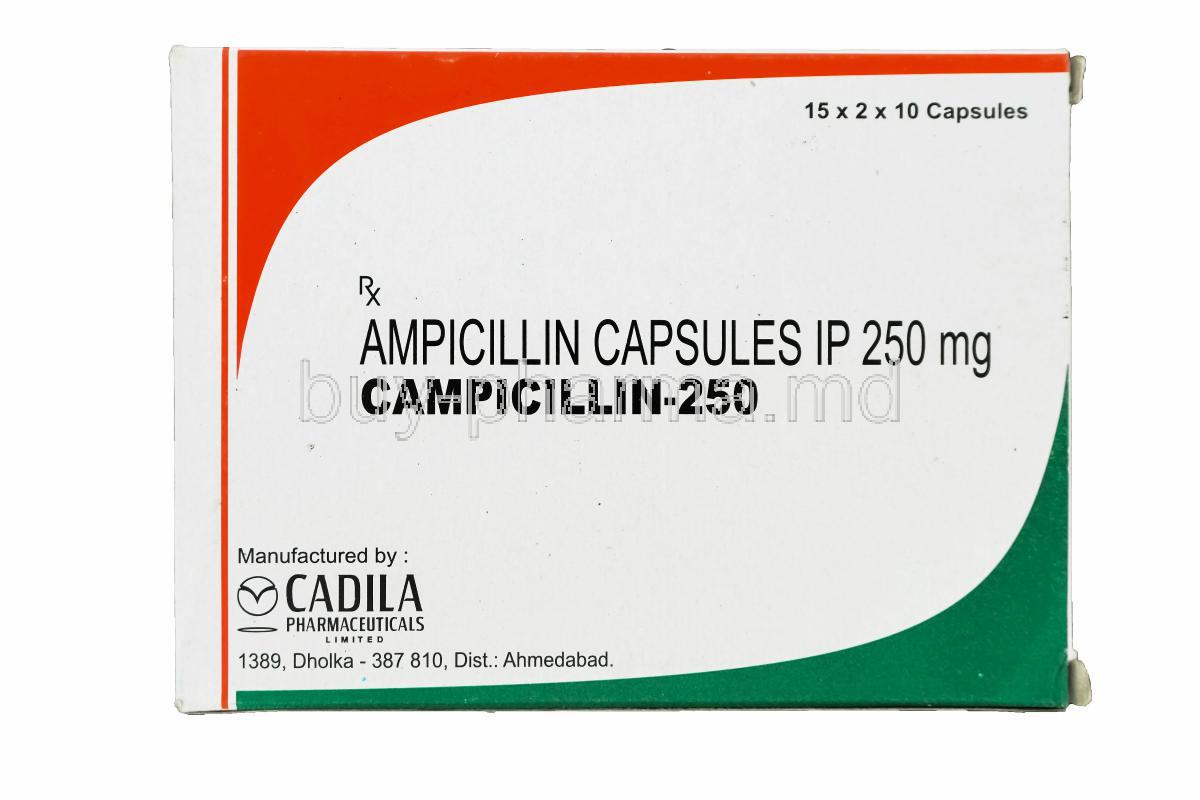
Campicillin, formulated with ampicillin as its key active component, is a well-established antibacterial therapy used to eradicate a wide spectrum of pathogenic microorganisms. It is frequently prescribed for infections affecting the respiratory tract, urinary system, skin layers, and gastrointestinal pathways. Its dependable efficacy and broad applicability have positioned it as a fundamental treatment option for clinicians managing bacterial illnesses.
1.2 Classification: Broad-spectrum Penicillin Antibiotic
Ampicillin belongs to the broad-spectrum penicillin class—an essential subgroup of beta-lactam antibiotics. This classification reflects its distinctive ability to neutralize both Gram-positive and Gram-negative organisms, offering a versatile therapeutic advantage for various clinical scenarios.
1.3 Key Therapeutic Benefits and Pharmacological Profile
Campicillin delivers dependable bactericidal activity by interrupting vital bacterial processes. Key therapeutic advantages include:
- Reliable action against numerous common and uncommon pathogens.
- Rapid onset of microbiological suppression.
- Ease of administration through capsule form.
- Favorable safety profile when administered appropriately.
Its pharmacological profile ensures widespread tissue penetration, making it suitable for systemic infections requiring robust antimicrobial control.
1.4 Differences Between Ampicillin and Other Penicillins
Ampicillin differs from conventional penicillins by offering enhanced Gram-negative coverage and superior gastrointestinal absorption. It also demonstrates broader antimicrobial versatility compared to narrow-spectrum penicillins, making it a preferred option for mixed or unclear bacterial etiologies.
2. Composition
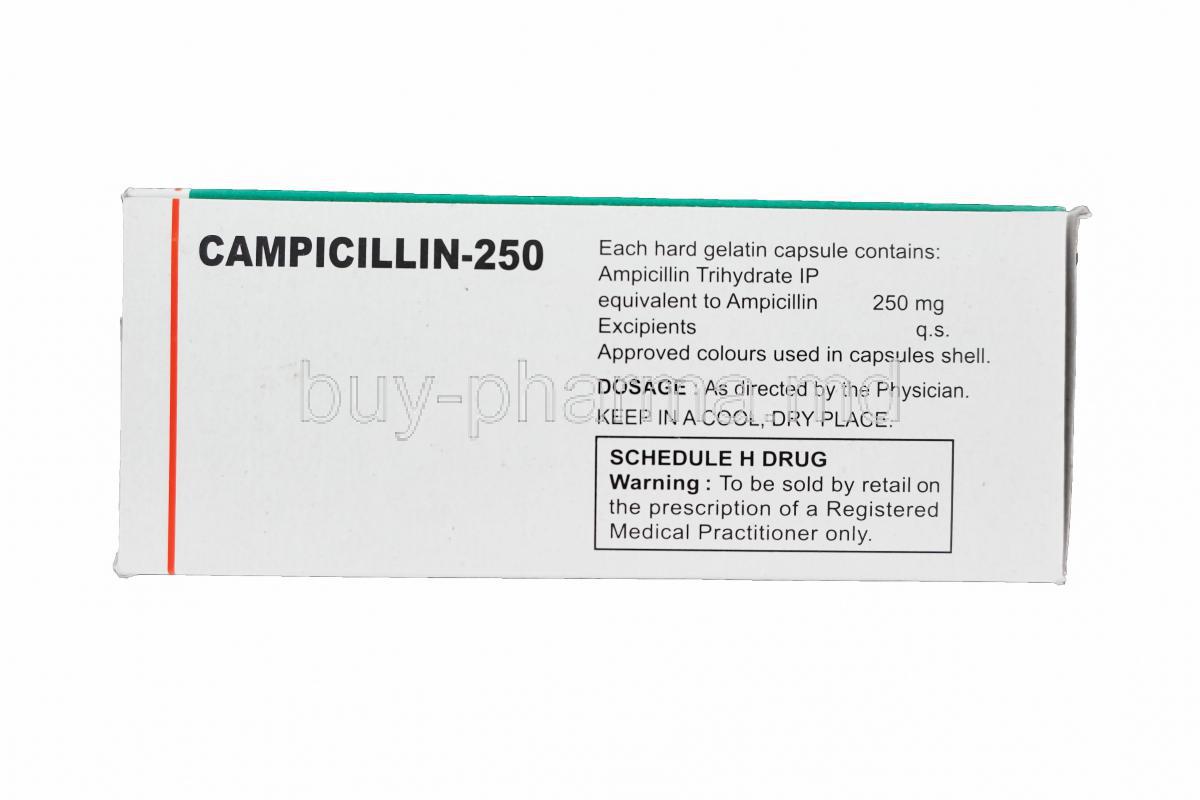
2.1 Active Ingredient: Ampicillin Trihydrate
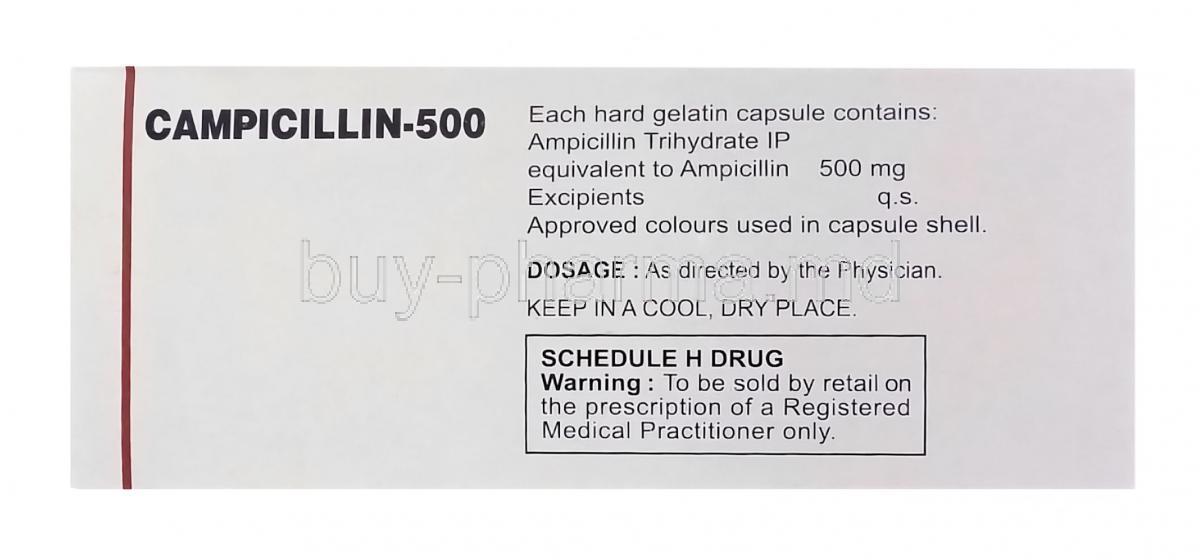
The primary therapeutic compound in Campicillin is ampicillin trihydrate, a stable derivative that maintains potency throughout the digestive tract and bloodstream.
2.2 Available Strengths and Capsule Formulations
Campicillin capsules are typically supplied in strengths tailored for mild to severe infections, allowing clinicians to adjust therapy precisely to patient needs.
2.3 Inactive Ingredients and Capsule Excipients
Excipients may include coloring agents, stabilizers, gelatin, and pharmaceutical-grade fillers that support absorption and capsule integrity.
2.4 Manufacturer-Specific Composition Variations
Different manufacturers may incorporate variations in capsule shells, excipient profiles, or dissolution rates while maintaining the same therapeutic efficacy and safety standards.
3. How Campicillin (Ampicillin) Works
3.1 Mechanism of Action: Inhibition of Bacterial Cell Wall Synthesis
Ampicillin targets bacterial cell wall formation by obstructing the transpeptidation process essential for peptidoglycan cross-linking. This interruption weakens cell structure, resulting in bacterial rupture and death.
3.2 Bactericidal Activity Against Gram-Positive and Gram-Negative Organisms
Its spectrum includes Streptococcus, Enterococcus, Haemophilus influenzae, Salmonella, Shigella, and various other pathogens. Ampicillin’s versatile coverage makes it effective for polymicrobial infections.
3.3 Pharmacokinetics: Absorption, Distribution, Metabolism, and Excretion
- Absorption: Optimized in fasting conditions.
- Distribution: Widely distributed into tissues, including lungs, skin, and urinary system.
- Metabolism: Minimal hepatic processing.
- Excretion: Primarily eliminated via renal pathways.
3.4 Resistance Considerations and Beta-Lactamase Issues
Bacterial beta-lactamases can degrade ampicillin, potentially reducing its effectiveness. Clinicians may combine it with beta-lactamase inhibitors when resistance patterns warrant additional protection.
4. Uses of Campicillin
4.1 Treatment of Respiratory Tract Infections
Common indications include bronchitis, pneumonia, and exacerbations of chronic respiratory disorders caused by susceptible organisms.
4.2 Skin and Soft Tissue Infections
Effective in treating cellulitis, impetigo, infected wounds, and other dermal infections resulting from bacterial infiltration.
4.3 Urinary Tract Infections (UTIs)
Widely used for uncomplicated and complicated UTIs, particularly those caused by susceptible Enterococcus or Gram-negative rods.
4.4 Gastrointestinal and Enteric Infections
Campicillin can address bacterial gastroenteritis, typhoid fever, and other enteric infections of pathogenic origin.
4.5 Meningitis and Central Nervous System Infections
Used selectively for Listeria-related meningitis and other CNS infections when susceptibility is documented.
4.6 ENT Infections: Otitis Media, Sinusitis, Pharyngitis
An effective option for ear, nose, and throat infections, especially when first-line agents are unsuitable.
4.7 Dental and Oral Infections
Utilized for odontogenic infections, postoperative prophylaxis, and abscess-related bacterial invasion.
4.8 Prophylaxis in Certain Infective Conditions
Indicated for procedural infection prevention in select high-risk patients.
5. Off-Label Uses of Ampicillin
5.1 Off-label Use in Listeria Monocytogenes Infections
Ampicillin remains an essential therapy in Listeria infections due to its superior intracellular penetration.
5.2 Off-label Use for Endocarditis Prophylaxis in High-risk Patients
Individuals undergoing dental or gastrointestinal procedures may receive ampicillin prophylactically when at risk for endocarditis.
5.3 Off-label Use in Neonatal Sepsis Management
Often paired with gentamicin in neonatal intensive care protocols for early-onset sepsis.
5.4 Off-label Use in Helicobacter pylori Combination Therapy
Occasionally utilized in combination regimens for resistant H. pylori strains.
5.5 Off-label Use for Animal Bite-Associated Infections
Provides coverage against pathogens from human, cat, or dog bites when used with other antimicrobial agents.
6. Dosage and Administration
6.1 Standard Adult Dosage Guidelines
Dosages typically range from moderate to high depending on infection severity and organism susceptibility.
6.2 Dosage for Mild, Moderate, and Severe Infections
Lower doses suffice for mild infections, while severe systemic infections may require substantial increases under close supervision.
6.3 Pediatric Dosing Recommendations
Dosing for children is weight-based, ensuring safe and targeted therapeutic exposure.
6.4 Renal Impairment Dose Adjustments
Reduced clearance necessitates dosage reductions or extended dosing intervals.
6.5 Hepatic Impairment Considerations
Minimal hepatic metabolism generally minimizes risk, though caution is advised in advanced impairment.
6.6 Administration Timing: Taking on an Empty Stomach
Optimal absorption occurs when capsules are taken 30–60 minutes before meals.
6.7 Missed Dose Instructions
If a dose is missed, it should be taken promptly unless the next scheduled dose is imminent.
6.8 Duration of Therapy and Treatment Completion Advice
Therapy must be continued for the full prescribed duration to prevent relapse and resistance.
7. Important Precautions
7.1 Risk of Antibiotic Resistance and Misuse
Inappropriate use of ampicillin contributes to microbial resistance, diminishing long-term treatment effectiveness.
7.2 Signs of Serious Allergic Reactions
Patients should discontinue therapy and seek urgent care if hives, breathing difficulty, or swelling occur.
7.3 Monitoring for Superinfections and Candidiasis
Long-term usage may disrupt normal flora, allowing opportunistic infections to develop.
7.4 Caution With Prolonged Use
Extended therapy increases the risk of gastrointestinal disturbance, resistant organisms, and nutrient malabsorption.
7.5 Recognizing Treatment Failure
Lack of improvement within several days warrants reassessment or laboratory evaluation.
8. Warnings
8.1 Severe Hypersensitivity and Anaphylaxis
Ampicillin can trigger severe immune-mediated responses requiring immediate emergency intervention.
8.2 Risk of Clostridioides difficile-Associated Diarrhea
Disruption of normal intestinal flora may lead to toxin-producing C. difficile infections.
8.3 Severe Cutaneous Adverse Reactions (SCARs)
Rare but critical reactions such as Stevens–Johnson syndrome and exfoliative dermatitis may occur.
8.4 Renal and Hematologic Toxicities
Hematologic abnormalities and renal impairment may develop in susceptible individuals.
8.5 High-risk Populations Requiring Extra Caution
Patients with chronic illnesses, immunosuppression, or multiple comorbidities should be monitored closely.
9. Contraindications
9.1 Known Penicillin or Beta-Lactam Allergy
Ampicillin should not be used in individuals previously diagnosed with beta-lactam hypersensitivity.
9.2 History of Severe Ampicillin-Associated Reactions
Past anaphylaxis or serious dermatologic reactions preclude future use.
9.3 Infectious Mononucleosis-Related Rash
Ampicillin frequently induces a characteristic rash when used in patients with mononucleosis.
9.4 Contraindications Specific to Capsule Excipients
Individuals sensitive to gelatin or dye components should avoid specific formulations.
10. Side Effects
10.1 Overview of Adverse Reactions Associated With Ampicillin
Ampicillin, while widely used and generally well tolerated, can produce a variety of adverse reactions that range from mild digestive disturbances to rare but significant hypersensitivity events. These reactions arise due to its pharmacological impact on gut flora, immune pathways, and systemic physiology. Patients may experience symptoms shortly after administration or gradually throughout therapy.
10.2 Common Gastrointestinal Side Effects
Gastrointestinal disturbances represent the most frequently observed adverse effects. These symptoms occur due to alterations in normal intestinal microflora, leading to transient digestive imbalance. Patients may report:
- Loose stools or increased bowel movements
- Bloating or fullness
- Mild cramping sensations
10.3 Dermatologic and Hypersensitivity Reactions
Certain individuals may experience immune-mediated dermatologic reactions. These manifestations vary in intensity and include:
- Maculopapular rash
- Warmth or redness of the skin
- Urticaria or localized hives
Hypersensitivity events may escalate rapidly in sensitive individuals, requiring prompt evaluation.
10.4 Hematologic Abnormalities
Rare hematologic changes may occur due to immune modulation or direct bone marrow effects. These may include:
- Transient anemia
- Low white blood cell counts
- Thrombocytopenia
Such reactions typically resolve upon discontinuation.
10.5 Renal-Related Side Effects
Renal irritation or reduced kidney performance can occur, particularly in individuals with pre-existing renal compromise. Proteinuria or elevated creatinine may be detected in rare cases.
10.6 Rare but Serious Reactions
Although uncommon, severe reactions may include anaphylaxis, exfoliative dermatitis, or serum sickness-like responses. Immediate medical intervention is essential if symptoms of severe allergy or systemic involvement appear.
11. Common Side Effects
11.1 Nausea, Vomiting, and Diarrhea
These symptoms arise frequently due to gastrointestinal sensitivity. Most cases are mild and self-limiting, improving as the body adjusts to therapy.
11.2 Mild Rash or Itching
Dermal irritation or faint rashes may occur. These reactions are often short-lived and manageable with supportive measures.
11.3 Abdominal Discomfort
Patients may experience mild abdominal heaviness or pressure, usually diminishing with continued treatment or food intake.
11.4 Oral or Vaginal Candidiasis (Yeast Overgrowth)
Alteration of normal flora can permit opportunistic yeast proliferation, manifesting as thrush or vaginal itching.
11.5 Headache and Mild Fatigue
Occasional headaches or feelings of low energy may develop but typically do not interfere with daily function.
12. Drug Interactions
12.1 Interactions With Oral Contraceptives
Ampicillin may diminish the effectiveness of hormonal contraceptives by altering intestinal flora involved in estrogen recirculation.
12.2 Interactions With Allopurinol (Increased Rash Risk)
Concomitant use with allopurinol significantly increases the likelihood of ampicillin-associated skin rash.
12.3 Interactions With Anticoagulants
Vitamin K–related alterations may affect anticoagulant activity, requiring close monitoring of coagulation parameters.
12.4 Probenecid and Beta-Lactam Interactions
Probenecid delays renal excretion of ampicillin, heightening serum levels and prolonging therapeutic or adverse effects.
12.5 Interaction With Other Antibiotics
Certain bacteriostatic agents may antagonize ampicillin’s bactericidal action, particularly in severe infections.
12.6 Lab Test Interference
Ampicillin can cause false-positive urine glucose results or distort certain liver enzyme assays.
13. Careful Administration
13.1 Patients With Renal Impairment
Reduced renal clearance may lead to elevated serum concentrations. Dose modification and interval adjustment are recommended.
13.2 Patients With Asthma or Allergic Conditions
Individuals predisposed to allergies may experience heightened sensitivity, necessitating caution and monitoring.
13.3 Patients With Gastrointestinal Disorders
Conditions such as colitis may worsen with antibiotic exposure, requiring alternative therapies in severe cases.
13.4 Patients With Seizure Disorders
High serum antibiotic levels may lower seizure threshold in susceptible individuals.
13.5 Patients With Nutritional Deficiencies
Malnutrition may heighten susceptibility to adverse gastrointestinal or immune-related reactions.
13.6 Patients Taking Immunosuppressive Agents
Immunocompromised individuals require careful observation due to increased risk of superinfection or atypical reactions.
14. Administration to Elderly Patients
14.1 Dose Adjustment for Renal Function Decline
Aging kidneys often process medications more slowly, making dose reduction essential for preventing accumulation.
14.2 Increased Sensitivity to Gastrointestinal Effects
Elderly individuals may experience amplified digestive discomfort due to slower gastrointestinal motility.
14.3 Monitoring for Superinfections in Older Adults
Older adults are more prone to secondary infections such as thrush or C. difficile overgrowth.
14.4 Polypharmacy Considerations
Multiple concurrent medications increase the likelihood of interactions or compounded side effects.
15. Administration to Pregnant Women and Nursing Mothers
15.1 Safety Profile During Pregnancy
Ampicillin is generally considered safe during pregnancy, with extensive clinical use supporting its profile.
15.2 Placental Transfer and Fetal Considerations
The drug crosses the placenta, but teratogenic risk remains low based on available evidence.
15.3 Use During Breastfeeding and Infant Exposure
Ampicillin is excreted into breast milk in modest amounts. Infants may experience mild digestive changes or candidiasis.
15.4 Risk–Benefit Evaluation in Maternal Treatment
Clinicians weigh maternal infection control versus minimal infant exposure risk when prescribing.
16. Administration to Children
16.1 Pediatric Dosage and Safety Profile
Pediatric dosing is weight-adjusted to ensure effective yet safe therapeutic outcomes.
16.2 Treatment of Neonatal and Infant Infections
Ampicillin remains essential for neonatal sepsis protocols, often paired with synergistic antibiotics.
16.3 Monitoring for Pediatric-Specific Side Effects
Children may be more prone to diarrhea, rash, or yeast infections due to developing immune and digestive systems.
16.4 Ampicillin Use in Otitis Media and Throat Infections
Commonly prescribed for childhood ear infections and streptococcal pharyngitis when susceptibility is confirmed.
17. Overdosage
17.1 Signs and Symptoms of Ampicillin Overdose
Overdose may manifest as severe nausea, vomiting, confusion, or electrolyte imbalance.
17.2 Gastrointestinal and Neurotoxic Effects
Excessive levels can induce neuroexcitation, leading to tremors or seizures, as well as profound gastrointestinal upset.
17.3 Emergency Management and Supportive Care
Supportive therapy includes fluid correction, electrolyte management, and symptomatic relief.
17.4 Role of Hemodialysis in Severe Overdose
Hemodialysis may be used to accelerate removal of ampicillin from circulation in critical cases.
18. Storage
18.1 Recommended Storage Temperature
Campicillin capsules should be stored at controlled room temperatures, typically below 25°C, to maintain potency.
18.2 Protecting Capsules From Moisture and Light
Exposure to humidity or direct light can degrade the medication’s stability.
18.3 Safe Storage Around Children
Capsules must be secured in child-resistant containers and placed out of reach of children.
18.4 Shelf Life and Stability Considerations
Expired or compromised capsules may lose their efficacy and should not be consumed.
19. Handling Precautions
19.1 Safe Handling of Capsules
Capsules should be handled with clean, dry hands to preserve their integrity and prevent contamination.
19.2 When to Discard Damaged or Expired Medication
Any capsule showing discoloration, leakage, or damage must be discarded promptly.
19.3 Avoiding Improper Use and Sharing of Antibiotics
Antibiotics should never be shared, as inappropriate use contributes to resistance and treatment failure.
19.4 Pharmacy and Patient Handling Guidelines
Proper storage, dispensing, and counseling practices ensure safe and effective use of Campicillin.
Customers also bought


Similar Product