1. Introduction to Cefasyn (Cefuroxime)
1.1 Overview of Cefuroxime as a Second-Generation Cephalosporin Antibiotic
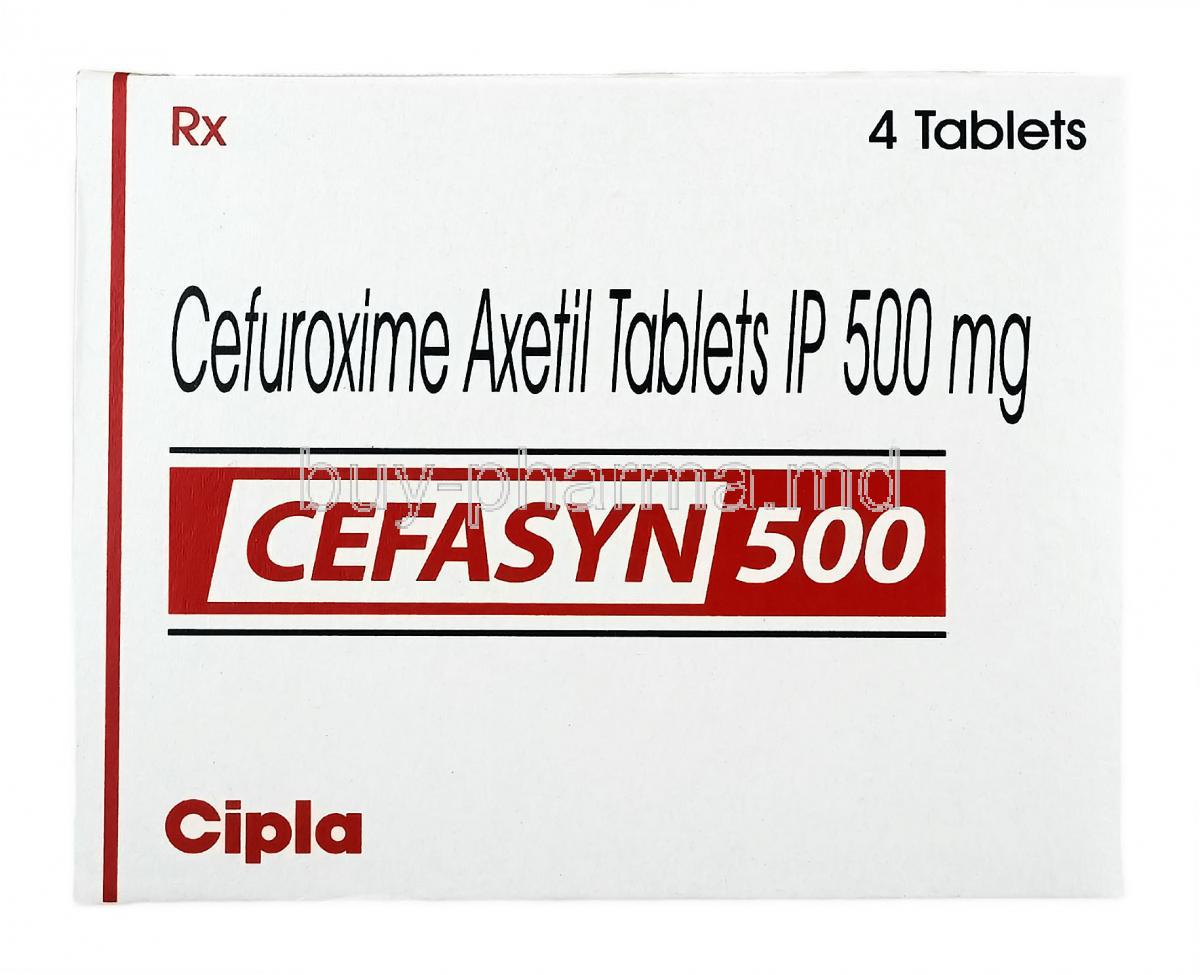
Cefasyn, containing cefuroxime, is a second-generation cephalosporin antibiotic distinguished by its expanded antimicrobial spectrum and enhanced stability against certain beta-lactamases. It exerts potent bactericidal activity and is widely utilized in both outpatient and inpatient clinical settings.
Its pharmacological versatility enables its use in a diverse range of infections. It is especially valued for:
- Broad-spectrum antibacterial coverage
- Reliable tissue penetration
- Established safety profile across populations
1.2 Brand Names, Generic Availability, and Formulations (Tablets, Suspension, Injection)
Cefuroxime is available under multiple brand names, including Cefasyn, and is widely distributed in generic formulations. It is manufactured in several dosage forms to accommodate varying clinical needs:
- Oral tablets for adult patients
- Oral suspension for pediatric use
- Injectable formulations for intravenous or intramuscular administration
This multiplicity of forms ensures flexibility in both acute and maintenance therapy.
1.3 Therapeutic Class and Clinical Relevance in Modern Antimicrobial Therapy
Belonging to the cephalosporin class of beta-lactam antibiotics, cefuroxime plays a pivotal role in empiric and targeted antimicrobial regimens. Its intermediate spectrum bridges the gap between first- and third-generation cephalosporins.
In an era marked by escalating antimicrobial resistance, cefuroxime remains a valuable therapeutic option due to its:
- Moderate resistance to beta-lactamase degradation
- Balanced efficacy against common pathogens
- Favorable pharmacokinetic profile
1.4 Spectrum of Activity Against Gram-Positive and Gram-Negative Bacteria
Cefuroxime demonstrates activity against a wide array of pathogens. It is particularly effective against:
- Gram-positive organisms such as Streptococcus pneumoniae and Staphylococcus aureus
- Gram-negative organisms including Haemophilus influenzae and Escherichia coli
Its dual-spectrum activity renders it suitable for polymicrobial infections and empirical therapy.
2. Composition and Formulation Details
2.1 Active Ingredient: Cefuroxime Axetil vs Cefuroxime Sodium
Cefuroxime is available in two principal chemical forms:
- Cefuroxime axetil: an oral prodrug that enhances gastrointestinal absorption
- Cefuroxime sodium: a water-soluble form used for parenteral administration
Upon absorption, cefuroxime axetil is hydrolyzed to active cefuroxime in systemic circulation.
2.2 Excipients and Inactive Ingredients in Different Dosage Forms
Excipients vary depending on formulation and may include stabilizers, binders, and flavoring agents. These components ensure:
- Drug stability and shelf life
- Improved palatability in suspensions
- Enhanced manufacturability
2.3 Available Strengths and Pharmaceutical Forms
Cefasyn is available in multiple strengths to tailor dosing regimens. Common strengths include:
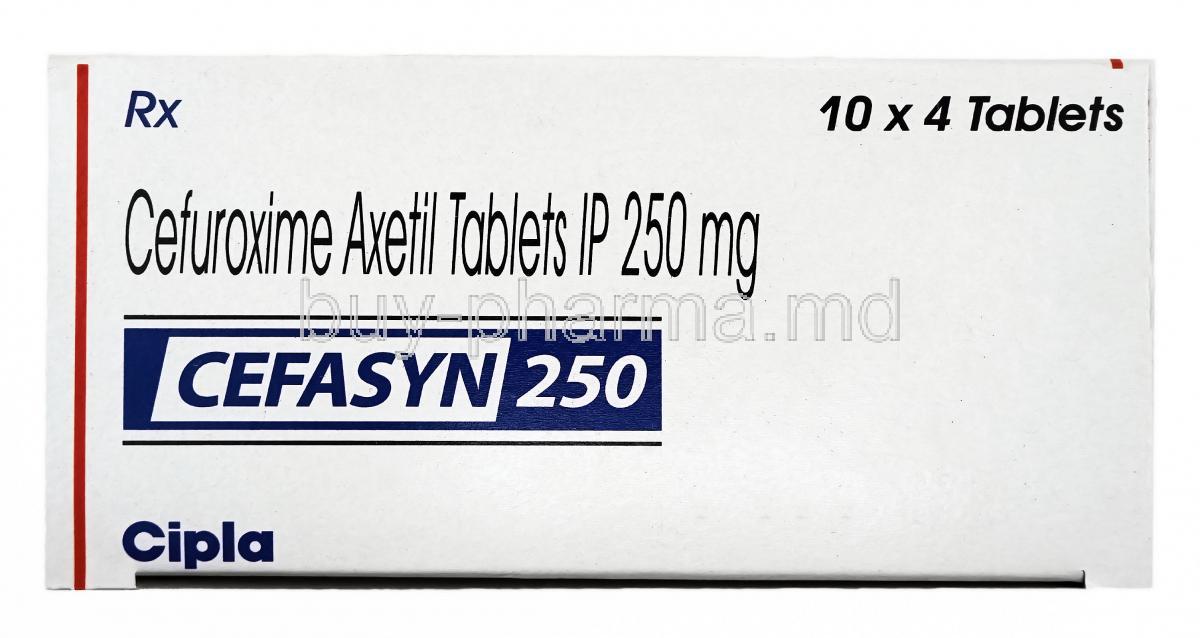
- 125 mg, 250 mg, and 500 mg tablets
- Suspensions with variable concentrations
- Injectable vials for hospital use
2.4 Differences Between Oral and Parenteral Preparations
Oral formulations are suitable for mild to moderate infections, whereas parenteral forms are reserved for severe or systemic infections. Injectable cefuroxime offers rapid onset and higher bioavailability.
3. Mechanism of Action (How Cefasyn Works)
3.1 Inhibition of Bacterial Cell Wall Synthesis
Cefuroxime disrupts bacterial cell wall synthesis by inhibiting peptidoglycan cross-linking. This leads to structural instability and eventual lysis of bacterial cells.
3.2 Binding to Penicillin-Binding Proteins (PBPs)
The drug exhibits high affinity for penicillin-binding proteins, essential enzymes in cell wall construction. By binding to these proteins, cefuroxime impairs bacterial replication.
3.3 Bactericidal Activity and Time-Dependent Killing
Cefuroxime exhibits time-dependent bactericidal activity. Sustained plasma concentrations above the minimum inhibitory concentration (MIC) are critical for optimal therapeutic effect.
3.4 Resistance Mechanisms and Beta-Lactamase Stability
While cefuroxime is resistant to certain beta-lactamases, emerging resistance mechanisms include:
- Production of extended-spectrum beta-lactamases (ESBLs)
- Alterations in PBPs
- Reduced membrane permeability
4. Clinical Uses of Cefasyn (Cefuroxime)
4.1 Treatment of Respiratory Tract Infections (Bronchitis, Pneumonia, Sinusitis)
Cefuroxime is widely prescribed for respiratory infections due to its efficacy against common pathogens. It is particularly beneficial in:
- Acute exacerbations of chronic bronchitis
- Community-acquired pneumonia
- Bacterial sinusitis
4.2 Management of Urinary Tract Infections (UTIs)
Its activity against Enterobacteriaceae makes cefuroxime effective in uncomplicated and complicated urinary tract infections.
4.3 Skin and Soft Tissue Infections (Cellulitis, Wound Infections)
Cefuroxime is utilized in the treatment of skin infections, including cellulitis and postoperative wound infections, owing to its activity against gram-positive cocci.
4.4 Ear, Nose, and Throat Infections (Otitis Media, Pharyngitis, Tonsillitis)
It is frequently prescribed in pediatric and adult populations for ENT infections, offering reliable pathogen coverage and tolerability.
4.5 Bone and Joint Infections
Cefuroxime may be used in osteomyelitis and septic arthritis, often as part of combination therapy in severe cases.
4.6 Gonorrhea and Other Sexually Transmitted Infections
It serves as an alternative treatment option in certain cases of gonococcal infections, particularly when resistance patterns permit.
4.7 Lyme Disease (Early Stage and Disseminated Forms)
Cefuroxime is an established oral therapy for early Lyme disease, particularly in patients intolerant to first-line agents.
4.8 Sepsis and Severe Systemic Infections (Injectable Form)
Intravenous cefuroxime is used in severe infections such as sepsis, where rapid antimicrobial action is essential.
4.9 Surgical Prophylaxis in Selected Procedures
Cefuroxime is administered perioperatively to reduce the risk of surgical site infections in selected procedures.
5. Off-Label Uses of Cefuroxime
5.1 Treatment of Dental Infections and Abscesses
Cefuroxime is occasionally employed in odontogenic infections where mixed flora necessitates broader antimicrobial coverage.
5.2 Empirical Therapy in Febrile Neutropenia (Combination Regimens)
In immunocompromised patients, cefuroxime may be combined with other agents to provide comprehensive empirical coverage.
5.3 Intra-Abdominal Infections (Adjunctive Use)
It may be used alongside anaerobic coverage in intra-abdominal infections to address polymicrobial etiologies.
5.4 Bacterial Meningitis (Selected Cases and Combination Therapy)
While not first-line, cefuroxime may be used in combination regimens for certain meningitis cases under specialist supervision.
5.5 Prophylaxis in Ophthalmic Procedures
Intracameral cefuroxime is utilized in ophthalmic surgery to prevent postoperative infections such as endophthalmitis.
5.6 Management of Tick-Borne Co-Infections Beyond Lyme Disease
It may have a role in managing co-infections in endemic regions, particularly when broader antibacterial coverage is warranted.
6. Dosage and Administration Guidelines
6.1 Standard Adult Dosage for Common Infections
Adult dosing typically ranges from 250 mg to 500 mg twice daily, depending on infection severity and site.
6.2 Pediatric Dosage Based on Weight and Age
Pediatric dosing is weight-based, ensuring therapeutic efficacy while minimizing toxicity.
6.3 Dosage Adjustments in Renal Impairment
Dose modifications are necessary in patients with renal dysfunction to prevent drug accumulation.
6.4 Administration with Food for Enhanced Absorption (Oral Form)
Oral cefuroxime axetil exhibits improved bioavailability when taken with food, enhancing systemic exposure.
6.5 Intravenous and Intramuscular Administration Protocols
Parenteral administration should be performed under clinical supervision, adhering to sterile techniques and dosing schedules.
6.6 Duration of Therapy Based on Infection Type
Treatment duration varies from 5 to 14 days, depending on the infection and clinical response.
6.7 Missed Dose and Compliance Considerations
Missed doses should be taken promptly unless close to the next scheduled dose. Adherence is critical to therapeutic success.
7. Side Effects of Cefasyn
7.1 Overview of Adverse Reaction Profile
Cefuroxime is generally well tolerated. However, adverse reactions may occur, particularly with prolonged use.
7.2 Common Side Effects (Gastrointestinal Disturbances, Headache)
- Nausea
- Diarrhea
- Abdominal discomfort
- Headache
7.3 Dermatological Reactions (Rash, Pruritus, Urticaria)
Hypersensitivity reactions may manifest as cutaneous eruptions, requiring discontinuation in severe cases.
7.4 Hematological Effects (Eosinophilia, Neutropenia)
Transient hematologic changes may occur and should be monitored during extended therapy.
7.5 Hepatic and Renal Effects
Mild elevations in liver enzymes and renal markers have been reported, necessitating periodic monitoring.
7.6 Injection Site Reactions (Pain, Inflammation)
Local irritation at injection sites is a known but generally mild adverse effect.
8. Serious and Rare Adverse Effects
8.1 Hypersensitivity Reactions and Anaphylaxis
Severe allergic reactions, including anaphylaxis, are rare but require immediate medical intervention.
8.2 Clostridioides difficile-Associated Diarrhea (CDAD)
Antibiotic-associated colitis may occur due to disruption of normal gut flora.
8.3 Stevens-Johnson Syndrome and Toxic Epidermal Necrolysis
These severe dermatological conditions are rare but life-threatening and necessitate urgent discontinuation.
8.4 Seizures Associated with High Doses or Renal Dysfunction
Neurotoxicity may occur in cases of overdose or impaired renal clearance.
8.5 Drug-Induced Liver Injury
Hepatotoxicity is uncommon but should be considered in patients with hepatic symptoms.
9. Drug Interactions and Product Interactions
9.1 Interaction with Probenecid and Altered Drug Clearance
Probenecid reduces renal excretion of cefuroxime, increasing plasma concentrations.
9.2 Effects of Antacids and H2 Blockers on Oral Absorption
Gastric pH alterations may reduce the absorption of cefuroxime axetil.
9.3 Concomitant Use with Nephrotoxic Drugs
Concurrent use with nephrotoxic agents may increase the risk of renal impairment.
9.4 Interaction with Oral Anticoagulants (Increased Bleeding Risk)
Monitoring of coagulation parameters is recommended when used with anticoagulants.
9.5 Laboratory Test Interference (False Positive Coombs Test, Glucose Tests)
Cefuroxime may interfere with certain laboratory assays, leading to false-positive results.
10. Contraindications of Cefuroxime
10.1 Hypersensitivity to Cephalosporins or Beta-Lactam Antibiotics
Cefuroxime is contraindicated in patients with known hypersensitivity to cephalosporins or related antibiotics.
10.2 Severe Allergic Reactions to Penicillins (Cross-Reactivity Risk)
Patients with a history of severe penicillin allergy should use cefuroxime with caution or avoid it altogether.
10.3 Known History of Drug-Induced Colitis
Use is contraindicated in individuals with a history of antibiotic-associated colitis due to increased recurrence risk.
11. Warnings and Safety Considerations
11.1 Risk of Antibiotic Resistance with Improper Use
Injudicious use of cefuroxime can precipitate antimicrobial resistance, a growing global concern. Subtherapeutic dosing, premature discontinuation, or inappropriate indication fosters selective pressure, enabling resistant bacterial strains to proliferate.
- Avoid use for viral infections such as influenza or common cold
- Adhere strictly to prescribed dosing regimens
- Limit empirical therapy duration when possible
11.2 Superinfection Risk with Prolonged Therapy
Extended administration may disrupt normal microbial flora, facilitating opportunistic overgrowth. This phenomenon, termed superinfection, may involve fungal organisms or resistant bacteria.
Clinical vigilance is required for:
- Oral or vaginal candidiasis
- Clostridioides difficile-associated diarrhea
- Secondary bacterial infections
11.3 Renal Function Monitoring in High-Risk Patients
Cefuroxime is primarily excreted via the kidneys. Accumulation may occur in patients with compromised renal function, increasing the risk of toxicity.
Monitoring strategies include:
- Regular assessment of serum creatinine and creatinine clearance
- Adjustment of dosing intervals
- Observation for neurological symptoms suggestive of accumulation
11.4 Caution in Patients with Gastrointestinal Diseases
Patients with a history of gastrointestinal pathology, particularly colitis, require careful evaluation. Antibiotic therapy may exacerbate underlying conditions or precipitate antibiotic-associated colitis.
Symptoms warranting attention include persistent diarrhea, abdominal cramping, and hematochezia.
11.5 Risk of Hemolytic Anemia
Rare cases of immune-mediated hemolytic anemia have been reported with cephalosporins. This potentially severe condition necessitates immediate discontinuation upon suspicion.
- Monitor hemoglobin levels during prolonged therapy
- Evaluate for signs such as pallor, fatigue, or jaundice
12. Careful Administration (Use with Caution)
12.1 Patients with Renal Impairment or Dialysis
In patients with renal dysfunction or those undergoing dialysis, dosing adjustments are imperative to prevent drug accumulation. Pharmacokinetic alterations necessitate individualized regimens.
12.2 Individuals with a History of Allergies or Asthma
Patients with atopic conditions, including asthma or multiple drug allergies, may exhibit heightened sensitivity to beta-lactam antibiotics. Cautious initiation and monitoring are advised.
12.3 Patients Receiving Long-Term Antibiotic Therapy
Chronic administration requires periodic evaluation of organ function and microbial susceptibility. Prolonged exposure may predispose patients to resistant infections and adverse effects.
12.4 Immunocompromised Patients
In immunocompromised individuals, cefuroxime may be used as part of combination therapy. However, these patients require intensified monitoring due to altered immune responses and infection severity.
12.5 Patients with Hepatic Dysfunction
Although cefuroxime is not extensively metabolized hepatically, caution is warranted in patients with liver impairment, particularly when concomitant hepatotoxic agents are used.
13. Important Precautions Before and During Use
13.1 Importance of Completing the Full Course of Antibiotics
Completion of the prescribed course is essential to ensure eradication of the pathogen and to prevent recurrence or resistance development.
- Do not discontinue therapy upon symptomatic improvement
- Follow prescribed duration precisely
13.2 Monitoring for Signs of Hypersensitivity
Early detection of allergic reactions is critical. Patients should be advised to report symptoms such as rash, swelling, or respiratory difficulty immediately.
13.3 Avoidance of Self-Medication and Misuse
Self-directed use without medical supervision can lead to inappropriate dosing and ineffective treatment. Antibiotics should only be used under professional guidance.
13.4 Monitoring Clinical Response and Adjusting Therapy
Therapeutic response should be assessed regularly. Lack of improvement may indicate resistant organisms or alternative diagnoses, necessitating regimen modification.
13.5 Patient Counseling and Education Points
Comprehensive patient education enhances adherence and safety. Key counseling points include:
- Proper dosing schedule
- Potential side effects
- Storage and handling instructions
14. Administration in Special Populations
14.1 Administration to Elderly Patients (Dose Adjustment and Monitoring)
Elderly patients often exhibit reduced renal function, necessitating dose adjustments. Increased susceptibility to adverse effects underscores the need for vigilant monitoring.
14.2 Use in Pregnant Women (Safety Profile and Risk Category)
Cefuroxime is generally considered safe during pregnancy when clinically indicated. However, risk-benefit assessment remains essential prior to initiation.
14.3 Use in Nursing Mothers (Breast Milk Excretion Considerations)
Cefuroxime is excreted in small quantities in breast milk. While typically well tolerated, infants should be monitored for gastrointestinal disturbances or sensitization.
14.4 Pediatric Use (Safety and Efficacy in Infants and Children)
Cefuroxime is widely used in pediatric populations with established safety and efficacy. Dosing should be weight-based and carefully calculated.
14.5 Use in Neonates and Premature Infants
Use in neonates requires caution due to immature renal function and altered pharmacokinetics. Specialist supervision is recommended.
15. Overdosage and Emergency Management
15.1 Symptoms of Cefuroxime Overdose
Overdose may manifest with gastrointestinal and neurological symptoms. These may include nausea, vomiting, and altered mental status.
15.2 Neurological Toxicity and Seizure Risk
High plasma concentrations, particularly in renal impairment, may precipitate neurotoxicity, including seizures. Prompt recognition is essential.
15.3 Supportive and Symptomatic Treatment
Management is primarily supportive. Measures include stabilization of vital signs, symptomatic relief, and discontinuation of the drug.
15.4 Role of Hemodialysis in Drug Removal
Cefuroxime is dialyzable. Hemodialysis may be employed to accelerate drug elimination in severe overdose or renal failure.
16. Storage and Stability Guidelines
16.1 Recommended Storage Conditions for Tablets and Suspension
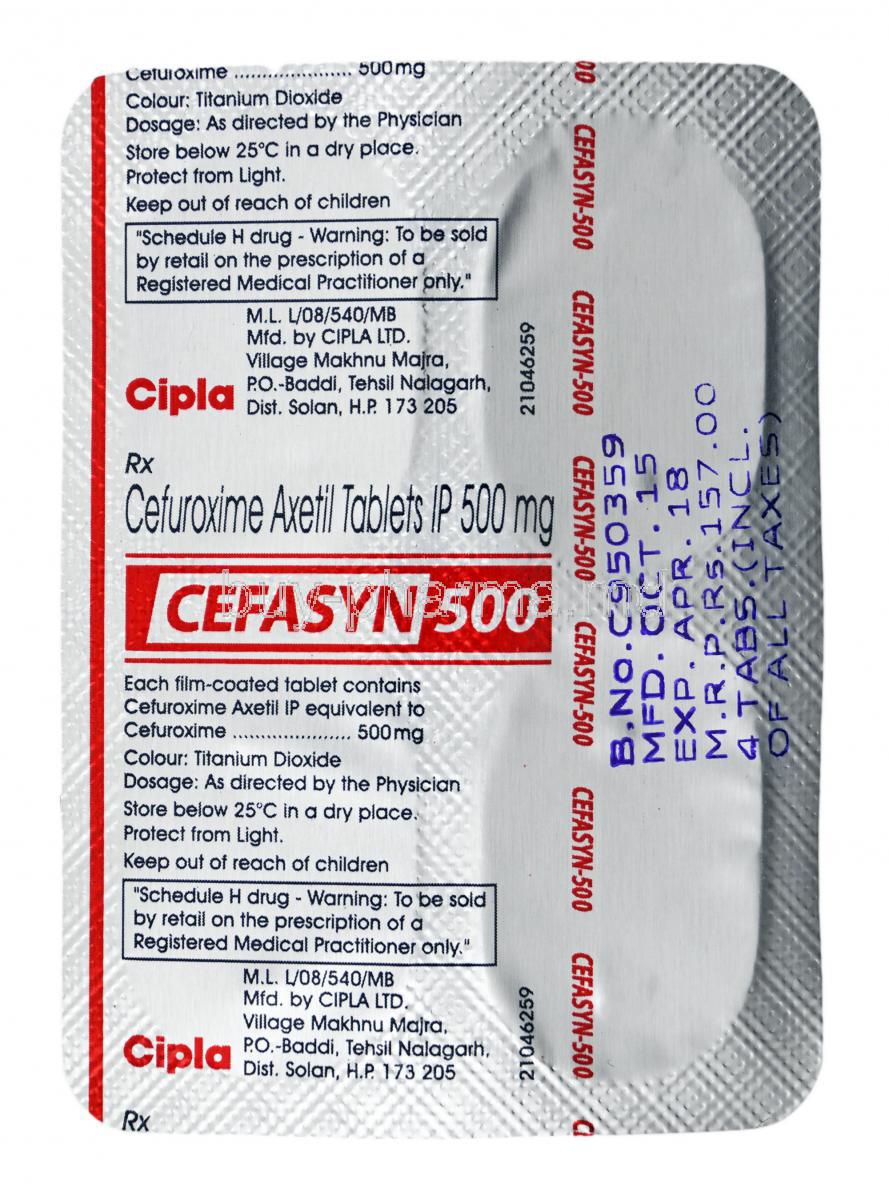
Tablets should be stored at controlled room temperature, protected from excessive heat and moisture. Suspensions require specific storage conditions depending on formulation.
16.2 Storage of Reconstituted Suspension and Shelf Life
Reconstituted suspensions typically require refrigeration and have limited shelf life. Proper labeling and adherence to expiration timelines are essential.
16.3 Handling and Storage of Injectable Forms
Injectable cefuroxime should be stored according to manufacturer guidelines, ensuring sterility and stability prior to administration.
16.4 Protection from Moisture, Heat, and Light
All formulations should be protected from environmental factors that may degrade the active compound, including humidity and direct sunlight.
17. Handling Precautions and Safe Use
17.1 Proper Reconstitution Techniques for Oral Suspension
Accurate reconstitution is critical for dose uniformity. Only recommended diluents should be used, and the suspension should be shaken thoroughly before each use.
17.2 Safe Handling of Injectable Cefuroxime
Aseptic technique is mandatory during preparation and administration of injectable formulations to prevent contamination and infection.
17.3 Disposal of Unused or Expired Medication
Unused or expired cefuroxime should be disposed of in accordance with local pharmaceutical waste regulations to minimize environmental impact.
17.4 Avoiding Contamination and Maintaining Sterility
Proper storage, handling, and administration practices are essential to maintain drug integrity and patient safety.
18. Summary and Clinical Considerations
18.1 Key Benefits and Limitations of Cefasyn (Cefuroxime)
Cefuroxime offers a balanced antimicrobial spectrum, favorable safety profile, and versatile dosing options. However, limitations include emerging resistance and reduced efficacy against certain resistant organisms.
18.2 Role in Empirical and Targeted Antibiotic Therapy
It remains a valuable agent in both empirical therapy and pathogen-directed treatment, particularly in community-acquired infections.
18.3 Importance in Combating Bacterial Infections Responsibly
Responsible use of cefuroxime is imperative to preserve its efficacy. Stewardship principles must guide prescribing practices to mitigate resistance and ensure optimal patient outcomes.
Cefasyn, Cefuroxime FAQ
- What is cefasyn used for?
- How long does it take for Cefasyn 500 to work?
- Does cefasyn make you sleepy?
- When to take cefasyn 500?
- Is Cefasyn 500 the same as amoxicillin?
- Is cefasyn a strong antibiotic?
- How to take cefasyn 500?
- Can Cefasyn 500 treat a cold?
- What are the side effects of cefasyn 250 mg?
- What are the side effects of Cefasyn?
- How to take cefasyn?
- How long does Cefasyn 250 take to work?
- Is Cefasyn 500 an anti-inflammatory?
- Does cefasyn contain penicillin?
- What is cefuroxime used to treat?
- Is cefuroxime for UTI?
- Is cefuroxime a stronger antibiotic?
- Is cefuroxime safe for kidneys?
- How many days is cefuroxime good for?
- What bacteria is killed by cefuroxime?
- How many days should you take cefuroxime for UTI?
- Which is better for UTI, amoxicillin or cefuroxime?
- What to avoid while taking cefuroxime?
- How fast does cefuroxime start working?
- Which is stronger, cefuroxime or co-amoxiclav?
- What is the risk of cefuroxime?
- What is the best time to take cefuroxime?
- Can cefuroxime 500mg be taken twice daily?
- Is cefuroxime 500mg good for UTI?
- Is cefuroxime a probiotic?
- Is 5 days of cefuroxime enough?
- Why do doctors prescribe cefuroxime?
- Can cefuroxime damage the kidneys?
- What happens if I take cefuroxime without food?
- Which antibiotic can replace cefuroxime?
- What not to do when taking cefuroxime?
- What is Cefasyn (Cefuroxime) used for?
- How does Cefuroxime work in the body?
- How should I take Cefasyn tablets?
- What is the recommended dosage of Cefuroxime?
- How quickly does Cefasyn start working?
- Can I stop Cefasyn once I feel better?
- What are the common side effects of Cefasyn?
- Is Cefasyn safe during pregnancy?
- Can I use Cefasyn while breastfeeding?
- Can Cefasyn treat viral infections like colds or flu?
- Are there any drug interactions with Cefuroxime?
- What should I do if I miss a dose of Cefasyn?
- Can Cefasyn cause allergic reactions?
- How should Cefuroxime be stored?
- Is Cefasyn available without a prescription?
- Can Cefuroxime be used for long-term treatment?
- What infections respond best to Cefasyn?
- When should I contact a doctor while taking Cefasyn?
What is cefasyn used for?
Cefasyn 500 Tablet is an antibiotic that helps fight bacterial infections in the body. It's often prescribed to treat infections in various parts of the body, such as the lungs (e.g., pneumonia), the ear, the throat, and the nasal sinuses. It's also used to treat urinary tract infections, skin infections, and infections in soft tissues, bones, and joints. Additionally, doctors may recommend it to prevent infections from occurring during surgery, which can be a big help in keeping patients safe and healthy. By taking this medicine, people can recover from these infections and return to their normal lives.
How long does it take for Cefasyn 500 to work?
48-72 hours
Does cefasyn make you sleepy?
Yes
When to take cefasyn 500?
This treatment works well for a variety of infections, including those in the lungs, like pneumonia, as well as infections of the ear, throat, and nasal sinus. It's also effective for urinary tract infections, skin infections, and infections in soft tissues, bones, and joints.
Is Cefasyn 500 the same as amoxicillin?
Cephalexin is a cephalosporin antibiotic, while Amoxicillin is a penicillin antibiotic.
Is cefasyn a strong antibiotic?
Yes
How to take cefasyn 500?
With food
Can Cefasyn 500 treat a cold?
No
What are the side effects of cefasyn 250 mg?
- Diarrhea
- Stomachache
- Headache
- Weakness
- Nausea
- Vomiting
What are the side effects of Cefasyn?
- Diarrhea
- Stomachache
- Headache
- Weakness
- Nausea
- Vomiting
How to take cefasyn?
To take this medicine, follow your doctor's instructions for the right dose and how long to take it. You should swallow the tablet whole, without chewing, crushing, or breaking it.
How long does Cefasyn 250 take to work?
48 to 72 hours
Is Cefasyn 500 an anti-inflammatory?
No
Does cefasyn contain penicillin?
No
What is cefuroxime used to treat?
Cefuroxime is a second-generation cephalosporin antibiotic used to treat a wide variety of bacterial infections, including respiratory tract infections (pneumonia, bronchitis), sinusitis, tonsillitis, ear infections, urinary tract infections (UTIs), skin infections, and Lyme disease. It works by killing bacteria or stopping their growth.
Is cefuroxime for UTI?
Yes
Is cefuroxime a stronger antibiotic?
Yes
Is cefuroxime safe for kidneys?
This medicine is usually safe for your kidneys, but you need to be careful if you already have kidney problems. Your doctor will need to adjust the dose to make sure it's right for you.
How many days is cefuroxime good for?
5-10
What bacteria is killed by cefuroxime?
Gram-positive and Gram-negative bacteria
How many days should you take cefuroxime for UTI?
5-10
Which is better for UTI, amoxicillin or cefuroxime?
Amoxicillin
What to avoid while taking cefuroxime?
- Antacids
- H2 blockers
- Proton pump inhibitors
How fast does cefuroxime start working?
24 to 48 hours
Which is stronger, cefuroxime or co-amoxiclav?
Co-amoxiclav
What is the risk of cefuroxime?
- Hypersensitivity
- Uticaria
- Skin rashes
What is the best time to take cefuroxime?
- Morning
- Evening
Can cefuroxime 500mg be taken twice daily?
Yes
Is cefuroxime 500mg good for UTI?
Yes
Is cefuroxime a probiotic?
Yes
Is 5 days of cefuroxime enough?
Yes
Why do doctors prescribe cefuroxime?
Cefuroxime treats a wide variety of bacterial infections by killing bacteria or stopping their growth
Can cefuroxime damage the kidneys?
Yes
What happens if I take cefuroxime without food?
Upset stomach
Which antibiotic can replace cefuroxime?
What not to do when taking cefuroxime?
Operating heavy machinery
What is Cefasyn (Cefuroxime) used for?
Cefasyn (cefuroxime) is a broad-spectrum antibiotic used to treat bacterial infections such as respiratory tract infections (pneumonia, bronchitis, sinusitis), urinary tract infections, skin infections, ear infections, and Lyme disease.
How does Cefuroxime work in the body?
Cefuroxime inhibits bacterial cell wall synthesis, causing the bacteria to break down and die.
How should I take Cefasyn tablets?
Take Cefasyn tablets with food and following the prescription.
What is the recommended dosage of Cefuroxime?
For adults, the typical dose is 250-500 mg, taken twice a day, and this can vary depending on the type of infection being treated.
How quickly does Cefasyn start working?
2-3 days
Can I stop Cefasyn once I feel better?
No
What are the common side effects of Cefasyn?
- Nausea
- Stomachache
- Headache
- Skin rashes
- Diarrhea
Is Cefasyn safe during pregnancy?
Yes
Can I use Cefasyn while breastfeeding?
No
Can Cefasyn treat viral infections like colds or flu?
No
Are there any drug interactions with Cefuroxime?
Yes
What should I do if I miss a dose of Cefasyn?
Take the missed dose as soon as possible.
Can Cefasyn cause allergic reactions?
Yes
How should Cefuroxime be stored?
At room temperature away from moisture and heat
Is Cefasyn available without a prescription?
No
Can Cefuroxime be used for long-term treatment?
Long-term use is generally avoided unless specifically prescribed, as it may increase the risk of resistance and side effects.
What infections respond best to Cefasyn?
- UTI
- Skin infections
- ENT infections
When should I contact a doctor while taking Cefasyn?
Contact a doctor if you experience severe diarrhea, allergic reactions, lack of improvement after a few days, or unusual symptoms such as fatigue or jaundice.
Popular Products

Similar Product