1. Introduction to Cephadex (Cefalexin)
1.1 Overview of Cephadex and Its Active Ingredient Cefalexin
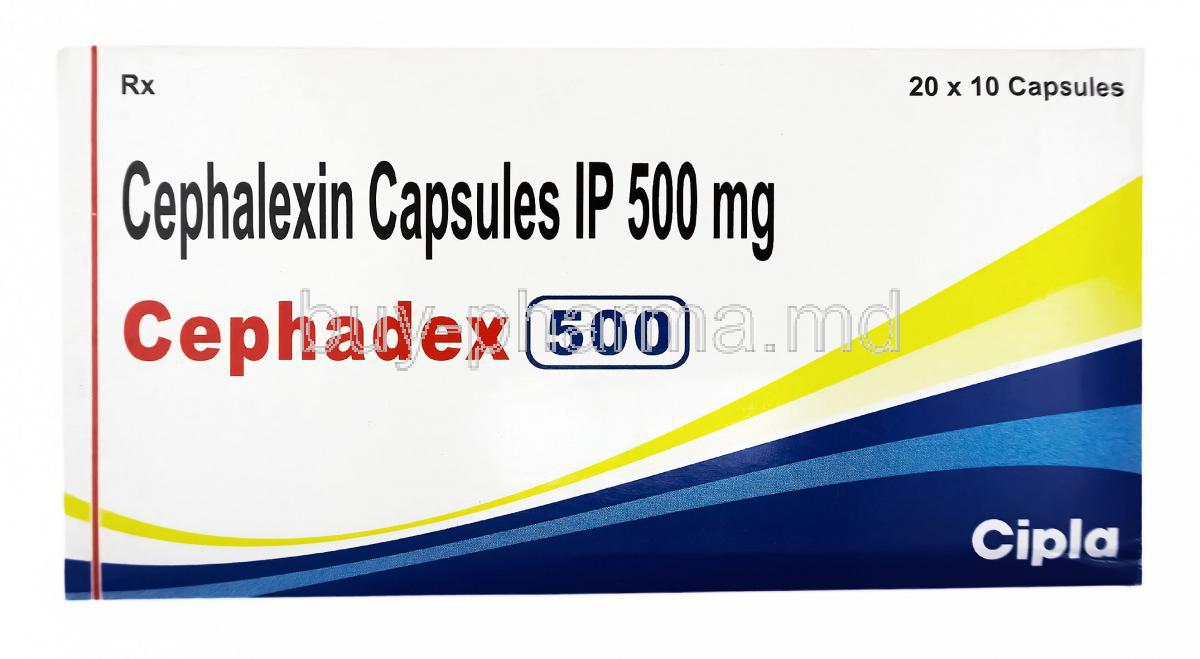
Cephadex is a widely utilized antibacterial preparation containing cefalexin, a semisynthetic beta-lactam antibiotic. It is designed to combat susceptible bacterial pathogens through rapid bactericidal action. Its clinical utility spans multiple organ systems, making it a versatile therapeutic agent in routine medical practice.
- Effective against common community-acquired infections
- Orally administered for convenient outpatient use
- Well-established safety and efficacy profile
1.2 Classification as a First-Generation Cephalosporin Antibiotic
Cefalexin belongs to the first generation of cephalosporins, characterized by robust activity against Gram-positive organisms. Structurally related to penicillins, it exhibits enhanced stability against certain bacterial enzymes while retaining potent antimicrobial activity.
1.3 Historical Development and Clinical Relevance
Developed during the expansion of cephalosporin antibiotics, cefalexin emerged as a reliable oral alternative to injectable agents. Its enduring relevance is attributed to:
- Broad clinical experience over decades
- Consistent effectiveness in uncomplicated infections
- Favorable tolerability compared to newer agents
1.4 Spectrum of Antibacterial Activity
Cephadex demonstrates activity primarily against Gram-positive cocci, including streptococci and methicillin-sensitive staphylococci. It also covers select Gram-negative organisms, such as Escherichia coli and Klebsiella species, though its spectrum is narrower than later-generation cephalosporins.
2. Composition and Formulation of Cephadex
2.1 Active Ingredient: Cefalexin Monohydrate
The principal active component is cefalexin monohydrate, a stable crystalline form that ensures optimal bioavailability following oral administration.
2.2 Available Dosage Forms (Capsules, Tablets, Oral Suspension)
Cephadex is available in multiple formulations to accommodate diverse patient needs:
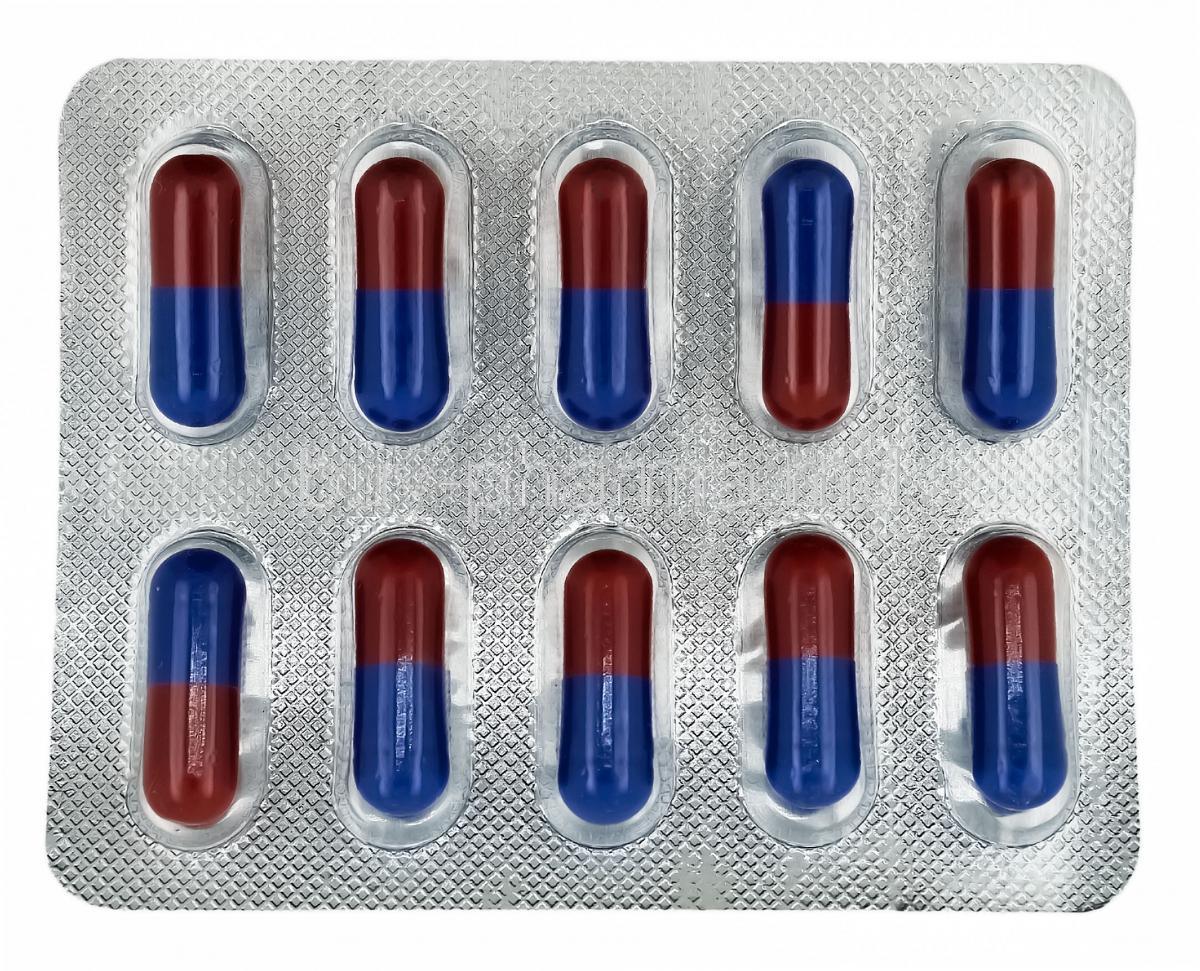
- Capsules and tablets for adults
- Oral suspension for pediatric or dysphagic patients
2.3 Excipients and Inactive Ingredients
Inactive constituents may include binders, fillers, stabilizers, and flavoring agents. These components facilitate drug delivery, enhance palatability, and maintain product stability without contributing to pharmacological activity.
2.4 Strength Variations and Pharmaceutical Standards
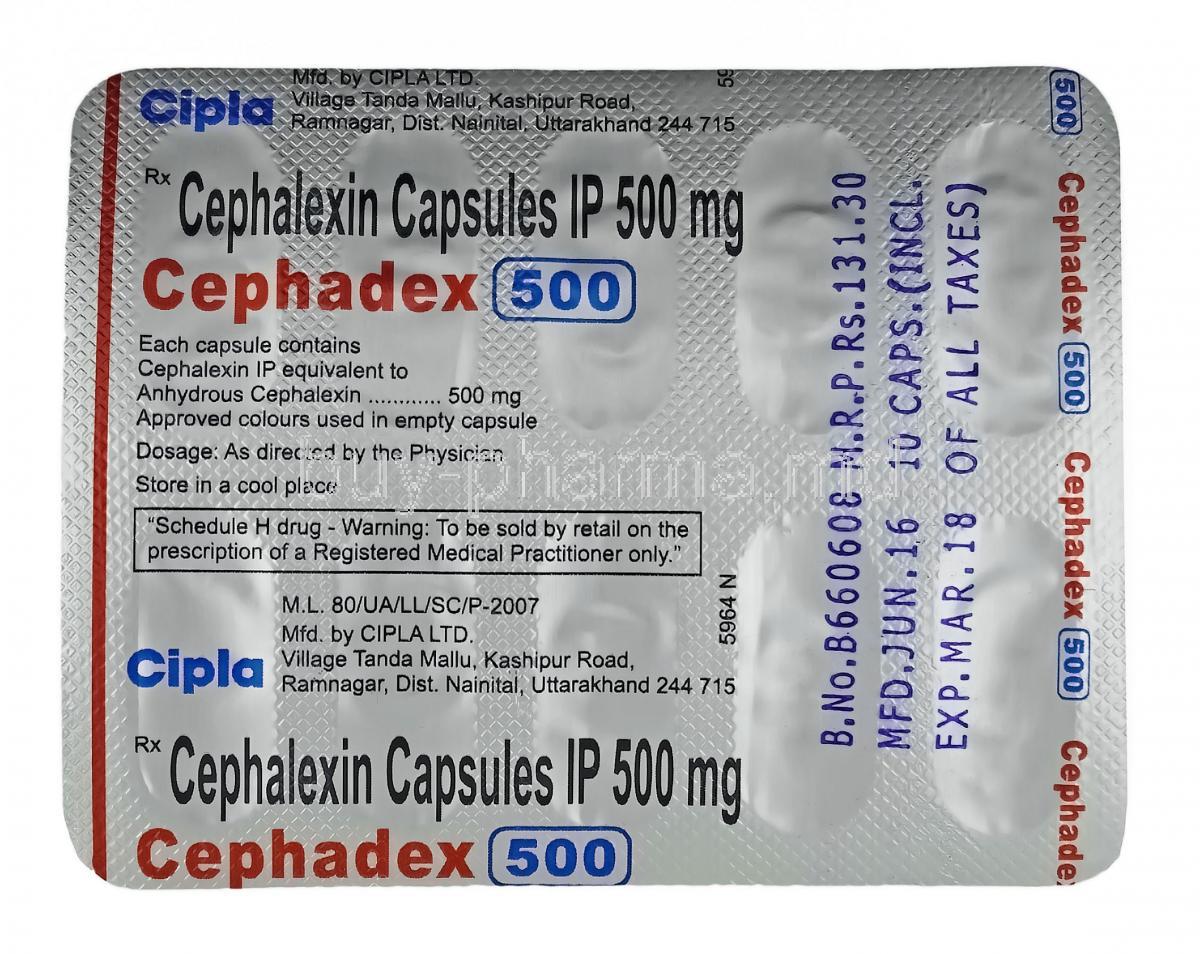
Cephadex is manufactured in various strengths, commonly ranging from 125 mg to 500 mg. Each formulation adheres to stringent pharmaceutical quality standards to ensure dose accuracy and consistency.
3. Mechanism of Action: How Cephadex (Cefalexin) Works
3.1 Inhibition of Bacterial Cell Wall Synthesis
Cefalexin exerts its antibacterial effect by disrupting the synthesis of peptidoglycan, an essential structural component of bacterial cell walls. This interference leads to cellular lysis and eventual bacterial death.
3.2 Binding to Penicillin-Binding Proteins (PBPs)
The drug binds selectively to penicillin-binding proteins located within the bacterial cell membrane. These proteins play a critical role in cell wall construction, and their inhibition compromises bacterial integrity.
3.3 Bactericidal Activity Against Gram-Positive and Selected Gram-Negative Bacteria
Unlike bacteriostatic agents, cefalexin is bactericidal. It actively eradicates susceptible organisms, resulting in rapid clinical improvement when appropriately prescribed.
3.4 Resistance Mechanisms and Beta-Lactamase Considerations
Resistance may occur through:
- Production of beta-lactamase enzymes
- Alterations in PBPs
- Reduced drug permeability
These mechanisms underscore the importance of judicious antibiotic use.
4. Clinical Uses of Cephadex (Cefalexin)
4.1 Treatment of Respiratory Tract Infections (Pharyngitis, Tonsillitis, Bronchitis)
Cephadex is frequently prescribed for upper and lower respiratory tract infections caused by susceptible organisms, offering reliable symptom resolution.
4.2 Skin and Soft Tissue Infections (Cellulitis, Impetigo, Abscesses)
Its efficacy in dermatological infections is well documented, particularly in cases involving staphylococcal and streptococcal pathogens.
4.3 Urinary Tract Infections (Cystitis, Pyelonephritis)
Cephadex is effective in treating uncomplicated urinary tract infections, especially those caused by common enteric bacteria.
4.4 Otitis Media and Ear Infections
It is often utilized in pediatric and adult patients with middle ear infections, contributing to rapid symptom relief.
4.5 Bone Infections (Osteomyelitis)
In select cases, cefalexin is employed in the management of bone infections, particularly during step-down oral therapy.
4.6 Dental Infections and Oral Abscesses
Dental practitioners frequently prescribe cefalexin for odontogenic infections, where it aids in controlling bacterial proliferation.
4.7 Prophylaxis in Minor Surgical Procedures
Cephadex may be used prophylactically to reduce infection risk in minor surgical interventions involving susceptible organisms.
5. Off-Label Uses of Cefalexin
5.1 Acne Vulgaris Management (Alternative Antibiotic Therapy)
In refractory acne, cefalexin may serve as an alternative systemic antibiotic when standard therapies are unsuitable.
5.2 Prophylaxis for Recurrent Urinary Tract Infections
Low-dose regimens may be employed in patients with recurrent UTIs to prevent recurrence.
5.3 Treatment of Mastitis in Lactating Women
Cefalexin is considered a viable option for managing bacterial mastitis due to its safety profile in breastfeeding.
5.4 Lyme Disease (Early Stage in Select Cases)
Although not first-line, cefalexin may be used in specific clinical contexts where alternative antibiotics are contraindicated.
5.5 Infective Endocarditis Prophylaxis (Penicillin Allergy Alternatives in Specific Cases)
In certain scenarios, cefalexin may be considered for prophylaxis, particularly when standard regimens are unsuitable.
5.6 Diabetic Foot Infections (Mild to Moderate Cases)
Cephadex can be used in early-stage diabetic foot infections, helping to prevent progression to severe complications.
6. Dosage and Administration Guidelines
6.1 Standard Adult Dosage for Common Infections
Typical adult dosing ranges from 250 mg to 500 mg every 6 to 12 hours, depending on infection severity.
6.2 Pediatric Dosage Based on Body Weight
Pediatric dosing is calculated based on body weight, ensuring therapeutic efficacy while minimizing toxicity.
6.3 Dosage Adjustments in Renal Impairment
Dose modification is required in patients with impaired renal function to prevent drug accumulation.
6.4 Frequency and Duration of Therapy
Treatment duration varies by indication but typically spans 7 to 14 days.
6.5 Administration with or without Food
Cephadex may be taken with or without food; however, administration with meals may reduce gastrointestinal discomfort.
6.6 Missed Dose and Compliance Considerations
If a dose is missed:
- Take it as soon as remembered
- Avoid doubling doses
7. Side Effects of Cephadex (Cefalexin)
7.1 Overview of Potential Adverse Reactions
Cephadex is generally well tolerated, though adverse effects may occur in susceptible individuals.
7.2 Gastrointestinal Disturbances (Nausea, Vomiting, Diarrhea)
Digestive symptoms are among the most commonly reported adverse effects.
7.3 Hypersensitivity Reactions (Rash, Urticaria, Anaphylaxis)
Allergic reactions range from mild cutaneous eruptions to severe anaphylactic responses.
7.4 Hematological Changes (Eosinophilia, Neutropenia)
Rare alterations in blood parameters may occur during prolonged therapy.
7.5 Hepatic and Renal Effects
Transient changes in liver enzymes and renal markers have been observed in isolated cases.
7.6 Clostridioides difficile-Associated Diarrhea Risk
Antibiotic use may disrupt normal flora, predisposing patients to Clostridioides difficile infection.
8. Common Side Effects of Cefalexin
8.1 Mild Gastrointestinal Symptoms
These include:
- Nausea
- Loose stools
- Abdominal discomfort
8.2 Headache and Dizziness
Neurological symptoms are generally mild and transient.
8.3 Vaginal Candidiasis and Fungal Overgrowth
Disruption of normal microbial balance may lead to opportunistic fungal infections.
8.4 Mild Skin Reactions
Minor dermatological reactions may occur but typically resolve without intervention.
9. Drug Interactions with Cephadex
9.1 Interaction with Probenecid (Reduced Renal Excretion)
Probenecid may increase cefalexin plasma levels by inhibiting renal excretion.
9.2 Anticoagulants (Increased Bleeding Risk)
Concurrent use with anticoagulants may potentiate bleeding tendencies.
9.3 Metformin and Renal Clearance Considerations
Co-administration may affect renal clearance, necessitating monitoring.
9.4 Interaction with Other Antibiotics
Synergistic or antagonistic effects may occur depending on the combination.
9.5 Laboratory Test Interference (False-Positive Urine Glucose)
Cefalexin may interfere with certain diagnostic assays, leading to false-positive results.
10. Contraindications of Cefalexin
10.1 Known Hypersensitivity to Cephalosporins
Cephadex is contraindicated in patients with a documented allergy to cephalosporin antibiotics.
10.2 Severe Allergic Reaction to Penicillins (Cross-Reactivity Risk)
Patients with a history of severe penicillin allergy should use cefalexin with extreme caution or avoid it altogether.
10.3 History of Antibiotic-Associated Colitis
Use is contraindicated in individuals with prior antibiotic-associated colitis due to the risk of recurrence.
11. Warnings and Safety Considerations
11.1 Risk of Severe Allergic Reactions and Anaphylaxis
Cefalexin, like other beta-lactam antibiotics, carries a tangible risk of hypersensitivity reactions. These reactions may manifest abruptly and escalate rapidly. Clinical vigilance is imperative, particularly in individuals with a prior history of drug allergies.
- Cutaneous manifestations: rash, pruritus, urticaria
- Systemic reactions: bronchospasm, angioedema
- Severe outcomes: anaphylactic shock requiring emergency intervention
Immediate discontinuation is mandatory upon the first sign of hypersensitivity.
11.2 Clostridioides difficile Infection Risk
Broad-spectrum antibiotic therapy may disrupt intestinal microbiota, facilitating overgrowth of Clostridioides difficile. This condition ranges from mild diarrhea to life-threatening pseudomembranous colitis.
Persistent diarrhea, abdominal pain, or fever should prompt clinical evaluation and appropriate microbiological testing.
11.3 Development of Antibiotic Resistance with Misuse
Injudicious use of cefalexin contributes to the emergence of resistant bacterial strains. Subtherapeutic dosing, premature discontinuation, and unnecessary prescriptions accelerate this phenomenon.
- Promotes microbial adaptation
- Reduces future therapeutic efficacy
- Increases healthcare burden globally
11.4 Use in Patients with Renal Impairment
Cefalexin is primarily eliminated via renal excretion. In patients with compromised renal function, drug accumulation may occur, increasing the risk of toxicity.
Dose adjustments and periodic monitoring of renal parameters are essential.
11.5 Superinfection Risk with Prolonged Use
Extended therapy may predispose patients to opportunistic infections due to suppression of normal flora. These superinfections may include fungal overgrowth or colonization by resistant organisms.
12. Careful Administration (Use with Caution)
12.1 Patients with Renal Dysfunction
Patients with renal insufficiency require individualized dosing strategies. Accumulation of cefalexin can lead to heightened adverse effects if not appropriately managed.
12.2 Individuals with History of Gastrointestinal Disease
Patients with a history of gastrointestinal disorders, particularly colitis, should use cefalexin cautiously. Antibiotic exposure may exacerbate underlying conditions.
12.3 Patients with Known Drug Allergies
Cross-reactivity between cephalosporins and penicillins necessitates caution. A thorough allergy history should be obtained prior to initiation.
12.4 Immunocompromised Patients
Immunocompromised individuals may exhibit atypical responses to infection and treatment. Close monitoring is required to ensure therapeutic effectiveness and detect complications early.
13. Important Precautions Before and During Use
13.1 Importance of Completing the Full Antibiotic Course
Completing the prescribed course ensures eradication of pathogenic organisms and minimizes the risk of relapse or resistance.
13.2 Monitoring for Allergic Reactions
Patients should be advised to recognize early signs of allergic reactions. Prompt reporting can prevent progression to severe complications.
13.3 Avoiding Unnecessary Antibiotic Use
Cefalexin should not be used for viral infections or non-bacterial conditions. Rational prescribing is critical for antimicrobial stewardship.
13.4 Monitoring Renal and Hepatic Function in Long-Term Therapy
Extended use necessitates periodic assessment of renal and hepatic function to detect subclinical abnormalities.
13.5 Avoiding Self-Medication and Misuse
Self-directed antibiotic use is discouraged. Improper dosing and unsupervised therapy can lead to adverse outcomes and resistance.
14. Administration to Special Populations
14.1 Use in Elderly Patients: Dose Adjustments and Monitoring
Elderly patients often present with reduced renal function and polypharmacy. Dose adjustments and careful monitoring are advisable to avoid cumulative toxicity.
14.2 Use in Pregnant Women: Safety Profile and Risk Category
Cefalexin is generally considered safe in pregnancy when clinically indicated. However, treatment decisions should balance potential benefits against theoretical risks.
14.3 Use in Nursing Mothers: Excretion in Breast Milk
Cefalexin is excreted in small quantities in breast milk. While typically well tolerated, infants should be monitored for gastrointestinal disturbances or hypersensitivity.
14.4 Use in Pediatric Patients: Safety and Efficacy Considerations
Cefalexin is widely used in pediatric populations due to its favorable safety profile. Weight-based dosing ensures optimal therapeutic outcomes.
15. Overdosage and Emergency Management
15.1 Symptoms of Cefalexin Overdose
Overdose may present with gastrointestinal distress, including nausea, vomiting, and diarrhea. In severe cases, neurological symptoms such as agitation or confusion may occur.
15.2 Immediate Management and Supportive Care
Management is primarily supportive. Ensuring airway stability, hydration, and symptomatic relief is essential.
15.3 Role of Gastric Decontamination and Dialysis
Gastric decontamination may be considered in acute ingestion. Hemodialysis can facilitate drug removal in severe toxicity, particularly in patients with renal impairment.
15.4 Monitoring and Follow-Up Care
Continuous monitoring of vital signs and laboratory parameters is recommended until clinical stability is achieved.
16. Storage and Stability of Cephadex
16.1 Recommended Storage Conditions (Temperature, Light, Moisture)
Cephadex should be stored at controlled room temperature, protected from excessive heat, light, and moisture to preserve its stability.
16.2 Shelf Life and Expiry Considerations
Adherence to expiry dates is essential to ensure therapeutic efficacy and safety. Expired products should not be used.
16.3 Storage of Reconstituted Oral Suspension
Reconstituted suspensions should be stored as directed, often under refrigeration, and used within the specified time frame.
16.4 Safe Disposal of Unused Medication
Unused or expired medication should be disposed of responsibly in accordance with local regulations to prevent environmental contamination.
17. Handling Precautions
17.1 Safe Handling of Antibiotic Formulations
Proper handling ensures product integrity and reduces the risk of contamination.
17.2 Avoiding Contamination of Oral Suspension
Use clean measuring devices and avoid direct contact with the bottle opening to maintain sterility.
17.3 Instructions for Reconstitution and Measurement Accuracy
Accurate reconstitution and dosing are critical. Follow instructions meticulously:
- Use the recommended volume of water
- Shake well before each use
- Measure doses precisely
17.4 Keeping Medication Out of Reach of Children
Store medication securely to prevent accidental ingestion by children.
18. Summary of Clinical Benefits and Key Considerations
18.1 Efficacy Across Common Bacterial Infections
Cephadex provides reliable therapeutic coverage for a range of bacterial infections, particularly those involving Gram-positive organisms.
18.2 Safety Profile and Tolerability
Its well-characterized safety profile and generally mild adverse effects make it suitable for diverse patient populations.
18.3 Importance of Rational Antibiotic Use
Responsible prescribing and adherence to treatment guidelines are essential to preserve its clinical utility.
18.4 Key Takeaways for Patients and Healthcare Providers
Effective treatment depends on:
- Accurate diagnosis and appropriate indication
- Strict adherence to dosing regimens
- Awareness of potential adverse effects and interactions
- Ongoing monitoring and patient education
Cephadex, Cefalexin FAQ
Customers also bought

Popular Products
Similar Product